


Automatic transmission pump whine is sometimes normal, but it becomes a warning sign when the noise is new, getting louder, or paired with shift or engagement symptoms—because the pump is the transmission’s hydraulic “heart,” and sound changes often track pressure or fluid problems.
Next, you’ll learn what pump whine actually is, why it tends to follow engine RPM, and how fluid flow issues like aeration (air in fluid) or restriction can make a healthy pump sound sick.
Then, you’ll get a practical gearbox noise diagnosis framework to separate pump whine from look-alike noises (power steering, wheel bearings, differential, torque converter, accessories) using simple “pattern tests” you can do as a driver.
Introduce a new idea: once you understand the sound pattern, you can use a short triage routine—fluid check, RPM vs speed test, Park/Neutral vs Drive test—to decide whether it’s safe to drive and what fixes typically solve it.
Is automatic transmission pump whine ever normal?
Yes—automatic transmission pump whine can be normal because some pumps naturally produce a faint high-pitch tone, cold ATF increases hydraulic load, and certain vehicles transmit sound more clearly through the case and mounts.
Next, the key is not “is there any whine,” but whether the whine is stable and predictable or new and escalating.
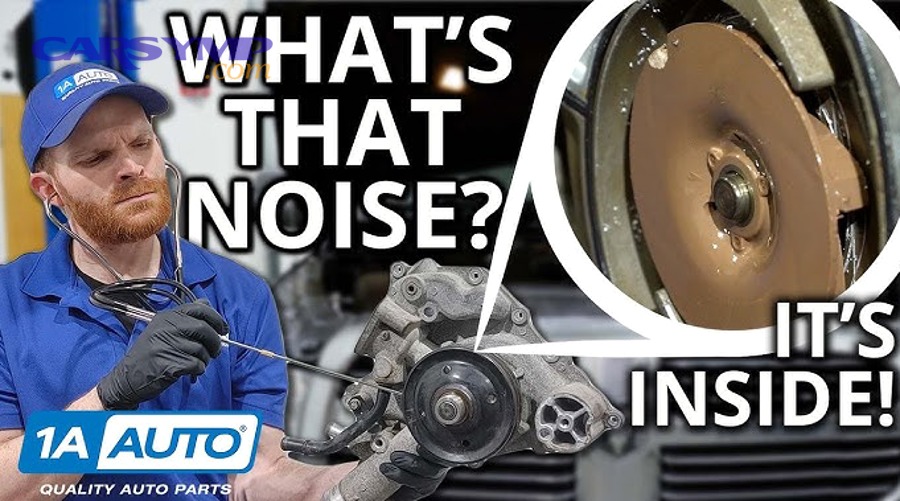
A small amount of whine can be benign when it behaves like “background noise” rather than a symptom. Use these three “normal” markers:
- Consistency: The whine is faint, doesn’t suddenly spike, and doesn’t change day to day.
- Context: It appears briefly in predictable conditions (often cold) and fades as the transmission warms.
- No companion symptoms: You don’t feel delayed engagement, slipping, harsh shifts, overheating, or burning smell.
What makes drivers anxious is that “whine” is also a classic signature of a pump that is starving for fluid, pulling air, or struggling to hold line pressure. That’s why the safest approach is to treat sound as a pattern, not a single event.
Does a brief whine on cold start count as normal?
Yes, a brief cold-start whine can be normal because cold ATF is thicker, the pump works harder to build pressure, and seals and clearances are tighter until the unit warms up.
To begin, you want to watch the duration and the trend.
A normal cold-start whine usually looks like this:
- You start the engine, shift to Drive/Reverse, and you may hear a light whine for a short time.
- Within a few minutes of gentle driving, the noise softens or disappears.
- Shifts feel normal and engagement is prompt.
A concerning cold-start whine looks different:
- The noise is loud, gravelly, or intermittently “surges” as if the pump is gulping.
- Engagement is delayed (you shift into Drive and nothing happens for a moment).
- The noise persists even when warm, or it’s getting worse each week.
If your vehicle is one of the “sealed” designs without a dipstick, the most important driver step is still the same: confirm the correct fluid level/temperature procedure for your model before any conclusions. A wrong check method can create false “low fluid” signals.
Does a whine that gets louder with RPM indicate a problem?
Yes, a whine that gets louder with engine RPM often points to a pump/pressure or fluid-supply issue because pump speed rises with RPM, restriction increases suction stress, and aeration/cavitation grows under higher demand.
However, the next step is to confirm it’s truly RPM-linked and not vehicle-speed-linked.
Here’s the quick driver test:
- Hold a steady road speed and slightly vary throttle (RPM changes). If the pitch follows RPM, suspect pump/engine-driven components.
- Hold a steady RPM (as best you can) and vary road speed. If the pitch follows speed, suspect wheel bearings/differential.
If your whine follows RPM and you also notice shift flare (RPM jumps without matching acceleration) or delayed engagement, treat it as more than “annoying noise.” That pairing is a strong hint that pressure is inconsistent.
What is automatic transmission pump whine and why does it happen?
Automatic transmission pump whine is a high-pitched tonal noise produced by the transmission’s hydraulic pump as it draws ATF, builds line pressure, and feeds clutches/valves—often becoming noticeable when fluid supply, viscosity, or internal clearances change.
Below, the goal is to connect what you hear to what the pump is doing.
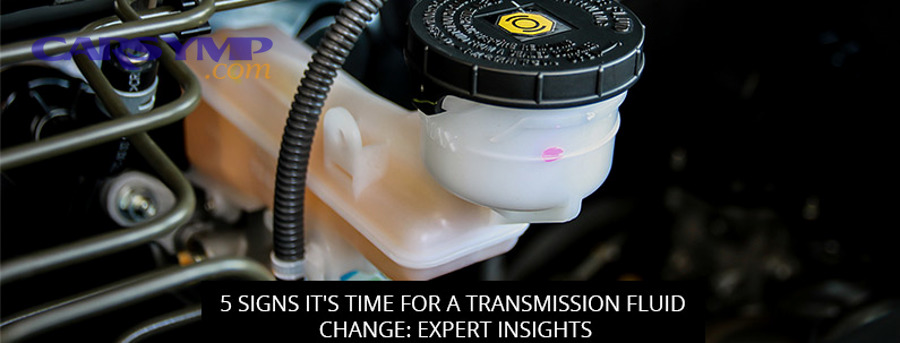
In an automatic transmission, the pump’s job is simple but unforgiving: move fluid fast and consistently. It must supply:
- Line pressure (the force that applies clutch packs and bands)
- Lubrication flow (to bearings, bushings, gears)
- Cooling flow (through the cooler circuit)
When the pump can’t get a steady, bubble-free supply of ATF—or when it’s forced to pull against restriction—it can create a distinct whine. The sound is not “magic”; it’s energy turning into vibration.
What does pump whine sound like compared to a hum or grind?
Pump whine wins in “high-pitch and RPM-following,” hum is best for “steady drone tied to speed,” and grind is optimal for signaling “hard contact or damage” because each noise maps to a different mechanical event.
However, drivers often mix them up, so the trick is to classify the sound by pitch and behavior.
Use this quick “Whine vs grind vs clunk diagnosis” cheat sheet:
- Whine: high-pitched, smooth, tonal; often follows engine RPM; may intensify in Reverse or under load.
- Hum/Drone: lower pitch, steady; commonly follows vehicle speed; often bearings/differential/tire-related.
- Grind: rough, harsh, metallic; often indicates contact (worn gears, failing bearings, severe damage).
- Clunk: a short impact sound; often indicates mounts, driveline lash, CV joints, or harsh engagement events.
Whine is especially important because it can be the “early warning” noise that appears before the transmission loses driveability.
When does pump whine typically appear—idle, in gear, or while accelerating?
There are 4 common “appearance patterns” for pump whine—idle-only, in-gear at stop, during acceleration, and hot-only—based on when hydraulic demand and fluid conditions peak.
To better understand what your whine means, match it to one of these patterns:
- Idle-only in Park/Neutral: May indicate pump tone becoming audible through mounts/case, or an engine accessory masquerading as transmission noise.
- In-gear at a stop (Drive/Reverse): Demand rises; may highlight low fluid, restriction, or pressure control issues.
- During acceleration in all gears: Often correlates with higher demand—low fluid, worn pump, or internal wear creating pressure instability.
- Hot-only after driving: Heat thins fluid and can worsen leaks, reduce margin against aeration, or expose a restricted cooler circuit.
Evidence: According to a study by Michigan Technological University from the Department of Mechanical Engineering, in 2003, automatic transmission fluid exhibited cavitation within measured operating ranges (including specific charge pressures and pump speeds), supporting that cavitation is a realistic mechanism behind pump-related noise.
Which symptoms most strongly signal a failing transmission pump?
There are 7 main symptom clusters that signal a failing transmission pump: delayed engagement, slipping/flare, harsh or erratic shifts, overheating, fluid aeration signs, abnormal noises that worsen, and loss of movement—based on whether line pressure and flow remain stable.
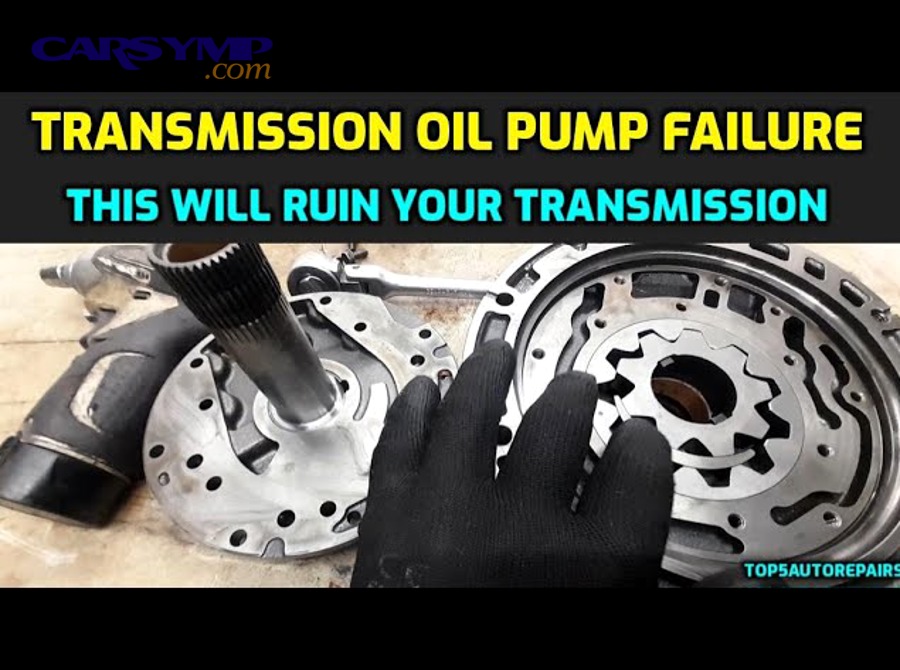
Next, you’ll use symptom pairing to move from “noise” to “diagnosis confidence.”
Pump whine alone is ambiguous. Pump whine plus symptoms is meaningful. The pump is the pressure source; when the source struggles, the rest of the system shows it.
What “paired symptoms” make pump whine urgent?
There are 5 urgent pairings—whine + no movement, whine + delayed engagement, whine + slipping/flare, whine + overheating/burning smell, and whine + sudden loud change—because they signal pressure loss, heat damage risk, or rapidly progressing wear.
More importantly, these pairings should change your decision-making immediately.
- Whine + no movement in Drive/Reverse
- The transmission may not be applying clutches due to pressure failure.
- Whine + delayed engagement (you shift to Drive and it “waits”)
- Often points to low fluid, aeration, restriction, or internal leakage.
- Whine + slipping/flare (RPM rises but speed doesn’t match)
- Classic line pressure instability; friction material risk.
- Whine + overheating or burnt ATF smell
- Heat accelerates fluid breakdown and clutch damage.
- Whine suddenly louder after an event (service, leak, towing, overheat)
- Treat as a new fault, not “character.”
Can pump whine cause shifting problems, or is it just noise?
Pump whine can reflect the same underlying condition that causes shifting problems because unstable pump flow/pressure changes how quickly clutches apply, how firmly they hold, and how the valve body controls timing.
Specifically, whine is often the acoustic clue that pressure is no longer smooth.
Here’s how it connects:
- Low supply / aeration: The pump compresses bubbles, not just fluid → pressure becomes “spongy” → delayed or inconsistent clutch apply.
- Restriction: The pump pulls harder, flow drops → pressure may sag at demand peaks → flare/slip.
- Wear/internal leakage: The pump can spin fast but still fail to build pressure → shift quality deteriorates.
If you feel the transmission “hunting,” flaring, or slamming while the whine is present, stop treating the noise as cosmetic. You’re likely in the zone where damage can accelerate.
What are the most common causes of pump whine?
There are 6 main causes of pump whine—low ATF level, aerated/foamy ATF, wrong or degraded ATF, suction restriction (filter/pickup), cooler circuit restriction/overheat, and pump or internal wear—based on how they disrupt steady hydraulic flow.
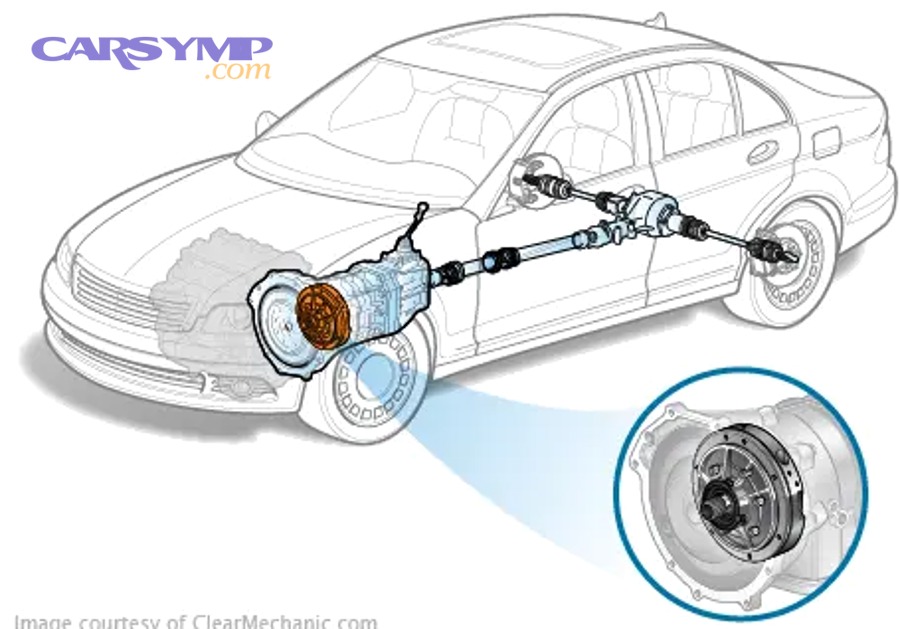
Then, you can prioritize checks from simplest to most costly.
This is where many people need a clear phrase: Low fluid noise and how to confirm. The most common root cause of pump-related whining is still “the pump is not getting clean, bubble-free fluid at the right level.”
Is low or aerated ATF the #1 cause of pump whine?
Low ATF wins as the most common cause, aerated ATF is best for intermittent or “surging” whine, and worn pump/internal wear is optimal for persistent warm-and-cold whine with driveability issues because each produces a different consistency pattern.
However, low ATF and aeration often travel together—low fluid can create aeration.
Low ATF tends to show:
- Whine appears more on turns, hills, braking (fluid sloshes away from pickup).
- Shifts may feel delayed or soft.
- You may find leaks at cooler lines, pan gasket, axle seals.
Aerated/foamy ATF tends to show:
- Whine can come and go.
- Fluid may look bubbly/foamy on the stick (if equipped).
- Shifts can feel inconsistent as bubbles compress.
Worn pump/internal wear tends to show:
- Whine becomes persistent.
- Symptoms escalate: flare, slip, harsh apply, overheating, debris.
Can a clogged filter or restricted pickup create pump whine?
Yes, a clogged filter or restricted pickup can create pump whine because it starves the pump, increases suction stress, and promotes cavitation/aeration—three conditions that generate high-pitch noise and unstable pressure.
In addition, restriction is one of the most misdiagnosed causes because it can mimic “bad pump.”
If the filter is restricted, the pump tries to pull fluid through a bottleneck. That can create:
- Whine that closely follows RPM
- Overheating and dark/burnt ATF
- Slipping due to low pressure at peak demand
Evidence: According to a study by Michigan Technological University from the Department of Mechanical Engineering, in 2003, measured conditions showed ATF cavitation across practical pressure/speed ranges, supporting the mechanism by which suction restriction can lead to cavitation-related noise.
Can the wrong ATF type trigger a whine even if the level is correct?
Yes, the wrong ATF can trigger whine because viscosity and additive chemistry affect pump inlet conditions, pressure ripple, and friction behavior, and a mismatch can increase noise transmission even when the dipstick reading looks “fine.”
Besides, this is a common “it started after service” scenario.
Signs that point toward ATF mismatch or degraded ATF:
- Noise appears soon after a fluid change or top-off with unknown fluid.
- Shifts feel slightly different (too firm or too soft) without an obvious leak.
- Noise changes dramatically between cold and hot.
This doesn’t mean every whine after service is “wrong fluid,” but it’s a real contributor—especially on transmissions that require specific low-viscosity or proprietary fluids.
How can drivers diagnose pump whine at home without tools?
Drivers can diagnose pump whine at home using 5 no-tool checks—fluid level/condition review, RPM vs speed tracking, Park/Neutral vs Drive/Reverse pattern testing, temperature comparison (cold vs hot), and location/behavior clues—aimed at confirming pump-related patterns.
Let’s explore how each test increases certainty without guessing.
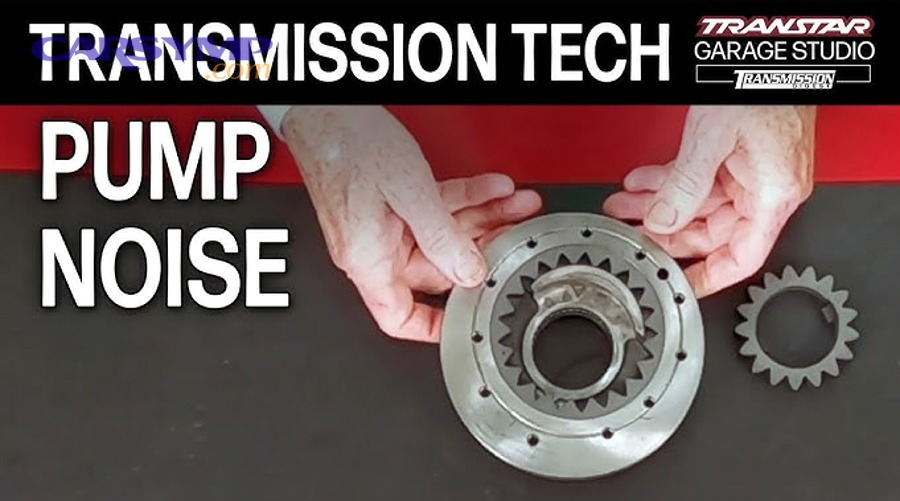
Does the whine change in Park/Neutral vs Drive/Reverse?
Pump whine wins as “stronger in gear,” accessory noise is best for “unchanged by gear selection,” and torque-converter-related noise is optimal for “changing with engagement and load” because gear selection changes hydraulic demand and coupling behavior.
To illustrate, this single check often separates “transmission” from “not transmission.”
Try this safely:
- With the car warmed and on level ground, foot on brake.
- Listen in Park at idle.
- Shift to Drive and hold brake; listen.
- Shift to Reverse briefly; listen.
Interpretation:
- Whine louder in Drive/Reverse: points toward pump/pressure demand.
- No change across gears: suspect accessory or non-trans noise.
- Whine notably louder in Reverse: can correlate with higher hydraulic demand in some units and is a classic “check fluid/pressure supply” hint.
Does the whine follow engine RPM or vehicle speed?
RPM-following points most strongly to pump or engine-driven systems, speed-following points to bearings/differential, and mixed behavior points to load-sensitive components like torque converter or internal geartrain because the “frequency driver” reveals what’s spinning with what.
However, you need to test it in a controlled way.
Simple pattern method:
- In a safe area, maintain a steady speed, then slightly raise RPM (light throttle).
- If the pitch rises with RPM, you’re looking at pump/engine-driven candidates.
- If it rises with speed even when RPM is steady, suspect wheel bearings/differential/tires.
This is the backbone of practical noise work—if you do nothing else, do this.
What should you look for on the dipstick or fluid sample?
There are 6 fluid cues to look for—level, color, odor, foam/bubbles, debris shimmer, and consistency—because ATF condition and aeration directly influence pump inlet stability and noise.
More specifically, the fluid check is the fastest way to confirm the “low fluid” hypothesis.
Key cues:
- Level: Follow the manufacturer procedure (temp matters). Low level strongly supports pump starvation.
- Color: Bright red/pink is often healthier; brown/black can indicate oxidation/overheat.
- Odor: Burnt smell suggests overheating and friction material stress.
- Foam/bubbles: Supports aeration; can accompany intermittent whine and delayed engagement.
- Metallic shimmer: Points to wear; combine with symptoms to judge urgency.
- Thick/varnished feel: Can imply old fluid or heat history.
If the level is low, don’t jump to “bad pump” first. Confirm leaks, correct fluid spec, and correct fill method.
Quick at-home triage table (what it suggests)
Below is a practical table that links what you observe to the most likely next step.
| What you observe | What it often suggests | Best next step |
|---|---|---|
| Whine + low ATF | Pump starvation | Confirm correct check procedure, top up if appropriate, inspect for leaks |
| Whine + foamy ATF | Aeration/cavitation | Check for overfill, air entry, recent service issues, fluid condition |
| Whine louder in Reverse | Higher demand revealing supply issue | Re-check ATF level/condition; consider filter restriction |
| Pitch follows vehicle speed | Bearings/differential | Inspect tires/bearings; don’t assume transmission |
| Whine + delayed engagement | Pressure instability | Limit driving, schedule diagnosis, avoid towing/heat |
What other problems sound like pump whine—and how do you tell them apart?
Transmission pump whine wins in “RPM-linked tone that changes with gear selection,” power steering whine is best for “changing with steering input,” and wheel bearing/differential noise is optimal for “vehicle-speed-linked drone” because each has a different trigger pattern.
Meanwhile, false diagnosis is what turns a simple fluid issue into wasted money.
Is it transmission pump whine or power steering whine?
Transmission pump whine wins when the sound changes with Drive/Reverse demand, power steering wins when the sound changes with steering angle/lock, and alternator/idler noise wins when it changes with accessory load because each system responds to a different input.
To begin, isolate the steering variable.
Steering test (safe, stationary):
- Engine idling in Park. Turn the wheel slightly left/right.
- If the noise sharply changes as steering load increases, suspect power steering.
- If the noise stays the same but changes when you shift to Drive/Reverse, suspect transmission.
Remember: some vehicles use electric power steering (no pump whine), so this test depends on system type.
Is it torque converter whine or pump whine?
Pump whine wins when it appears immediately with RPM and gear selection, torque converter-related noise is best when it changes with lockup events and load, and internal geartrain noise is optimal when it appears in specific gears or under specific torque conditions.
However, torque converter behavior is subtle, so focus on when the noise changes.
Clues that lean torque converter:
- Noise changes during lockup (often at cruising speed).
- You feel shudder or vibration paired with the sound.
- It’s more pronounced under light throttle cruise than at idle.
Clues that lean pump:
- Audible at idle/in gear.
- Strong RPM coupling.
- Paired with delayed engagement or pressure-like symptoms.
Is it differential/wheel bearing noise instead of transmission?
Wheel bearing/differential noise wins in “vehicle-speed dependency,” transmission pump whine is best for “engine RPM dependency,” and tire noise is optimal for “road-surface dependency” because each is driven by different rotation sources.
On the other hand, drivers often mislabel any front-end hum as “transmission.”
Clues that lean wheel bearing:
- Noise increases with speed and often changes on gentle left/right turns.
- Sound is a steady growl or drone, not a sharp whine.
Clues that lean differential (FWD transaxle or AWD units):
- Noise is speed-based and may change on acceleration vs coast.
- You may hear it most at certain speeds.
If your noise is speed-based, don’t default to “pump.” Do the RPM vs speed test first.
Is it safe to drive with pump whine, and when should you stop driving?
It depends—yes, it can be safe to drive briefly with mild pump whine if shifts are normal, fluid is correct, and the noise is stable, but no, you should keep driving if the whine is worsening, paired with slipping/delay, or accompanied by overheating signs.
More importantly, your goal is to prevent heat and friction damage.
Use three “safe-to-drive” qualifiers:
- No driveability symptoms (no slip, no delay, no flare).
- No heat warnings (no hot smell, no temp light, no limp mode).
- No rapid change (noise isn’t escalating day by day).
Should you keep driving if the whine is new but shifting feels normal?
Yes, you can usually drive short distances cautiously if the whine is new but shifting is normal because you can confirm fluid level/condition first, avoid high demand that worsens starvation, and prevent overheating while you schedule inspection.
Next, caution means changing how you drive—not ignoring the noise.
Do this immediately:
- Check ATF level/condition using the correct procedure for your vehicle.
- Avoid towing, hard acceleration, long highway climbs, and stop-and-go heat buildup.
- Re-test the noise after correcting low fluid (if appropriate) and note changes.
If the noise improves after correcting low fluid, that’s a strong sign you were hearing low fluid noise and how to confirm in real life: a pump telling you it’s pulling air.
Do these red flags mean you should tow it?
Yes—tow it if you have pump whine plus any of these red flags: no movement, slipping/flare, delayed engagement that worsens, burnt smell or overheating warning, or sudden loud change, because these indicate pressure failure risk, heat damage, and rapid wear.
Thus, towing is often cheaper than “driving it until it dies.”
If you continue driving through those conditions, you risk:
- Burning clutch packs due to slip
- Overheating and fluid breakdown
- Spreading debris through the valve body and solenoids
- Turning a serviceable unit into a rebuild
What fixes usually stop pump whine—and what should you expect at a shop?
There are 5 common fix paths for pump whine—correcting fluid level/spec, fixing leaks, servicing fluid/filter, addressing restriction/overheating in the cooler circuit, and repairing internal pump or transmission wear—based on what the diagnosis confirms.
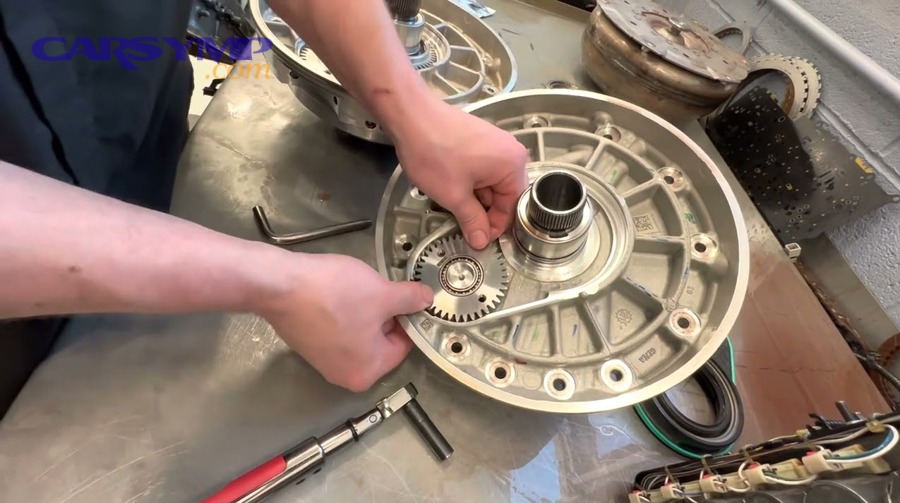
In short, the correct fix is “cause-matched,” not “noise-matched.”
Most shops will follow a progression:
- Confirm the complaint (road test, reproduce conditions).
- Check fluid (level, condition, contamination).
- Scan for codes (pressure control, slip, temperature).
- Pressure testing (when needed) to confirm pump/line pressure behavior.
- Inspect for debris (pan inspection if warranted).
Will a fluid and filter service fix pump whine?
Yes, a fluid and filter service can fix pump whine when the cause is degraded ATF, restriction at the filter/pickup, or mild aeration issues—because restoring correct flow and reducing suction stress stabilizes pressure and quiets the pump.
However, it won’t fix whine driven by hard wear or heavy debris.
A service is most likely to help when:
- The whine is mild to moderate.
- Fluid is dark or smells overheated.
- Symptoms are early (no major slip, no “no movement”).
- There’s reason to suspect restriction.
If the pan contains significant metal debris, a service alone may be temporary. In that case, the whine is not the problem; it’s the messenger.
When is pump replacement or rebuild the likely solution?
Yes, pump replacement or a rebuild becomes likely when whine is persistent and worsening, pressure-related symptoms appear (slip/delay/flare), debris is present, or pressure tests confirm the pump can’t meet spec—because the pump can’t compensate for wear or internal leakage.
Besides, this is where accurate diagnosis prevents expensive guesswork.
A shop is more likely to recommend internal repair when:
- Correct fluid level/spec does not change the noise.
- The transmission overheats easily.
- Pressure control codes appear repeatedly.
- The vehicle shows consistent delayed engagement or slip.
If you want to avoid “parts cannon” repairs, ask the shop what evidence supports the conclusion: fluid findings, scan data, and pressure test results.
Contextual border: At this point, you’ve identified whether the whine is normal or failing, defined pump whine, mapped symptom pairings, ranked common causes, performed no-tool checks, separated look-alike noises, and made a safe-to-drive decision. The next section expands into “after service” edge cases and less common mechanisms.
Why does transmission pump whine appear after a fluid change or repair?
Transmission pump whine after service is a post-change noise pattern that typically comes from fluid specification mismatch, trapped air/aeration, an imperfect pickup seal, or a newly revealed restriction in the filter/cooler circuit—because service alters fluid properties and flow conditions quickly.
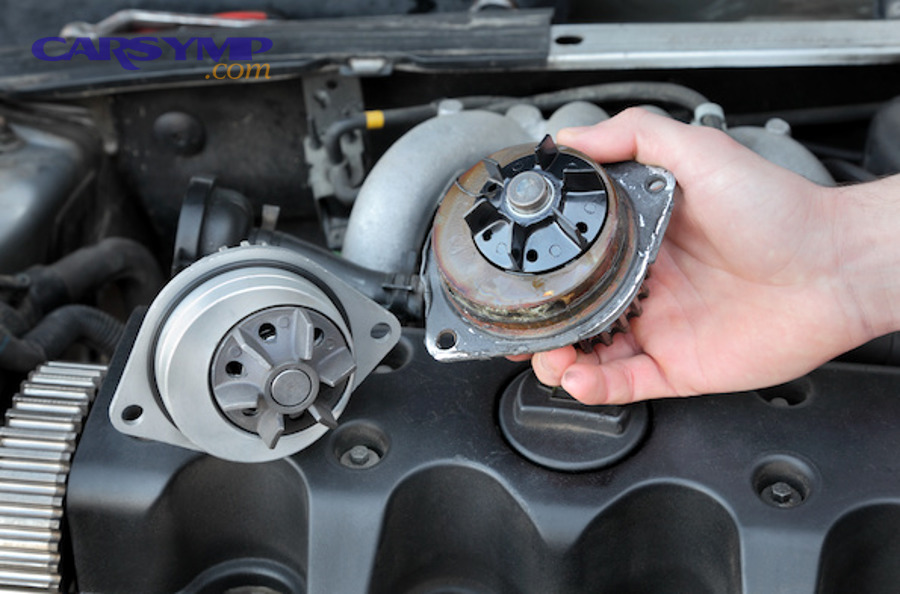
Next, you’ll identify what “changed” and why that matters.
Can the wrong ATF specification or viscosity cause whine after service?
Yes, the wrong ATF spec can cause whine after service because viscosity changes pump inlet behavior, additive chemistry changes friction and pressure response, and mismatched fluid can amplify pressure ripple that becomes audible.
To illustrate, many drivers report “it started right after the change,” even when the level looks okay.
What to look for:
- Noise begins immediately after service or top-off.
- Shifts feel subtly different (too firm/soft).
- Noise changes sharply between cold and hot.
The right fix is not guessing—it’s verifying the required ATF specification and confirming what was installed.
Can a restricted cooler line or blocked cooler create pump whine and overheating?
Yes, cooler circuit restriction can create pump whine and overheating because restricted flow raises hydraulic load, increases temperature, and reduces the fluid’s margin against aeration—conditions that make the pump louder and the transmission hotter.
More specifically, this can become a feedback loop: restriction → heat → thinner fluid → less protection.
Clues:
- Whine appears mainly when hot.
- The vehicle overheats during traffic or climbs.
- The issue follows a repair involving cooler lines/radiator work.
If overheating is present, treat it as urgent even if the car still drives “okay.”
Does trapped air or an imperfect pickup seal cause pump cavitation noise?
Yes, trapped air or a pickup seal issue can cause cavitation-like whine because air entering the pump creates bubbles that collapse and destabilize pressure, producing an erratic whine and sometimes delayed engagement—especially after service.
Then, you confirm it with fluid appearance and symptom timing.
Look for:
- Foamy fluid shortly after service.
- Intermittent whine that “surges.”
- Delayed engagement after the vehicle sits.
If the whine is erratic and the fluid looks aerated, the diagnosis shifts from “bad pump” toward “pump supply problem.”
Can pump design (vane vs gear/gerotor) change how “normal” whine sounds?
Gerotor/gear-style pumps win in “distinct mesh-related tonal character,” vane pumps are best for “smoother but still audible tone under load,” and vehicle acoustics are optimal for explaining why two healthy transmissions can sound different because design and resonance change what reaches the cabin.
However, design differences don’t excuse a noise that’s clearly worsening.
Treat design as the explanation for baseline sound, not for a trend. If the noise is getting louder over weeks or brings symptoms with it, the semantics are simple: “normal vs failing” is decided by behavior and consequences, not by pump type.
Evidence: According to a study by Michigan Technological University from the Department of Mechanical Engineering, in 2003, measured conditions demonstrated ATF cavitation across defined pressure and speed ranges, reinforcing that air/vapor formation is a realistic post-service mechanism for whine-like pump noise.