


If you hear a new gearbox (transmission) noise, it can be safe to drive briefly in limited cases, but it is not safe when the sound is loud, worsening, paired with slipping/overheating, or accompanied by a leak—because those signs can signal imminent loss of drive or major damage.
A smart next step is to identify the sound family—whine, grind, or clunk—because each points to different failure paths and different urgency, which is the core of practical Transmission/gearbox noise types and meanings.
You also need a clear risk ladder: which symptoms mean “drive carefully to a shop,” which mean “schedule soon,” and which mean “stop driving and tow,” so you don’t turn a small problem into a full gearbox failure.
Introduce a new idea: below is a step-by-step, decision-first guide that ties the noise you hear and when it happens to immediate checks and safe actions.
Is it safe to drive with gearbox (transmission) noise right now?
Yes—safe-to-drive guidance with gearbox noise is possible in limited situations, because (1) mild, stable noises without warning signs often allow short-distance driving, (2) careful driving reduces load and heat, and (3) quick checks can confirm whether you’re risking sudden failure.
Then, because “safe to drive” depends on risk signals, start by sorting your situation into one of three buckets: Stop now, Drive carefully to a shop, or Schedule a diagnostic soon.
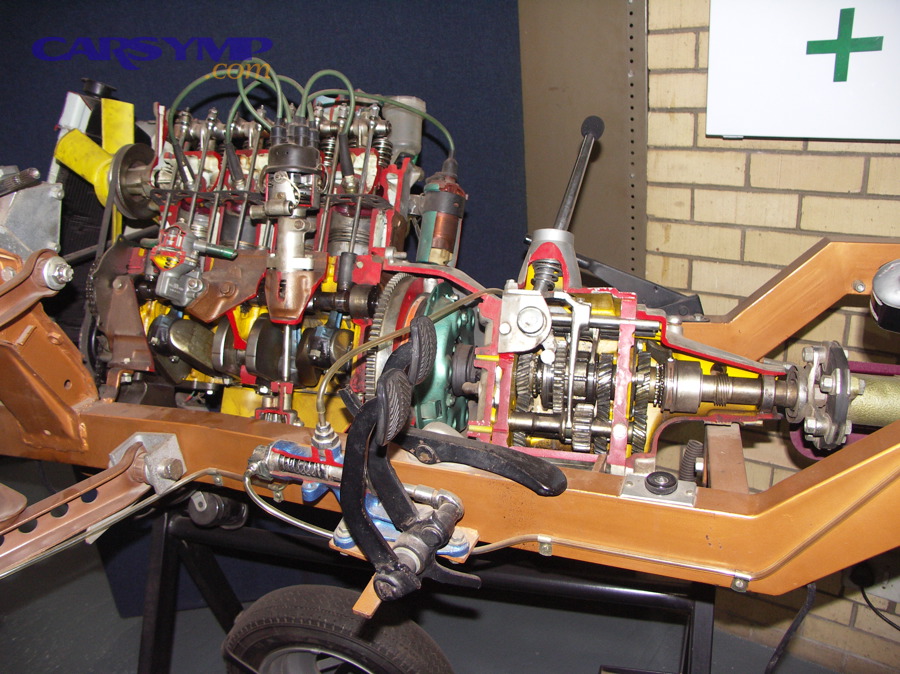
A practical “safe-to-drive” snapshot looks like this:
- Stop now / Tow recommended when you have: a burning smell, smoke, a sudden loud bang, a major fluid puddle, loss of drive, severe slipping, or grinding that worsens with every shift.
- Drive carefully to a shop (short distance only) when the noise is mild, there are no warning lights, shifting feels normal, and there is no leak or overheating.
- Schedule soon when the noise is intermittent and mild, performance is unchanged, and the sound is not escalating—because early repair usually prevents secondary damage.
The reason this matters is simple: gearboxes fail in cascades. A small lubrication problem can become bearing damage, and bearing damage can become gear damage. The earlier you respond, the more options you keep.
Is it an emergency if the noise is accompanied by burning smell, smoke, or a fluid puddle?
Yes—gearbox noise plus burning smell, smoke, or a fluid puddle is an emergency, because (1) fluid loss can cause rapid internal overheating, (2) overheated fluid loses protective properties and accelerates wear, and (3) the vehicle can suddenly lose propulsion or become unsafe in traffic.
Moreover, these signs usually mean you’re no longer dealing with “just a noise”—you’re dealing with active damage or a dangerous operating condition.
What to do immediately:
- Pull over safely and shut the engine off.
- Do not keep idling “to see if it goes away.” Heat and low fluid do the worst damage at idle and low airflow situations.
- Look under the vehicle for a fast-growing puddle. A steady drip can become a stream quickly.
- Call for a tow if the leak is large, smoke is present, or the smell is strong and persistent.
If you must move the car off a dangerous shoulder, do it only a few yards at the lowest load possible—then stop and tow.
Is it safe to drive a short distance if the noise is mild and there are no warning signs?
Yes—driving a short distance can be safe when the gearbox noise is mild and stable, because (1) stable symptoms suggest the fault is not rapidly escalating, (2) gentle driving lowers torque load on bearings/gears, and (3) a short trip can get you to controlled diagnostics.
However, “short distance” needs rules so you don’t accidentally turn a borderline case into a breakdown.
Use these guardrails:
- Keep speed low and avoid highway merges where you need full acceleration.
- Avoid hard throttle and steep hills (high torque spikes are gearbox stress).
- Reduce vehicle load (remove heavy cargo if possible).
- Avoid towing anything—towing can multiply heat and load.
- Drive straight to inspection (do not “run errands” while monitoring the noise).
If the noise changes rapidly, becomes louder, or is joined by vibration, delay, or slipping, treat it as escalation and stop.
Is it unsafe to drive if the gearbox starts slipping, jerking, or losing gears?
Yes—it is unsafe to drive when the gearbox slips, jerks harshly, or loses gears, because (1) you can lose acceleration at intersections, (2) shifting shocks can damage internal components further, and (3) the fault can worsen into a no-drive event without warning.
In addition, slipping often means the system is generating excess heat, which is a fast path to severe damage in both automatics and manuals.
Stop driving when you notice:
- RPM rises without speed increasing (slip flare).
- Delayed engagement into Drive/Reverse.
- Harsh or banging shifts that weren’t present before.
- Limp mode behavior (reduced power, stuck in one gear).
- Loss of a gear or intermittent neutral-like sensation.
This is the point where “test driving it more” usually costs money, not saves it.
What does gearbox (transmission) noise mean and why does it happen?
Gearbox (transmission) noise is an abnormal sound created when rotating parts lose smooth contact, lubrication, or alignment, typically due to worn bearings, damaged gear teeth, degraded fluid, or supporting components (mounts/driveline) transmitting vibration into the cabin.
Specifically, gearbox noise diagnosis works best when you treat the gearbox as a system with three noise generators: gears, bearings, and supporting hardware that can amplify normal vibration into audible sound.
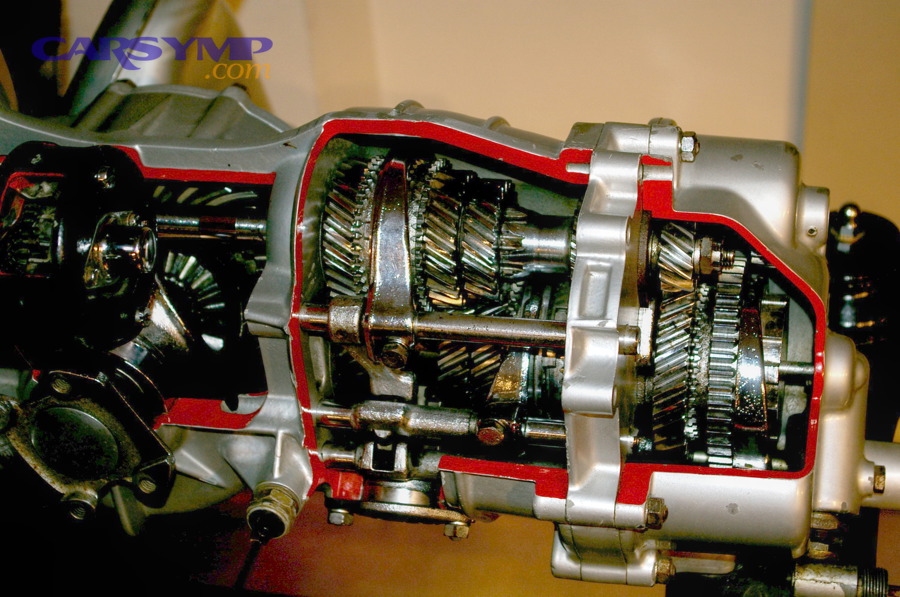
A gearbox is full of metal parts that normally ride on a thin film of oil. When that film thins or when surfaces wear, noise appears because:
- Gears mesh imperfectly, creating whine tied to speed and load.
- Bearings develop rough spots, creating a rising hum/whine and sometimes vibration.
- Synchronizers or clutch components (manual) fail to match speeds smoothly, creating grinding.
- Hydraulic components (automatic) starve or cavitate, creating pump-like whining.
- Mounts and driveline joints develop play, creating clunks during torque transitions.
What is the difference between “normal gearbox sound” and “problem noise”?
Normal gearbox sound is faint, consistent, and predictable, while problem noise is new, louder, changing, or paired with symptoms, because (1) newness signals a new mechanical condition, (2) loudness signals higher vibration energy, and (3) symptom pairing indicates functional degradation.
However, you need quick “pattern tests” to avoid overreacting to harmless baseline noises.
Use these comparisons:
- Normal: faint gear whir that has always been there, doesn’t change suddenly, and isn’t paired with shifting issues.
- Problem: a noise that appears suddenly, grows over days/weeks, or changes with temperature in a new way.
- Normal: sound stays similar across conditions.
- Problem: sound changes dramatically with acceleration, deceleration, gear selection, or clutch pedal position (manual).
A simple rule: if the sound is getting worse or you can feel it (vibration, harshness), treat it as a problem.
What role does low/dirty fluid play in whining, humming, and harsh shifts?
Low or degraded transmission fluid causes whining, humming, and harsh shifts, because (1) low fluid reduces lubrication and increases metal-to-metal contact, (2) degraded fluid loses viscosity and additive protection, and (3) aeration/foaming can create hydraulic instability in automatics.
Moreover, fluid problems often create the “two-symptom combo” that raises urgency: noise + behavior change.
Key fluid-driven mechanisms:
- Lubrication loss: bearings and gear teeth run hotter and rougher, producing a rising whine/hum.
- Hydraulic starvation (automatic): the pump can cavitate, producing a high-pitched whine that may change with RPM.
- Contamination: fine metal particles can accelerate wear; burnt fluid indicates overheating and reduced protective capacity.
According to a study by University of Oviedo from the Department of Construction and Manufacturing Engineering, in 2022, oxidation of automatic transmission fluids changed key thermophysical properties and increased viscosity in all tested fluids, demonstrating measurable property shifts as ATF ages. (mdpi.com)
What non-gearbox parts can sound like gearbox noise?
Several non-gearbox parts can mimic gearbox noise, because (1) driveline parts share load paths, (2) vibrations transmit through the body, and (3) speed-related noises can be misattributed to the gearbox.
In addition, many “transmission noise” complaints turn out to be wheel-end or mounting issues.
Common mimics to consider:
- Wheel bearings: often grow louder with speed and may change when you steer left/right.
- CV joints (front-wheel drive): clicking in turns, clunks on acceleration.
- Differential/transfer case (AWD/4WD): whine on load or coast; may feel rear- or center-biased.
- Engine/transmission mounts: clunk on shifts, thud on throttle changes.
- Exhaust heat shields: rattles that sound mechanical but are load/idle related.
If the sound changes with steering input, suspect wheel-end components before blaming the gearbox.
Which noise type do you hear—whine, grind, or clunk—and what does each suggest?
There are 3 main types of transmission/gearbox noise—whine, grind, and clunk—based on the sound’s character and timing, and each type points to different root causes and different urgency levels.
Next, use a “sound + situation” approach: identify the sound family first, then confirm with when it happens (idle, shifting, accelerating, coasting).
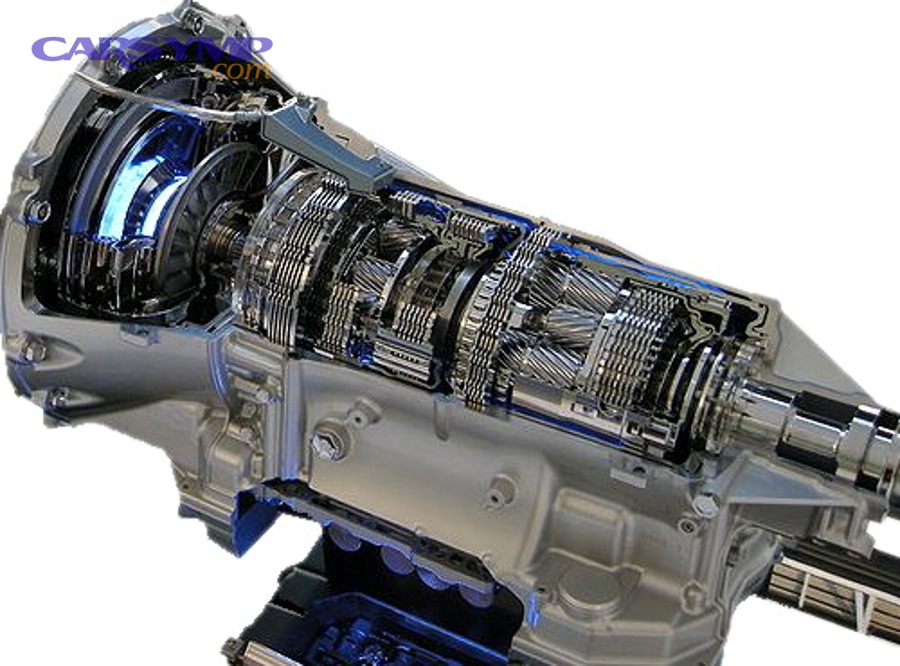
| Noise type | Typical description | Most common “meaning” | Usual urgency |
|---|---|---|---|
| Whine | High-pitched, smooth, speed-related | Bearing wear, gear mesh issue, pump/cavitation (auto) | Medium (can become high if worsening) |
| Grind | Rough scraping, especially during shifts | Synchro/clutch issues (manual), internal damage, low fluid | High (stop if persistent/worsening) |
| Clunk | Single thud/knock on engagement or throttle changes | Mounts/driveline play, backlash, differential issues | Varies (low to high based on severity) |
The table matters because it prevents “random guessing” and speeds up your next decision: keep driving carefully or stop.
What does a whining noise indicate (bearing vs gear mesh vs pump whine)?
A whining transmission noise usually indicates bearing wear, gear mesh issues, or (in automatics) pump/cavitation problems, because (1) bearings create smooth, rising tones as they roughen, (2) gears whine at mesh-related frequencies, and (3) pumps whine when fluid supply or pressure stability is compromised.
However, you can narrow whining fast with three checks:
- Does the pitch rise with vehicle speed?
- Often points to bearing/gear issues tied to shaft speed.
- Does it change mostly with engine RPM in Park/Neutral (automatic)?
- Often points to pump-related whine.
- Does it happen only in a specific gear?
- Often points to a specific gearset or localized wear pattern.
A key driver-focused clue is whether the sound is stable or getting louder. A stable faint whine might allow cautious driving; a rapidly worsening whine should be treated as urgent.
What does a grinding noise indicate (synchros, gears, clutch release)?
Grinding noise typically indicates speed-matching failure or metal contact—commonly synchros/clutch issues in manuals or internal damage/low fluid in any gearbox, because (1) grinding is friction between surfaces that should not touch, (2) shift grinding shows synchronization failure, and (3) persistent grinding can shed metal debris.
Moreover, grinding is one of the few noise types where “driving more to test it” can be actively harmful.
Common patterns:
- Grind only during shifts (manual): often synchro wear, clutch not fully disengaging, or linkage issues.
- Grind when selecting Reverse (manual): could be clutch drag or technique, but new/worsening grind is still a red flag.
- Constant grinding while moving: can be severe internal damage, low fluid, or broken components—often tow territory.
If you feel the shifter resisting engagement and hear grinding, stop forcing it. Forcing engagement can chip teeth and worsen the repair.
What does a clunk noise indicate (mounts, driveline lash, internal damage)?
A clunk noise usually indicates slack or sudden load transfer in mounts or driveline components, because (1) worn mounts allow the powertrain to shift, (2) driveline play “snaps” under torque, and (3) internal backlash can become audible when engagement is harsh.
In addition, clunks are often the most misdiagnosed because they can come from “around the gearbox” rather than inside it.
Clunk scenarios and what they suggest:
- Clunk when shifting into Drive/Reverse: mounts, driveline play, or harsh engagement.
- Clunk on throttle on/off: driveline lash (CV joints, U-joints, differential mounts).
- Repeated clunks or banging: higher risk—could be severe mount failure or internal damage.
If the clunk is paired with a “shift slam,” delayed engagement, or warning lights, treat it as higher urgency.
When does the noise happen—and how does that change the diagnosis?
Noise timing changes the diagnosis because neutral vs in-gear, acceleration vs deceleration, and hot vs cold conditions each load different shafts, bearings, and hydraulic circuits, which helps you pinpoint whether the issue is internal gearbox, supporting hardware, or fluid-related.
Then, treat timing like a filter: each condition removes entire categories of possible causes.
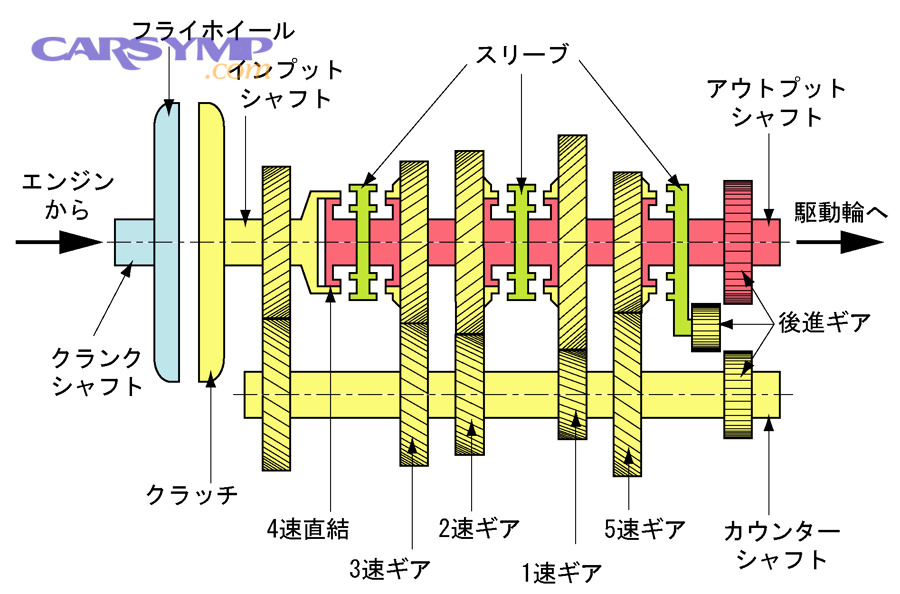
Is noise in neutral different from noise in gear?
Yes—noise in neutral often points to input-side components or rotating assemblies, while noise in gear points to load-related gear/bearing/driveline issues, because (1) neutral changes torque flow, (2) in-gear loads gear meshes, and (3) clutch position (manual) changes which parts spin.
Moreover, a simple manual-transmission test helps: if the noise changes when you press the clutch pedal, it points toward clutch/input-side components.
Practical interpretations:
- Noise in neutral that changes with clutch pedal (manual): may suggest clutch release bearing or input bearing involvement—common Manual gearbox bearing noise symptoms include a whir/whine that shifts with clutch engagement and may intensify with RPM.
- Noise mostly in gear under load: more consistent with gear mesh, loaded bearings, differential, or mounts.
If the noise appears only when the vehicle is moving, don’t ignore wheel bearings and driveline joints.
Is noise on acceleration different from noise on deceleration/coasting?
Yes—acceleration noise often points to components stressed under drive torque, while deceleration/coast noise can point to backlash, different load directions on gear teeth, or differential/transfer-case patterns, because (1) torque direction changes contact faces, (2) coasting unloads certain components, and (3) driveline lash becomes more obvious during transitions.
However, you still need a clear “where does it come from” mindset.
Use these cues:
- Whine mainly on acceleration: commonly gear mesh load, bearing under drive load, or pump-related issues (auto) if tied to RPM.
- Whine mainly on deceleration: can suggest differential patterns or gear contact issues on coast side.
- Clunk when you lift then reapply throttle: classic driveline lash or mount movement.
If the sound is strongest at a specific speed range, it can indicate resonance or a particular rotating order—useful information for a shop.
Does the noise change when hot vs cold—and what does that suggest?
Yes—noise that changes hot vs cold often suggests fluid viscosity effects, thermal expansion, or wear tolerance changes, because (1) cold fluid is thicker and can mask or change whine, (2) hot fluid thins and can reduce protection, and (3) worn parts grow noisier as clearances and lubrication change.
In addition, temperature-dependent behavior is a big hint for whether this is a fluid/pressure issue (often automatic) or a mechanical wear issue.
What patterns mean:
- Worse when cold, improves warm: sometimes points to thick fluid, stiff mounts, or borderline lubrication that improves as fluid circulates.
- Worse when hot: higher concern—heat can reveal pressure issues, slipping, and degraded lubrication.
- Only after long highway drive: could indicate heat buildup, fluid aeration, or wear under sustained load.
If “hot” conditions produce slipping or delayed engagement, stop driving and tow.
What quick checks can you do before driving further?
A safe quick-check method has 6 steps and can reduce risk by confirming fluid status, warning indicators, and obvious leaks, which helps you decide whether to drive carefully, schedule service, or tow.
Below, do the checks in order because each step either rules out a danger condition or gives you a clear next action.
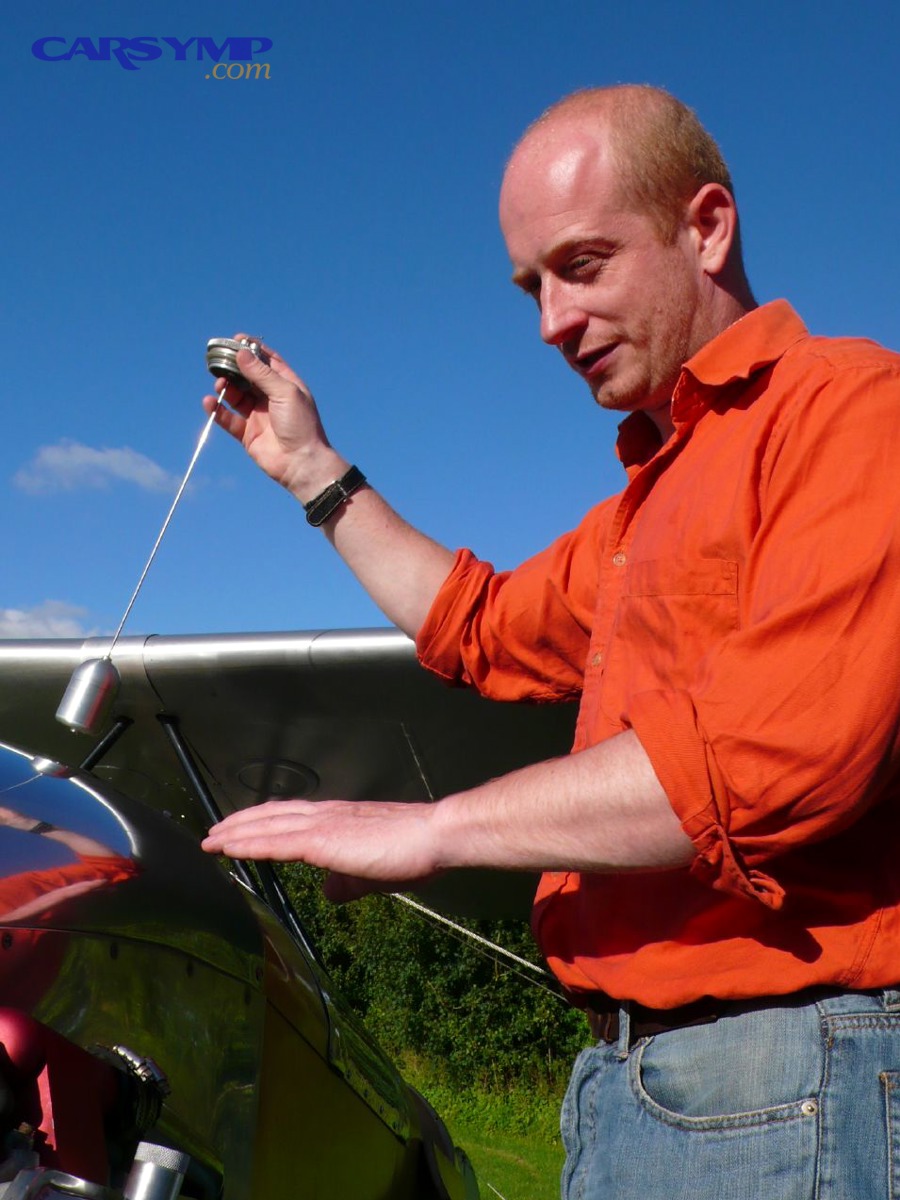
What should you check for in transmission fluid (level, color, smell, debris)?
You should check transmission fluid level, color, smell, and debris because each reveals lubrication health, overheating, and wear, since (1) low level indicates leak or consumption, (2) burnt smell signals heat damage, and (3) metallic debris can indicate internal wear.
Moreover, fluid inspection is one of the fastest “high signal” checks you can do without tools.
What to look for:
- Level: below minimum suggests risk; do not assume “it’s fine” if the stick is dry.
- Color (automatic): fresh is often red; darker brown can be aged; very dark/black may indicate overheating.
- Smell: a sharp burnt odor suggests overheated fluid.
- Debris: glittery particles or visible metallic specks increase urgency.
Safety notes that prevent mistakes:
- Follow the owner’s manual procedure (some require warm engine, specific gear cycling, or level plugs instead of dipsticks).
- Don’t overfill—overfilled fluid can foam, which can worsen pressure stability in automatics.
What warning lights or messages change the safe-to-drive decision?
Warning lights and temperature/limp messages change the safe-to-drive decision to “stop or drive only to immediate service,” because (1) they indicate the control system detects abnormal operation, (2) limp mode reduces safety margins, and (3) overheating warnings correlate with fast damage escalation.
In addition, some vehicles will throw codes even before you feel the worst symptoms.
Treat these as escalation triggers:
- Transmission temperature warning
- Limp mode
- Check engine paired with harsh shifting/slipping
- “Transmission service required” messages
If a warning appears alongside smell, noise increase, or slipping, stop and tow.
What driving behaviors should you avoid to prevent further damage?
You should avoid high load, high heat, and repeated torque transitions, because (1) load accelerates gear/bearing wear, (2) heat degrades fluid and reduces protection, and (3) repeated shock loads magnify clunk-causing lash and can break weakened parts.
More specifically, adopt “damage-control driving”:
- Avoid towing and heavy cargo.
- Avoid hard acceleration and rapid kickdowns.
- Avoid stop-and-go traffic if overheating is suspected.
- Avoid steep hills and long high-speed runs.
- Avoid repeated Drive ↔ Reverse rocking when stuck.
If you need to move the car at all, do it gently and only to reach inspection.
How urgent is it, and when should you stop driving or tow?
No—it’s not safe to keep driving with gearbox noise when red-flag symptoms are present, because (1) the probability of sudden no-drive increases, (2) internal damage can escalate quickly, and (3) safety risk rises if acceleration or gear selection becomes unpredictable.
More importantly, urgency becomes obvious when you attach the noise to consequences: loss of drive, loss of control, or catastrophic overheating.
What are the “stop now” signs that require towing?
Stop-now signs require towing because they indicate active failure or imminent loss of propulsion, since (1) continuing can destroy gearsets/bearings, (2) you can become stranded in traffic, and (3) overheating and leaks can create secondary hazards.
Use this stop-now checklist:
- Major fluid puddle (fast drip/stream)
- Smoke or strong burning smell
- Sudden loud bang followed by new severe noise
- Loss of drive (won’t move or intermittently loses propulsion)
- Severe slipping or rapid RPM flare
- Persistent grinding (especially worsening)
- Overheating warning or limp mode paired with harsh behavior
If any of these appear, towing is usually the safest and cheapest “next move.”
What are “drive carefully to a shop” signs vs “schedule soon” signs?
Driving carefully to a shop wins for mild noise with stable behavior, while scheduling soon is best for intermittent low-severity noises without performance change, because (1) stability reduces immediate risk, (2) lack of behavior change suggests the failure is not at the cliff edge, and (3) early service prevents escalation.
However, the dividing line is whether the gearbox is still behaving normally.
Drive carefully to a shop (same day if possible):
- Mild whine that’s new but stable
- Minor clunk with clear mount-like behavior
- Slight noise that changes with specific conditions but no slipping
Schedule soon (within days, not weeks):
- Intermittent faint whir/hum with no drivability symptoms
- Occasional clunk that does not worsen and is not paired with shift harshness
- Light noise only under a narrow condition (example: one speed range) and unchanged for weeks
Escalate immediately if the noise increases, becomes constant, or adds vibration.
Can continuing to drive turn a minor noise into a full transmission failure?
Yes—continuing to drive can convert a minor gearbox noise into full failure, because (1) wear particles contaminate fluid and accelerate damage, (2) heat cycles weaken surfaces and seals, and (3) a worn bearing can misalign gear meshes and chip teeth.
In addition, one failure can “pull another with it.” A bearing that starts noisy can become loose, then gear teeth start to wear unevenly, then the gearbox becomes louder and less efficient until it stops driving.
According to a study by University of Naples “Federico II” from the Department of Mechanics and Energetics, in 2011, gear whine noise is a major vibro-acoustic phenomenon of gearboxes and can occur at relatively high acoustic levels (reported in the paper as roughly 50–90 dB(A)), underscoring how gear-mesh-related faults can become prominent and intrusive as conditions worsen. (researchgate.net)
What information helps a mechanic diagnose gearbox noise faster?
Yes—you can speed up gearbox noise diagnosis by bringing structured observations, because (1) timing and load details narrow the fault set, (2) symptom history reveals progression, and (3) recordings reduce ambiguity when the noise is intermittent.
Besides, good information prevents wasted labor on the wrong area (wheel bearings, mounts, differentials) and helps the shop reproduce the condition safely.
What should you note about the noise (pitch, speed, gear, temperature, vibration)?
You should note pitch, speed, gear, temperature, and vibration because each attribute maps the noise to a rotating component or operating state, since (1) pitch correlates with rotation rate, (2) gear selection changes torque flow, and (3) temperature sensitivity points to fluid and tolerance effects.
Use this quick note template:
- Sound family: whine / grind / clunk / hum / rattle
- When it happens: start-up, idle, shifting, accelerating, coasting, turning
- Vehicle speed range: e.g., “starts at 35 mph and peaks at 55 mph”
- Engine RPM relationship: does it track RPM or road speed more?
- Gear relationship: only in 3rd? only in Drive? only on downshift?
- Temperature: cold only, hot only, after highway only
- Vibration: steering wheel, seat, floor, shifter
- Changes over time: stable, slowly worse, suddenly worse
This is exactly the kind of detail that makes professional diagnosis faster and cheaper.
Should you record audio/video, and what should you capture?
Yes—recording audio/video helps because it preserves the exact noise signature, captures conditions that trigger it, and lets a mechanic compare against known patterns, which increases diagnostic accuracy when the sound is intermittent or hard to reproduce.
To capture it well:
- Record inside (cabin) and outside (near front wheel area) if safe.
- Capture the speedometer/tachometer in the frame if possible.
- Narrate: “accelerating,” “steady cruise,” “coasting,” “shifting to 3rd.”
- Keep clips short (10–20 seconds) with one condition per clip.
Never record while distracted in traffic—have a passenger record or do it in a safe, controlled area.
How does gearbox noise diagnosis differ for manual vs automatic vs CVT transmissions?
Manual wins in mechanical clarity, automatic is best explained through hydraulic behavior, and CVT is optimal for smooth-but-different sound profiles, because (1) manuals link noises strongly to clutch/gear engagement, (2) automatics add pumps and torque converters that create distinct whines, and (3) CVTs often produce a normal-sounding “drone/whir” that can be mistaken for failure.
Next, treat transmission type like a translator: it changes what the same sound most likely means.
What manual-transmission-specific parts commonly cause whine or grind (clutch release bearing, synchros, input shaft)?
Manual gearboxes commonly reveal faults through Manual gearbox bearing noise symptoms and shift behavior:
- Clutch release bearing: noise changes when you press the clutch pedal; may be a chirp, whir, or rough tone.
- Input shaft bearing: whine that changes with engine speed and clutch engagement.
- Synchros: grinding during shifts, especially into specific gears.
- Gear teeth wear: whine that may be strongest in one gear and changes with load.
A clean manual diagnostic trick is to compare noise with clutch pedal in vs out and with the car moving vs stationary (safely). Those simple comparisons can narrow causes quickly.
What automatic-transmission-specific sources create whine or clunk (pump, torque converter, valve body behavior)?
Automatics add noise sources that manuals don’t:
- Front pump whine: high-pitched whine tied to engine RPM; can worsen with low fluid.
- Torque converter issues: may produce shudder, vibration, or unusual noises during lockup.
- Harsh engagement/clunk: can occur when engagement pressure is abnormal, mounts are worn, or driveline lash is amplified.
- Valve body/solenoid behavior: can create shift harshness that “sounds like” internal mechanical shock.
If an automatic whine appears with delayed engagement or overheating warnings, treat it as higher risk.
What CVT-specific noises are most common (high-pitched whine, drone) and what’s “normal”?
CVTs often sound different even when healthy:
- A steady whir/drone that rises smoothly with acceleration can be normal.
- A high-pitched whine under load can be normal-ish, but a new whine that becomes louder over time is not.
- Judder, slipping sensation, delayed response, or overheating warnings are stronger red flags than “CVT sounds different.”
The “normal vs not” key is change: if the sound is new, louder, or paired with performance changes, it’s no longer just a CVT personality.
When is it actually the differential/transfer case instead of the gearbox (especially AWD/4WD)?
AWD/4WD adds components that mimic gearbox noise:
- Differential whine: often changes with load and may be more noticeable on decel.
- Transfer case issues: can create whine, grind, or vibration tied to drivetrain engagement.
- Turn-related noise changes: if it changes when turning, suspect wheel bearings or differentials before blaming the gearbox.
A helpful boundary test: if the sound seems to come from the rear or changes with steering input, widen the diagnosis beyond the gearbox.
Evidence (if any)
According to a study by University of Oviedo from the Department of Construction and Manufacturing Engineering, in 2022, oxidation of automatic transmission fluids measurably altered thermophysical properties and increased viscosity across tested fluids, showing that ATF aging can change performance-relevant characteristics. (mdpi.com)
According to a study by University of Naples “Federico II” from the Department of Mechanics and Energetics, in 2011, gear whine noise is described as a major vibro-acoustic gearbox phenomenon and is reported in the paper as occurring in an approximate 50–90 dB(A) range at meshing-related frequencies, highlighting how gear-mesh problems can become prominent as conditions worsen. (researchgate.net)