


Blend door actuator problem signs usually show up as wrong air temperature, uneven cabin comfort, or a clicking/ticking sound behind the dash—often right when you change the temperature knob. If your vents can’t stay consistently hot or cold, a blend door issue is one of the most common “feels like AC is broken” causes.
Beyond the obvious discomfort, you also want to know which symptoms are reliable and which ones are easy to misread, because several HVAC faults can imitate each other. Tiếp theo, you’ll learn how to separate actuator noise from normal self-calibration sounds and how to recognize patterns that point to gears, electronics, or a stuck door.
Many drivers also want a simple way to confirm the problem at home without tearing the dashboard apart. Để bắt đầu, this guide gives you a step-by-step path—what to listen for, what to feel at the vents, and what to test in a safe, repeatable order.
Finally, some cases should not be prolonged with guesswork, especially when the symptom suggests electrical control faults or repeated actuator relearn failures. Giới thiệu ý mới: after you identify the signs, you’ll also learn how to decide when it’s time to stop DIY and move to professional diagnosis.
What is a blend door actuator, and why can it mimic an AC failure?
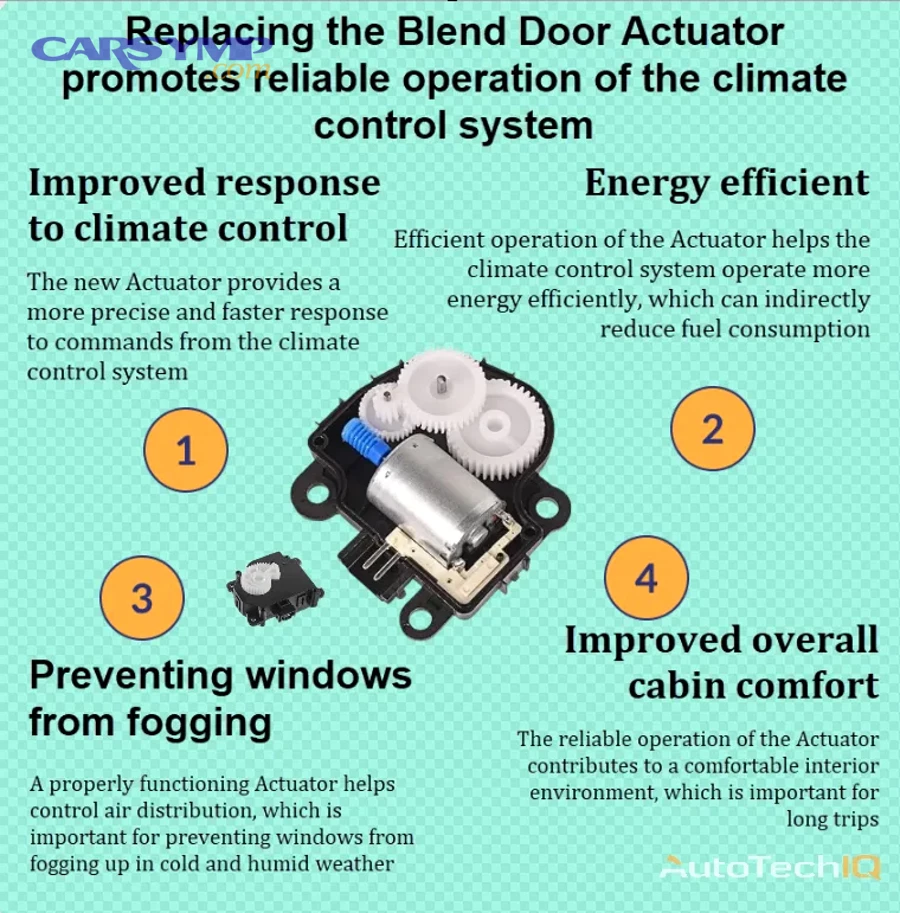
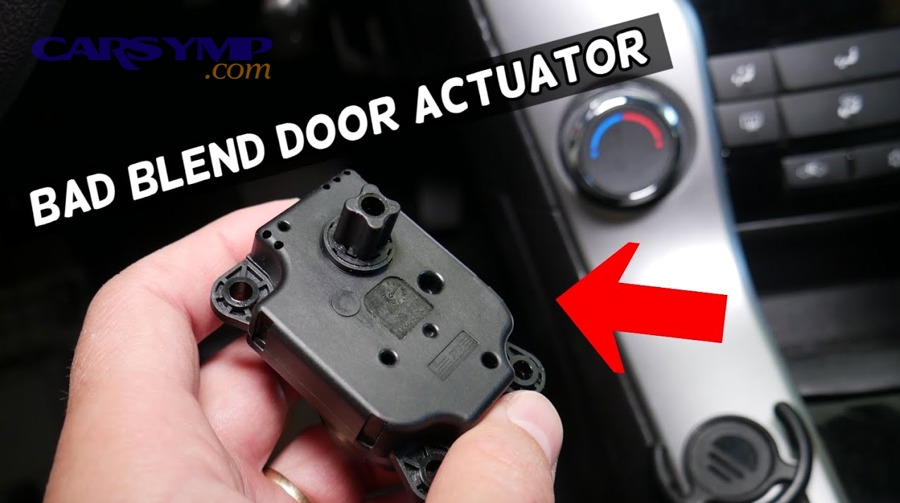
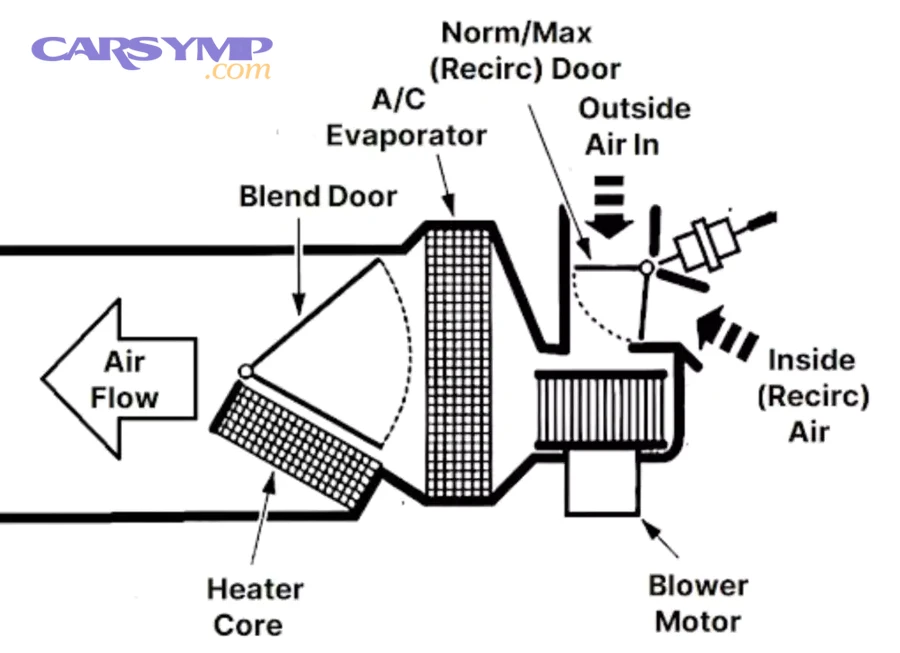
A blend door actuator is a small motorized controller that moves an internal HVAC door to mix air across the heater core and evaporator, so the vents deliver the temperature you select. Tiếp theo, understanding this airflow “mixing” explains why the car can feel hot even when the AC system is healthy.
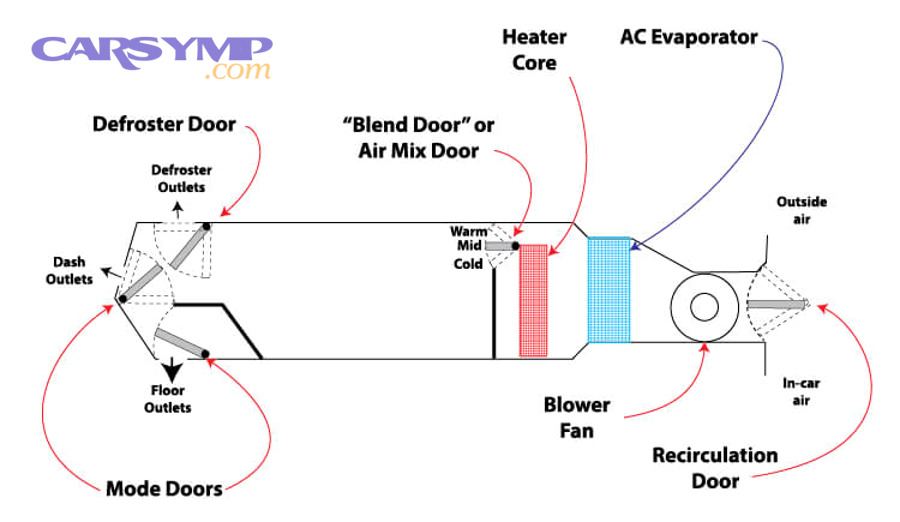
Blend door, heater core, evaporator: the key relationship
The blend door is basically a valve inside the HVAC box: it decides how much air passes through the heater core versus bypassing it, and then mixes that air before it reaches the vents. Cụ thể, if the door stays “more heater” than intended, you can get warm air even with the AC on; if it stays “more bypass,” you may never get strong heat.
Why the symptom feels like “AC not cold” even when refrigerant is fine
When the blend door is stuck toward warm, the evaporator may still be making cold air, but that cold air is being reheated or diluted before it reaches the vents. Tuy nhiên, because you only feel the outlet air, it’s easy to assume the compressor or refrigerant is the problem, even though the mixing door is the real bottleneck.
Where the actuator lives and why sound travels through the dash
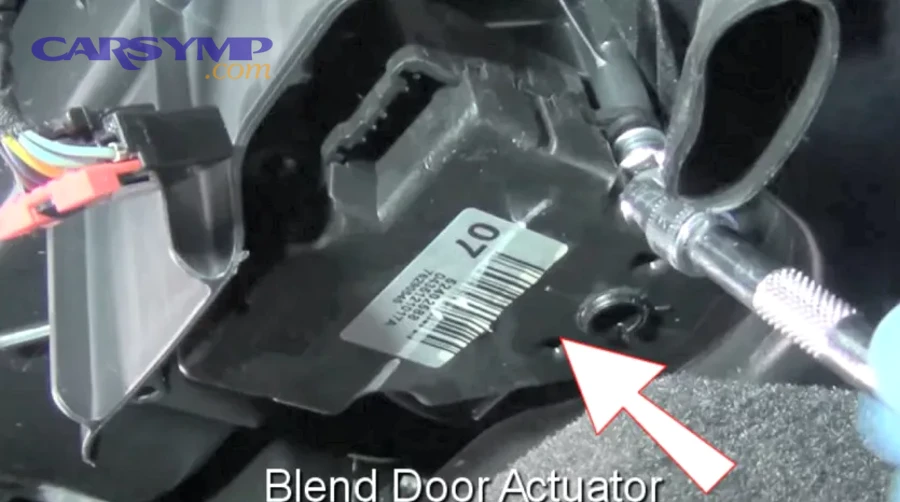
Most actuators sit on the HVAC plenum behind the glove box, center stack, or near the transmission tunnel, so any gear skipping or motor hunting resonates through plastic panels. Để minh họa, that’s why drivers report “a dash click” rather than “a motor whine,” even though the actuator itself is small.
Theo nghiên cứu của Engineering từ lĩnh vực cabin thermal management, vào 03/2019, mục tiêu HVAC là đạt comfort trong khi giảm tiêu hao năng lượng—nên khi cơ cấu điều khiển cửa gió sai vị trí, cảm giác “hệ thống điều hòa hỏng” sẽ xuất hiện rất rõ.
What are the most reliable blend door actuator problem signs in real driving?
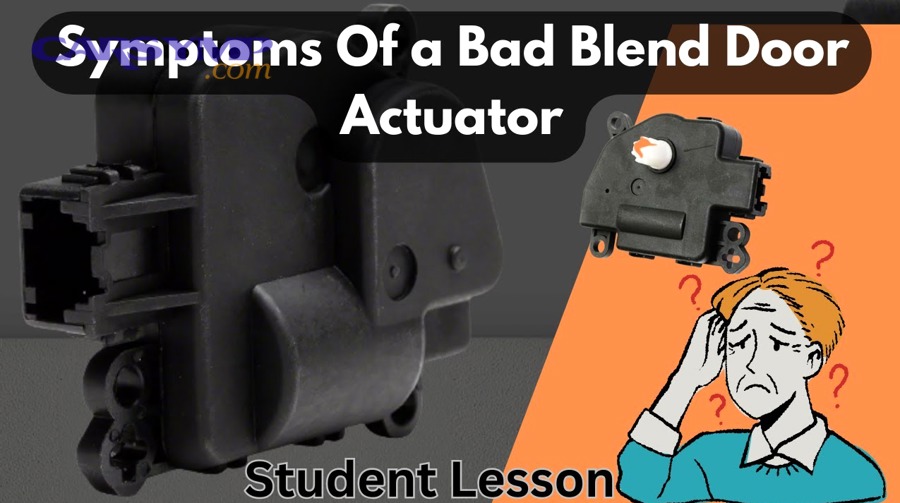
The most reliable signs are abnormal clicking/ticking, incorrect outlet temperature despite correct settings, and temperature that changes by itself or differs left-to-right on dual-zone systems. Sau đây, we’ll group the symptoms by what you can hear, feel, and observe over time.
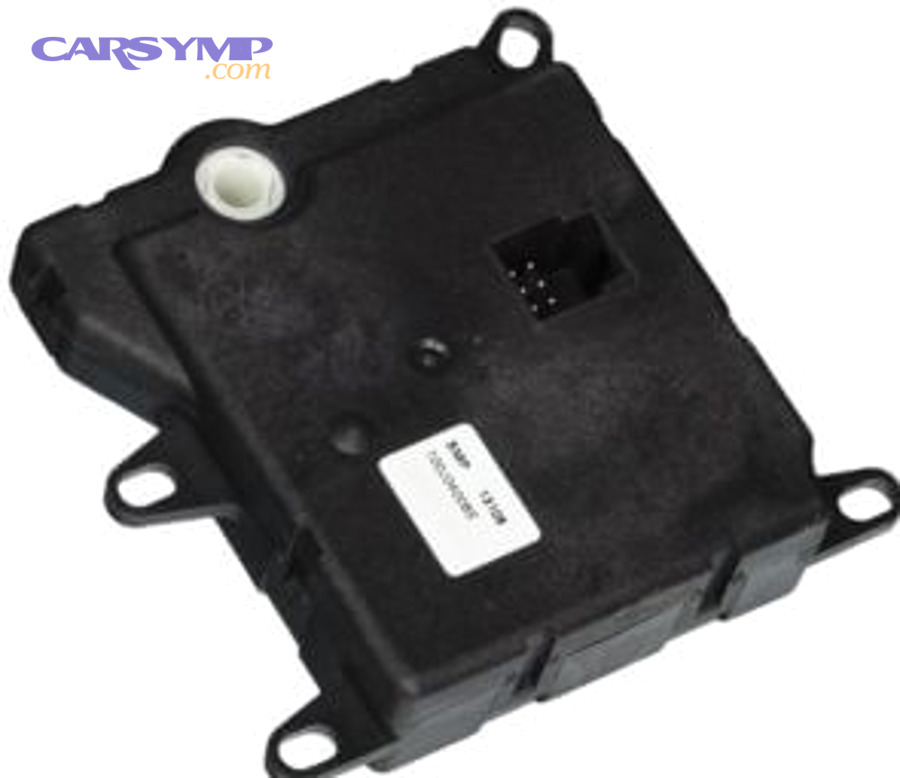
Sound-based sign: repetitive clicking, ratcheting, or tapping behind the dash
This is the classic symptom when plastic gears strip: the motor keeps turning, but the gear teeth skip, producing a repeated tick that often starts after engine start or when you change temperature/mode. Cụ thể hơn, the sound may last 5–30 seconds, stop, then return on the next key cycle.
Feel-based sign: temperature stuck hot, stuck cold, or “lukewarm only”
If the blend door can’t reach commanded positions, the system may be stuck in a fail position (full hot or full cold) or may hover in a mid position that never delivers strong heat or strong cooling. Bên cạnh đó, some drivers notice the vents get “kind of cold” only at higher fan speeds, because mixing is inconsistent.
Pattern-based sign: symptom appears during knob changes, not continuously
Many compressor or refrigerant faults show up as consistently poor cooling under load; actuator faults often spike when you command a change—hot-to-cold, cold-to-hot, defrost-to-face, or recirc changes. Để hiểu rõ hơn, that “triggered by command” behavior is a key fingerprint.
Dual-zone giveaway: left and right temperatures disagree
On dual-zone systems, one actuator can fail while the other works, so the driver side may blow hot while the passenger side blows cold (or vice versa). Quan trọng hơn, this split behavior strongly suggests a door/actuator control problem rather than a system-wide refrigerant failure.
Theo nghiên cứu của CarParts.com từ nhóm biên tập kỹ thuật, vào 05/2025, các dấu hiệu phổ biến nhất được tổng hợp gồm tiếng ồn bất thường, nhiệt độ cửa gió sai, và nhiệt độ thay đổi thất thường.
Does a clicking noise always mean a bad actuator?
No—clicking strongly suggests a failing actuator gearset, but it isn’t always the actuator; some vehicles make brief calibration noises that are normal, and other dash components can click too. Tuy nhiên, the difference is in timing, repetition, and response to control changes.
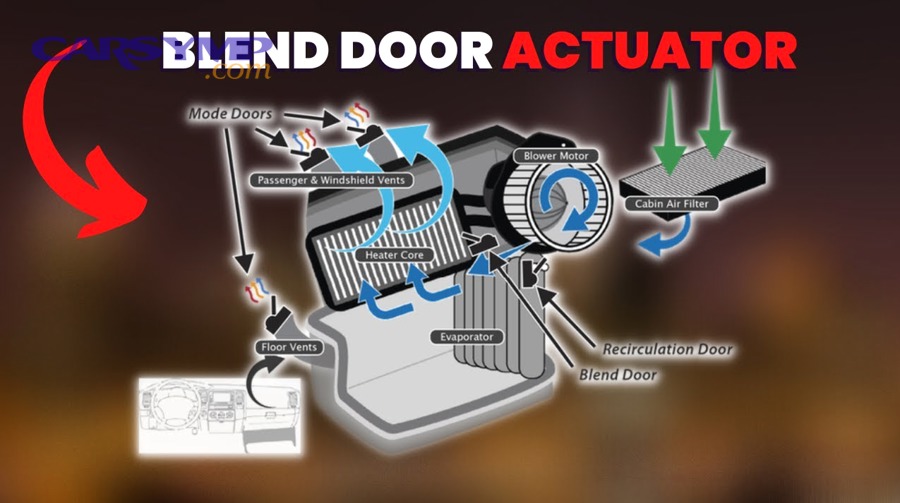
Normal vs abnormal: what “healthy” calibration sounds like
Many HVAC systems run a short self-check after battery disconnect or key-on, which can create a soft, brief movement sound. Cụ thể, a normal sound is usually short, smooth, and not tied to gear skipping; it does not persist or worsen over days.
Actuator gear skipping: the signature pattern
Gear skipping tends to be rhythmic and can repeat each time the controller tries to reach a “home” position. Để minh họa, you’ll often hear it when you switch from full cold to full hot, or when you change vent mode—because the actuator travels farther.
Other dash clicks that can impersonate the problem
Relays, recirculation doors, mode doors, and even some infotainment or steering column components can click. Ngoài ra, if the click happens without any HVAC command changes and doesn’t affect vent temperature, you should widen the search.
Theo nghiên cứu của SAE International từ SAE Technical Paper 2018-01-1519, vào 06/2018, các vấn đề âm học và rung động trong hệ thống HVAC thường cần được phân tích theo nguồn kích thích và điều kiện vận hành để khoanh vùng đúng cụm gây ồn.
Why does the temperature get stuck on hot or cold during a blend door issue?
Temperature gets stuck when the actuator can’t move the blend door to the commanded position—either because the motor/feedback fails electrically or because the door/gear mechanism binds mechanically. Tiếp theo, we’ll map each “stuck” behavior to what’s failing inside the HVAC box.
Mechanical failure: brittle gears, worn worm gear, or a binding door
Plastic gears can crack or lose teeth; a worn drive gear may spin without moving the output shaft; a door can bind if debris or a warped hinge blocks movement. Cụ thể, if the door binds, the actuator may repeatedly fail because the motor stalls and the gears strip again.
Electrical failure: dead motor, poor connector contact, or failed position feedback
Some actuators include feedback electronics that tell the control head where the door is. Trong khi đó, if feedback fails, the system may “hunt,” overshoot, or choose a default fail position (full cold or full hot) to protect control logic.
Why the problem can be intermittent at first
Early on, the gears may slip only near the end of travel, so mid-range temperatures still work. Quan trọng hơn, that’s why many drivers report “it worked yesterday, then suddenly it’s stuck today”—the gear teeth finally give up under repeated loads.
Theo nghiên cứu của MDPI Applied Sciences từ nhóm nghiên cứu thermal comfort, vào 01/2021, nhiệt độ cabin và nhiệt độ gió cửa gió liên hệ trực tiếp với cảm nhận thoải mái và chỉ số sinh học của người lái—nên lỗi điều khiển nhiệt độ (như kẹt nóng/lạnh) dễ gây khó chịu và mệt mỏi nhanh hơn.
How can you confirm blend door actuator problem signs at home without special tools?
You can confirm a suspected actuator by checking whether symptoms change when you command temperature/mode changes, by locating the sound source, and by verifying door movement response at the vents in a controlled routine. Dưới đây, follow a safe, repeatable sequence that reduces guesswork.
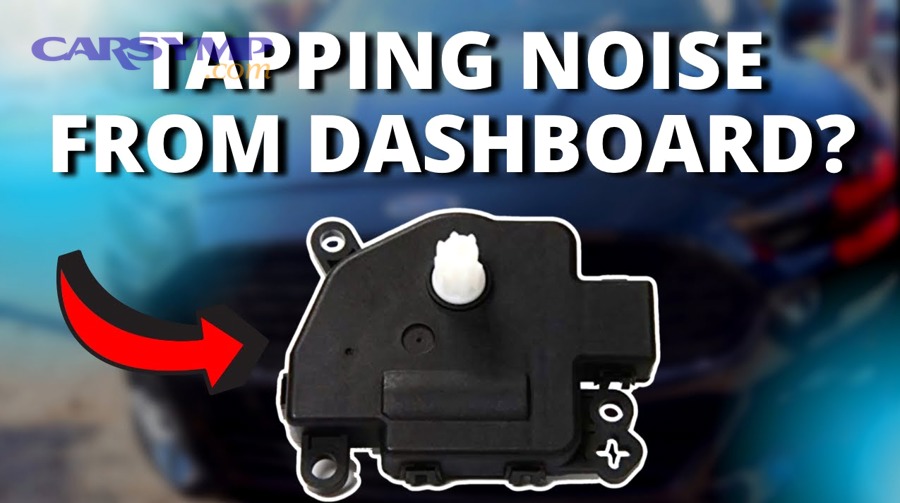
Step 1: Recreate the symptom with a consistent “command change” test
With the engine running (or key-on as your car allows), set fan to medium, then switch from full cold to full hot and listen for clicking. Tiếp theo, switch the vent mode (face/floor/defrost) if your system uses similar door actuators, noting whether the sound correlates with a specific command.
Step 2: Use left-right comparison on dual-zone systems
Set both zones to the same temperature, then change only one side. Cụ thể, if only the changed side clicks or fails to follow the command, you’ve isolated the problem to that side’s actuator/door path.
Step 3: “Vent temperature reality check” with your hand
Place your hand at the vent and wait 30–60 seconds after each command. Quan trọng hơn, actuator faults often show delayed, partial, or no temperature change, while a healthy system shows a clear trend within a short window (even if outside heat load affects absolute coldness).
Step 4: Visual access where possible (glove box area)
Some vehicles allow viewing/feeling the actuator area behind the glove box or lower dash panels. Để bắt đầu, remove only easy trim panels you’re comfortable with, and never disturb airbag-related components.
Step 5: Quick “unplug to locate” sanity check
If you can safely reach the suspected actuator connector, unplugging it may stop the clicking immediately—confirming the sound source. Tuy nhiên, unplugging can trigger fault codes and may affect HVAC behavior, so treat it as a short test, not a permanent fix.
Theo nghiên cứu của 2CarPros từ kiến thức kỹ thuật sửa chữa HVAC, vào 05/2024, tiếng ticking trong dashboard kèm hiện tượng “heater blows cold” hoặc “AC blows hot” được mô tả như dấu hiệu thực tế của actuator hỏng, thường do motor hoặc bánh răng nhựa.
What other problems mimic actuator symptoms, and how do you rule them out?
Several HVAC problems can feel like an actuator failure—especially when airflow, cooling capacity, or control logic is compromised—so you rule them out by checking what changes with door commands versus what changes with engine load and system pressures. Bên cạnh đó, you can narrow the field using symptom timing and consistency.
Low cooling capacity vs wrong mixing: feel the “direction” of change
When cooling capacity is low, the air may be cool-ish at idle and warmer at highway load (or vice versa), but it generally follows compressor operation and heat load patterns. Tuy nhiên, with an actuator/door fault, the outlet temperature can stay wrong even when the system is clearly running and the compressor cycles normally.
Blower and cabin filter problems: airflow quantity vs temperature control
A weak blower or clogged cabin filter reduces airflow volume, making cooling feel weak. Cụ thể, actuator faults are more about “temperature correctness,” while airflow problems are about “how much air” comes out; the two can coexist, but they feel different in your hand test.
Heater core or coolant issues: heat performance clues
If you never get heat, you might suspect a blend door, but low coolant, air pockets, or heater core flow problems can also reduce heat. Ngược lại, if you get strong heat sometimes but can’t turn it off, that strongly supports a blend door position/control problem.
Control head or HVAC module logic: when commands don’t match outputs
Some systems require relearn procedures after battery disconnect; others develop control head faults. Ngoài ra, if multiple doors behave oddly (mode + recirc + temp), the control module or wiring may be a bigger suspect than a single actuator.
In deeper system diagnosis, technicians may also consider phrases like “AC clutch not engaging diagnosis” or “Quick AC troubleshooting checklist,” but those belong after you’ve separated mixing-door control problems from true cooling-capacity faults.
Theo nghiên cứu của ScienceDirect từ nghiên cứu về thermal comfort khi vận hành điều hòa trong xe, vào 2024, thay đổi môi trường nhiệt trong cabin khi AC hoạt động có thể tác động rõ đến đánh giá chủ quan và chỉ số sinh học—vì vậy việc khoanh vùng đúng nguyên nhân (door control vs cooling capacity) có giá trị thực tiễn.
Can you keep driving with blend door actuator problems, or should you fix it quickly?
Yes, you can usually keep driving, but you should fix it quickly if the cabin becomes unsafe (defrost failure), the actuator is repeatedly cycling noisily, or temperature control loss causes distraction or fogging. Tiếp theo, use a “risk lens” rather than only comfort.
Defrost risk: when a mode/blend door fault becomes a safety issue
If the issue affects defrost airflow or you can’t clear the windshield, treat it as urgent. Quan trọng hơn, humidity and temperature swings can fog glass quickly, and unreliable defrost is more than a comfort problem.
Noise escalation: why repeated clicking can become a bigger repair
Continuous gear skipping can shed plastic debris, worsen binding, and sometimes damage door pivots or housings. Bên cạnh đó, repeated stalling can overheat the motor, turning a “gear-only” problem into a complete actuator failure.
Comfort and attention: the hidden cost of unstable cabin temperature
Unstable temperature can increase fatigue and distraction on longer drives. Cụ thể, drivers often keep adjusting controls, which ironically triggers more actuator activity—creating a loop of irritation and noise.
Theo nghiên cứu của MDPI Applied Sciences từ nhóm nghiên cứu về thermal comfort dựa trên biosignals, vào 01/2021, nhiệt độ cabin và gió cửa gió liên quan đến chỉ số sinh học và cảm nhận mệt mỏi của người lái—nên bỏ qua lỗi điều khiển nhiệt độ có thể tác động gián tiếp đến sự tập trung.
How do you prevent repeat failures after an actuator replacement?
You prevent repeat failures by ensuring the blend door moves freely, by completing required calibration/relearn steps, and by addressing any binding or debris that overloaded the old actuator. Tiếp theo, think “root cause” before installing the new part.
Verify door movement before installing the new actuator
Manually move the door pivot (when accessible) to confirm it isn’t stuck. Cụ thể, if the door binds, a new actuator can strip gears quickly because it’s being forced to do impossible work.
Connector and wiring health: prevent false “actuator failure” returns
Corrosion, loose pins, or poor grounding can mimic a dying actuator by starving the motor or confusing position feedback. Ngoài ra, inspect connectors during replacement so you don’t reinstall a good actuator into a bad electrical path.
Calibrate/relearn correctly after power loss
Many vehicles require an HVAC actuator relearn after fuse pull or battery disconnect. Quan trọng hơn, if you skip calibration, the system may hunt for endpoints, click repeatedly, or deliver inconsistent temperatures.
Some owners describe their goal as an “AC not cold fix,” but in actuator cases, the real win is restoring correct door positioning so the system’s cold air can reach you without being reheated.
Theo nghiên cứu của 2CarPros từ hướng dẫn hiệu chuẩn actuator, vào 05/2024, quá trình “self-calibrate” hoặc “actuators learn” được khuyến nghị để tránh HVAC hoạt động sai sau khi thay thế hoặc mất nguồn.
When is it time to stop DIY and get professional HVAC service?
It’s time for professional service when you have defrost safety concerns, repeated actuator failures, multiple door faults at once, or signs of deeper electrical/module issues beyond a single actuator. Sau đây, use these decision triggers to avoid wasting parts and time.
Trigger 1: symptoms jump across multiple functions (temp + mode + recirc)
If temperature, vent mode, and recirculation all behave oddly, the system may have control head problems, shared wiring faults, or a module calibration issue. Bên cạnh đó, a scan tool can read HVAC-related codes that a basic OBD reader might miss.
Trigger 2: actuator replaced but clicking returns quickly
Fast repeat failures point to a binding door, misalignment, or an incomplete relearn sequence. Quan trọng hơn, a shop can confirm door travel and identify whether the HVAC case needs repair rather than repeated actuator swaps.
Trigger 3: you can’t access the actuator safely without major dash disassembly
Some vehicles require significant panel removal, and mistakes can affect airbags, fragile trim, or wiring harnesses. Tuy nhiên, a professional has service information, trim tools, and experience that reduces collateral damage.
Trigger 4: fogging/visibility or extreme heat/cold exposure in your context
If you regularly drive in conditions where defrost and stable temperature matter (humid winters, long commutes, transporting kids/elderly), don’t delay. Để hiểu rõ hơn, this is exactly the scenario people mean by “When AC needs professional service,” because risk outweighs experimentation.
Theo nghiên cứu của một cơ sở sửa chữa ô tô (Circle M Tire & Automotive), vào 04/2025, tiếng clicking/knocking sau dash khi chỉnh nhiệt độ được nêu như dấu hiệu cảnh báo rõ ràng cần chẩn đoán đúng cửa gió và actuator.
Supplementary: Calibration, relearn, and rare clues that separate actuator vs door damage
Some less-discussed clues—like post-battery relearn loops, inconsistent endpoint behavior, or recurring one-side failures—help you distinguish a simple actuator swap from deeper HVAC box problems. Tiếp theo, these “rare but telling” signs sharpen your diagnosis without expanding into unrelated AC topics.
Rare clue 1: clicking starts right after battery disconnect or fuse changes
If the clicking began immediately after a battery replacement or fuse pull, suspect a failed relearn or a door that can’t reach its “home” stop. Cụ thể, the module may drive the motor to endpoints and keep trying if feedback is inconsistent.
Rare clue 2: temperature works in mid-range but fails near full hot/full cold
This often indicates stripped teeth near the end of travel or a door binding at one extreme. Tuy nhiên, a purely electrical dead motor usually fails across the entire range, not just endpoints.
Rare clue 3: one-side failure repeats even with new actuators
Repeated single-side failures can suggest a distorted door, cracked hinge, or HVAC case wear that loads the motor unevenly. Quan trọng hơn, in these cases, the actuator is “the victim,” not the root cause.
Rare clue 4: airflow direction changes correctly but temperature won’t track
If mode doors work (defrost/floor/face change normally) but temperature doesn’t, that points to the temperature blend path specifically. Ngoài ra, this helps you avoid chasing unrelated vent door actuators when the issue is isolated.
Theo nghiên cứu của 2CarPros từ phần hướng dẫn hiệu chuẩn và kiểm tra pivot cửa gió, vào 05/2024, việc kiểm tra độ trơn của pivot trước khi lắp actuator mới được nhấn mạnh để tránh hỏng lặp do cửa gió bị kẹt hoặc vật cản.
FAQ: Blend door actuator problem signs and blend door issue questions
Can a bad blend door actuator cause AC to blow hot at idle and cold while driving?
Yes, but the pattern matters: an actuator/door fault can cause consistently wrong temperature regardless of speed, while load-related changes often point to cooling capacity. Tuy nhiên, if the outlet temperature flips mainly when you adjust the control knob, that leans back toward a blend door issue.
Why does the clicking stop if I don’t touch the temperature controls?
Because the actuator may only move when commanded or when the system runs a brief calibration routine. Cụ thể, no new commands means no movement attempts, so the stripped gears may stay quiet until the next demand.
Is it safe to unplug the actuator and leave it unplugged?
It can stop the noise, but it also freezes door position and may trigger fault codes or leave you stuck in an unsafe defrost/temperature state. Quan trọng hơn, use unplugging as a short diagnostic step, not a long-term solution.
What’s the fastest “sanity check” before buying parts?
Recreate the symptom with a consistent command-change test, verify whether vent temperature actually changes, and localize the clicking source (driver vs passenger side). Để bắt đầu, if you can’t link the symptom to a specific command, widen the diagnosis before purchasing an actuator.
Is there a good video that shows the symptoms clearly?
Yes—watch a symptom-focused walkthrough so you can compare the sound pattern and the temperature behaviors to your car. Tiếp theo, use the video to confirm the “triggered by command” fingerprint before you start removing panels.