


Warranty and parts quality impact on price because they decide who pays, how long you’re protected, and how much risk the shop must price in—before a wrench ever turns.
Beyond the headline number on a quote, the real cost is shaped by claim rules, what counts as “covered,” and whether the part choice reduces (or increases) the chance of a comeback repair.
In practice, higher-quality parts can lower total cost by reducing repeat labor and diagnosis time, while broader warranty coverage can shift cost away from you—but only if the conditions are met.
Giới thiệu ý mới: the best way to avoid overpaying is to read repair pricing like a system, not a single line item.
What does “warranty and parts quality impact on price” actually mean at the repair counter?
It means your final bill is the sum of part price, labor risk, and warranty rules—not just “the part costs X.” Next, you’ll see how each layer changes the number you pay.
To make this concrete, think of pricing as three stacked decisions:
- Coverage decision: Is the repair eligible for a manufacturer warranty, powertrain warranty, emissions warranty, an extended service contract, or only a shop/parts warranty?
- Quality decision: Which grade of part is being installed—OEM, premium aftermarket, economy aftermarket, remanufactured, or salvage?
- Risk decision: Who absorbs the cost if the part fails, if the diagnosis changes mid-job, or if a related component causes repeat failure?
Those decisions don’t act independently. A strong warranty can reduce your out-of-pocket cost today, but it can also increase the shop’s administrative time (documentation, approvals, claim phone calls), which may show up as higher diagnostics or “extra steps” labor. Likewise, a cheaper part can lower the first invoice, yet increase the probability of a second invoice if it fails early or causes noise, fitment issues, or performance problems.
According to research by Kelley Blue Book from its Car Advice team, in June 2025, typical auto warranty coverage is 3 years/36,000 miles—which means a large share of early ownership repairs can be “price-shifted” away from the driver when coverage applies.
To understand why this changes pricing behavior, notice how shops and dealers quote differently. In warranty work, labor is often governed by predetermined allowances; outside warranty, the shop must estimate time and price risk itself. That’s why identical repairs can carry different “buffers” depending on whether the work is covered.
Which warranty types reduce your out-of-pocket cost the most, and when do they fail to help?
Manufacturer warranties usually reduce your cost the most when the failure is a covered defect and you meet the conditions. Next, we’ll map the common warranty types and the pricing traps hidden in exclusions.

Most consumers hear “warranty” and assume “free.” In reality, warranties come with boundaries that shape pricing and expectations:
What changes in price under a factory bumper-to-bumper warranty?
Yes—cost can drop to near-zero for covered defects, but only if the failure fits the warranty definition and the vehicle is within time/mileage limits. After that, you’ll want to confirm whether the symptom is a defect or wear-and-tear.
Under a bumper-to-bumper warranty, the biggest pricing advantage is that covered repairs are typically performed at no cost for parts and labor through an authorized dealer when it’s a qualifying defect. However, many “normal wear” items (pads, clutches, consumables) are excluded, and diagnosis may lead to a non-covered finding—at which point you’re back in retail pricing.
How do powertrain warranties change what you pay, and why do they still leave gaps?
Powertrain warranties can cut large bills on major components, but they are narrower and often require specific failure proof. Next, match the failed component to the written list, not the symptom.
Powertrain coverage typically lasts longer than bumper-to-bumper coverage, but it’s also more specific: it may cover the engine, transmission, and driveline components while excluding peripheral systems and electronics. That means a driver might have “warranty coverage” yet still pay for related parts, diagnostics, or fluids if they’re not included.
Do extended service contracts always lower price, or can they raise it?
They can lower your bill when coverage is broad and claims are approved, but they can raise total cost when approvals add delay, caps limit reimbursement, or coverage is exclusion-heavy. Next, treat the contract like a reimbursement policy with rules.
Many service contracts require pre-authorization, specific repair networks, or documentation of maintenance. If you pay upfront and seek reimbursement later, cash flow becomes part of “price.”
According to research by AAA from its Auto Repair program guide, in 2016, covered repairs under third-party warranties often require pre-authorization, and payment practices vary—sometimes the shop is paid directly, other times the customer pays first and is reimbursed.
Can a company deny coverage because you used non-OEM parts or an independent shop?
No—not solely for that reason, though coverage can be denied if the aftermarket part or service caused the defect. Next, keep records and be ready to show causation is not on you.
According to research by the Federal Trade Commission (FTC) from its consumer protection guidance, in March 2019, companies can’t void a consumer’s warranty or deny warranty coverage solely because the consumer used third-party parts or independent repair—unless they can show the non-OEM part/service caused the problem.
This matters for pricing because it reduces fear-based decisions that push consumers toward higher-cost options. But it also elevates the importance of documentation: part numbers, receipts, and a clear timeline can prevent costly disputes.
How does parts quality change the price—today, and over the life of the repair?
Parts quality changes price by affecting purchase cost, fitment time, failure probability, and warranty length. Next, you’ll see how OEM, aftermarket, and remanufactured choices shift the invoice and the risk.
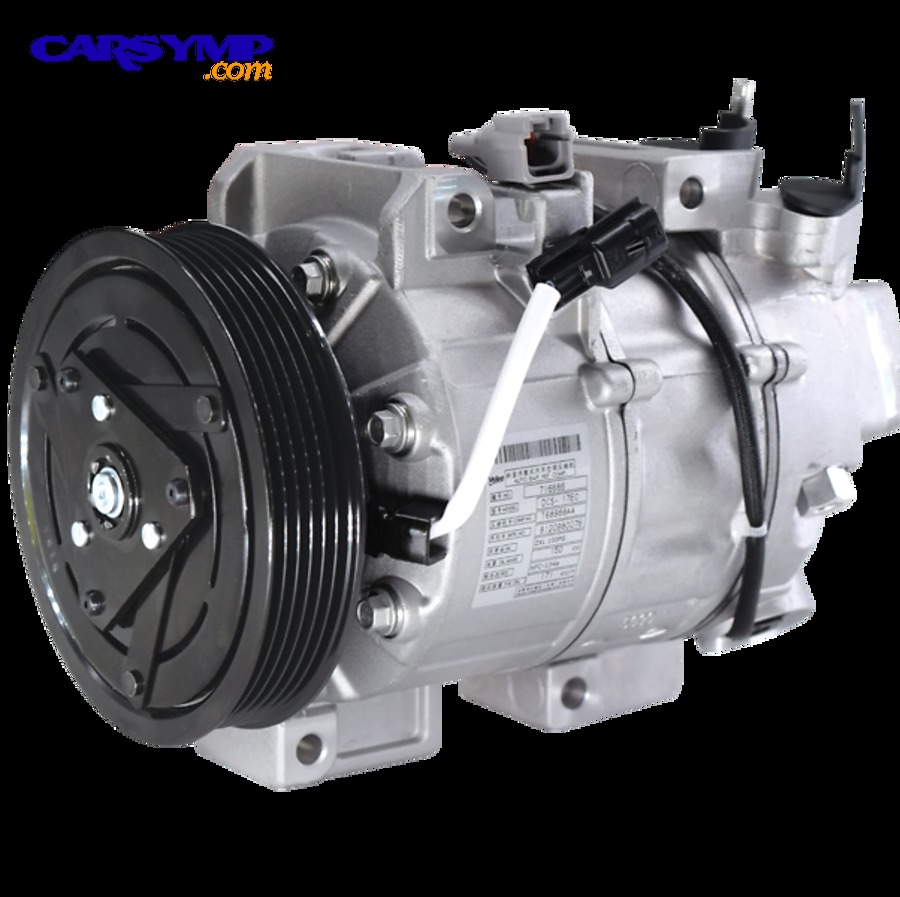
Most repair estimates hide the most important question: what grade of part is being installed? Two quotes can look identical in labor hours but differ massively in part quality and warranty protection.
OEM vs aftermarket: which is more expensive, and why?
OEM is usually more expensive, while aftermarket is typically cheaper; however, total value depends on warranty, fitment, and longevity. Next, compare the “installed warranty outcome,” not just the sticker price.
According to research by the Property Casualty Insurers Association of America cited by J.D. Power, in May 2023, OEM parts cost about 60% more than aftermarket parts on average. That price gap often reflects brand pricing power, distribution channels, and the promise of exact-fit and consistency.
But “aftermarket” isn’t one thing. There’s a meaningful difference between:
- Professional-grade aftermarket: built for shops, often with solid QC and longer warranties.
- Economy aftermarket: low entry price, but higher variability in material quality and fitment.
- Performance/upgrade aftermarket: not necessarily “higher quality,” just optimized for different goals.
Where price shifts: with lower-grade parts, the shop may add risk pricing—because if the part fails in 60 days, the shop eats labor time if it stands behind the job.
Does a longer part warranty always mean better part quality?
No—warranty length is a signal, not proof; it can reflect marketing, failure data, or restrictions. Next, read the warranty conditions and what it covers (part-only vs parts-and-labor).
A critical distinction is whether the warranty covers:
- Part-only: you may still pay labor again.
- Parts-and-labor: far more valuable when labor is high.
According to research by AAA from its Auto Repair program guide, in 2016, most auto repairs are covered by a shop warranty of at least 12 months or 12,000 miles—often covering both the part and the labor when the shop supplies and installs the part.
Where do remanufactured parts fit on the price-quality spectrum?
Remanufactured parts often reduce upfront price while aiming to restore core components to spec, but quality depends heavily on the remanufacturer and testing. Next, ask about process, testing, and who backs the warranty.
Reman parts can be compelling for expensive assemblies (like compressors, alternators, steering racks) where new OEM pricing is high. The pricing advantage can vanish if the reman unit has high early failure rates or inconsistent fitment.
In general, reman makes sense when:
- The supplier has a documented reman process and testing standards.
- The warranty includes labor or is backed by the shop installing it.
- The part category has a strong reman market with stable cores.
When can a “cheaper” part raise total price through comebacks, extra diagnosis, or repeat labor?
Cheaper parts can raise total price when they increase fitment time, noise/vibration issues, early failure, or misdiagnosis loops. Next, focus on the most expensive repeatable cost: labor and diagnostics.
Many consumers optimize for the first invoice. Shops optimize for the total lifecycle of the repair—because comebacks destroy schedule capacity, reputation, and profit.
How does low-quality fitment inflate labor even if the hourly rate is fair?
It can inflate labor because poor fitment forces rework, adjustments, and troubleshooting that aren’t visible in the original estimate. Next, ask whether the quote assumes “book time” or anticipates fitment variance.
Shops often rely on standardized estimating systems and expected installation times. If the part doesn’t fit cleanly, “book time” can become unrealistic. Some shops protect themselves by specifying part grade or by refusing customer-supplied economy parts.
According to research by AAA from its Auto Repair program guide, in 2016, labor charges often use flat-rate time multiplied by the shop’s hourly labor rate, but diagnostic work and irregular jobs may not fit flat-rate cleanly—creating a cost gap when problems arise.
Why do repeat failures cost more than you expect?
Because the second visit often includes diagnosis, teardown, and warranty negotiation, not just a quick swap. Next, prioritize warranties that cover labor and clarify who handles the claim.
Repeat failure can trigger extra layers:
- Confirmation testing: proving the part is bad (or proving it isn’t).
- Root-cause checks: verifying related components didn’t cause the repeat failure.
- Paperwork and claim steps: time that may not be fully reimbursed.
This is where quality pays: fewer repeats means fewer “hidden” labor hours you end up financing indirectly.
Can higher-quality parts lower diagnostic fees?
Yes—often indirectly, because consistent components reduce uncertainty and shorten troubleshooting paths. Next, treat diagnostic cost as a lever you can influence with part choice and documentation.
When parts quality is inconsistent, the technician may spend longer verifying whether symptoms come from the component or from the system around it. High-confidence parts reduce that ambiguity.
How do shops price warranty risk, and why does that change your quote?
Shops price warranty risk by accounting for labor they might not get paid twice, claim disputes, and exclusions that trigger comebacks. Next, you’ll learn which line items are “risk-priced” and how to negotiate them intelligently.
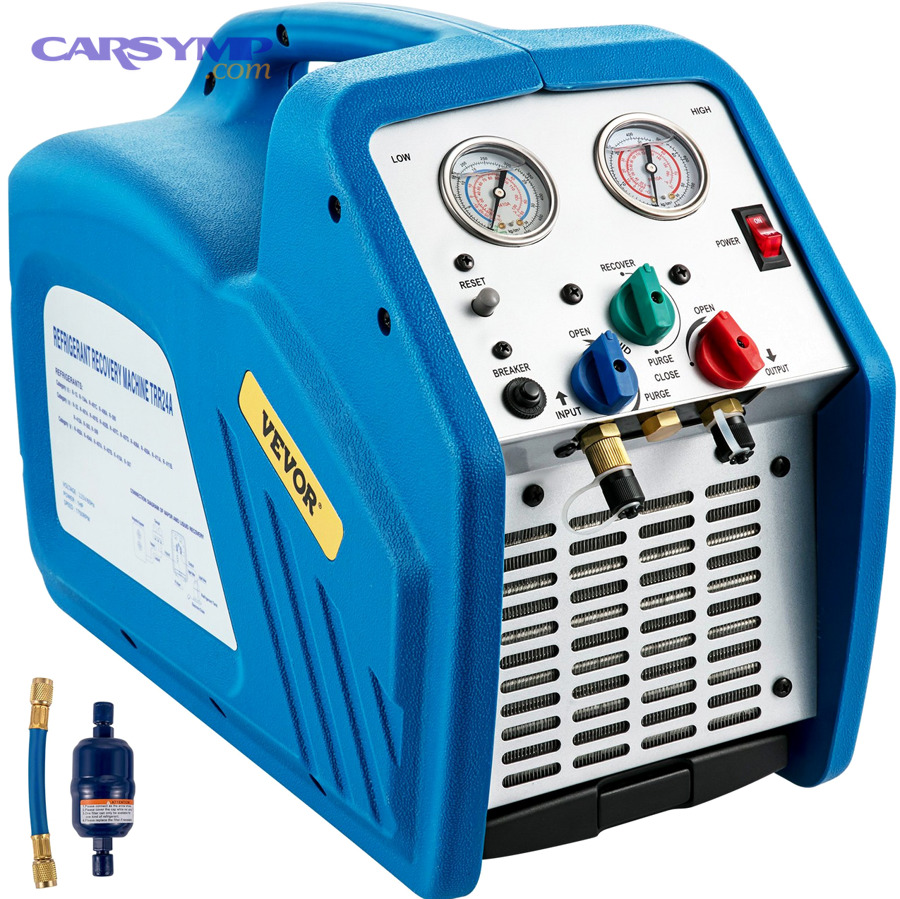
From the customer’s perspective, a repair quote is parts + labor. From the shop’s perspective, it’s also:
- Probability of failure (part quality, system condition, vehicle age).
- Cost of a comeback (lost bay time, re-diagnosis, replacement labor).
- Ability to recover costs (supplier warranty terms, claim friction, proof requirements).
Why do some shops refuse customer-supplied parts?
Yes—many refuse them because the shop loses control over warranty and quality, and must absorb labor risk if the part fails. Next, ask what policy the shop offers for customer parts (and what it excludes).
If you bring your own part, the shop may still install it, but often with limited or no warranty on labor. That’s not greed; it’s risk management. If the part is defective, the shop can’t easily claim against your supplier, and they lose the ability to guarantee a result.
What does “parts markup” really pay for?
It often pays for overhead, sourcing reliability, and warranty support—not just profit. Next, ask what the markup includes: warranty labor coverage, expedited sourcing, or supplier accountability.
According to research by AAA from its Auto Repair program guide, in 2016, replacement part prices at repair facilities commonly include a markup for shop overhead and a labor warranty in case the part fails and needs replacement.
How do warranty claim rules create “invisible labor” costs?
They create costs through documentation, pre-authorization calls, and limits on reimbursable time. Next, align expectations by asking: who talks to the warranty company, and what happens if it denies coverage?
Even when a contract covers a repair, the process can add time: photos, teardown verification, adjuster approval, and itemized reporting. If the warranty company pays below the shop’s retail labor rate, the shop might charge you the difference or adjust the scope.
How can drivers compare quotes using warranty and quality signals without getting overwhelmed?
Use a short, repeatable checklist: match warranty eligibility, identify part grade, and normalize labor assumptions. Next, apply the same questions to every shop so your comparison is apples-to-apples.
Here’s a practical method that turns confusing quotes into comparable offers.
Step 1: Confirm what warranty could pay, and what it won’t
Start by asking whether the repair is likely covered by any existing warranty, then ask what conditions must be met. Next, request the exact coverage language for the failing component.
- Is the vehicle inside time/mileage limits?
- Is it a defect or wear item?
- Is diagnosis covered if the failure ends up “not covered”?
- Do you need pre-authorization?
Step 2: Force clarity on part grade and warranty type
Ask for the part category (OEM, premium aftermarket, economy aftermarket, reman), and whether the warranty is part-only or parts-and-labor. Next, get that in writing on the estimate.
To prevent “silent downgrades,” request brand and part number where possible. If the shop won’t provide exact numbers (common), at least get a documented quality tier.
Step 3: Normalize labor assumptions and diagnostic scope
Compare the labor model (flat-rate vs time-and-materials) and what diagnostics includes, because those differences change price even with identical parts. Next, ask what triggers a revised estimate.
This is where you should pay attention to the real pricing mechanics: Labor cost drivers and flat-rate times affect your bill when the job is straightforward, while diagnostics behave differently for intermittent or system-wide issues.
According to research by AAA from its Auto Repair program guide, in 2016, typical labor rates range widely (often quoted within a broad national range), and flat-rate systems are used to provide consistent estimates—while diagnostics may be billed separately because each troubleshooting path is unique.
Step 4: Compare “total risk,” not just total dollars
Choose the quote with the best combination of warranty protection, part quality, and credible diagnosis—not the lowest number. Next, ask which failures the shop sees most often with each part grade.
To help you decide, this table summarizes how part grade and warranty structure influence both upfront and long-term cost. It helps you compare quotes that look similar but carry different risk.
| Option | Typical Upfront Price | Fitment/Consistency | Common Warranty Pattern | Best For |
|---|---|---|---|---|
| OEM New | Highest (often priced premium) | Highest consistency | Often strong part warranty; depends on brand/channel | Newer vehicles, warranty-sensitive repairs, strict fitment needs |
| Premium Aftermarket | Mid | High (varies by brand) | Often solid shop-backed parts-and-labor | Best value when installed by a shop that warranties labor |
| Economy Aftermarket | Lowest | Most variable | Often part-only or short terms | Low-stakes, non-critical items where rework is cheap |
| Remanufactured | Lower than new (varies by category) | Depends on reman process/testing | Can be strong when supplier/shop supports labor | High-cost assemblies when reputable reman is available |
When you see a large OEM premium, remember it may be “buying down” fitment and failure risk. According to research cited by J.D. Power, in May 2023, OEM parts were reported as costing about 60% more than aftermarket parts on average—so you should ask what you get for that delta in warranty and outcomes.
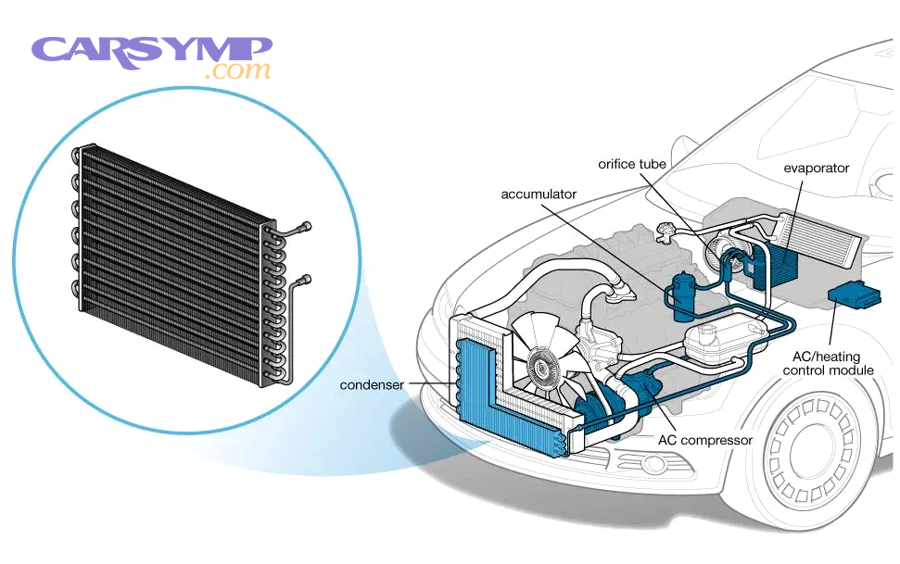
If you’re evaluating A/C-related quotes, you’ll often encounter bundled descriptions like AC repair cost and line items that hide process steps. To reduce surprises, ask the shop to break out diagnostics, parts grade, and whether What’s included in evac and recharge service is priced as a package or contingent on findings.
Contextual border: Up to this point, you’ve learned how warranties and part quality shape mainstream repair pricing. Next, we’ll shift to rarer traps that only show up after the repair begins—when policies, paperwork, and edge conditions change the bill.
Rare pricing traps that surface only after the repair starts
These traps happen when terms, documentation, or system conditions change what is “covered” mid-stream. Next, use these checks to avoid surprise bills and claim denials.
How do maintenance records and “proof” requirements change your price?
They can change your price because missing records can shift a claim from “covered” to “customer pay.” Next, keep receipts and follow recommended service intervals so you can defend coverage.
Even when the failure is real, warranty administrators may require proof that the vehicle was maintained properly. If you can’t show it, the pricing shifts from claim-based to retail-based instantly.
Why do reimbursement caps and labor-rate limits matter?
They matter because a warranty company may pay below the shop’s retail rate, leaving a gap you must cover. Next, ask whether the shop accepts the contract’s labor rate or bills you the difference.
This is a common cause of conflict: the customer believes “covered” means “free,” while the contract defines “covered” as “reimbursed up to X.” The difference is price.
How can part serialization, core charges, and return rules add cost?
They add cost when a failed part requires a core return, a serial match, or proof of defect before credit is issued. Next, ask who handles returns and how long credits take.
Core policies can temporarily inflate out-of-pocket costs if deposits are required. Serialization can also slow approvals if the part must be inspected before the claim is validated.
What happens when a related defect causes “repeat failure” exclusions?
Repeat failure exclusions can shift cost back to you if the warranty claims the installed part failed due to an underlying condition. Next, ask whether the estimate includes root-cause checks and what evidence is required.
Shops that prioritize quality often spend more time validating system health because it reduces repeat failures and protects both you and them from disputes.
Frequently Asked Questions
Is it ever smart to pay more for OEM parts if the car is out of warranty?
Yes—when fitment risk is high, labor is expensive, or the part is safety-critical; the extra upfront cost can be cheaper than a comeback. Next, focus on parts where a second labor charge would be painful.
What single question best reveals whether a quote is “good value”?
Ask: “Is the warranty parts-only or parts-and-labor, and who honors it?” Next, request that answer on the written estimate.
Can I mix OEM and aftermarket parts and still protect my warranty?
Yes—mixing parts doesn’t automatically void coverage, but the manufacturer may deny a specific claim if it can show the non-OEM part caused the defect. Next, keep receipts and choose reputable brands for components tied to the claim area.
Why do two shops quote different diagnostic fees for the same problem?
Because diagnostics depend on uncertainty, tooling, and time limits; some shops bundle diagnosis into repair, others separate it. Next, ask what steps are included and what triggers additional diagnostic time.
Is there a practical way to lower price without sacrificing reliability?
Yes—choose professional-grade aftermarket or reputable reman parts, and prioritize warranties that include labor. Next, compare the “installed outcome” and the shop’s comeback policy, not just the part price.