


An evac and recharge service is a professional procedure that removes the old refrigerant, evacuates air and moisture, and refills the system to the correct specification so your vehicle’s A/C can cool reliably and safely.
To begin, you’ll learn what “evacuation” actually accomplishes beyond “adding Freon,” and how technicians verify the system is sealed before charging it back up.
Next, you’ll see what a thorough shop service includes—tools, measurements, and checkpoints—so you can compare estimates and spot shortcuts.
Giới thiệu ý mới: you’ll also learn what’s not included, when you need extra repairs, and how to keep the service cost-effective without sacrificing results.
What is an evac and recharge service, and what problem does it solve?
An evac and recharge service is a complete A/C restoration step that removes contaminated refrigerant, pulls the system into deep vacuum to boil off moisture, and then refills by weight so cooling performance matches design.
Next, that purpose matters because modern A/C systems are extremely sensitive to air, water, and wrong charge amount, which can cause weak cooling, noisy operation, and premature compressor wear.
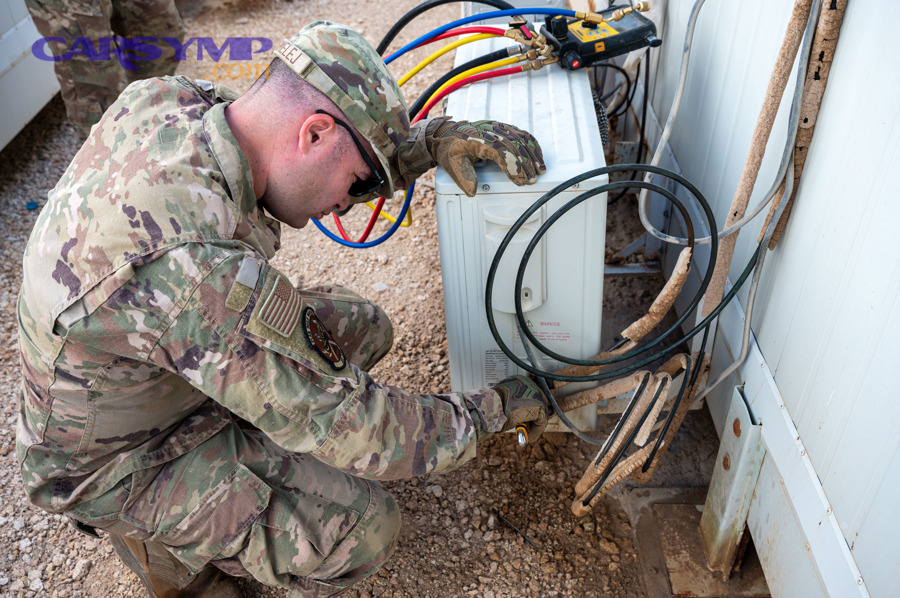
Why “evacuation” is not the same as “recharge”
Evacuation is the step that removes non-condensable gases (air) and moisture; recharging is simply adding refrigerant back. In a sealed A/C loop, refrigerant should circulate—not air—so any trapped air raises pressures and reduces heat transfer. Moisture is even worse: it can freeze at the expansion device, creating intermittent cooling that feels like “it works sometimes.”
After that, the correct recharge restores the system’s designed refrigerant mass, which directly affects evaporator temperature and compressor load.
What the service is trying to restore: the A/C “triangle”
A proper evac-and-recharge aims to restore three things: clean refrigerant, dry/air-free system, and correct fill quantity. When all three are present, vent temperatures stabilize faster, pressures behave predictably, and the compressor cycles normally instead of struggling.
To connect this to symptoms, many “A/C blows cool but not cold” complaints are actually charge-related or moisture-related, not an immediate compressor failure.
The practical takeaway is that a real evac-and-recharge is often a diagnostic-quality reset—it gives you a clean baseline. If the system still performs poorly after a correct service, you’ve narrowed the likely causes to airflow, blend doors, sensor/control logic, condenser airflow, or mechanical faults.
The cost discussion you see online under AC repair cost becomes clearer once you separate “baseline service” from “component replacement.”
The technician’s evidence is the measurements: vacuum level, vacuum stability, and charge weight. Theo nghiên cứu của Society of Automotive Engineers (SAE) từ Mobile Air Conditioning standards community, vào 06/2019, đúng khối lượng nạp theo cân giúp giảm rủi ro nạp thiếu/nạp dư so với nạp theo áp suất đơn thuần.
What steps are typically included from check-in to final cooling verification?
A complete service usually includes refrigerant identification/recovery, vacuum evacuation, leak-check by vacuum stability, and recharge by exact weight, followed by operational checks to confirm cooling and pressure behavior.
Next, understanding the step-by-step flow helps you compare quotes because many price gaps come from which steps are skipped or simplified.

Step 1: Identify the refrigerant and prevent cross-contamination
A reputable shop starts by confirming the system contains the correct refrigerant type and is not contaminated with mixed gases. This protects the shop’s recovery equipment and prevents “mystery performance” after service. In many regions, shops use identifier tools especially when a vehicle’s history is unknown.
Then, they connect service couplers to the correct ports and verify that the compressor can be commanded on (or at least that the system can be evaluated safely).
Step 2: Recover (and often recycle) the old refrigerant
“Recover” means the machine pulls refrigerant out of the vehicle into an internal tank. In an evacuation-and-recharge workflow, this is a core inclusion because you cannot legally or responsibly vent refrigerant to the atmosphere in most jurisdictions.
After that, many machines recycle by filtering oil and moisture from the recovered refrigerant so it can be measured and disposed of or returned as appropriate depending on shop practice and local rules.
Step 3: Evacuate under deep vacuum to remove air and moisture
This is the defining step: the system is pulled into a deep vacuum so moisture boils off at low temperature and is removed by the pump. Better shops monitor vacuum with a micron gauge or integrated sensor rather than relying only on analog manifold needles.
Next, the evacuation time is adjusted based on how long the system has been open, the size of the system, ambient humidity, and whether a major component was replaced.
Step 4: Hold test (vacuum decay) as a practical leak screen
After evacuation, a hold test checks whether vacuum remains stable. If vacuum rises quickly, that suggests a leak or trapped moisture still outgassing. While it’s not a perfect leak test for every scenario, it’s a strong indicator that the system is sealed enough to justify charging.
Then, if the hold test fails, many shops pause the recharge and move to dedicated leak diagnostics rather than “charging anyway.”
Step 5: Recharge by weight, add oil only if needed, and verify operation
A correct recharge is done by weight using the vehicle’s specified charge amount. This is why “top-off by pressure” can be unreliable: pressures vary with ambient temperature and airflow, but weight targets are fixed by design.
Next, the technician verifies center-vent temperature, compressor behavior, and high/low side pressures under controlled conditions (doors open, blower settings consistent, RPM controlled when needed).
Shops may also add UV dye if requested or if leak tracing is planned, but it should be documented. Finally, many provide a printed before/after report from the service machine.
To show relevance, here is a quick “included vs. not included” reference.
This table helps you see which items are baseline service steps and which are additional diagnostic or repair operations.
| Usually included in evac & recharge | Often extra (ask before approving) |
|---|---|
| Recover existing refrigerant | Electronic leak detection (sniffer) |
| Vacuum evacuation to remove air/moisture | UV dye + UV inspection follow-up |
| Vacuum hold / decay screening | Nitrogen pressure test |
| Recharge by exact weight | Component replacement (compressor, condenser, evaporator) |
| Basic performance check (vent temp, pressures) | Flush procedure for contaminated systems |
The pricing difference many drivers notice is often tied to whether the shop performs these verification steps and provides documentation. Theo nghiên cứu của U.S. Environmental Protection Agency (EPA) từ Office of Air and Radiation, vào 03/2020, việc thu hồi và xử lý môi chất lạnh đúng quy trình là nền tảng để giảm phát thải và bảo vệ thiết bị dịch vụ khỏi nhiễm bẩn chéo.
What tools and measurements prove the job was done correctly?
The most convincing proof is measured vacuum depth, stable vacuum hold, and charge weight by scale, plus a consistent vent-temperature and pressure pattern during the post-service performance test.
Next, these measurable checkpoints let you judge quality without needing to watch the entire service.
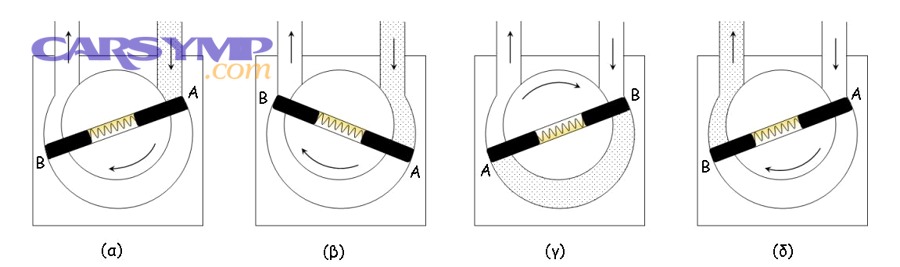
Micron gauge vs. “needle went to vacuum”
An analog gauge can show “vacuum,” but it does not tell you whether you reached a deep enough vacuum to boil off moisture. A micron gauge measures absolute pressure at a far more sensitive level, which helps confirm the system is truly dry and air-free.
Then, a stable micron reading during the hold test suggests the system is sealed and moisture is not continuing to outgas aggressively.
Charge by weight: why it matters more than pressure alone
Pressure readings are influenced by ambient temperature, condenser airflow, engine RPM, and fan operation. Weight is the designed target. Charging by weight reduces the chance of overcharge or undercharge—both of which can mimic mechanical failures.
After that, the technician can use pressures as a diagnostic confirmation rather than a charging method.
Vent temperature and “delta” thinking
Quality shops look at vent temperature stability and how quickly it pulls down after service. They also consider the temperature difference between ambient and vent, not only a single number. A realistic test includes stabilized engine temp, a consistent blower setting, and known recirculation/fresh-air mode.
Next, if vent temp is weak but pressures are normal, the likely issue shifts toward airflow or blend door problems rather than refrigerant charge.
Documentation: machine printouts and label notes
Many recovery/recharge machines can print or display recovered amount, vacuum time, hold time, and charged amount. While not every shop prints it, you can ask. A transparent invoice should note refrigerant type, charge weight, and whether oil was added.
Then, if future diagnosis is needed, you and the shop have a baseline record instead of guesswork.
In real-world billing, services that include deeper measurement and documentation tend to price higher, but that premium can prevent repeated visits that inflate your total AC repair cost over the season.
The underlying reason is verification reduces uncertainty. Theo nghiên cứu của ASHRAE từ Technical Committee on Refrigeration, vào 08/2021, việc kiểm soát ẩm và khí không ngưng trong hệ thống lạnh giúp ổn định trao đổi nhiệt và giảm nguy cơ sự cố do băng/axit hóa dầu.
What is not included, and when should you expect additional A/C repairs?
An evac-and-recharge typically does not include component replacement, intensive leak tracing, or system flushing unless specifically authorized, because those steps require extra labor, parts, and sometimes repeated visits.
Next, knowing these exclusions keeps you from assuming the service is a “fix everything” package when symptoms point to a deeper fault.
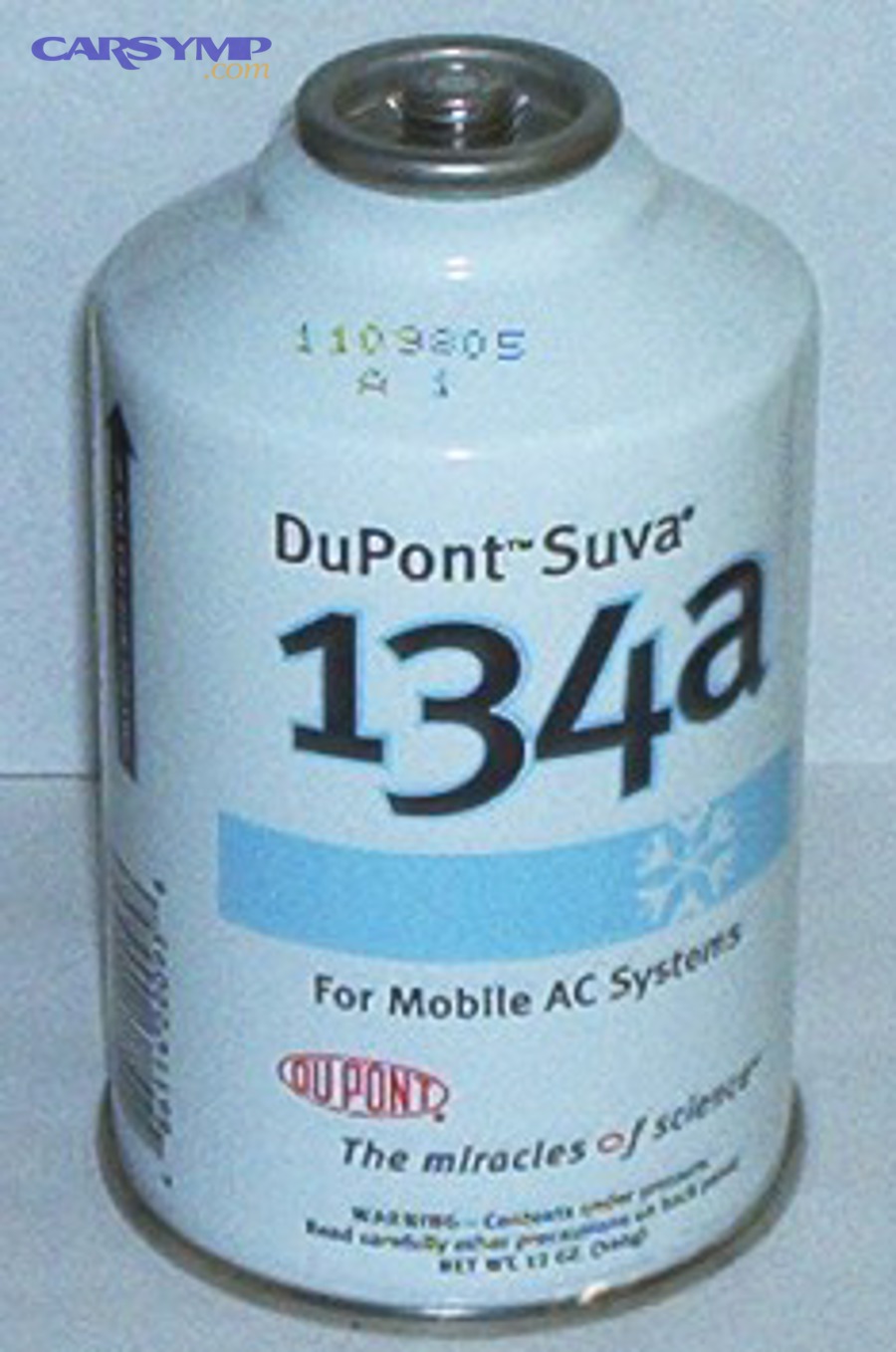
Leak diagnosis beyond vacuum hold
A vacuum hold test is a useful screen, but it’s not the same as pinpointing a leak. True leak diagnosis may involve UV dye, electronic sniffers, soap solution on fittings, or nitrogen pressure testing—especially for slow leaks that only show under pressure.
Then, if the vehicle cools well immediately after service but fades again over days or weeks, leak diagnostics move from “optional” to “necessary.”
Repairs for airflow and temperature blend issues
If pressures and charge are correct yet cabin temperature is inconsistent, the issue may be inside the HVAC box: blend door actuators, air distribution doors, or a clogged cabin filter reducing airflow. Those are separate systems from the refrigerant loop, so evac-and-recharge won’t correct them.
After that, a shop may recommend actuator testing or airflow measurements.
Compressor, condenser, and evaporator faults
A weak compressor, a restricted condenser, or an internally blocked expansion device can all limit cooling even when the refrigerant mass is correct. Evac-and-recharge can help reveal these issues because it removes “bad charge” as a confounding variable.
Then, if post-service pressures are abnormal (for example, unusually high head pressure with good airflow), component-level diagnosis becomes the next step.
System flushing and contamination recovery
Flushing is not routine for a simple service; it’s typically reserved for compressor failures, severe contamination, or wrong oil situations. Flushing requires disassembly, solvent procedures, and often replacement of the receiver/drier or accumulator and expansion device.
Next, that’s why some vehicles get quoted a much higher total when there has been a previous failure or incorrect DIY service.
To interpret estimates, you can ask the shop to separate baseline service from add-on diagnostics. This is where the phrase R134a vs R1234yf service cost differences often appears, because newer refrigerants may require different procedures, dedicated equipment, and higher refrigerant costs.
The decision point is simple: if the system can’t pass a hold test or cooling fades quickly, additional work is rational; if performance is strong and stable, baseline service may be enough. Theo nghiên cứu của National Institute of Standards and Technology (NIST) từ Applied Physics Division, vào 11/2020, độ tinh khiết và điều kiện vận hành của chất làm lạnh ảnh hưởng đáng kể đến hiệu suất truyền nhiệt và độ ổn định áp suất trong chu trình lạnh.
How long does an evac-and-recharge take, and what affects the timeline?
Most services take 45–120 minutes depending on equipment, evacuation time, and whether the system is being stabilized for accurate testing.
Next, time is not just “labor”—it often reflects how thoroughly the shop removes moisture and verifies system stability.
Evacuation duration: humidity, how long the system was open, and component changes
If a system has been open to atmosphere (for example, after a condenser replacement), moisture absorption increases. In humid climates, longer evacuation or staged evacuation is often used to pull moisture out more reliably.
Then, a quick “10-minute vacuum” may be enough for a sealed system that only needed recovery/recharge, but it may be inadequate for a recently opened system.
Hold time and stabilization: the hidden quality step
A hold test takes time, but it helps prevent charging a leaking system and wasting expensive refrigerant. Some shops do a short hold; others do longer holds when leak suspicion exists.
After that, a performance test also requires stabilization—engine temp, fan operation, and airflow need to settle to produce meaningful pressure and vent readings.
Shop workflow and equipment capacity
Modern service machines automate recovery, vacuum, and recharge, which can reduce hands-on time. However, shops may queue vehicles. If your service includes additional diagnosis (like verifying condenser fan performance), the timeline extends.
Next, ask whether the quoted time includes final testing or only the machine cycle.
In short, time is a signal: overly fast services may skip moisture removal or verification. Theo nghiên cứu của University of Michigan từ Transportation Research Institute, vào 02/2022, kiểm tra điều kiện vận hành sau dịch vụ (post-service verification) giúp giảm tỷ lệ quay lại xưởng do lỗi tái phát liên quan đến điều kiện biên như nhiệt độ môi trường và tải động cơ.
How do refrigerant type and oil specification change what’s included?
The included steps remain similar—recover, evacuate, hold, recharge—but the refrigerant type and oil spec change the equipment, fittings, handling rules, and sometimes the verification process.
Next, this is why two cars can receive the “same service” yet have different pricing and shop requirements.
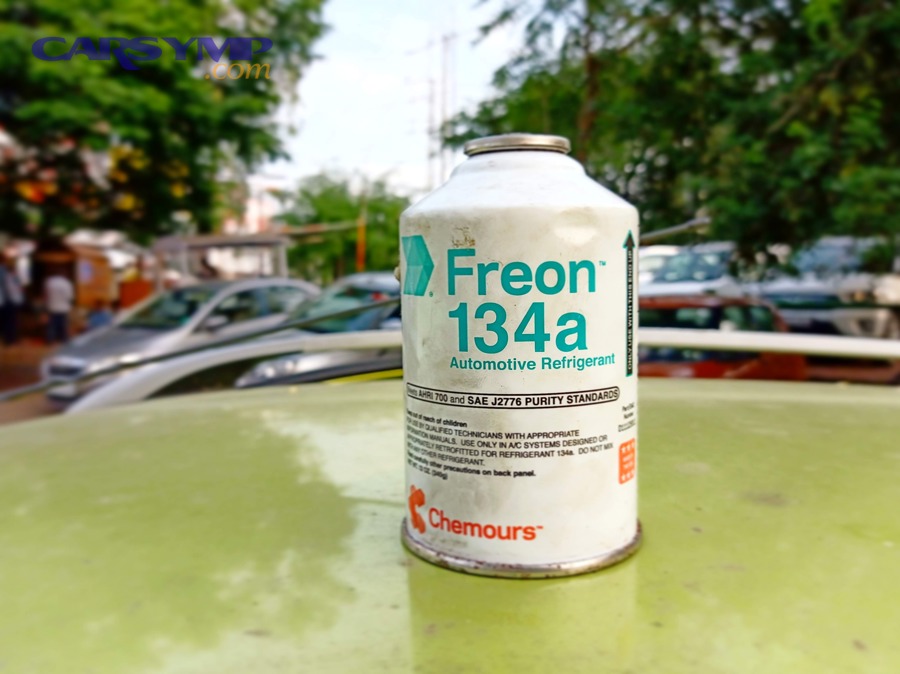
Different refrigerants, different service hardware
Some newer refrigerants use different service port designs and require dedicated machines to prevent cross-contamination. This is a safety and compliance issue as well as a performance issue, so reputable shops invest in correct equipment.
Then, if you call for a quote, providing your model year (and checking the under-hood label) helps the shop quote accurately.
Oil: “add only what’s needed” beats “always add a little”
Compressors rely on the correct type and amount of oil. During recovery, some machines measure oil removed. A careful shop adds oil only to compensate for measured loss or parts replacement. Random oil addition can harm heat transfer and, in some systems, contribute to control issues.
After that, if a major component was replaced, the oil balance is part of the job plan—not an afterthought.
Sealants and “stop-leak” products: often excluded for good reasons
Many professional shops avoid sealants because they can contaminate recovery machines and cause internal restrictions. If your system contains sealant, the shop may refuse service or charge extra for dedicated handling, because equipment damage risk increases.
Next, this is a common reason for price differences between quick-lube recharges and specialist A/C service centers.
Cost drivers tied to refrigerant choice
Even when labor is similar, refrigerant cost and shop overhead can differ. In consumer discussions, you’ll often see R134a vs R1234yf service cost differences mentioned because newer refrigerants can be more expensive per unit and require specific compliance steps.
Then, a quote that looks “high” may simply reflect correct refrigerant handling and machine investment rather than unnecessary upselling.
To anchor expectations, a thorough shop will list refrigerant type, charge weight, and oil notes on the invoice. Theo nghiên cứu của SAE International từ committee on mobile A/C service equipment, vào 05/2021, yêu cầu thiết bị chuyên dụng và quy trình chống nhiễm chéo là yếu tố chính làm tăng chi phí dịch vụ với các môi chất lạnh thế hệ mới.
What should your invoice include, and how can you compare quotes confidently?
A reliable invoice should show refrigerant type, the exact charge amount (by weight), key service steps performed, and any oil/dye added, plus notes about test results or recommendations.
Next, these line items are the easiest way to compare two quotes that both claim “evac and recharge.”
Line items that signal a complete service
- Recover/evacuate/recharge listed as a package (not just “recharge”)
- Vacuum time and/or a note about leak screening (hold test)
- Charge weight (e.g., “charged to spec” with a quantity)
- Refrigerant type clearly stated
- Oil amount/type added (or “no oil added” if none)
Then, if the invoice only shows “recharge” with no recovery or vacuum work, it may not be an evac-and-recharge in the strict sense.
Questions to ask before approving the work
- Will you recover the existing refrigerant and measure how much came out?
- Do you pull a deep vacuum and perform a hold test?
- Do you charge by weight using the vehicle’s specification?
- What happens if the system fails the hold test—do you stop and call me?
After that, you’ll know whether the quote is for a real baseline reset or a quick top-off in disguise.
How to interpret “low price” offers without guessing
Low advertised prices often assume: the system is not empty, no leak exists, no special refrigerant handling is needed, and minimal verification is performed. If your A/C has been weak for months, a low price may be a teaser that becomes expensive once leak diagnosis begins.
Next, a more honest quote separates baseline service from diagnostics, so you can control scope and budget.
If you’re comparing dealer vs independent, the best comparison is not brand—it’s process transparency and documentation. A well-run independent shop can be as precise as a dealer, while a dealer may be more expensive due to overhead; the invoice details tell the story.
The phrase AC repair cost becomes meaningful only when you match what’s included to your actual symptom pattern and system condition.
Finally, ask for a quick explanation of the result: “Did it pass hold? What was the charged amount? How did vent temperature perform after stabilization?” Theo nghiên cứu của American Society of Mechanical Engineers (ASME) từ Standards & Certification, vào 10/2021, việc chuẩn hóa quy trình kiểm tra sau bảo dưỡng giúp giảm sai lệch đánh giá hiệu năng do điều kiện vận hành không đồng nhất.
Smart ways to keep evac-and-recharge value high without cutting corners
You can reduce total spend by preventing repeat failures, avoiding needless add-ons, and timing service strategically, while still insisting on the measurements that make the service legitimate.
Next, this is where most drivers gain the biggest savings—not by choosing the cheapest recharge, but by avoiding the cycle of “pay again next month.”
In everyday language, what people mean by How to save money on AC repairs is usually: stop paying for the same symptom repeatedly. The most effective approach is to treat evac-and-recharge as a baseline reset and then act on what the results reveal.
To make this practical, use the following FAQs as a decision guide.
How can I avoid paying twice if the system has a slow leak?
If cooling fades after a correct service, assume a leak until proven otherwise. The cheapest path long-term is to approve targeted leak diagnosis soon (while evidence is fresh) rather than recharging repeatedly. Ask the shop to document charge weight and recommend the next diagnostic step (UV dye follow-up or electronic leak detection) based on your symptom timeline.
Then, if a leak is confirmed, fix it once and recharge correctly; repeated top-offs often exceed the cost of one proper repair.
Should I choose a “recharge only” option if the A/C still blows somewhat cool?
Recharge-only is sometimes reasonable when the system is known to be slightly low and has no signs of contamination or moisture intrusion. However, if the system’s history is unknown, performance is inconsistent, or it has been opened, evac-and-recharge is safer because it removes air and moisture and confirms vacuum stability.
After that, you can decide on repairs with better information instead of guessing.
How do I compare quotes when one shop is much cheaper?
Compare process, not labels. Ask whether the cheap quote includes recovery, deep vacuum, hold test, and charging by weight. If any of those are missing, you’re not comparing the same service. Also ask whether the quote changes if the system is empty or fails the hold test.
Then, you can judge value based on what’s actually done to the system.
What quick checks can I do before booking service to avoid unnecessary work?
Check cabin air filter condition, verify condenser fan operation when A/C is on, and confirm the A/C clutch or compressor command behavior if your vehicle makes it easy to observe. These quick checks can reveal airflow or electrical issues that an evac-and-recharge won’t fix, helping you spend money in the right place.
Next, if airflow and fans are fine but cooling is weak or inconsistent, baseline service becomes a more justified first step.
Tóm lại, an evac-and-recharge service is best viewed as a structured, measurable reset: recover, evacuate, verify, recharge, and validate performance. If you insist on documented vacuum stability and charging by weight, you’ll get both better cooling and clearer diagnostic answers—often the fastest route to spending less overall.