


Labor cost drivers and flat-rate times determine why two people can get the same repair and still see different labor charges. In plain terms, you’re paying for a mix of standardized “book time” and real-world complexity—vehicle design, access, workflow, and shop operating reality.
To make smarter decisions, you need to know what a flat-rate hour actually represents, how labor guides create time allowances, and which job conditions legitimately add time. That way, you can read an estimate without guessing what’s “normal.”
Beyond the concept, you’ll also want practical cues: what details to share, what questions to ask, and how to compare estimates fairly. When you understand the levers behind labor, you can prevent scope creep and avoid paying twice for the same step.
To introduce a new idea, think of labor pricing as a system: rules (flat-rate), reality (hands-on time), and risk (unknowns). Below, we’ll connect those pieces so the numbers on your invoice make sense.
What are flat-rate times, and why do repair shops rely on them?
Flat-rate times are standardized labor allowances for a specific procedure, used to estimate and bill consistently even when real time varies. Next, understanding why this system exists helps you spot what’s included—and what’s not.
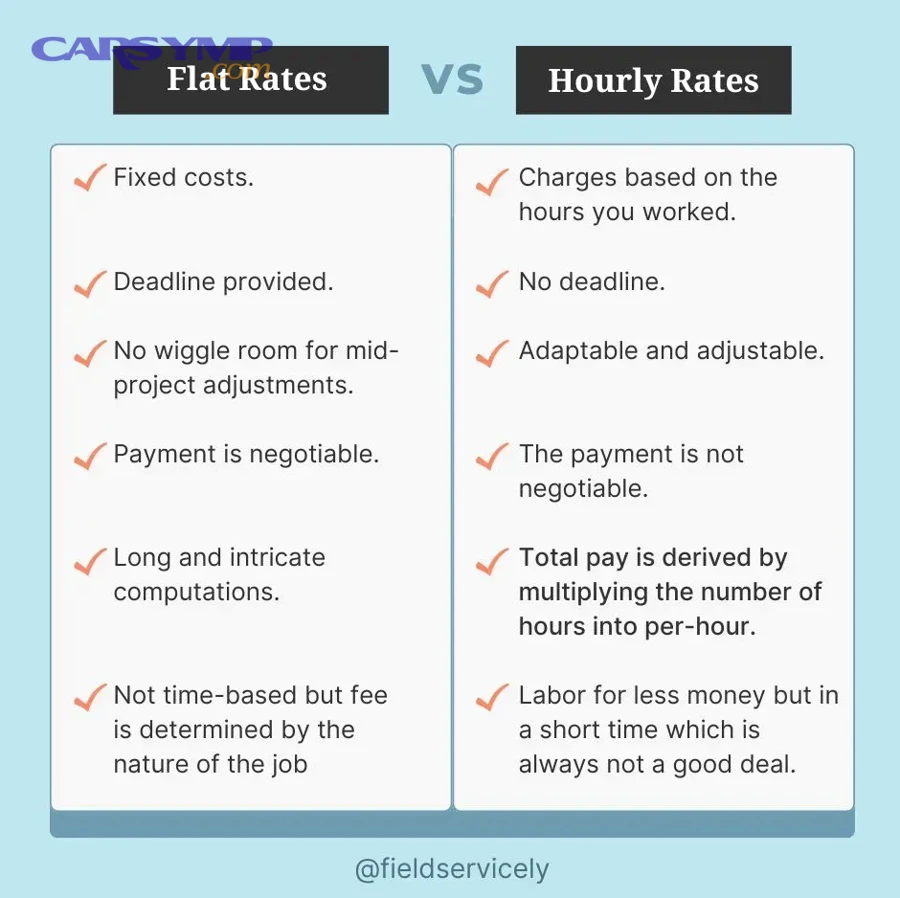
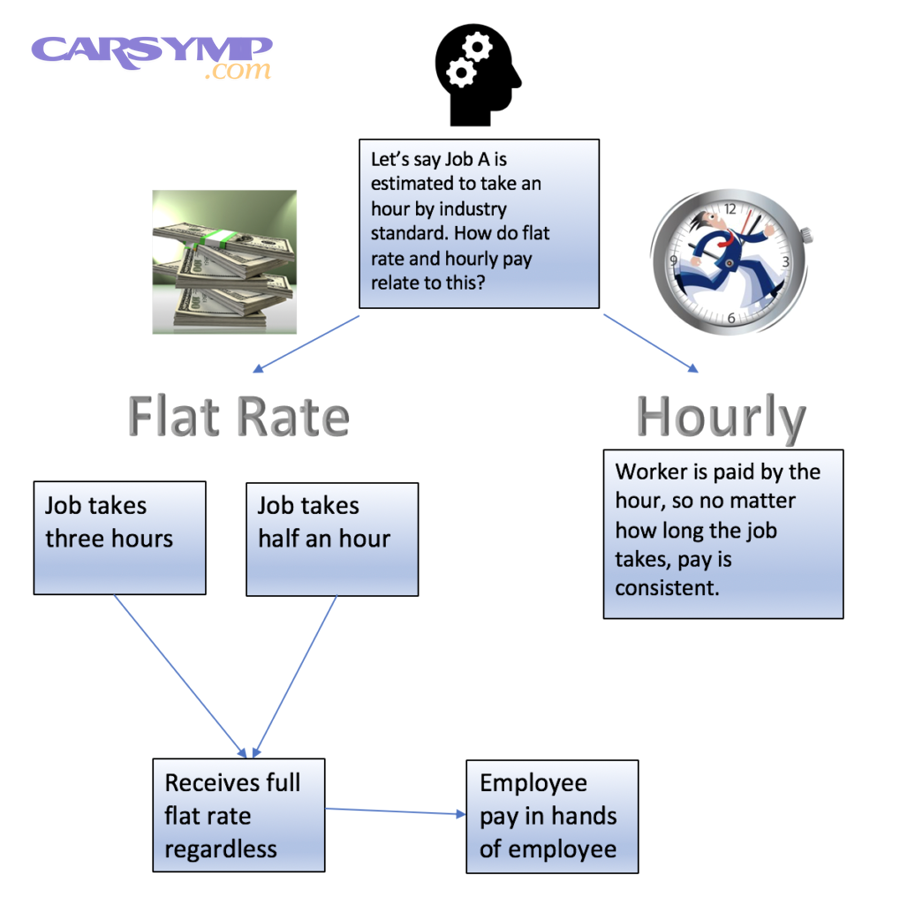
Flat-rate (also called “book time”) is built to solve a real business problem: two technicians may need different clock time for the same job, but customers want predictable pricing and shops need consistent scheduling. So labor guides assign a time value—say 1.6 hours—to a defined procedure under assumed conditions: correct tools, typical access, and a vehicle in ordinary condition.
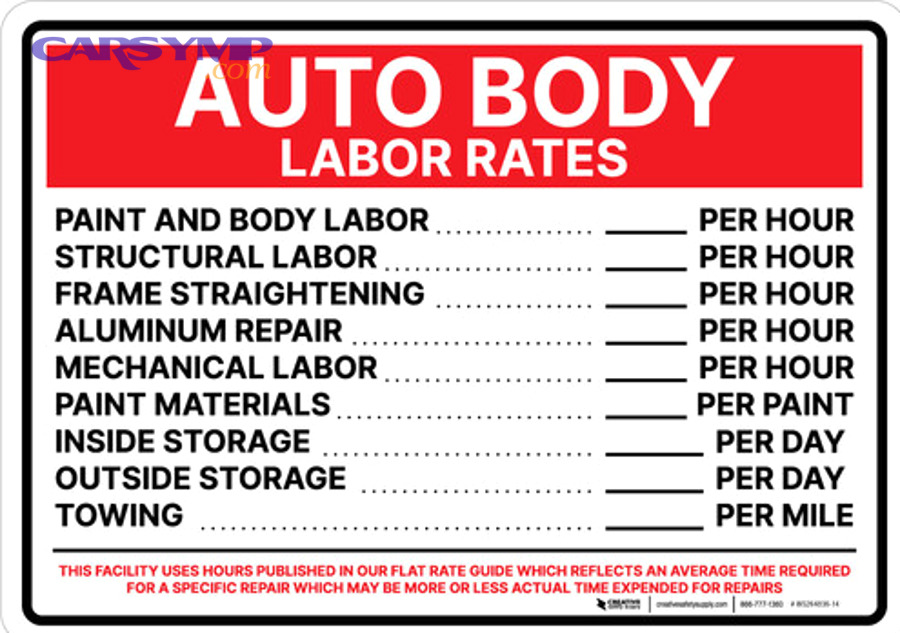
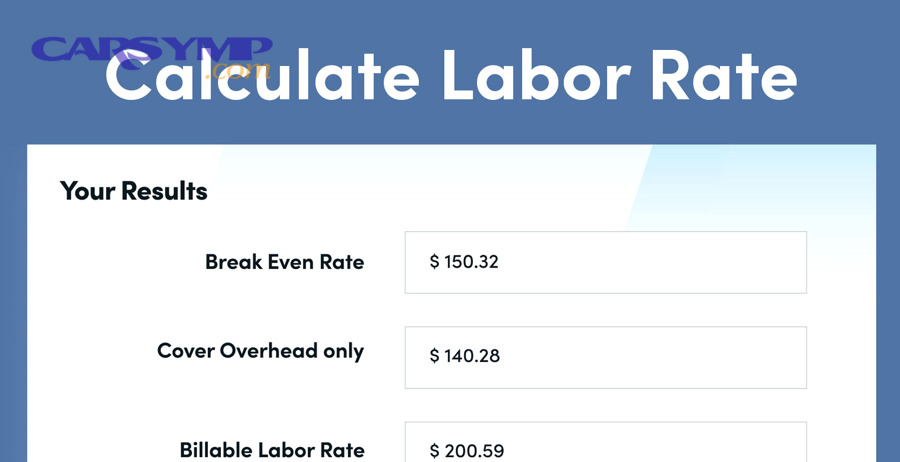
To illustrate, a “procedure” is not just “replace a part.” It’s a sequence: verify complaint, isolate system, remove components, install, torque, reassemble, test. Flat-rate times attempt to capture that sequence as a repeatable unit. This is why estimates can be produced quickly: the shop references a labor guide and multiplies hours by a posted hourly labor rate.
However, flat-rate is not always “actual time.” It is a billing unit. If a highly skilled technician finishes faster, the system rewards efficiency and training. If the job takes longer due to rust, broken fasteners, prior modifications, or poor access, the shop may need to justify additional time as “labor operations” beyond the base line item.
Because this topic often overlaps with broader budgeting, you may also see this discussed alongside AC repair cost in general ownership guides—yet labor is its own moving piece with its own drivers.
According to research by the U.S. Bureau of Labor Statistics from the Office of Occupational Statistics and Employment Projections, in May/2024, pay and productivity differences across regions and experience levels were highlighted as factors that influence service pricing structures.
Which labor cost drivers most strongly affect billed time on vehicle A/C work?
The biggest labor cost drivers are access difficulty, diagnostic uncertainty, parts interaction, and risk factors like corrosion or prior repairs. Next, we’ll break each driver into what it changes in the bay—so you can anticipate why hours rise or fall.
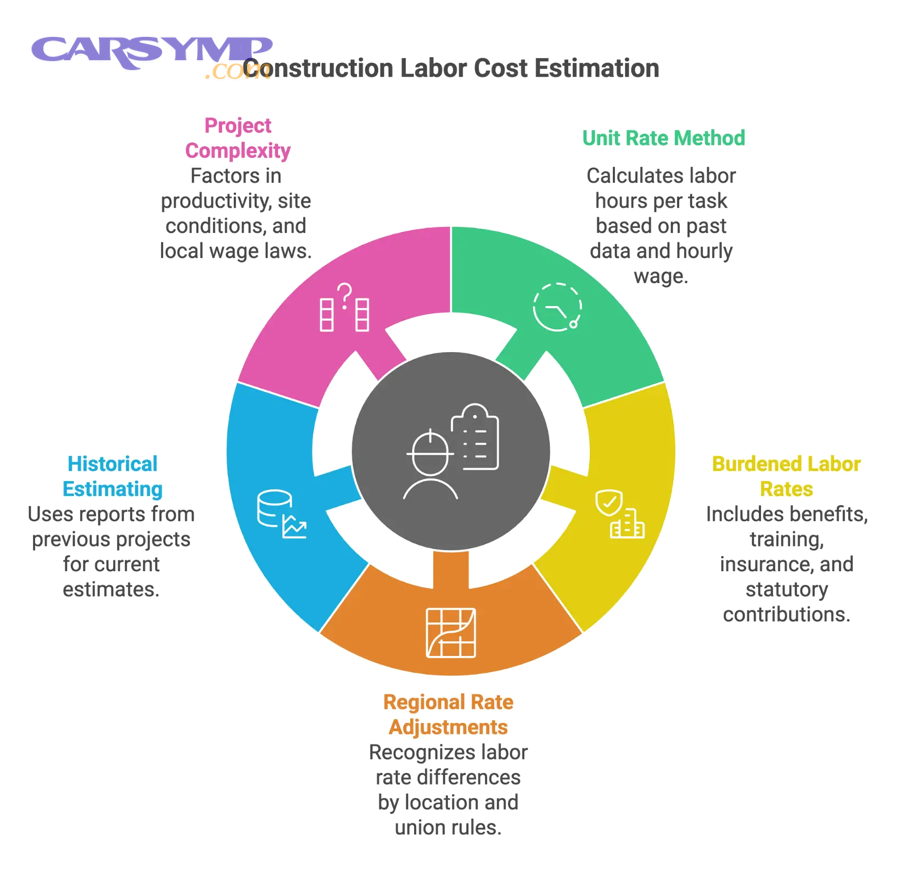
Even if two vehicles share the same symptom—warm air at idle, weak cooling, intermittent performance—the labor story can be totally different. That’s because A/C work combines “known procedure” labor (replace this component) with “unknown cause” labor (prove what failed and why). When you’re reading an estimate, ask yourself: is the shop charging mostly for a defined operation, or mostly for discovery?
How does access difficulty change flat-rate hours?
Access difficulty increases billed time because removing surrounding components (covers, liners, belts, brackets) adds labor operations beyond the core repair. Next, you’ll see how packaging and layout can turn a simple part into a complex job.
Access is the most common “silent multiplier.” A compressor mounted high with clear line access is different from one buried low behind subframes, splash shields, or tight suspension geometry. Flat-rate times assume typical access, but “typical” varies wildly by model year and platform. If the job requires evacuating refrigerant, removing undertrays, dropping a subframe, or partially removing the front clip, labor can climb fast—sometimes more than the part cost itself.
Cụ thể hơn, modern vehicles pack components tightly for aerodynamics and crash structure. That can reduce service space, raising the time for safe removal and reinstallation. The difference is not “because the shop wants more”; it’s because the physical steps truly expand.
According to research by SAE International from its Vehicle Systems and Reliability community publications, in 06/2023, packaging density and service access constraints were emphasized as key contributors to longer repair procedures in modern vehicle platforms.
Why does diagnosis introduce the largest variation in labor?
Diagnosis varies most because symptoms can come from multiple root causes, requiring tests to narrow possibilities before parts are replaced. Next, we’ll map the most common inspection branches that expand labor time.
A/C complaints can stem from refrigerant charge issues, leaks, airflow restrictions, control faults, sensors, blend door problems, condenser airflow issues, or compressor/clutch control. The shop must choose an inspection path: visual checks, pressure readings, vent temperature performance test, electronic scan data, actuator function checks, and sometimes dye/UV tracing.
This is where an estimate may include a separate diagnostic line. In many shops, the diagnostic process is structured and documented—steps, readings, and decisions. That’s why you may encounter the phrase AC diagnostic fee and inspection steps in consumer guides: it reflects that diagnosis is a real, billable process, not “free guessing.”
To minimize surprise, ask for the diagnostic deliverable: What tests were performed? What readings were found? What conclusion does each reading support? A credible shop can explain how they ruled out other causes before recommending the repair.
According to research by the National Institute for Automotive Service Excellence (ASE) from its Education Foundation materials, in 09/2022, structured diagnostic routines were linked to fewer misdiagnoses and more consistent repair outcomes.
How do “while-you’re-in-there” interactions add labor?
Interactions add labor when the target repair overlaps with related components that must be moved, resealed, recalibrated, or rechecked. Next, we’ll show why some add-ons are smart and others are padding—and how to tell.
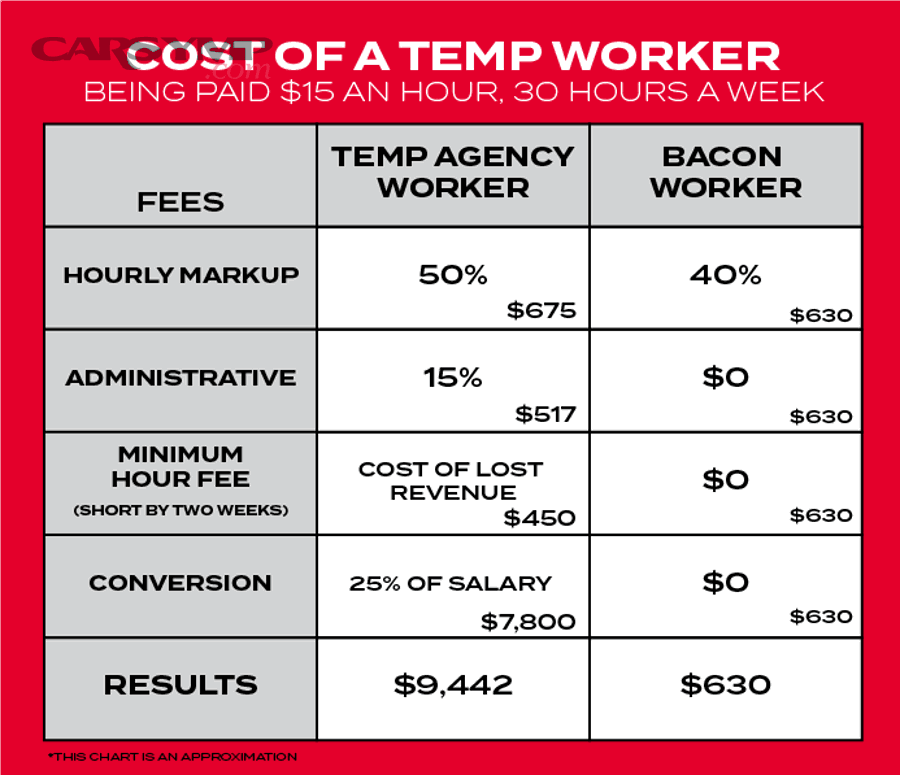
Some A/C components are connected in ways that make combined labor efficient. For example, if the front end is already disassembled for a condenser replacement, replacing a damaged mounting bushing or a restricted receiver/drier (where applicable) may reduce future labor because access is already “paid for.” Similarly, when lines are opened, new O-rings and correct sealing practices are not optional; they’re part of doing the job responsibly.
However, not every add-on is justified. A good rule: an add-on is legitimate if it either (1) is required by procedure (seals, evacuation, system recharge), (2) prevents immediate repeat labor (known weak component already exposed), or (3) resolves a confirmed secondary fault. If the add-on doesn’t match one of these, ask for the rationale and the risk of skipping it.
According to research by the Automotive Aftermarket Suppliers Association (AASA) from its Market Intelligence group, in 11/2021, repeat repairs were frequently tied to incomplete procedures and omitted adjacent components in interconnected systems.
How do labor guides and “flat-rate operations” convert work into billable hours?
Labor guides translate a repair procedure into standard operations with assigned hours, then shops combine operations to match your vehicle’s exact scope. Next, you’ll learn how to read an estimate like a checklist of operations rather than a mysterious lump sum.
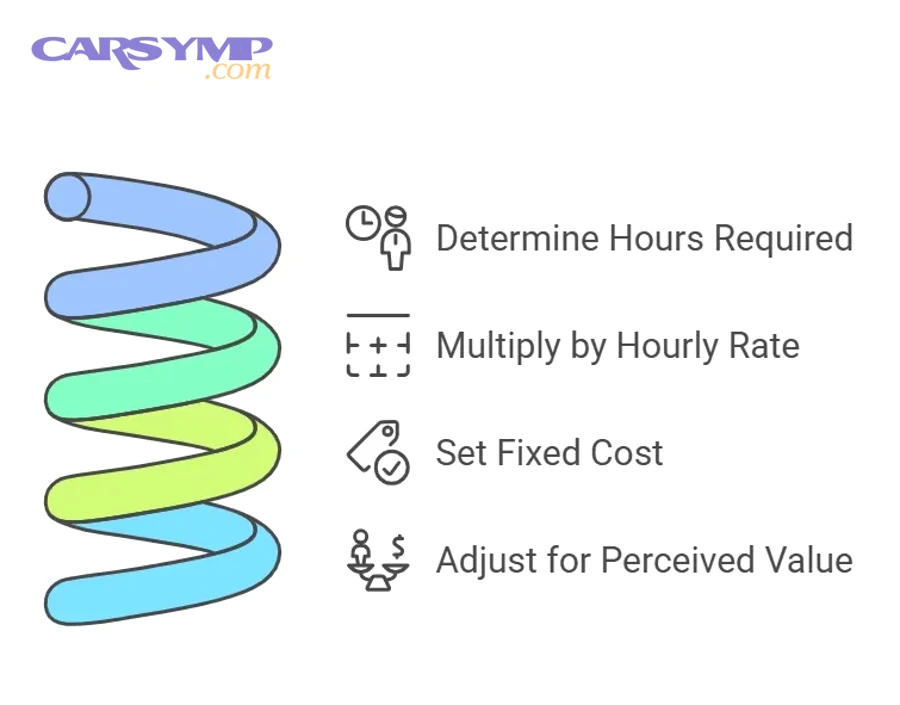
Most professional shops use labor guide data (often integrated into estimating software) to create consistent repair quotes. These guides specify an operation—“replace compressor,” “replace condenser,” “remove and reinstall dash for evaporator,” etc.—and assign a time. The estimate is essentially a set of operations multiplied by the hourly labor rate.
What’s the difference between base operation time and add-on operations?
Base operation time covers the primary task, while add-on operations cover necessary extra steps that your vehicle condition or configuration requires. Next, we’ll detail the most common add-ons you’ll see on A/C-related estimates.
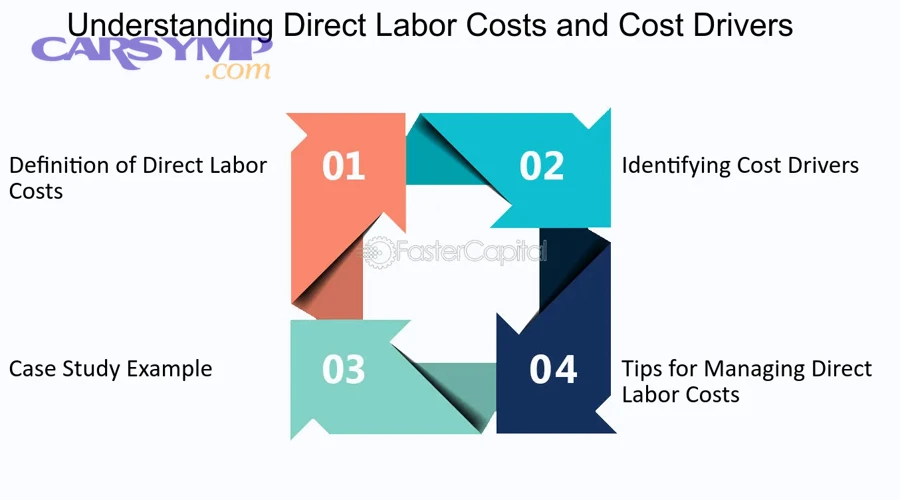
Base time might assume standard access and no complications. Add-ons appear when reality differs: additional disassembly, seized fasteners, corrosion, aftermarket equipment in the way, or a required calibration after reassembly. For A/C work, add-ons often include evacuate/recharge procedures, leak testing steps, and sometimes electronic resets depending on the vehicle.
To make sense of it, ask the shop to separate “procedure time” from “condition time.” Procedure time is standardized. Condition time is justified by what they actually observed. This distinction helps you compare two estimates: one may look cheaper because it omits legitimate condition time, which can reappear later as a surprise increase.
According to research by the National Automotive Service Task Force (NASTF) from its Service Information Access initiatives, in 03/2020, standardized service information and clear operation definitions were noted as critical for consistent estimating and repair transparency.
Why do published labor hours still differ between shops?
Labor hours can differ because shops may select different operations, include different procedural steps, or account differently for testing and verification. Next, we’ll cover the exact questions that reveal whether two quotes are truly comparable.
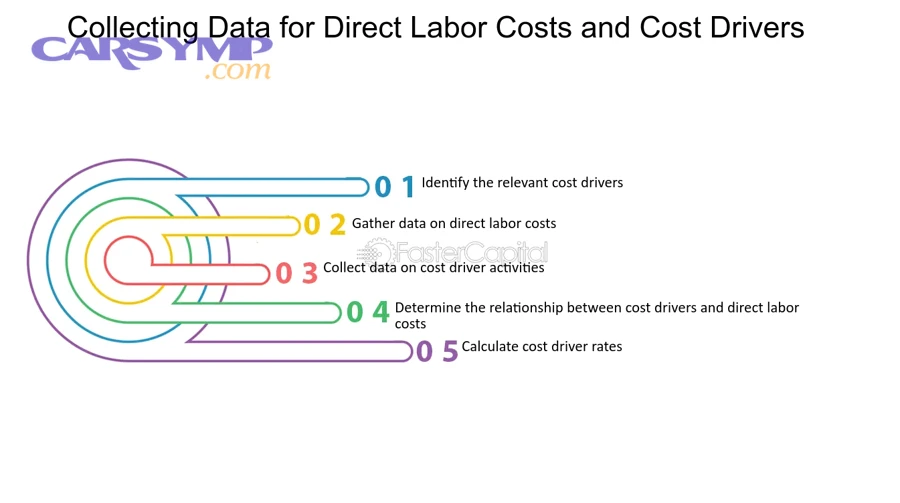
Two estimates can reference the “same repair” but include different boundaries. One shop may include performance verification, pressure testing, and post-repair validation inside the main labor line. Another may separate them. One may include a full system evacuation and precise recharge; another may assume a simplified approach. The result is different labor hours—even if both are honest.
Ask for a scope statement: What is included, and what is explicitly excluded? When you get that clarity, the comparison becomes fair. Without it, you’re comparing two different jobs with the same name.
In consumer-oriented summaries, you might see the idea of Average AC repair cost by issue, but note that these averages often hide scope differences—especially the diagnostic and verification steps that change labor.
According to research by AAA from its Automotive Engineering and Repair programs, in 07/2022, repair estimate variability was commonly linked to differences in scope definition and verification steps across service providers.
How do technician skill, tooling, and workflow influence labor cost drivers?
Skill and tooling influence labor cost because they change diagnostic speed, error rates, and rework risk—factors shops price into their labor model. Next, we’ll connect “why this shop costs more” to measurable differences in process and capability.
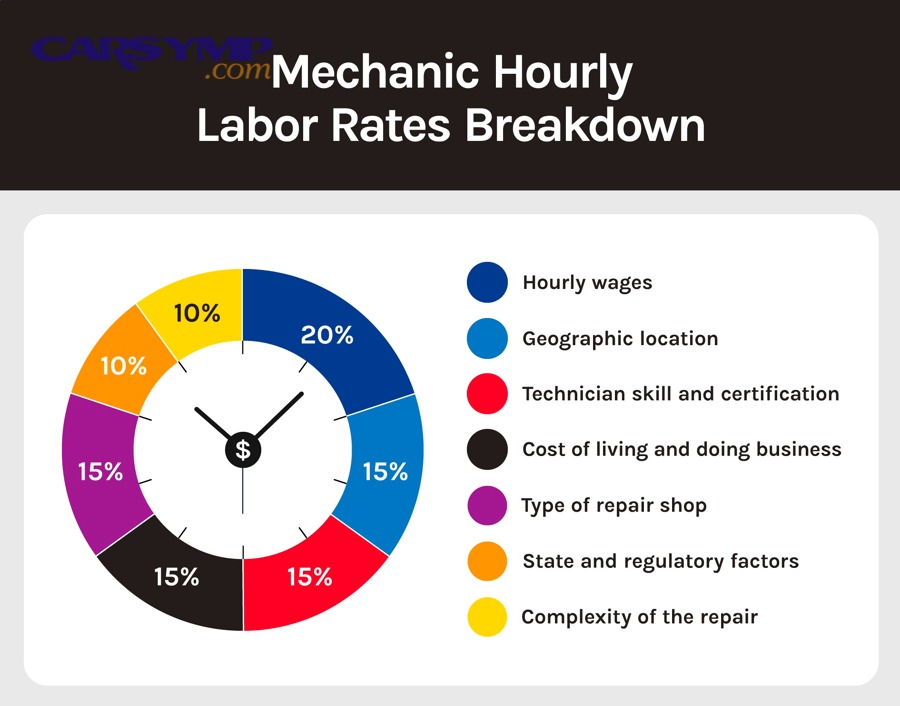
Not all labor hours are created equal. A skilled technician with the right equipment can isolate faults faster, perform procedures correctly the first time, and document results. That reduces rework, comebacks, and time spent chasing symptoms that aren’t the root cause. Many shops reflect this in their labor rate or minimum diagnostic charges because their workflow is built for accuracy, not just speed.
Why do certified processes reduce billed time in the long run?
Certified processes reduce overall billed time because they prevent misdiagnosis, avoid repeated disassembly, and create a clean “test-then-fix-then-verify” chain. Next, you’ll see what process signals indicate you’re paying for competence, not fluff.
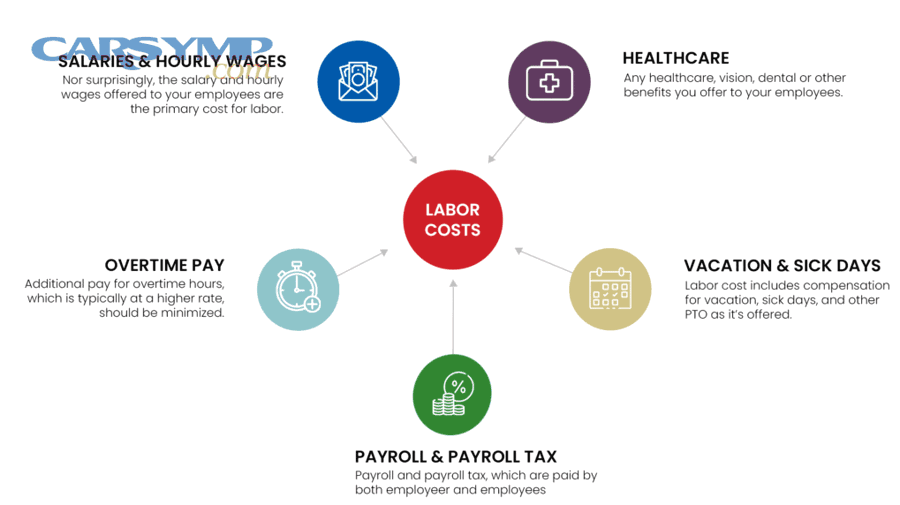
Look for signs of a defined workflow: written test results, pressure readings, vent temperature checks, electronic scan reports, and a clear explanation of why a component is condemned. When a shop can show evidence, the labor charge has a foundation. When they can’t, you’re exposed to guesswork.
Process also matters after the repair: correct oil balancing (where applicable), proper sealing, torque, vacuum hold checks, and performance validation. If these are skipped, you might “save” labor today and pay more tomorrow.
According to research by the Automotive Service Association (ASA) from its Training and Education resources, in 10/2021, standardized diagnostic and verification routines were linked to improved first-time fix performance and reduced comebacks.
How does specialized equipment change flat-rate reality?
Equipment changes outcomes because modern service tools speed up testing, reduce uncertainty, and improve recharge accuracy compared to improvised methods. Next, we’ll show which tools matter most and why they alter labor expectations.
Examples include scan tools that read HVAC module data, leak detection equipment, recovery/recharge machines that measure charge precisely, and UV dye tools. These don’t magically make every job faster, but they reduce trial-and-error. A shop investing in this equipment may charge a higher labor rate, but you’re buying reduced risk of incorrect repairs.
To evaluate value, ask: Does the shop recover and recharge by measured quantity? Do they verify a vacuum hold? Do they provide pre- and post-repair readings? Those are signs the labor includes quality steps rather than a quick shortcut.
According to research by the U.S. Environmental Protection Agency from its Mobile Air Conditioning service guidance, in 08/2020, proper recovery and accurate recharging practices were emphasized as essential to performance and compliance, reducing repeat service events.
How do shop overhead, location, and seasonality shape the hourly labor rate?
Overhead and location shape labor rate because rent, wages, insurance, equipment costs, and demand vary by region and season. Next, we’ll connect the “posted hourly rate” to the real expenses it must cover.
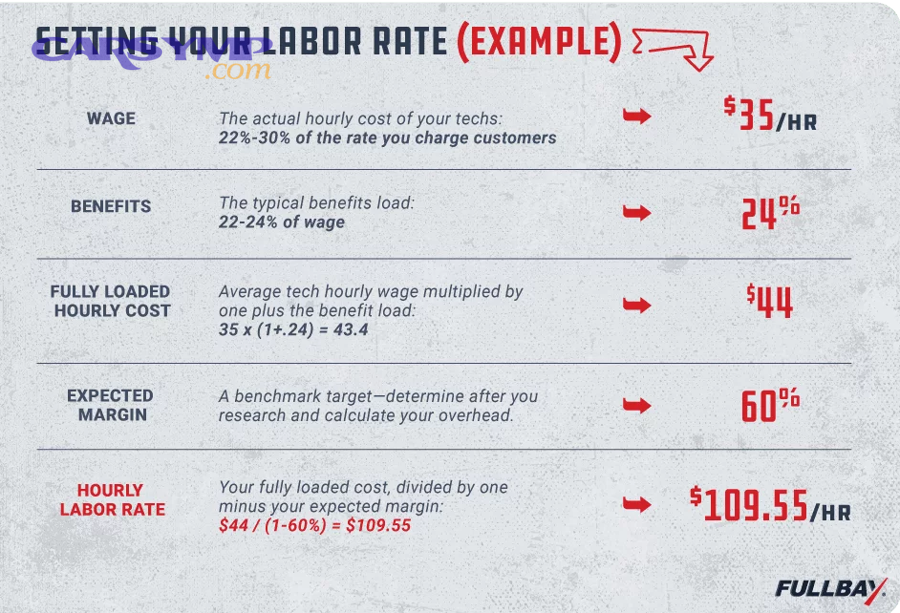
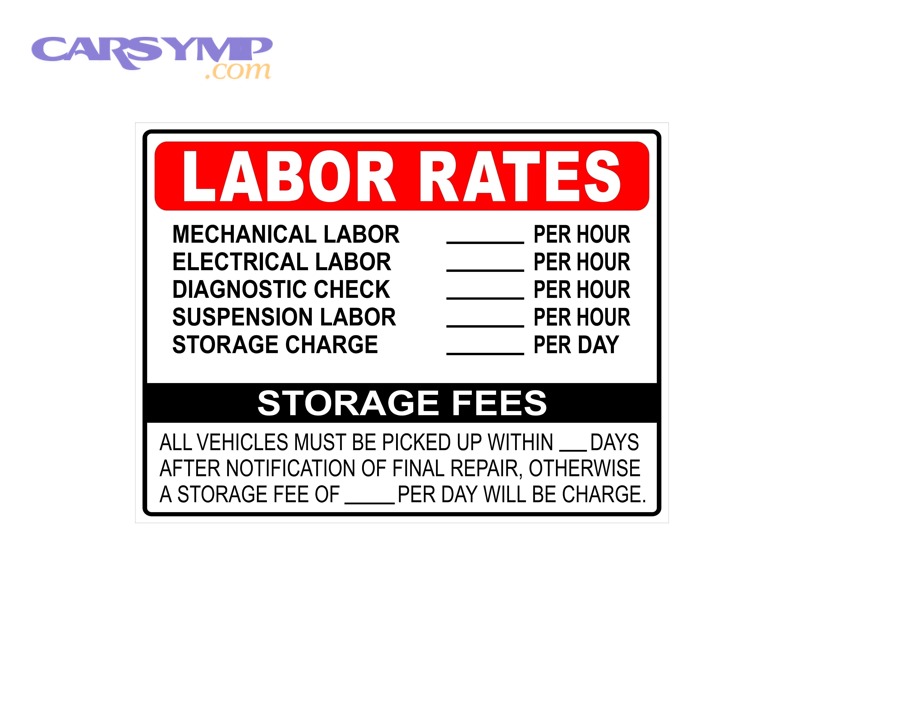
Even when flat-rate hours are identical, total labor cost can differ because the hourly rate differs. That rate is not just “technician pay.” It also covers facility costs, service advisors, administrative staff, warranty handling, shop supplies, tool subscriptions, training, and liability exposure. A shop operating in a high-rent area with higher wages will often have a higher posted rate.
Why does demand spike change labor pricing during hot months?
Demand spikes can raise effective labor pricing because shops become booked, triage urgent cases, and allocate bays to the highest-throughput work. Next, you’ll learn how to schedule smarter so you don’t pay the “peak-season penalty.”
When temperatures rise, A/C complaints surge. Shops may be overwhelmed, and the same repair may take longer to schedule. Some shops maintain the same hourly rate but adjust availability or prioritize diagnostics differently. Others may apply different pricing structures for expedited service.
A simple strategy is to address weak cooling early—spring rather than midsummer—when scheduling is easier and you have time to compare options without urgency. This is one of the most practical angles in How to save money on AC repairs: reduce urgency, because urgency limits your leverage.
According to research by the National Oceanic and Atmospheric Administration (NOAA) from its Climate Prediction Center summaries, in 07/2023, warmer seasonal patterns were associated with increased cooling-system load and higher service demand in many regions.
How do warranty policies and comeback risk factor into labor rates?
Warranty policies influence pricing because shops must budget for potential rework, parts claims, and customer support if a repair fails prematurely. Next, we’ll show how to interpret a higher quote that includes stronger warranty coverage.
A shop offering a longer warranty may build extra verification time into their labor, use higher-quality parts, and document procedures more thoroughly. That can increase the estimate, but it may reduce total cost of ownership if you avoid repeat visits. Conversely, a very low quote may be low because it excludes verification steps or uses lower-grade components that increase failure risk.
Ask for the warranty terms in writing: parts, labor, duration, and exclusions. Then decide whether the premium is worth the protection. The best value is not always the cheapest—especially when the system is interconnected and errors are expensive.
According to research by the Federal Trade Commission (FTC) from its Consumer Protection guidance on auto repairs, in 04/2021, written estimates and clear warranty disclosures were emphasized as key consumer protections in service transactions.
How can drivers estimate labor fairly and avoid surprise add-ons?
You can estimate labor fairly by clarifying scope, confirming operations, and asking for evidence-based diagnostics before authorizing major parts. Next, we’ll walk through a practical checklist that makes estimates comparable and predictable.
Start with a mindset shift: your goal is not to “fight the hours,” but to define the job clearly. A clear scope reduces the shop’s uncertainty, and uncertainty is what creates estimate creep. When you provide precise symptoms and history, you reduce diagnostic branching and shorten the path to the right fix.
What details should you share to reduce diagnostic time?
Share symptom patterns, operating conditions, and recent repairs to help the technician narrow causes faster. Next, we’ll list the exact observations that shorten the diagnostic path the most.
Give specifics: Does it cool at speed but not at idle? Does it start cold then fade? Any noises when the system engages? Any recent front-end damage, radiator/condenser replacement, or electrical work? These details guide the test plan and can prevent wasted time.
Also mention whether the system was recently “topped off.” Partial service can complicate diagnosis because pressures and charge state become uncertain. A shop may then recommend returning the system to a known baseline—recover, evacuate, recharge—before further conclusions.
According to research by the Society of Collision Repair Specialists (SCRS) from its repair planning education materials, in 02/2022, detailed customer symptom reports were highlighted as improving diagnostic efficiency and reducing repeated inspections.
How do you compare two estimates so the cheaper one isn’t a trap?
Compare estimates by matching scope, operations, parts quality, and verification steps—then normalize by warranty terms. Next, we’ll show a simple “apples-to-apples” method you can use over the phone.
Ask each shop to describe what they will do, not just what they will replace. Specifically: What diagnostic tests are included? Does the quote include recovery and measured recharge? Will they verify vent temperature and operating pressures after repair? What is excluded?
If one quote is lower, it may exclude steps that matter. If one quote is higher, it may include a more complete process and stronger warranty. The right comparison is the “complete job,” not a single line item.
According to research by Consumer Reports from its Auto Repair guidance team, in 05/2023, differences in estimate scope and parts quality were identified as frequent reasons for wide price variation across repair providers.
When should you approve “additional time,” and when should you push back?
Approve additional time when the shop can document an observed condition that changes the procedure; push back when the reason is vague or duplicative. Next, we’ll give you a script-like set of questions that protects you without being adversarial.
Legitimate reasons: seized fasteners, corrosion, broken connectors, prior incorrect repairs, unexpected disassembly needed for safe access, or additional confirmed faults found during testing. The key is documentation: photos, notes, and a clear explanation of why the added step is necessary.
Red flags: “It just took longer,” “That’s how we do it,” or add-ons that repeat already billed operations. Ask: Which operation is being added? What observation required it? What happens if we don’t do it? If they can’t answer, slow down and request clarity.
According to research by the Better Business Bureau (BBB) from its Auto Repair dispute guidance, in 08/2022, clear documentation and written authorization were identified as primary tools to prevent billing disputes.
To broaden the lens beyond pricing mechanics, the next section clarifies terminology that often causes confusion—so you can interpret estimates, invoices, and shop explanations without getting lost in jargon.
How do “clock time” and flat-rate compare, and what related terms should you know?
Clock time is actual minutes spent, while flat-rate is a standardized billing unit; they are related but not identical. Next, we’ll define the most important neighboring terms—synonyms and contrasts—so you can decode labor language quickly.
Clock time (actual) vs flat-rate (standard): why the antonym matters
Clock time reflects reality in your specific bay; flat-rate reflects a standard under assumed conditions. Next, we’ll show how this contrast protects both you and the shop when used transparently.
Flat-rate creates predictability, but clock time explains exceptions. If a job is straightforward, flat-rate can keep your bill stable even if a technician is slower. If a job is unusually difficult, clock-time evidence supports why additional labor operations were needed. The healthiest relationship is when the shop uses flat-rate as the base and documents the clock-time-driven exceptions with clear reasons.
“Book time,” “labor guide hours,” and “standard operations” as practical synonyms
These terms all point to the same idea: a published time allowance for a defined procedure. Next, we’ll explain how to request the operation description so you can verify the scope.
If you hear any of these terms, ask: “Which operation code or description are you using?” You’re not trying to audit them; you’re aligning on scope. When scope is aligned, comparisons become meaningful and unexpected add-ons become rarer.
Warranty time vs customer-pay time: why the same job can bill differently
Warranty time may be lower because manufacturers set reimbursement standards; customer-pay time may include fuller verification and shop-specific procedures. Next, we’ll clarify how this difference shows up in expectations and documentation.

Under warranty, reimbursement rules can constrain time allowances. Outside warranty, shops may apply more thorough verification, include additional protection steps, and price according to their risk model. That difference is not automatically unfair; it reflects different accountability structures and constraints.
When flat-rate breaks down: corrosion, modifications, and uncertainty
Flat-rate breaks down when assumptions fail—rusted hardware, nonstandard parts, or unclear faults force custom work. Next, we’ll tie this back to the best customer action: reduce uncertainty with good information and clear authorizations.
If your vehicle has lived in harsh climates, has aftermarket upgrades, or has had prior partial repairs, tell the shop upfront. This changes the initial plan and often prevents mid-job surprises. In return, ask for a staged approach: authorize diagnosis first, then approve repair once the fault and scope are proven.
As you evaluate the final numbers, remember that labor is both a calculation and a story: a sequence of operations, shaped by real conditions. That’s why the best estimate is one that explains its assumptions clearly—and updates those assumptions with evidence when reality differs.