


If your car’s A/C is weak or warm, the cheapest fix is rarely “add refrigerant.” The most reliable way to save money is to confirm the real failure, stop the leak-first causes, and only then pay for the correct repair once.
Beyond that, you can cut costs by doing the low-risk checks yourself (airflow, fans, condenser cleanliness), while reserving regulated or high-skill work for a shop that has the right equipment and documentation.
You’ll also save more when you compare estimates using the same scope: diagnosis steps, parts grade, warranty terms, and what exactly is included—so you’re not comparing apples to “maybe.”
Tiếp theo, we’ll walk through a practical, step-by-step approach that reduces surprise charges, prevents repeat visits, and helps you choose between DIY and professional service with confidence.
How do you confirm the real A/C fault before you pay for parts?
The fastest way to save money is to pay for clarity first: verify whether the issue is airflow, heat rejection, control/electrical, or refrigerant-side—because each path leads to very different repairs.
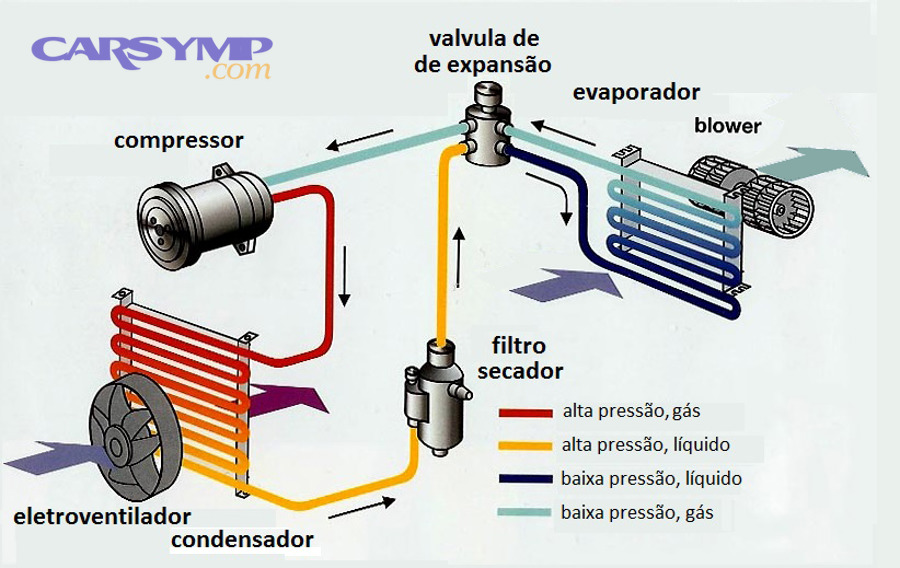
To start, think like a system: cold air requires airflow through the cabin and heat transfer at the front of the car, not just a “charged” refrigerant loop.
Is it an airflow problem or a cooling problem?
Yes/no tests can separate them quickly: if the blower is strong but air isn’t cold, suspect refrigerant-side or heat rejection; if air is cold but weak, suspect airflow restrictions or blend-door issues.
Next, use a simple cabin test: set MAX A/C, recirc, high fan, and measure vent temperature after 5–10 minutes; then compare “fan feel” and noise changes across speeds.
- Weak airflow + loud blower: often a clogged cabin air filter or blocked intake.
- Good airflow + warm air: often condenser fan/heat rejection, low charge from a leak, or a control issue.
- Cold then warm cycling: can be pressure cutouts, icing, or fan problems.
What is the “front-of-car heat rejection” check?
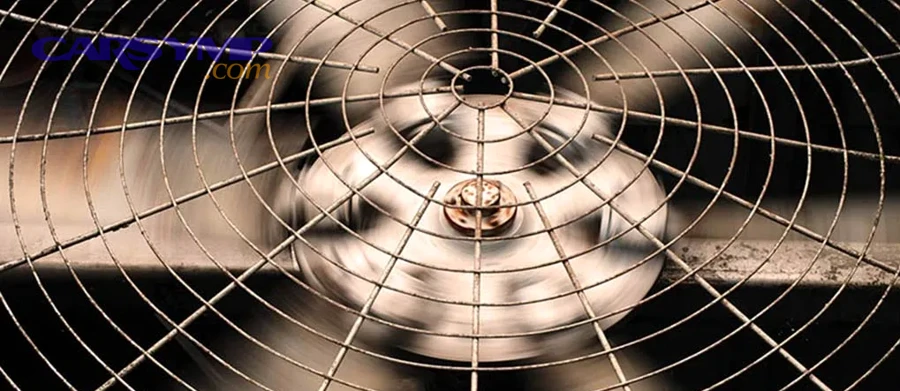
It’s a quick visual and tactile inspection of the condenser area to confirm the car can dump heat; if it can’t, the system pressures rise and cooling collapses.
Then, look for obvious blockers: leaves, plastic bags, bent fins, or an inoperative condenser fan—especially at idle where poor airflow shows up first.
Why a proper diagnosis fee can be cheaper than guessing?
A real diagnostic process prevents “parts roulette,” where you replace components until something works—often costing more than one accurate test session.
In other words, spending a little to confirm the failure mode can avoid paying twice for labor, refrigerant, and repeat inspections.
When you see AC repair cost discussions online, the hidden factor is often misdiagnosis—not the part price—so the goal is to lock down the cause before authorizing work.
What preventive maintenance cuts A/C failures and repeat repairs?
The best savings come from preventing the common triggers: restricted airflow, overheated condenser conditions, and early leak signals that turn a small seal issue into a compressor failure.
After that, make maintenance “small and frequent,” because A/C systems hate neglect: heat, moisture, and contamination compound over time.
How often should you replace the cabin air filter, and why does it save money?
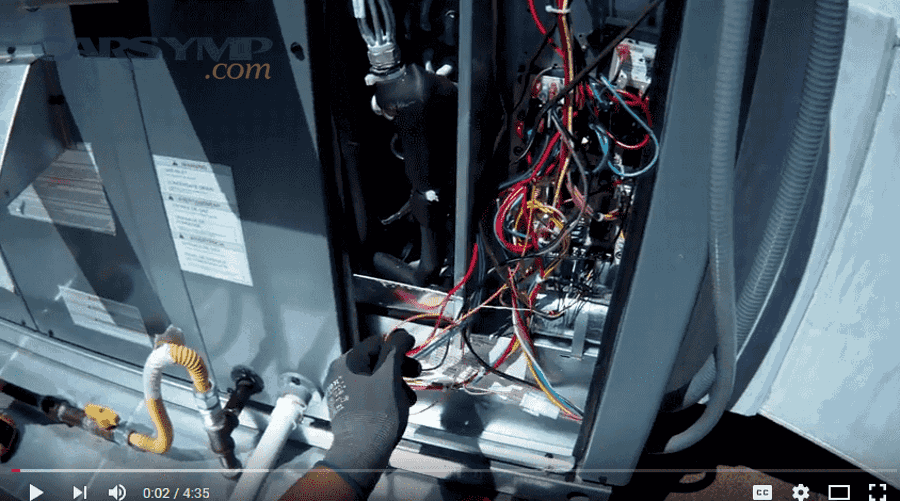
Replacing a dirty cabin air filter is a low-cost, high-impact step: it restores airflow, reduces evaporator stress, and makes A/C performance “feel” better without touching refrigerant.
Next, treat it as a budget lever: a $15–$40 filter can prevent unnecessary shop visits that start with “A/C is weak” but end with upsells.
- DIY sign: blower sounds strained, airflow is weak, or musty odor starts.
- Cost win: you avoid paying labor for a problem you can solve in minutes.
What simple front-end cleaning prevents high-pressure damage?
Keeping the condenser and radiator face clean helps the system reject heat; when fins are clogged, pressures rise, the compressor works harder, and failures get more likely.
Then, do a gentle rinse from the engine side outward (low pressure), avoiding fin damage; if fins are bent, straighten carefully with a fin comb.

Should you run the A/C in winter to save money later?
Yes—regular A/C operation can keep seals lubricated and reduce the chance of long idle periods that allow small leaks to grow unnoticed.
However, the goal isn’t “make it cold” in winter; it’s “cycle the system” periodically so you catch changes early, before the first heat wave forces emergency repairs.
According to the U.S. EPA’s MVAC refrigerant guidance, refrigerants differ massively in climate impact (e.g., HFC-134a vs HFO-1234yf), which is why correct service practices and leak control matter—not just comfort.
How do you avoid paying twice for refrigerant and labor?
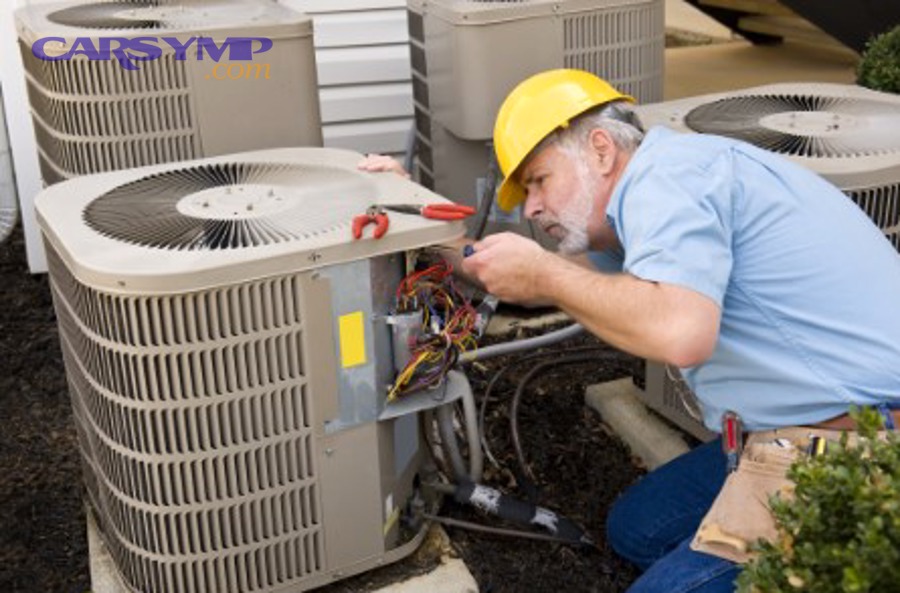
You avoid repeat charges by treating refrigerant loss as a symptom: if the system is low, there is usually a leak, and a “top-off” without fixing the leak often becomes an expensive loop.
To begin, insist on a leak-first plan: confirm the leak, repair it, evacuate, and recharge to spec—so you’re paying for a result, not a guess.
What’s the money trap in “just recharge it”?
It’s paying for refrigerant, then paying again when the leak returns—plus additional diagnostic fees, plus the risk of compressor damage from low charge operation.
Next, recognize the pattern: a recharge that lasts days or weeks almost always points to a leak significant enough to justify repair before adding more refrigerant.
Which leak checks offer the best value?
The highest-value checks are the ones that find the leak fast: UV dye inspection (if already present), electronic leak detection, soap-bubble checks at accessible fittings, and visual oil residue tracing.
Then, match the method to the leak size: tiny evaporator leaks can be harder and may justify a staged approach (confirm, then decide), while hose/fitting leaks are often straightforward.
When should you say “stop” and get a second opinion?
If a shop recommends major parts (compressor/condenser/evaporator) before showing evidence—pressures, vent temps, leak confirmation, or control commands—pause and compare.
In other words, you’re not refusing repair; you’re refusing uncertainty that can double your costs.
According to an SAE International technical paper published in 09/2023, refrigerant charge quantity meaningfully affects cooling performance and pressures, and over/undercharge can increase compressor work and reduce cooling—supporting why “correct charge after leak repair” beats repeated top-offs.
What DIY checks are worth doing before you book a shop?
The best DIY checks are low-risk, high-signal steps: confirm airflow, inspect fans and belts, clean the condenser face, and verify obvious electrical issues—without opening the refrigerant system.
Next, use these checks to walk into a shop with better information, which often reduces diagnostic time and helps you resist unnecessary add-ons.
How do you check condenser fan operation the right way?
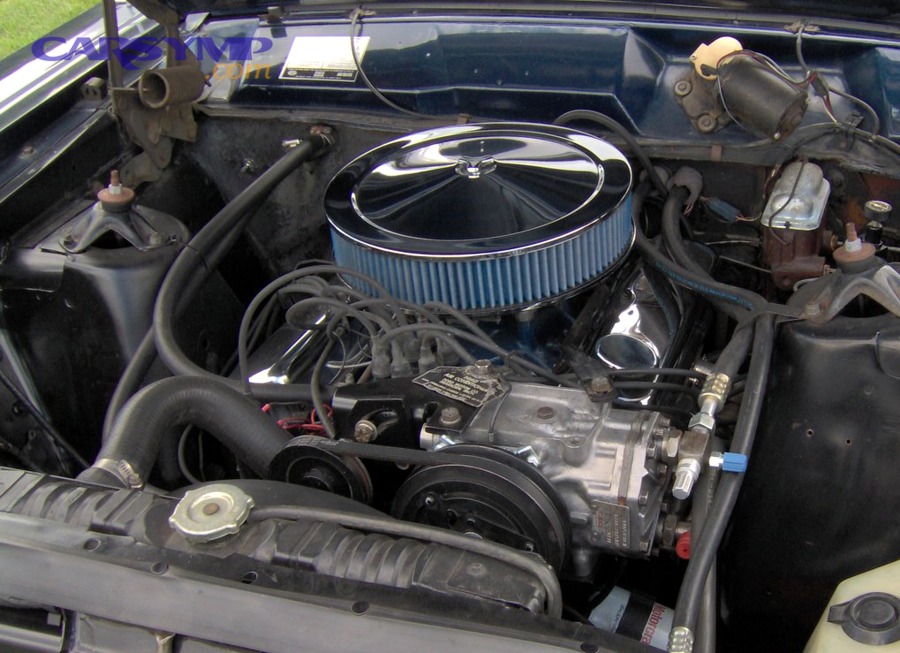
With the engine running and A/C on, confirm the condenser fan spins reliably—especially at idle—because poor airflow through the condenser can make vent air warm even with the “correct” charge.
Then, observe behavior: intermittent starts, slow speed, or fan cycling too aggressively can indicate electrical control or fan motor issues.
What quick electrical checks can save a full diagnostic fee?
Check A/C-related fuses, relays, and obvious wiring damage first; these are cheap fixes that can mimic “major” failures.
Next, pay attention to symptoms: if the compressor clutch never engages (on clutch-type systems), you might be dealing with a control lockout, pressure sensor issue, or electrical fault—not a dead compressor.
What should you never DIY if you want to save money long-term?
Avoid venting refrigerant, mixing refrigerants, or adding sealants into the system—mistakes that can contaminate recovery equipment, increase shop refusal rates, and force expensive component replacements.
In short, DIY is for safe inspections and maintenance; refrigerant handling is for trained service with recovery equipment and correct procedures.
How do you compare quotes so you’re not overpaying?
You compare quotes by forcing the same scope: diagnostic steps, included services, parts grade, and warranty—because the cheapest line item can be the most expensive outcome.
After that, use a “quote checklist” so every shop answers the same questions, making price differences meaningful instead of confusing.
What line items should every A/C estimate include?
A good estimate should name the failure, the proof, and the fix: diagnostics performed, parts to replace, labor time, refrigerant type/quantity, and what “service” includes.
Next, ask for specifics in writing so you can compare fairly, not emotionally.
- Diagnosis detail: vent temperature readings, pressures, scan data, leak test method.
- Service detail: evacuation time, vacuum hold test, recharge by weight (not “until cold”).
- Parts detail: OEM vs aftermarket, new vs reman, included O-rings and seals.
How do you spot a quote that’s missing critical steps?
If an estimate skips leak testing or doesn’t specify evacuation/recharge procedures, the risk of repeat failure rises—and so does your total spend.
Then, treat missing steps as hidden costs: you may pay again for the same service when the initial “quick fix” fails.
What’s the smartest way to use a diagnostic fee?
Use the diagnostic report as leverage: if you leave, take the data (pressures, scan codes, leak findings) and compare with another shop’s interpretation, not just their price.
In other words, you’re buying information that travels with you—so you can buy the repair where it’s done best.
Dealer vs independent AC repair pricing often differs because of labor rate, parts sourcing, and warranty policy; the real savings come from comparing equal scope and equal parts quality, not simply picking the lowest number.
When is “repair vs replace” the cheaper decision?
It’s cheaper to replace when labor dominates and access is difficult (like an evaporator), but it’s cheaper to repair when the failure is isolated (like an O-ring leak or a fan relay).
Next, make the decision based on total cost and repeat risk—because a “cheap repair” that fails twice is expensive.
How do you decide on a compressor replacement without regret?
Replace a compressor when there’s clear evidence of mechanical failure, internal contamination, or consistent pressure behavior that shows it can’t pump—rather than vague “it’s probably weak.”
Then, protect your investment: a compressor job is often a system job, meaning the correct oil, correct charge, and often replacing the receiver-drier/accumulator and critical seals.
Why condenser and evaporator decisions are mostly about labor?
Because access dictates labor hours: condensers are often front-access and cheaper to replace; evaporators can require dash removal, making labor the main driver.
Next, ask for a “labor share” breakdown—parts vs labor—so you can see where the real money goes before approving the repair.
How do you avoid paying for “extras” that should be included?
Many quality repairs require fresh O-rings, correct oil quantity, evacuation/recharge by weight, and a vacuum hold test; these should be listed, not treated as optional add-ons later.
In short, a transparent estimate reduces surprise charges and makes your comparison fair.
According to the U.S. EPA’s MVAC refrigerant impact table, common refrigerants vary greatly in global warming potential (e.g., HFC-134a listed at 1,430 vs HFO-1234yf listed at 4), reinforcing why correct handling and correct identification can prevent costly mistakes.
How do parts quality and warranties change your total cost?
Parts quality changes total cost by changing failure probability; a cheaper part that fails early can double labor costs, especially on hard-to-access components.
Next, treat warranty terms as part of the price: you’re buying risk reduction, not just a component.
Which parts are worth paying more for?
Pay more when labor is high: evaporator cores, compressors, and anything that requires major disassembly. Saving $80 on a part can be pointless if labor is $800.
Then, prioritize parts with strong track records: OEM or reputable aftermarket brands with clear warranty support.
What warranty wording should you look for?
Look for coverage that includes labor reimbursement (if offered), clear time/mileage terms, and a written policy on what voids the warranty (e.g., contamination, improper charge).
Next, keep documentation: invoices, refrigerant type, charge amount, and any diagnostic printouts—because paperwork is often the difference between “covered” and “denied.”
How can you prevent “warranty denial” surprises?
Ask the shop to document the procedure: evacuated amount, vacuum hold results, recharge weight, and replaced ancillary items (like drier/accumulator when required).
In other words, you’re building proof that the repair was done correctly, which protects you financially.
According to AAA’s “Your Driving Costs | 2024” fact sheet (09/2024), maintenance, repair, and tires are a meaningful per-mile cost category—so preventing repeat A/C failures is part of lowering your overall ownership cost, not just a one-time fix.
How do you budget and negotiate A/C work without sacrificing quality?
You budget and negotiate by choosing the right timing, authorizing work in phases, and asking for value-add steps (proof, photos, data) instead of haggling blindly on price.
Next, structure the conversation so the shop competes on transparency and outcomes, not vague promises.
What does a “phase-based authorization” look like?
It means approving diagnosis first, then approving leak repair, then approving evacuation/recharge; this prevents you from paying for big parts before small causes are ruled out.
Then, you can stop at any phase if the evidence is weak or the estimate changes unexpectedly.
What’s the best time to schedule A/C service to save money?
Off-peak seasons often reduce wait times and improve shop attention; you’re less likely to accept rushed decisions when you’re not suffering in extreme heat.
Next, aim for early intervention: small leaks and weak fans are cheaper before they trigger compressor damage.
How do you ask for “savings” that don’t reduce quality?
Ask for options on parts grade (OEM vs reputable aftermarket), reman vs new (where appropriate), and bundled labor steps that prevent rework—rather than asking them to “just make it cheaper.”
In other words, you’re trading choices for value, not trading safety for price.
This is where AC repair cost becomes manageable: you control uncertainty, reduce repeat labor, and avoid emergency decisions that inflate pricing.
Here’s a quick planning table to help you compare quotes consistently.
This table lists the exact scope items that should appear on every estimate, so you can compare shops fairly and catch missing steps before you authorize work.
| Scope item | What it should say | Why it saves money |
|---|---|---|
| Diagnosis evidence | Vent temp, pressures, scan data, leak test method | Prevents “parts roulette” and repeat visits |
| Leak plan | Repair location + seals/O-rings included | Stops the refill cycle and repeat labor |
| Evacuation/recharge | Vacuum hold test + recharge by weight | Reduces comebacks and protects the compressor |
| Parts grade | OEM/aftermarket brand, new/reman, warranty terms | Reduces early failure risk |
| Warranty details | Time/miles + what’s covered (parts/labor) | Protects you if the repair fails |
Contextual border: At this point, you have the main money-saving workflow: diagnose accurately, fix leaks first, choose smart DIY checks, compare equal scopes, and protect yourself with parts/warranty documentation. Next, we’ll expand into the “unique pricing” factors that change your costs even when the symptoms look the same.
What pricing factors make A/C repairs surprisingly expensive for some cars?
Some A/C repairs cost more because the refrigerant type, shop equipment requirements, and parts sourcing policies vary by vehicle generation—so the same symptom can have a very different bill.
Next, focus on the specific factors that shift pricing: refrigerant type, labor rate policy, and what the shop includes by default.
How does refrigerant type influence what you pay?
Newer refrigerants can require different service equipment and handling practices, which can raise service pricing even before parts are involved.
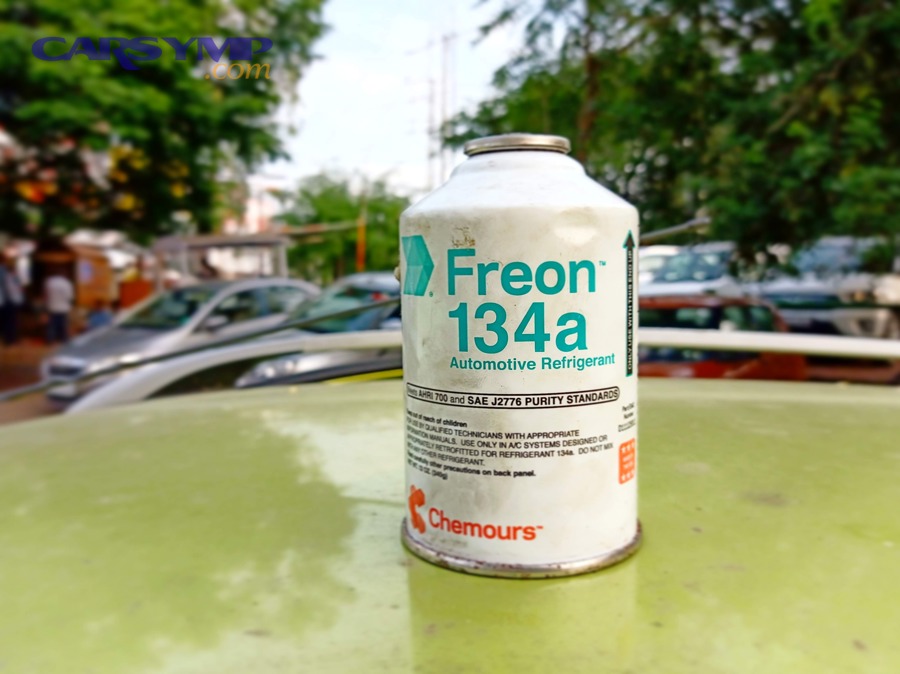
Then, confirm what your car uses from the under-hood label and ensure the estimate matches that refrigerant—because a mismatch can lead to extra fees or refusal to service later.
Why do some estimates vary so much between shops?
Shops vary on labor rate, diagnostic depth, parts sourcing, and warranty policies; that variance is why you should compare scope, not just the bottom-line number.
Next, ask whether the quote is built around a fixed procedure or a “we’ll see” approach, because uncertainty often becomes a bigger bill.
How do refrigerant choices and regulations affect value?
Choosing the correct refrigerant and avoiding mixes protects system performance and prevents contamination that can force component replacement and higher service charges.
In other words, correctness is cost control, especially in systems that are more sensitive to charge quantity and oil balance.
What should you know before you accept a “cheap recharge” offer?
A cheap refill can become expensive if it skips leak confirmation or proper evacuation; if the system is contaminated or still leaking, you may pay again quickly.
Next, require evidence and a plan so you’re buying an outcome, not a temporary sensation of cold air.
In practice, R134a vs R1234yf service cost differences show up when shops price in equipment, handling, and policy; the best savings move is to verify your refrigerant type and make sure every quote matches the same procedure and scope.
FAQs
Is it ever smart to use stop-leak products to save money?
Usually no: stop-leak can contaminate equipment and complicate future repairs, which can raise your total cost even if it “works” temporarily.
Instead, spend on leak confirmation and the correct seal repair, which is more predictable and less likely to cause expensive downstream problems.
Should you always go to the dealership for A/C service?
No: dealerships can be a strong choice for software updates, specialized models, or warranty coverage, but an independent shop with proper equipment and documentation can provide equal quality at a better value.
Compare on scope, parts grade, and warranty—not branding—so you pay for results.
What’s the single most important question to ask before approving A/C work?
Ask: “What evidence proves this diagnosis, and what exact steps are included to make the repair last?”
If the answer is vague, you risk paying twice; if it’s specific, you’re far more likely to pay once and be done.
How can you keep costs low if you suspect a small leak?
Book service early, request a leak-focused diagnostic, and authorize phased work; small leaks are cheaper before they trigger low-charge operation and compressor stress.
That approach is the most reliable path to save money without compromising safety or performance.