


A
For most drivers, the fastest win is a tight road trip car checklist you can do at home in 15–30 minutes, then a short “re-check” at your first fuel stop. This approach reduces surprises because you’re verifying the parts that fail most often under long-distance heat, speed, and load.
Beyond safety, a trip-ready routine protects your budget: good tires and correct fluids can improve stability, reduce abnormal wear, and prevent expensive emergency repairs. It also lets you plan ahead—buying supplies calmly instead of paying inflated prices on the road.
To make everything flow, Giới thiệu ý mới: the guide below walks you from the fastest walk-around checks, into under-hood basics, then into braking/steering, visibility, and finally what to pack and when to call a professional.
What does a pre-road-trip inspection checklist cover, and why is it different from a quick glance?
It covers safety-critical systems plus “trip stress points” (tires, fluids, lights, braking feel, and emergency gear) that a casual glance usually misses. Next, you’ll see how to structure checks so you spend time where it matters most.
Specifically, this checklist focuses on meronymy—the “parts-of” relationship—because road-trip reliability is built from many small components working together: tires, wheel hardware, fluids, belts, hoses, lights, wipers, and brakes.
To make the checklist usable, think in three layers:
- Immediate safety layer: tires, wheel security, steering response, braking response, lights, wipers, and visibility.
- Reliability layer: fluid levels/condition, leaks, battery health clues, unusual smells, and temperature control.
- Trip-readiness layer: tools, spare tire readiness, paperwork, charging cables, navigation backup, and a realistic emergency plan.
Unlike routine commuting, road trips add three stressors:
- Heat and sustained speed: more load on cooling, tires, and lubricants.
- Extra weight: passengers, luggage, roof boxes, and towing increase tire and brake demand.
- Reduced flexibility: you might not have your usual mechanic, parts store, or time window to fix something.
That’s why a road-trip checklist should be repeatable and sequenced. If you check in the same order every time, you’re less likely to forget the simple, high-impact items (like tire pressure or coolant level) that can derail a trip.
How do you run a 15-minute walk-around road trip car checklist before you load the trunk?
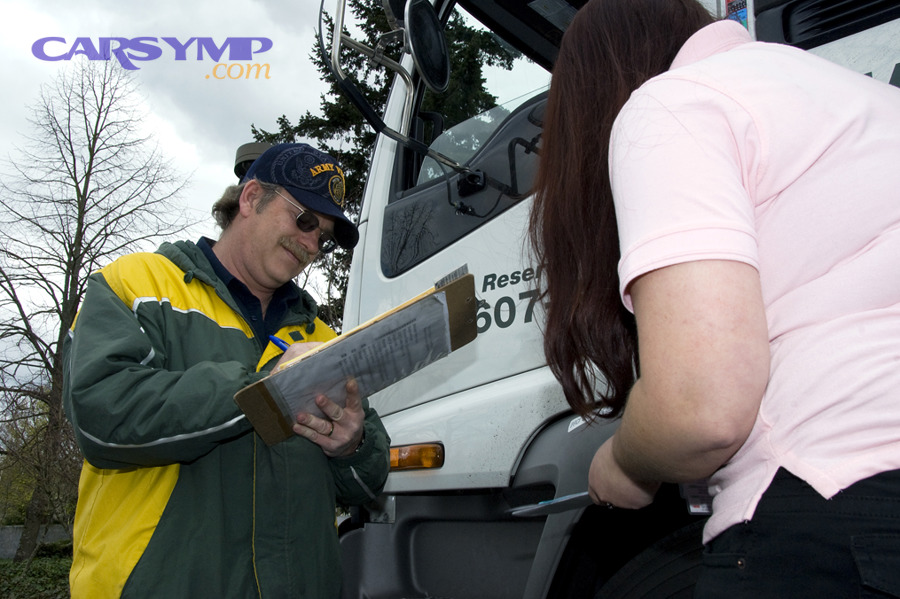
Start with a slow, complete walk-around—front to back, then back to front—so you catch obvious issues before you invest time packing. Next, you’ll confirm tires and under-hood basics that are easiest to fix at home.
To keep the flow smooth, use a consistent loop: driver-side front → driver-side rear → passenger-side rear → passenger-side front → driver seat check. This keeps your eyes moving and reduces missed steps.
What are the “stop-now” red flags you should not ignore?
Stop and investigate if you see a fluid puddle, a tire that looks low, a dangling splash shield, or a warning light that remains on. Next, you’ll use simple “confirm steps” to separate urgent hazards from minor annoyances.
- Fresh puddle under the engine bay: possible oil/coolant leak.
- Wetness near a wheel: could be brake fluid or a leaking shock/strut (depending on location).
- Bulge, deep crack, or exposed cords on a tire: replace before driving.
- Burning smell or visible smoke: do not begin the trip.
- Steering feels suddenly heavy or noisy: postpone until diagnosed.
How do you check basic controls quickly from the driver’s seat?
Confirm that the car “communicates normally”: warning lights behave correctly, the brake pedal feels firm, steering feels centered, and the parking brake releases fully. Next, you’ll verify lights and wipers with a helper or reflections.
- Turn the key/start button to ON: confirm warning lights illuminate briefly, then go out after start (except ones your car normally shows).
- Press brake pedal: it should feel firm, not slowly sinking.
- Turn steering slightly: listen for clunks or grinding at low speed in a parking lot.
- Test horn, hazards, and defrosters quickly—these matter when weather changes.
What’s the best way to pack without creating handling problems?
Keep heavy items low and centered to protect stability and braking. Next, you’ll learn tire and load checks that match real road-trip conditions.
- Place heavy luggage closest to the rear seatbacks (not against the trunk lid).
- Avoid stacking tall loads that can shift during braking.
- If using a roof box, reduce speed expectations and double-check fasteners.
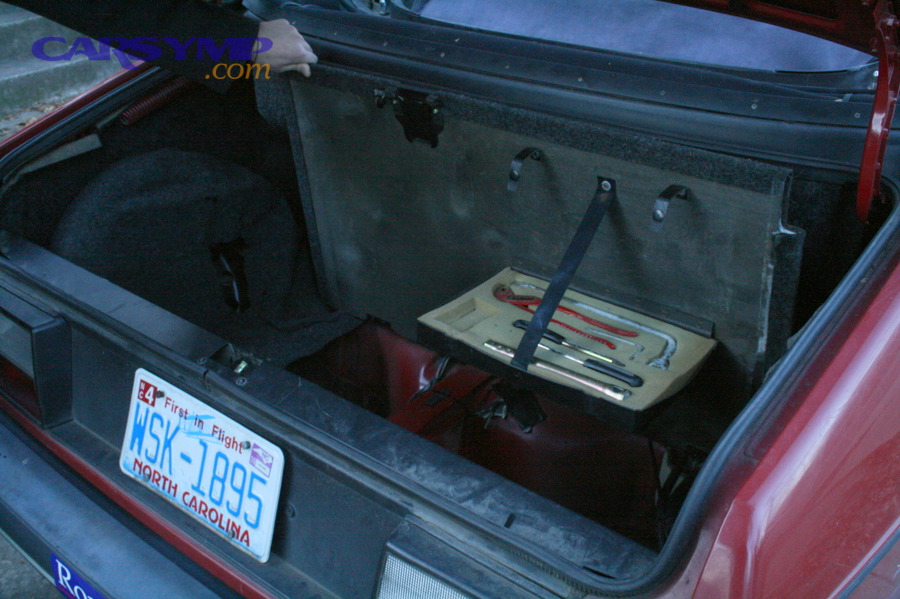
- Leave access to the spare tire and jack area so you’re not unloading everything roadside.
Before you close the trunk, do a final glance: license plate secure, rear lights visible, and nothing blocks the rear window more than necessary.
Which tire and wheel checks prevent blowouts, poor grip, and highway vibration?
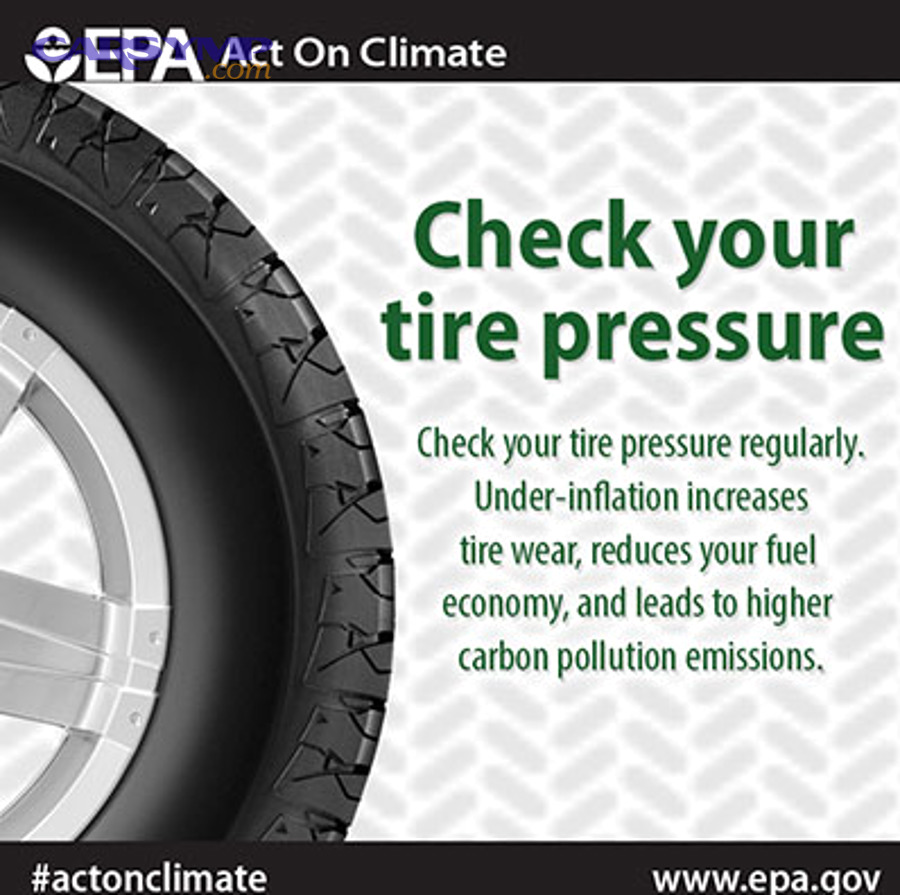
The highest-impact tire checks are pressure, tread, and damage, because tires carry the load and absorb heat for hours. Next, you’ll connect these checks to real symptoms like shaking, pulling, and noisy rolling.
To keep this section practical, you’ll check tires in three passes: pressure → tread/condition → wheel hardware. Each pass takes seconds per tire once you’ve done it a few times.
How do you set tire pressure correctly for a loaded road trip?
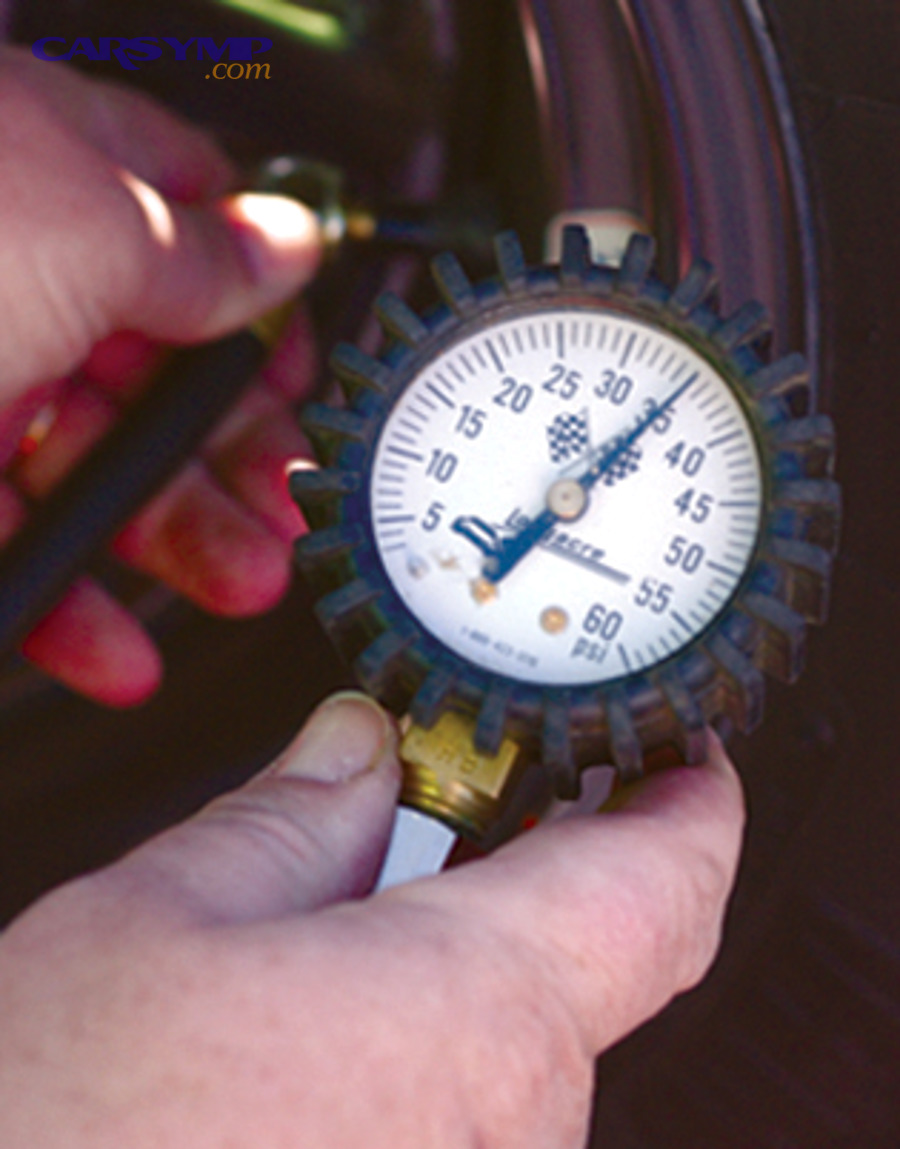
Use the vehicle’s door-jamb placard, not the tire sidewall, then measure when tires are cold for the most accurate baseline. Next, you’ll learn how to adjust for passengers and luggage without guessing.
- Check pressure early morning or after the car has sat for several hours.
- Inflate to the door-jamb recommended PSI (front/rear may differ).
- If your car has a separate “heavy load” recommendation (often listed in the manual), follow it for a fully packed trip.
- Re-check at the first fuel stop—heat can reveal a slow leak you didn’t notice at home.
What tread-depth and wear patterns matter most before long drives?
Uneven wear and low tread depth reduce wet braking and hydroplane resistance, even if the tire “looks okay.” Next, you’ll use quick pattern recognition to decide whether you can travel safely.
- Center wear: often over-inflation or aggressive highway driving; traction may drop in rain.
- Shoulder wear: often under-inflation or aggressive cornering; heat buildup increases.
- One-side wear: alignment or suspension issue; may cause pulling and tire noise.
- Cupping/scalloping: possible shocks/struts imbalance; often causes humming or vibration.
If you feel vibration at specific speeds, don’t assume it’s “just the road.” Tires, wheels, and suspension can amplify small imbalances on a long highway run.
What wheel and hardware checks reduce the risk of a roadside problem?
Verify lug nuts are present, wheels look seated, and the spare is actually usable. Next, you’ll connect this to a simple “spare-tire readiness” routine that prevents panic later.
- Visually confirm every lug nut is present and the wheel sits flush.
- Check the spare tire’s pressure (especially if it’s a compact spare).
- Confirm you have the correct lug-wrench, jack, and any wheel-lock key.
- Practice locating jacking points in your owner’s manual before you need them on the shoulder.
To round out tire preparation, you can embed tire-related habits from a “Tire care checklist” into your trip routine—pressure checks, tread observation, and a quick re-check after the first hour of driving—without overcomplicating the process.
How should you check fluids and under-hood items safely, without creating new problems?
Check fluids on level ground, with the engine off and cool when appropriate, so readings are accurate and you avoid burns. Next, you’ll use a clean, repeatable order that prevents cross-contamination and missed caps.
The under-hood inspection is about two things: levels and evidence. Levels tell you if the car can operate safely; evidence (smells, leaks, residue) tells you if a problem is developing.
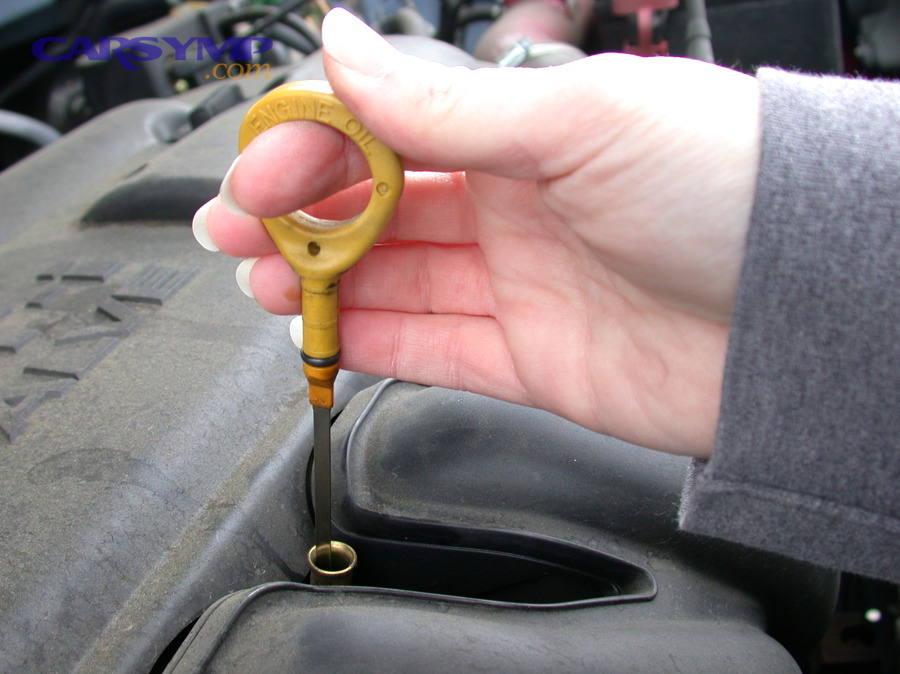
How do you check engine oil in a way that actually helps?
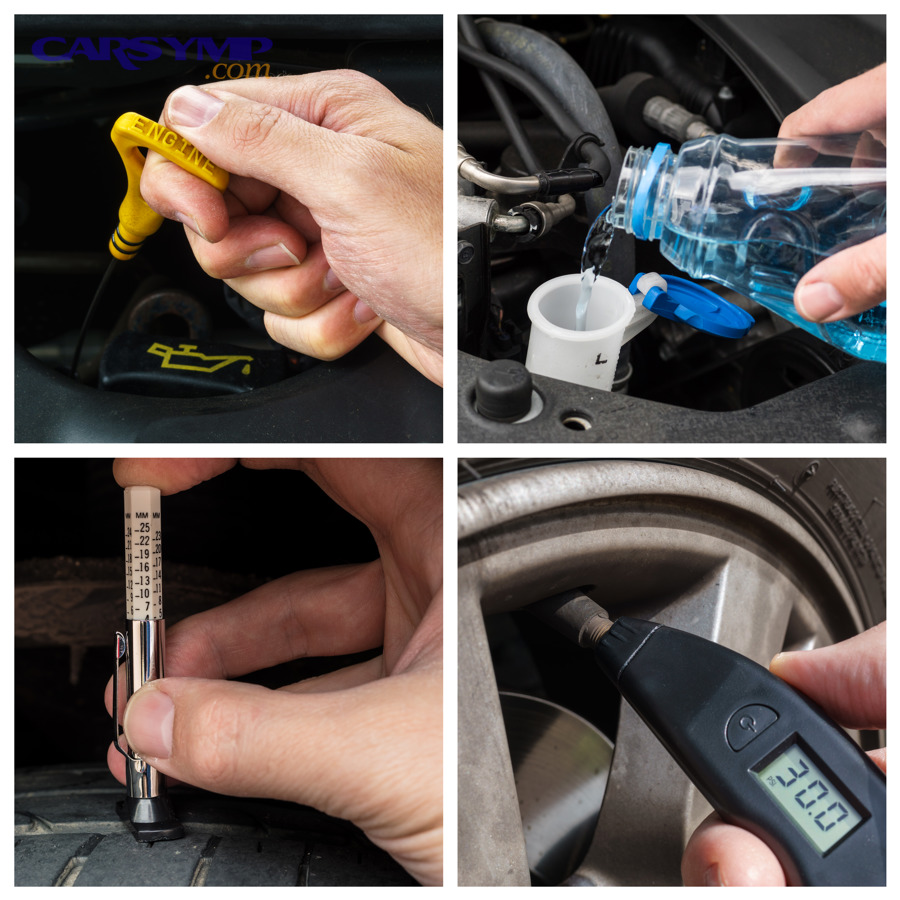
Pull the dipstick, wipe, reinsert, and read between the marks to confirm the oil level is safe for a long run. Next, you’ll learn what “oil condition clues” matter for trip readiness.
- Oil should be within the safe range (between MIN and MAX marks).
- Oil that looks extremely gritty, smells burnt, or is very low can signal maintenance due soon.
- If you add oil, add small amounts and re-check—overfilling can create its own issues.
For road trips, the goal is not perfection; it’s avoiding low-oil operation that can accelerate wear and trigger warning lights far from home.
How do you confirm coolant readiness without opening a hot system?
Check the coolant reservoir level against the MIN/MAX marks when cool and look for dried residue that suggests leaks. Next, you’ll connect cooling readiness to sustained-speed driving and mountain climbs.
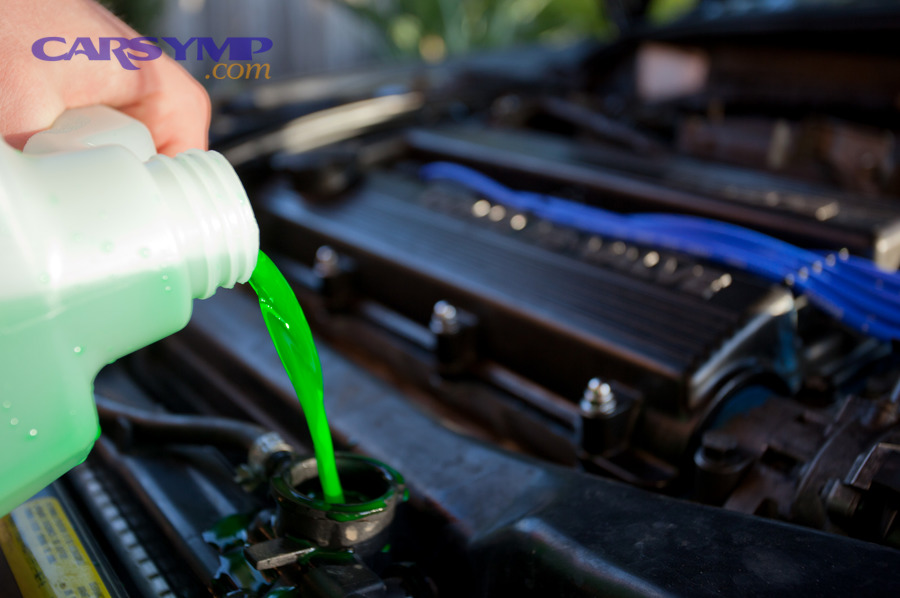
- Never open a hot radiator cap; use the reservoir reading instead.
- Inspect hoses for cracks, swelling, or wetness near clamps.
- Check for sweet smells or fogging residue—possible coolant seep.
If you’ve had recent overheating, don’t “hope it’s fine.” A road trip turns marginal cooling into a real breakdown risk.
Which other fluids should you check before you commit to long mileage?
At minimum, confirm engine oil, coolant, and washer fluid, then check brake fluid and transmission fluid if your car provides a safe way to do it. Next, you’ll learn how to avoid false confidence from “quick looks.”
- Washer fluid: clean windshield matters for glare, insects, and rain.
- Brake fluid: low level may signal pad wear or a leak; do not ignore.
- Power steering (if applicable): low fluid can lead to noise and heavy steering.
- Transmission fluid (if applicable): check only if your vehicle procedure is clear and safe.
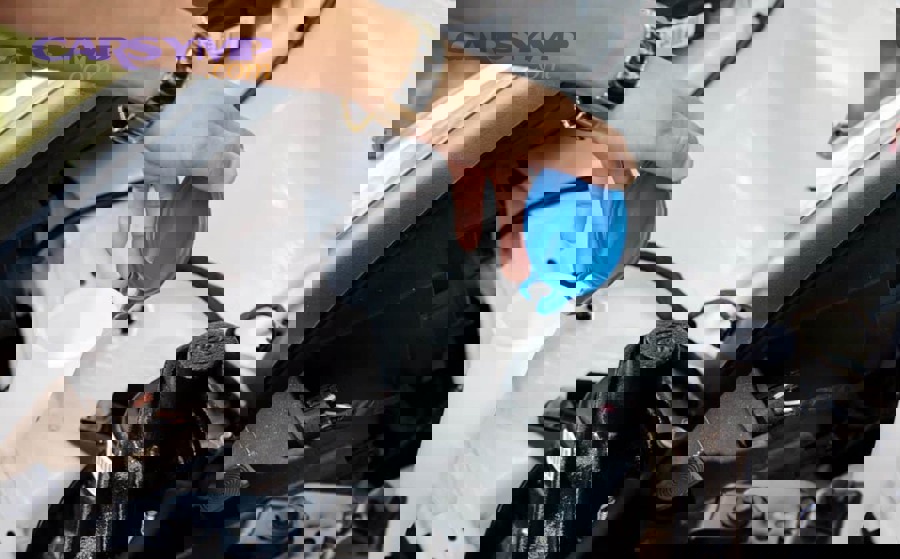
To keep your routine consistent, you can treat this under-hood pass like a “basic car maintenance checklist” focused on trip-critical items: verify levels, look for leaks, and confirm caps are secure before closing the hood.
What brake, steering, and suspension checks help you catch safety risks early?
Use feel-and-sound checks plus a quick visual review to identify brakes or steering issues before they become dangerous at highway speed. Next, you’ll focus on the most informative signals: pedal feel, noise, pull, and visible wear.
Road-trip braking safety is about consistency: the pedal should feel the same at every stop, and the car should stop straight without drama.

How can you spot brake problems before they become an emergency?
Listen for grinding/squealing, feel for pulsing, and watch for pulling because these symptoms often show up before complete failure. Next, you’ll link each symptom to the most likely cause and safest response.
- Grinding: stop driving soon—may be metal-on-metal.
- Squeal: could be wear indicators; schedule inspection if persistent.
- Pulsing pedal: often rotor variation; can worsen on long descents.
- Pulling: could be uneven braking or tire issue; test carefully and seek service.
If you want a quick DIY confirmation, you can do a light “Brake inspection checklist at home” by looking through wheel openings for pad thickness and checking for obvious rotor scoring—without removing wheels if you’re not equipped.
What steering and suspension clues matter most for highway stability?
Clunks, looseness, and uneven tire wear are the big three because they can signal worn joints, bushings, or shocks. Next, you’ll learn which symptoms are safe to monitor and which demand immediate attention.

- Clunk over bumps: may indicate worn links, mounts, or joints.
- Loose steering feel: can make lane changes unsafe in crosswinds.
- Vehicle “floats” or bounces: shocks/struts may be weak, raising braking distance and tire wear.
- Uneven tire wear: often points to alignment or suspension wear that will worsen on a long trip.
How do you test brakes and steering without risking traffic?
Do a low-speed test in a safe parking lot: gentle stops, then one firmer stop, then a short steering sweep. Next, you’ll confirm normal behavior before you join fast traffic.
- Brake gently: note noise or vibration.
- Brake firmly once: car should stop straight.
- Steer left/right slowly: listen for clicking or grinding.
- Accelerate lightly: note any shudder that could indicate tire/wheel issues.
If any of these checks feel “off,” road-trip miles don’t fix problems—they magnify them. The safest choice is to diagnose before departure.
How do you confirm lights, wipers, HVAC, and visibility for changing conditions?
Test all exterior lights, wipers, washer spray, and defrosters so you can see and be seen in rain, glare, or fog. Next, you’ll learn a fast method that doesn’t require special tools.
Visibility is not just comfort; it’s a safety system. On a trip, you may drive into rain bands, dusty construction zones, or night glare, and weak visibility turns minor issues into stressful situations.
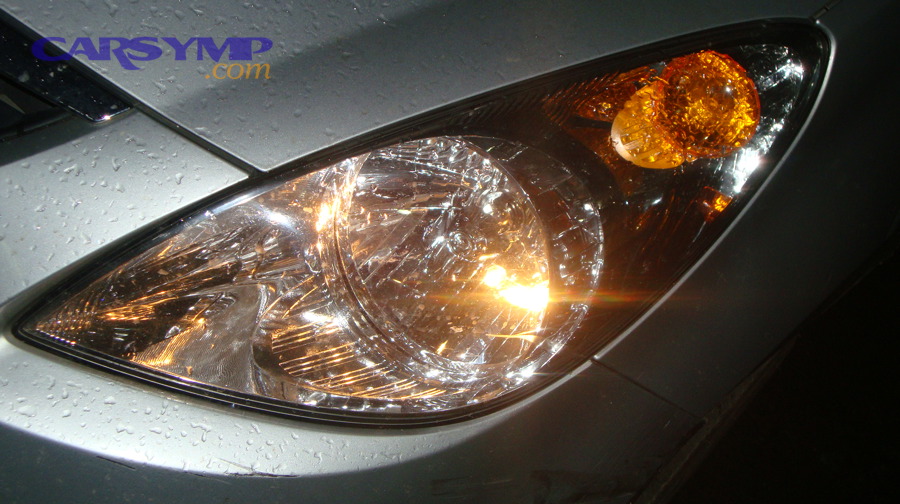
Which lights should you test, and what’s the fastest way?
Test headlights (low/high), brake lights, turn signals, hazards, and reverse lights because these are the ones other drivers rely on to predict you. Next, you’ll use reflections and a helper to check everything in under five minutes.
- Park near a wall or garage door: confirm low beams and high beams.
- Use hazards: walk around to confirm all corners blink.
- Press brake with a helper watching (or back toward reflective glass): confirm both brake lights.
- Confirm license plate illumination if you’ll drive at night.
How do you assess wipers and washers realistically?
Wipers should clear smoothly with no streaking, chattering, or missed arcs, and washer spray should hit the glass effectively. Next, you’ll learn what to replace now versus what to carry as a backup.
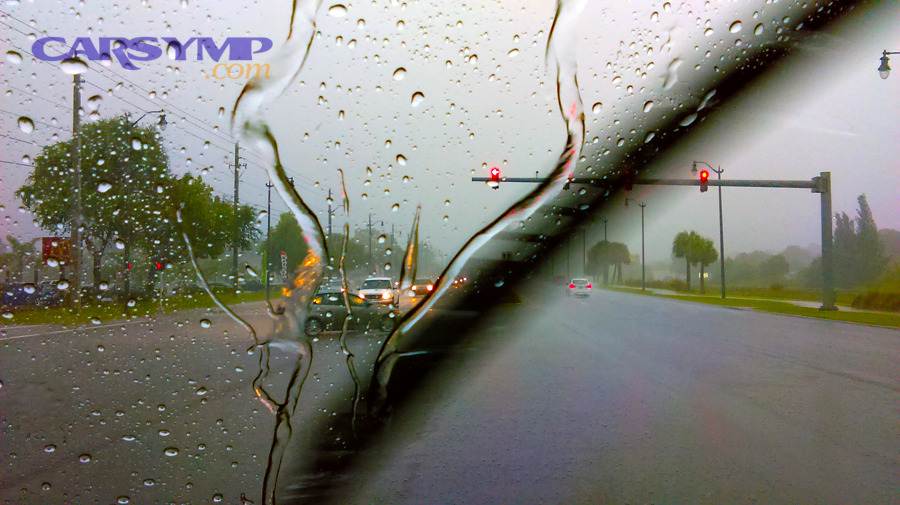
- If wipers streak in the center, replace blades before the trip.
- Top off washer fluid and test spray pattern.
- Clean the windshield inside and out to reduce night glare.
- Carry a microfiber cloth and a small glass cleaner for quick stops.
What HVAC checks matter most for a road trip?
Confirm A/C cooling, heat output, and defrost performance so you can manage comfort and safety in humidity, cold, or sudden rain. Next, you’ll connect HVAC to driver fatigue and windshield clarity.
- Test front defrost and rear defogger (if equipped).
- Listen for blower noise changes—could indicate a clogged filter.
- If A/C is weak in hot climates, fix before you leave; fatigue rises quickly in heat.
When visibility systems are strong, you drive more calmly, react faster, and reduce fatigue—especially on long night segments.
What battery and charging checks reduce the chance of a “won’t start” moment at a fuel stop?
Look for corrosion, slow cranking, and unstable electronics because these are common early warnings of battery or charging issues. Next, you’ll learn a simple inspection routine and the right “just-in-case” items to carry.
Road trips often include multiple short stops: fuel, food, scenic pull-offs. That means repeated starts, sometimes with accessories running. A marginal battery can fail at the most inconvenient time.
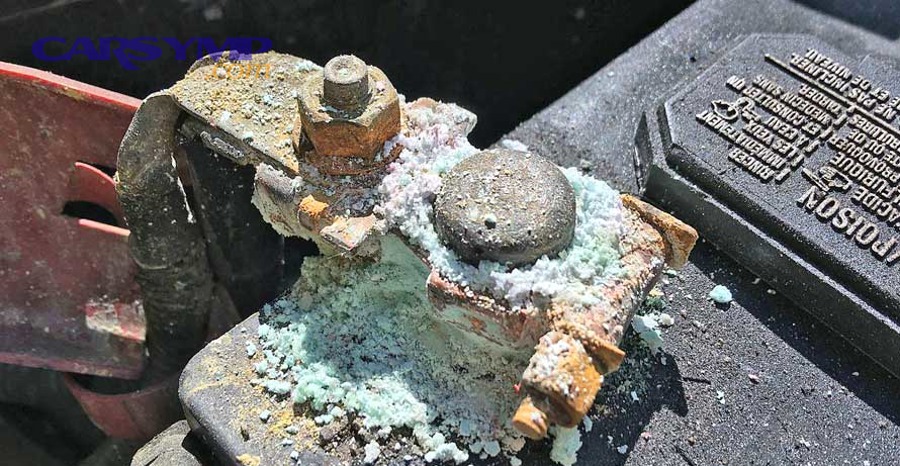
What visual signs suggest a battery connection problem?
White/green crust on terminals, loose clamps, or frayed cables can cause voltage drops and no-start conditions. Next, you’ll learn how to respond safely without improvising risky fixes on the roadside.
- Corrosion around the terminals indicates acid vapors and poor contact risk.
- Loose terminal clamps can mimic a “dead battery” even when the battery is fine.
- Damaged cables should be serviced before a long trip.
What start-up behavior should worry you?
Slow cranking, repeated clicks, or lights dimming severely during start suggests weak battery capacity or a charging issue. Next, you’ll decide whether a quick test or a replacement is the safest move.
- If the car struggles to start after sitting overnight, don’t gamble on a multi-day trip.
- If electronics behave oddly (random warnings, flickering), get the system tested.
- Consider carrying a compact jump starter if you travel in remote areas.
What should you pack for charging devices without draining the car?
Bring a quality car charger and cables, and avoid leaving accessories plugged in overnight. Next, you’ll build an “energy plan” for navigation and communication.
- Have at least two phone charging options (car + power bank).
- Download offline maps as a backup for poor coverage areas.
- Keep a flashlight or headlamp accessible, not buried under luggage.
These steps won’t replace a full electrical diagnosis, but they greatly reduce “surprise no-start” scenarios that derail travel plans.
What paperwork, tech setup, and emergency gear should be in your car before you leave?
Carry essential documents, realistic emergency supplies, and a clear plan for common problems (flat tire, dead battery, minor injury). Next, you’ll organize gear so you can access it fast—without unloading your trunk.
A good checklist balances “prepared” with “overpacked.” Your goal is to handle likely disruptions calmly, not to carry a garage in the back seat.
Which documents should you confirm before a long drive?
Verify license, registration, insurance, and roadside assistance info so you don’t lose time if you’re stopped or need help. Next, you’ll add a small “proof packet” that lives in the glove box.
- Driver’s license and registration.
- Insurance proof (paper or digital screenshot).
- Roadside assistance contact info.
- Any toll tags, parking permits, or border-crossing documents if relevant.
What emergency gear is worth having for most trips?
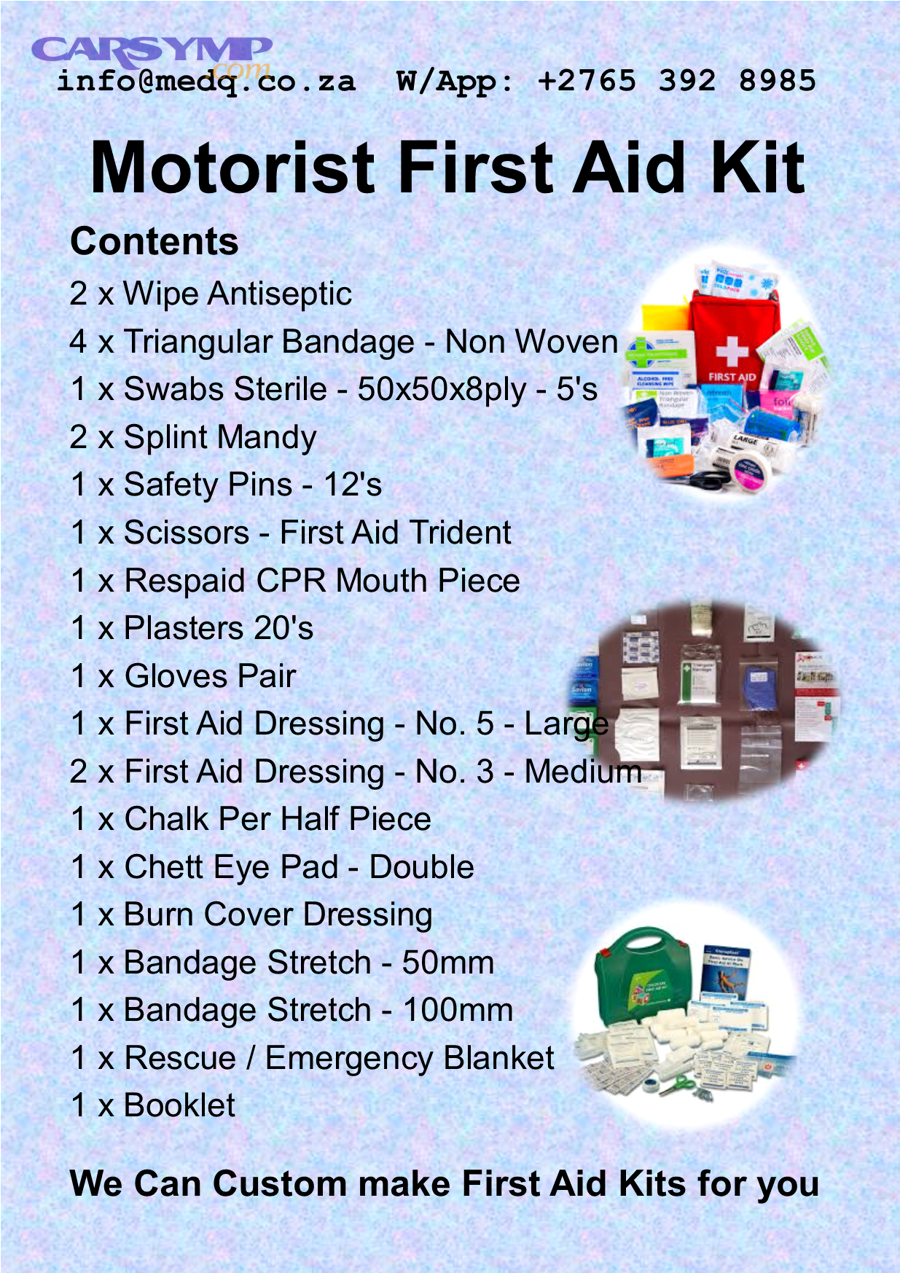
Prioritize visibility, communication, and basic problem-solving: a flashlight, reflective triangles, basic tools, and first aid. Next, you’ll tailor extras for weather and route remoteness.
- Reflective triangles or flares (where legal).
- First aid kit and essential medications.
- Flashlight/headlamp + spare batteries.
- Gloves, small towel, and basic hand wipes.
- Water and simple snacks for delays.
How do you organize gear so it’s actually useful?
Keep “need-now” items in a small top-access bag and reserve the trunk for bulky items. Next, you’ll set up zones so you can find things quickly under stress.
- Cabin zone: chargers, tissues, water, sunglasses, small trash bag.
- Top-access zone: first aid, flashlight, triangles, jump starter.
- Trunk zone: spare tire tools, jack, and heavier supplies.
If you’re traveling with kids or pets, add comfort items (blanket, wipes, simple entertainment) to reduce driver distraction.
How do you turn the checklist into a simple schedule: night-before, morning-of, and first-stop re-check?
Split checks into three timed moments so you’re not rushed and you avoid missing basics. Next, you’ll use a mini schedule that fits real life: a short night-before prep, a morning verification, and a first-stop validation.
This approach reduces cognitive load because you’re not trying to remember everything at the same time.
Night before (10–20 minutes):
- Pack heavy items low and centered; confirm spare tire access.
- Check washer fluid and load the “need-now” kit.
- Set navigation route and download offline maps.
- Lay out documents and confirm toll/parking needs.
Morning of departure (10–15 minutes):
- Quick walk-around: look for leaks, low tire, or broken light.
- Cold tire pressure check; adjust for load if needed.
- Start-up check: warning lights, brake feel, steering feel.
First stop (5 minutes):
- Re-check tire appearance (heat can reveal issues).
- Quick look under the car for fresh leaks.
- Confirm nothing shifted in the trunk.
To make this even easier, the table below summarizes what each phase includes and what tools you’ll typically use.
| Timing | What you check | Tools | Goal |
|---|---|---|---|
| Night-before | Pack stability, documents, fluids top-off, tech setup | Washer fluid, microfiber, phone charger | Reduce morning stress |
| Morning-of | Cold tire pressure, walk-around, start-up behavior | Tire gauge, small flashlight | Confirm safety baseline |
| First stop | Heat-related tire check, leak scan, load shift check | Eyes + hands, quick flashlight | Validate real-world readiness |
If you follow this rhythm consistently, your checklist becomes a habit rather than a stressful one-time event.
When should you schedule professional service instead of relying on DIY checks?
Choose professional service when symptoms suggest risk, when mileage is due, or when you can’t verify a safety system confidently. Next, you’ll learn a clear decision filter so you don’t waste money—or gamble with safety.
The smartest road trip prep blends DIY basics with professional help where it matters. DIY checks are great for spotting problems; a professional inspection is best for confirming deeper issues.
Which symptoms are “service before you go” signals?
Any repeating warning light, overheating history, brake noise, or steering looseness deserves inspection before a long drive. Next, you’ll connect symptoms to the likely systems that need attention.
- Check-engine light that stays on or returns quickly.
- Brake grinding/squealing that persists after cleaning or mild driving.
- Steering wheel shake, pull, or repeated vibration at highway speed.
- Coolant loss, overheating, or strong burning smells.
How do you align road-trip readiness with maintenance timing?
Match your trip to what’s due soon—oil change, tire rotation, brake inspection—so you’re not pushing beyond known limits. Next, you’ll use a simple planning rule that avoids last-minute surprises.
- If service is due within the next 500–1,000 miles, consider doing it before leaving.
- If tires are near replacement threshold, replace before the trip (especially if rain is likely).
- If brakes are mid-life but you’re heading into mountains, get them evaluated early.
Many drivers like to map this to a “Mileage-based service intervals guide” so the trip doesn’t overlap with multiple overdue items at once.
What should you ask a shop to check for road-trip confidence?
Ask for a targeted pre-trip inspection focusing on brakes, tires, suspension, battery, and fluid leaks. Next, you’ll use simple questions that reduce misunderstandings and surprise charges.
- “Can you measure brake pad thickness and check for uneven wear?”
- “Can you check tire condition, tread depth, and verify pressure targets for load?”
- “Can you check for leaks and cooling system hose condition?”
- “Can you test battery/charging health?”
Professional service is not about fear; it’s about choosing certainty where the consequences of being wrong are high.
To keep yourself grounded, treat the DIY steps as a screening tool, then book service only when the screening suggests real risk or uncertain condition.
How do you adapt the checklist for extreme heat, cold, mountains, and towing?
Adjust the same checklist for the conditions you’ll face by focusing on heat management, traction, braking load, and visibility. Next, you’ll see condition-specific add-ons so your preparation matches your route.
Here’s the contextual boundary: once your baseline checks are done, these adaptations help you avoid environment-driven failures that don’t show up during short local drives.
What changes for hot-weather road trips?
Heat amplifies tire pressure swings and cooling system weaknesses, so prioritize tire condition, coolant level stability, and A/C performance. Next, you’ll prevent overheating and blowout risk with small habits.
- Check tire pressure cold; expect pressure to rise when hot—don’t bleed hot tires unless instructed by a professional.
- Make sure coolant reservoir level is stable over several days before leaving.
- Carry extra water for people and for emergencies (not for pouring into a hot engine).
What changes for cold-weather or winter routes?
Cold reduces battery output and exposes weak wipers, defrosters, and tire traction. Next, you’ll prepare for visibility and starting reliability.
- Confirm defrost performance and keep the windshield clean inside/out.
- Consider winter-rated tires or chains if required by your route.
- Pack warm layers, blanket, and a flashlight in the cabin-access zone.
What changes for mountains and long descents?
Long climbs stress cooling and long descents stress brakes, so you must be confident in temperature control and stopping power. Next, you’ll reduce brake fade risk with technique and preparation.
- Confirm brakes feel consistent and no warning lights are present.
- Downshift on descents to reduce brake load where appropriate.
- Check tire tread depth and condition—grip matters more on mountain weather swings.
What changes when towing or carrying heavy loads?
Extra weight increases heat, braking distance, and tire demand. Next, you’ll prevent sway and overload with practical setup steps.
- Use load-appropriate tire pressures per the vehicle guidance.
- Confirm trailer lights work and the hitch setup is secure.
- Keep the heaviest items low and forward; avoid rear-heavy loading that promotes sway.
These adjustments keep the checklist flexible while staying anchored to the same core goal: predictable handling, reliable cooling, and stable braking under trip stress.
FAQ: Pre-road-trip inspection checklist
Most road-trip problems come from a few repeat categories—tires, fluids, battery, and visibility—so the answers below focus on simple decisions and quick checks. Next, you’ll get clarity on what’s “good enough” versus what needs action.
How far in advance should I do a pre-road-trip inspection checklist?
Do the full checklist 3–7 days before departure so you still have time for parts or appointments, then do a short walk-around and pressure check the morning you leave.
Is a road trip car checklist necessary for newer cars?
Yes—newer cars can still have low tire pressure, nails in tires, washer-fluid shortages, and weak batteries; the checklist is about catching simple failures before they interrupt travel.
What’s the single most important check if I only have five minutes?
Tire condition and cold tire pressure are the best five-minute investment, because tires affect braking, handling, and breakdown risk more than almost anything else on a long drive.
Should I top off every fluid right before I leave?
No—top off only what needs it, and don’t mix fluids randomly. Washer fluid is always safe to refill; oil and coolant should be topped off carefully and only to the correct level with the correct type.
What if my tire pressure monitor light is on but the car feels fine?
Don’t ignore it—use a gauge to measure actual pressure, inflate to the door-jamb spec, and re-check for a slow leak. A “fine-feeling” tire can still be underinflated enough to overheat on the highway.
Do I need an oil change before every road trip?
Not necessarily; base it on what’s due. If you’re close to your service window or the trip adds a large chunk of mileage, doing it beforehand can be a low-stress choice.
What emergency items are non-negotiable?
At minimum: a working spare/jack tools, flashlight, basic first aid, water, phone charging plan, and visibility items (triangles or reflective gear), tailored to how remote your route is.
Tổng kết lại, a solid pre-road-trip inspection checklist is less about “car expertise” and more about consistent sequence: walk-around, tires, fluids, brakes/steering feel, visibility, and emergency readiness. If you repeat the same flow each trip, you’ll build confidence—and reduce the odds of an avoidable roadside disruption.