


A Seasonal maintenance checklist is a practical, repeatable plan that helps you keep your vehicle safe, efficient, and predictable as weather changes. It focuses on the systems most affected by temperature swings, humidity, road salt, heat, and longer trips—so you prevent small issues from turning into breakdowns.
For most people, the biggest win is knowing exactly what to check before each season starts, rather than reacting after warning lights or strange noises appear. That’s why a winter/summer car checklist works best when it is structured around the same core systems every time, with seasonal “add-ons” depending on your climate.
Beyond safety, a seasonal checklist also protects your budget. It reduces premature wear (tires, battery, wipers, coolant hoses), avoids avoidable overheating or no-start situations, and helps you spot leaks early—before they become expensive.
To begin, Giới thiệu ý mới: below is a step-by-step approach that shows what to include, why it matters, and how to execute each check with confidence—even if you’re new to maintenance.
What should a seasonal maintenance checklist cover before each season?
A strong checklist covers tires, fluids, battery/charging, visibility, HVAC, and exterior/underbody protection because these areas change fastest with weather. After that, you add season-specific items—like freeze protection in winter or cooling capacity in summer.
To connect everything logically, think in “systems” instead of random tasks: when one system changes (temperature), several parts respond (tire pressure, battery output, fluid viscosity). Tiếp theo, start by mapping the essentials you’ll repeat every season.

Which core systems belong on every season’s list?
Every season, check tires, fluids, lights, wipers, battery health, and leaks because they impact safety immediately. After that, inspect belts/hoses, brakes, and cabin air quality to prevent mid-season surprises.
To keep the flow practical, use a “walk-around + under-hood + inside-cabin” routine so you never skip steps. Cụ thể, do the quick walk-around first, then open the hood, then finish inside the cabin.
How do you decide what is “seasonal” versus “always”?
“Always” items keep the car road-legal and safe (tread depth, brake feel, lights), while “seasonal” items protect performance under weather stress (freeze point, cooling reserve, defogging speed). Ngược lại, if a task only matters in one climate (snow chains, desert heat), keep it as an optional add-on.
The best rule: if weather can make the issue worse within weeks, put it in seasonal; if it worsens over months, track it in a separate schedule. Hơn nữa, this is how you avoid over-maintaining and still stay prepared.
What is a simple four-part structure that never gets messy?
Use four sections: Safety (tires/brakes/lights), Reliability (battery/fluids/leaks), Comfort (HVAC/defogging/cabin filter), and Protection (wash/wax/undercarriage). Then add a “Trip Prep” mini-list for long drives.
This structure keeps your checklist readable and repeatable. Tóm lại, a checklist that’s easy to repeat is more valuable than one that’s perfect on paper.
How do you switch your winter/summer car checklist without missing safety basics?
You switch seasons by keeping the same core checks and only swapping the seasonal “modules” (freeze-ready vs heat-ready). That way, your list stays familiar while still responding to weather.
To make it foolproof, use two anchor moments: early fall (before the first cold snap) and late spring (before the first heat wave). Dưới đây is a method that takes 30–60 minutes and prevents common omissions.

How-to method: the “swap, don’t rewrite” approach
Swap, don’t rewrite by using one master checklist with two seasonal layers: winter layer (freeze protection, traction, visibility) and summer layer (cooling capacity, AC performance, heat protection). The result is fewer missed steps and faster execution.
To start, print or save one master list and highlight winter-only items in one color and summer-only items in another. Để bắt đầu, keep the first version short; you can add detail once it becomes routine.
- Run the core checks: tires, lights, wipers, fluids, battery.
- Apply the seasonal layer: winter traction/freeze or summer cooling/AC.
- Do a 5-minute road test: braking feel, steering response, noises.
- Update your notes: what you fixed, what you’ll monitor next month.
What are the highest-risk omissions when seasons change?
The most common misses are tire pressure, coolant condition, and wiper performance because they “feel fine” until a cold morning or a hot traffic jam proves otherwise. Trong khi đó, a weak battery often fails at the first extreme temperature swing rather than gradually.
According to guidance on summer road trip readiness, checking coolant level/condition and inspecting cooling systems for leaks is a key pre-season step.
Seasonal checklist table: what to do, when, and why
This table summarizes what to check by season, so you can prioritize the tasks that prevent the most common seasonal failures.
Use it as a “one-glance” planner, then follow the detailed steps in the sections below. Cụ thể hơn, start with tires and fluids, then move to battery and visibility.
| System | Winter focus | Summer focus | Why it matters |
|---|---|---|---|
| Tires | Cold pressure, tread for wet/snow, traction plan | Pressure rise, tread for heat/wet, rotation timing | Grip and braking change with temperature |
| Cooling/Heating | Freeze point, heater/defog, washer fluid | Coolant reserve, radiator airflow, A/C output | Prevents overheating or defog failure |
| Battery | Cranking strength, terminals, charging test | Heat stress, corrosion, charging stability | Avoids no-starts and electrical glitches |
| Visibility | Wipers, defrost, winter-rated washer fluid | Wipers, glare reduction, cabin filter | Weather visibility is a safety multiplier |
| Protection | Undercarriage wash, sealants, salt defense | UV protection, rubber care, paint protection | Reduces rust, cracking, and premature aging |
Which tire checks matter most when temperatures swing?
The most important tire checks are cold tire pressure, tread depth, sidewall condition, and uneven wear patterns because temperature swings directly change pressure and traction. Do these checks first, because they affect every mile you drive.
To keep momentum, treat tires as a “seasonal sensor”: they quickly reveal alignment drift, underinflation, or suspension wear. Dưới đây is the simplest way to do tire checks without tools you don’t have.

Cold tire pressure: what it is and how to check it correctly
Check pressure when tires are cold—ideally after the car sits for a few hours—so the reading matches the manufacturer’s target. Then inflate to the door-jamb specification, not the tire sidewall maximum.
To ground the reason, tire pressure changes with temperature. Theo nghiên cứu của AAA từ Automotive, vào 06/2025, lốp có thể mất khoảng 1 PSI cho mỗi 10°F nhiệt độ giảm.
That means your perfectly inflated tires in mild weather can become underinflated after a cold front, which reduces responsiveness and increases stopping distance. Quan trọng hơn, this is one of the easiest seasonal problems to prevent.
Tread depth and traction: what “good enough” looks like by season
In winter rain or slush, prioritize tread depth and siping quality; in summer heat, prioritize even wear and correct inflation to avoid excessive heat build-up. If you see uneven wear, suspect alignment or suspension issues and address them early.
NHTSA’s travel readiness guidance also emphasizes inspecting tread and sidewalls for damage and ensuring adequate tread depth before trips.
Rotation and alignment: how to spot the need without guesswork
If the steering wheel is off-center, the car pulls, or tread wears faster on one edge, schedule an alignment check. If the front tires wear faster than the rears (common), rotate as recommended in your manual to spread wear evenly.
The “seasonal” insight: temperature swings can make existing alignment issues feel worse because tire grip changes. Hơn nữa, fixing alignment saves tires, not just handling.
How do fluids change between winter and summer, and what should beginners do?
Fluids matter more in extreme weather because cold thickens and slows flow, while heat accelerates breakdown and evaporation. Beginners should focus on three goals: correct levels, correct type, and early leak detection.
To keep it beginner-friendly, do a quick visual check first, then only add fluid if you confirm the correct specification. Để minh họa, start with coolant and windshield washer fluid because they impact overheating and visibility immediately.

Coolant: freeze protection in winter, cooling reserve in summer
In winter, coolant must prevent freezing and support cabin heat; in summer, it must resist boiling and protect the engine under load. You should never “top off” blindly with plain water unless it’s an emergency—use the correct coolant mix and spec.
NHTSA recommends ensuring you have enough coolant and that it meets manufacturer specifications, and notes that you or a mechanic should check for leaks and test coolant condition before travel.
If you notice sweet smells, low reservoir levels repeatedly, or damp spots under the car, treat that as a leak signal and inspect before the season gets harsher. Bên cạnh đó, always check the radiator cap area only when the engine is cool.
Engine oil and other key fluids: what changes with temperature
Cold starts are harder when oil is thick, and high heat stresses oil during long idles and highway speeds. Check oil level regularly, and follow the manufacturer’s oil viscosity recommendations for your climate.
For the seasonal checklist, also verify brake fluid level, power steering (if hydraulic), and transmission fluid (if applicable). NHTSA lists these fluid checks as part of seasonal road trip readiness.
Washer fluid and “beginner-safe” leak checks
In winter, use washer fluid rated for freezing temperatures; in summer, use a quality fluid that cuts bugs and road film. For leak checks, place cardboard under the engine overnight and look for fresh spots—then match color and smell cautiously (without touching hot parts).
Here’s where you can naturally blend a broader routine: later, you can incorporate a Fluid check checklist for beginners into your habit, but keep seasonal checks focused on the fluids that fail fast under weather stress.
What battery and starting-system checks prevent seasonal no-starts?
The best prevention is testing battery health, cleaning terminals, and confirming your charging system works under load. Seasonal no-starts happen because batteries lose usable capacity in cold and age faster in heat.
To connect the chain of causes: temperature stress + corrosion + short trips (no full recharge) = a battery that seems fine until one cold morning. Dưới đây is a practical set of checks that most drivers can do safely.

Battery capacity in cold weather: why “it was fine yesterday” happens
Cold increases internal resistance and reduces available capacity, so the starter needs more power at the same time the battery can deliver less. That’s why marginal batteries fail suddenly at the first major cold snap.
Theo nghiên cứu của Battery University từ BU-502, vào 10/2021, pin có thể chỉ còn khoảng 50% dung lượng khả dụng ở –18°C so với mức ở 27°C.
Terminal corrosion and tightness: the quick fix that saves hours
Corrosion acts like a bottleneck: your battery may have charge, but the current can’t flow well. Inspect for white/green buildup, ensure clamps are tight, and clean safely (engine off, protective gloves, follow manufacturer guidance).
After cleaning, apply a protective spray or dielectric grease if recommended. Quan trọng hơn, don’t overtighten or force clamps, because broken terminals are expensive and inconvenient.
Charging system and driving pattern: the hidden seasonal culprit
If you take many short trips, your alternator may not have time to fully recharge the battery—especially with defrosters, heated seats, or headlights running more. If starts feel slower, schedule a battery/charging test before the season peaks.
NHTSA also recommends having a mechanic check the battery and charging system as part of seasonal readiness.
How can visibility and HVAC checks reduce weather-related driving risk?
Visibility and HVAC checks reduce risk by ensuring you can see clearly and keep windows defogged in rain, snow, or humidity. The most important items are wipers, washer spray pattern, lights, and defrost performance.
To keep the flow actionable, start with wipers and washer fluid because they’re quick and cheap, then test defrost and A/C function because they influence fogging. Tiếp theo, use the following checks.

Wiper blades: when to replace and how to test fast
Replace wipers if they streak, chatter, skip, or leave a hazy film. Test by spraying washer fluid and watching one full sweep: a good blade clears evenly and quietly.
NHTSA notes that wiper blades can be vulnerable to seasonal wear and heat, and advises examining blades for wear and replacing them if they aren’t in top condition.
Defog/defrost: the quick cabin test that many drivers skip
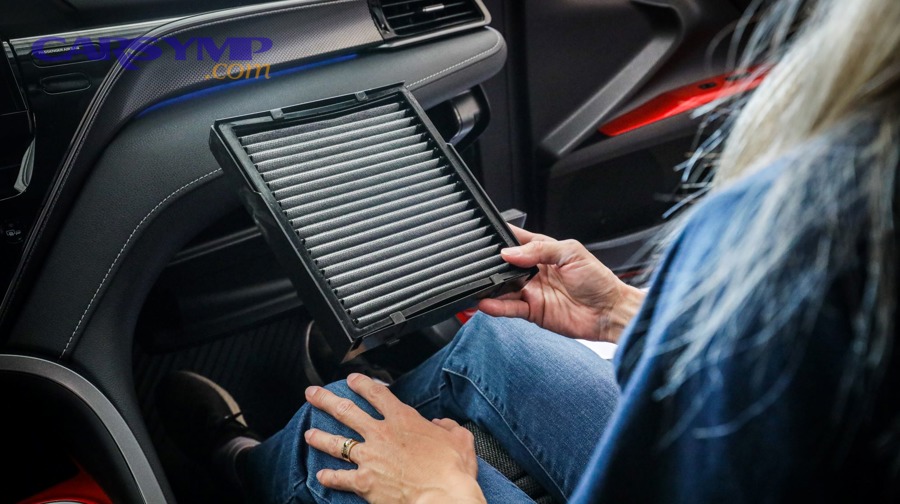
Turn on defrost and confirm strong airflow to the windshield within seconds; then confirm it warms (winter) and dries the air (summer humidity). If airflow is weak, a clogged cabin filter or blower issue may be limiting performance.
To make this easier, consider replacing the cabin air filter on schedule—especially if you drive in dusty areas or heavy traffic. Hơn nữa, a clean cabin filter can improve airflow and reduce musty odors.
Lights and lenses: seasonal darkness and glare management
In winter, darkness arrives earlier; in summer, glare and haze can worsen at sunrise/sunset. Check headlight aim, ensure all bulbs work, and clean lenses so output isn’t reduced by film or oxidation.
This is a small step with high safety impact. Tóm lại, clear visibility is the foundation that makes every other maintenance step worth doing.
What underbody, paint, and rust-prevention steps fit each season?
Rust prevention is seasonal because winter introduces road salt and moisture, while summer adds UV exposure and heat that dries seals and fades paint. The best approach is frequent cleaning plus a protective layer before harsh conditions begin.
To link winter and summer logically: winter attacks from below (salt), summer attacks from above (sun). Dưới đây is how to protect both directions without spending all weekend.
Winter: undercarriage wash and salt control
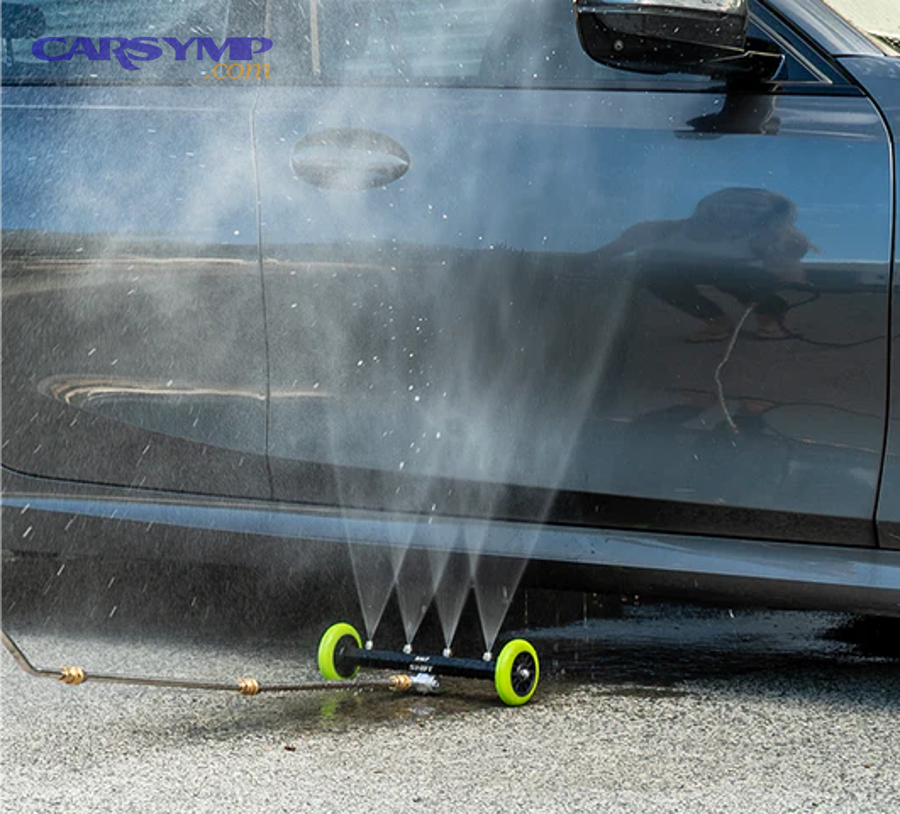
In winter climates, rinse the undercarriage regularly to remove salt and slush that accelerate corrosion. Prioritize wheel wells, suspension components, and seams where grime accumulates.
If you park in a garage, you may still carry salt-water into warmer conditions where corrosion can accelerate—so rinsing remains valuable regardless of where you park. Quan trọng hơn, underbody attention is often the difference between a clean chassis and hidden rust.
Summer: UV protection and rubber care
In summer, wash and apply a paint protectant (wax/sealant) to reduce UV damage, and treat rubber door seals to prevent drying and sticking. Also check tires for sidewall cracking—heat and sun can accelerate aging.
For hot climates, add shade habits: park in covered areas when possible and use sunshades to reduce interior heat stress on plastics and electronics. Bên cạnh đó, this improves comfort and can reduce HVAC workload.
Spring/fall: the best time to inspect for hidden damage
Spring is ideal for inspecting winter damage (chips, rust starting points), while fall is ideal for sealing and preparing the car for moisture and freezing. Do a careful wash, then inspect seams, lower doors, and the underside with a flashlight.
This is where a consistent routine pays off—because small touch-ups are cheap and fast. Tổng kết lại, seasonal protection is about timing, not perfection.
How do you build a quick pre-trip mini-checklist for extreme weather?
You build a pre-trip mini-checklist by checking the five failure points that strand drivers most often: tires, battery, fluids, visibility, and emergency gear. This takes 10–15 minutes and reduces the chance of being stuck in unsafe conditions.
To keep your seasonal maintenance checklist practical, treat pre-trip checks as a “light version” that uses the same order every time. Hãy cùng khám phá what to include and why it matters.

10-minute pre-trip checks: the essentials
Check cold tire pressure, verify tread looks healthy, confirm oil and coolant are at safe levels, and test wipers/lights. Then listen for unusual sounds during the first few minutes of driving—especially after temperature swings.
NHTSA recommends stocking an emergency roadside kit and lists items like a flashlight, jumper cables, tire pressure gauge, and first aid supplies as part of trip readiness.
Extreme winter add-ons
Add an ice scraper, warm gloves, a blanket, and winter-rated washer fluid. If you drive in snow regions, include traction aids (sand/traction mats) and ensure your tires match conditions.
Keep your phone charged and consider a portable charger, because extreme cold reduces battery performance for devices too. Đặc biệt, always plan for delays—weather can change faster than your route.
Extreme summer add-ons
Add extra water, sun protection, and ensure your cooling system is ready for slow traffic in high heat. If you notice the temperature gauge rising or A/C performance dropping sharply, don’t ignore it—heat-related failures can escalate quickly.
This is also a good time to ensure cabin airflow is strong and your A/C can dehumidify effectively. Như vậy, comfort becomes a safety feature, not a luxury.
Contextual border: when your seasonal checklist ends and smart “micro-habits” begin
At this point, you’ve covered the core seasonal systems. Ranh giới ngữ cảnh is where we shift from “season change preparation” to “small habits” that keep your car stable between seasons without turning maintenance into a burden.

How do you merge seasonal checklists with a year-round routine without over-maintaining?
You merge them by anchoring seasonal tasks in two major events (spring/fall) and using light monthly checks to monitor what changes fastest. The goal is consistency: fewer surprises, fewer rushed repairs, and clearer decision-making.
To bridge the method into daily life, you don’t need dozens of tasks—you need the right cadence. Dưới đây are four strategies that keep your plan lean and effective.

Use two anchors: April and October as seasonal reset points
Pick two annual reset months and treat them as “maintenance seasons.” The Car Care Council highlights April (National Car Care Month) and October (Fall Car Care Month) as key times to focus on preventative maintenance and seasonal readiness.
This doesn’t mean you must do everything in those months—it means you use them to review what’s coming next and schedule what matters. Tiếp theo, you fill the gaps with quick monthly checks.
Keep a lightweight log to prevent repeated work and missed intervals
Write down dates and mileage for oil changes, tire rotations, battery replacements, wiper changes, and coolant service. This helps you decide based on evidence, not memory—especially when seasons blur together.
Here is the natural place to fold in a Monthly car maintenance checklist so seasonal tasks don’t carry the full burden of keeping your car reliable.
Use “if-then” rules so you don’t overthink every inspection
If tire pressure changes more than expected, then check for leaks and verify the gauge. If the car pulls or wears tires unevenly, then schedule alignment. If wipers streak, then replace. These simple rules reduce indecision.
As your confidence grows, you can connect your seasonal plan with a basic car maintenance checklist for overall ownership health—without turning every weekend into a project.
Know when to DIY and when to outsource
DIY: tire pressure, wipers, washer fluid, visual leak checks, cabin filter, basic cleaning. Outsource: coolant testing/draining, charging system diagnostics, A/C refrigerant work, alignment, and brake inspections if you’re unsure.
Tổng kết lại, the right mix of DIY and professional checks gives you the best safety-to-effort ratio.
Frequently Asked Questions
This section answers common questions drivers have when building a seasonal maintenance checklist, especially when weather changes quickly and priorities feel unclear.

How often should I run my seasonal maintenance checklist?
Run it twice a year as a full checklist (spring and fall), and do quick monthly checks for tire pressure, fluid levels, and lights. If you experience rapid weather swings, add a 5-minute tire pressure check after major temperature drops.
Do I need different tires for winter and summer?
It depends on climate. If you face frequent snow/ice, dedicated winter tires improve traction and braking. In mild climates, quality all-season tires may be sufficient, but you should still prioritize tread depth and correct pressure.
What’s the safest “beginner order” for checks under the hood?
Start with engine off and cool: check oil level, coolant reservoir level (not opening a hot radiator cap), and washer fluid. Then look for obvious leaks and cracked hoses. If anything looks abnormal, stop and verify specifications in the owner’s manual.
What video can help me visualize a seasonal checklist?
Watching a walkthrough can make the steps feel simple and repeatable. Here’s a winter-oriented checklist video you can follow along with: