


A monthly car maintenance checklist is a simple, repeatable system that helps drivers catch small problems early, reduce breakdown risk, and keep everyday performance predictable—without turning weekends into repair projects.
In this guide, you’ll learn how to run routine car checks in a tight time window, what “good vs. bad” looks like, and which findings should trigger a same-week fix versus a “note it and monitor” plan.
You’ll also get practical safety rules (what to do only when the engine is cold, what not to open under pressure), plus a tracking method that makes maintenance decisions easier month after month.
To keep it actionable, “Giới thiệu ý mới”: we’ll move from a master monthly checklist into step-by-step checks you can do in your driveway with basic tools.
What should a monthly car maintenance checklist include?
A monthly car maintenance checklist should include quick checks for tires, fluids, lights, wipers, leaks, and early warning signs—because these are the most common “small issues” that quietly become expensive repairs if ignored.
Next, to keep your routine car checks consistent, you’ll want a standard order, a pass/fail rule, and a clear “what to do next” for each item.

The core idea: monthly checks are about trend spotting, not perfection. You’re looking for changes: a tire that keeps losing pressure, a fluid level that drops faster than normal, a new vibration, or a light that’s dimmer than last month.
Use this “10-bucket” monthly structure:
- Tires: pressure, tread depth, sidewall condition, and uneven wear.
- Fluid levels: engine oil, coolant reservoir level, brake fluid, washer fluid (and others if your manual recommends).
- Leaks & drips: under the parked car and around reservoirs/hoses.
- Lights: headlights, brake lights, turn signals, hazards, reverse lights.
- Wipers & glass: wiper condition, washer spray pattern, windshield chips.
- Battery basics: corrosion at terminals and loose clamps.
- Belts & hoses (visual): cracking, bulging, fraying, wetness.
- Air intake: engine air filter quick look (and cabin filter on your schedule).
- Brakes & steering feel: new noises, pull, pedal feel changes.
- Test drive cues: new warning lights, smells, vibrations, or temperature changes.
Make it measurable: every check should produce one of three outputs—OK, Monitor, or Act. That single decision rule is what turns a checklist into a maintenance habit.
Below is a short table that shows what each monthly category helps you decide, and the most common “next action” so you don’t stall after noticing something.
| Monthly check area | What it helps you catch | Simple pass/fail rule | Next action if not OK |
|---|---|---|---|
| Tires | Slow leaks, unsafe tread, alignment issues | Pressure matches door-jamb spec; tread passes test | Inflate, re-check in 7 days, repair leak/alignment if recurring |
| Fluids | Consumption, leaks, overheating risk | Levels between MIN–MAX; no milky/odd color | Top up correctly, watch for drops, inspect for leaks |
| Lights & visibility | Safety visibility, legality | All lights work; lenses not hazy; wipers wipe clean | Replace bulb/wiper; clean lenses; fix washer jets |
| Under-hood visual | Corrosion, belt wear, hose cracks | No frays/cracks/leaks; terminals clean | Clean terminals, tighten clamps, schedule belt/hose service |
| Drive feel | Early brake/suspension signals | No new pull/noise/vibration | Inspect brakes/tires; diagnose if persistent |
How do you do routine car checks in 20 minutes?
You can complete routine car checks in about 20 minutes by following a fixed route: outside walkaround, tire check, under-hood fluids, then lights and wipers—because a consistent order reduces skipped steps.
After that, you’ll get faster each month because you’ll know exactly where caps, reservoirs, and tire specs are on your specific vehicle.

Step 0 (30 seconds): set the safety conditions.
- Park on level ground, set the parking brake, turn the engine off.
- If you’ll check coolant or open fluid caps: wait until the engine is fully cool.
- Have a tire gauge, paper towels, and a flashlight.
Step 1 (3 minutes): a slow walkaround. Specifically, look low and close:
- New puddles under the car (front center, sides, rear).
- Tire sidewalls for bulges, cuts, exposed cords.
- Windshield chips that have expanded.
- Lights or lenses that look cloudy, cracked, or full of moisture.
Step 2 (6 minutes): tire pressure + quick tread check. Tires change the way your car stops, steers, and rides; they’re the highest-return monthly check.
Step 3 (6 minutes): under-hood basics. Check levels, caps, and anything wet that should be dry.
Step 4 (5 minutes): lights + wipers. Confirm function and cleaning ability, not just “it turns on.”
Mini decision rule: if you can’t tell whether a finding is normal, take a photo and compare it next month. That single habit creates a “maintenance memory” without needing deep mechanical skills.
Theo nghiên cứu của Oak Ridge National Laboratory từ Vehicle Technologies Office, vào June 2014, running tires at 75% of the recommended pressure produced about a 2–3% fuel economy penalty across common highway speeds.
How do you check tire pressure and tread monthly?
To check tire pressure and tread monthly, measure cold tire pressure with a gauge, inflate to the door-jamb specification, then confirm tread depth and wear patterns—because pressure and tread work together for grip and braking.
Next, tie your tire findings to a simple follow-up: “inflate and monitor,” “repair a leak,” or “book alignment,” so the checklist leads to action.

1) Use the right target number. The correct PSI is usually on the driver door jamb sticker, not the tire sidewall. The sidewall number is a maximum rating, not your operating spec.
2) Measure cold. “Cold” means the car has been parked for a few hours or driven very lightly. If you measure after driving, you can still inflate safely, but use the manufacturer guidance for warm readings.
3) Inflate and record.
- Write down the PSI of each tire (LF, RF, LR, RR, and spare if accessible).
- If one tire is consistently lower each month, suspect a slow leak or valve issue.
- Check the valve cap is present; it helps keep dirt and moisture out.
4) Check tread depth quickly. If you don’t have a tread gauge, a simple coin test can give a fast “needs attention” signal. Even better: buy a cheap tread gauge and track numbers monthly.
5) Read wear patterns (the shortcut to deeper problems).
- Center wear: often overinflation.
- Both edges worn: often underinflation.
- Inside or outside edge only: alignment or suspension issue.
- Cupping/scalloping: worn shocks/struts or balance issues.
6) Don’t let TPMS replace the habit. Tire pressure monitoring systems are helpful, but they’re not a substitute for checking with a gauge.
According to NHTSA, underinflated tires can be visually difficult to detect, and it recommends inspecting tires monthly with an accurate gauge.
When to escalate immediately: bulges, cords showing, rapid pressure loss, or vibration that appeared suddenly. Those are “Act today” findings—not “Monitor.”
How do you check and top up essential fluids safely?
You check and top up essential fluids safely by confirming the correct fluid type from the owner’s manual, checking levels on a cool engine when required, and filling only to the marked range—because overfilling and mixing fluids can cause damage.
Next, you’ll turn fluid checks into a repeatable pattern that reduces mistakes, especially for beginners.

Before you start: fluid checks are not just “top off everything.” The real goal is to see whether the level is stable month to month. A steady drop is a clue.
Engine oil (monthly):
- Park level, wait a few minutes after shutting off, then pull the dipstick, wipe, reinsert, and read.
- Level should be between MIN and MAX marks (or within the safe zone).
- Red flags: milky color (possible coolant contamination), strong gasoline smell, or metal glitter.

Coolant reservoir (monthly, cold engine):
- Check only when the engine is cool.
- Level should sit between MIN and MAX lines on the translucent reservoir.
- Red flags: repeated low level, crusty residue near hose connections, sweet smell, or temperature gauge changes.
Brake fluid (monthly quick look):
- Locate the reservoir (often near the firewall on the driver side).
- Check level and color through the reservoir without opening it.
- Red flags: sudden drop, very dark fluid, or a spongy brake pedal—treat as “Act.”
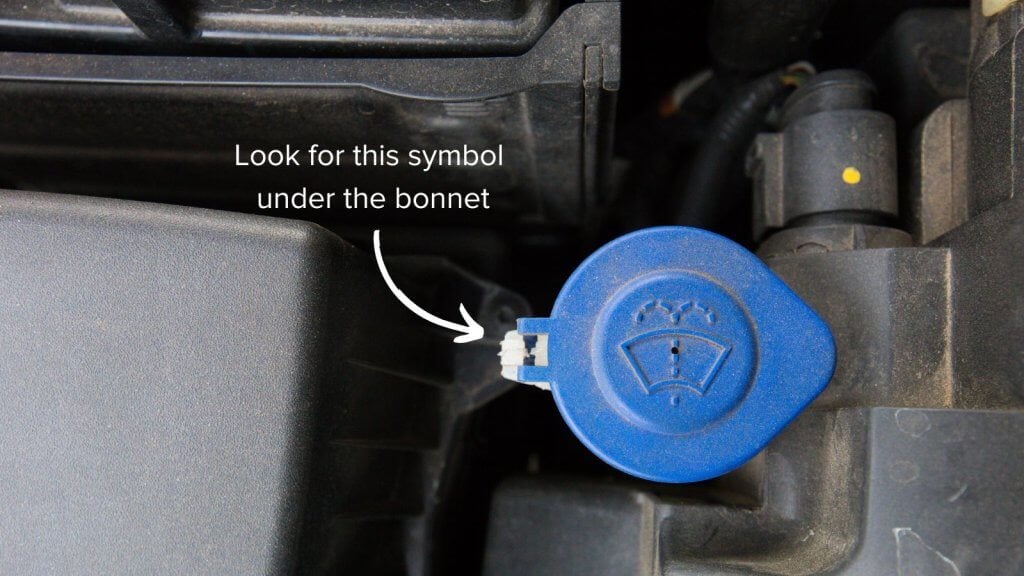
Washer fluid (monthly):
- Find the cap with the windshield-spray symbol.
- Top up with proper washer fluid (not plain water in freezing climates).
- Test spray pattern and aim; clean clogged nozzles if needed.
Other fluids (monthly “look, don’t guess”):
- Power steering (if applicable): check the marked range on the reservoir.
- Transmission (varies): many modern cars are “sealed” and require specific procedures—follow the manual.
Beginner-proof approach: treat this section as a “Fluid check checklist for beginners” by using one rule: if you can’t confidently identify the correct cap and fluid type, stop and verify with the manual. That single rule prevents the most expensive “wrong fluid in the wrong place” mistakes.
What low fluids usually mean:
- Oil slowly decreasing: normal consumption or a minor leak—trend matters.
- Coolant decreasing: often a small leak—don’t ignore it if it repeats.
- Brake fluid decreasing: could be pad wear or a leak—investigate sooner.
To connect this to the bigger picture, once you’ve checked fluids, the next easiest safety win is visibility—because you can’t avoid what you can’t see.
How do you inspect lights, wipers, and visibility items?
You inspect lights, wipers, and visibility items by confirming every exterior light function, checking lens clarity, and ensuring wipers clean without streaking—because visibility issues are safety issues, not “nice-to-have” details.
Next, you’ll link this check to simple fixes: bulbs, cleaning, wiper replacement, and washer spray improvements.
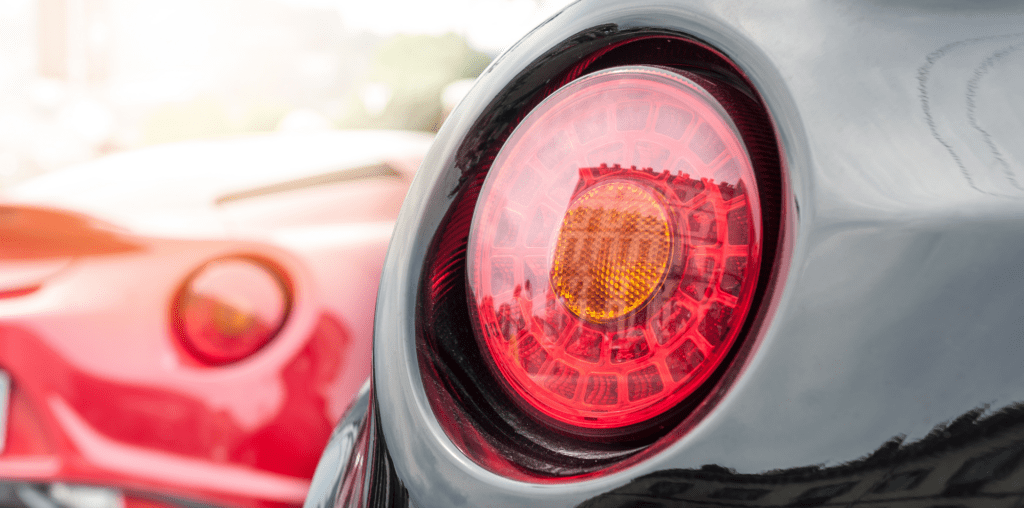
1) Lights: test functions, not just “on.”
- Headlights: low beam and high beam.
- Turn signals: front and rear; confirm flash rate is normal.
- Brake lights: press the pedal (use a reflection or a helper).
- Hazard lights and reverse lights.
2) Lenses: clarity and moisture. Cloudy lenses reduce output. Moisture inside a lens can signal a seal problem. Clean lenses gently; if clouding is severe, consider a restoration kit.
3) Headlight aim (quick sanity check): if the road seems dimmer than usual or drivers flash you often, your lights may be mis-aimed. A simple wall check can reveal obvious misalignment.

4) Wipers: streaks, chatter, and missed areas.
- Look for cracking or tearing along the rubber edge.
- Test in light spray: if it streaks repeatedly, replace.
- Clean the windshield and wiper edge; sometimes grime is the culprit.

5) Washer jets: aim and flow. If spray is weak or mis-aimed, clean the nozzle opening gently. This is one of the highest “effort-to-safety” wins in your monthly routine.
Video guide (optional): If you prefer a visual walkthrough for quick DIY tasks like wipers, this can help you move faster and avoid small mistakes.
How do you spot early warning signs under the hood?
You spot early warning signs under the hood by looking for corrosion, loose connections, worn belts and hoses, and new wet spots—because many reliability failures start as visible “small clues” weeks before the car stops.
Next, you’ll connect what you see to a simple response: clean/tighten now, monitor next month, or schedule service.

1) Battery terminals and clamps.
- White/blue powdery buildup suggests corrosion.
- Gently check if the clamps are tight (no wiggle).
- If corrosion is present, clean it with proper precautions (gloves/eye protection) and confirm the connection is secure.
2) Belts (visual check).
- Look for cracking, glazing (shiny surface), fraying edges, or missing ribs.
- Listen during startup for persistent squeal (belt slip or tensioner issues).
3) Hoses (visual + touch when cool).
- Look for bulges, cracks near clamps, or wetness.
- Coolant crust or staining around joints can indicate slow leaks.
4) Air filter quick check. A dirty engine air filter can reduce airflow and efficiency. If your design allows, pop the airbox and inspect; if it’s visibly loaded with debris, plan a replacement according to your schedule and driving conditions.
Cabin air filter reminder: if you drive in dusty areas or heavy traffic, your cabin filter may clog faster than you expect. In the long run, replacing it on schedule supports comfort and HVAC performance.
5) New wet spots or smells.
- Oil: dark brown/black, slick; may appear under the engine area.
- Coolant: often bright colored, sweet smell.
- Brake fluid: clear to amber, slippery, often near wheels if leaking.
Quick “Act vs. Monitor” guide:
- Act: active dripping, burning smell, belt fraying, coolant loss, loose battery terminal.
- Monitor: light dust on terminals, minor staining that doesn’t grow, stable fluid levels.
How do you use your monthly checklist to decide what to fix first?
You use your monthly checklist to decide what to fix first by ranking findings by safety, speed of deterioration, and cost of delay—because not every issue needs same-day attention, but some should never wait.
Next, you’ll convert notes into an action plan you can actually follow, instead of a list that keeps growing.
Priority Tier 1: Safety now.
- Brake warning light, brake pedal changes, obvious brake fluid drop.
- Tire bulge, cords showing, rapid pressure loss, severe vibration.
- Headlights/taillights not functioning or extremely dim.
Priority Tier 2: Reliability this week.
- Coolant level repeatedly near MIN or signs of a slow leak.
- Battery corrosion that is increasing or starting issues.
- Belt cracking/fraying, hose swelling, new fluid spots that grow.
Priority Tier 3: Efficiency and comfort this month.
- Dirty air filter, wipers streaking, washer spray weak.
- Minor tire wear trends that suggest alignment soon.
- Cabin filter and interior comfort items (if not urgent).
The “two-month rule”: if the same item shows up as “Monitor” for two consecutive months, upgrade it to “Act” unless you have a clear, verified reason not to. This prevents slow problems from becoming normal background noise.
Where the extra checklists fit: your monthly routine is the foundation, while a basic car maintenance checklist can be your shorter weekly glance (tires + lights), and a pre-event list can be more detailed when you need higher confidence before long driving.
How do you track a monthly car maintenance checklist without overthinking it?
You track a monthly car maintenance checklist by recording a few stable numbers (tire PSI, tread depth, and fluid levels) plus one sentence about drive feel—because consistent tracking reveals trends that one-time checks can’t.
Next, you’ll keep your system lightweight so you maintain it for years, not weeks.
Track only what changes:
- Tires: PSI per tire + quick note on tread or uneven wear.
- Fluids: “between MIN/MAX” is enough—unless you suspect a problem.
- Lights/wipers: pass/fail, plus which bulb/wiper size you used if replaced.
- Drive feel: one sentence (e.g., “slight pull right at 60 mph”).
Make your checklist reusable: write it as a monthly template with a check box, then add a tiny “notes” line for anything unusual. The checklist becomes your car’s story.
Use photos strategically: when you see something you can’t interpret (belt surface, hose swelling, battery corrosion), take a photo from the same angle each month. Consistency turns uncertainty into clarity.
Don’t let perfection stop action: if you’re unsure about one item, still finish the checklist. The purpose is momentum—then you investigate the one unknown separately.
To make the next step even more practical, let’s set a contextual border and look at how monthly routines change with climate and driving style.
Contextual border: The checks above are your “baseline monthly system.” Below, we’ll adapt that system for different environments and use cases so your results stay accurate year-round.
How should you adapt monthly maintenance to seasons and driving style?
You should adapt monthly maintenance to seasons and driving style by adjusting what you emphasize—tires and battery in cold weather, cooling and fluids in heat, and visibility items in wet seasons—because environmental stress changes what fails first.
Next, you’ll map your monthly baseline to add-on checks that match your real driving, not a generic schedule.
What changes in hot climates and stop-and-go traffic?
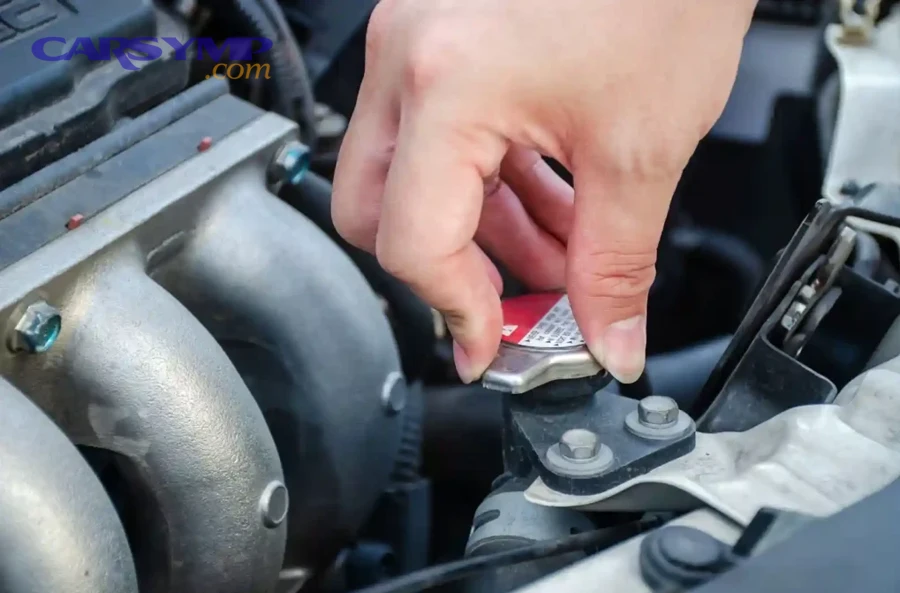
In hot climates and heavy traffic, focus on coolant stability, hose condition, and fan/AC performance because heat accelerates fluid breakdown and exposes weak points in the cooling system.
Next, if you notice the temperature gauge behaving differently than usual, treat it as an early signal rather than waiting for a full overheating event.
- Check coolant reservoir level monthly with extra attention to any drop.
- Scan for crusty residue at hose connections and the radiator area.
- Watch for sweet smells after parking—often an early leak clue.
What changes in cold weather and snow regions?
In cold weather, prioritize tire pressure swings, battery condition, and washer fluid choice because temperature drops can lower PSI, strain starting power, and reduce visibility quickly.
Next, add a quick “cold start note” to your monthly log—slow cranking can precede a dead battery.
- Re-check tire PSI more carefully; it may drift lower as temperatures fall.
- Inspect terminals for corrosion and ensure clamps are tight.
- Use appropriate washer fluid to prevent freezing and improve cleaning.
What changes for short trips versus highway commuting?
For short trips, emphasize oil condition cues and moisture-related issues because the engine may not reach full operating temperature long enough to evaporate condensation.
Next, use your notes to spot patterns—like recurring milky residue under the oil cap—then confirm with a professional if it persists.
- Track oil level and any unusual color/appearance changes.
- Pay attention to musty odors (cabin filter and HVAC moisture).
- Ensure brakes feel consistent; short trips can hide gradual change.
How do you extend the monthly system before long travel?
Before long travel, extend your monthly routine with extra tire, fluid, and lighting checks because sustained speed and distance amplify small issues.
Next, treat this as a Pre-road-trip inspection checklist: it’s the same foundation, just with tighter pass/fail rules and less tolerance for “Monitor.”
- Confirm spare tire condition and pressure if accessible.
- Verify all exterior lights and carry spare bulbs if your car uses common types.
- Check wiper performance and top off washer fluid.
- Confirm fluid levels are stable (no unexplained drops).
Seasonal note: think of these add-ons as your Seasonal maintenance checklist layer—built on top of your monthly baseline so you don’t reinvent the system four times a year.
FAQs about monthly car maintenance
These FAQs answer common “what if” questions that come up when people start doing a monthly car maintenance checklist consistently, especially when they’re building the habit for the first time.
Next, use the answers as decision rules—so you spend less time guessing and more time finishing the checklist.
Is a monthly checklist too often for modern cars?
No—monthly is a practical frequency because it’s short enough to catch slow leaks and wear trends, yet not so frequent that you burn out. The key is keeping the checklist lightweight and consistent.
What if my tire pressure keeps dropping in one tire?
If one tire keeps dropping, treat it as a leak until proven otherwise: check the valve stem, tread area (nails/screws), and bead area. Inflate, re-check in a week, and repair if it repeats.
Do I need to top up fluids every month?
No—most months you should only confirm levels are stable. Frequent top-ups can hide a leak. If you must top up repeatedly, log it and investigate the cause.
How do I organize my maintenance notes if I’m a beginner?
Use a simple basic car maintenance checklist format: checkboxes plus three numbers (tire PSI, tread depth, and oil level status). Add one sentence about drive feel. That’s enough to create useful trends without overwhelm.