


A car battery that “dies” after sitting a few days is almost never random; it’s usually a predictable loss of usable capacity caused by an abnormal key-off drain, a weakened battery, or a charge deficit that never gets fully recovered.
To narrow it down, you need to separate three look-alike problems: energy leaving the battery while parked, energy never fully returning after driving, and a battery that cannot hold energy even when charged.
Once you know which bucket you’re in, you can test the likely culprits—starting with the fastest checks that don’t require parts swapping or guesswork.
Next, “Giới thiệu ý mới”: you’ll use a simple sequence of measurements and observations to go from symptoms to a specific circuit, connection, or component.
Why does a battery die after sitting a few days even if the car drove fine?
It happens because the battery’s usable charge drops below the “no-start” threshold while parked—most often from parasitic draw, incomplete recharging, or reduced battery capacity from age or damage.
To start, think in energy: if you identify where the amp-hours are going, you can stop chasing “mystery drains” and fix the real cause.
What “no-start” really means in practical terms
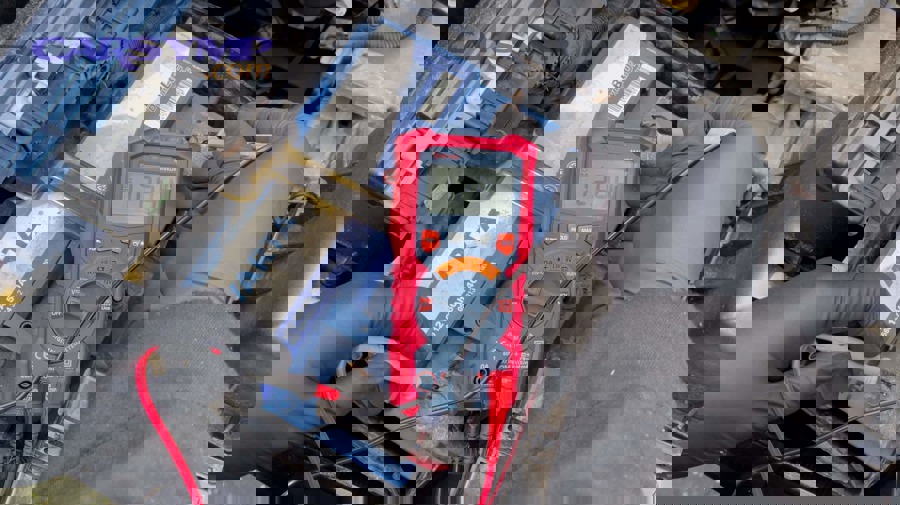
A battery can still show some voltage and yet not crank, because the starter demands high current and the battery’s remaining capacity (and internal resistance) may be too poor to deliver it at that moment.
Specifically, a battery might read “not dead” on a quick glance, but be effectively dead under load—especially in cold weather or with a high-compression engine.
According to research from AAMCO University materials (Delphi training), the battery may reach a no-start condition after roughly 40% of available amp-hours are used, even though it is not fully discharged.
Three buckets that explain almost every “dies after days” complaint
There are three main buckets: (1) excessive key-off electrical drain, (2) battery not fully recharged during normal driving, and (3) battery capacity loss (aging, sulfation, or an internal fault).
Next, you’ll test in that order because it’s the fastest way to avoid replacing a good battery or missing a hidden drain.
How to estimate whether “a few days” points to drain vs capacity
If the battery is healthy and fully charged, a typical parked vehicle should last much longer than a few days; dying in 48–96 hours strongly suggests either a higher-than-normal draw or a battery with reduced capacity.
For example, even “normal” self-discharge is usually measured in % per month, not % per day—so a rapid drop usually has an external cause.
How much battery drain is normal when a car is parked?
Normal key-off drain is small and stabilizes after modules go to sleep; if it stays high, the battery can be pulled down in days rather than weeks.
To begin, you’ll compare your vehicle’s stabilized draw to common “rule-of-thumb” ranges and manufacturer-style guidance.
Normal “sleep” current vs abnormal draw
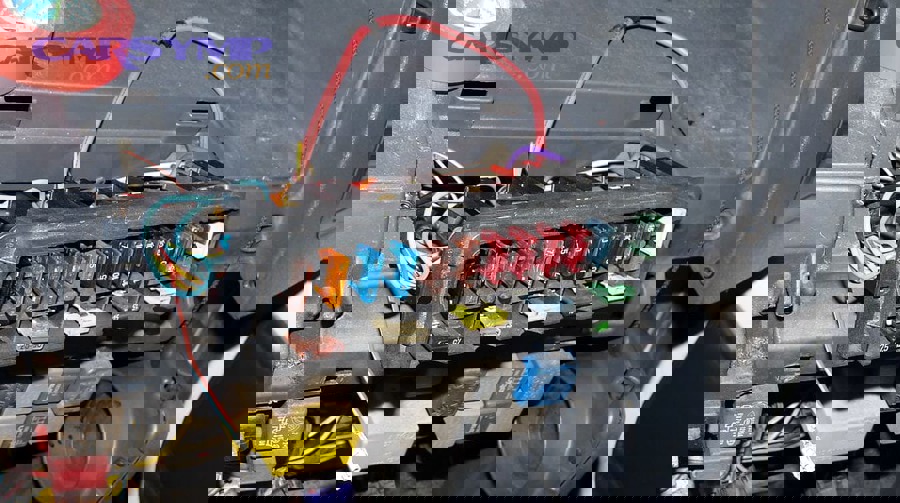
Many modern vehicles take time to power down; once asleep, the draw should settle to a low, steady value rather than bouncing or staying elevated.
According to a GM TechLink bulletin-style publication, after modules are asleep, amperage should drop to a stable value under about 20 mA; if it’s around 40 mA or higher, further diagnosis is recommended.
Rule-of-thumb ranges you’ll see in real diagnostics
Different sources cite different “normal” ranges depending on vehicle features, but the pattern is consistent: low tens of milliamps is typical; sustained higher draw shortens parked time dramatically.
According to AAMCO University training material, a “maximum rule of thumb” recommended parasitic drain is around 30 mA, and a typical drain often falls into the 7–12 mA range (with some luxury vehicles approaching the maximum).
Why small numbers still matter over days
Even a draw that looks tiny can become a large amp-hour loss over time. For example, dividing usable battery capacity (Ah) by draw (A) estimates time-to-no-start in a simplified way.
According to a parasitic current draw guide (Forza Componenti), the calculation approach is to divide battery capacity by the parasitic draw to estimate duration; it also notes that once the battery drains to roughly 40% capacity, a no-start becomes likely.
How do you test for parasitic draw without waking up the car’s electronics?
You test parasitic draw by measuring key-off current only after the vehicle is truly asleep, then isolating the circuit that changes the draw when removed from the system.
Next, you’ll focus on setup—because the most common mistake is measuring while modules are still awake and chasing a false “drain.”
Step 1: Put the vehicle into a real sleep state
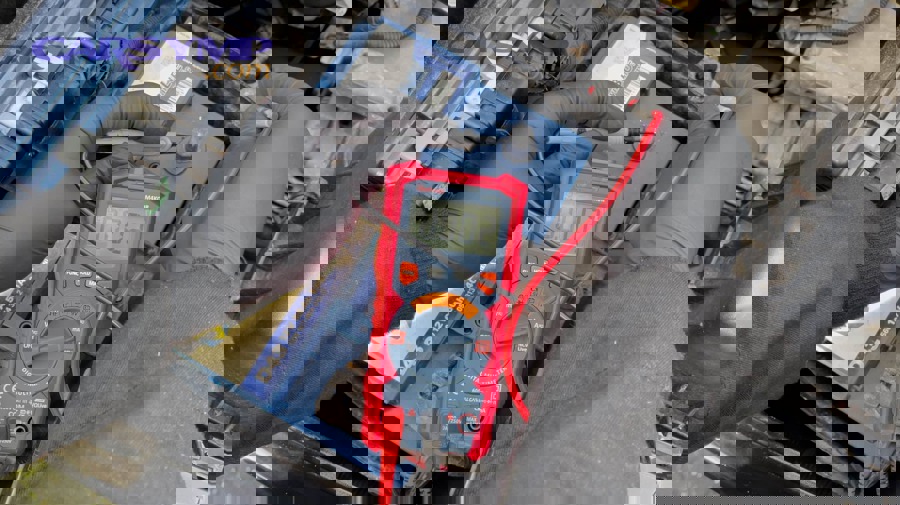
Turn everything off, close doors (or manually latch them), keep the key fob away, and wait long enough for modules to power down—often 10–45 minutes depending on the car.
In practice, modern vehicles can wake from door handles, proximity keys, telematics pings, or infotainment activity, so your waiting period matters.
GM’s guidance emphasizes setting up the test so modules can sleep and monitoring current after approximately 10 minutes for a stable value, with additional steps if the value remains high.
Step 2: Measure current safely (amp clamp preferred)
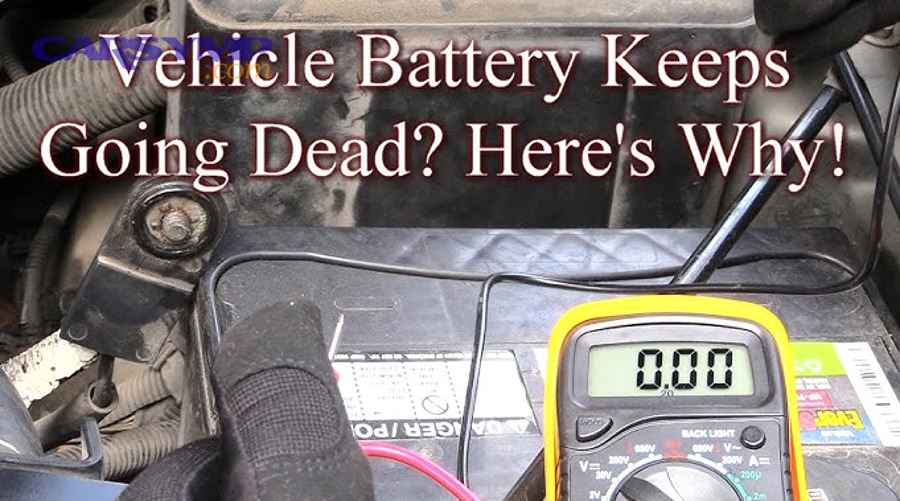
An inductive amp clamp that can read milliamps is the cleanest method because you don’t break the circuit; a multimeter in series works, but it’s easier to blow a meter fuse or wake modules by disconnecting the battery.
To avoid damage, start on a high amp range and step down only when you’re confident the draw is low and stable.
Step 3: Isolate the circuit with fuse-by-fuse testing
Once you confirm an abnormal stabilized draw, isolate by pulling one fuse at a time (or using a voltage-drop-across-fuse method when available) and watching for a meaningful drop in current.
Specifically, GM notes service information may include fuse voltage-drop tables and a method to identify which fuse block and fuse shows a draw signature.
Common “hidden” drains that mimic a parasitic draw
Courtesy lights, glove box/trunk lights, stuck relays, aftermarket accessories, and modules that never sleep can all create a steady drain. In other cases, the car wakes repeatedly—making the current look like “spikes” rather than one flat number.
To connect this to real-world symptoms, this is when owners often describe that the battery keeps dying even after a recharge—because the drain continues every night.
Watch a quick demonstration (video)
How do you tell if the battery itself is weak rather than a drain?
You confirm battery health by fully charging it, checking resting voltage behavior, and testing under load; a battery can look “charged” yet fail because it can’t sustain current or hold capacity.
Next, you’ll separate a truly bad battery from a battery that’s simply undercharged due to driving patterns or a charging issue.
Start with a full charge, then let it rest
Charge the battery with an external charger until it reaches full charge, then let it rest with the vehicle off so surface charge dissipates; then measure open-circuit voltage and watch how quickly it drops over 24–72 hours.
If the battery self-discharges rapidly even when disconnected, that points to internal problems rather than a vehicle drain.
Use a simple table to interpret resting voltage trends
This table helps you translate a resting voltage pattern into a likely next test, so you don’t guess what “12.x volts” means in context.
| Resting behavior after full charge | What it suggests | Best next step |
|---|---|---|
| Holds steady for days | Battery likely OK | Focus on parasitic draw / charging system |
| Drops quickly even disconnected | Internal self-discharge / battery damage | Load test; check for warranty replacement |
| Looks OK at rest but fails cranking | High internal resistance / weak capacity | Professional conductance or load test |
Bad cell vs “weak charging” confusion (and how to avoid it)
Many owners get stuck in a loop of recharging and replacing parts because the symptoms overlap; the only way out is measurement that clearly separates capacity loss from charge deficit.
In the language people search for, this is the heart of Bad battery cell vs weak charging diagnosis: a bad cell often fails a load/conductance test even when charged, while weak charging leaves the battery chronically underfilled but otherwise capable.
Self-discharge is real, but it’s usually slow
Lead-acid batteries naturally self-discharge, and heat accelerates it; however, normal self-discharge alone rarely kills a healthy car battery in just a few days.
According to EnerSys Hawker training content, flooded-cell batteries self-discharge about 3% per month at 77°F while AGM can be around ~1% (with the rate doubling with temperature increases).
How do you check whether the alternator is recharging the battery properly?
You verify charging by measuring system voltage while the engine runs and by confirming the battery recovers after starts and short drives; low or unstable charging leaves the battery underfilled and vulnerable to dying while parked.
Next, you’ll connect charging voltage to real-world habits—because a “fine while driving” car can still be slowly starving the battery.
What “normal charging voltage” typically looks like
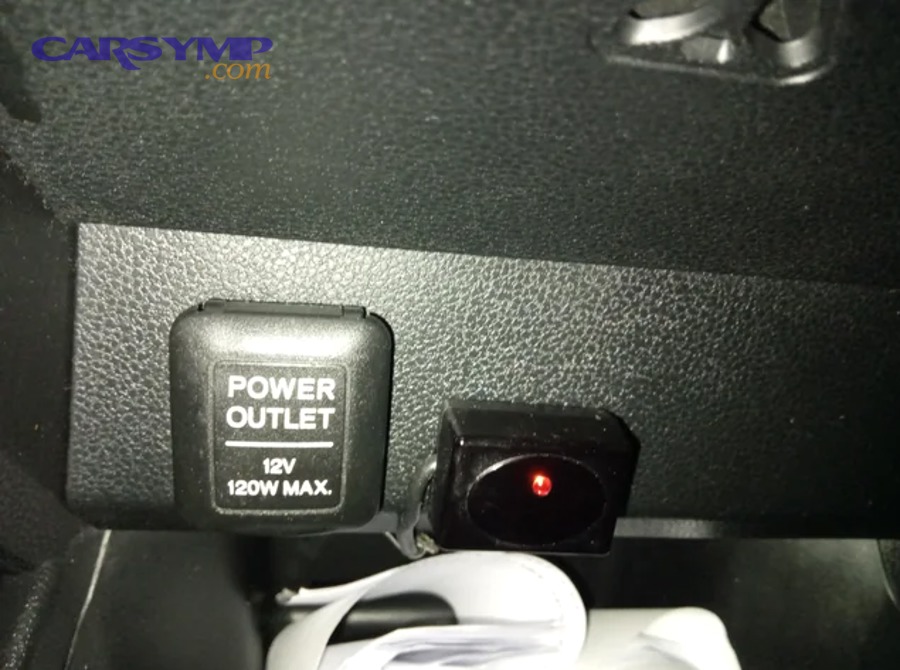
Most vehicles charge above resting voltage; if you see a running voltage that is too low or erratic, the battery may never reach full charge even after daily driving.
According to an automotive charging system study in MATEC Web of Conferences, typical charging system voltage regulation is around the mid-14V range (commonly cited near 13.8–14.4 V for regulated systems), depending on design and conditions.
Why short trips create a charge deficit
Starting draws a large burst of energy; if the vehicle runs for only a short time afterward, the battery may not fully recover—especially with headlights, defroster, heated seats, and accessories running.
EnerSys Hawker material even provides recommended minimum run-time guidance by temperature (longer in colder conditions), reflecting the reality that starts are expensive and recovery takes time.
Use a practical checklist mindset (without guessing)
If you’re stuck, treat it like an Alternator vs battery vs parasitic draw checklist: confirm full charge, confirm key-off draw, confirm running voltage and recovery, then decide which leg fails the evidence.
In other words, don’t replace the alternator because the battery died once; replace it only if charging behavior proves it can’t maintain system voltage or replenish the battery.
Alternator diode leakage can mimic a parked drain
An alternator with a diode fault can create a reverse drain path that discharges the battery while the engine is off, even if the alternator still “sort of charges” while running.
That’s why an abnormal parasitic draw test should include checking the alternator circuit during isolation steps, not only interior electronics.
Can corrosion, loose terminals, or bad grounds cause a battery to die after days?
Yes—poor connections and bad grounds can make charging ineffective and starting inefficient, which behaves like a “mystery drain” because the battery never truly returns to full usable capacity.
Next, you’ll look for resistance problems because they can hide in plain sight and create intermittent symptoms.
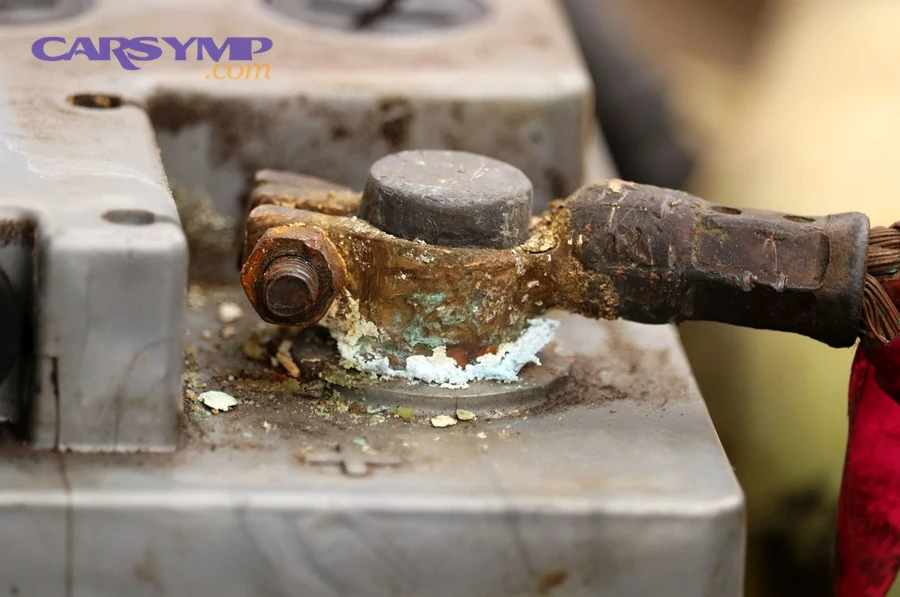
How resistance problems imitate a weak battery
Corrosion at terminals, loose clamps, and degraded cables increase resistance, reducing charging current into the battery and reducing effective cranking power out of the battery.
So the battery may be “fine,” but the system around it wastes voltage and heat—making it act dead sooner.
Quick checks that take minutes
Inspect and clean terminals, confirm clamps are tight, check for green/white powdery corrosion, and verify grounds are secure at both battery-to-body and engine-to-body points.
To connect symptoms to action, this is where many “dies after a few days” cases are fixed without any electrical detective work—because the root cause was poor contact.
Voltage drop testing as the proof step
If you have a meter, voltage-drop testing under load (cranking or high electrical demand) can reveal resistance that a simple “looks tight” inspection misses.
When resistance is high, the alternator may show “normal voltage” at its output while the battery still doesn’t receive adequate charging—so measuring at the right points matters.
What conditions make a battery lose charge faster while parked?
Heat, cold starts, infrequent driving, and long accessory use without sufficient recharge all reduce the margin a battery has, so normal key-off loads become enough to cause a no-start in a few days.
Next, you’ll match your real usage pattern to how batteries actually lose usable capacity over time.
Temperature accelerates discharge and reduces starting ability
Higher temperatures speed self-discharge and chemical activity; lower temperatures reduce available starting power and increase the engine power needed to crank.
According to EnerSys Hawker training content, self-discharge roughly doubles with each ~15°F increase, and it provides example percentages showing faster losses at higher storage temperatures.
Storage self-discharge ranges (AGM/GEL example)
Self-discharge varies by battery type and temperature; if you store a vehicle for long periods, even a disconnected battery will drift downward over months.
According to Discover Battery, AGM and GEL batteries can self-discharge between about 1% and 15% per month depending on temperature, with example ranges like ~3–4% per month near 20°C/68°F and higher at hotter storage temperatures.
Short trips and accessory-heavy driving create chronic undercharge
If most drives are short, the battery may spend its life partially charged; partial state of charge promotes sulfation and reduces usable capacity, making “a few days parked” more likely to become “no-start.”
In real terms, your car can feel reliable day-to-day and still be living on a shrinking battery margin.
When should you replace the battery, cables, or get professional diagnosis?
You replace parts when testing shows the battery cannot hold capacity, the charging system cannot recover the battery, or key-off draw is excessive and you need deeper circuit-level isolation beyond basic checks.
Next, you’ll use decision rules so you spend money once—on the correct fix.

Replace the battery when capacity is proven bad
If a fully charged battery fails a proper load or conductance test, or it self-discharges rapidly even when disconnected, replacement is justified.
Also consider age: many starting batteries lose meaningful capacity after years of heat cycles and vibration, even if they “work” until they suddenly don’t.
Replace cables/terminals when resistance or heat damage is evident
Swollen, stiff, oil-soaked, or visibly corroded cables can create voltage drop that mimics a battery problem; if cleaning and tightening doesn’t stabilize performance, replacement is often the correct move.
That decision is even clearer if voltage-drop testing under load points to the cable path rather than the battery itself.
Escalate to a shop when draw isolation becomes time-expensive
If your stabilized draw is clearly above normal and pulling fuses doesn’t quickly isolate it, professional methods like low-amp clamps, fuse voltage-drop tables, and module sleep diagnostics can save hours.
GM’s published parasitic draw guidance reflects that setup and systematic isolation are key, and service information may include specific fuse drop references to pinpoint the circuit.
What should you do after a dead battery jump-start to prevent it from happening again?
You should jump-start safely, let the vehicle stabilize, confirm charging, and then test for the underlying cause—because a jump-start is a recovery step, not a diagnosis.
Next, you’ll treat the event as data: the way the battery behaves immediately afterward helps reveal whether you’re dealing with a drain, a charging issue, or a failing battery.
Safe connection order and safety habits
Wear eye protection, keep sparks away from the battery top, and connect positive to positive first; connect the final negative to a solid engine/chassis ground point away from the battery when using donor cables.
Once started, don’t immediately turn on heavy loads; let the engine idle briefly so voltage stabilizes.
Confirm the car is actually charging after the start
Measure system voltage at the battery with the engine running; if it stays near resting voltage or fluctuates wildly, you likely have a charging problem that will repeat the dead-battery event.
This is the practical follow-through many people miss when searching How to jump-start safely and what to do next: the “next” is verifying charging and then testing draw or battery health.
Do not assume driving “fixed it”
Driving can partially recharge, but if the battery was deeply discharged, it may need an external charger to return to a true full charge; otherwise, you risk living in a permanent undercharge state that makes future no-start events more likely.
So, after a jump, recharge fully, then run the tests above to stop the cycle.
Contextual border: If the core tests above look normal—stable low draw, good charging voltage, clean connections—yet the battery still dies after a few days, the next section covers less common (but repeatable) causes and how to confirm them without guesswork.
Less common causes that still kill a battery in a few days
These causes are less frequent, but when present they create repeatable patterns—often “normal sometimes, dead sometimes”—that basic checks can miss unless you test at the right moment.
Next, you’ll focus on unique triggers, component leakage paths, and the normal-vs-abnormal contrast that points to a diagnosis.

Alternator diode leakage (charging by day, draining by night)
A leaky diode can allow reverse current flow when parked. If your draw drops significantly when the alternator circuit is isolated, that’s a strong clue.
In practice, this sits at the “abnormal” end of the normal/abnormal spectrum: a vehicle can show acceptable running voltage but still have a hidden parked drain path through the alternator.
Keyless entry proximity and repeated wake-ups
Some vehicles wake frequently if a key fob is too close, if approach sensors trigger, or if modules never fully sleep due to network activity; your meter may show periodic spikes that average out deceptively.
GM’s setup guidance explicitly mentions moving the key fob a safe distance because it can wake the vehicle depending on approach detection.
Aftermarket accessories and add-a-fuse wiring mistakes
Dash cams, trackers, stereo amps, remote starts, and USB adapters can be wired to constant power unintentionally or can fail to enter sleep mode, creating a steady drain.
A clean isolation test often reveals these quickly: when you pull the accessory fuse or disconnect the accessory feed, the stabilized draw drops.
Battery type mismatch or incorrect charging profile
Installing AGM where the vehicle expects flooded (or vice versa) can matter on smart-charging systems; if the charging strategy doesn’t match the battery, the battery may chronically undercharge and lose capacity faster.
This is a “hyponym” style trap: the word “battery” hides subtypes that behave differently under the same vehicle strategy, so matching spec matters.
FAQ
How long should a healthy car battery last when parked?
There isn’t one universal number, but a healthy, fully charged battery with normal stabilized key-off draw should last far longer than a few days; if you’re seeing 2–4 days repeatedly, testing for abnormal draw or reduced capacity is warranted.
Is it normal for modern cars to draw current when off?
Yes. Memory functions, security, and modules draw small current after shutdown, then should settle to a stable low value once asleep; persistent higher draw suggests a problem.
Can a new battery still die after a few days?
Yes—if the vehicle has an abnormal key-off drain, if the battery is never fully recharged, or if the battery was damaged by deep discharge or incorrect charging. A “new battery” doesn’t fix a drain.
Should I disconnect the battery to stop the problem?
Disconnecting can prevent vehicle drain during storage, but it doesn’t diagnose the cause; it also may reset modules. If the battery still drops quickly while disconnected, the battery itself is suspect.