


Primary intent: A practical, bring-it-with-you checklist for a first visit to an auto repair shop.
Secondary intents: Avoid delays, describe symptoms clearly, understand estimates, and protect warranty/insurance coverage.
For what to bring for a first visit, the goal is simple: arrive with the right information and items so the shop can diagnose faster, quote accurately, and get your approval without repeated calls.
Many first-time customers lose time because they can’t confirm vehicle details, can’t describe when the problem happens, or don’t have access to past service history when the technician asks for it.
You can also reduce “surprise” charges by bringing what supports a clear estimate—your priorities, your timeline, and the proof a shop needs to honor warranties or process insurance-related work.
Giới thiệu ý mới: Below is a structured, real-world checklist you can follow in minutes, plus what to add for special cases.
What information should you bring to explain the problem accurately?
Bring a clear symptom story—what happens, when it happens, and what changed recently—because accurate context is the fastest path to an accurate diagnosis. Next, turn that story into a short note you can hand to the service advisor.
Write a “when/where/how” symptom note in 60 seconds
Use one short paragraph that answers: When does it happen (cold start, highway speed, braking)? Where do you notice it (front left, steering wheel, under hood)? How does it feel/sound (grinding, vibration, pull, smell)? After that, add one transition line that sets up your goal: “I’d like a diagnosis and options before any major repairs.”
- Timing: first start of the day, only after driving 15 minutes, only in rain, only on hills
- Triggers: turning, braking, accelerating, idling, AC on/off, headlights on
- Severity: mild/noticeable/severe; intermittent vs constant; getting worse
- Safety flags: loss of braking, overheating, smoke, stalling, sudden warning lights
To keep the conversation efficient, end the note with what you want: “Please prioritize safety and reliability; call me if the quote changes.”
Bring short media proof: photos, videos, and dashboard light snapshots
A 10–20 second video can save a long explanation—especially for noises, intermittent vibrations, or startup behaviors. Next, take a photo of your dashboard warning lights and your odometer, so the shop can record mileage and align recommendations to service intervals.
- Video the sound from inside and outside the car (if safe), then note the speed/conditions.
- Photo any leaks on the ground and where the car was parked.
- Snapshot the dash lights with the engine on (or at least ignition on).
Bring recent changes and prior attempts (even if they “didn’t work”)
If you recently replaced a battery, installed new tires, used fuel additives, or tried a DIY fix, tell the shop—those details can change the diagnostic path. After that, list prior repairs related to the same system (brakes, cooling, steering), because repeat issues often connect to earlier parts or workmanship.
The point is not to self-diagnose; it’s to give technicians the timeline they need to avoid guessing.
Theo nghiên cứu của Intermaco Auto Service từ bộ phận Service Tips, vào 10/2025, nội dung hướng dẫn nhấn mạnh việc ghi lại triệu chứng và bối cảnh xảy ra giúp giảm hiểu nhầm khi tư vấn chẩn đoán ban đầu.
Which documents and identifiers do shops typically ask for at check-in?
Bring basic ownership and contact identifiers—they enable check-in, test drives, estimates, and warranty paperwork without delays. Next, organize them so you can hand them over in one minute.

Driver’s license, registration, and insurance card (or digital equivalents)
Many shops need your ID for test drives, and your registration for correct vehicle info. Next, keep digital backups on your phone, but bring the physical cards if you have them—front desks often copy details quickly.
- Driver’s license: helpful for authorization and any courtesy vehicle paperwork
- Registration: confirms VIN, plate, make/model/year, and legal ownership link
- Insurance card: essential if you suspect collision/road hazard involvement or want to confirm coverage details
Vehicle identifiers: VIN, mileage, and trim details
Even small trim differences can change parts and labor. Next, bring the VIN (photo is fine), your current mileage, and any key options (turbo vs non-turbo, AWD vs FWD, engine size) if you know them.
- Take a photo of the VIN plate (often at the windshield base on the driver’s side).
- Write down mileage before arriving so you don’t forget to check it.
- If your car has special packages (tow, sport, hybrid), mention them.
Contact preferences and authorization boundaries
Decide how you want approvals handled: phone call, text, or email. Next, set a clear boundary like: “Call me before any work over $X,” or “Proceed only with diagnosis and a written estimate today.”
This protects your budget and keeps the shop from guessing your priorities.
Theo nghiên cứu của HDS Automotive từ Repair Planning Notes, vào 10/2025, hướng dẫn khuyến nghị khách hàng xác định rõ phạm vi chấp thuận (diagnosis trước, sửa sau) để tránh phát sinh ngoài mong đợi.
What should you bring from your maintenance and warranty history?
Bring service history proof—receipts, logs, and warranty details—because it helps the shop avoid duplicate work and strengthens any claim for coverage. Next, choose the smallest set that still tells the full story.
Recent receipts and the “last time this was done” dates
Bring your most recent invoices for oil changes, brakes, tires, battery, alignment, coolant service, or any work related to the current complaint. Next, highlight dates and mileage on each receipt so the advisor can scan quickly.
- Oil service receipt (date + mileage)
- Brake work invoice (pads/rotors/calipers/flush)
- Tire purchase + rotation history
- Battery replacement record (especially on modern vehicles)
- Any diagnostic report or prior estimate for the same issue
A simple maintenance log (paper, app, or spreadsheet)
If you don’t have invoices, a basic log still helps: what was done, when, and where. Next, print one page or show it on your phone—technicians value the pattern more than perfect formatting.
Warranty details and “what coverage applies” notes
If your vehicle is under factory warranty, certified warranty, extended warranty, or a parts warranty, bring the contract or at least the provider name and policy number. Next, note any requirements: pre-authorization, inspection steps, or “use approved shops” rules.
- Factory warranty booklet info (if available)
- Extended warranty provider, phone number, and policy ID
- Any prior authorization emails or claim numbers
Owner’s manual pages related to warning lights and service intervals
Your owner’s manual can clarify what a warning light means and what the manufacturer recommends at your mileage. Next, bookmark the relevant pages on your phone or bring the manual if you keep it in the glovebox.

Theo nghiên cứu của Marble Falls Auto Center từ bài viết “How to find a mechanic”, vào 03/2025, phần khuyến nghị nhấn mạnh việc mang theo hồ sơ bảo dưỡng để kỹ thuật viên hiểu bối cảnh và giảm trùng lặp hạng mục.
What should you remove or prepare inside the car before you hand over keys?
Yes—prepare the car’s interior, because technicians need access and you want to protect valuables and privacy. Next, do a quick “clear-and-confirm” routine so nothing gets lost.
Remove valuables, sensitive documents, and anything you’d hate to misplace
Take out cash, sunglasses, laptops, passports, and any confidential paperwork. Next, remove garage door openers or spare keys you don’t want handled unless necessary.
- Wallets, cash, cards, electronics, jewelry
- Mail with addresses, medical documents, work papers
- High-value accessories (dash cams you don’t want unplugged, premium chargers)
Make access easy: wheel lock key, locking lug nut socket, and special tools
If you have locking lug nuts, bring the wheel lock key—without it, tire/brake work can stop instantly. Next, if you use special adapters (aftermarket wheels, custom bolts), put them in the cup holder with a note.
Provide practical access info: child seats, trunk access, and alarms
If the shop needs trunk access (battery, spare tire, tools), ensure it’s reachable. Next, if your car has a sensitive alarm or “valet mode,” tell them how to avoid triggering it.
Prepare comfort and cleanliness without overdoing it
You don’t need a showroom detail, but clearing floor clutter makes work safer. Next, if there’s a smell issue, avoid air fresheners right before the visit; they can mask diagnostic clues.
Theo nghiên cứu của Intermaco Auto Service từ bộ phận Customer Preparation, vào 10/2025, hướng dẫn nhắc khách hàng dọn đồ cá nhân và chuẩn bị phụ kiện liên quan (như khóa ốc bánh xe) để tránh trì hoãn thao tác kiểm tra.
What questions and decisions should you be ready to make on the spot?
Be ready to choose scope, priority, and timeline—those three decisions shape the estimate and the repair plan immediately. Next, use a short question set that forces clarity without sounding confrontational.
Ask for options: safety-first, reliability, and budget-friendly paths
Shops often can present “must-do now” vs “plan soon” vs “monitor.” Next, ask the advisor to label each item by risk and urgency so you can decide with confidence.
- Safety: “What would you fix first if this were your car?”
- Reliability: “What prevents breakdowns in the next 30–90 days?”
- Budget: “What’s the minimum needed today to drive safely?”
Clarify parts choice: OEM, equivalent quality, or economy
Parts quality affects performance, noise, and longevity. Next, ask what brand/grade they’re quoting, and whether there’s a warranty difference between options.
- “Is this OEM, OEM-equivalent, or aftermarket economy?”
- “What warranty applies to parts and labor for each option?”
- “If the cheaper part fails early, what’s covered?”
Understand diagnostic fees and what they include
Diagnostics can include scan time, testing, and technician labor. Next, ask whether the diagnostic fee is applied to the final repair bill if you proceed.
Confirm the estimate format and approval process
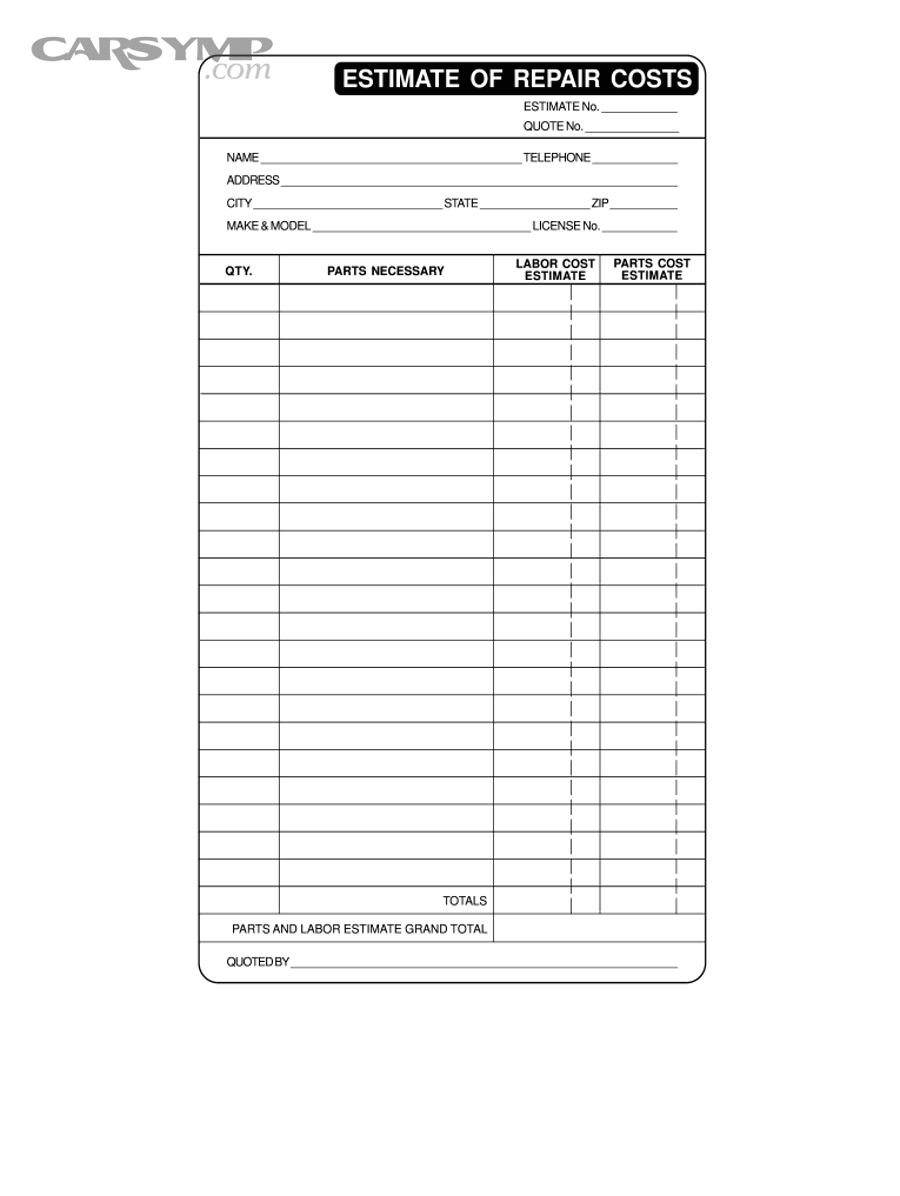
Ask for a written estimate with labor, parts, shop supplies, and taxes itemized. Next, confirm: “No additional work without my approval,” and ensure they know how to reach you quickly.
In your research and internal linking, you might compare pages like “best auto repair shop near me” or guides such as “How to choose the best local repair shop,” but at the counter, your best tool is still a clear approval boundary and a written estimate.
Theo nghiên cứu của HDS Automotive từ Service Communication, vào 10/2025, nội dung khuyến nghị khách hàng yêu cầu báo giá chi tiết và xác nhận quy trình phê duyệt để hạn chế chi phí phát sinh.
What payment, authorization, and communication tools help avoid delays?
Bring payment readiness and a reliable way to authorize work, because repairs stall when the shop can’t get approval or payment confirmation. Next, set up one “fast lane” contact method.
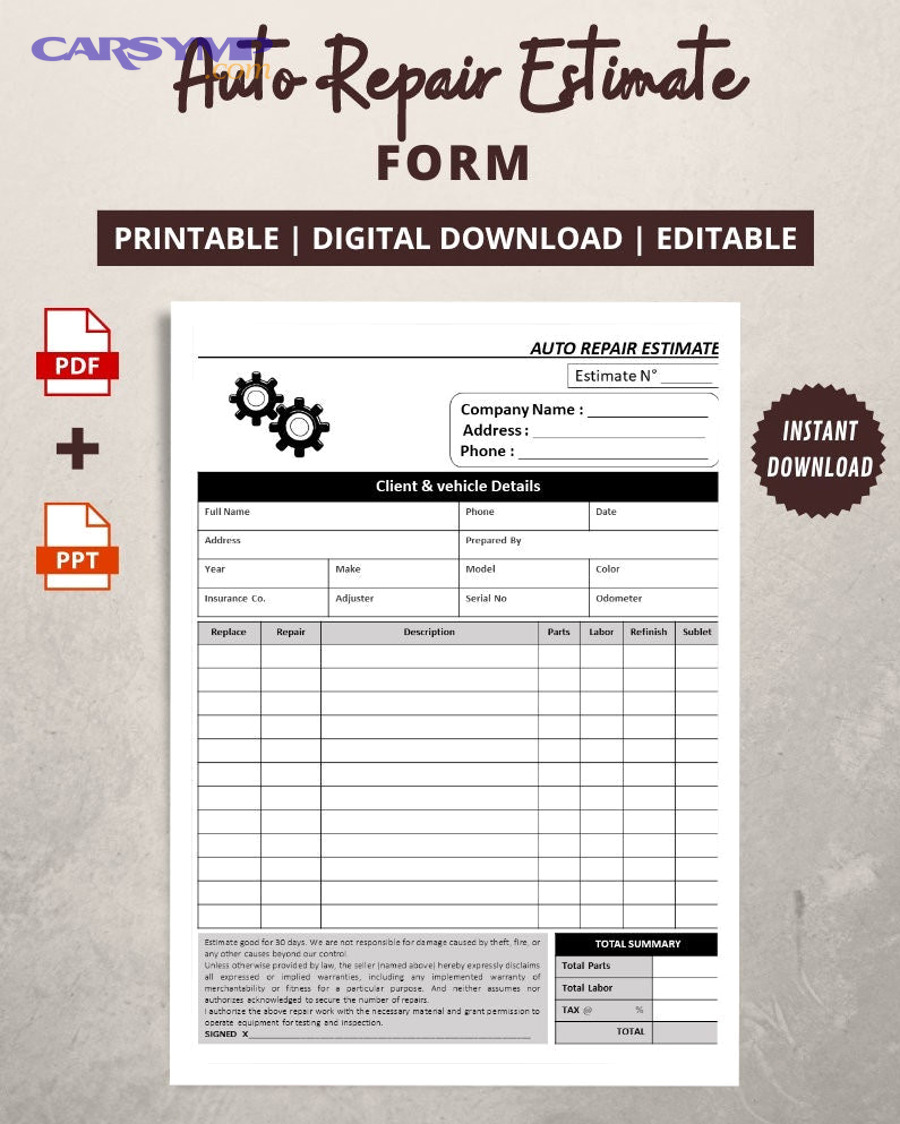
Bring the right payment method for your plan
If you expect a same-day repair, bring a card with enough limit or verify financing options in advance. Next, if you use a fleet account, employer card, or warranty administrator payment, bring the details and authorization contact.
- Credit/debit card; check if the shop charges fees for cards
- Financing approval (if applicable) and required ID
- Extended warranty claim process (who calls whom, and when)
Set communication expectations: photo approvals and status updates
Ask the shop to text photos of worn parts or leaks when possible; it builds trust and speeds decisions. Next, request one update window: “Please update me by 2 PM even if you’re still diagnosing.”
Bring spare keys and plan transportation
If you have a spare key/fob, consider bringing it so you’re not stranded if one key fails. Next, plan your ride: rideshare, friend pickup, shuttle, or rental—because waiting at the shop can push you into rushed decisions.
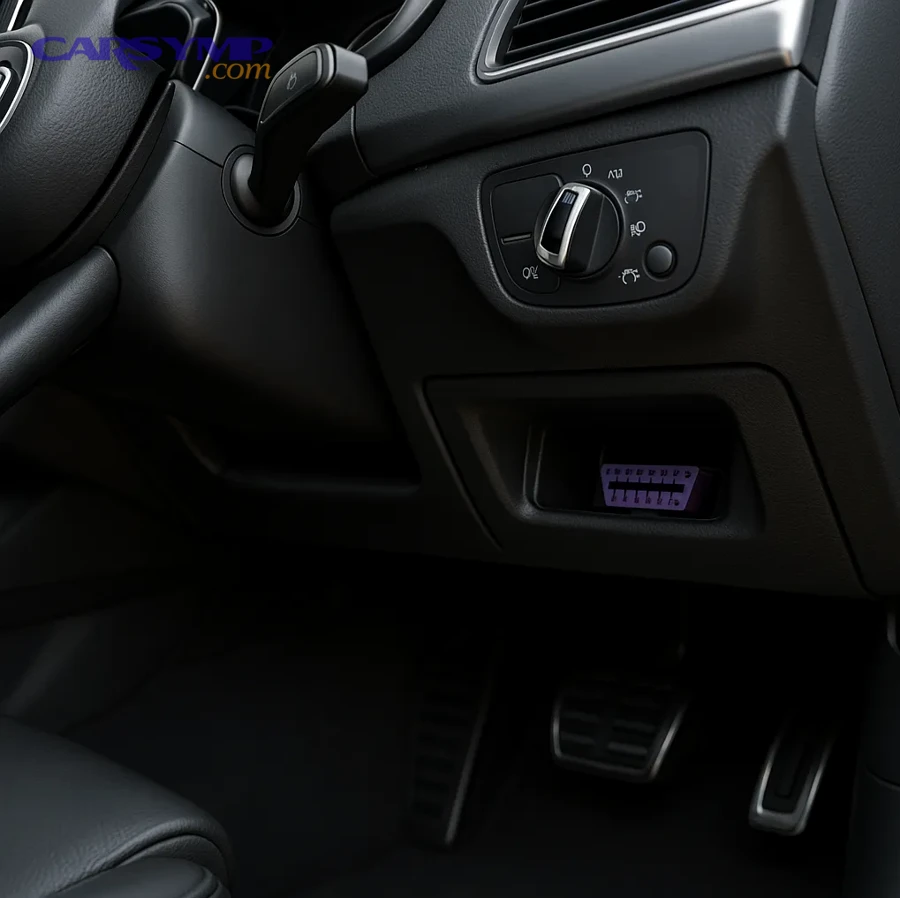
If diagnostics involve scanning, know where the port is (and don’t block it)
Technicians may connect tools to your OBD-II port under the dash. Next, keep that area clear—remove floor clutter and avoid aftermarket covers that make access difficult.
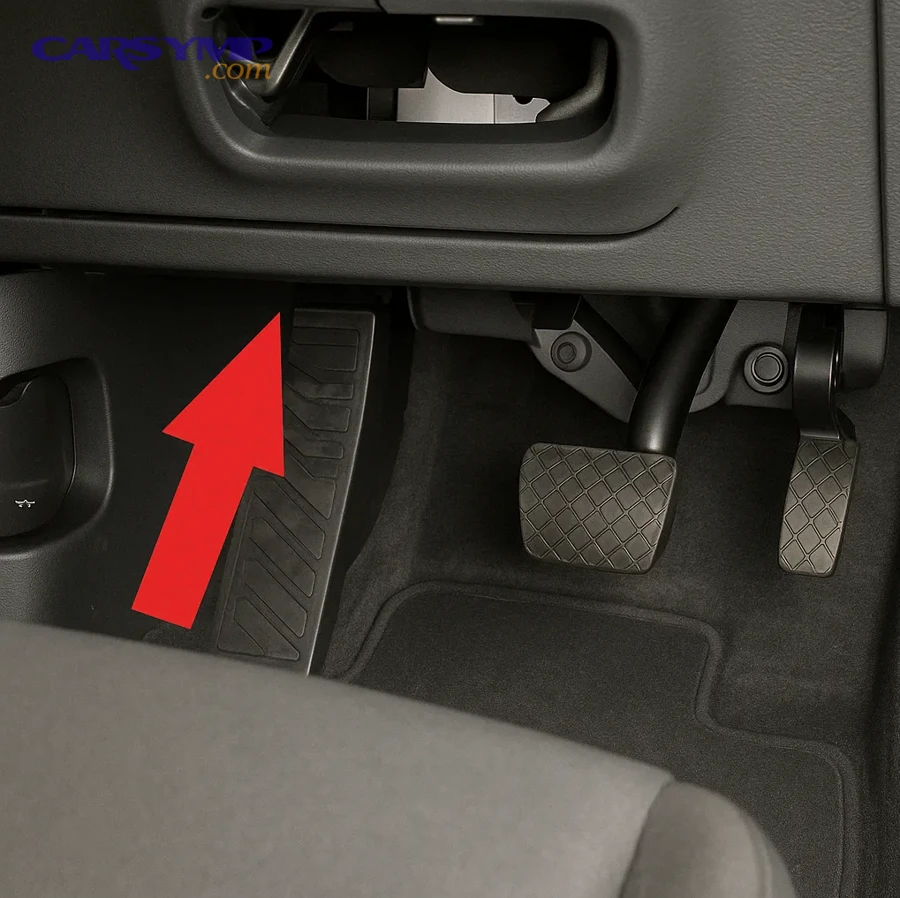
If you’re researching across brands and planning content like “Finding a shop for your car make,” remember that day-of logistics still matter most: a reachable phone, clear approval rules, and a clean access area for diagnostics.
Theo nghiên cứu của Marble Falls Auto Center từ bộ phận Customer Checklist, vào 03/2025, hướng dẫn nhấn mạnh việc chuẩn bị phương án liên lạc và đưa ra nguyên tắc phê duyệt chi phí để tránh trì hoãn khi có phát hiện mới.
How do you organize everything into a 10-minute pre-visit routine?
Use one folder + phone note system in 10 minutes, and you’ll walk in calm, prepared, and hard to upsell. Next, follow these steps exactly once; after that, it becomes your repeatable routine.

Step 1: Make a one-page “visit sheet”
Write: your name, best contact method, vehicle year/make/model, VIN (photo is fine), mileage, and the symptom note. Next, add your goal: diagnosis only, or diagnosis + repair if under $X.
Step 2: Attach proof in the simplest way
Staple or clip the last 2–5 relevant receipts; don’t bring a full binder unless the car has a complex history. Next, keep videos/photos on your phone in one album labeled “Shop Visit” so you can find them instantly.
Step 3: Decide your “triage priority” before walking in
Pick one priority: safety, reliability, cost control, or speed. Next, tell the advisor your priority in one sentence; it aligns recommendations to what you actually value.
- Safety-first: “Fix anything that could make the car unsafe today.”
- Reliability: “Prevent breakdowns; I commute daily.”
- Budget: “I need a plan—what must be done now vs later?”
- Speed: “If it can be fixed today, I want the fastest safe option.”
Step 4: Do a quick vehicle handoff check
Before you give the keys: remove valuables, confirm you have your personal documents, and note fuel level. Next, if you’re concerned about damage disputes, take quick photos of the car’s exterior from all sides.
Step 5: Ask for the next milestone time
Ask: “When should I expect the diagnostic update?” Next, get a specific time—this single detail reduces uncertainty and prevents the frustrating “no news” afternoon.
Theo nghiên cứu của HDS Automotive từ Repair Process Guidance, vào 10/2025, nội dung khuyến nghị khách hàng thống nhất mốc thời gian cập nhật và cách liên lạc để giảm trễ trong quá trình chẩn đoán–báo giá.
Contextual border: You now have the core checklist for nearly every first visit. Next, we’ll expand into rare-but-important situations where the “right thing to bring” changes based on coverage, ownership structure, or modifications.
Special situations and rare items to bring
These are the edge-case items that matter when your situation isn’t typical—warranty administrators, leases, modified vehicles, or insurance claims. Next, choose only the subsection that matches your case.
If you have an extended warranty or third-party coverage
Bring the contract (or screenshots), the claim phone number, and any required authorization steps. Next, ask the shop if they can handle claims directly or if you must call first; this prevents delays after diagnosis.
- Policy number, provider contact, and coverage limits
- Required inspection or teardown authorization rules
- Preferred repair network requirements (if any)
If the car is leased, financed, or belongs to someone else
Bring authorization to approve repairs if you’re not the titled owner, especially for high-cost work. Next, bring the lienholder/lease account info if the repair could impact return condition or required maintenance proofs.
If the vehicle is modified (aftermarket wheels, tunes, lifts, custom electronics)
Bring a simple list of modifications and the installer info if relevant. Next, disclose modifications early; it helps the shop choose compatible parts and avoid misdiagnosing symptoms caused by non-stock setups.
If you suspect collision, road hazard, or insurance involvement
Bring claim details, adjuster contact, and photos of damage. Next, ask whether the shop works with your insurer directly and whether they can provide documentation your adjuster typically requests.
Theo nghiên cứu của Intermaco Auto Service từ bộ phận Claims & Coverage Notes, vào 10/2025, nội dung hướng dẫn nhấn mạnh việc chuẩn bị thông tin bảo hành/bảo hiểm giúp quá trình phê duyệt nhanh hơn khi có bên thứ ba liên quan.
Frequently asked questions
Should I bring the owner’s manual or is a phone photo enough?
A phone photo of key pages is usually enough, especially for warning light meanings and maintenance intervals. Next, if your car has complex systems (hybrid, advanced driver assistance), bringing the manual can speed up clarification during the visit.
Do I need to bring my own OBD scanner results?
You can bring them, but treat them as a clue, not a diagnosis. Next, share the code(s) and the conditions when they appeared; the shop will still confirm with professional testing and manufacturer-level data when needed.
What if I don’t have service records?
Bring your best approximation: dates, mileage, and where work was done. Next, ask the shop to create a baseline inspection plan so you can build a reliable service history going forward.
Is it okay to ask for old parts back?
Yes, it’s reasonable to ask—especially for larger, high-cost parts—unless warranty return rules require the shop to keep them. Next, ask before work starts so the shop can label and retain parts appropriately.
How do I avoid getting pressured into extra repairs?
Use your approval boundary: diagnosis first, then itemized estimate, then decide. Next, request priority labels (must-do now vs plan soon vs monitor) and ask for photos; it turns pressure into evidence-based choices.
Tóm lại: The best answer to “what to bring for a first visit” is a focused bundle—symptom note + identifiers + relevant history + approval rules—so you get a clean diagnosis and a clear estimate with minimal friction.