


You can find the leak location quickly by combining a fast “zone narrowing” inspection with a clean-trace method: confirm the system type, identify the wettest/most recently active area, then follow the fluid path backward to its highest point.
Next, you’ll use simple tools—light, paper/cardboard, and a quick wipe-down—to separate a front vs rear circuit, left vs right wheel, and under-hood vs under-car source without guessing.
After that, you’ll add one “multiplier” technique (UV dye or gentle pressure-hold testing) to reveal slow seepage that hides on lines, fittings, and rubber hoses.
To begin, the key is to work safely and methodically, because the fastest diagnosis is the one you don’t have to repeat—especially when the system leak is intermittent and only appears under pressure.
How can you narrow the leak zone in under five minutes?
You can narrow the leak zone fast by using a 3-step sweep: confirm fluid type, find the newest wet spot, and map it to the nearest component group—under-hood, along the frame, or at a wheel end. Next, you’ll verify by wiping and re-checking.
To start, treat this as a “freshness hunt”: the wettest, cleanest, most reflective patch is usually closest to the active source, while older trails look dusty, dark, or sticky.
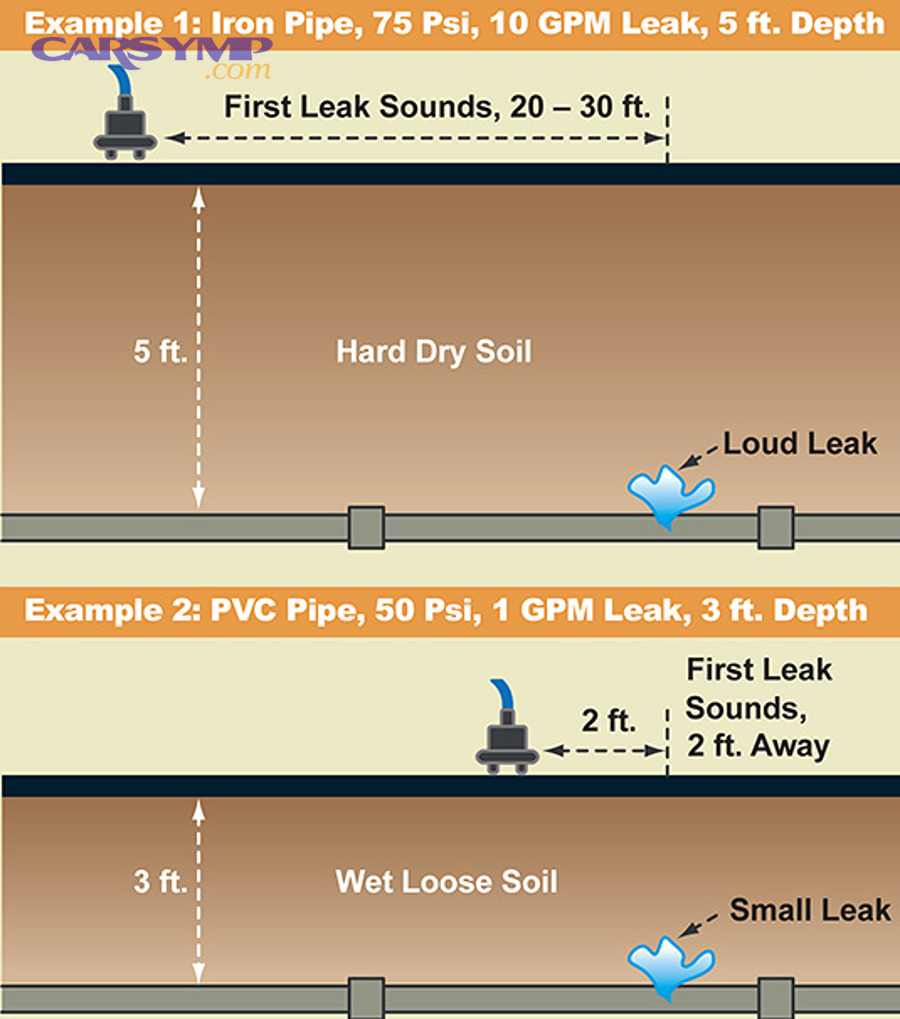
Step 1: Confirm the fluid family (do not assume). Power steering fluid, engine oil, coolant, and washer fluid can mimic each other on undertrays. Use a white paper towel: hydraulic brake fluid typically feels slippery, spreads thin, and can strip waxy residue from paint. If you’re unsure, stop and compare against the reservoir cap label and owner’s manual.
Step 2: Find the “highest wet point.” Gravity makes leaks travel downward, so the puddle is often not the source. Look above the drip for a wet edge, a shiny line, or a damp connector.
Step 3: Assign the wet area to a component cluster. Under-hood (reservoir, master cylinder, ABS module area), mid-car (hard lines, unions, clips), or wheel end (hose, caliper/wheel cylinder area). Then you’ll move to targeted checks instead of scanning everything.
Fast tip: If the underside is coated, do a quick wipe of the suspected path and re-check after a short pedal-hold (engine off). New wetness reappearing in the same spot is your “móc xích” to the next, tighter inspection.
Where should you look first: under the hood or at the wheels?
Look under the hood first if the reservoir level drops quickly or you see wetness near the firewall; look at the wheels first if one corner is wet or braking behavior changes during turns. Next, you’ll confirm by checking for fresh trails.
After that, use a left-right and front-rear logic: wheel-end leaks often localize to one side, while under-hood sources can affect multiple corners.
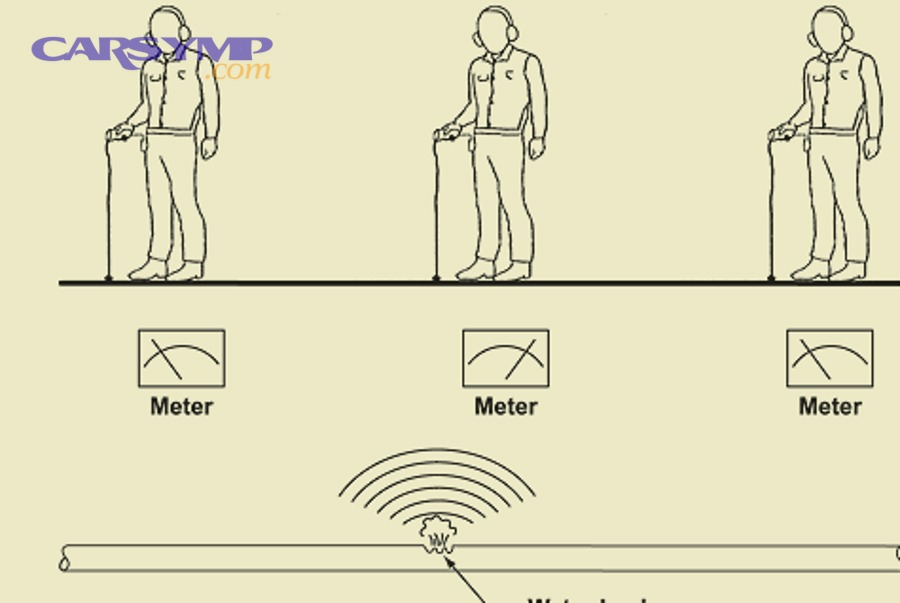
Under-hood priority checks (60–90 seconds):
- Reservoir seam and cap area: Look for wetness around grommets, hose nipples, and the reservoir-to-master joint.
- Firewall and booster face: Any dampness where the master cylinder meets the booster can signal a rear seal issue.
- ABS hydraulic unit area: Follow hard lines into the module; look for wet flare nuts, pooling on brackets, and drips on splash shields.
Wheel-end priority checks (60–90 seconds):
- Inside of the tire/wheel barrel: Wet arcs or streaks often point to a rotating sling pattern near the caliper or wheel cylinder.
- Back of the backing plate: Dampness here is a strong clue for drum brake wheel cylinder seepage.
- Flexible hose ends: Leaks frequently appear at the crimp, banjo bolt, or flare connection, not in the middle of the hose.
When you see wetness at a single corner, you can move directly into component-level confirmation. That’s the most efficient “móc xích” from broad scan to precise source.
What quick symptoms point you toward the leak area?
Pedal feel, warning indicators, and braking behavior can point to the leak area by revealing whether pressure loss is global or localized. Next, you’ll match the symptom pattern to the most likely circuit segment.
To begin, observe symptoms before disassembly because disturbed parts can hide the original trail.
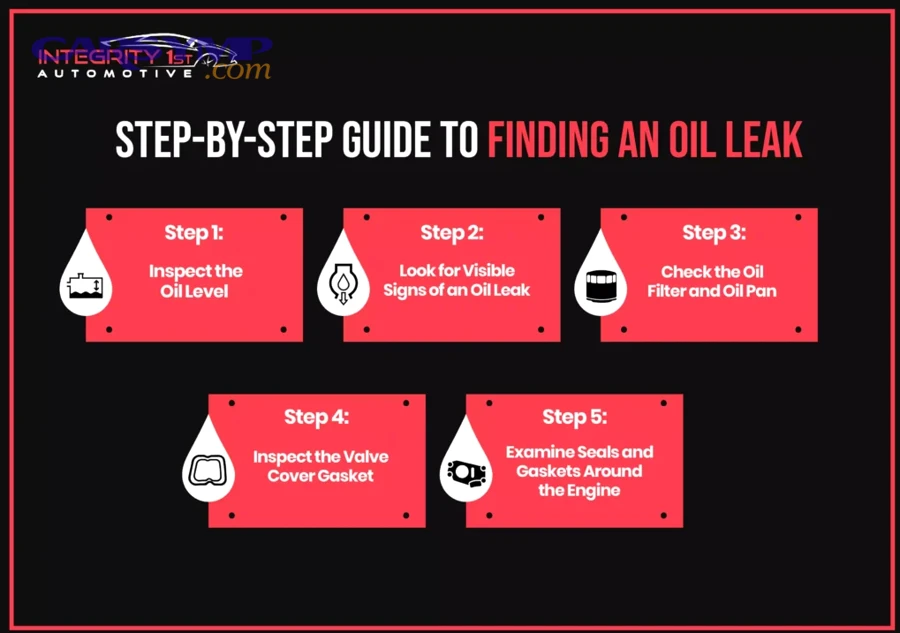
Symptom-to-zone mapping:
- Pedal slowly sinks while holding: Often indicates an internal bypass in the master cylinder or a slow external seep that only shows under pressure.
- Pedal suddenly goes soft after a single event: More consistent with an external rupture (hose, line, or fitting) that opened quickly.
- One wheel area looks wet and car pulls: Often wheel-end leakage or a component failure near that corner.
- Warning light behavior: If a brake warning light appears, treat it as a pressure/level clue and prioritize safe inspection.
At this point, it’s useful to connect your symptom map to your inspection map. In other words, your “móc xích” is: symptom pattern → circuit area → targeted visual confirmation.
According to the National Highway Traffic Safety Administration from Vehicle Safety Research, in 05/2020, early recognition of braking hydraulic loss indicators is emphasized as a key factor in preventing loss-of-control events.
How do you trace the drip path without removing parts?
You can trace the drip path quickly by cleaning a narrow strip, laying a drip-catcher surface, then following the newest wet line upward to the first wet joint. Next, you’ll repeat in shorter segments until the source is obvious.
After that, you’ll validate by re-checking after a short pressure-hold test.
What you need: nitrile gloves, flashlight, paper towels, brake-safe cleaner, and a piece of clean cardboard or kraft paper.
Method:
- Clean a narrow band: Don’t detail the whole underside—wipe only the suspected path and the nearest joints. This makes re-wetting obvious.
- Place cardboard under segments: Put one piece under the firewall area, one under mid-lines, and one under the wet wheel end. Label them (front/rear, left/right).
- Wait and re-check: Even 3–5 minutes can show a fresh dot pattern that points to the leaking segment.
- Follow upward: Use light to find the “first wet point” above the dot. That’s where you focus next.
Validation move: Wipe the suspected joint dry, then re-check for a fresh wet ring. If it reappears, you’ve found an active source—not just residue.
In real-world diagnosis, this is often where you’ll naturally mention a brake fluid leak as the core problem, but your speed comes from not jumping to the first visible drip as the source.
How can you differentiate hose, hard line, caliper, and master cylinder sources?
You can differentiate sources by checking the “wet signature” and the position of the wettest point relative to fittings: hoses leak at ends/crimps, lines leak at flare nuts/corrosion, calipers leak at piston/seals, and masters leak at firewall/booster interface. Next, you’ll confirm with a focused wipe-and-watch.
To start, treat each component as a “meronymy” piece of the hydraulic system: each part leaves a distinct trace when it fails.
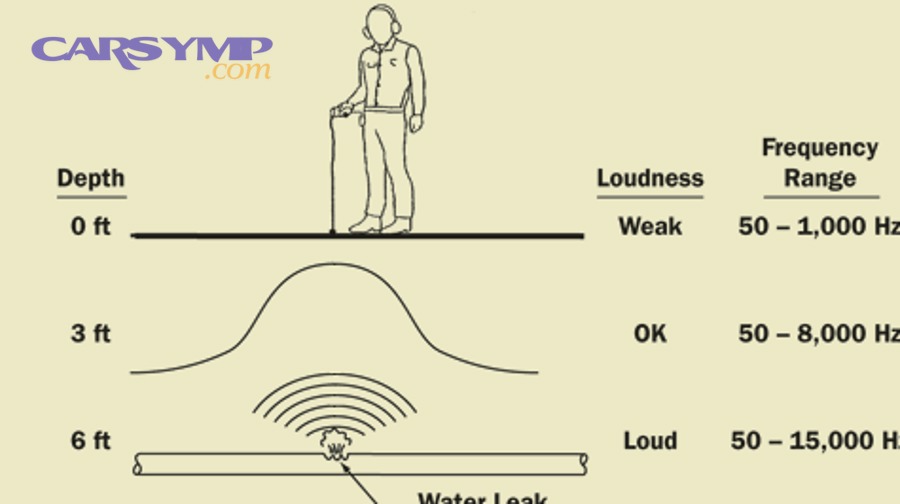
Wheel-end clues:
- Caliper area: Wetness near the piston dust boot or along the caliper body seam can indicate seal issues. Fluid may collect at the lowest caliper edge and drip onto the inside of the wheel.
- Bleeder screw area: A loose or damaged bleeder can weep, often leaving a small wet ring and a drip line down the caliper.
- Banjo bolt / crush washer area: A fresh wet “halo” around the banjo head is a classic sign of sealing surface problems.
Mid-car clues:
- Hard line corrosion: Look for wetness on a rusty bulge, especially where lines run under clips. Corrosion can “pin-hole” and only leak under pressure.
- Union fittings: Wet threads are not the indicator—wetness at the flare seat area is.
Under-hood clues:
- Master cylinder rear seal area: Dampness between master and booster, or streaking down the booster face, suggests rear seal leakage.
- Reservoir grommets: Wetness right at the rubber grommet seam often appears after service or with aged rubber.
As a practical bridge to related learning, this section ties naturally to Brake fluid leak signs and safety steps, because correct identification affects what you do next and what you should not do.
How do you use a pressure-hold test to reveal a slow leak?
A pressure-hold test reveals slow leaks by applying steady pedal pressure (engine off) for 30–60 seconds, then checking for new wetness at the previously cleaned joints. Next, you’ll repeat while observing one zone at a time for fresh seepage.
After that, you’ll stop immediately if pedal travel suddenly increases or if fluid appears rapidly.
Safe setup: Park on level ground, chock wheels, and keep the vehicle in Park/gear with parking brake applied. If the vehicle is lifted, use stands; never rely on a jack.
How to run it:
- Engine off: This reduces booster assist and helps you feel changes.
- Steady pressure: Press the pedal firmly and hold. Avoid pumping, which can spread fluid and confuse the trail.
- Spotter scan: Have a helper look at your suspected zones with a flashlight while you hold pressure.
- Re-check your “highest wet point”: Fresh wetness at a specific fitting is your confirmation.
Interpreting the result: If you see no external wetness but the pedal sinks, suspect internal bypass (often master cylinder) or a leak hidden inside a drum or behind a dust boot.
According to SAE International from Brake Systems Technical Review, in 09/2018, steady pressure testing is commonly recommended to distinguish external seepage from internal hydraulic bypass when symptoms persist.
How can UV dye and a black light speed up leak location?
UV dye speeds up leak location by making tiny seepage glow, turning an invisible trace into an obvious path you can follow to the source. Next, you’ll clean, add compatible dye, drive minimally if safe, then scan with a UV light in low ambient light.
To begin, choose dye specifically rated for the system fluid and avoid contaminating painted surfaces.
Best-use scenarios: slow seeps, leaks that only occur after heat cycles, and wet areas that spread across undertrays.
Process (high-level):
- Verify compatibility: Only use dye intended for brake hydraulic fluid. If you cannot verify compatibility, skip dye and use wipe-and-watch.
- Clean first: Remove old residue so the glowing trail is new and meaningful.
- Add minimal amount: Follow product instructions strictly to avoid over-dosing.
- Activate the leak: A short pressure-hold test can be enough; avoid driving if braking performance is compromised.
- Scan methodically: Start at the reservoir/master area, then follow lines, then wheel ends. Look for a bright edge at the origin point.
Common mistake: scanning the lowest drip spot only. The dye trail often shows a thin upward “finger” leading to the true origin.
This technique pairs well with Emergency temporary measures and what not to do because it helps you decide whether a temporary action is even appropriate—or whether the vehicle should not move at all.
What wheel-end checks find the source without full disassembly?
You can locate wheel-end sources quickly by inspecting the inside wheel barrel, the caliper body seams, the hose connections, and the back side of the rotor/backing plate for fresh wetness. Next, you’ll confirm by wiping and re-checking after a short pressure-hold.
After that, you can decide whether removal is necessary to confirm a hidden seal leak.

Fast wheel-end checklist:
- Inside wheel barrel: Look for wet spray patterns. A sling pattern suggests the source is near rotating parts or near the caliper’s lower edge.
- Caliper lower edge: Many leaks collect here and drip downward.
- Hose-to-caliper joint: Check banjo bolt area and the hose crimp for a wet ring.
- Bleeder screw: A tiny seep can appear as a wet dot that becomes a drip line.
- Backing plate (rear drums): Wetness here strongly hints at an internal drum-area leak.
Confirm with minimal disturbance: Wipe one suspect spot until dry, apply pressure-hold, then re-check that exact spot. That single “before/after” comparison is your fastest truth test.
When readers ask, “Can you drive with a brake fluid leak,” this is the step that often determines the answer—because a confirmed active wheel-end leak can change braking force suddenly.
How do you check hard lines and fittings for hidden seepage?
You can check hard lines and fittings quickly by inspecting clips, bends, and flare nuts where corrosion and vibration concentrate stress. Next, you’ll clean one segment at a time and watch for fresh wetness under pressure.
To begin, follow the line like a “hyponym” chain: main line → unions → branch lines → wheel-end hose connection.
High-probability leak points:
- Under clips and brackets: Lines can rub, trap salt, and corrode. A pinhole can be invisible until it weeps under pressure.
- At flare nuts: Seepage often appears as a wet ring at the seat area, then runs down the line.
- Near bends: Stress concentrates at bends, especially where the line transitions from rigid mounting to free span.
Short isolation trick: Clean a 12–18 inch segment, then wrap a strip of paper towel around it (loosely). After a brief pressure-hold, the towel shows the first wet point more clearly than bare metal.
According to the University of Wisconsin–Madison from Materials Science & Engineering, in 11/2017, chloride-driven corrosion and crevice conditions are highlighted as common accelerators of metal line degradation in road-salt environments.
How should you document the leak location so repairs go faster?
You should document the leak location by marking the exact wet origin point, photographing the path from wide to close-up, and noting the conditions that trigger it (cold start, after braking, after a drive). Next, you’ll share these details to reduce re-diagnosis time.
After that, a clean record helps you avoid repeating the same inspection loop.
Best documentation pattern:
- Wide photo: Shows which corner/area you’re in.
- Mid photo: Shows the component cluster (hose end, flare nut, caliper body, master-to-booster).
- Close-up photo: Captures the exact wet ring or seam.
- Condition note: “Appears after 3 pedal holds,” “only after hot drive,” or “wets overnight.”
Marking tip: Use a paint marker or tape arrow near (not on) the suspected joint. Avoid contaminating rubber seals or threads.
This is also where you connect to Emergency temporary measures and what not to do: a documented, confirmed source helps you decide between towing, minimal movement, or immediate repair—without risky improvisation.
FAQ: Quick questions people ask while tracing a leak
These answers help you avoid common mistakes: confusing the drip for the source, over-cleaning too early, and using unsafe “temporary fixes.” Next, use the questions to choose the fastest next check for your specific situation.
To start, pick the question that matches what you actually see—not what you hope is happening.
Is the puddle on the ground the real source?
No—often the puddle is the lowest point where fluid collects, while the source is higher up on a fitting, seam, or hose end. Next, follow the trail upward to the first wet ring or edge that re-wets after wiping.
What if I see wetness everywhere on the splash shield?
That usually means the leak is above the shield and spreading with airflow. Next, clean a narrow band near the top edge of the shield and re-check after a pressure-hold to find the first re-wet point.
Can a leak happen only when braking?
Yes—many leaks only open under pressure. Next, use a steady pedal hold (engine off) while a helper watches the cleaned suspect joints for fresh wetness.
Should I use stop-leak products?
Avoid them for braking hydraulics because they can damage seals and contaminate components. Next, focus on locating the source and choosing a repair or tow plan based on confirmed evidence.
What’s the safest “next move” if I’m unsure?
If you cannot confirm the source and braking feel is changing, prioritize safety and avoid driving. Next, arrange inspection or towing so you don’t turn a small seep into sudden pressure loss.
Contextual Border: The sections above focus on fast, practical location methods. Below is a tighter micro-level set of advanced tricks for stubborn, intermittent, or hidden leaks that don’t show up in a normal scan.
Advanced tricks for stubborn, intermittent, or hidden hydraulic leaks
Advanced leak-finding works by changing the conditions that trigger seepage—heat, vibration, and pressure—and by improving visibility using access tools and targeted isolation. Next, pick one trick that matches your “hard case” symptom.
After that, you’ll re-check the same cleaned reference points so you don’t lose your baseline.
How do heat cycles help you reveal intermittent seepage?
Heat cycles can reveal seepage because seals expand, hoses soften, and fluid thins when warm, which can open micro-gaps that stay sealed when cold. Next, inspect immediately after a short warm-up (if safe) or after controlled pedal-hold cycles rather than waiting overnight.
According to MIT from Mechanical Engineering, in 02/2016, thermal expansion and viscosity change are cited as primary factors that alter sealing performance across temperature ranges in hydraulic interfaces.
How can a borescope or phone camera find a hidden origin point?
A borescope or phone camera can find hidden origins by letting you see behind heat shields, near the firewall, and around ABS modules where direct sight is blocked. Next, record a short video while scanning slowly so you can review frame-by-frame for the first wet edge.
To make it reliable, clean one small zone first; otherwise you’ll only see old grime and reflections.
How do you spot a flare-seat or sealing-surface problem without guessing?
You can spot flare-seat issues by looking for a wet ring exactly at the seat line, not merely on threads. Next, wipe dry, run a short pressure-hold, and check for a reappearing ring at the same circumference.
As a caution, do not over-tighten fittings as a “test,” because that can deform seats and worsen leaks; instead, confirm the wet signature first.
How do you isolate front vs rear circuits to reduce search time?
You can isolate circuits by comparing which zones re-wet during controlled pressure holds while watching specific segments (front wheel ends vs rear wheel ends vs under-hood). Next, use labeled cardboard and staged observation to decide which branch to follow.
This is where linking back to Brake fluid leak signs and safety steps becomes practical: isolation reduces the chance of missing a secondary seep while focusing on the primary active point.