


A brake fluid leak is a safety-critical issue because the hydraulic system needs sealed pressure to stop the vehicle; when fluid escapes, pedal travel increases, braking force drops, and the failure can accelerate without warning.
Beyond spotting the leak itself, most drivers want a clear “stop driving vs drive carefully” decision, plus a fast way to confirm where the leak is coming from.
You’ll also benefit from a simple plan for what to do if the pedal suddenly goes soft, and what to tell a shop so the repair is accurate and not just guesswork.
To begin, “Giới thiệu ý mới” matters here: spotting early clues gives you time to act before pressure loss turns into a near-miss.
What are the earliest brake fluid leak signs you can spot in minutes?
The earliest signs are usually a dropping reservoir level, fresh wetness around brake components, or a new change in pedal feel; next, you’ll connect what you see to where the system can realistically leak.
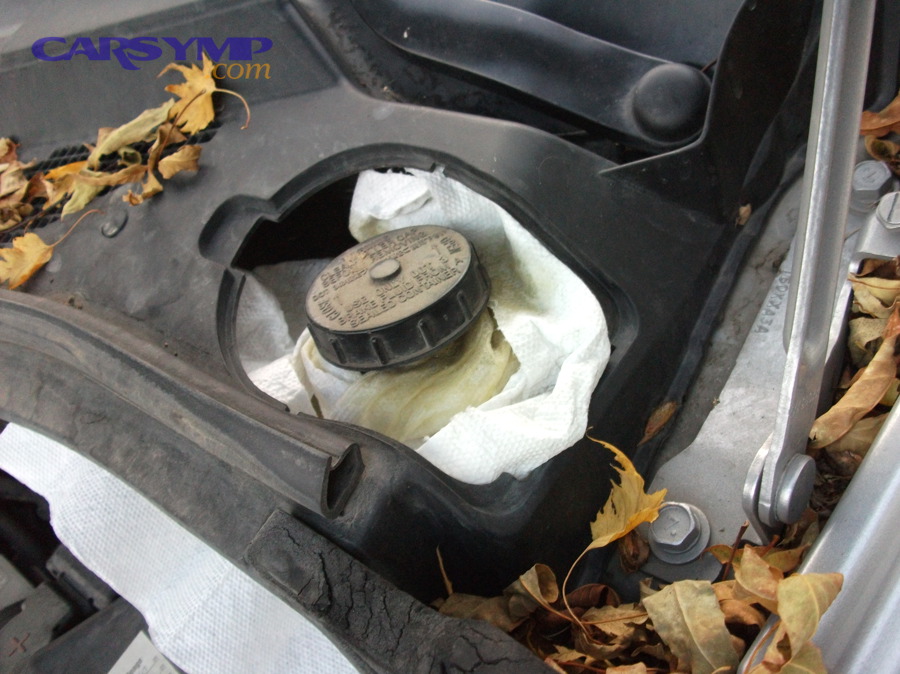
What should you check first under the hood?
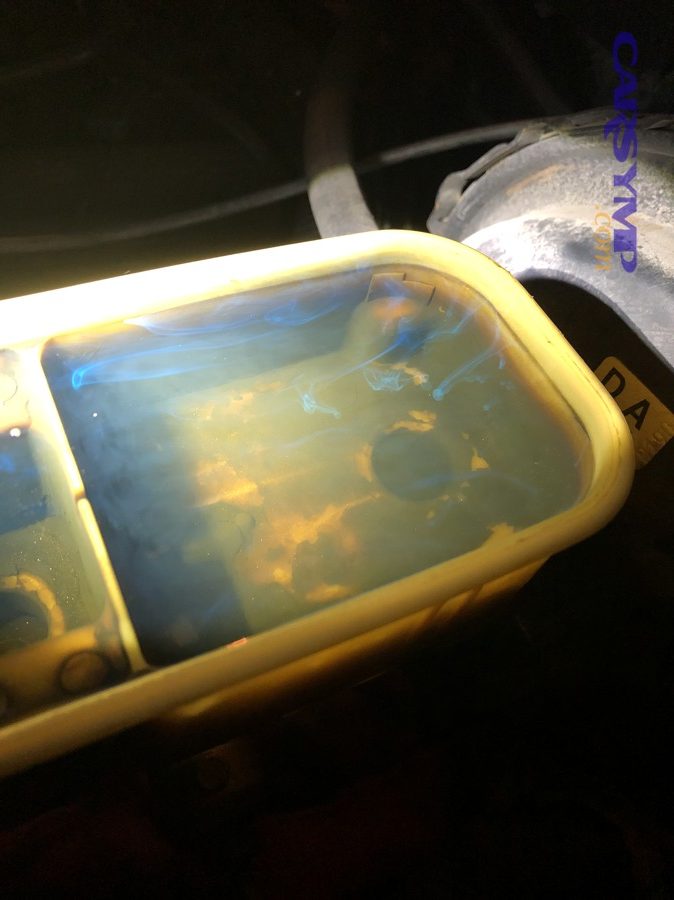
Start with the reservoir because it’s the system’s “inventory” of hydraulic fluid and it tells you if the leak is active. Specifically, look for a level below MIN, a damp cap area, a stained seam where the reservoir meets the master cylinder, or a shiny trail down the firewall.
- Level trend: If the level is visibly lower than your last glance, assume the loss is recent and worth immediate action.
- Cap/neck residue: Dried film around the cap can mean overfill or splash, but fresh wetness suggests seepage.
- Firewall streaks: A downward trail behind the master cylinder area often points toward a leak at the source rather than a wheel-end leak.
Tiếp theo, you’ll pair this with a quick pedal check to judge urgency.
How does a leak change pedal feel and braking behavior?
A leak typically makes the pedal travel longer and feel less firm because pressure builds more slowly and may not hold; for a quick link, your feet often notice trouble before your eyes do.
- Longer travel: Pedal goes closer to the floor than normal to get the same braking.
- Soft or “mushy” feel: Air can enter as fluid drops, compressing under pressure.
- Pedal sinks while holding: If the pedal gradually moves down at a stop, fluid is escaping or the master cylinder is bypassing internally.
- Brake warning light: Many vehicles trigger a warning when fluid is low or a pressure imbalance is detected.
Để hiểu rõ hơn, you’ll next decide whether the symptoms indicate an immediate tow or a controlled, short move to a safer spot.
What does brake fluid look and smell like when it leaks?
Brake fluid is typically clear to amber when fresh and becomes darker with age; it often feels slick, and it can leave glossy patches on metal or wet stains on tire sidewalls. Hơn nữa, it can damage paint, so any fresh drip on painted surfaces is a reason to stop and clean promptly.
- On pavement: A small, shiny puddle near a wheel or under the firewall area.
- On wheels/tires: Wet streaks on the inside of a wheel or on suspension parts.
- On driveway after parking: A new spot that repeats in the same place after each stop.
Quan trọng hơn, the location of the wetness is often the fastest clue to the leak’s origin.
Is it safe to drive with a suspected brake fluid leak?
No is the safest default because braking can degrade rapidly, the leak can worsen under pressure, and the system may ingest air; however, understanding severity helps you choose the safest next move.
What are the three biggest reasons you should not keep driving?
First, a leak reduces hydraulic pressure; second, it can introduce air that compresses; third, it can contaminate friction surfaces if it reaches pads/shoes. Tuy nhiên, the most dangerous part is that a small seep can become a sudden loss when you brake hard or hit a bump.
- Pressure loss: Less pressure means longer stopping distance.
- Air entry: Air makes the pedal spongy and unpredictable.
- Friction contamination: Fluid on pads/shoes can reduce friction and create pull, squeal, or fade.
Ngoài ra, even if one circuit still works (many cars have split brake circuits), you’re still operating with reduced safety margin.
How do you decide “tow now” vs “move carefully to safety”?
Use a simple rule: if the pedal is soft, sinks, or goes near the floor, treat it as a tow situation; next, if the pedal feels normal but the fluid is low and you see fresh wetness, move only a short distance to a safer location for inspection.
This table contains urgency levels and the safest next action so you don’t guess under stress.
| What you observe | Risk level | Safest next step |
|---|---|---|
| Pedal goes to floor or braking is weak | Critical | Do not drive; hazards on; call tow |
| Pedal is soft/spongy; warning light on | High | Stop driving; check fluid; tow if fluid low |
| Fluid below MIN; visible fresh drip | High | Do not continue; locate leak; tow |
| Minor dampness; pedal normal; level stable | Moderate | Short, careful move to safe spot; inspect; schedule repair ASAP |
| No wetness; normal pedal; normal level | Low | Re-check after a drive; monitor; inspect at next service |
Tóm lại, if you have any doubt, choose the option that keeps you off public roads until the source is confirmed.
Where does brake fluid usually leak from in a modern brake system?
Most leaks come from a small set of places—reservoir/master cylinder area, flexible hoses, steel lines, calipers, wheel cylinders, or ABS hydraulic components; next, you’ll match symptoms to the most likely location.
What are the most common leak points by “system map”?
Think of the brake system as a path: reservoir → master cylinder → lines/ABS unit → hoses → calipers/wheel cylinders. Cụ thể, leaks tend to happen where rubber ages, metal corrodes, or fittings loosen.
- Reservoir cap/neck: Seepage or splash that looks like wetness around the top.
- Master cylinder seals: Fluid trails down the booster or firewall area.
- Steel brake lines: Rusted sections under the vehicle or near mounting clips.
- Flexible brake hoses: Cracks, bulges, or wet ends near fittings.
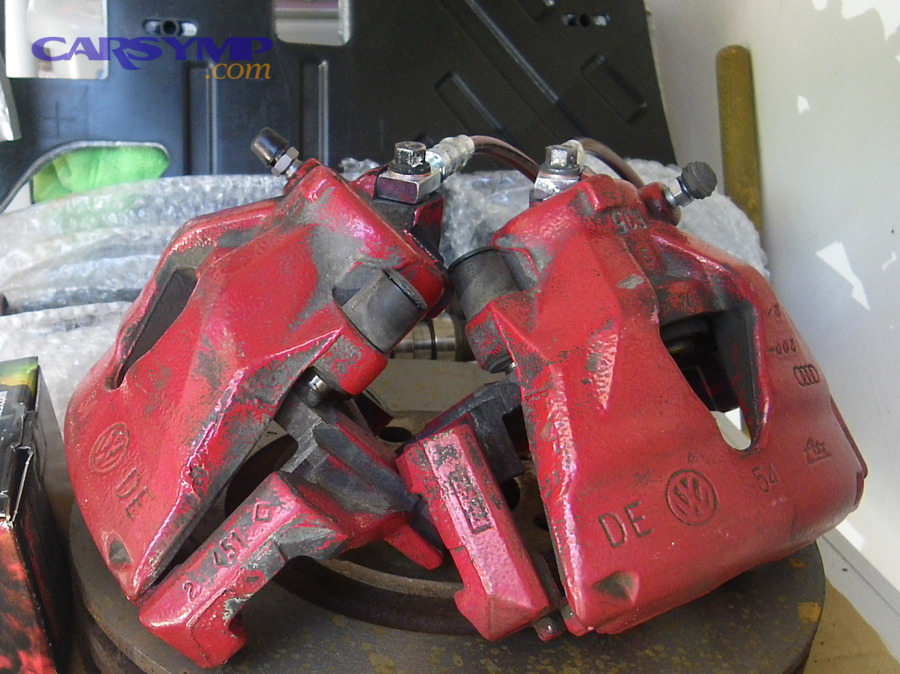
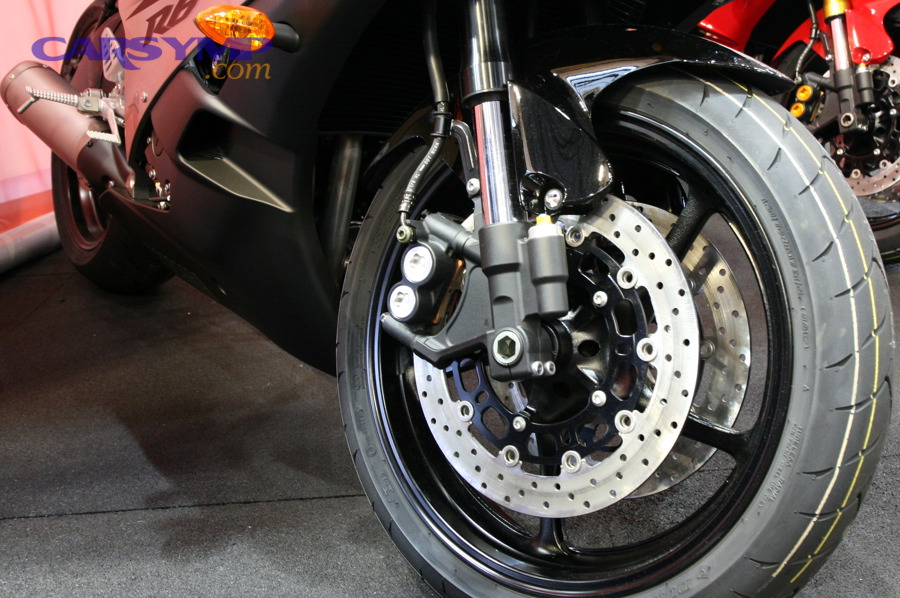
- Calipers: Wetness around piston seal, bleeder screw, or banjo bolt area.
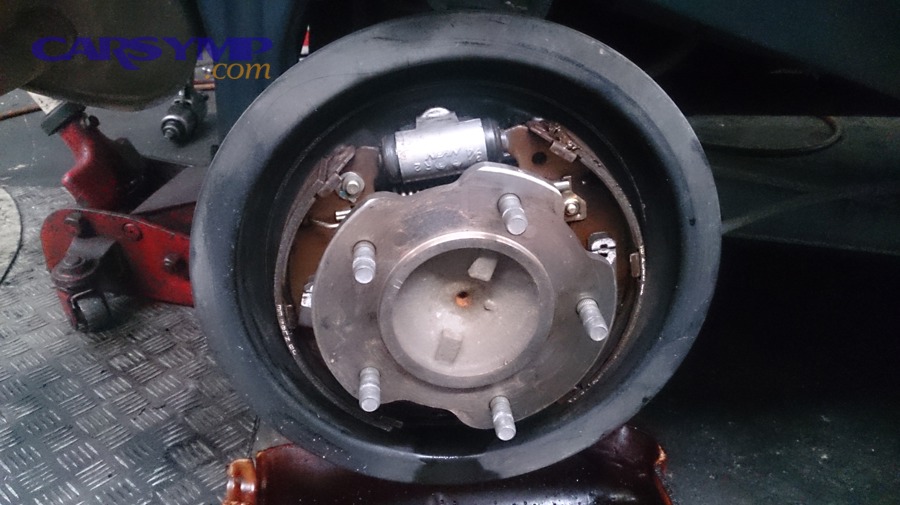
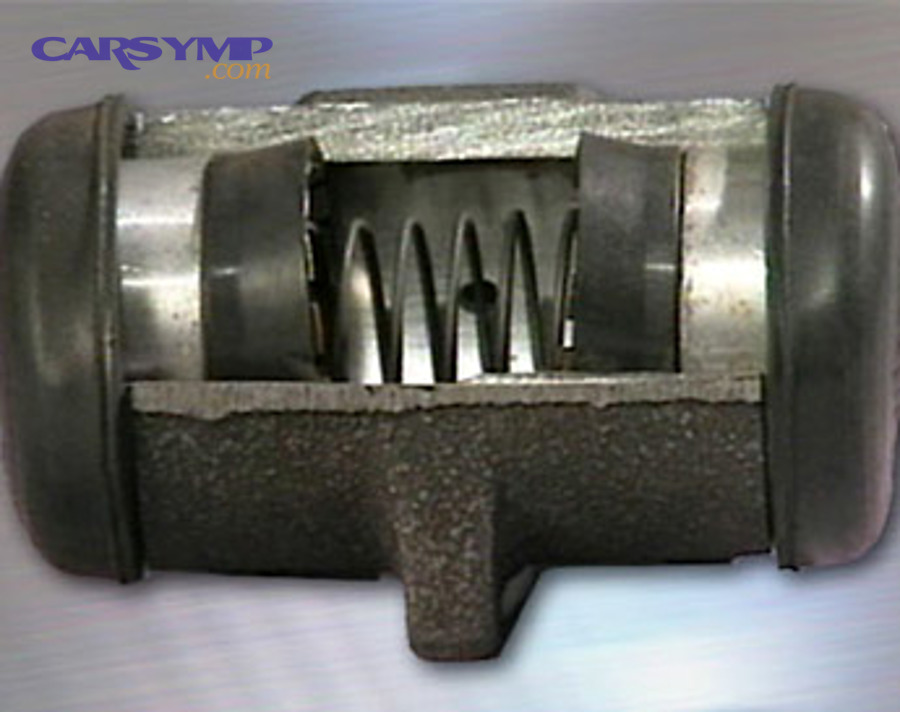
- Wheel cylinders (drum brakes): Fluid inside the drum, soaked shoes, or wet backing plate.
- ABS hydraulic module: Dampness around the unit or line connections.
Để bắt đầu narrowing it down, you’ll next use the “where is the puddle” logic and the “what feels different” logic together.
How do leak locations create different clues?
Under-hood leaks often leave wetness on the firewall area, while wheel-end leaks show up inside a wheel or near the tire; moreover, rear drum leaks can hide until shoes soak and braking changes.
This table contains common leak locations and the easiest clues to confirm each one during a basic inspection.
| Likely leak area | What you’ll notice | Quick confirmation |
|---|---|---|
| Master cylinder / booster area | Wet firewall, fluid under hood, possible pedal sinking | Look behind reservoir and along booster seam |
| Front caliper | Wet inside wheel, brake pull, burning smell if pads contaminated | Inspect caliper body, bleeder, and hose connection |
| Rear wheel cylinder (drum) | Rear braking weak, sometimes grabbing, fluid on backing plate | Check lower backing plate edge for wet streaks |
| Steel brake line underbody | Puddle mid-car, rusted line, sudden failure risk | Trace line routing; check rusty sections near clips |
| Flexible hose | Wet hose ends, cracking, spongy feel under heavy braking | Look for dampness where hose meets hard line or caliper |
| ABS module fittings | Damp around multiple lines, warning lights may appear | Inspect connections at the module for fresh fluid |
Hãy cùng khám phá the fastest no-tool method to pinpoint which of these is responsible.
How can you pinpoint the leak source without tools?
You can usually pinpoint a leak by checking fluid level, tracing fresh wetness from highest point downward, and using a controlled pedal press to reveal active seepage; next, you’ll do this without risking a road test.
What is the safest “parked inspection” routine?
Park on a flat surface, set the parking brake, and place wheel chocks if you have them; then inspect with the engine off so you’re not distracted by moving parts. Tiếp theo, keep a paper towel or rag handy and avoid touching painted areas with brake fluid.
- Check reservoir level: Note whether it’s below MIN or dropping.
- Look under the car: Identify which corner or midline has wet spots.
- Inspect the “highest wet point”: Fluid runs downward, so start above the drip.
- Check each wheel area: Look inside the wheel and behind the tire.
- Scan the firewall area: Look behind the reservoir and along the booster.
Ngoài ra, if the leak is intermittent, a light pedal press may make it obvious.
How do you use a controlled pedal press to expose an active leak?
With the vehicle parked, have a helper press the brake pedal slowly and hold while you watch for fresh fluid; the key is slow pressure so you can see seepage starting at fittings or seals. Cụ thể hơn, start at the master cylinder area, then move to each wheel in order.
- Fresh wetness at a fitting: Often indicates a loose or damaged flare/connection.
- Fluid appearing at the caliper: Suspect bleeder screw, banjo bolt washers, or piston seal area.
- No external leak but pedal sinks: Consider internal bypass (more on that later).
Quan trọng hơn, don’t repeat hard presses if the pedal is already going low—save remaining pressure for moving to a safer spot if needed.
What should you avoid doing during diagnosis?
Avoid driving “just to see,” avoid topping off repeatedly without fixing the source, and avoid spraying cleaners into brake components; instead, keep the system as undisturbed as possible while you identify the leak path.
- No aggressive brake testing: Hard stops can turn a seep into a burst.
- No guessing with random tightening: Over-tightening can damage fittings.
- No contaminated pads/shoes reuse: If friction material is soaked, replacement is usually the safe route.
Tiếp theo, you’ll need an emergency plan for the moment a leak turns into a soft pedal on the road.
What immediate safety steps should you take if your brake pedal goes soft or to the floor?
If the pedal suddenly goes soft, prioritize controlled deceleration—ease off throttle, increase following distance, and move to a safe stop using the best braking you have; next, you’ll use a simple sequence that reduces panic and risk.
What is the safest stopping sequence on the road?
To stop safely, do the least risky actions first and avoid abrupt maneuvers. Sau đây is a sequence that works in many vehicles without assuming special features.
- Turn on hazard lights: Communicate immediately to drivers behind you.
- Brake smoothly and early: Use gentle, steady pressure to preserve remaining hydraulic function.
- Downshift gradually (if safe): Let engine braking help reduce speed.
- Use the parking brake carefully: Apply slowly to avoid locking the rear wheels.
- Steer to a safe zone: Shoulder, parking lot, or wide turnout—avoid stopping in a lane.
Đặc biệt, the parking brake is a backup, not a primary stop method—use it gently and progressively.
Should you pump the brakes?
Sometimes a few controlled pumps can temporarily raise pressure if air is present, but it’s not guaranteed and can worsen a severe leak; therefore, pump only if you need a brief improvement to reach a safer stopping point.
- If the pedal firms up: Maintain steady pressure and stop as soon as possible.
- If pumping does nothing: Focus on downshifting and careful parking-brake use.
- If the pedal suddenly drops further: Treat as critical—stop driving immediately.
Hơn nữa, if you smell burning or see smoke near a wheel, keep distance from traffic and avoid touching hot components.
What should you do after you stop?
Once stopped, keep hazards on, place the vehicle in Park (or in gear), set the parking brake, and call for help; next, do a quick visual check for active dripping before anyone stands near the wheels.
- Check the reservoir: If it’s below MIN, do not attempt to drive.
- Look for dripping at a wheel: An active wheel-end leak can worsen with any movement.
- Keep brake fluid off paint: If there’s a spill, blot—don’t smear.
Tổng kết lại, a tow is often the safest and cheapest choice compared with the risks of a crash or compounding damage.
How can you tell a master cylinder issue from a hose or caliper leak?
A master cylinder issue often shows pedal sinking or low pressure without obvious wheel wetness, while hose/caliper leaks usually leave visible fluid at a corner; next, you’ll compare symptoms by where pressure is lost and where fluid appears.
What does a master cylinder problem feel like at the pedal?
A failing master cylinder commonly causes a pedal that slowly sinks while you hold steady pressure, or a pedal that feels inconsistent from one stop to the next. Cụ thể, you may notice braking improves briefly after pumping, then fades again.
- Pedal sinks at a stop: Pressure may be bypassing internally past seals.
- Intermittent firmness: The pedal sometimes feels normal, sometimes low.
- No obvious corner puddle: The leak may be at the firewall/booster area or internal.
In real-world troubleshooting, people describe these patterns as Master cylinder leak symptoms when the evidence points upstream rather than at a wheel.
Tiếp theo, you’ll confirm whether fluid is escaping externally or pressure is failing internally.
How do hose or caliper leaks behave differently?
Hose or caliper leaks are typically more “visible” because they happen near the wheels and often leave wetness inside the rim or on suspension parts; in addition, they can contaminate pads and create pulling or uneven braking.
- One-corner wetness: The inside of one wheel is noticeably damp.
- Pulling or vibration: One side grips differently if friction is contaminated or pressure differs.
- Drips after parking: A small puddle appears near that wheel.
Để minh họa, if only one wheel area is soaked while the reservoir level drops, the leak is usually downstream.
What about fluid disappearing with no visible leak?
If the fluid level drops and you cannot find external wetness, the loss may be small and evaporating on hot parts, hidden inside a drum, or leaking into the brake booster area; therefore, inspect behind the master cylinder and at the rear brakes carefully.
- Drum brakes can hide leaks: Fluid stays inside the drum until shoes are saturated.
- Booster area can mask leaks: Fluid may collect where it’s hard to see.
- Slow seep can spread: Thin films can be hard to spot without cleaning and rechecking.
Quan trọng hơn, this is exactly why a “pedal feel + wetness location” approach is more reliable than guessing.
How are brake fluid leaks repaired, and what should you ask a shop?
Brake leak repairs usually involve replacing the leaking component (hose, caliper seal, wheel cylinder, master cylinder, or corroded line) and then bleeding the system to restore firm pressure; next, you’ll focus on questions that prevent repeat leaks.
What repairs are most common for each leak location?
Most fixes are straightforward once the source is confirmed, but the correct scope matters because partial repairs can leave you with an unsafe system. Cụ thể, the shop should diagnose, replace the failed part, and verify no secondary leaks under pressure.
- Loose or damaged fitting: Repair/replace line end or fitting; verify flare type and torque.
- Flexible hose leak: Replace the hose and inspect the opposite side for age-related cracking.
- Caliper leak: Replace or rebuild caliper; replace contaminated pads as needed.
- Wheel cylinder leak: Replace wheel cylinder; replace shoes if soaked; adjust drums properly.
- Corroded steel line: Replace the affected section (often more than the visibly rusty spot); secure routing and clips.
- Master cylinder leak/failure: Replace master cylinder; bench-bleed if required; verify pedal feel under hold.
- ABS module connection leak: Reseat/repair lines; confirm no seep at fittings after pressure test.
Ngoài ra, if you’re asking for a Brake fluid leak repair cost estimate, the most honest answer depends on the leak location, how much line replacement is needed, and whether friction parts were contaminated.
What are the biggest factors that change price and time?
Cost and labor change mainly with access difficulty, whether rusted hardware breaks, and how much bleeding is required; therefore, you’ll get a better quote when the shop states the leak point and the exact parts to be replaced.
This table contains what drives repair complexity so you can understand the estimate without needing exact dollar numbers.
| Repair factor | Why it matters | What to ask |
|---|---|---|
| Leak location access | Some parts are buried (master cylinder/ABS), others are exposed (hose) | “Where exactly is the leak, and what has to be removed to reach it?” |
| Rust/corrosion level | Rust can seize fittings and require more line replacement | “Are you replacing only the bad spot or the vulnerable section?” |
| Contaminated pads/shoes | Soaked friction material may need replacement for safe braking | “Did fluid reach the pads/shoes, and will you replace them?” |
| Bleeding method & time | Proper bleeding restores firm pedal and removes air | “How will you bleed the system, and will you verify pedal hold?” |
| Test and verification | Pressure-hold checks prevent repeat failures | “Will you do a pressure test and recheck for seepage?” |
Hơn nữa, ask the shop to show you the wet area before parts are removed—this reduces misdiagnosis.
What are the “must-ask” questions before you approve the repair?
Ask questions that confirm diagnosis, scope, and safety verification. Sau đây are high-value questions that protect you from incomplete fixes.
- Diagnosis proof: “Can you show me the exact leak point and explain why it’s the source?”
- Scope: “What parts will you replace, and what will you inspect on the opposite side?”
- Brake balance: “Will you confirm no pull, no warning lights, and firm pedal after repair?”
- Fluid condition: “Will you replace the fluid fully if it’s contaminated or old?”
- Warranty: “What warranty applies to parts and labor for this repair?”
Tóm lại, the best repairs end with a firm pedal, no seepage under pressure, and a clean recheck after a short test (performed safely by the technician).
How should you clean spilled brake fluid and reduce the chance of another leak?
You should clean brake fluid quickly because it can harm paint and attract dirt, and you should reduce repeat leaks by inspecting vulnerable hoses and lines on a schedule; next, you’ll connect cleanup to prevention habits.
What is the safest way to clean brake fluid on painted surfaces?
Blot first, then rinse with plenty of water, and avoid rubbing a wide area; specifically, use clean paper towels to lift the fluid, then flush the surface with water to dilute residue.
- Blot, don’t smear: Smearing spreads damage and pushes fluid into seams.
- Rinse generously: Water dilution helps remove glycol-based residue.
- Recheck later: Inspect for dulling or softening of clear coat and clean again if needed.
Ngoài ra, dispose of contaminated towels responsibly and keep them away from children and pets.
How do you handle fluid on tires, pads, or brake hardware?
If fluid gets on a tire, wipe it and rinse, but if it soaks brake pads or shoes, replacement is usually the safest option because friction material can retain fluid; therefore, don’t rely on “spray cleaners” as a guaranteed fix.
- On tires: Clean and rinse to reduce slip risk.
- On rotors/drums: Clean thoroughly and verify no residue remains.
- On pads/shoes: Replace if soaked or if braking behavior changes after cleaning.
Đặc biệt, if you smell burning after a leak, the heat can bake residue into friction surfaces and worsen performance.
What prevention checks catch leaks early?
Early detection comes from small habits: monthly reservoir glance, visual wheel check, and occasional underbody line inspection; next, you’ll build a simple routine that fits normal car use.
- Monthly: Check level between MIN and MAX; note any trend.
- Every tire rotation: Look inside wheels for wetness; inspect hose condition.
- Seasonally: Check underbody lines for rust, especially near clips and junctions.
- After brake work: Recheck for seepage around bleeders and fittings after a few days.
Hơn nữa, if you live in a rust-prone region, underbody line inspection becomes more important than mileage alone.
FAQ: Brake fluid leak questions drivers ask
These common questions help you avoid myths and make safer decisions; next, use them as quick checks when you’re uncertain.
Can I just top off the reservoir and drive to the shop?
Topping off may temporarily raise the level, but it does not restore safety if the leak is active; therefore, only consider a very short, careful move if the pedal is firm, the level is stable, and there’s no fresh dripping—otherwise choose a tow.
Why is my brake warning light on after I noticed wetness near a wheel?
The warning can trigger from low fluid or pressure imbalance, and a wheel-end leak can drop level quickly; in addition, braking may pull or feel uneven if one corner loses pressure first.
Does a leak always make the pedal spongy?
Not always—some leaks start as slow seepage with normal feel, but the system can change abruptly; moreover, internal master cylinder issues can mimic leaks by letting pressure fade under steady hold.
Is brake fluid the same as power steering or transmission fluid?
No—brake fluid is formulated for hydraulic braking and heat performance, and mixing fluids can damage seals or reduce safety; so never guess based on color alone.
Why do leaks sometimes show up only after braking hard?
Hard braking raises pressure and can push fluid past weak seals or corroded line spots; consequently, the leak may appear under load and then drip afterward when parked.
Contextual Border
Supplementary: Compatibility, disposal, and safer long-term inspection habits
This section expands beyond immediate leak spotting to the “micro” details that prevent repeat issues; next, you’ll cover fluid choice, cleanup responsibility, and inspection habits that fit real life.
How do you avoid fluid compatibility mistakes during a leak-related repair?
Use the fluid type specified on your reservoir cap or owner’s manual, and keep containers sealed to prevent moisture absorption; moreover, don’t mix incompatible types just because they “look similar.”
- Follow the cap label: It’s the quickest reliable reference.
- Use fresh fluid: Open containers can absorb moisture over time.
- Keep it clean: Dirt in the reservoir can migrate into components.
What are safer habits for handling and storing brake fluid?
Wear gloves, protect paint, and store fluid tightly sealed in a cool place; in addition, wipe spills immediately and keep fluid away from eyes and skin.
- Protect surfaces: Cover fenders and nearby painted areas when working.
- Label and close: Seal the bottle promptly after pouring.
- Never reuse mystery fluid: Unknown fluid quality adds risk.
How should you dispose of used brake fluid responsibly?
Collect used fluid in a clean, sealed container and take it to an approved recycling or hazardous waste facility; therefore, don’t pour it onto the ground or into drains.
- Use a dedicated container: Avoid mixing with other chemicals.
- Check local rules: Many areas accept it with automotive fluids at drop-off sites.
- Transport safely: Keep it upright to prevent spills.
What long-term inspection routine keeps you ahead of leaks?
A practical routine is a monthly reservoir check, a wheel-area glance during tire pressure checks, and a seasonal underbody line scan; next, treat any new wetness as a prompt for immediate inspection rather than “waiting to see.”
- Monthly: Level and cap area inspection.
- Quarterly: Wheel-inside wetness check and hose condition glance.
- Seasonally: Underbody line corrosion scan near clips and junctions.
- After any brake service: Recheck for seepage and confirm a firm pedal.