


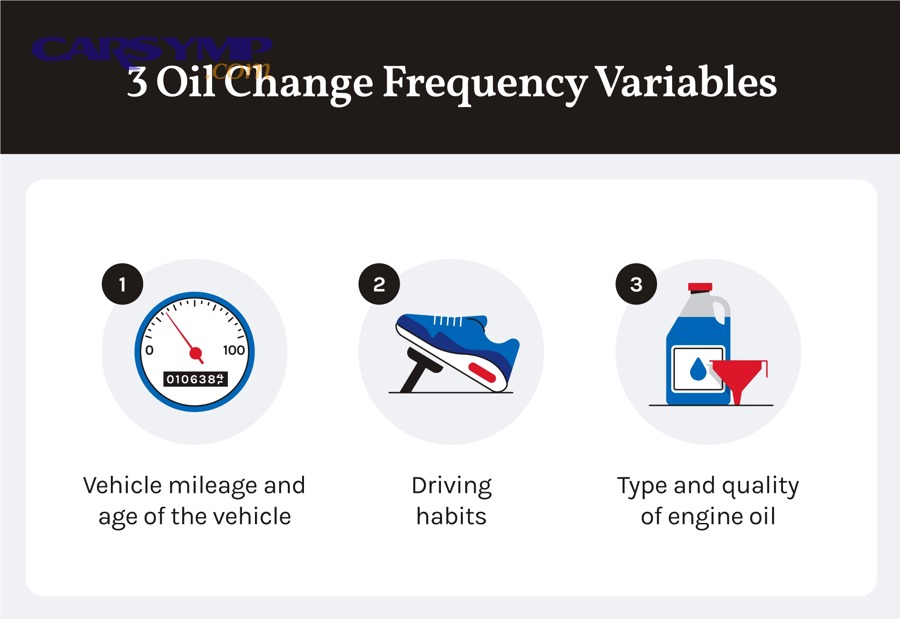
How often to change oil by driving style depends less on a single “miles number” and more on how your engine heats up, how long the oil stays hot, and how much contamination it accumulates between changes. In practice, two drivers with the same car can need very different intervals because their trip patterns stress the oil differently.
If you want a reliable interval, the fastest path is to identify whether you mostly fall into “ideal” or “severe” use—then refine based on climate, load, and how often your engine does short, cool runs. This is where the same factory recommendation can feel either perfect or too optimistic.
Another smart layer is using measurable signals: your oil life monitor, the time limit in your owner’s manual, and simple checks like oil level and odor. These help you avoid two common extremes: changing too often out of habit, or stretching too long because “the car seems fine.”
To connect it all, here’s the key idea: your driving style changes the oil’s job. After that, everything becomes easier to decide. To begin, let’s break down what “driving style” really means for oil, and then map it to practical intervals you can follow.
What does “How often to change oil by driving style” actually mean for your engine?
Definition: “How often to change oil by driving style” means choosing an oil interval based on heat cycles, contamination load, and operating severity—not just mileage—so the oil can keep lubricating, cleaning, and protecting as designed.
To connect the concept to reality, think of engine oil as a working fluid that ages through three main pathways:
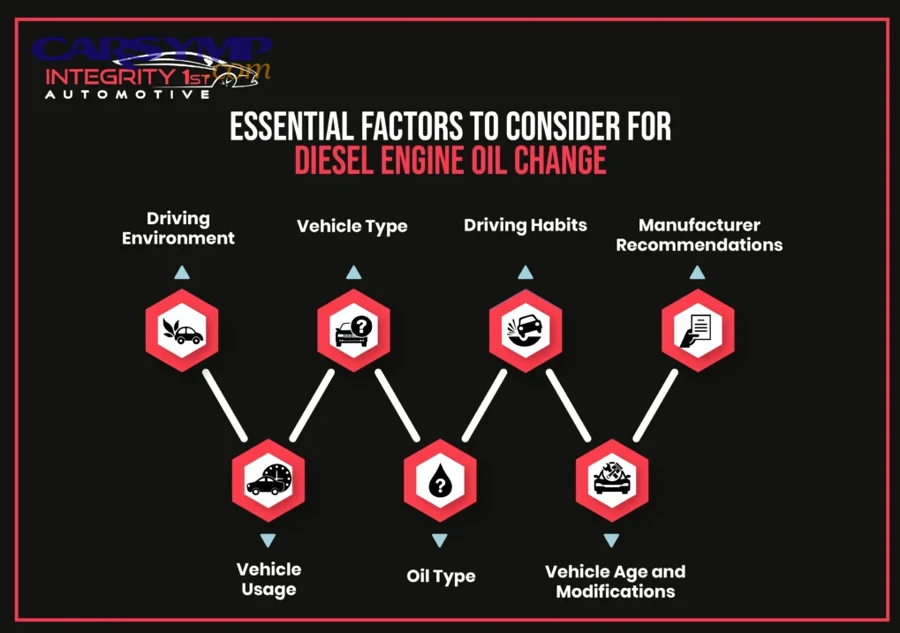
Driving style is not just “aggressive vs gentle.” It’s a bundle of operating conditions that matter more than personality:
- Trip length: short trips often keep oil cooler and wetter (more moisture and fuel in oil).
- Stop-start frequency: repeated idling and acceleration spikes can increase soot and fuel dilution.
- Load: towing, hauling, or climbing raises oil temperature and shear stress.
- Environment: dust, extreme cold, and extreme heat increase contamination or oxidation risk.
Example: Two drivers both travel 6,000 miles. One does 30-mile highway runs; the other does 2-mile errands with long idling. The second driver’s oil may “age” faster because it sees more cold starts and never stays hot long enough to evaporate moisture.
According to a technical bulletin revised by the Filter Manufacturers Council in October 2013, “severe” service includes frequent short trips (especially in cold weather), stop-and-go traffic, towing, dusty roads, sub-zero operation, and mountain driving—and notes that many drivers fall into less-than-ideal conditions more often than they think.
How often to change oil by driving style for short trips and cold starts?
How-to: Use a shorter interval—often the “severe service” schedule—when most trips are short, because repeated cold starts increase moisture and fuel contamination, and the oil may not stay hot long enough to self-purge.
To connect short trips with oil aging, focus on one mechanism: insufficient heat soak. Specifically, when the engine doesn’t reach and maintain full operating temperature, water vapor and raw fuel can remain suspended in oil, lowering its protective margin over time.
Use this quick test to decide if you’re a “short-trip driver”:
- Your typical trip is under 10–15 minutes.
- You often shut the engine off before the temperature gauge stabilizes.
- You drive in winter conditions or your car sits outside in the cold.
If these describe you, consider an interval closer to the severe-service range in your manual (or the shorter end of your normal range). Oil life monitors can also be conservative here, but time-based limits matter: oil can absorb moisture and acids even with low mileage.
What to watch for between changes:
- Oil cap “mayonnaise” residue: can indicate moisture accumulation (not always a disaster, but it’s a signal).
- Fuel smell on the dipstick: suggests fuel dilution risk.
- Rising oil level: sometimes fuel dilution can raise level—don’t ignore it.
According to on-road testing described by Infineum International Limited on 20 May 2025, low-speed urban cycles in extreme cold can increase water accumulation in oil when oil temperature stays low, and fuel dilution can rise sharply under certain cold, stop-start conditions—both of which can push you toward a shorter interval.
How often to change oil by driving style for stop-and-go city commuting?
Grouping: There are 3 common city-commute patterns that change your interval: (1) short-hop errands, (2) moderate commutes with congestion, and (3) mixed city + occasional highway; each increases oil stress differently through idling, heat cycling, and contamination.
Next, match your pattern to the right interval mindset—because “city driving” is a spectrum:
Do short-hop errands require more frequent oil changes?
Boolean: Yes—short-hop errands usually require more frequent changes because they cause repeated cold starts, higher moisture retention, and more fuel dilution risk; the most important reason is the oil often never stays hot long enough to evaporate contaminants.
To illustrate, if you start the car, drive 2 miles, idle in a drive-thru, and shut it off, you’ve added contamination without giving the oil time to clean itself. Multiply that by a week and the oil “age” can outpace the odometer.
Does heavy congestion change the oil interval even if trips are longer?
Boolean: Yes—congestion can shorten the interval because extended idling and frequent acceleration increase soot loading, heat cycling, and oxidation; the most important factor is the combination of low airflow and fluctuating temperatures that stress additives.
However, if your commute includes a steady 15–20 minute highway portion, that may partially offset moisture accumulation by keeping oil hot longer.
Is mixed city driving safer for longer intervals?
Boolean: Sometimes—mixed city plus regular highway can support longer intervals because sustained heat helps purge moisture; but if stop-start dominates and you rarely drive long enough to fully heat soak, you should still lean shorter.
According to AAA’s independent evaluation dated 6 June 2017, synthetic oils showed stronger resistance to deterioration in industry-standard tests and were highlighted as particularly beneficial for stop-and-go traffic and extreme conditions—useful context when city driving is your norm.
How often to change oil by driving style for mostly highway, long-distance driving?
Comparison: Highway driving is typically better for moisture control, city driving is worse for contamination buildup, and mixed driving is the middle ground; steady highway heat is the key advantage because it helps evaporate water and reduce sludge-forming conditions.
Next, don’t confuse “highway is easy” with “highway is always gentle.” Long-distance driving can still be severe if you add high speed, high heat, or heavy load.
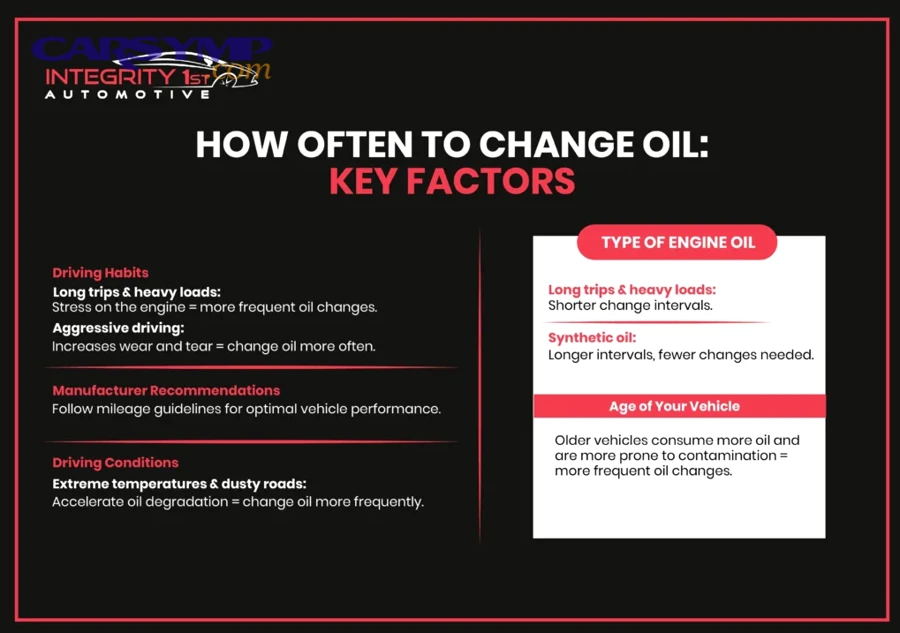
Highway drivers can often follow the normal interval in the owner’s manual, especially when:
- Trips are 20–30 minutes or longer.
- Ambient temperatures are moderate.
- The vehicle is not heavily loaded or towing.
But shorten the interval if your “highway” looks like this:
- High-speed cruising in extreme heat for long durations.
- Mountain grades that keep RPM and oil temps elevated.
- Turbocharged engines frequently in boost (higher thermal stress).
One practical habit for highway drivers: check oil level consistently. Extended high-speed operation can increase oil consumption on some engines. Keeping the correct level often matters as much as the interval itself.
How often to change oil by driving style when towing, hauling, or carrying heavy loads?
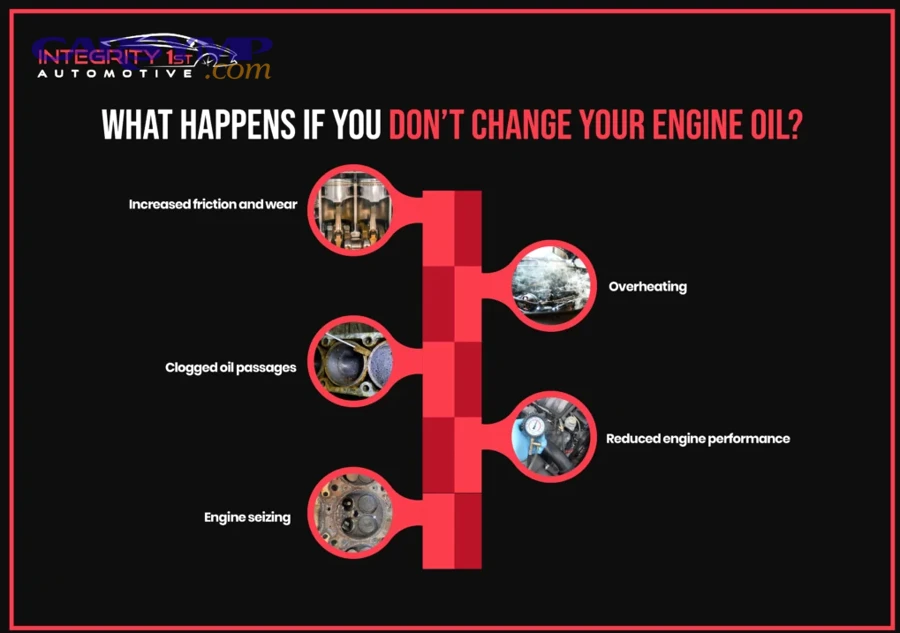
How-to: Treat towing and heavy hauling as severe service and shorten the interval because load raises oil temperature, increases oxidation, and can shear viscosity modifiers; the most important step is monitoring how often you operate under load and for how long.
To begin, identify your load profile:
- Occasional towing: a few times per year, short distances.
- Seasonal towing: weeks of towing (boats, campers) during trips.
- Frequent towing/hauling: weekly or daily work use.
As towing frequency increases, your oil interval should generally move toward the severe end. Why? Because towing creates sustained heat and higher bearing load, pushing oil closer to its thermal and film-strength limits.
Practical signals you should shorten the interval:
- Oil darkens quickly after a change (not perfect science, but a clue).
- Oil smells “burnt” sooner than expected.
- Engine runs hotter during towing seasons.
Also consider the “time factor.” If you tow mostly in a hot summer window, you’re aging the oil faster per mile than a mild spring commute would. That difference is exactly why “How often to change oil by driving style” is more accurate than a fixed mileage rule.
How often to change oil by driving style in dusty, sandy, or off-road conditions?
How-to: Shorten your interval in dusty or off-road conditions because airborne contaminants increase abrasive particles and can overwhelm the oil’s dispersant system; the most important step is ensuring intake filtration is healthy, then adjusting the oil schedule accordingly.
Next, understand the key risk: dust is not just “dirt”—it can be fine silica that accelerates wear if it bypasses filtration.

Off-road and dust exposure can shorten intervals even when mileage is low. Here’s why:
- More particulate ingestion: especially if the air filter is clogged, improperly seated, or frequently exposed.
- Higher engine load at low speed: crawling and climbing can heat the oil while airflow remains low.
- More idling: staging, spotting, and slow trail work increases heat cycling and soot.
Best practice:
- Inspect and replace/clean the air filter more often in dusty seasons.
- Check for intake leaks (loose clamps, cracked ducting).
- Consider oil analysis if you run frequent off-road duty—silicon and wear metals can tell you if dust is getting past filtration.
According to the Filter Manufacturers Council bulletin revised October 2013, driving in dusty conditions is one of the factors that can place a vehicle into the “severe” category—supporting the idea that environment can outweigh mileage.
How often to change oil by driving style in extreme heat, mountains, or high-RPM driving?
Grouping: There are 3 heat-stress scenarios that typically shorten oil life: (1) extreme ambient heat, (2) sustained mountain grades, and (3) repeated high-RPM/high-load bursts; each increases oxidation and viscosity stress in a different way.
To begin, recognize that oil ages faster when it spends more time hot. In other words, temperature is a multiplier on oxidation and additive depletion.
Does extreme ambient heat require a shorter interval?
Boolean: Often yes—extreme heat can shorten intervals because oil oxidation accelerates and volatility losses can increase; the most important reason is prolonged high oil temperature that pushes the additive package harder.
If you routinely drive in very hot climates, your interval may need to shift shorter even if you mostly drive highway—especially for turbo engines or vehicles that run near their cooling limits.
Do mountain roads count as severe service?
Boolean: Yes—regular mountain driving is commonly considered severe service because sustained load increases oil temperature and film stress; the most important factor is long-duration high load on grades rather than brief acceleration.
Watch for signs like more frequent fan operation, hotter coolant temps on climbs, and a “harder” engine sound under load—then lean shorter.
Is spirited driving always the same as severe service?
Boolean: Not always—spirited driving can be severe if it’s frequent and high load, but occasional bursts may not require major changes; the most important variable is how often the oil experiences sustained high temperature and shear.
In practice, if your driving includes frequent high RPM, track days, or repeated hard pulls, shorten intervals and consider oil analysis for confirmation.
How often to change oil by driving style for hybrids and frequent stop-start systems?
How-to: Shorten intervals when your hybrid frequently cycles the engine on/off at low speeds, because lower oil temperatures and repeated stop-start operation can increase water accumulation and fuel dilution; the most important step is recognizing that “efficient driving” can still be oil-severe.
Next, don’t assume “hybrid = easy on the engine.” Many hybrids run the engine intermittently, which can keep oil cooler and reduce contaminant evaporation.
According to Infineum’s 20 May 2025 field-trial description, when oil temperature stays under specific low thresholds in extreme conditions, water content can build in oil, and fuel dilution can spike under certain low-speed cycles—both of which point to shorter intervals for severe hybrid usage patterns.
Practical hybrid-related triggers to shorten intervals:
- Many trips are low-speed urban with frequent engine restarts.
- You live in cold climates or do lots of winter short trips.
- You notice a stronger fuel smell in oil or rising oil level.
If your hybrid is mostly long highway runs (engine stays warm), you may be able to follow the normal schedule. But if it’s city-heavy with short hops, treat it like severe service.
How often to change oil by driving style when you rely on an oil life monitor?
Comparison: Oil life monitors are best at tracking severity, fixed mileage is simpler but less personalized, and time limits are the safety net; the optimal approach is using the monitor while still respecting the manual’s time-based maximum.
To begin, treat the oil life monitor as a severity estimator, not a magical oil sensor in most vehicles. Many systems calculate oil life using operating conditions: temperature, load, trip patterns, and sometimes idle time.
Use these rules to stay safe and consistent:
- Follow the monitor if your vehicle manufacturer recommends it as the primary method.
- Respect the time cap in your owner’s manual (often 6–12 months), even if mileage is low.
- Shorten proactively if your driving matches severe-service definitions (short trips, towing, dust, extreme temps).
One powerful habit: keep a simple log of months and miles between changes. If your oil life monitor frequently drops quickly in winter or city months, that’s your car telling you your driving style is severe—even if you didn’t think so.
How do you set a personalized schedule for “How often to change oil by driving style”?
How-to: Build a personalized interval in 3 steps—(1) classify your dominant driving pattern, (2) apply severity multipliers (load, dust, climate), and (3) validate with time limits and optional oil analysis—so your schedule matches real oil stress.
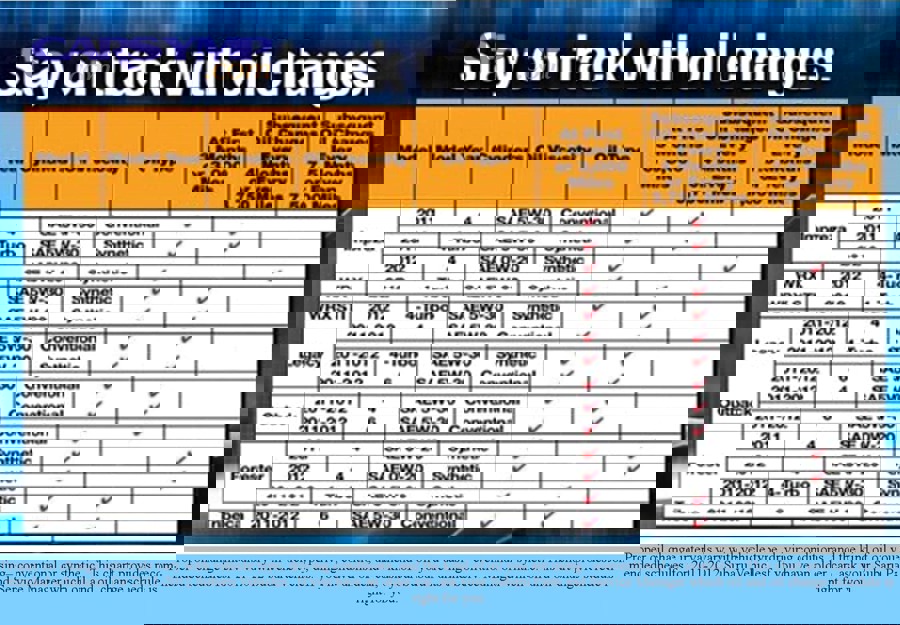
Next, use the table below as a practical starting point. It doesn’t replace your owner’s manual; it helps you interpret it through driving style.

This table contains common driving styles and shows how they typically map to normal vs severe intervals, plus what to watch for so you can adjust confidently.
| Driving Style Pattern | Typical Severity | Interval Direction | What to Watch For |
|---|---|---|---|
| Mostly highway, 20+ minute trips | Often “normal” | Follow manual’s normal range | Oil level stability, high-heat trips |
| Short trips under 10–15 minutes | Usually “severe” | Shorten toward severe schedule | Fuel smell, moisture residue, time cap |
| Stop-and-go commuting with long idling | Often “severe” | Shorten interval | Rapid darkening, monitor drops quickly |
| Towing/hauling frequently | Severe | Shorten and monitor heat | Burnt odor, elevated temps, seasonal stress |
| Dusty/off-road exposure | Severe | Shorten; improve filtration | Air filter condition, silicon in analysis |
| Mountains, extreme heat, high load | Often severe | Shorten during hot/load seasons | Oxidation stress, consumption increases |
| Hybrid low-speed urban cycles | Can be severe | Shorten if oil stays cool | Fuel dilution signs, winter performance |
Now apply the method quickly:
- Pick your dominant pattern (what you do most weeks, not once a month).
- Add severity modifiers (towing weeks, dust weekends, winter short trips).
- Choose a stable interval you can follow without guessing—then adjust only when your pattern changes.
According to a study published by Latvia University of Life Sciences and Technologies (Faculty of Engineering and Information Technologies) on 7 December 2023, oil samples taken in a field test showed increasing wear metals and additive changes across the interval, and the authors suggested a maintenance interval no more than 12,000 km in their post-warranty field context—supporting the idea that real-world use can justify shorter schedules than the longest advertised intervals.
How can you tell you’re changing oil too late for your driving style?
Grouping: There are 3 practical warning groups that suggest your interval is too long: (1) oil condition signals, (2) engine behavior signals, and (3) usage-pattern mismatches; the key is spotting them early and tightening the schedule before deposits and wear accelerate.
Next, use these as “feedback loops” rather than guessing.
What oil-condition signals suggest a shorter interval?
Definition: Oil-condition signals are observable changes—smell, level, consistency, and contamination signs—that indicate the oil is carrying more fuel, moisture, or oxidation byproducts than your current schedule expects.
- Strong fuel smell on dipstick or filler cap area.
- Oil level rising without topping up (possible fuel dilution).
- Sludge-like residue under cap combined with frequent short trips.
- Excessive darkening very quickly in severe duty (not always bad, but a clue).
What engine-behavior signals suggest a shorter interval?
Definition: Engine-behavior signals are changes in noise, smoothness, or consumption that can correlate with oil thinning, oxidation, or deposit formation—especially when they trend over months.
- Ticking/valvetrain noise that increases as oil ages.
- Rougher cold starts or longer time to smooth out.
- Increasing oil consumption between changes.
What usage-pattern mismatches cause late changes?
Definition: A usage-pattern mismatch happens when you follow a “normal” interval while your driving actually matches severe conditions (short trips, idling, towing, dust, extreme temps), causing oil stress to outpace your schedule.
In other words, the biggest mistake is not your mileage number—it’s using the wrong category for how you really drive.
For a practical demonstration of how intervals can vary depending on oil type, driving cycle, and verification methods, you can watch this related video:
Contextual Border: Up to this point, you’ve built a solid “macro” schedule based on driving style categories. Below, we shift into micro-level tactics—methods that help you safely shorten or extend intervals using better inputs and smarter checks, without relying on myths.
Advanced ways to refine “How often to change oil by driving style” without guessing
How-to: Refine your interval using 4 tools—used oil analysis, oil type selection, filter strategy, and seasonal scheduling—so your decision is based on evidence, not habit, while staying aligned with your actual driving severity.
Next, treat these as “precision upgrades.” You don’t need all four, but each adds confidence.
When is used oil analysis worth it?
Definition: Used oil analysis is a lab test that measures viscosity, oxidation, fuel dilution, water, and wear metals to evaluate how your oil is performing in your specific engine and driving style.
Use it if you want to confirm a longer interval, if you tow/haul frequently, if you drive in dust, if you run a turbo hard, or if you’re managing a hybrid pattern with lots of stop-start. The goal is not perfection—it’s trend clarity.
How does oil type affect interval confidence?
Comparison: Synthetic oil is generally stronger in oxidation resistance, conventional is typically lower-cost but can be less robust under severe heat and stop-and-go, and high-mileage blends focus on seal conditioning; the best choice depends on severity more than mileage.
According to AAA’s evaluation dated 6 June 2017, synthetic oils outperformed conventional oils in deterioration resistance tests and were noted as beneficial for stop-and-go traffic and extreme conditions—supporting synthetic as a practical tool when your driving style is harsh.
Should you change the filter every time?
Boolean: Yes, in most cases you should—because the filter holds contaminated oil and trapped particles; the most important reason is you want the new oil’s additive package to start clean rather than immediately mixing with older trapped contaminants.
If your manufacturer specifies a different filter cadence, follow that. But when you’re operating in severe conditions, consistent full-service changes are a safer baseline.
How should seasons change your interval?
How-to: Shorten in winter if you do frequent short trips, and shorten in summer if you tow, climb mountains, or operate in extreme heat; the most important step is aligning your oil schedule to your “worst season,” not your easiest months.
For example, a driver who is “normal” in spring highway travel can become “severe” in winter errand mode. Updating the schedule twice per year is often more realistic than forcing one interval all year long.
If you do your own maintenance, you can still keep the strategy consistent: a well-planned schedule plus careful records is what prevents over- or under-servicing. If you ever decide to change engine oil at home, keep the interval logic the same—only the workflow changes.
Similarly, if you’re trying to reduce mess and rework, thinking about Oil drain plug and gasket leak prevention as a routine checklist item can help you keep the service clean and avoid repeat repairs that have nothing to do with interval timing.
And when you evaluate your annual budget, a realistic view of Cost comparison DIY vs shop oil change can help you choose a schedule you’ll actually follow—because consistency is more protective than an “ideal” plan you abandon after two cycles.
FAQ: How often to change oil by driving style
Grouping: These FAQs cover the most common interval questions drivers ask: time vs miles, severe-service triggers, synthetic expectations, and how to avoid both under- and over-changing based on real driving patterns.
Is time-based oil changing still important if you drive very little?
Boolean: Yes—because oil can absorb moisture and form acids over time, especially with short trips; the most important reason is chemical aging and contamination accumulation that mileage alone doesn’t capture.
Can you follow the “normal” interval if your manual says you qualify sometimes?
Boolean: Only if your driving is consistently close to ideal; the most important reason is that severe factors (short trips, towing, dust, extreme temps) can dominate oil stress even if they happen part of the month.
Does synthetic automatically mean you can double the interval?
Boolean: No—synthetic can resist deterioration better, but your engine design, driving style, and contamination (fuel/water/dust) still set limits; the most important factor is contamination control, not just base oil quality.
What’s the simplest “rule” that fits most drivers?
Definition: The simplest rule is: follow your owner’s manual, but if most trips are short, stop-and-go is frequent, or you tow/dust/drive extremes, use the severe schedule and respect the time cap.
How can you avoid changing too often while staying safe?
How-to: Use your oil life monitor (if supported), confirm your driving category honestly, and consider one oil analysis test to validate; the most important step is choosing one consistent interval that matches your worst-season pattern.