


Oil drain plug and gasket leak prevention comes down to controlling three things: sealing surface condition, correct clamp force, and undamaged threads. When those are right, even a high-mileage engine can stay dry between services.
Beyond stopping drips, the same habits also reduce stripped threads, warped sealing faces, and messy underbody oil spray—problems that often begin with one rushed reinstall or one wrong gasket style.
It also helps to recognize that “tight” is not a reliable measurement: friction, tool length, and lubrication can change clamp load dramatically at the same torque, so repeatable technique matters more than muscle.
Giới thiệu ý mới: below are the practical checks and steps that make leak-free results predictable—whether you’re doing routine maintenance or correcting a slow seep that appeared after a service.
What usually causes a drain-plug leak right after an oil service?
Most post-service leaks come from a reused or wrong gasket/washer, a contaminated sealing face, or improper tightening that leaves the joint under-clamped or damages threads. Next, identify which of these three happened so you fix the cause, not the symptom.
To make this diagnosis fast, think in meronyms (parts of the joint):
Is a reused crush washer the #1 culprit?
Yes—reusing a crush washer is a top cause because it has already deformed and can’t conform a second time to micro-scratches and minor face irregularities. To move forward, match the washer type to the plug and pan, not just the diameter.
Specifically, soft metal crush washers (aluminum/copper) are designed to yield once; once flattened, they often “feel tight” but seal poorly. In contrast, bonded rubber/steel washers can sometimes tolerate reuse, but only if the rubber lip is uncut and the steel carrier is not bowed.
Can debris on the sealing face create a leak even with a new gasket?
Yes—one grain of sand, paint flake, or old gasket residue can create a capillary leak channel. Next, wipe both faces until they’re dry and visually clean before final torque.
To illustrate: oil under slight head pressure can creep through microscopic channels, so a perfectly “new” gasket still fails if it’s clamped over dirt. This is why final wipe-down matters as much as the gasket itself.
Does overtightening ever cause a leak (not just damage)?
Yes—overtightening can distort a soft washer, dish the pan’s sealing land, or strip threads so clamp force drops and oil seeps. Next, treat “more tight” as the antonym of “more sealed.”
In other words, sealing needs stable clamp load, not maximum torque. If threads begin to pull, the plug can bottom or “grab,” giving a false sense of tightness while actually reducing real preload.
Which sealing parts fail most: washer, gasket, threads, or the pan face?
There are four common failure points: the washer/gasket, the plug’s underside, the pan’s sealing face, and the threads that generate clamp load. Next, use simple visual cues to rank them from most to least likely on your vehicle.
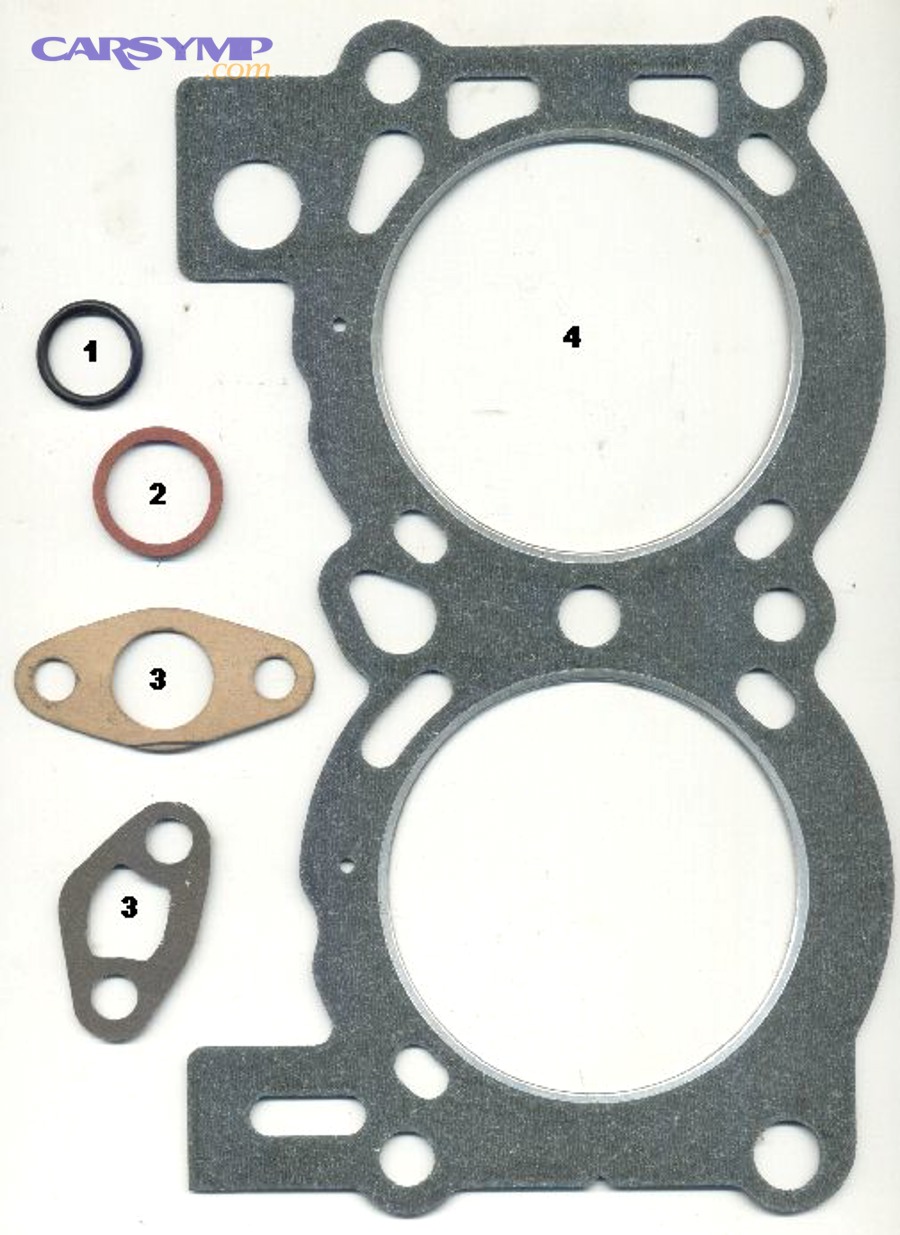
Think “grouping” by material and design: soft metal crush washers, elastomer O-rings, bonded sealing washers, and tapered/self-sealing plugs. Each group fails differently, so the inspection cues are different.
How do you tell if the washer/gasket is the problem?
If oil appears as a uniform wet ring around the plug head and then tracks backward, the washer/gasket is the primary suspect. Next, remove the plug and check for flattening, cracks, cuts, or wrong profile.
For crush washers, look for an overly flattened “coin” shape and shiny, work-hardened surfaces. For bonded seals, look for rubber extrusion, tearing, or a steel carrier that’s visibly bowed.
How do you tell if threads are the problem?
If the plug tightens inconsistently, feels “gritty,” or never reaches spec before spinning, threads are compromised. Next, inspect both male and female threads for aluminum flakes, pulled peaks, or missing thread forms.
Threads don’t seal oil directly; they create clamp load. Once they deform, the joint can’t maintain the compression the gasket needs, and a slow drip may appear only after a drive when oil thins and pressure rises.
How do you tell if the pan’s sealing face is damaged?
If a new gasket still weeps and the washer shows uneven contact marks, the pan face may be scratched, pitted, or dished. Next, check for circular gouges or a raised burr around the drain hole.
A common hidden issue is a raised lip created by past overtightening. That lip prevents the washer from contacting evenly, creating a leak channel on the opposite side.
How tight should an oil drain plug be to prevent leaks safely?
Use the manufacturer’s torque spec whenever possible; otherwise, tighten to the correct “snug + controlled turn” for the washer type—never by maximum force. Next, understand why friction changes torque results so you don’t accidentally over-clamp or under-clamp.
Torque is a proxy for preload, and friction is the wildcard: the same torque can produce very different clamp forces if threads are dry, oily, corroded, or coated. NASA’s fastener guidance notes that lubrication can require substantial torque reductions compared with “dry” values.
To make this practical, treat the drain plug like a small fastener in a soft joint: avoid lubricating the washer contact area, keep threads clean, and use a short-handled tool if you don’t have a torque wrench.
Before the table, here’s what it helps with: this table summarizes how washer type changes the feel and the “finish” of tightening, so you can avoid under-sealing (too loose) and damage (too tight).
| Washer / seal type | What “correct” feels like | Common mistake | Leak symptom |
|---|---|---|---|
| Soft metal crush washer | Snug, then a smooth final “set” as it yields | Reusing or over-crushing | Slow ring seep, worsens after driving |
| Bonded rubber/steel washer | Firm contact, then small additional turn | Overtightening and extruding rubber | Wet edge + rubber bulge visible |
| O-ring style drain plug | Even compression, no “crush” sensation | Pinching/cutting O-ring | Immediate drip after refill |
| Tapered/self-sealing plug (design-specific) | Progressively firm; stops at design seat | Applying generic torque guesses | Intermittent seep, thread wear |
Should you use thread sealant or tape to stop leaks?
No—most drain plug joints are designed to seal at the washer face, not the threads, and sealants can alter torque-to-preload behavior. Next, reserve sealants for specific OEM instructions, not as a default “fix.”
In particular, PTFE tape can shred into the oil system and also reduces friction, risking over-clamp at the same torque. If the joint leaks, fix the gasket/face/threads instead of masking it.
Does tightening direction or tool choice matter?
Yes—short-handled tools reduce overtightening risk, and a calibrated torque wrench increases repeatability. Next, choose the tool that matches your experience level and access angle.
If access is awkward, many people apply side-load and cross-thread the plug. A wobble extension can help access, but it can also reduce control; start the plug by hand first, always.
How do you prep the sealing surfaces so the gasket actually seals?
Clean, dry, and flat surfaces seal; oily residue, burrs, and old gasket fragments don’t. Next, use a simple “wipe–inspect–correct” routine before you reinstall the plug so you’re not relying on torque to overcome dirt.
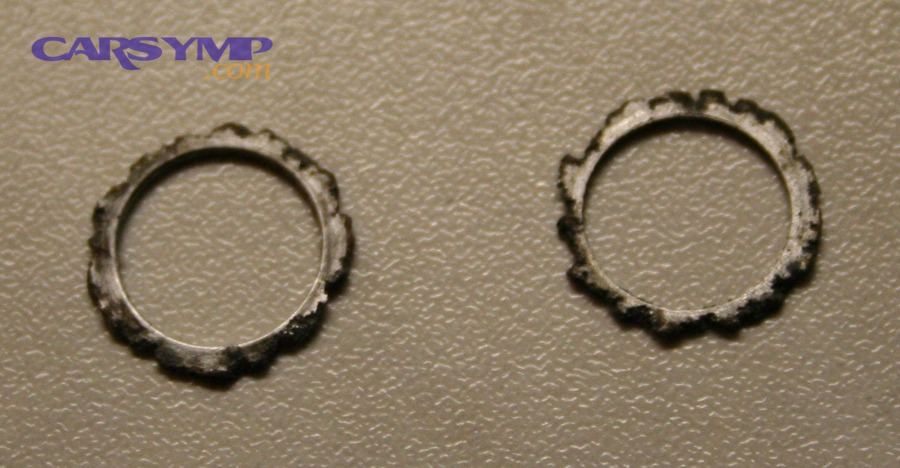
What is the fastest cleaning method that’s still safe?
Wipe the pan face and plug underside with a lint-free towel, then finish with a quick evaporating cleaner if needed. Next, make sure both faces are dry before final tightening.
To be clear, you want “clean metal contact,” not a polished surface. Avoid aggressive abrasives that can dish the sealing land; if you must remove residue, use a plastic scraper and light pressure.
How do you remove a burr around the drain hole?
Lightly knock down raised burrs so the washer contacts evenly. Next, use a fine stone or very light deburring tool—just enough to remove the high spot, not reshape the pan.
A burr is often the hidden reason a new washer still leaks. Once the high spot is gone, the washer compresses evenly and the seep disappears.
What if the washer sticks to the plug and you miss it?
If an old washer remains stuck, installing a new washer on top creates a double-stack that won’t seal reliably. Next, always confirm the old washer is removed before fitting the new one.
This mistake is surprisingly common: the plug comes out, the washer stays on the plug, and later someone adds another without noticing. The result is uneven compression and a persistent wet ring.
Should you replace the drain plug gasket or washer every time?
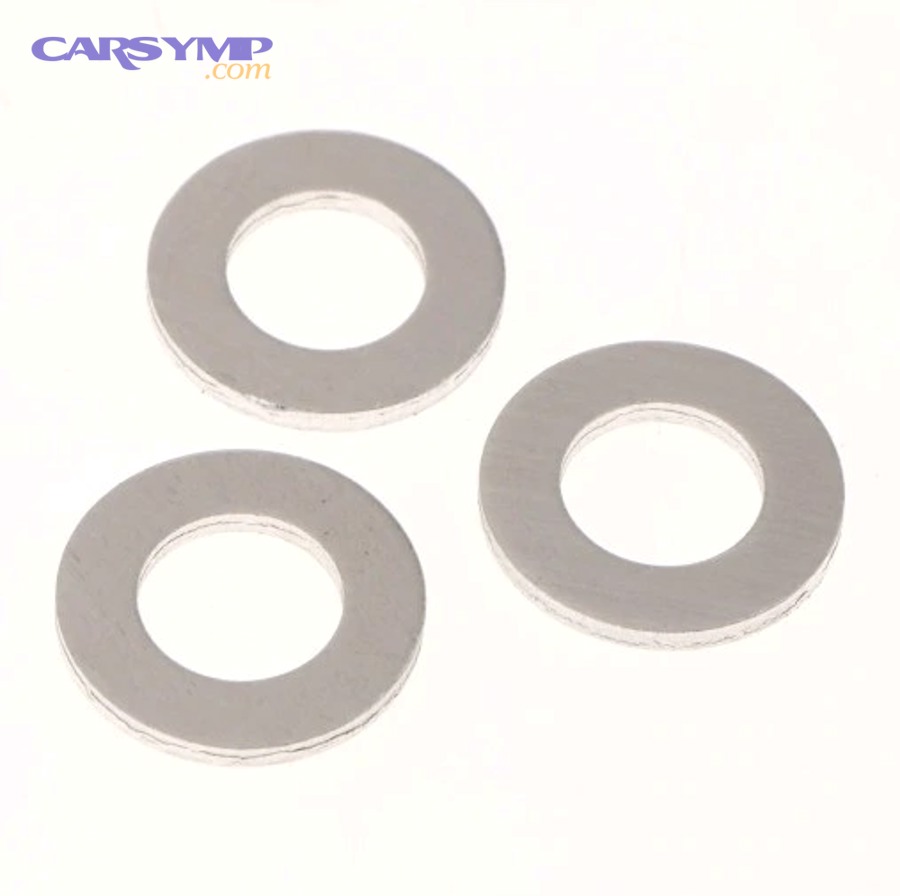
Yes in most cases: single-use crush washers should be replaced at every service to keep sealing predictable. Next, choose the correct washer material and thickness for your plug design rather than “close enough.”
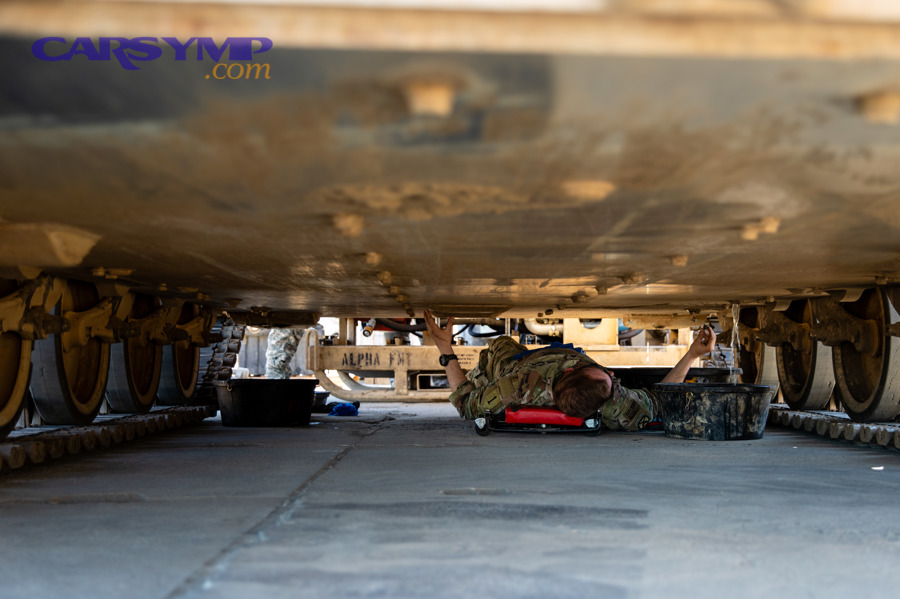
From a reliability standpoint, washers are cheap and failure is messy. Replacing them is the simplest form of oil drain plug and gasket leak prevention because it resets the joint’s sealing geometry each time.
When is reuse acceptable?
Reuse is sometimes acceptable only for certain bonded seals or O-rings that remain elastic and undamaged. Next, inspect for cuts, flattening, hardening, and deformation before deciding.
If the rubber has become shiny/hard, it has heat-aged and may not rebound. In that case, reuse is false economy: it may hold initially, then seep after a few heat cycles.
How do you avoid installing the wrong washer?
Match inner diameter, outer diameter, and thickness to the OEM style, not just the bolt size. Next, compare the new washer to the old one you removed—shape matters as much as size.
Some washers are cupped, some are flat, and some are designed to crush in a specific orientation. The wrong profile can either under-clamp (leak) or over-clamp (damage).
What does real research say about torque variability and why washers matter?
Washer condition matters because clamp load from torque is inherently variable; friction changes can cause large preload scatter, making a fresh, compliant sealing element more forgiving. Next, reduce variability by keeping threads clean and using the right washer each time.
How do you prevent stripped threads in aluminum oil pans?
Prevent stripping by starting threads by hand, using correct torque, and avoiding repeated overtightening—especially on hot, soft aluminum. Next, treat thread health as a “rare attribute” that’s easy to protect and expensive to repair.
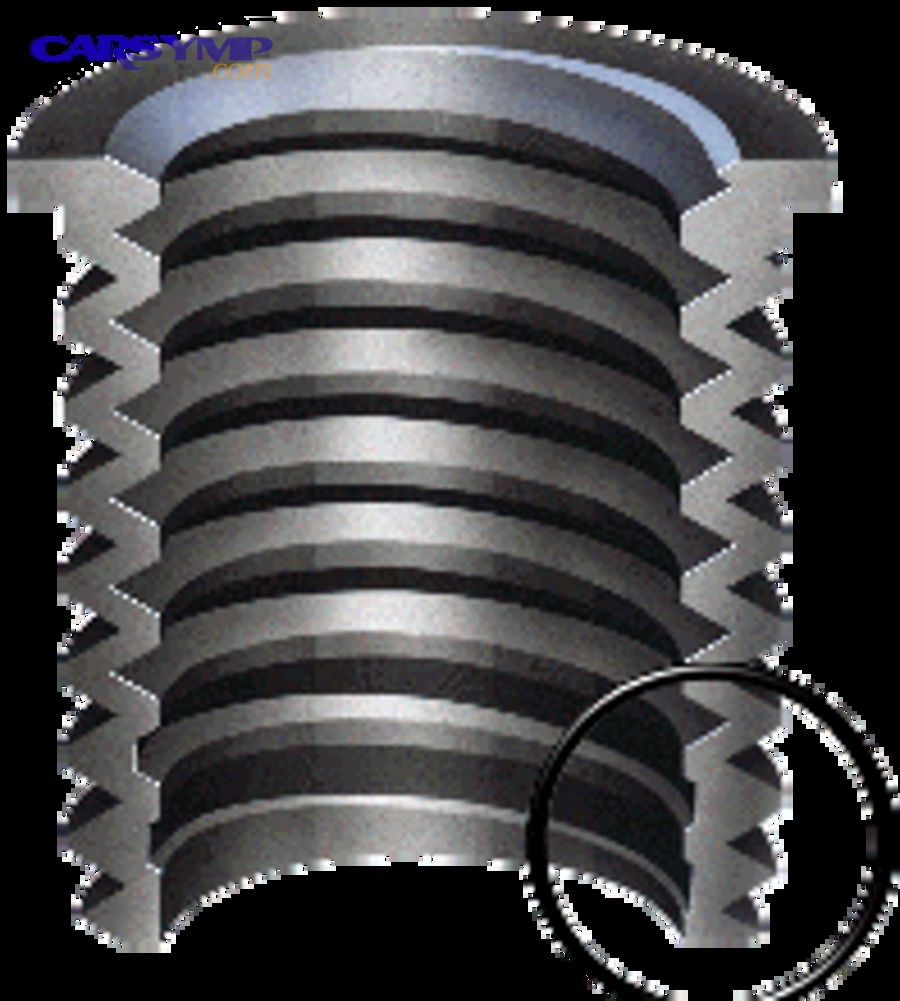
Aluminum threads fail by pulling and galling, not by “gradual loosening.” Once they start to deform, each subsequent service removes more material until the plug no longer holds preload.
What is the safest way to start the plug to avoid cross-threading?
Start the plug by hand for several turns until it spins freely with minimal resistance. Next, only then use a wrench to snug and torque it.
If you cannot turn it by hand, stop and realign. Cross-threading in aluminum happens fast, and the damage is permanent without an insert.
Does heat affect thread damage risk?
Yes—hot aluminum is softer, so overtightening on a hot pan increases thread pull-out risk. Next, let the pan cool to warm (not hot) before final torque if possible.
Also, hot oil makes everything slippery; a slipped tool often triggers an instinctive “extra yank,” which is exactly what strips threads.
What does engineering research say about aluminum threaded joints?
Studies on aluminum threaded fasteners show measurable torque/preload changes and losses over time and conditions, reinforcing the need for controlled tightening and good thread condition. Next, avoid “one-and-done” impact tightening and stick to repeatable torque.
How do you fix a slow drip without causing bigger damage?
Fix a slow drip by verifying washer type, re-cleaning the sealing face, and re-torquing correctly—then escalating to thread repair only if needed. Next, follow a stepwise approach so you don’t turn a minor seep into a stripped pan.
Should you “just tighten it a bit more” when you see a drip?
No—adding torque blindly can crush the washer unevenly or strip threads. Next, confirm the source: wipe dry, run the engine briefly, and watch where the oil first appears.
If oil originates at the plug perimeter, it’s a sealing issue. If it runs down from above, you may be dealing with a filter, cooler line, or valve cover leak instead—don’t misdiagnose.
What’s the best minimal-intervention correction?
Remove the plug, replace the washer, clean both faces, and reinstall with correct torque. Next, check again after a short drive and after a full heat cycle.
This correction is usually enough because it addresses the most common failure modes without stressing threads further.
When do you escalate to thread repair?
Escalate when the plug won’t torque, the threads shed metal, or the leak persists with a correct washer and clean faces. Next, choose a proper insert system rather than oversized “self-tapping” shortcuts if you want long-term reliability.
In practice, solid inserts (often branded as Time-Sert style systems) restore thread form and clamp load more reliably than temporary oversized plugs, especially in soft pans.
When should you replace the drain plug, the gasket, or the entire oil pan?
Replace parts when sealing geometry or thread integrity can’t be restored reliably: rounded plug heads, damaged sealing undersides, repeated washer failures, or pulled threads that won’t hold spec. Next, decide based on risk: nuisance drip vs catastrophic loss.
What plug damage signals replacement?
If the plug’s sealing face is gouged, the head is rounded, or the threads are stretched, replace the plug. Next, treat the plug as a wear item in high-frequency service cycles.
A damaged plug underside can cut new washers, creating repeat leaks that look like “bad gaskets” but are really a bad sealing face.
When is an insert enough, and when is a new pan better?
An insert is enough when the pan’s sealing face is sound and there’s adequate material around the hole; a new pan is better when the sealing land is cracked, heavily dished, or the drain boss is compromised. Next, weigh labor access and cost.
If the drain boss area is thin or already repaired multiple times, stacking repairs can fail suddenly. A pan replacement, while more work, can be the safer long-term decision.
What about leaks that are actually from the filter area?
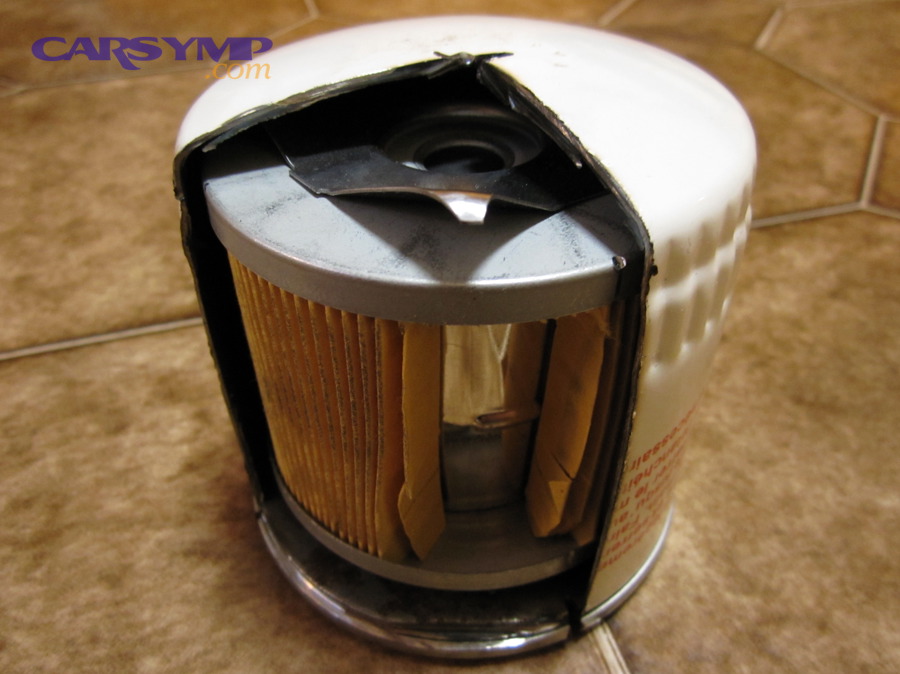
If oil appears higher up and trails down to the plug area, the filter seal may be the true source. Next, verify the filter gasket is single (not double-stacked) and properly seated.
The cutaway view helps you understand that the filter’s rubber gasket is the real sealing element, not the threads—just like the drain plug joint. Mis-seating the gasket can mimic a “drain plug leak.”
How do you confirm your repair is truly leak-free after refilling?
Confirm a leak-free result by cleaning the area, running a staged warm-up, and rechecking after a drive and after an overnight sit. Next, use a simple inspection routine so you catch seepage early, before it becomes a drip.
What is the best inspection sequence?
Wipe dry, idle 2–3 minutes, shut down, inspect; then drive 10–15 minutes, inspect again; then check after the car sits overnight. Next, look for the first “wet edge,” not just drops on the ground.
Overnight checks matter because slow seeps often appear only after heat cycling and then cooling, when oil drains back and surfaces contract.
Should you re-torque the plug after a heat cycle?
Usually no—re-torquing can over-crush the washer or stress threads. Next, only revisit torque if the OEM explicitly specifies it or if you used an elastomer seal designed for recheck procedures.
Instead, if you see seepage, correct the root cause: washer type, surface condition, or thread integrity.
How do you keep the area clean enough to spot leaks quickly?
Use a light degrease after finishing so new oil stands out. Next, consider a small piece of clean cardboard under the engine overnight for a clear “yes/no” drip confirmation.
This simple method prevents guesswork—especially when older underbody residue makes everything look oily even when the current repair is sound.
Contextual Border: The sections above cover the core macro steps for oil drain plug and gasket leak prevention. Next are optional upgrades and micro-habits that can make your process faster, cleaner, and more consistent over time.
Optional upgrades and micro-habits that reduce leak risk long-term
These upgrades aren’t required, but they can reduce repeat handling of threads, improve consistency, and make leak detection easier. Next, pick only what matches your vehicle and your maintenance style.
Is a drain valve a better choice than a traditional plug?
Sometimes—drain valves reduce repeated thread cycling and can lower stripping risk, but they add an external component that must be protected from impact. Next, compare clearance, off-road use, and the valve’s sealing design before switching.
If you do frequent services, a valve can be a “synonym” for convenience, but not for care: you still need to verify sealing and check for seepage after installation.
Why “more sealant” is the opposite of “more reliable” here
Because most systems seal at the washer face, adding sealant to threads can distort torque-to-preload behavior and hide the real issue. Next, treat sealant as a last resort only when the OEM specifies it.
In practical terms, focus on clean faces and correct washers; those are the repeatable variables you control.
How to use a magnetic plug as a debris-monitoring habit
A magnetic plug can help you observe ferrous wear particles during services, acting as an early warning signal. Next, wipe and document what you see rather than guessing from memory.
If you notice a sudden increase in fine metallic fuzz compared with prior services, that pattern can be more informative than a one-time observation—especially when paired with consistent service intervals.
How to keep your process consistent across seasons and driving patterns
Consistency comes from documentation: record washer type, torque method, and post-check results so you can reproduce what worked. Next, build a simple maintenance note you can repeat each service.
For example, if you change engine oil at home, your notes can include the exact washer you used, whether you followed a DIY oil change step-by-step routine, and whether you ran an overnight leak check. If your vehicle has an indicator, include how you performed How to reset oil life/service light, and align your intervals with How often to change oil by driving style. If you publish or share your process, you can label your checklist under Car Symp as a quick-reference habit tracker.
FAQ
Can a drain plug leak only when the engine is hot?
Yes—hot oil is thinner and expands into small gaps, so marginal seals often seep more after driving. Next, check after a full heat cycle, not only when the engine is cold.
Is it normal to see a single drop after the first drive?
One residual drop can be leftover oil from draining, but repeated drops mean an active leak. Next, clean the area, then recheck so you’re not confusing residue with seepage.
What’s the safest immediate action if you see a steady drip?
Stop driving, check oil level, and address the source before it becomes a low-oil event. Next, if threads feel compromised, avoid repeated tightening attempts and move to a proper repair approach.
Do quick-lube mistakes commonly involve the drain plug?
They can—wrong washer type, missing washer, and over-torquing are common failure patterns in fast service environments. Next, verify the joint visually after any service, even if you didn’t do the work yourself.