


If you’re searching for a clear
Beyond the sticker price, the best choice depends on what you’re actually buying: parts, time, tools, cleanup, and the value of a professional inspection that may catch problems early.
It also depends on your vehicle’s oil requirements and packaging—capacity, access panels, cartridge filters, skid plates, and whether the engine is picky about approvals.
To connect those factors into one decision, Giới thiệu ý mới: we’ll break the total cost into real components, then compare scenarios so you can choose confidently for your car and routine.
Is a DIY oil change cheaper than a shop for most cars?
Yes—DIY is typically cheaper for many mainstream cars because you mainly pay for oil and a filter, while a shop price bundles labor, overhead, and service value into one ticket.
Next, to make that comparison practical, we’ll separate “parts cost” from “total ownership cost” so you can spot when the gap shrinks or flips.
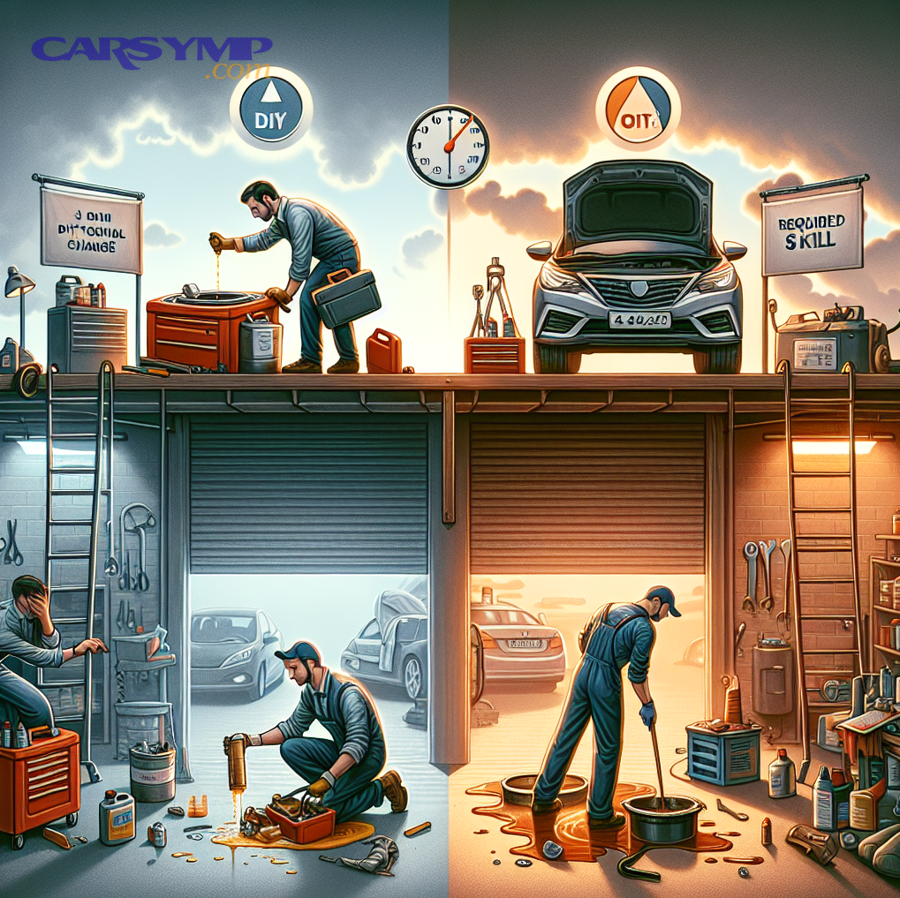
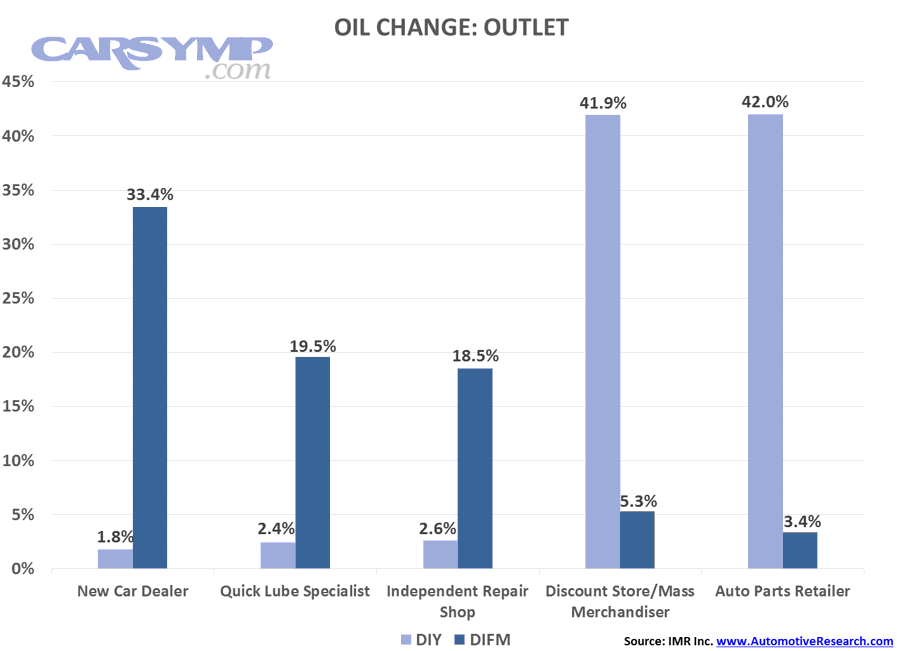
At a high level, DIY cost is dominated by consumables: the correct oil specification, the right quantity, and a quality filter. Shop pricing includes those consumables too, but adds labor time, shop supplies, waste handling, and the business costs of keeping the bay running.
For a fast estimate, you can treat DIY like a grocery receipt and a shop visit like a bundled service plan. That’s why two drivers can see wildly different “best answers” even with the same engine—one values time and clean hands; the other values precise control over parts.
To clarify typical ranges, the table below summarizes what you’re usually paying for in each route, before factoring tools you may already own or special vehicle requirements.
This table shows common cost components and why prices differ.
| Cost bucket | DIY (typical) | Shop (typical) |
|---|---|---|
| Oil + filter | Primary cost | Included in price |
| Labor / time | Your time | Paid labor |
| Tools / equipment | One-time + occasional replacement | Included (shop equipment) |
| Cleanup & disposal | You handle spills and recycling | Usually handled by shop |
| Inspection value | Depends on your skill and thoroughness | Often includes multi-point checks |
| Documentation | Receipts + your records | Service record / invoice |
In practice, DIY is most cost-effective when you already own basic tools and your vehicle is easy to access. Shops become competitive when you’re buying premium oil in small quantities, when your vehicle takes a lot of oil, or when promotions narrow the gap.
What costs are you really paying for at a shop?
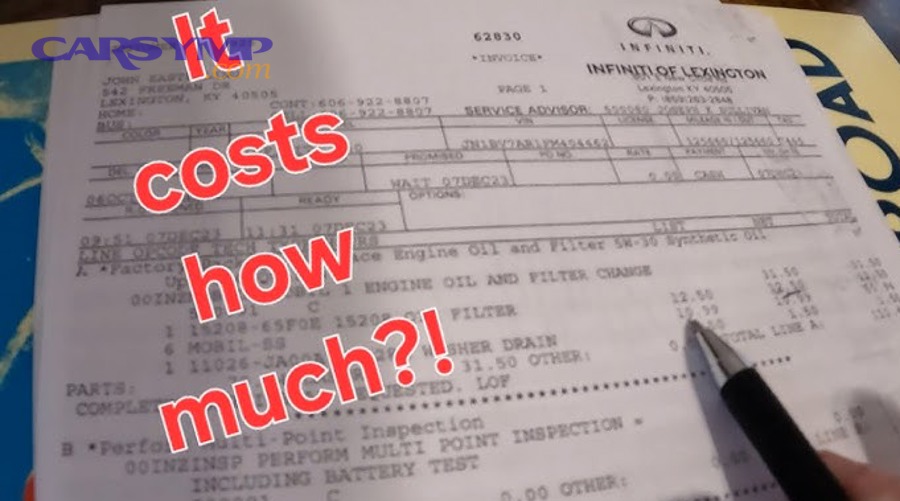
A shop oil change price pays for parts plus professional labor, facility overhead, waste handling, and the convenience of a standardized process—often paired with inspection and documentation.
However, to judge value fairly, you need to see which parts of that bundle you’d otherwise have to “buy” with your own time and risk.
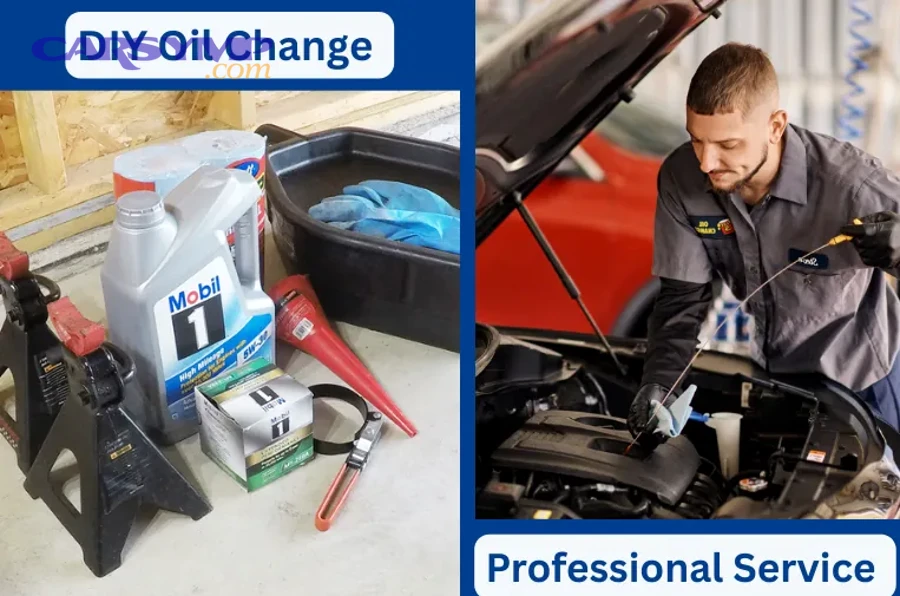
1) Labor and workflow speed
Shops are optimized for repeatable steps: lifting the vehicle safely, removing shields, draining, replacing the filter, refilling, verifying level, and checking for leaks. You’re paying for trained repetition, proper lifting equipment, and a workflow that reduces errors under time pressure.
2) Overhead you don’t see
Rent, insurance, lighting, lifts, training, software, compliance, and payroll taxes are baked into labor rates. That overhead doesn’t make your oil “better,” but it does fund a controlled environment and accountability if something goes wrong.
3) Waste management and shop supplies
Used oil handling isn’t just “pour it somewhere else.” Shops typically use bulk tanks and licensed waste services; they also include shop supplies like rags, absorbent, and small parts. DIYers can do this responsibly too, but it’s extra effort and sometimes extra fees.
4) Convenience, scheduling, and transaction cost
Time is a real cost. A shop visit may take 30–90 minutes of your day including travel, while DIY might take longer—especially the first few times or if you need a trip for supplies. For busy drivers, that time difference is often the decisive factor.
5) Add-on value and upsell risk
Many shops include fluid checks, tire pressure checks, and a quick scan for obvious leaks. That can be a genuine benefit. But you also face the risk of unnecessary add-ons. The smart approach is to ask for measurements and photos, request the old filter back, and compare recommendations with your owner’s manual.
What costs are you really paying for when you DIY?
DIY costs are mostly parts, but the real total includes tools, setup time, cleanup, and the financial risk of mistakes—especially with drain plugs, filter sealing, and oil level verification.
Next, we’ll map those hidden costs so you can decide whether your “cheap” DIY change stays cheap after your first spill or stripped thread.
1) Consumables you can’t avoid
You still must buy the correct oil spec and the correct filter type. If you chase the lowest price without matching specification, you risk performance issues, sludge, or warranty headaches. DIY savings come from avoiding labor markup, not from gambling on incorrect oil.
2) One-time purchases that matter
Common one-time items include: a drain pan, funnel, gloves, shop towels, a filter wrench (if needed), ramps or a jack and stands, and sometimes a torque wrench. These purchases are what make the first DIY oil change feel expensive—then cheaper as you repeat.
3) Your time, your workspace, your cleanup
DIY time isn’t only turning a wrench. It’s setup, safe lifting, removing undertrays, locating the correct drain plug, wiping down surfaces, checking for drips, resetting reminders, and cleaning the area afterward. If you live in an apartment, lack a driveway, or face strict HOA rules, the “workspace tax” can outweigh savings.
4) Mistakes become a cost multiplier
The most expensive DIY oil change is the one that goes wrong: cross-threaded drain plug, overtightened filter, double gasket, missing crush washer, underfill/overfill, or forgetting to reinstall the cap. If you want a focused checklist mindset, you can treat Common oil change mistakes to avoid as a cost-control strategy, not just a safety lecture.
5) Disposal and transport logistics
You must store used oil safely and transport it to a recycling drop-off. If you spill oil, you may need absorbent and proper disposal of contaminated materials. A shop bakes this into the fee; DIYers handle it with time and care.
Done well, DIY can be both economical and satisfying. Done casually, it can turn into a “cheap job that became expensive.” The key is to price your own time and risk honestly.
How do oil type, capacity, and car design change the math?
Oil spec, oil capacity, and physical access can shrink DIY savings because premium oil, larger sumps, cartridge filters, and undertrays add both parts cost and labor time—whether you pay yourself or a shop.
Next, we’ll translate those vehicle-specific details into a realistic cost model you can apply to your exact engine.
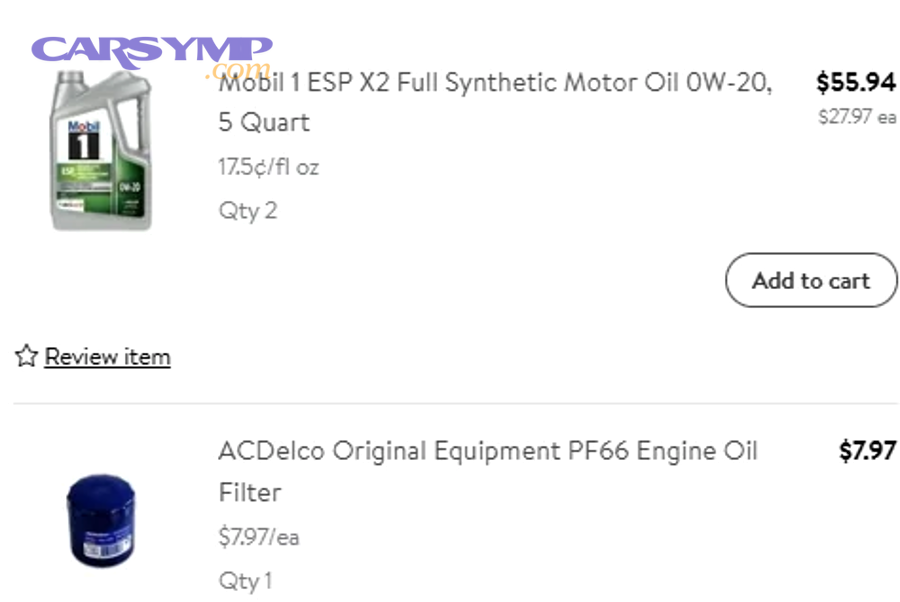
Oil grade and required approvals
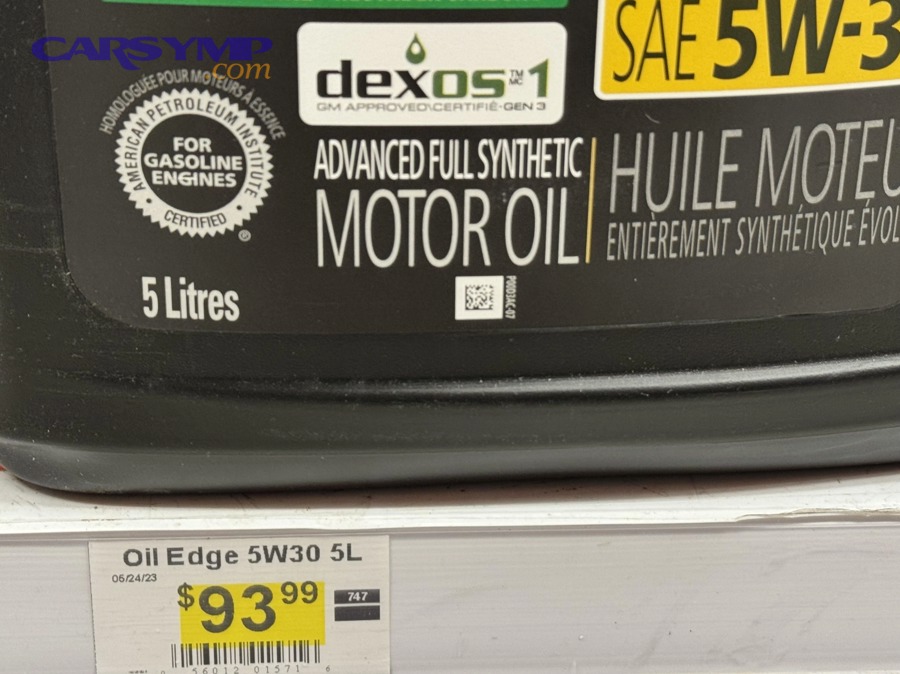
Some engines require specific approvals or viscosity grades beyond “any 5W-30.” Turbocharged, direct-injection, or European-spec engines can be more sensitive to oil formulation and approvals. When DIYers buy “whatever is on sale,” they risk false savings if it doesn’t meet the required spec.
Oil capacity: small sump vs large sump
A compact car with a modest oil capacity tends to favor DIY because the parts bill stays reasonable. Trucks, performance cars, and some luxury engines may require significantly more oil—raising DIY parts cost and narrowing the difference versus shops that buy oil in bulk.
Filter design: spin-on vs cartridge
Cartridge filters can be clean and compact, but they may require special sockets and careful cap torque. Spin-on filters are often simpler but can be messy if access is poor. If you want a skill-focused approach, keep Oil filter selection and replacement tips in mind as a way to avoid leaks and reduce repeated rework.
Undertrays, skid plates, and access panels
Many modern vehicles use aerodynamic undertrays that improve efficiency but add removal steps. If a shop can do this quickly with a lift, shop value increases. If you’re on ramps in a tight driveway, your time cost rises.
Mess factor and ergonomics
Vehicles with awkward drain angles, recessed filters, or tight clearances can make DIY unpleasant and risky. In those cases, shop pricing may be “more expensive,” but your total cost (including cleanup and hassle) may be lower.
When does DIY break even on tools and time?
DIY breaks even when your per-change savings exceed the upfront tool cost and your time cost—often after a few changes if your car is easy and you already own safe lifting gear.
Next, we’ll use a simple break-even framework so you can estimate your personal payback point without guessing.
Step 1: Estimate per-change savings
Start with your local shop’s all-in price and subtract your parts-only DIY bill. That difference is your “gross savings.” Then subtract any DIY-only fees (like a paid recycling service, if applicable).
Step 2: Price your time realistically
Time is a cost even if you enjoy DIY. If you value your free time at a modest hourly rate, multiply that rate by the hours you spend including setup and cleanup. This step often explains why some drivers “should DIY” on paper but still prefer a shop.
Step 3: Spread tool cost across the number of changes
If you buy ramps, a drain pan, and a specialty filter socket, treat that like a one-time investment. Divide it across the number of oil changes you expect to do over the next couple of years.
This table helps you estimate break-even by separating savings, time, and tools.
| Item | Example A: Easy compact | Example B: Undertray + cartridge filter |
|---|---|---|
| Shop price (all-in) | Moderate | Higher |
| DIY parts bill | Lower | Higher |
| DIY time per change | Shorter | Longer |
| Tool investment | Small | Medium |
| Break-even tendency | Faster | Slower (unless shop price is very high) |
Practical break-even rule
If your gross savings per change is meaningful and your DIY time is predictable, break-even often arrives quickly. If access is difficult, the “time cost” dominates and pushes break-even further out.
How do risks and quality control affect total cost?
DIY can be cost-effective, but the total cost rises sharply if an error causes leaks, engine damage, or repeat work, while shops reduce risk through routine checks, equipment, and accountability.
However, you can manage DIY risk with a controlled process, and you can manage shop risk by verifying specs and avoiding unnecessary add-ons.
Risk category 1: Mechanical damage from fasteners
Drain plugs and aluminum pans are common failure points. Cross-threading, over-torquing, or reusing a damaged washer can cause leaks that turn into bigger repairs. A shop may be more consistent, but shops can also make mistakes—so documentation matters either way.
Risk category 2: Wrong oil spec or wrong fill level
Using the wrong viscosity or a non-approved oil can increase wear risk or trigger issues on engines with tight tolerance requirements. Overfilling can cause foaming and pressure problems; underfilling can starve the engine. If you’re optimizing cost, you still must prioritize correct specification and precise measurement.
Risk category 3: Service interval mismatch
The cheapest oil change is not “as often as possible” or “as rarely as possible.” Driving pattern matters: short trips, heavy loads, dusty environments, extreme temperatures, and high-idle use can shorten intervals, while steady highway driving can be gentler. Use How often to change oil by driving style as a decision lens—because interval mistakes can erase any short-term savings.
Quality control checklist mindset
A simple QC routine reduces DIY cost surprises: verify the correct drain bolt, pre-check the filter gasket surface, torque appropriately, fill gradually, confirm dipstick level after a short run, then inspect for leaks after a brief drive. That method makes DIY more “shop-like” in reliability.
What value do you get beyond the oil change?
A shop oil change can deliver extra value—inspection, professional notes, and documented service history—while DIY delivers learning, control over parts, and flexible timing when done carefully.
Next, we’ll connect “non-oil” benefits to real money outcomes like resale value, warranty clarity, and fewer surprise repairs.
Inspection value: catching problems early
Many shops check tires, wipers, fluids, brakes (basic visual), leaks, and battery condition. If that inspection prevents one breakdown, the shop premium may pay for itself. DIYers can replicate this by building a repeatable checklist, but it requires discipline.
Documentation and resale leverage
Service records can increase buyer confidence and reduce negotiation friction. DIY documentation can be just as strong if you keep receipts and log mileage and dates consistently—but many DIYers don’t, which quietly reduces value later.
Warranty and maintenance-plan alignment
For newer vehicles, clarity matters. Using correct oil and keeping proof of maintenance helps if a warranty claim ever arises. Shops provide invoices automatically; DIYers must create that paper trail themselves.
Skill growth and control
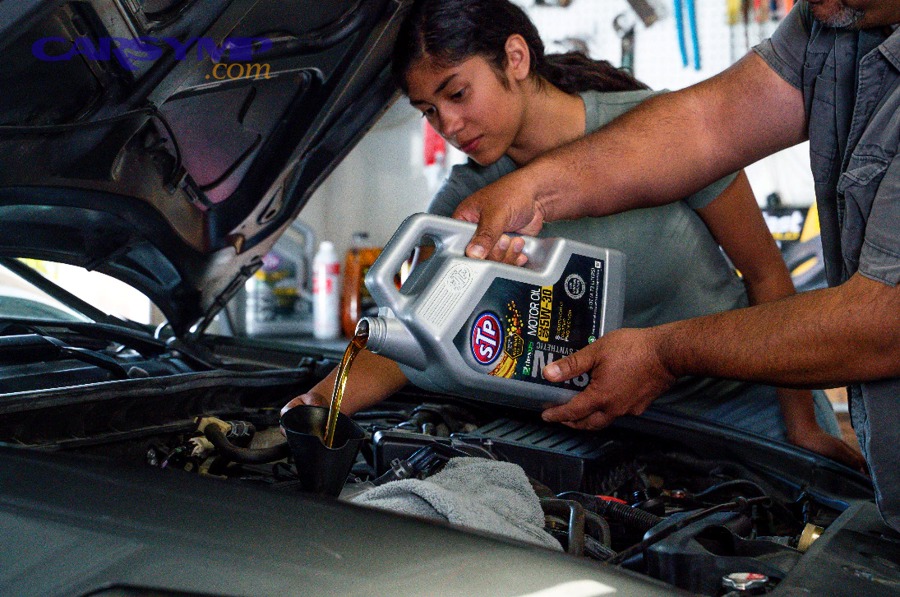
DIY can improve your mechanical awareness and catch issues early because you’re physically under the car. Many drivers start with the goal to change engine oil at home and then discover they can also spot leaks, torn boots, or loose shields before they become expensive.
Convenience math: the “clean hands” premium
Even if DIY is cheaper, some drivers pay a premium to avoid oily cleanup, storage of used oil, and the stress of lifting a car. That preference is rational—because convenience is a valid component of total cost.
Which option is best for different drivers?
DIY is best for drivers with a safe workspace, basic tools, and comfort following specs, while shops are best for time-constrained drivers, complex vehicles, and anyone who values documentation and low hassle more than maximum savings.
Next, we’ll translate that into quick profiles so you can match the option to your situation rather than guessing.
This table matches common driver profiles to the option that usually fits best.
| Driver profile | DIY tends to fit when… | Shop tends to fit when… |
|---|---|---|
| Budget-focused commuter | Easy access, consistent routine, owns basic tools | Coupons or bundled deals narrow the gap |
| Apartment / no driveway | Rare (space and rules often block DIY) | High (convenience + compliance) |
| New car under warranty | Strong records + exact spec discipline | Simple documentation + low risk |
| Performance / turbo / picky spec | Advanced DIYer who verifies approvals | Specialty shop that guarantees correct spec |
| High-mileage driver | Big savings if frequent changes | Fast service + consistent inspections |
| Older vehicle / leaks possible | DIYer who watches seepage closely | Shop inspection may catch issues sooner |
Decision shortcut
If your vehicle is simple and you enjoy careful routine, DIY usually wins on cost. If your vehicle is complex, your schedule is tight, or you prefer documented service and low mess, the shop route is often the smarter “total cost” decision.
Frequently asked questions about oil-change costs
These common questions help you avoid false comparisons by clarifying what prices include and what can unexpectedly raise your total cost.
Next, we’ll answer the most practical questions that affect your final decision, not just the headline price.
Do shop coupons or memberships eliminate DIY savings?
Sometimes—discounts can bring a shop close to DIY parts cost, especially for basic services on common vehicles, but DIY can still win if you already own tools and your time cost is low.
However, compare apples to apples: confirm oil spec, quantity, filter type, and whether the price includes fees and disposal.
Is cheap oil the best way to cut cost?
No—using incorrect or low-quality oil can raise long-term cost through wear and deposits, so cost cutting should focus on buying the correct spec efficiently, not downgrading the requirement.
Next, treat “correct spec first, price second” as the rule that keeps savings real.
Does DIY always take longer than a shop?
Not always—experienced DIYers with an organized setup can be fast, but first-timers often take longer due to safety setup, access steps, and careful verification.
However, the time difference matters most when you price your free time and factor cleanup and disposal trips.
Can a shop mistake cost more than DIY mistakes?
Yes—any mistake can be expensive, but shops typically offer recourse through invoices and policies, while DIY mistakes are fully on you unless you can prove a defective part.
Next, the most cost-protective step either way is to confirm correct oil spec and verify no leaks after service.
Contextual Border: We’ve covered the main comparison factors that decide most outcomes. Next, we’ll expand into less obvious variables that can flip your decision in edge cases and help you optimize cost without sacrificing reliability.
Hidden factors that can flip your oil-change cost decision
Small details—oil approvals, disposal logistics, bundled services, and DIY process efficiency—can quietly reverse the “DIY is cheaper” assumption or dramatically increase DIY savings when managed well.
Next, we’ll cover four high-impact factors that most cost comparisons overlook.
OEM approvals and record-keeping can be worth real money
Some engines effectively require not just a viscosity grade but a specific approval standard. When you match those requirements precisely and keep receipts, you protect yourself in disputes and preserve resale confidence.
However, if you’re unsure about approvals, a reputable shop that guarantees spec compliance can be the lower-risk choice—even if the invoice is higher.
Disposal and spill cleanup change the “true DIY price”
DIY looks cheapest until you account for safe storage, transport to recycling, and the cleanup cost of even a small spill. If your local recycling access is inconvenient, your time cost rises quickly.
Next, build disposal into your routine: store used oil in sealed containers and plan recycling trips the same day you buy supplies to reduce extra errands.
Bundled services can beat DIY when they prevent one repair
If a shop’s inspection catches a leaking axle seal, a torn CV boot, or a low coolant condition early, the extra oil-change cost can be offset by avoided damage or breakdowns.
However, the value is highest at shops that show evidence—measurements, photos, or clear explanations—rather than pressure-based upsells.
DIY efficiency upgrades reduce cost per change without cutting corners
Once you streamline your workflow—pre-measured oil, correct tools, a clean drain pan setup, and a repeatable checklist—DIY time drops and mistakes become rare, which preserves savings.
Next, treat your process like a mini “service bay”: consistent steps, consistent verification, and a final leak check after a short drive.