


Proper disposal of used oil and filter means capturing every drop, storing it cleanly, and sending it to the right recycling pathway so it is reused as a resource instead of becoming a pollutant.
Beyond “where do I take it,” the bigger goal is preventing spills and cross-contamination, because one careless pour can turn an easy recycling job into a messy cleanup and a rejected load.
You’ll also want a repeatable routine: the same containers, the same labeling, the same handling steps—so your next oil change is cleaner, faster, and safer for your driveway and community.
To introduce the next idea, think of disposal as a short logistics chain—capture, contain, separate, transport, and drop-off—where each link protects the next.
Can you dump used motor oil anywhere without consequences?
No—used motor oil should never be dumped on the ground, into storm drains, or into household trash, because it can spread quickly, contaminate surfaces and water, and is typically regulated as a special waste. Next, the key is understanding why it becomes a problem so you treat it like a contained fluid, not “dirty liquid.”
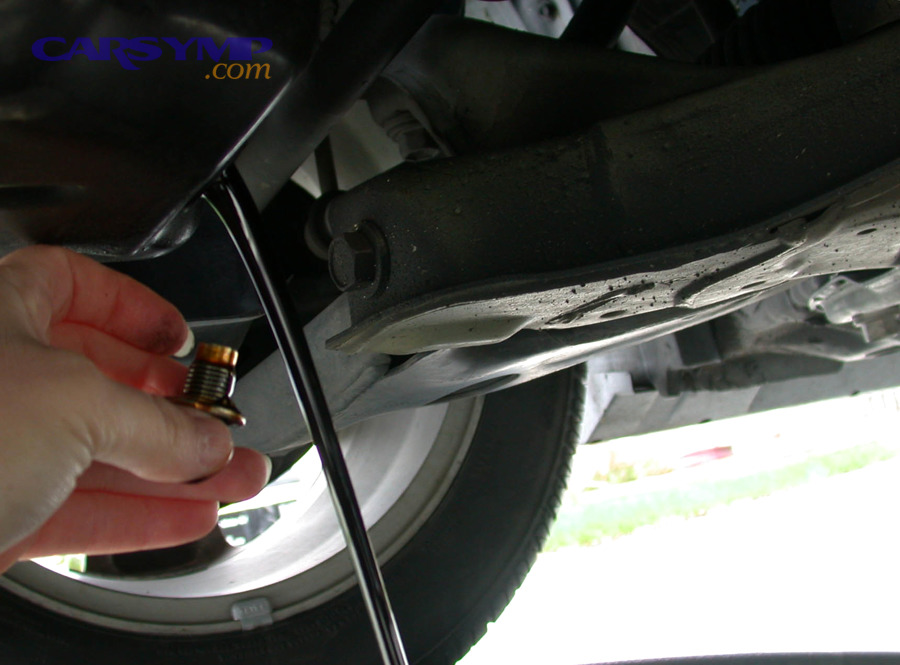
To connect this to practical action, disposal is less about memorizing rules and more about controlling three failure points: (1) spills during draining, (2) leaks during storage/transport, and (3) contamination that causes a recycler to reject it.
In practice, “can I just throw it away?” becomes a simple Boolean test: if it’s a fluid that can leak, stain, or mix with other wastes, you must contain it and route it to a collection system designed for oils. Hơn nữa, many places treat improper dumping as an environmental violation, so “quick disposal” can become a costly mistake.
What exactly counts as “used oil” and “used oil filter” in DIY maintenance?
Used oil is engine lubricant that has been drained from the crankcase after service, while a used oil filter is the cartridge or spin-on canister that has trapped contaminants during circulation; both are best treated as recyclable materials that require controlled handling. Next, separating “clean recyclables” from “contaminated waste” keeps your drop-off simple.
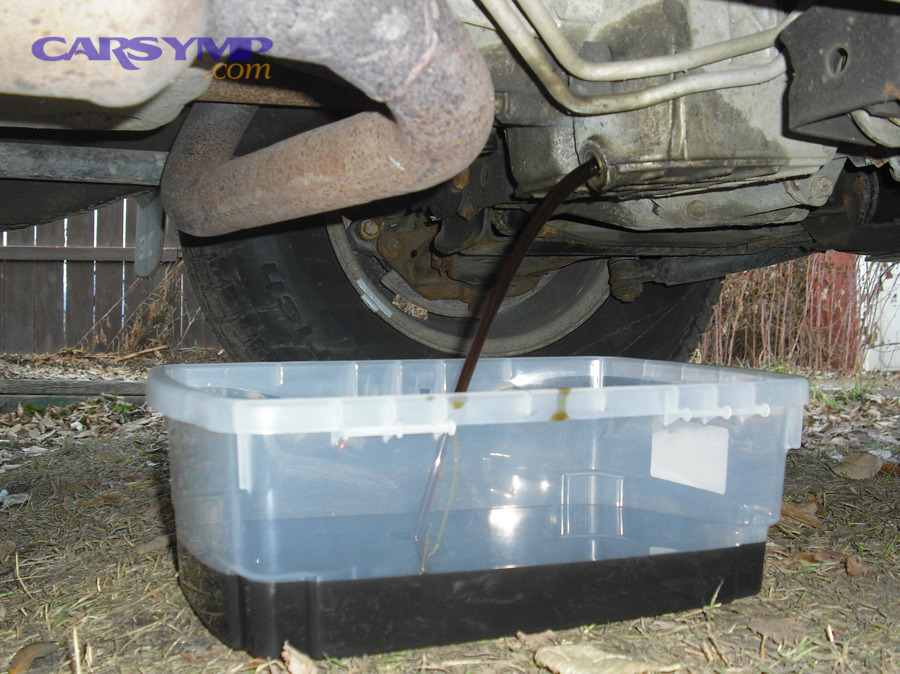
To make this clear, there are a few common subtypes you’ll encounter:
- Used engine oil: drained from the oil pan, typically the main volume you’ll collect.
- Residual oil: oil left inside the filter, oil cooler lines, or a drain pan lip—small amounts that still matter for spills.
- Used oil filter: a spin-on metal canister or a cartridge element; both hold trapped debris and leftover oil.
- Oil-contaminated items: rags, shop towels, absorbent pads, kitty litter, cardboard—often the hidden reason loads get rejected.
To bridge into best practices, the disposal pathway depends on purity. Oil that is mixed with brake cleaner, gasoline, coolant, solvent, or paint becomes “contaminated used oil” and may not be accepted in standard used-oil tanks. Bên cạnh đó, filters that are left to drip-dry are easier to handle and less likely to leak in transport.
One more distinction helps: “used oil recycling” is often designed for petroleum-based and many synthetic engine oils, but “mystery mixtures” are hard for facilities to process safely. Therefore, your job is to keep the oil stream as single-material as possible.
How do you capture used oil cleanly and prevent spills at the source?
The most reliable method is to drain into a stable pan, then transfer into a sealed container using a funnel, while keeping the work area level and protected from wind or foot traffic. Next, a consistent capture routine reduces the chance of the one spill that ruins your whole job.
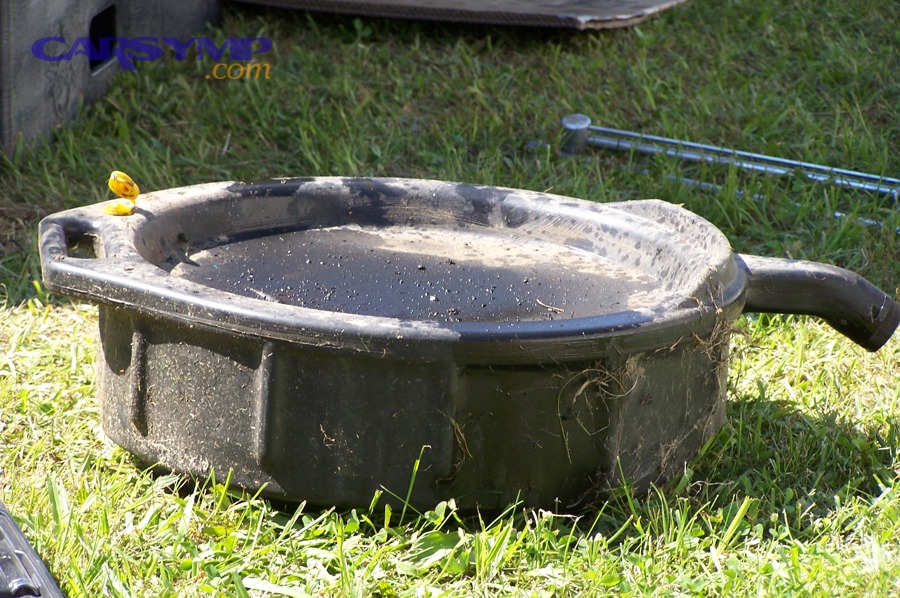
Use this step-by-step capture workflow:
- Pre-stage containers: place a clean, sealable jug near the pan; keep a funnel and wipes within reach.
- Stabilize the pan: set the drain pan on flat ground; avoid sloped driveways that cause splash or drift.
- Control the first surge: crack the drain plug slowly so you can aim the stream into the pan’s center.
- Let it finish: wait for the stream to become a slow drip; rushing is when people bump pans.
- Transfer with a funnel: pour from pan to jug slowly; pause if glugging starts, then continue.
- Seal immediately: cap the jug tightly and wipe the exterior so it doesn’t leave an oily trail.
To connect this to safe DIY habits, the mess usually happens before the oil ever reaches a recycler. That’s why a wider pan with high splash walls and a built-in pour spout is worth it—your goal is not only to catch oil, but to move it without re-exposing it.
For readers who also follow a full DIY workflow, you might see guides mentioning change engine oil at home as a convenience. In disposal terms, “at home” only works when your capture method is repeatable and your storage container is always clean and dedicated to oil.
Finally, keep oil away from open flames or hot surfaces, and avoid leaving an uncovered pan unattended. Tóm lại, clean capture is half the disposal job—because what you don’t spill is what you can recycle.
How should you handle the used oil filter, cartridge, and oily rags?
Handle the used oil filter as a leak source: let it drain, contain it in a bag or bin, and keep oily rags and absorbents separated so they don’t contaminate the oil stream. Next, treating “small items” correctly prevents drips in your car trunk and rejections at drop-off.
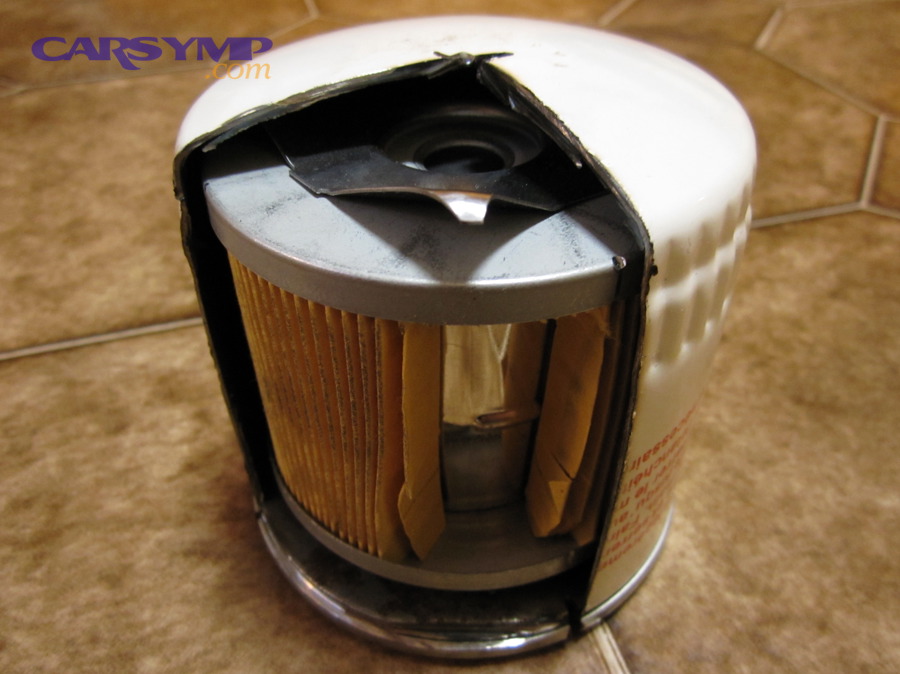
Start with the filter itself:
- Spin-on filters: after removal, hold it over the drain pan and let it drip until it slows; keep the gasket side up after draining to reduce leakage.
- Cartridge filters: drain the housing if possible; keep the used element in a sealed bag to contain residual oil.
To make the next step easier, store drained filters in a dedicated, sealable container (for example, a small lidded bucket) so they do not tip or leak during transport. Cụ thể hơn, don’t toss filters loose into a trunk—oil can seep into carpet and become a persistent odor.
Now handle oily rags and absorbents with care:
- Oily rags/towels: place in a sealable metal can or thick bag; do not mix into the used-oil jug.
- Absorbent granules: keep in a separate bag; many drop-offs treat it differently than liquid oil.
- Cardboard drip mats: let dry outdoors in a protected place, then bag if needed; avoid tearing that releases residue.
To link this to practical error-proofing, most disposal trouble comes from “everything went into one box.” Separate streams—liquid oil, filters, and oily solids—so each can be routed correctly.
Where can you take used oil and filters so they’re actually recycled?
You can usually recycle used oil through designated collection points such as municipal household hazardous waste facilities, participating automotive retailers, community collection events, or service centers that accept DIY returns. Next, choosing the right drop-off depends on what materials you have and how cleanly you kept them separated.
Before the table below, note: this table lists common drop-off options, what they accept, and how to prepare your materials so you don’t get turned away.
| Drop-off option | Typically accepts | Preparation tips |
|---|---|---|
| Municipal HHW facility | Used oil, filters, oily solids (rules vary) | Keep oil in sealed jugs; bag filters separately; label if possible |
| Auto parts retailer collection | Used oil; sometimes filters | Bring only clean used oil (no coolant/solvents); use original-style jugs |
| Community collection event | Used oil and other automotive fluids (event-specific) | Arrive early; keep materials upright in a bin to prevent tipping |
| Repair/service shop (ask first) | Used oil; occasionally filters | Call ahead; confirm limits and acceptable containers |
To connect this to real-world success, the most common reason for rejection is contamination—oil mixed with coolant (milky appearance), fuel, degreaser, or brake cleaner. Therefore, if you used solvents during the job, keep them in a separate waste stream and do not pour them into the oil jug “to get rid of them.”
Some recyclers also care about filter preparation. If they accept filters, they may prefer them drained and bagged. Ngoài ra, if you are unsure whether filters are accepted, treat them as a separate item and ask the site directly rather than assuming “oil drop-off means filter drop-off.”
How do you store and transport used oil without leaks, fumes, or mess?
Store used oil in a dedicated, sealable, unbreakable container with a tight cap, keep it upright inside a secondary bin, and transport it promptly to a drop-off location. Next, good transport is about redundancy: one container can fail, but two layers usually prevent a disaster.
Use these storage and transport rules:
- Use the right container: a clean oil jug with a screw cap is ideal; avoid thin food containers that crack or leak.
- Label clearly: write “USED ENGINE OIL” on tape; it reduces confusion at drop-off and at home.
- Secondary containment: place the jug in a plastic tote to catch drips if the cap loosens.
- Keep upright: wedge the tote so it cannot slide; avoid putting it on a seat where it can tip.
- Avoid heat: don’t leave it baking in a hot car longer than necessary; it can increase odor and pressure.
To build a stronger chain of safety, keep “liquids” and “solids” separate in transport: oil jug in one tote, bagged filters and rags in another. Hơn nữa, if you drained the filter properly, the solid tote should not have free liquid sloshing around.
If you’re comparing how you spend your time, you may have seen people debate Cost comparison DIY vs shop oil change. Regardless of cost, the disposal responsibility doesn’t disappear—DIY just moves the “back end” of the job to you, so transport discipline is what makes DIY feel professional rather than messy.
Which disposal errors cause spills, rejected drop-offs, or “mystery leaks” later?
The biggest disposal errors are mixing fluids, using poor containers, skipping filter draining, and leaving oily items loose—each one increases spill risk and can cause recyclers to reject the materials. Next, fixing the “why” behind each mistake makes your routine durable.
Here are common error patterns and the prevention fix:
- Mixing oil with other fluids: coolant, fuel, brake fluid, or solvents can contaminate the whole batch. Fix: keep each fluid in its own labeled container.
- Using open-top buckets: even if it “fits,” it sloshes and spills. Fix: use a screw-cap jug and secondary tote.
- Pouring back into dirty jugs: residue from other chemicals can ruin the oil stream. Fix: dedicate one type of jug for oil only.
- Not draining filters: filters drip later in the car trunk. Fix: drip-dry over the pan, then bag.
- Loose oily rags: they smear oil everywhere and can create odor. Fix: seal in a separate bag/can.
To connect this section to your full routine, these are essentially the Common oil change mistakes to avoid—but seen through the lens of disposal: every mistake is a broken link between “oil change finished” and “oil responsibly recycled.”
If your workflow includes lifting the vehicle, disposal errors often start with rushed setup. For example, people focus on Jacking and safety for oil changes and forget that an unstable pan is just as likely to cause a spill. Therefore, treat pan placement and container staging as part of “safety,” not an afterthought.
What should you do if a spill happens during draining or transport?
Stop the source, contain the spread, absorb the liquid, and isolate contaminated cleanup materials so they don’t re-enter the oil recycling stream. Next, the fastest cleanup is the one that prevents oil from reaching drains or soil.
Use this spill response sequence:
- Stop the leak: upright the pan/jug, tighten the cap, or plug the source if possible.
- Block migration: keep oil away from storm drains using towels, absorbent socks, or a barrier of dry absorbent.
- Absorb, don’t smear: sprinkle absorbent on the oil and let it work; avoid wiping first, which spreads the film.
- Collect the absorbent: sweep into a bag; seal it and label it as oil-contaminated material.
- Clean the residue: use a small amount of degreaser only if needed, and capture runoff; avoid washing oil into drains.
To keep the chain intact, treat spill cleanup as its own waste stream. Cụ thể, do not dump oily rinse water into the used-oil jug (it adds water and chemicals) and do not pour it down a drain. If you must rinse, use minimal liquid and capture it in a container for proper disposal through a facility that accepts contaminated liquids.
Finally, revisit your setup: spills are feedback. Tóm lại, the fix is usually one of three: a bigger pan, better container caps, or a better staging routine.
How can you verify your materials will be accepted before you drive to drop-off?
The simplest verification is to confirm what the site accepts (oil only vs oil and filters) and ensure your oil is “clean” (not mixed with other fluids) in sealed containers. Next, one quick check saves a wasted trip and prevents you from leaving with a leaking jug in your car.
Use this acceptance checklist:
- Container check: cap tight, no cracks, exterior wiped clean, jug upright in a tote.
- Content check: only engine oil inside; no visible coolant mixing or strong solvent smell.
- Filter check: drained and bagged; no free-flowing oil in the bag.
- Volume check: keep within typical household limits; if you have many jugs, call ahead.
To connect this with smoother logistics, plan drop-off right after the service when the oil has cooled and you’ve sealed everything—delaying for weeks increases the chance of a cap loosening, a jug being knocked over, or someone mistakenly adding another liquid.
If you want an example of a disposal workflow from an official-style collection center, the video below shows a practical drop-off approach you can mirror in your local system.
Contextual Border: Up to this point, you’ve covered safe capture and correct drop-off routing. Next, we expand beyond disposal into micro-optimizations that reduce waste, improve recyclability, and “close the loop” in your DIY system.
Beyond disposal: how do you reduce waste and close the loop?
The best way to “close the loop” is to keep oil uncontaminated, drain filters well, and choose habits that reduce single-use materials—so recycling stays efficient and your DIY footprint shrinks over time. Next, the small decisions—containers, filter style, and cleanup materials—add up across every service interval.
Is re-refining better than disposal-by-trash, and why is the antonym important?
Yes—re-refining (or proper recycling) is the practical antonym of “trash disposal,” because it treats used oil as a recoverable resource rather than a pollutant to discard. Next, seeing that antonym helps you choose behaviors that protect the oil stream from contamination.
Used oil can be processed into base stock and reintroduced into the supply chain in many systems, while “trash disposal” often leads to leakage, uncontrolled release, or difficult cleanup. Cụ thể, your role is to deliver a clean, single-material input that makes recycling possible.
Which filter types and handling choices make recycling easier?
Filters that are drained thoroughly and kept separate are easier to manage, and many systems prefer minimal free oil in the filter container. Next, small handling choices—like drip-drying and sealing—reduce mess and improve acceptance.
For cartridge-style systems, bagging the element prevents oil transfer to other items. For spin-on filters, storing upright after draining helps prevent late drips. Ngoài ra, keeping a dedicated “filters only” bin in your garage makes repeat disposal effortless.
How do you build a repeatable DIY disposal kit that never gets skipped?
Create a kit with one drain pan, one funnel, two labeled jugs, one tote for secondary containment, and one bag/can for oily solids—so every service uses the same steps. Next, when the tools are always ready, “I’ll deal with it later” becomes unnecessary.
Include gloves, absorbent, and a marker for labeling. Keep the kit stored together so you can grab it in one move. Quan trọng hơn, standardization prevents improvisation—the root cause of most spills.
What should you do with leftover packaging, empty oil bottles, and the “cleanup extras”?
Empty oil bottles should be fully drained and handled according to local plastic recycling rules, while oily cleanup extras should be bagged and treated as contaminated solids. Next, separating “dry recyclables” from “oil-wet items” prevents cross-contamination.
If a bottle still has oil residue, let it drain into your used-oil jug before capping. For cardboard and wipes with visible oil, bag them instead of placing them into standard paper recycling. Tóm lại, keep clean recyclables clean, and keep oily materials contained.
FAQ
Can I pour used oil into a milk jug or soda bottle?
It’s safer to use a container designed for oils with a tight cap; thin food containers can crack, leak, or deform under heat. Next, if you must reuse a container, choose a thick, screw-cap jug and keep it dedicated to oil only.
Do I need to drain the filter overnight?
Not always, but the longer you let it drip safely over the pan, the less likely it will leak later in transport. Next, aim for “no free-flowing drips” before bagging and storing.
What if I accidentally mixed a little coolant or solvent into the oil?
Assume it is contaminated and do not pour it into a standard used-oil collection tank; keep it separate and route it through a facility that accepts contaminated automotive fluids. Next, label the container clearly so it is handled correctly.
How long can I store used oil before drop-off?
Short storage is best—store it sealed, upright, and out of heat, and take it to drop-off as soon as practical. Next, the longer it sits, the higher the chance of an accidental knock-over or mistaken mixing.