


A clunking (knocking) symptom in the steering system usually means something has developed measurable play—most often a worn tie rod joint, a loose rack mount/bushing, or internal steering rack lash—so the parts “shift” before they actually steer the wheels. This guide helps you pinpoint the most likely source quickly and safely, using symptom patterns and simple confirmation checks.
Next, you’ll learn how to separate tie rod noise from steering rack noise by focusing on when the sound happens (turning vs bumps vs transitions), what you feel in the steering wheel, and what moves during basic wheel-play tests.
Then, you’ll get a practical, at-home diagnostic flow that shows what to inspect first (the highest-probability failures), what findings actually matter, and what results should push you to a professional inspection and alignment.
Introduce a new idea: once you identify the source, the smartest “next step” isn’t just replacing a part—it’s preventing rapid tire wear, handling instability, and repeat clunks by correcting the underlying looseness and finishing with the right alignment checks.
What does a steering rack or tie rod “clunking (knocking)” symptom mean?
A steering rack or tie rod “clunking (knocking)” symptom is a mechanical impact noise caused by free play in steering-linkage components that momentarily shift under load before they transmit steering force.
To better understand the issue, the key is to connect when the noise happens with which joint or mount is being loaded at that moment.
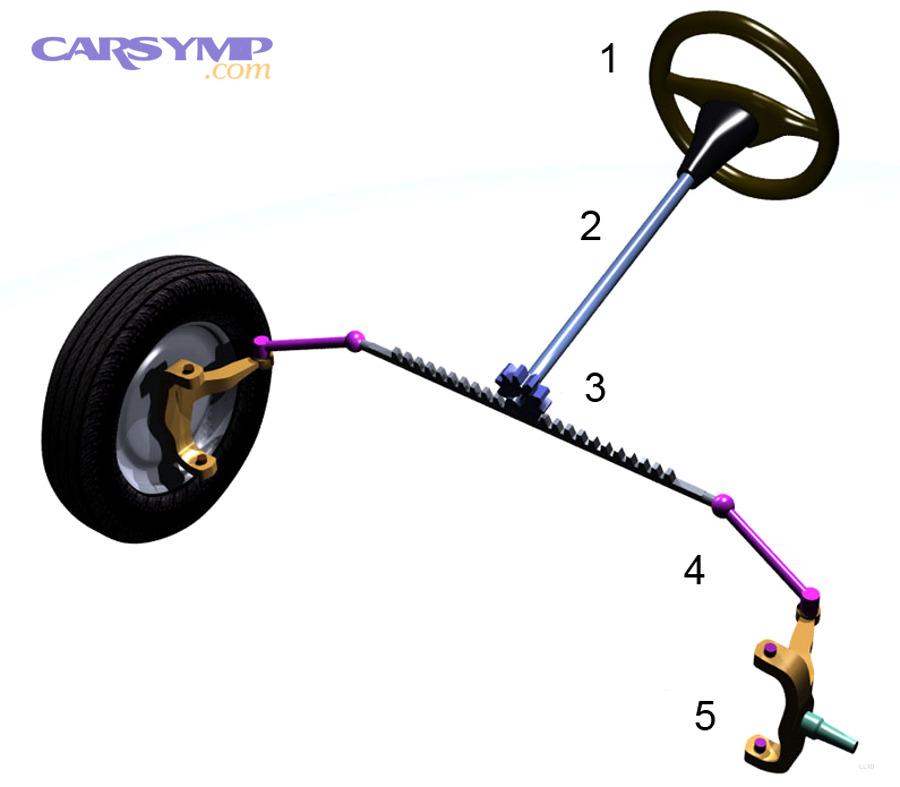
In a healthy steering system, the steering wheel’s input transfers smoothly through the rack and tie rods to the steering knuckle. When a joint wears or a mount loosens, the system no longer acts like one solid chain. Instead, the worn interface “takes up slack,” then snaps into contact—producing that familiar clunk.
Common characteristics of steering-related clunks:
- Single clunk on direction change (left-to-right steering input, or drive-to-reverse transitions)
- Clunk during parking-lot maneuvers (high load at low speed)
- Clunk paired with steering feel changes (wandering, dead spot, vibration)
Is clunking (knocking) from the front end always a steering problem?
No—clunking (knocking) from the front end is not always a steering problem, because (1) suspension joints can clunk under similar loads, (2) brake components can shift and mimic steering knocks, and (3) subframe-mounted parts can transmit noise that feels like it’s in the steering wheel.
Next, the fastest way to stay accurate is to tie the noise to a repeatable trigger, because “front end” noise is a shared neighborhood.
A good steering diagnosis starts with a rule: don’t name the part yet—name the condition. For example:
- “Clunk when turning at low speed” loads steering joints and rack mounts.
- “Clunk only on bumps” often loads suspension bushings, sway links, or loose brake hardware.
- “Clunk when braking then turning” can be steering or brake hardware shifting under torque.
What driving situations make steering clunks easiest to reproduce?
There are 5 main driving situations that reproduce steering clunks most reliably: (1) low-speed tight turns, (2) quick left-right steering rocking, (3) parking with steering near full lock, (4) bumps while lightly steering, and (5) stop–start transitions.
Then, once you reproduce it consistently, you can run targeted checks instead of guessing.
Practical reproduction setup:
- Find a flat, quiet area (empty lot is ideal).
- Turn the wheel ¼–½ turn left and right repeatedly while creeping.
- Repeat while braking lightly.
- Repeat over a small driveway lip at low speed.
If the clunk appears most strongly during tight turning under load, tie rods and rack mounts rise to the top of the list. If it appears mainly as a clunking noise over bumps, you’ll broaden the suspect list later (and you should).
What is the difference between a “clunk” and a “knock” in steering diagnosis?
Clunking (knocking) is essentially the same symptom family, but a clunk usually signals a larger, slower shift of a part, while a knock often describes smaller, sharper impacts that can repeat quickly with steering input.
More specifically, treating them as synonyms helps you focus on the real differentiator: how much play exists and where it lives.
Helpful interpretation:
- Clunk: bigger movement (loose joint, mount shift, worn bushing).
- Knock: smaller repeated tapping (inner joint lash, intermediate shaft play, light mount movement).
What are the most common signs of worn tie rods that cause clunking (knocking)?
There are 6 main signs of worn tie rods that cause clunking (knocking): (1) clunk during turns, (2) steering looseness, (3) wandering, (4) vibration/shimmy, (5) uneven tire wear, and (6) alignment pull—based on how tie-rod play changes wheel toe under load.
Next, you’ll use symptom grouping to decide whether the outer tie rod end or inner tie rod is more likely.
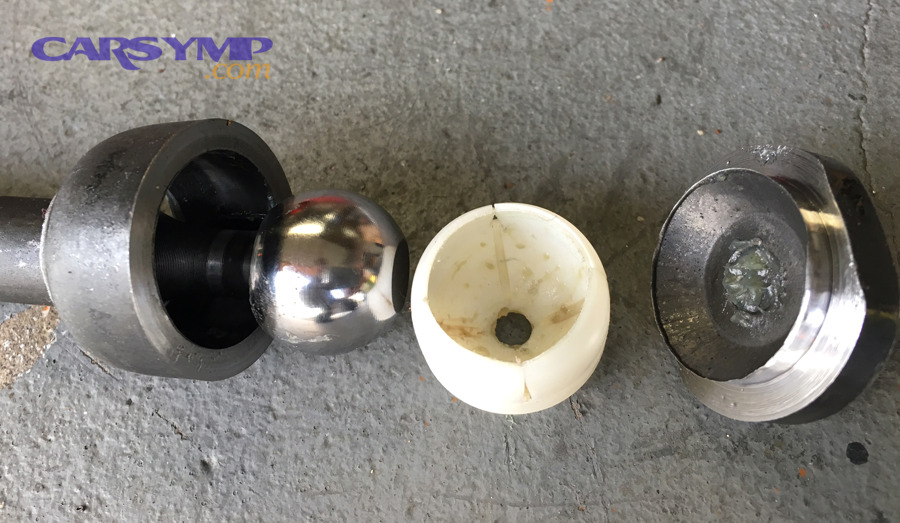
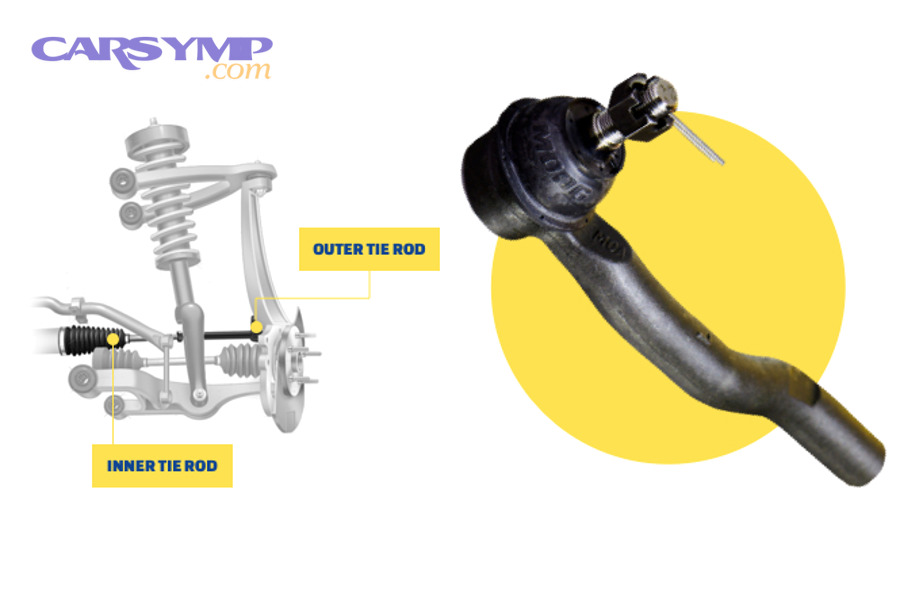
Tie rods connect the steering rack’s movement to the steering knuckle. Each tie rod assembly typically includes:
- Inner tie rod (rack-end joint)
- Outer tie rod end (knuckle-end ball joint)
- Adjusting sleeve (on many designs) to set toe alignment
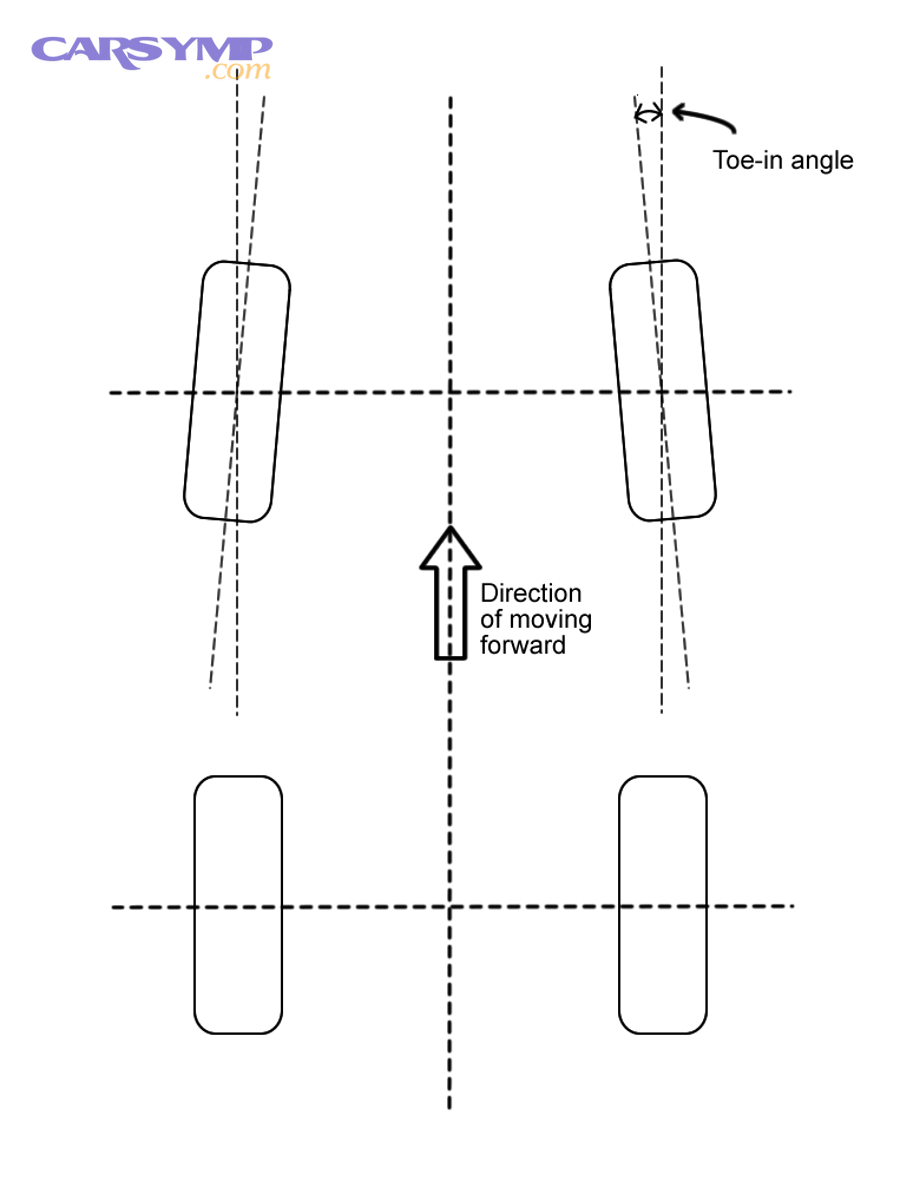
When the joint surfaces wear, the wheel can toe in/out slightly before it follows steering input. That toe shift creates noise and can scrub tires.
Can bad tie rods cause clunking even if the car still steers “fine”?
Yes—bad tie rods can cause clunking (knocking) even if the car still steers “fine” because (1) early wear creates noise before obvious looseness, (2) loads spike during parking/low speed where you notice it most, and (3) the alignment can still be “close enough” until the joint worsens.
To illustrate, the steering system can compensate for small slack while you drive straight, but it cannot hide slack during quick direction changes.
Early-stage clues drivers often miss:
- A faint click when you “wiggle” the wheel at a stop
- A single clunk only when turning into a driveway
- A steering wheel that needs tiny corrections to stay centered
What symptoms point specifically to an outer tie rod end vs an inner tie rod?
Outer tie rod ends win in visible, knuckle-side play; inner tie rods are best explained by deeper, rack-side looseness; steering rack issues are optimal to consider only after both tie rod joints check out under load.
However, you can sharpen this comparison by using where the movement is easiest to see and feel.
Here’s the most practical split:
Outer tie rod end tends to show:
- Clunk during turns that you can sometimes feel near the wheel
- Visible joint movement at the knuckle when a helper rocks the wheel
- A “click” in the joint when loading/unloading steering
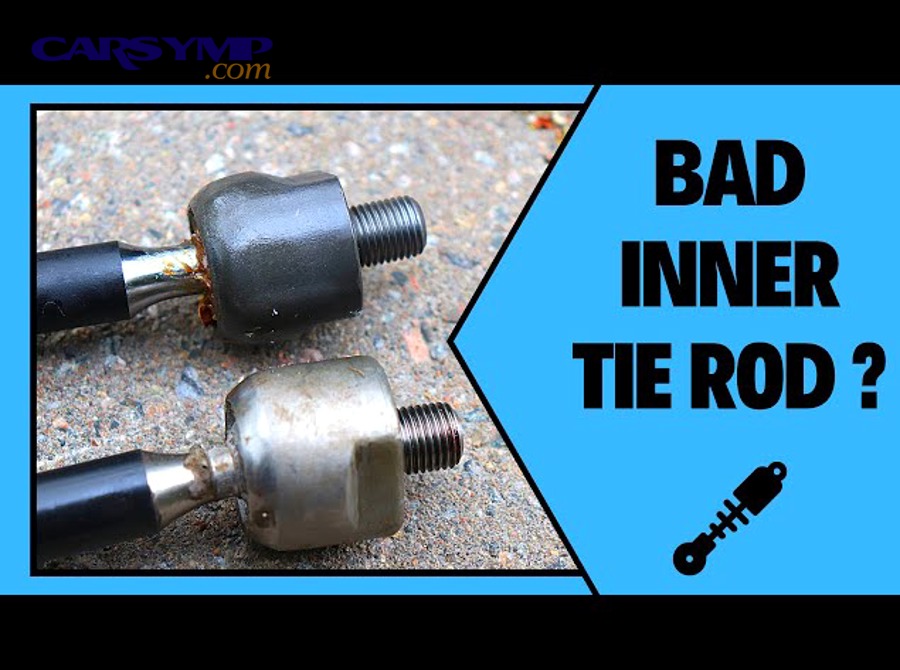
Inner tie rod tends to show:
- A dull knock that feels like it’s inside the rack boot area
- More noticeable looseness during small on-center steering corrections
- Play that is harder to see unless the vehicle is lifted and the joint is palpated
A quick mental shortcut: outer = knuckle-side, inner = rack-side. Still, you confirm it with tests, not intuition.
Which “extra” symptoms usually appear with tie rod wear besides noise?
There are 4 main “extra” symptoms that commonly appear with tie rod wear besides noise: (1) feathered or uneven tread wear, (2) steering wander, (3) vibration at speed, and (4) off-center steering wheel—based on how toe angle shifts with joint slack.
Moreover, these symptoms matter because they turn a “noise problem” into a tire-cost and safety problem.
Watch for tire wear patterns consistent with toe issues:
- Feathering across tread blocks (your hand feels a “sharp” direction when you rub across the tread)
- Inside or outside shoulder wear that accelerates quickly
If you’re seeing these signs, don’t delay the fix—tie rod looseness can worsen quickly once the joint’s protective boot is compromised.
What are the key signs of a failing steering rack that can sound like tie rod clunking?
There are 4 main signs of a failing steering rack that can sound like tie rod clunking: (1) knock on small steering inputs (on-center), (2) clunk from rack mount/bushing shift, (3) inconsistent steering assist feel, and (4) fluid leaks on hydraulic systems—based on whether the failure is mounting-related, internal, or hydraulic.
Next, you’ll narrow it down by separating “rack movement” from “rack wear.”
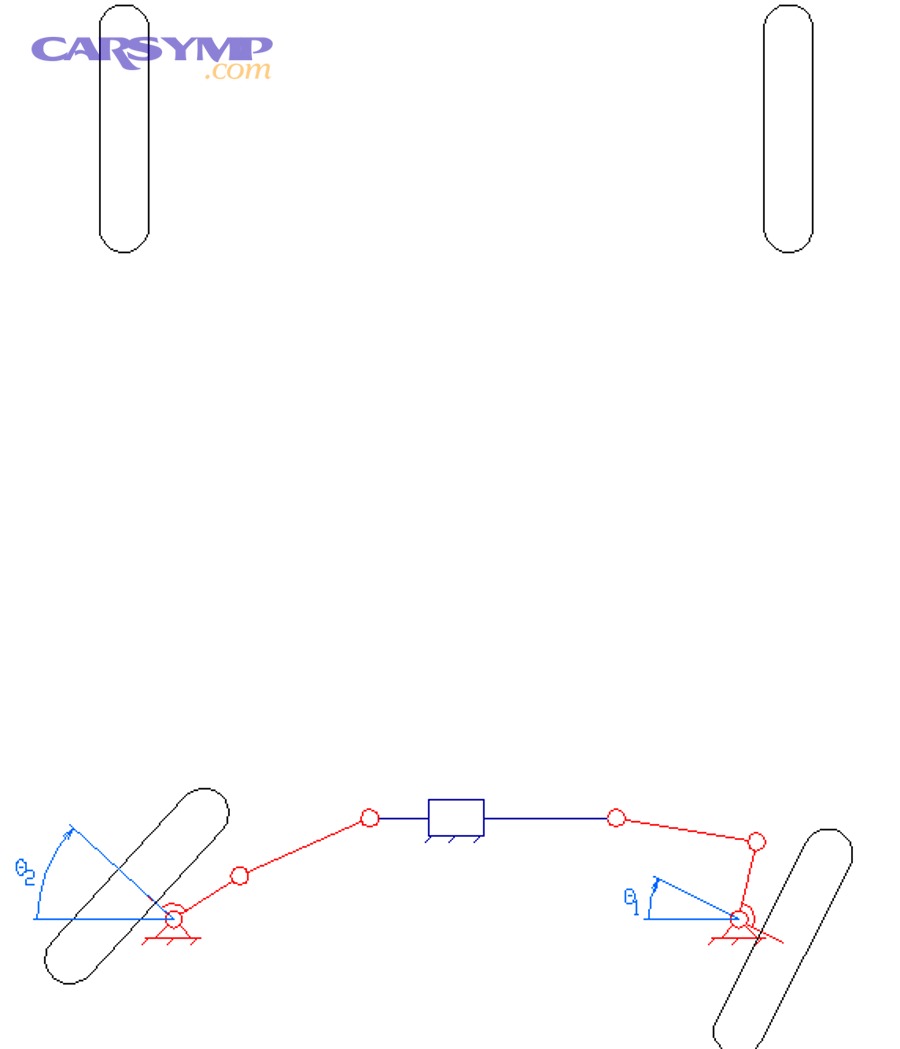
The steering rack converts the steering wheel’s rotation into linear movement. Failures typically fall into two buckets:
- External movement: rack mounts or bushings allow the rack housing to shift
- Internal looseness: wear inside the rack creates lash or knock
Can a steering rack clunk without leaking fluid?
Yes—a steering rack can clunk without leaking fluid because (1) EPS racks have no hydraulic fluid to leak, (2) rack mount bushings can shift while seals remain fine, and (3) internal lash can produce knock long before a seal fails.
In addition, many “rack clunks” are actually rack-mount clunks, not internal rack failure.
If your vehicle has electric power steering (EPS), a leak-free rack tells you almost nothing about internal wear. If it’s hydraulic, a leak is a strong clue, but the absence of leaks doesn’t clear the rack.
How can you tell rack-mount/bushing clunk from tie rod clunk?
Tie rods win when the movement is at the wheel/knuckle, rack mounts win when the rack housing shifts on the subframe, and internal rack lash is optimal to suspect when both joints and mounts show no external movement but on-center knock persists.
Specifically, you’re comparing what moves when the steering load changes.
Practical differentiation:
- Rack mount/bushing clunk: you may see the rack body shift slightly relative to the subframe when a helper rocks the steering wheel.
- Tie rod clunk: the rack body stays stable, but the joint near the knuckle or within the boot shows play.
A helpful workflow:
- Helper rocks steering wheel left-right quickly (engine running, wheels on ground).
- You observe rack housing and mounts from below (safe access only).
- Then you repeat with the front end lifted (if you’re equipped to do it safely) and check joint play.
What does “loose steering on-center” suggest: rack wear or tie rod wear?
Rack wear wins for an on-center “dead spot,” tie rod wear is best linked to wander and toe-shift feel, and other front-end play is optimal to consider when the looseness appears mainly over bumps rather than during steering input.
Meanwhile, the key difference is whether looseness appears during micro-corrections (rack lash) or during wheel loading changes (tie rods).
Common interpretations:
- On-center dead zone + knock on tiny inputs: internal lash or steering shaft play
- Wander + uneven tire wear + clunk on turns: tie rod looseness altering toe under load
- Looseness mainly over bumps: broaden to suspension and subframe-related items (covered later)
How do you diagnose whether the clunk is from the steering rack or tie rods at home?
The best at-home diagnosis is a 5-step method: reproduce the noise, check steering feel on-center, perform a 3-and-9 wheel play test, visually confirm joint/mount movement, and identify tire-wear/alignment clues—so you can isolate tie rod play versus rack movement safely.
Then, you’ll use each step to eliminate the highest-probability causes first.
Is it safe to keep driving with steering clunking (knocking)?
No—it’s not truly safe to keep driving with steering clunking (knocking) because (1) the looseness can worsen quickly, (2) toe changes can destabilize handling during braking or emergency maneuvers, and (3) severe joint wear can lead to loss of steering precision.
More importantly, “safe enough today” can become “unsafe tomorrow” after one pothole or hard curb strike.
Use these red flags to decide you should limit driving and get inspected immediately:
- Steering wheel movement that doesn’t immediately move the wheels
- A sudden increase in clunk frequency or volume
- A pull that appears abruptly after the clunk starts
- Visible looseness when you perform the wheel play test
Which quick tests isolate tie rod play versus rack play?
There are 3 main quick tests that isolate tie rod play versus rack play: (1) the 3-and-9 wheel wiggle test, (2) helper steering-rock observation of joints and rack housing, and (3) on-center micro-correction knock check—based on whether movement appears at the knuckle, under the rack boot, or at the rack mounts.
Next, you’ll run them in an order that prevents false conclusions.
Test 1: 3-and-9 wheel wiggle (front wheels lifted safely)
- Grip tire at 3 and 9 o’clock.
- Wiggle in/out.
- If you feel click/play, look at the outer joint area.
- If the movement seems deeper inside, suspect inner tie rod.
Test 2: Helper steering rock (wheels on ground)
- Helper rocks steering wheel left-right quickly (small inputs).
- You watch the outer joint, inner boot area, and rack housing/mount points.
- Rack housing movement suggests rack mount/bushing clunk.
Test 3: On-center micro-correction
- At idle, lightly “tap” steering wheel left-right.
- A knock with tiny steering movement can suggest internal lash or column/intermediate shaft play.
What should you inspect visually before assuming the rack is bad?
There are 6 key visual checks to do before blaming the rack: (1) outer tie rod end boot condition, (2) inner boot tears/grease leakage, (3) rack mount bolts and bushings, (4) evidence of hydraulic leaks (if applicable), (5) wheel/tire wear patterns, and (6) obvious loose hardware in the front end.
Besides saving money, this prevents the common mistake of replacing the rack when a smaller part is the true cause.
Use a simple visual checklist:
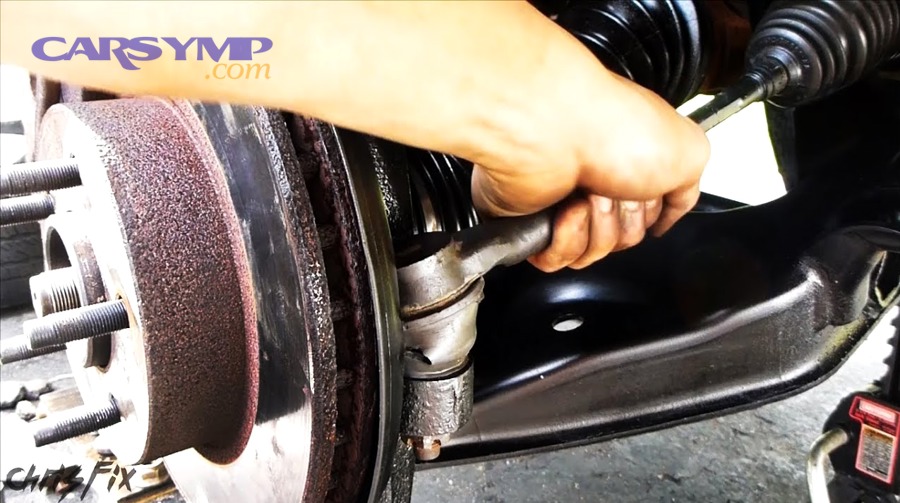
- Outer tie rod end: torn boot, rust dust, grease escape, joint looseness
- Inner tie rod boot: tears, wetness, or looseness when you grasp the rod under the boot area (if accessible)
- Rack mounts: cracked rubber bushings, shiny “witness marks” where the rack has been shifting
- Hydraulic rack: fluid wetness around seals and lines
- Tires: feathering or rapid shoulder wear indicating toe issues
- Hardware: missing clips, loose fasteners, or anything that can shift under load
Evidence: According to a study by the University of Illinois Urbana-Champaign from the Department of Electrical and Computer Engineering, in 2016, out-of-specification toe increases rolling resistance and can cause tires to wear rapidly, contributing to unpredictable handling.
Tie rods vs steering rack: which is more likely to cause clunking (knocking) in real-world cases?
Tie rods win as the more likely cause of clunking (knocking) in many real-world cases, the steering rack is best suspected when mounts or internal lash are confirmed, and “other front-end parts” are optimal to consider when the noise depends more on bumps than steering input.
However, probability only helps when it supports a test-based conclusion.
Why tie rods often lead:
- They are exposed to road shock and joint wear at the knuckle.
- Small amounts of play can create noise even before dramatic steering symptoms.
- Many vehicles accumulate tie rod wear before true internal rack failure.
Still, rack mounts and bushings can absolutely create a “rack clunk” that feels identical from the driver’s seat.
Does clunking only when turning usually indicate tie rods rather than the rack?
Yes—clunking only when turning usually indicates tie rods rather than the rack because (1) turning loads the tie rod ball joints directly, (2) outer joints often click under steering load changes, and (3) tie rod play is most obvious at low speeds with high steering effort.
In addition, tight turns amplify small clearances, which makes early wear loud.
Exceptions that still point back to the rack:
- The rack housing visibly shifts at the mounts during a helper steering rock.
- The knock happens on tiny on-center inputs with no joint play found.
- The vehicle has known rack bushing weaknesses on that platform.
What clues suggest the rack is the last part to blame?
There are 4 main clues that suggest the rack is the last part to blame: (1) you can visually confirm joint play at tie rods or suspension joints, (2) the rack housing does not move at the mounts, (3) tire wear strongly indicates toe issues from linkage play, and (4) the noise changes dramatically over bumps rather than during steering load changes.
More specifically, you should treat “rack replacement” as a conclusion you earn after you eliminate the simpler, more common movement points.
A short “rack-last” decision rule:
- If you can reproduce the noise and see a joint move, chase that joint first.
- If you can’t see movement but feel it in 3-and-9, chase tie rods first.
- If everything is tight but the noise persists on micro-corrections, investigate mounts, shaft play, and internal rack lash.
What should you do next after confirming the source of the clunk?
The right next move is a 3-part plan: fix the confirmed loose component, verify nothing else shares the load, and restore alignment—so the clunk doesn’t return and the tires don’t scrub.
Then, you’ll choose the correct repair scope (single part vs paired replacement vs rack assembly) based on what your tests revealed.
At this stage, you’re not diagnosing anymore—you’re preventing expensive side effects:
- accelerated tire wear
- unstable handling
- repeat noise from an uncorrected companion part
Do you need an alignment after replacing tie rods or a steering rack?
Yes—you need an alignment after replacing tie rods or a steering rack because (1) tie rod adjustments directly set toe, (2) rack replacement can alter steering center and toe symmetry, and (3) even small toe errors increase rolling resistance and wear.
Moreover, alignment is the step that turns “new parts” into “correct steering behavior.”
Practical expectation:
- Tie rod replacement almost always requires toe adjustment.
- Rack replacement often requires toe adjustment plus steering wheel centering.
- If you replaced anything in the steering linkage, budget for alignment.
Should you replace tie rods in pairs or only the noisy side?
Replacing tie rods in pairs wins for longevity, replacing only the noisy side is best for tight budgets, and replacing the steering rack is optimal only when the rack itself is confirmed loose or leaking.
However, your decision should match the wear pattern and the labor cost.
Use this decision logic:
- Replace one side if: the other side is clearly tight, newer, or recently replaced—and budget is critical.
- Replace both sides if: mileage is high, both boots look aged, steering feel is generally loose, or alignment costs make a second visit wasteful.
A simple cost-control truth: doing both sides once often costs less than paying for alignment twice.
When should you stop driving and tow instead?
Yes—you should stop driving and tow instead when steering clunking (knocking) comes with high-risk signs, because (1) severe play can cause loss of steering control, (2) toe can shift abruptly and destabilize braking, and (3) the vehicle may become unpredictable in emergency maneuvers.
More importantly, towing is cheaper than a crash.
Tow/stop-driving triggers:
- You can see the wheel move side-to-side with obvious looseness
- The steering wheel turns noticeably before the wheels respond
- The vehicle darts or pulls sharply during braking
- The clunk becomes a loud, repeating bang with each small steering input
Contextual border: You now have the core diagnosis + next steps: what the symptom means, how to isolate rack vs tie rods, and what to do after confirmation. The final section expands into “look-alikes” that mimic steering clunks so you don’t replace the wrong part.
What else can mimic steering rack or tie rod clunking (knocking), and how do you rule it out?
There are 4 main groups of problems that mimic steering rack or tie rod clunking: (1) sway bar/end link and suspension joint looseness, (2) brake hardware shifting, (3) steering column/intermediate shaft play, and (4) temperature/load-dependent NVH—based on parts that shift under bumps, braking torque, or small steering inputs.
Next, you’ll rule them out quickly by matching the clunk to the load type: bump-load, brake-load, or steer-load.
Could sway bar end links or control arm bushings cause a similar clunk when turning?
Yes—sway bar end links or control arm bushings can cause a similar clunk because (1) body roll during turning loads the sway bar links, (2) worn bushings allow arms to shift under lateral load, and (3) the sound often travels through the subframe into the cabin.
Specifically, you should consider this when the noise depends more on suspension movement than steering input.
This is where drivers often search for Control arm bushing clunk symptoms—and for good reason. Typical cues include:
- Clunk increases when turning and hitting minor road imperfections
- Noise feels more like the floor/subframe than the steering wheel
- Steering feels mostly normal, but the front end sounds loose
Quick rule-out:
- If the clunk occurs with no steering input over bumps, it’s less likely tie rods/rack and more likely suspension hardware.
Is the intermediate steering shaft (or steering column) a hidden cause of knocking?
Yes—the intermediate steering shaft or steering column can be a hidden cause of knocking because (1) small splines or joints can develop play, (2) the knock often happens on tiny steering inputs, and (3) it’s felt directly in the steering wheel even when the front joints are tight.
Moreover, this issue can perfectly imitate internal rack lash.
Clues that point to shaft/column knock:
- Knock happens at idle with tiny left-right taps
- You feel it more in the steering wheel than you hear it outside
- No measurable play is found at tie rod ends during wheel tests
A technician can often confirm this by isolating the column components from the rack input and checking for play at the intermediate joint.
Can temperature or speed change the clunking behavior and mislead diagnosis?
Yes—temperature or speed can change clunking behavior because (1) grease viscosity changes in joints, (2) rubber bushings stiffen in cold temperatures, and (3) assist behavior (especially EPS) changes load distribution at different speeds.
In addition, a “cold-only” clunk can steer you toward mounts and bushings even when tie rods are borderline.
Examples:
- Cold mornings: bushings transmit more impact noise
- Low speed: steering loads increase, highlighting joint play
- Higher speed: wind/road noise masks knocks, but vibration symptoms may increase
What’s the fastest “rule-out” checklist before buying parts?
There are 4 fastest rule-out steps before buying parts: (1) confirm whether the clunk is steer-load or bump-load, (2) perform a 3-and-9 play test and watch the outer joint, (3) check for shifting brake hardware, and (4) verify rack housing movement at mounts during a helper steering rock.
Thus, you avoid the most expensive mistake: replacing the steering rack when the clunk comes from something else.
Include brake checks because many drivers mistake braking clunks for steering clunks—this is where the phrase Loose brake hardware and caliper clunk causes becomes relevant:
- Loose pad hardware can click when changing direction
- Caliper bracket issues can clunk on bumps or braking transitions
- The sound can seem “steering-adjacent” because it’s at the wheel hub
Final quick triage:
- Steer-load clunk (turning/rocking): tie rods, rack mounts, shaft play
- Bump-load clunk (no steering input): links, bushings, loose brake hardware, strut mounts
- Brake-load clunk (on/off brake): brake hardware, control arm bushings shifting, subframe movement
If you want, share what the clunk does in one sentence (e.g., “single clunk when turning into driveway, louder on cold mornings”), and I’ll map it to the most likely component and the single best confirmation test.