


A typical home inspection lands in a predictable band for both price and time: most buyers can expect a mid-hundreds fee, a multi-hour on-site visit, and a written report that follows soon after—fast enough to support negotiation and contingency deadlines.
Next, those “typical” numbers move up or down for concrete reasons—home size, age, access, regional demand, and add-on tests can stretch the schedule and increase the quote, even when the inspector is doing the same careful work. (ashigeorgia.com)
Then, cost and time expectations only make sense if you know what a standard inspection includes (and what it doesn’t), because the biggest budgeting surprises often come from assumptions about scope—especially around pests, sewer lines, mold testing, or code compliance. (nar.realtor)
Introduce a new idea: once you understand the baseline cost, time, and scope, you can use the inspection day itself to improve outcomes—by preparing access, asking better questions, and turning the report into a clear plan for negotiation and repairs.
What are the typical home inspection cost and time expectations for homebuyers?
Typical home inspection expectations are straightforward: most standard inspections cost a few hundred dollars, take a few hours on-site, and deliver a written report within a short turnaround window, with variations driven by property complexity and add-ons.
To begin, those expectations become far more useful when you see cost and time side-by-side—because you’re not just buying a visit; you’re buying a decision window that supports your contingency timeline.
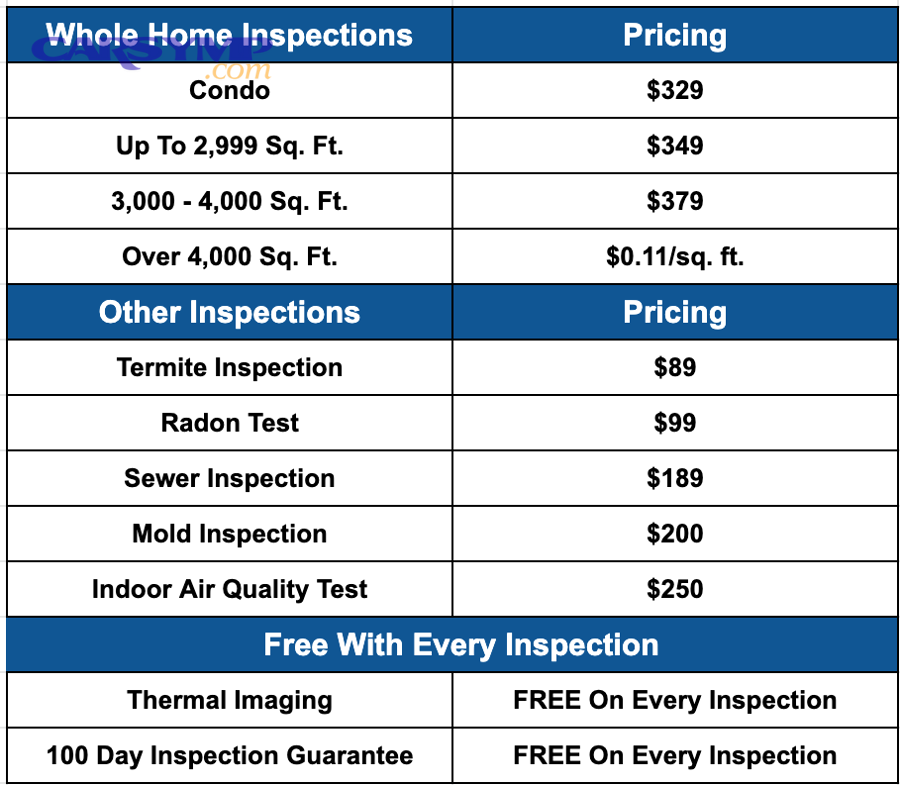
Below is a quick reference table summarizing common baseline expectations. The ranges are intentionally broad because local markets and property characteristics shift quotes.
| What you’re budgeting for | Typical expectation | What commonly changes it |
|---|---|---|
| Standard inspection fee | A few hundred dollars | Region, size, age, add-ons, inspector experience |
| On-site inspection time | A few hours | Size, condition, access limits, complexity |
| Report delivery | Often within 1–2 days | Report style, workload, need for specialist notes |
What is the typical cost range for a standard home inspection?
There are 3 common pricing bands for a standard home inspection—lower, mid, and higher—based mainly on home size, local rates, and scope depth (photos, narrative detail, and tools used).
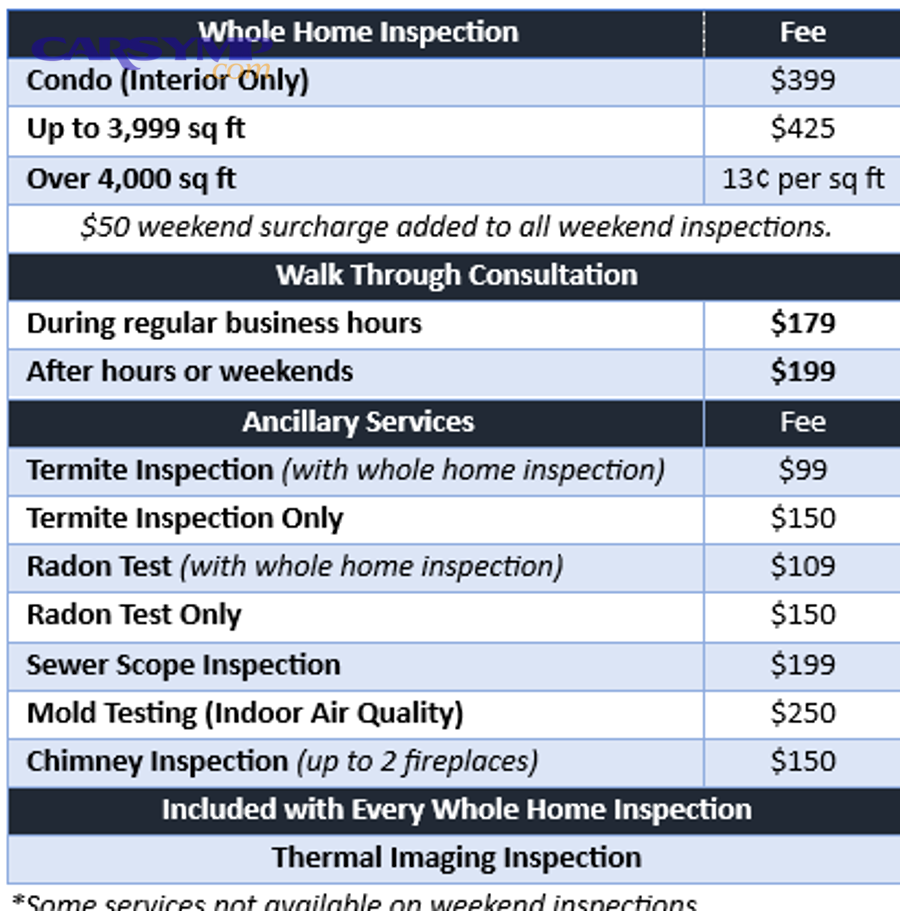
Specifically, many buyers see the “standard” inspection fee cluster around the mid-hundreds, with the lower end often appearing for smaller properties or lower-cost markets and the higher end appearing for larger homes, complex systems, or high-demand regions. Angi, for example, reports an average cost around $343 with a typical range roughly $296–$424 (figures can vary by market and year).
To make that practical, treat the quote as a function of time + complexity + deliverables:
- Time on site: more square footage, more components, more minutes.
- Complexity: older electrical, multiple HVAC zones, finished basements, additions, or unusual construction details.
- Deliverables: number of photos, clarity of defect descriptions, and prioritization notes.
A useful rule of thumb is to ask what the fee covers in plain language: “Is this a full general inspection with photos and a written report, or a limited walk-through?” The question protects your expectations more than any single national average.
How long does a home inspection usually take on-site?
A standard home inspection typically takes 2–4 hours on site, with the range driven most by home size and condition. (ashigeorgia.com)
For example, a single-family home inspection is often cited at 2–4 hours, and that window expands for larger footprints, multiple stories, or homes with deferred maintenance that require extra documentation. (ashigeorgia.com)
More specifically, the “hours” are not idle time—inspectors are sequencing through exterior, roofline visibility, structure indicators, mechanical systems, electrical distribution, plumbing fixtures, and interior surfaces while noting limitations (like blocked panels or inaccessible crawlspaces). That’s why the same square footage can take different amounts of time: the inspector’s path changes when access changes.
How long does it take to get the inspection report back?
Most buyers receive the inspection report quickly—often within 24–48 hours, though some markets and report styles can extend that timeline. (ashigeorgia.com)
Then, remember that “report delivered” can mean two things: (1) a verbal or on-site summary of major findings and (2) the finalized written report with photos, defect descriptions, and recommendations. Many inspectors share high-priority concerns on site and deliver the full written version shortly after, which helps buyers start next steps without waiting. (ashigeorgia.com)
If your contingency clock is tight, the best expectation-setting question is simple: “Will I have the full report by tomorrow, and if not, when exactly?”
Are higher inspection costs always tied to longer inspection time?
No—higher home inspection costs are not always tied to longer on-site time because pricing also reflects market rates, tools and deliverables, and complexity risk, not just hours.
However, inspection time still matters because it influences both thoroughness and documentation. To illustrate the difference:
- Deliverable-driven pricing: a higher fee may fund a more photo-rich, narrative report that’s easier to use in negotiations.
- Complexity-driven pricing: older homes or unusual systems carry more evaluation and liability effort even if the on-site time looks similar.
- Market-driven pricing: regional demand and inspector availability can raise fees without changing the baseline process.
That’s why the “best value” is rarely the cheapest inspection; it’s the inspection that produces a report you can act on.
What factors increase or decrease home inspection cost and duration?
Home inspection cost and duration shift because properties are not equal in complexity—the biggest drivers are size/layout, age/condition, location demand, and add-on services. (ashigeorgia.com)
Next, you can treat these drivers like a checklist: each one either adds components to inspect, adds documentation burden, or adds scheduling friction.
Does home size and layout (square footage, stories) change cost and time?
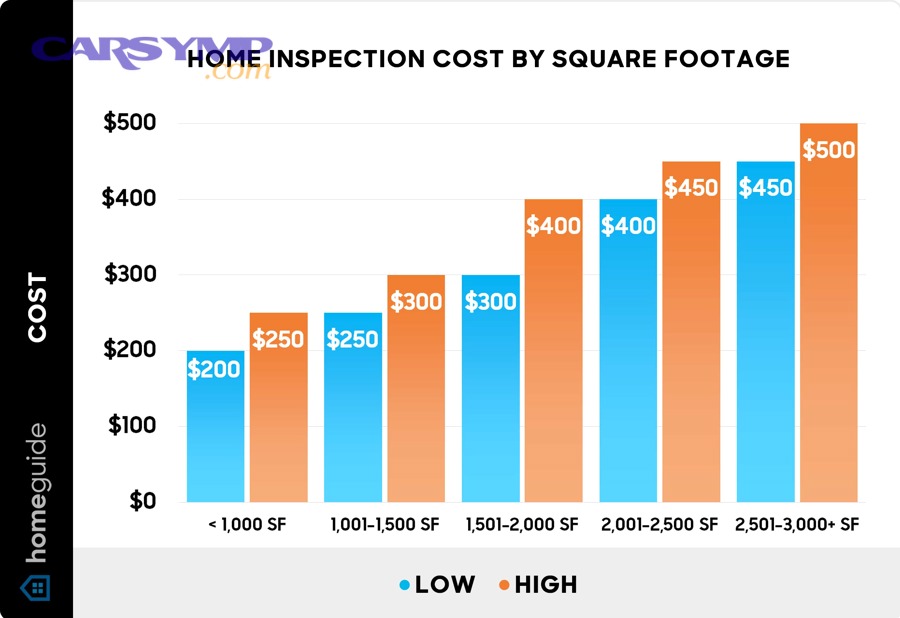
Yes—home size and layout directly change inspection cost and time because larger and multi-level properties contain more components, more rooms, and more systems to test and document.
Moreover, layout matters even when square footage is similar. A compact single-story home can be faster than a multi-story home with multiple additions, finished basement spaces, or detached structures. The practical reason is simple: more transitions, more access points, and more places where defects can hide.
To budget realistically, think in components—not just size:
- Stories and stair transitions add time.
- Finished basement / crawlspace conditions can add inspection effort.
- Additions and remodels create “interfaces” where issues appear (rooflines, flashing, electrical tie-ins).
Do home age, condition, and maintenance history affect the inspection timeline?
Yes—older or poorly maintained homes typically take longer to inspect because inspectors must document more issues, evaluate older systems, and note more safety or access constraints. (ashigeorgia.com)
For example, older homes may have multiple generations of repairs, visible moisture patterns, aging roof components, or electrical updates of mixed quality. Each “maybe” becomes a note, a photo, and a recommendation. That documentation is time.
A buyer-friendly way to interpret this is: the inspection isn’t “slower” because the inspector is inefficient; it’s slower because the property is telling a more complicated story.
How do location and market demand affect inspection price and scheduling time?
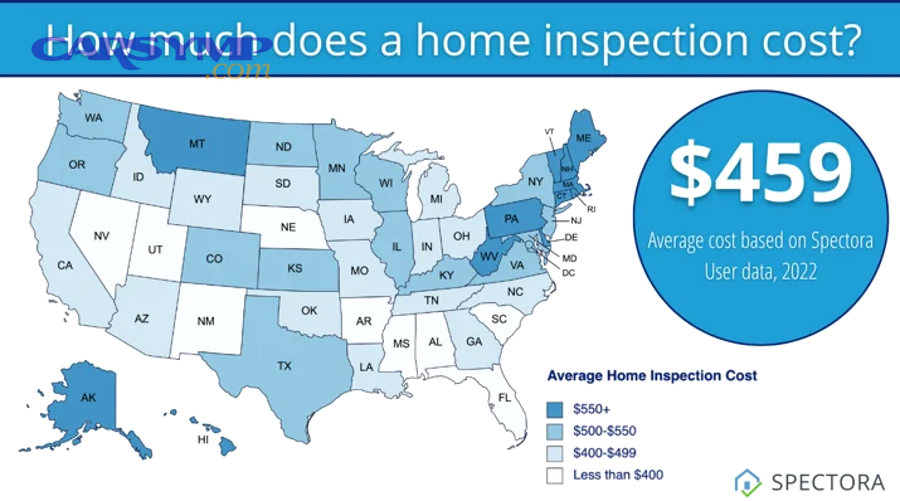
Location affects price and scheduling because local labor markets, travel distance, and seasonal demand reshape both the fee and how quickly you can book an appointment.
Especially in hot markets or peak seasons, you might see:
- Higher baseline fees due to demand and cost of doing business locally.
- Fewer appointment slots, which can compress your contingency timeline.
- Rush fees for expedited scheduling (if offered).
A practical planning move is to line up an inspector before you finalize an offer—so you know what “soon” really means in your area.
Which add-on inspections most commonly increase the total cost and total time?
There are 5 common add-on inspection types that most often increase cost and time: radon testing, sewer scope, termite/WDO inspection, mold/air sampling, and pool/spa or chimney evaluations, chosen based on local risk and property features. (gwinnettcounty.com)
In addition, each add-on changes your expectations differently:
- Radon: adds testing logistics and waiting time for results; guidance often references action thresholds like 4 pCi/L. (gwinnettcounty.com)
- Sewer scope: adds specialized equipment/time and can surface expensive issues not visible in a standard inspection.
- Termite/WDO: may be separate from the general inspector depending on licensing and local practice.
- Mold/air sampling: turns a visual suspicion into lab-based evidence, adding time and fees.
- Pool/spa/chimney: adds components with their own safety and functional checks.
The simplest buyer lens is: add-ons aren’t “extra fluff”; they’re targeted tests for high-consequence risks that a general inspection may not fully address.
Evidence: According to a study by Harvard University from the Harvard Kennedy School (Innovation Field Lab), in 2021, inspectors in a housing inspection program reported improved work efficiency and reduced burden after a structured referral process was integrated into inspections, showing how inspection workflows can change outcomes beyond “just a checklist.” (pmc.ncbi.nlm.nih.gov)
What does a standard home inspection include, and what does it not include?
A standard home inspection is a non-invasive visual evaluation of a home’s accessible systems and components, documenting material defects and safety concerns, but it does not guarantee code compliance or replace specialized testing. (ashigeorgia.com)
To better understand why scope matters, it helps to separate “what’s inspected” from “what’s certified,” because buyers often assume the report is a pass/fail stamp when it’s really a decision tool.
What components are typically inspected in a standard inspection?
A standard home inspection typically evaluates 5 core system groups: structure/exterior, roofing/attic indicators, electrical, plumbing, and HVAC—plus interior surfaces, windows/doors, and visible safety items—based on access and safety limits.
More specifically, buyers can expect attention to:
- Exterior and water management: grading, drainage, downspouts, siding condition.
- Roof visibility: shingles/material condition, flashing, penetrations where visible.
- Structure clues: foundation indicators, cracks, settlement signs, moisture staining.
- Electrical: service panel observations, outlets/switches sampling, GFCI presence where applicable.
- Plumbing: fixture function, visible leaks, water pressure clues, drainage behavior.
- HVAC: operational checks, age labeling, visible installation concerns.
- Interiors: windows/doors function, ceilings/walls for visible staining or cracking.
The inspection’s power is that it integrates these systems into one story: water intrusion can connect rooflines, grading, and basement moisture into a single risk narrative.
What is usually excluded (and why) from a general home inspection?
A general home inspection usually excludes 4 categories: invasive or destructive testing, specialized environmental lab testing, underground or concealed line evaluation, and formal code-compliance certification—because these require different tools, licensing, or access. (nar.realtor)
For example, “excluded” often means:
- Mold confirmation via lab sampling (unless contracted as an add-on).
- Sewer line interior condition (usually needs a scope).
- Pest identification (often a separate WDO inspection).
- Engineering opinions on structural adequacy beyond visible clues.
- Municipal code compliance and permit verification.
The “why” is buyer-protective: a report must clearly state limitations so you don’t mistake an inaccessible area for a clean bill of health.
Is a home inspection the same as a home appraisal or code inspection?
No—a home inspection is not the same as an appraisal or a code inspection because each serves a different goal: inspection evaluates condition, appraisal estimates value, and code/municipal inspections focus on compliance for permitted work or occupancy.
However, they complement each other in a transaction:
- Use the inspection to decide what you’re willing to fix, negotiate, or walk away from.
- Use the appraisal to understand the lender’s value basis.
- Use municipal records/permitting checks to reduce hidden legal or compliance risks.
When buyers confuse these, they often under-budget: they think “inspection” covers everything, then discover they still need specialized evaluation for a high-risk system.
How can homebuyers prepare to avoid delays and get a better inspection report?
Homebuyers can avoid delays and improve inspection usefulness by ensuring access and utilities, attending strategically, and asking focused questions that clarify severity and next actions, which turns the report into an actionable plan. (ashigeorgia.com)
Then, preparation becomes a force multiplier: the smoother the access, the fewer “limitations,” and the fewer limitations, the stronger your negotiation position.
Should the buyer attend the home inspection?
Yes—buyers should attend the home inspection because it helps them understand findings in context, ask clarifying questions in real time, and learn home maintenance priorities, which improves decision-making and reduces post-closing surprises. (atthhi.com)
Moreover, attendance works best when it’s structured:
- Arrive near the middle or end if the inspector prefers uninterrupted work early.
- Ask “severity” questions rather than “is it perfect?” questions.
- Use the walkthrough to understand where shutoffs, panels, and maintenance points are.
If you cannot attend, request a short call to review top risks—because the best report still benefits from a guided interpretation.
What access and utilities must be available to keep the inspection on schedule?
There are 6 access and utility essentials that keep an inspection on schedule: clear electrical panels, reachable attic/crawl access, unlocked mechanical areas, water on, electricity on, and gas (or fuel supply) available where applicable. (ashigeorgia.com)
More specifically, you want to avoid “could not evaluate” statements that weaken the report:
- Electrical panel: unobstructed and safe to view.
- Attic access: reachable without moving heavy furniture.
- Crawlspace access: unlocked and not blocked by stored items.
- HVAC areas: accessible and not shut down.
- Water: on so fixtures can be tested.
- Power: on so outlets, appliances, and systems can be checked.
If access is blocked, inspectors may recommend reinspection, which adds time, cost, and transaction stress.
What questions should homebuyers ask to judge thoroughness (without micromanaging)?
There are 7 high-signal questions buyers can ask to judge thoroughness and convert findings into next steps—without trying to run the inspection themselves. (nar.realtor)
To illustrate, ask questions that force prioritization and clarity:
- “What are the top safety issues?” (electric, gas, structural red flags)
- “What’s actively leaking or likely to leak soon?” (water drives costly damage)
- “Which findings are routine maintenance vs. repair?”
- “What should a specialist evaluate further?” (roofing, HVAC, structural engineer, plumber)
- “Are there access limitations that weaken the conclusions?”
- “Which issues affect negotiating leverage the most?”
- “What should I monitor after move-in if I proceed?”
These questions keep you focused on outcomes: decisions, negotiation, and planning.
Introduce a new idea: once you’ve nailed standard inspection expectations, you can broaden your semantic “inspection map” to include special scenarios—insurance-driven reports, follow-ups, and even contrast cases that help you interpret inspection scope and results with more precision.
What special inspection scenarios can change cost and time expectations beyond “standard”?
Special scenarios can change inspection expectations because they either narrow scope (follow-ups) or add specialized requirements (insurance forms, targeted tests, or access-limited properties), shifting both total time and what the report can confidently conclude. (gwinnettcounty.com)
In addition, this is where buyers often need the clearest thinking: you don’t just want “more inspection,” you want the right inspection for your risk profile.

What is the difference between a standard inspection and specialty inspections like radon, sewer scope, and termite/WDO?
A standard inspection wins for broad coverage, while radon is best for indoor air risk, sewer scope is optimal for hidden drain-line failures, and termite/WDO is strongest for wood-destroying organism evidence, because each targets risks the general inspection can’t fully validate. (gwinnettcounty.com)
However, the key is not “do everything,” but “match add-ons to risk”:
- Choose radon when your region has known radon potential or the home has a basement/lower level; action guidance commonly references a 4 pCi/L threshold. (gwinnettcounty.com)
- Choose sewer scope for older homes, large trees near the line, or signs of slow drainage.
- Choose termite/WDO in regions where WDO risk is common or where the lender/insurer requires it.
The more targeted the add-on, the more it shifts your timeline: some add-ons add on-site time, while others add waiting time for lab results.
Are “four-point” and “wind mitigation” inspections the same as a buyer’s home inspection?
No—four-point and wind-mitigation inspections are not the same as a buyer’s home inspection because they are insurance-focused, form-driven, and narrower in scope, often emphasizing roof, electrical, plumbing, and HVAC (four-point) or specific wind-resistance features (wind mitigation). (pmc.ncbi.nlm.nih.gov)
Meanwhile, a buyer’s inspection is designed for decision-making: it’s broader, more narrative, and more oriented toward identifying defects and maintenance priorities. That difference matters because buyers sometimes assume an insurance report replaces a buyer inspection, then discover the insurance document did not evaluate many visible condition risks.
When do reinspections or follow-up inspections make sense, and what do they cost?
Reinspections make sense when you need to verify completed repairs, confirm access to previously blocked areas, or validate a high-risk item after specialist work, and the cost is usually lower than a full inspection because the scope is narrower. (nar.realtor)
More specifically, reinspections are common after:
- Seller completes repairs and you need proof the work is done.
- The first inspection noted “unable to evaluate” due to access.
- A specialist identified a repair that should be verified before closing.
This is also where Interpreting inspection results and next steps becomes a repeatable method: prioritize safety first, then water intrusion risk, then major systems, then quality-of-life upgrades. When you interpret results in that order, you avoid negotiating over cosmetics while missing the costly risks.
What can prevent a complete inspection (access limits, weather, tenants), and how should buyers respond?
Yes—access limits, weather, and occupancy constraints can prevent a complete inspection, and buyers should respond by documenting limitations, negotiating access or specialist follow-ups, and treating “not inspected” as unknown risk, not as “fine.” (nar.realtor)
Especially, the most common blockers are:
- Locked or obstructed panels (electrical, attic, crawlspace).
- Weather limitations (snow-covered roofs, unsafe roof access).
- Tenant-occupied homes limiting room entry or mechanical access.
- Utilities shut off, preventing functional testing.
When limitations happen, request one of three solutions: (1) access restored and reinspection, (2) specialist evaluation, or (3) pricing/credit adjustments that account for unknown risk.
As a contrast case that sharpens scope awareness, consider a vehicle drivetrain inspection: it’s a targeted check that focuses on power delivery components rather than whole-property condition, and What a drivetrain inspection includes typically centers on the transmission, driveshafts, differentials, CV joints, mounts, and related leak/noise checks. That contrast helps buyers remember that “inspection” always depends on scope—and that Interpreting inspection results and next steps should always start with the system’s highest-consequence failures first.
Evidence (if any)
According to a study by Harvard University from the Harvard Kennedy School (Innovation Field Lab), in 2021, a housing inspection program analysis reported that inspectors experienced improved work efficiency and reduced burden when inspections were paired with a structured support workflow, highlighting how inspection systems can influence outcomes beyond the checklist itself. (pmc.ncbi.nlm.nih.gov)