


Interpreting inspection results and next steps is easiest when you treat the report as a decision tool—not a pass/fail test. You’ll read the summary first, confirm the inspector’s limits, then translate findings into three buckets: safety, big-cost defects, and routine maintenance.
Next, you’ll prioritize by risk and timing: issues that could harm people or the structure come first, problems that can snowball (like active leaks) come second, and cosmetic/normal wear lands last. That prioritization is what turns a long report into a clean “what we do next” plan.
Then, you’ll choose a negotiation path that matches the item: request repairs for safety and code-type hazards, ask for a credit when you want control over contractors, or use a price reduction when the fix is predictable and you can carry the cost. (rocketmortgage.com)
Introduce a new idea: once you understand how to interpret inspection results, you also know when the smartest next step is more evaluation (roofing, structural, electrical) or even walking away—because clarity beats hope in a high-stakes purchase.
What does an inspection report actually tell you—and what doesn’t it tell you?
A home inspection report tells you the observable condition of major systems on the inspection day, but it does not guarantee future performance or uncover every hidden defect behind walls, under flooring, or inside sealed equipment.
To better understand the report’s value, start by reading it as a “risk map” rather than a repair estimate, because the report’s wording is designed to document condition and recommend actions—not to price the work.
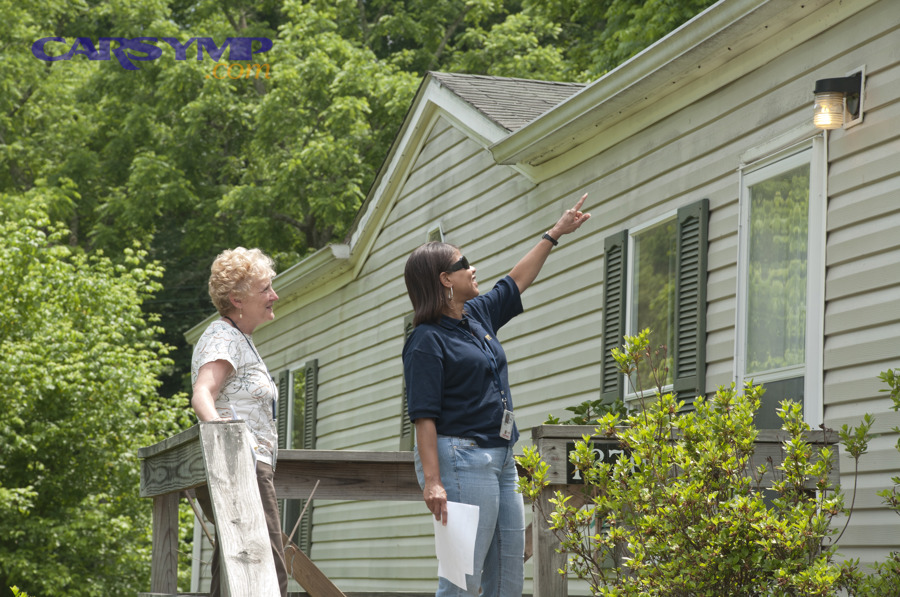
What parts of the report should you read first?
You should read the Summary, then the safety and major systems sections, and only after that dive into the page-by-page details, because the summary is where inspectors typically surface the highest-priority defects and safety concerns.
Specifically, the summary helps you avoid “getting lost in the weeds,” while the detailed sections give you the context and photos you’ll need for contractors and negotiations.
A practical reading order that works for most buyers:
- Summary / Key Findings: Identify items labeled safety, major defect, non-functional, or further evaluation.
- Roof / Attic / Structure / Electrical / Plumbing / HVAC: These can be high-cost or high-risk.
- Moisture-related notes anywhere: Water is often the root cause of compounding damage.
- The “Limitations” section: This clarifies what the inspector could not see or test.
How do inspectors use ratings like “satisfactory,” “marginal,” or “recommend evaluation”?
Most inspectors use a condition rating system to signal urgency, but the exact labels vary by company and software.
More importantly, treat “recommend evaluation” as a call for a specialist quote—not as a confirmed failure—because inspectors often cannot fully diagnose specialized components during a general inspection. (homeguard.com)
Here’s a translation guide you can use:
- Safety hazard / Immediate attention → fix or negotiate before closing.
- Major defect / Not functioning → get a specialist in fast; prepare to negotiate.
- Monitor / Maintenance → plan a timeline; not always negotiation-worthy.
- Not inspected / Not accessible → decide whether you need additional access or testing.
How do you prioritize inspection findings into safety, major defects, and maintenance?
You can prioritize inspection findings by sorting them into three buckets—Safety, Major Defects, and Maintenance—based on risk, cost exposure, and time sensitivity, because that’s the fastest way to decide what to fix, what to negotiate, and what to accept.
Next, use a “consequence-first” approach: what could injure someone, cause a fire, or worsen fast should always rise to the top.

What counts as a “safety” issue in an inspection report?
A safety issue is any finding that can harm occupants or create an immediate hazard, such as electrical defects, carbon monoxide risks, fall hazards, or severe structural instability.
For example, missing CO alarms, unsafe wiring, active gas leaks, or damaged steps/handrails are typical safety-class items because they can cause injury or death without warning.
Common safety findings to flag:
- Electrical: double-tapped breakers, exposed conductors, improper bonding/grounding.
- Gas/combustion: improper venting, backdrafting, missing CO detection near sleeping areas.
- Fire risks: damaged flues, unsafe dryer venting, missing GFCI/AFCI where required.
- Fall hazards: loose railings, uneven stairs, significant trip hazards.
According to a study by University of Wisconsin–Madison from the School of Medicine and Public Health, in 2024, researchers found less than half of households had a verified carbon monoxide detector, and under 46% were aware of the detector law, showing why CO safety findings should be treated as urgent. (pubmed.ncbi.nlm.nih.gov)
What counts as a “major defect” versus “maintenance”?
A major defect is a condition likely to involve high repair cost, structural risk, or system failure, while maintenance is routine upkeep or minor wear that doesn’t materially affect safety or home function.
However, maintenance items can become major defects if they allow moisture intrusion, pests, or progressive deterioration—so you still assign them a timeline.
Use this quick rule:
- Major defect = expensive, structural, or system-level failure potential.
- Maintenance = expected upkeep, cosmetic wear, or low-risk adjustment.
Examples:
- Major defects: active roof leaks, failing foundation drainage, significant HVAC failure, widespread plumbing leaks, unsafe electrical panels.
- Maintenance: caulking, minor exterior paint touch-ups, replacing filters, servicing a slow drain, small drywall cracks from settling.
What next steps should you take after reviewing inspection results?
The best next steps after reviewing inspection results are to clarify the top risks, get specialist evaluations for “further review” items, estimate true costs, and decide your negotiation strategy—in that order—so you don’t negotiate based on guesswork.
Then, lock your timeline to your contract deadlines, because inspection windows and response periods often move faster than contractor availability.

Who should you call first after the inspection?
You should call specialists for any item labeled safety, major defect, or “recommend further evaluation,” because their written quotes convert inspection language into real numbers.
For example, roofers, structural engineers, licensed electricians, HVAC contractors, and plumbers can confirm scope and cost so you negotiate with documentation.
A practical call list:
- Roofing contractor (leaks, flashing, end-of-life roof)
- Licensed electrician (panel defects, unsafe wiring)
- HVAC specialist (aging or non-functional heating/cooling)
- Plumber (leaks, sewer scope concerns, water heater issues)
- Structural engineer (foundation movement, framing concerns)
How do you create a “next steps” plan that’s actually usable?
You create a usable plan by turning findings into a one-page action list with four columns: Issue, Priority, Who Evaluates/Fixes, Deadline.
More specifically, this format forces clarity: you stop debating the wording and start managing the work.
Here’s what the plan should include:
- Priority: Safety / Major / Maintenance
- Action: Repair / Credit / Price reduction / Specialist evaluation / Monitor
- Evidence: photo page reference + contractor quote
- Deadline: inspection response date + cushion for follow-ups
If you need a simple structure, use this prioritization logic:
- Do now: active leaks, electrical hazards, CO risks, structural instability
- Do soon: aging roof/HVAC near end-of-life, drainage problems, recurring moisture
- Do later: cosmetic repairs, minor hardware fixes, routine service items
Should you request repairs, a credit, or a price reduction after the inspection?
Yes—after interpreting inspection results and next steps, you should choose repairs, a credit, or a price reduction based on control, timing, and risk, because each option solves a different problem: repairs reduce immediate hazards, credits protect cash flow, and price reductions reshape the deal for predictable fixes.
However, your best choice depends on whether you trust the seller’s workmanship, whether lenders require fixes, and how soon you need the home to be safe and functional.

When is requesting repairs the best move?
Request repairs when the issue is a clear safety hazard or must-fix functional defect, because you want the property safe and compliant before you take ownership.
For example, unsafe electrical conditions or combustion venting problems usually justify repair requests because the risk is immediate and the fix is specialized.
Repairs are often best when:
- The item is safety-critical (electrical, gas, CO risk).
- The repair is clearly defined and can be verified.
- The lender/insurer may require correction.
- You can require receipts, permits, and re-inspection.
When is a credit better than repairs?
A credit is better when you want control over contractor selection, scope, and quality, or when the seller might cut corners to meet a deadline.
In addition, a credit can reduce your out-of-pocket burden at closing and keep the transaction moving when scheduling repairs is difficult.
Credits are often best when:
- You want your own contractor and warranty.
- The fix could expand once opened up (hidden rot, intermittent leaks).
- Timing is tight and repairs could delay closing.
When does a price reduction make more sense?
A price reduction makes sense when the cost is predictable and financeable, and you prefer to fold the problem into the purchase rather than negotiate repair logistics.
Meanwhile, be mindful that a price reduction doesn’t automatically put cash in your pocket for repairs immediately—so it’s most useful when you can fund the work after closing.
A price reduction is often best when:
- The scope is stable (e.g., known end-of-life replacement with clear pricing).
- You can handle repairs after closing.
- You’re balancing multiple issues into a single clean negotiation number.
When should you walk away after inspection results?
You should walk away after inspection results when the report reveals unacceptable risk, unbounded cost, or a seller who won’t address major safety/structural issues, because “bad surprises” rarely get cheaper once you own them.
To illustrate, walking away is often the smartest next step when problems are systemic (widespread moisture intrusion, major foundation movement, severe electrical hazards) and you cannot confidently cap the repair scope.
What are the biggest “deal-breaker” categories?
The biggest deal-breaker categories are structural instability, chronic moisture intrusion, hazardous electrical conditions, and severe environmental/combustion risks, because these are expensive, safety-critical, and can indicate hidden damage.
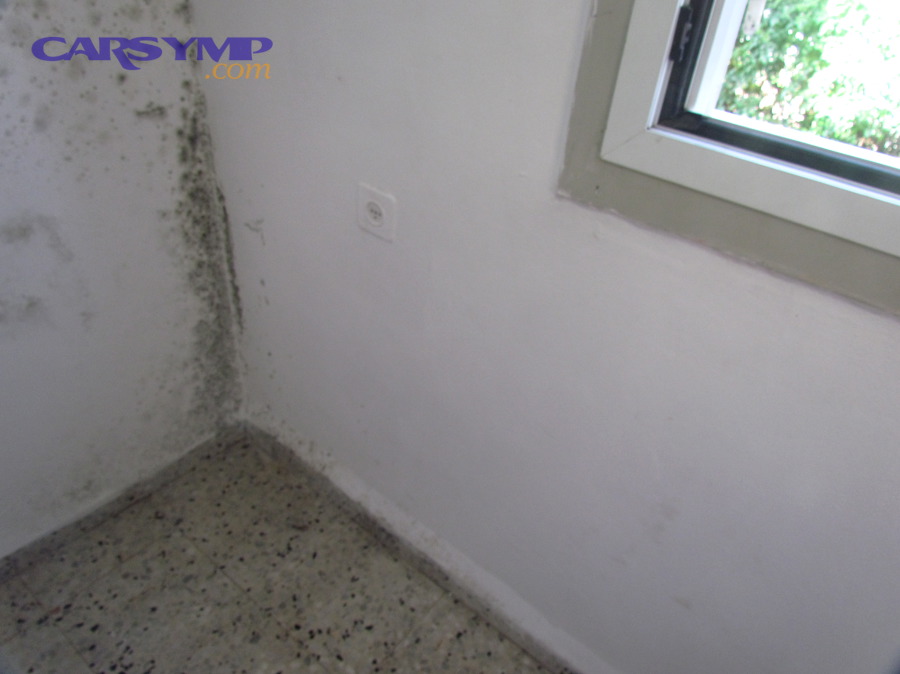
Especially with moisture, the visible symptom is often smaller than the underlying issue—so you treat unresolved moisture as a high-risk signal.
Common deal-breakers (or near-deal-breakers):
- Foundation movement with structural implications (engineer flags significant concern).
- Active roof leaks with widespread decking/attic damage.
- Electrical panel/wiring hazards that require major rework.
- Evidence of recurring flooding or persistent drainage failure.
- Mold conditions tied to unresolved moisture sources.
How do you decide if a problem is “too big” for your budget?
A problem is too big when the repair is (1) essential, (2) time-sensitive, and (3) beyond your financial buffer even after negotiation, because essential + urgent + unaffordable equals ongoing risk.
More specifically, your decision should be driven by verified quotes and worst-case planning, not optimistic estimates.
A simple decision checkpoint:
- Get two quotes for major items when possible.
- Add a contingency buffer for unknowns (older homes deserve more buffer).
- Compare total “must-fix” costs to:
- your cash reserves after closing,
- your monthly payment comfort,
- and your timeline (move-in readiness).
If the numbers still don’t work with credits/repairs/price reduction, walking away is rational—not emotional.
How can you avoid inspection surprises in future purchases?
You can avoid inspection surprises by pre-screening properties for high-risk patterns, understanding What a drivetrain inspection includes (as an analogy for “system-level” checks), and aligning your offer strategy with the realities of evaluation timelines, because prevention starts before you ever receive the report.
Next, treat inspections as layered: you don’t only “get an inspection,” you choose the right scope for the property’s risk profile.
What can you do before making an offer to reduce inspection risk?
Before making an offer, you can reduce risk by spotting red flags that often correlate with major findings:
- Look for water management clues: grading toward the home, staining at ceilings, musty odors.
- Check obvious system age indicators: old HVAC units, roof condition, visible corrosion.
- Ask for documentation: permits, warranties, service records, prior repairs.
- Use a short “pre-offer” walk-through checklist to decide if the home is worth deeper diligence.
How do “specialist inspections” fit into your strategy?
Specialist inspections fit into your strategy when you want to confirm high-risk areas early—like roof condition, foundation behavior, sewer lateral, radon, or mold testing—because general inspections are intentionally broad.
In short, you pay for targeted clarity where the downside is greatest.
Why think in “systems,” not just single defects?
Systems thinking prevents you from fixing symptoms while missing causes. For example, stains on drywall matter less than why moisture is entering, and a tripping breaker matters less than why the circuit is overloaded.
Here’s a simple cross-domain analogy that helps many buyers: in automotive terms, a drivetrain inspection is not just “looking for a noise,” it’s confirming whether the whole system can reliably transmit power. In that same spirit, your home inspection follow-ups should confirm whether the “system” (roofing + flashing + attic ventilation, or drainage + foundation) is stable.
If you ever evaluate a used vehicle alongside a home purchase, What a drivetrain inspection includes often looks like:
- Differential fluid leak and condition checks
- Transmission mount and engine mount inspection
- visual checks for seepage, worn bushings, vibration sources, and driveline play
That’s the mindset you want for homes too: don’t just ask “is this cracked?”—ask “what system caused it, and what happens if we do nothing?”
What should you document so you’re ready for the next inspection?
You should document:
- Your top “non-negotiables” (safety, structural, moisture).
- Your budget buffer and maximum repair tolerance.
- A repeatable template for turning findings into action (Issue → Priority → Specialist → Quote → Decision).
- A shortlist of local specialists you can call quickly during inspection windows.
Evidence (selected):
According to a study by University of Wisconsin–Madison from the School of Medicine and Public Health, in 2024, researchers analyzing a statewide household sample reported less than half of households had a verified CO detector and under 46% were aware of the detector law, while law awareness was associated with higher odds of having a detector. (pubmed.ncbi.nlm.nih.gov)