


If you’re searching for an EGR repair cost estimate, you’re usually trying to answer one thing: what you’ll likely pay to fix the problem correctly—including parts, labor, and the “hidden” costs like diagnostic time and gaskets. In most cases, EGR-related repairs land in the mid-hundreds to low-thousands depending on whether you’re replacing a valve, a cooler, or cleaning carbon buildup.
Next, the reason EGR pricing feels inconsistent is that the same symptom can point to different root causes. A sticky valve might be a straightforward replacement, while a cooler leak or intake clog can expand the job quickly. Understanding what actually drives the number is the fastest way to judge whether a quote is fair.
Then, drivers also want to know whether they can delay the repair without consequences. Sometimes you can limp home; other times, the car is warning you about a condition that escalates—especially if overheating, misfires, or emissions-system faults are in play.
Introduce a new idea: the smartest way to control cost is to separate “what failed” from “what’s clogged”—because replacing a part that’s only dirty is expensive, but repeatedly cleaning a worn-out part is a comeback waiting to happen. Let’s break it down step by step.
How much does an EGR repair cost estimate usually come out to?
An EGR repair cost estimate usually ranges from a few hundred dollars for simpler fixes to well over $1,000 when the job involves an EGR cooler, heavy carbon buildup, or difficult access. In addition, the fastest way to understand your likely total is to separate the quote into diagnostics + parts + labor + related hardware.
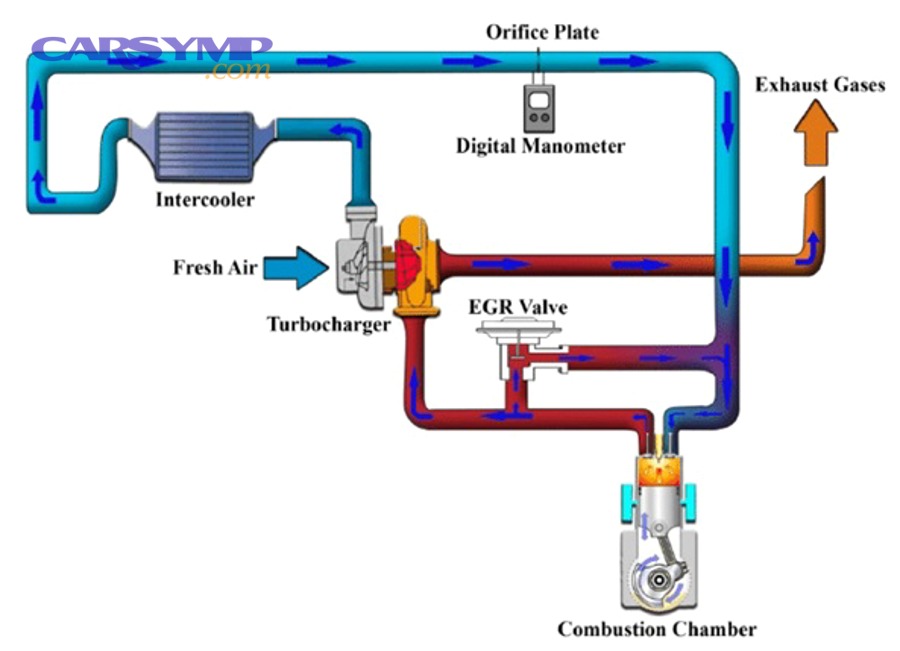
What does an EGR valve replacement typically cost?
Most EGR valve replacement jobs fall into a “moderate repair” category because the part itself isn’t always expensive, but access and diagnosis time vary a lot. A commonly cited national-style estimate for EGR valve replacement is around $382–$415 total, with labor about $119–$150 and parts about $263–$265. (repairpal.com)
What that usually includes:
- Removing intake ducting or covers to access the valve
- Replacing the valve and (ideally) the gasket/seal
- Clearing codes and verifying the repair with a road test
What it often doesn’t include (but can appear as add-ons):
- Intake manifold cleaning if passages are restricted
- A new connector or pigtail if the wiring is brittle
- Additional diagnosis if multiple codes exist (EGR flow + misfire + lean/rich)
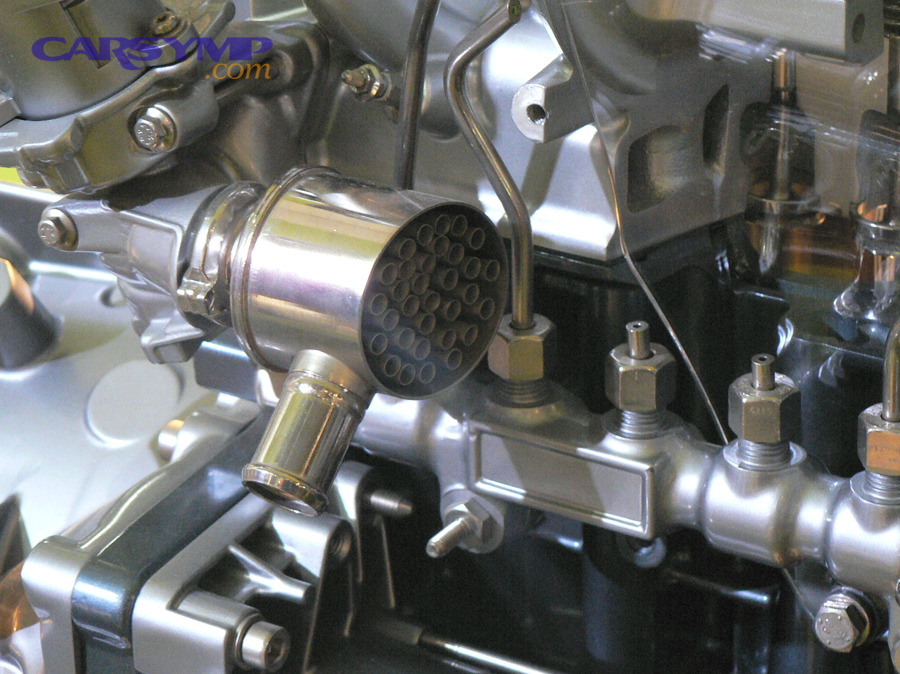
What does an EGR cooler replacement typically cost?
EGR cooler replacement can be a bigger swing because coolers vary wildly by engine design, and labor time can jump if the cooler is buried. A parts-only estimate often runs from about $270 to $1,500 for many passenger cars, and can be much higher for complex or heavy-duty applications. (natrad.com.au)
Why the spread is so wide:
- Some engines place the cooler near the top of the engine bay with decent access
- Others tuck it behind heat shields, exhaust plumbing, or turbo hardware
- Coolers may require coolant draining/refilling and bleeding, increasing labor steps
A helpful “reality check” when comparing quotes is time: a straightforward cooler replacement is often described as about 2–4 hours, but some vehicles take longer due to access and required disassembly. (natrad.com.au)
Is cleaning ever enough to lower the cost?
Yes—when the core problem is carbon restriction rather than a failed component, cleaning can reduce the total dramatically. But cleaning only “counts” if:
- The valve still moves correctly (or the motor/position sensor reads properly)
- The passages aren’t re-clogging immediately due to an underlying cause
- The shop verifies EGR flow afterward (scan data, test drive, readiness monitors)
In practice, many estimates become expensive when cleaning is treated as optional and the vehicle returns with the same symptom. The best cost outcome happens when cleaning is used strategically—either as the fix (when appropriate) or as the supporting step that makes the replacement actually work.
What should be included in the estimate breakdown?
A good estimate should read like a checklist, not a mystery number. At minimum, it should show:
- Diagnostic line item (time or fee)
- Parts list (valve/cooler/gaskets, clamps, coolant if applicable)
- Labor hours and labor rate
- Taxes/fees (shop supplies, disposal)
- A verification step (road test, scan confirmation)
To make the pricing easier to compare, the table below shows typical buckets you’ll see on real quotes (not every job includes every line item):
| Estimate line item | What it covers | Why it affects price |
|---|---|---|
| Diagnostics | Scan + testing to confirm EGR fault | Prevents replacing the wrong part |
| EGR valve | Valve assembly + gasket/seal | Part price varies by brand/engine |
| EGR cooler | Cooler + seals, often coolant | Bigger labor + higher parts spread |
| Labor | Removal/installation time | Access is the #1 price driver |
| Cleaning | Intake/EGR passages | Can be cheap—or time-consuming if severe |
According to a study by Kunming University of Science and Technology from the Yunnan Key Laboratory of Internal Combustion Engine, in 2024, increasing EGR valve opening was associated with measurable engine-out changes—including reduced NOx and increased fuel consumption—showing why correct calibration and verification matter after EGR-related work. (pmc.ncbi.nlm.nih.gov)
What factors change an EGR repair cost estimate the most?
The biggest factors that change an EGR repair cost estimate are (1) what part is actually at fault, (2) how hard it is to access, and (3) how much carbon buildup must be removed. More importantly, these factors stack—so a “simple” EGR code can become expensive if multiple conditions are present.
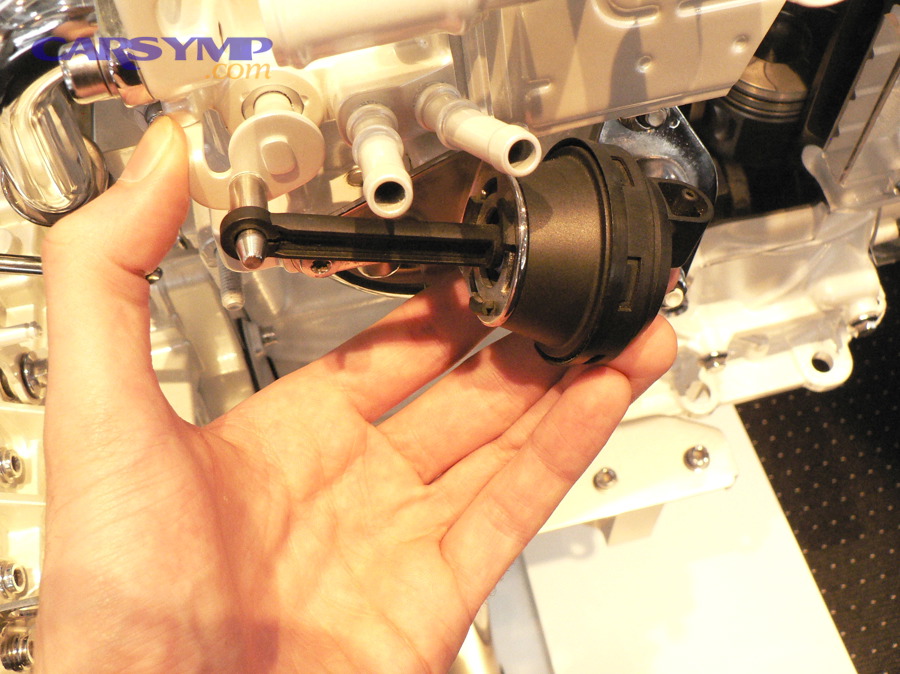
Does the vehicle make/model and engine layout affect cost?
Yes—vehicle packaging often determines whether a repair is an easy top-of-engine job or a tight, heat-shielded disassembly. Costs rise when:
- The EGR valve is behind the intake manifold or firewall
- Turbo plumbing blocks access (common on some diesel setups)
- Additional components must be removed just to reach fasteners
A useful mental model: labor is not “hours on paper,” it’s how many systems you have to move out of the way to reach the EGR component.
How much do labor rates and shop type influence the estimate?
Labor rates vary by region and shop type, and that alone can swing your out-the-door total even if parts are identical. Expect higher labor rates at:
- Dealer service departments
- High-cost metro areas
- Specialized diesel shops (often justified by tooling and expertise)
However, a higher labor rate can still be a better deal if the shop performs correct testing and avoids repeat repairs.
Does OEM vs aftermarket parts choice change the price a lot?
Absolutely. Parts pricing can be one of the largest differences between quotes, especially for coolers. In general:
- OEM: usually higher price, consistent fit, often preferred on complex assemblies
- Aftermarket: can be cheaper, quality varies widely by brand
- Remanufactured (where available): price can be mid-range, but variability exists
If you choose aftermarket to control cost, ask whether the shop has had good results with that brand on your engine family—not just “it fits.”
What “related repairs” can get added to an EGR quote?
EGR issues rarely live alone because the same conditions that clog EGR components also affect the intake tract. Add-ons that may appear:
- Intake manifold removal and cleaning
- Gasket sets and coolant service
- Replacing brittle vacuum lines or hoses
- Fixing exhaust leaks that disturb flow measurements
- Addressing ignition or fueling issues if misfires are present
This is also where symptoms matter: a quote that ignores obvious drivability problems may look cheaper initially but cost more after repeated visits.
According to a study by Kunming University of Science and Technology from the Yunnan Key Laboratory of Internal Combustion Engine, in 2024, brake-specific fuel consumption (BSFC) increased as EGR valve opening increased under multiple loads—evidence that EGR changes have system-wide effects that must be confirmed after repair. (pmc.ncbi.nlm.nih.gov)
Is it worth repairing an EGR problem, or can you drive with it?
Yes—repairing an EGR problem is usually worth it because it protects the engine and emissions system, prevents worsening drivability, and reduces the chance of compounding repairs, even though you might be able to drive briefly in mild cases. Besides, the real cost risk isn’t the EGR part alone—it’s what happens when the underlying condition spreads.
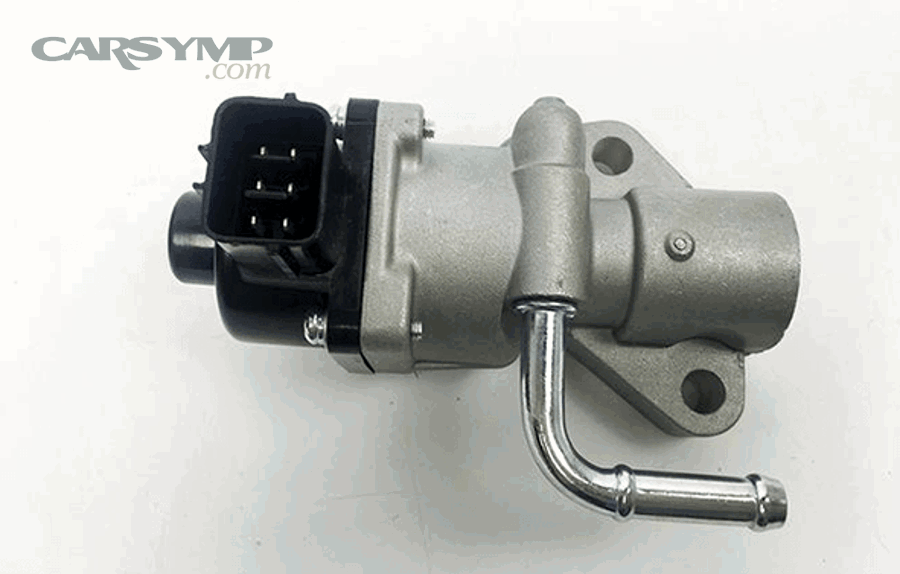
Here are three practical reasons repairing is usually the smarter financial decision:
- The issue often escalates from “annoying” to “expensive.”
A stuck EGR valve can trigger rough running, additional codes, and in some engines, contribute to higher exhaust temperatures or poor combustion behavior. Small problems become multi-system problems when ignored. - Inspection and compliance risk can become a forced repair.
Even if the vehicle “drives fine,” a persistent EGR-related check engine light can block readiness monitors and fail emissions testing in many jurisdictions. That turns a flexible repair into a deadline repair. - Drivability and safety issues can appear unpredictably.
EGR faults can show up as hesitation, surging, or intermittent stalls—especially under certain loads and temperatures—making the car less predictable in traffic.
When you might drive short-term:
- The vehicle is not overheating
- There are no severe misfires or flashing check engine light
- You’re only driving to get it diagnosed and repaired
When you should stop driving and tow:
- Coolant loss/overheating (possible cooler leak)
- Severe misfire, loud knocking, or flashing check engine light
- Stalling that creates safety risk
According to a study by Kunming University of Science and Technology from the Yunnan Key Laboratory of Internal Combustion Engine, in 2024, increases in EGR valve opening were associated with higher exhaust temperatures at certain conditions—showing why unresolved EGR faults and incorrect “quick fixes” can create downstream stress. (pmc.ncbi.nlm.nih.gov)
EGR valve replacement vs cleaning: which is cheaper and when?
Cleaning is cheaper when the EGR hardware is healthy but restricted by carbon, while replacement is the better value when the valve/cooler is mechanically failing or re-clogging quickly. However, the cheapest option is only “cheap” if it solves the root cause and survives the next few weeks of driving.
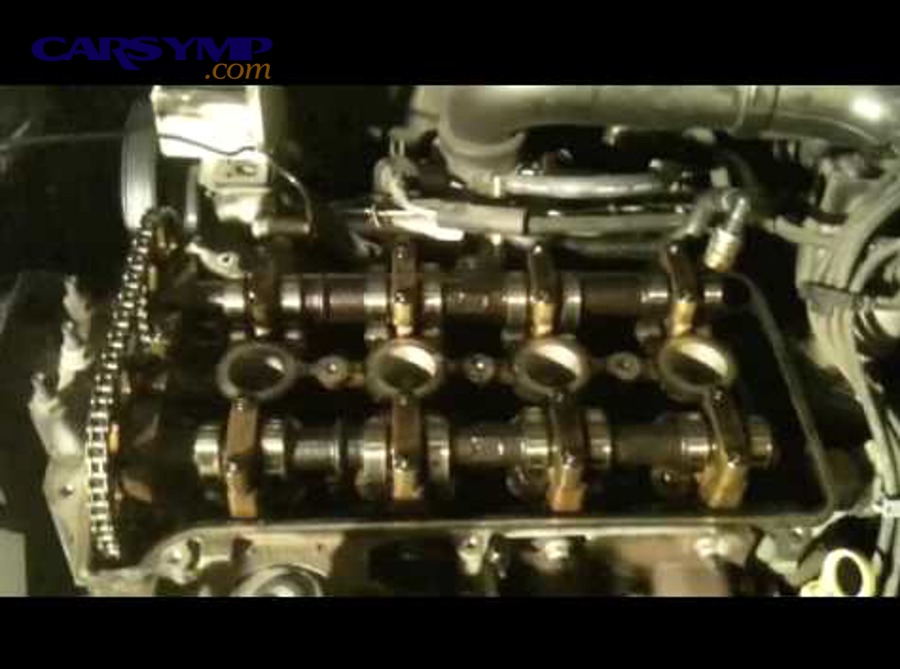
What symptoms suggest carbon buildup rather than a failed part?
Carbon restriction often produces patterns like:
- Gradual loss of power or efficiency over time
- Hesitation during acceleration
- More frequent issues in stop-and-go driving
- Intermittent EGR flow codes that come and go
This is also where you may see Rough idle and stalling related to EGR, especially if the valve sticks open or the intake airflow becomes inconsistent.
What does a realistic cleaning job involve?
A real cleaning job isn’t just spraying cleaner on a dirty part—it typically means cleaning the valve seat, ports, and sometimes the manifold passages so flow is restored and measured correctly. That’s where an EGR repair can turn from a quick service into a labor-heavy job if the buildup is severe.
If the shop (or a DIYer) claims they cleaned it, but they didn’t restore flow through the restricted areas, the symptom often returns.
Here’s what a legitimate EGR clogged passages cleaning procedure usually includes:
- Remove EGR valve and inspect movement (manual/vacuum/electronic test depending on design)
- Clean carbon from the valve pintle/seat and mating surfaces
- Clear and clean the ports/passages that actually carry recirculated exhaust
- Replace the gasket/seal to prevent vacuum/exhaust leaks
- Verify repair with scan data and/or a drive cycle
When is replacement the smarter choice?
Replacement tends to be smarter when:
- The actuator motor or position sensor is failing
- The valve sticks repeatedly after cleaning
- The cooler is leaking coolant or restricted internally
- The vehicle has repeat EGR codes after a “cleaning-only” attempt
A practical rule: if cleaning fixes it for only a short time, you often end up paying twice—once for cleaning labor and once for the replacement.
Can you combine cleaning and replacement to reduce comebacks?
Yes—and this is often the best value path. Many successful repairs replace the failed component and remove the carbon that would otherwise contaminate the new part. In other words, a “replacement-only” quote can look cheaper but can become expensive if carbon remains and triggers repeat issues.
You can also use the shop’s approach as a quality indicator:
- If they discuss flow verification and related buildup, they’re likely solving the real problem
- If they only quote a part swap with no explanation, ask what they’re doing to prevent a repeat
How do you get an accurate EGR repair cost estimate from a shop?
The best way to get an accurate EGR repair cost estimate is to confirm the failure with testing, request a line-item quote, and verify what the shop will do to prevent re-clogging and comebacks. To better understand what you’re paying for, treat the estimate like a scope of work.
What questions should you ask before approving diagnostics?
Ask questions that force clarity without sounding confrontational:
- “What test confirms it’s the valve (or cooler), not just a flow code?”
- “Will you check the passages for restriction?”
- “What parts are included—gaskets, coolant, hardware?”
- “How will you verify the fix—scan data, readiness, test drive?”
If they can’t explain the testing path, you’re at higher risk of paying for a guess.
What should a “good” quote include, line by line?
A strong quote typically includes:
- Diagnostic time/fee (and whether it’s applied to the repair)
- Parts brand and part numbers (or at least OEM vs aftermarket)
- Labor hours
- Fluids (coolant) if cooler work is involved
- Cleaning steps if carbon restriction is present
- Final verification steps (clear codes, road test, monitor data)
This matters because EGR problems are often multi-causal—an accurate quote must reflect the full job, not just the most obvious part.
How do you avoid paying twice for the wrong repair?
The simplest way is to insist on evidence, not assumptions:
- Ask for scan results (codes + freeze-frame data)
- Ask what they observed physically (sticking valve, coolant leak, clogged ports)
- Ask what they ruled out (vacuum leak, wiring fault, exhaust leak)
If you’re comparing two quotes, the better quote is often the one with the clearest reasoning, not the lowest number.
When does a second opinion make sense?
A second opinion is worth it when:
- The estimate jumps dramatically after a quick initial inspection
- The shop recommends multiple big-ticket parts without clear testing
- The vehicle has recurring EGR issues after recent repairs
- Symptoms don’t match the explanation (for example, they claim “just a sensor,” but drivability is severe)
At that point, the cost of another diagnostic is often lower than the cost of an incorrect repair path.
Contextual border: You now have the core cost logic—what you’ll pay, why it changes, and how to quote-proof the job. The final step is reducing the chance you’ll pay it again.
How can you prevent EGR clogging and future repair costs?
You can prevent repeat EGR problems by reducing carbon buildup inputs, keeping airflow pathways cleaner, and changing driving/maintenance habits that accelerate deposits. Especially for vehicles that do short trips or idle often, a prevention plan can be cheaper than repeated cleaning or replacement.
What maintenance habits reduce carbon buildup over time?
The goal is to reduce the conditions that create heavy deposits:
- Keep up with oil changes using the correct spec oil
- Replace air filters on schedule to maintain clean airflow
- Address check-engine lights early (small problems compound)
- Fix vacuum leaks or boost leaks that disturb combustion and increase soot
This is the backbone of Preventing EGR clogging with maintenance, because EGR buildup is usually a system outcome, not a random event.
Does driving style matter for EGR clogging?
Yes. Frequent short trips and long idling can increase deposit formation because:
- The engine may not reach stable operating temperature long enough
- Moisture and soot combine and stick in cooler, lower-temp passages
- The system doesn’t get consistent “hot flow” that can reduce soft buildup
Practical habit: a periodic longer drive (when safe and legal) helps the engine spend time at stable temperature and load.
What early warning signs should you watch for?
Catch the problem early and your estimate often stays smaller. Look for:
- Gradual drop in fuel economy
- Hesitation or surging under light throttle
- Intermittent check engine light
- Rough idle and stalling related to EGR (especially when stopping or restarting)
When should you clean versus replace proactively?
A reasonable approach is:
- Clean when symptoms are mild and testing shows restriction with a healthy component
- Replace when the part fails functional tests, sticks repeatedly, leaks, or triggers repeat codes after cleaning
- Combine replacement with cleaning when carbon buildup is severe so the new part isn’t immediately contaminated
If you want, paste a real quote (parts + labor lines) or your vehicle year/make/engine and the code(s) you’re seeing, and I’ll translate it into a “fair price range” and identify which line items are justified vs questionable.