


When you’re stuck with an emergency no-start on site, the fastest win is diagnosing the type of no-start first—because no-crank and crank-no-start are opposite problems with different fixes. This guide gives you a simple, roadside-safe checklist that turns confusion into clear next steps.
If you’re dealing with no-crank, your priority is power delivery (battery, terminals, starter circuit) and deciding whether a jump-start is safe. Next, you’ll learn quick confirmations you can do in minutes without special tools—so you don’t waste time guessing.
If it cranks but won’t start, your priority shifts to fuel/air/spark and immobilizer signals. You’ll use sound cues, dash indicators, and a few low-risk checks to decide whether you can recover on site—or whether towing is the smarter move.
Introduce a new idea: the core action here is to diagnose (predicate) an emergency no-start (main keyword focus) by using an antonym-based split—no-crank vs crank-no-start—so you always choose the right branch of troubleshooting instead of trying random fixes.
What does “no-crank” vs “crank-no-start” mean in emergency no-start troubleshooting on site?
No-crank means the engine does not rotate at all when you turn the key or press Start, while crank-no-start means the engine spins normally but doesn’t fire and run. Next, once you label the symptom correctly, every check you do becomes faster and more accurate.
How can you tell which condition you have in 10 seconds?
You can classify it quickly by using sound + dashboard behavior:
- No-crank
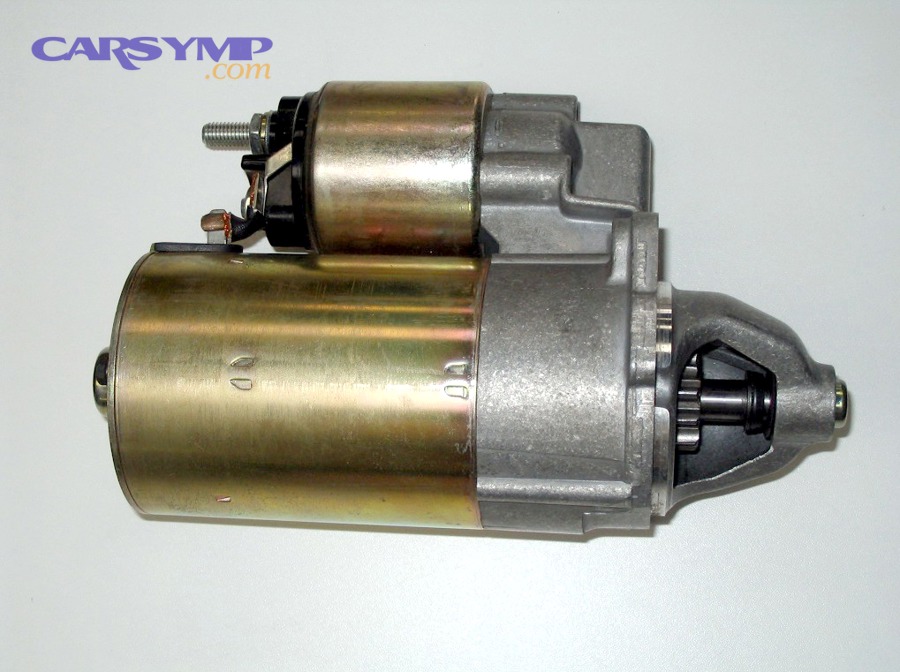
- You hear nothing, a single click, or rapid clicking, and the engine doesn’t spin.
- Dash lights may be dim, flicker, or reset.
- Headlights may be weak or the interior lights may dim hard when you try starting.
- Crank-no-start
- You hear the engine rr-rr-rr (steady cranking), but it never catches.
- Dash lights usually stay stable.
- The starter sounds “normal,” but the engine won’t run.
A useful mental shortcut: No-crank = electricity can’t spin the engine. Crank-no-start = engine spins, but combustion doesn’t happen.
What tools (if any) help on site?
You can do a lot with zero tools, but these help the most:
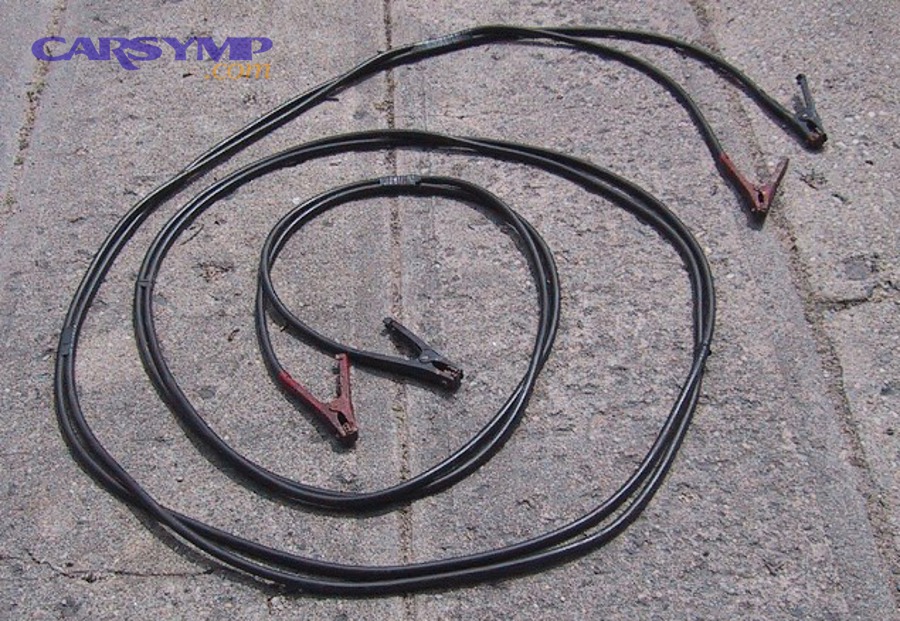
- Jumper cables or a jump pack (for suspected low battery)
- A basic flashlight (terminal inspection, fuse checks at night)
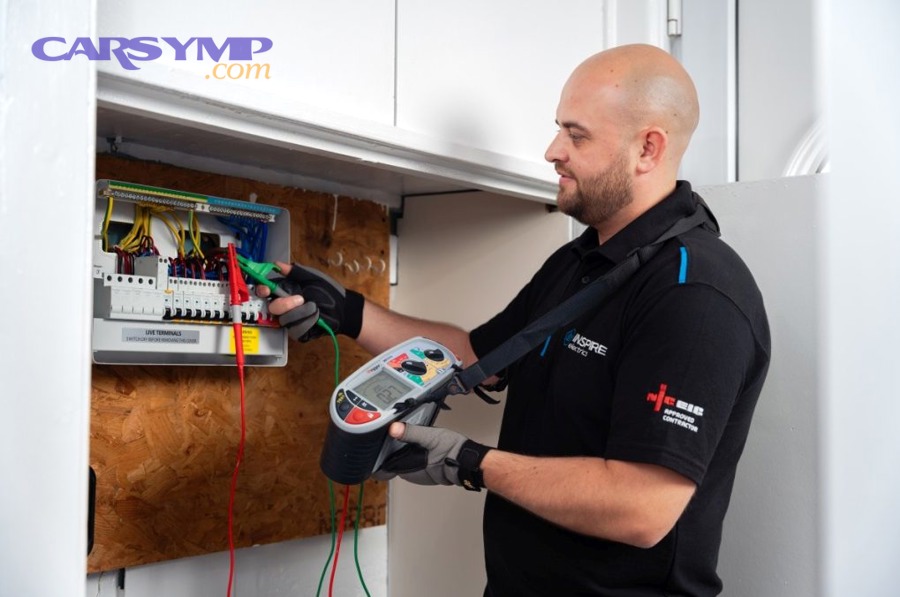
- A cheap voltmeter (optional, but makes battery checks far more confident)
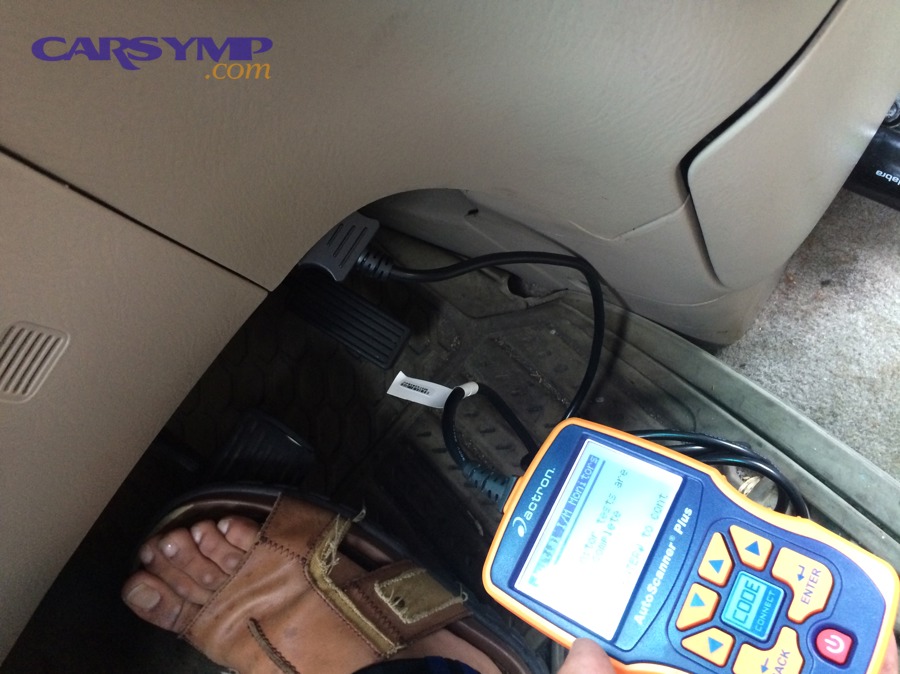
- OBD-II scanner (helpful mainly for crank-no-start and immobilizer-related clues)
Is it safe to keep trying to start the car when it won’t start?
No, it’s not always safe to keep trying—limit attempts because repeated cranking can overheat the starter, drain the battery further, and worsen certain engine conditions. Then, the safe approach is to do short, deliberate checks between attempts rather than “key-mashing.”
When should you stop cranking immediately?
Stop and reassess right away if you notice any of these:
- Strong fuel smell (possible flooding or fuel leak risk)
- Smoke, melting smell, or visible sparking near the battery or starter wiring
- Grinding or harsh metal noises (starter engagement issue that can damage the flywheel)
- The engine cranks very slowly and gets slower (battery collapsing under load)
- Battery cables are hot to the touch (high resistance connection)
A practical limit for most cars: no more than 2–3 start attempts, each 3–5 seconds, with a pause to evaluate in between.
How do you stay safe on the roadside while troubleshooting?
Roadside diagnosis only helps if you’re safe enough to do it.
- Move the vehicle out of traffic if it can roll safely.
- Turn on hazard lights, set the parking brake, and keep your seatbelt on if you’re still near traffic.
- Stand on the non-traffic side when checking under the hood.
- Use “move over” awareness: many jurisdictions require drivers to slow down and move over for stopped vehicles with flashing or hazard lights, not just emergency responders. (nhtsa.gov)
If you’re on a narrow shoulder, curve, bridge, or high-speed lane with little room, the “safest troubleshooting” is often calling help immediately.
What is the fastest on-site checklist to diagnose an emergency no-start?
The fastest checklist is a 4-step flow—power check, symptom sound check, fuel/security check, then a decision (jump, on-site fix, or tow)—that gets you to the right action in under 5 minutes. Next, you’ll use the checklist to avoid the two biggest time-wasters: guessing and repeating the same failed start attempt.
Before the steps, here’s a quick decision table so you can match symptoms to the correct branch. This table summarizes what you’re about to do and what each outcome usually means.
| What you observe in 30 seconds | Likely condition | Best first action |
|---|---|---|
| Dash lights dim/reset, rapid clicking, no engine spin | No-crank (low battery/connection) | Inspect terminals, try jump-start |
| Single click, lights mostly normal, no spin | No-crank (starter/relay/neutral safety) | Try neutral start, check relay/fuses, call help if stuck |
| Engine spins normally but never catches | Crank-no-start | Check fuel level, immobilizer light, consider scan codes |
| Starts only with jump, then dies soon after | Charging issue/weak battery | Drive to service, avoid shutting off immediately |
Step 1: Check power and dash lights
Start with what the car “admits” on its own:
- Do dash lights come on strongly?
- Do interior lights dim heavily when you try starting?
- Does the infotainment reboot?
If everything is weak or resetting, you’re likely in battery/connection territory.
Step 2: Listen for starter / fuel pump sounds
Sound is fast, reliable signal:
- No-crank: you’ll hear nothing, clicking, or a clunk.
- Crank-no-start: you’ll hear steady cranking.
- Many cars also make a brief fuel pump prime hum when you turn the key to ON (not every model is obvious).
Step 3: Check fuel and security indicators
This step is simple but commonly missed:
- Verify the fuel gauge and consider whether it could be inaccurate on steep angles.
- Look for immobilizer/security light behavior (flashing key icon, “Key Not Detected,” etc.).
Step 4: Decide jump-start, tow, or call help
This is the “decision point” that saves you time and risk:
- If symptoms scream low battery, jump-start is usually the fastest.
- If you suspect starter circuit or immobilizer, repeated jumping won’t help much.
- If you’re in a dangerous spot, the correct decision is often tow first, troubleshoot later.
To ground how common battery-related issues are in real roadside calls: AAA reports that in 2024, towing and battery issues together made up a large share of emergency roadside service calls in the U.S. (newsroom.aaa.com)
If it’s “no-crank,” what are the most likely causes and fixes you can try on site?
If it’s no-crank, the most likely causes are a weak battery, high-resistance connections (loose/corroded terminals), or a starter/relay/gear-selector interlock issue—and you can safely test for each in a few minutes. Next, you’ll work from easiest/most common toward more complex causes.
Is the battery weak or dead—and how do you confirm?
You don’t need lab tools—just a structured check:
- Headlight test (quick clue):
- Turn headlights on. If they’re very dim, battery is likely low.
- Load behavior (better clue):
- Watch interior/dash lights while attempting start.
- If lights collapse when you try starting, the battery may be too weak or the connection is poor.
- Jump test (strongest practical confirmation):
- If a jump-start makes the car crank immediately, the problem is very often battery state-of-charge or connection.
If you have a voltmeter:
- ~12.6V engine off is healthy.
- ~12.2V is roughly half charged.
- <12.0V often struggles to crank, especially in cold weather.
Evidence: According to a study by Technische Universität Berlin from Electrical Energy Storage Technology, in 2023, cold conditions reduced starter-battery performance enough that cold-cranking success changed significantly as temperatures dropped (including failures by −30 °C in standardized cold-cranking tests). (mdpi.com)
Are the battery terminals loose/corroded—and what can you do safely?
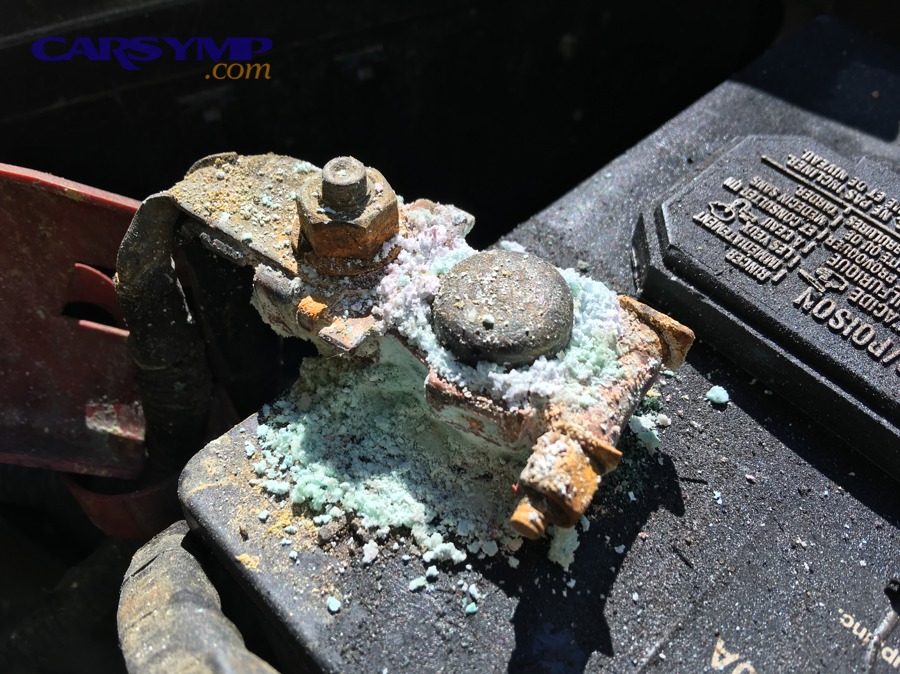
Loose or corroded terminals can create a “dead battery illusion” because voltage can’t flow under starter load.
On-site safe actions (no chemicals required):
- Turn car OFF, remove key/fob away from the vehicle.
- Check both terminals:
- If you can twist the clamp by hand, it’s too loose.
- Tighten carefully if you have a wrench.
- If corrosion is heavy and you don’t have tools, jump-starting may still fail because the clamp can’t pass current.
What not to do on a roadside shoulder:
- Don’t scrape aggressively with random metal objects near the battery if you’re unsure—sparks are the risk.
- Don’t pour liquids if you can’t control runoff or visibility.
If corrosion is severe, treat it as “needs service soon,” even if you get the car started.
Could the starter, relay, or neutral safety switch be the culprit?
Yes—especially if the battery seems fine.
Try these quick, low-risk checks:
- Try starting in Neutral (for automatics). A misaligned gear selector can block cranking.
- Press brake firmly and try again (push-button cars can be picky).
- Listen to the click pattern:
- Single click, strong dash lights → starter relay/solenoid/starter motor more likely.
- Rapid clicking, weak lights → battery/connection more likely.
- Check for “no crank in Park but cranks in Neutral”: points to a neutral safety / range switch.
If you suspect starter/relay and you’re on site without parts, this becomes a “call help” scenario quickly.
When should you avoid jump-starting?
Avoid jump-starting (or stop and call help) when:
- The battery case is cracked, bulging, leaking, or smells strongly of sulfur.
- You see smoke, sparking, or melted wiring.
- The car is a hybrid/EV and you’re unsure where the 12V jump points are—use the manual or a pro.
When in doubt, safety beats speed.
If it cranks but won’t start, what should you check first on site?
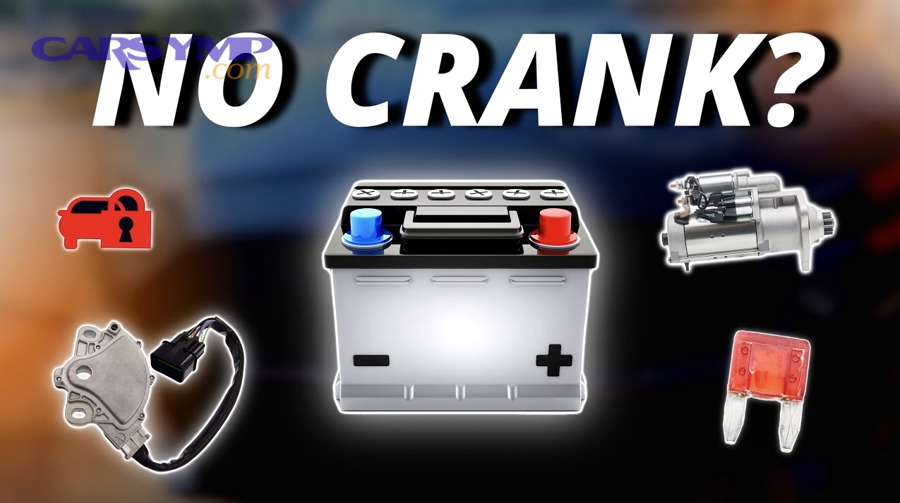
If it cranks but won’t start, check fuel reality, immobilizer signals, and simple airflow/starting conditions first—because those are fast to confirm and often fixable without parts. Then, you’ll move to higher-skill checks only if the basics don’t explain it.
Are you out of fuel or is the fuel pump not priming?
This sounds obvious, but in emergencies it’s common to overlook:
- Confirm you have fuel (and consider whether the gauge could be wrong).
- Turn key to ON (not START) and listen for a 2–3 second hum (pump prime) if your vehicle makes it audible.
- If you recently refueled and immediately got a no-start, consider wrong fuel (gas in diesel or diesel in gas). That’s a “don’t crank more—call help” moment.
If you suspect a pump issue, repeated cranking generally won’t revive it.
Is there spark or ignition power?
On site, you typically can’t measure spark safely without tools, but you can look for clues:
- Does the tachometer flicker slightly during crank? (Some cars show RPM if crank signal is present.)
- Are there warning lights indicating ignition/engine management faults?
- Do you have a spare key/fob? A failing transponder key can look like “no start.”
If the car cranks strongly but never even tries to catch, ignition or fuel delivery becomes more likely than battery.
Could the engine be flooded or have low compression?
Flooding is more likely if:
- You made many start attempts.
- You smell raw fuel.
- The engine sputters but won’t sustain.
A safe on-site approach:
- Pause for a minute.
- Try one controlled attempt (don’t over-crank).
- In some older vehicles, holding the pedal down can enter “clear flood mode,” but modern behavior varies—use this cautiously and only if you know your vehicle.
Low compression is not really diagnosable on the shoulder—if you suspect it (unusual cranking speed, very “even and fast” cranking), your best move is to stop and get professional help.
Could the immobilizer or key system cause an emergency no-start?
Yes—an immobilizer/key issue can prevent starting even when the battery and starter are fine, and the fastest confirmation is watching the security indicators and key-detection messages. Next, you’ll use quick, non-destructive resets before escalating to locksmith/dealer support.
What are common immobilizer warning signs?
Look for patterns like:
- A flashing key/car icon while trying to start
- Messages like “Key Not Detected,” “Immobilizer Active,” “Start Disabled,” or similar
- The car cranks but instantly stops firing (some models will crank briefly but cut fuel)
Immobilizer symptoms can mimic fuel or ignition failure, so the key is noticing the security signal.
What quick resets can you try safely?
Try these low-risk actions:
- Use your spare key/fob if available.
- Move the fob closer to the start button (some cars have a “backup” detection spot).
- Replace the fob battery if you carry one.
- Power cycle calmly: turn off, open/close driver door, wait 60 seconds, try again.
- If push-button: hold the fob against the button (many cars read the transponder even if the fob battery is weak).
Avoid aggressive hacks or repeated locking/unlocking patterns—those can waste time and complicate troubleshooting.
When do you need a locksmith or dealer?
Escalate when:
- You have no spare key and the car clearly shows key/immobilizer warnings.
- The key is damaged, wet, or the fob is missing.
- The vehicle requires reprogramming or module-level resets.
At that point, on-site emergency help becomes the best ROI: mobile locksmith, dealer roadside program, or certified mobile mechanic depending on your situation.
What should you do if it starts after troubleshooting to prevent another no-start?
If it starts, keep it running long enough to stabilize charging and confirm basic electrical health, then plan a follow-up test so you don’t get stranded again after the next shutdown. Then, you’ll decide whether to drive, idle, or head straight to service based on risk.
How long should you idle or drive to recharge?
A realistic approach:
- If the car started only after a jump, don’t shut it off immediately.
- Prefer driving over idling (alternators typically charge better under light driving loads).
- Plan at least 20–30 minutes of driving if you can do so safely.
If the car stalls soon after removing the jump source, that points to a deeper electrical/charging issue and should shift you toward service ASAP.
What follow-up tests should you schedule?
To avoid repeat no-starts, schedule:
- Battery test (state of health, not just voltage)
- Charging system test (alternator output under load)
- Starter draw / starting system inspection if cranking was slow or noisy
Even if it “seems fine,” the pattern matters: a battery that fails once under stress often fails again at the worst time.
What information should you capture to get an emergency estimate fast from a mechanic?
Capture symptoms, conditions, and a few proof points (photos/videos and any codes) because clear evidence reduces diagnostic time and speeds up getting an accurate on-site estimate. Next, you’ll build a “quick packet” a mobile tech can use before they arrive.
What details help a mobile mechanic diagnose remotely?
Send these details in one message:
- Year, make, model, engine (and whether it’s hybrid/EV)
- Exact symptom: no-crank vs crank-no-start
- What you hear: clicking, slow crank, normal crank
- Dash behavior: dim lights, security light flashing, warning messages
- Weather + context: cold morning, after short trip, after fuel stop, after sitting for weeks
- What you already tried: jump, neutral start, spare key, etc.
This can prevent wasted time and reduce “parts guessing.”
What photos/videos should you take?
Quick, high-value captures:
- Video of the start attempt (sound matters)
- Photo of the dashboard with warning lights/messages visible
- Photo of battery terminals (corrosion/loose clamp evidence)
- Photo of the gear position and start button area (if relevant)
What OBD-II data or codes are most useful?
If you can scan safely:
- Record stored codes and pending codes
- Save freeze-frame data if the scanner provides it
- Note whether the scanner can communicate with modules (communication failures can be a clue)
Even if codes don’t pinpoint the exact cause, they help a tech choose what to test first.
When should you stop troubleshooting and choose towing, mobile repair, or a shop?
You should stop troubleshooting when safety risk rises, repeated attempts change nothing, or the likely fix requires parts/tools—then choose towing, mobile repair, or a shop based on speed, access, and risk of further damage. Next, you’ll use a practical decision logic that also protects you from scammy “panic pricing.”
Emergency car repair near me: how to pick help quickly without getting scammed
When you search “emergency car repair near me”, filter providers with these checks:
- Ask for an upfront diagnostic fee and what it includes.
- Confirm ETA, cancellation policy, and minimum charge before dispatch.
- Request a written estimate range based on your symptom type (no-crank vs crank-no-start).
- Avoid anyone who refuses to discuss pricing until after arrival.
A trustworthy provider will ask you the symptom questions you learned earlier—because real diagnosis starts before the truck rolls.
24/7 vs after-hours shop options: which is better for a no-start?
In general:
- Mobile repair wins when the likely fix is battery/terminal/jump/relay-level and you’re in a safe location.
- Towing to a 24/7 shop can win when:
- You suspect starter replacement, immobilizer programming, or deeper electrical issues
- You’re in an unsafe roadside spot and need the car moved first
- After-hours drop-off works when the shop isn’t open but has a secure lot and clear intake process—useful if the problem can wait until morning.
If you can’t confidently identify the branch, default to moving the car to a safer diagnostic environment.
Overheating emergency steps: what changes if the no-start follows overheating?
If the no-start happened right after overheating, the decision changes:
- Do not keep cranking if you suspect severe overheating (risk of mechanical damage).
- Prioritize cooling down safely and checking for obvious coolant loss.
- Treat overheating + no-start as “higher risk,” where towing is often smarter than roadside trial-and-error.
These Overheating emergency steps matter because the “right” action is often to prevent further damage, not to force a restart.
Brake failure warning signs and actions: when a no-start is the safer outcome
Sometimes a no-start is a blessing—especially if the car was showing Brake failure warning signs and actions like:
- Brake warning light + abnormal pedal feel
- Grinding/metal noises
- Sudden pull, smoke, or burning smell near a wheel
In those cases, the safer plan is often do not attempt to drive even if it starts. Choose towing or mobile inspection so the next “emergency” doesn’t happen at speed.
Evidence (if any):
According to AAA’s newsroom summary, in 2024 AAA received over 27 million emergency roadside service calls in the U.S., with towing and battery-related incidents comprising a large share of those calls. (newsroom.aaa.com)