


An overheating warning light or a rapidly climbing temperature gauge usually means your engine is running outside its safe range, and the fastest way to prevent expensive damage is to treat it like an “act now” situation.
Then, the right response is not one heroic move—it’s a sequence: reduce load, get safely off the road, cool down the situation, and only inspect once heat and pressure drop to safe levels.
In addition, knowing what not to do (like opening a pressurized cooling system too soon) is just as important as knowing what to do.
Introduce a new idea: the guide below breaks overheating emergency steps into clear decisions and checklists so you can protect your passengers first—and your engine second.
Is it safe to keep driving when your car is overheating?
No—continuing to drive while your car is overheating is unsafe because it can rapidly damage engine components, cause sudden loss of power in traffic, and increase the risk of steam/hot-fluid burns during an emergency stop.
Next, because “overheating” is both a safety and mechanical risk, you need to identify the severity quickly and decide whether you must pull over immediately or can limp a very short distance to a safer shoulder.
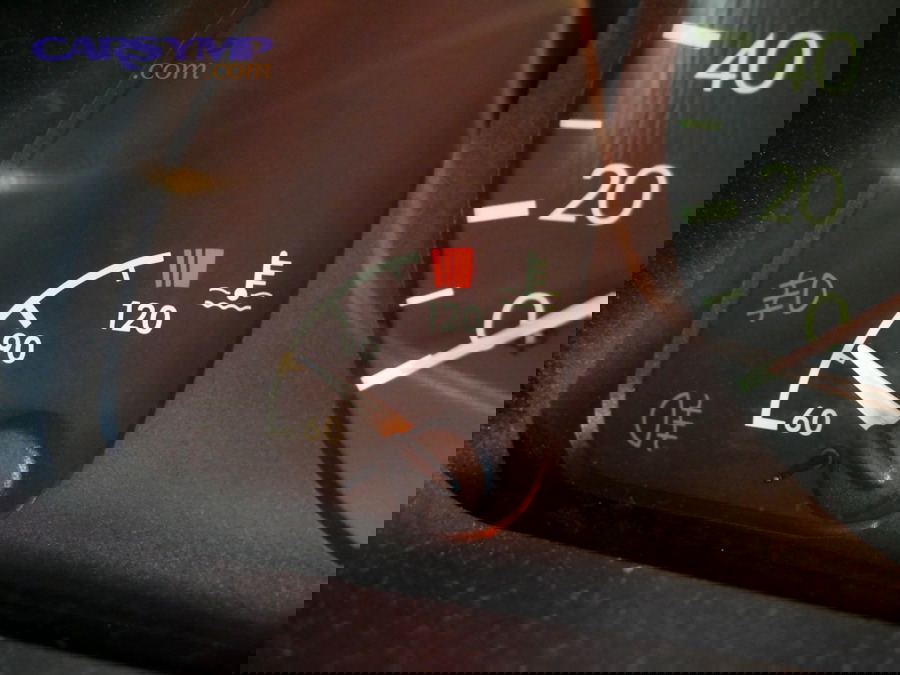
What warning signs mean you must pull over now?
If you see any of the signs below, treat them as a “pull over immediately” trigger rather than a “maybe it’ll be fine” moment:
- Temperature gauge in the red / hot zone or a red temperature warning light stays on.
- Steam from the hood or a sweet, chemical smell (often coolant).
- Heater suddenly blows cold air while the engine is hot (often low coolant or circulation problems).
- Knocking, pinging, or ticking sounds that appear with the overheating event (possible detonation or hot spots).
- Warning messages like “Engine Overheated” or “Stop Safely” if your vehicle displays them.
Specifically, warning lights and steam mean the system may already be beyond normal operating pressure and temperature, so the safest play is to reduce load and move toward a safe stop, not to keep your speed “to get home.”
What damage can seconds of overheating cause?
Overheating damage escalates in a predictable chain—temperature rises, metals expand, seals weaken, and lubrication performance drops. Even a short overheating event can lead to:
- Warped cylinder head or compromised head gasket sealing.
- Cracked plastic components (tanks, fittings) in the cooling system.
- Accelerated oil breakdown, which increases friction and heat even more.
- Catalytic converter stress if misfires happen from heat-related issues.
More importantly, an engine is a tightly controlled heat-transfer system; when it runs too hot, the thermal gradients across the head and cylinder walls can become extreme. According to a study by the University of Bath from the Department of Mechanical Engineering, in 2008, researchers measured temperatures at more than one hundred locations in the block and cylinder head under varied load conditions—highlighting how quickly localized temperatures and heat flux can vary inside an engine.
What if you’re in heavy traffic or a tunnel?
If you can’t safely stop immediately (e.g., in a tunnel, bridge, or dense traffic), the goal is to reduce heat generation while you create a safe exit plan:
- Turn off the A/C.
- Ease off the throttle and avoid hard acceleration.
- If traffic allows, move to the right lane early to set up an exit/shoulder stop.
- Put hazard lights on when you’re slowing significantly.
Then, once you can safely do so, pull over completely and shut the engine down before the temperature climbs further.
What are the immediate overheating emergency steps to take while you’re still moving?
Use a calm “reduce load + find a safe stop” method with 5 steps—turn off A/C, ease off throttle, increase cabin heat if needed, get to a safe shoulder/lot, and shut the engine down—to lower temperature rise and prevent major damage.
Then, because every second of high temperature matters, your focus should be on doing the most effective heat-reduction actions while preserving control and safety.
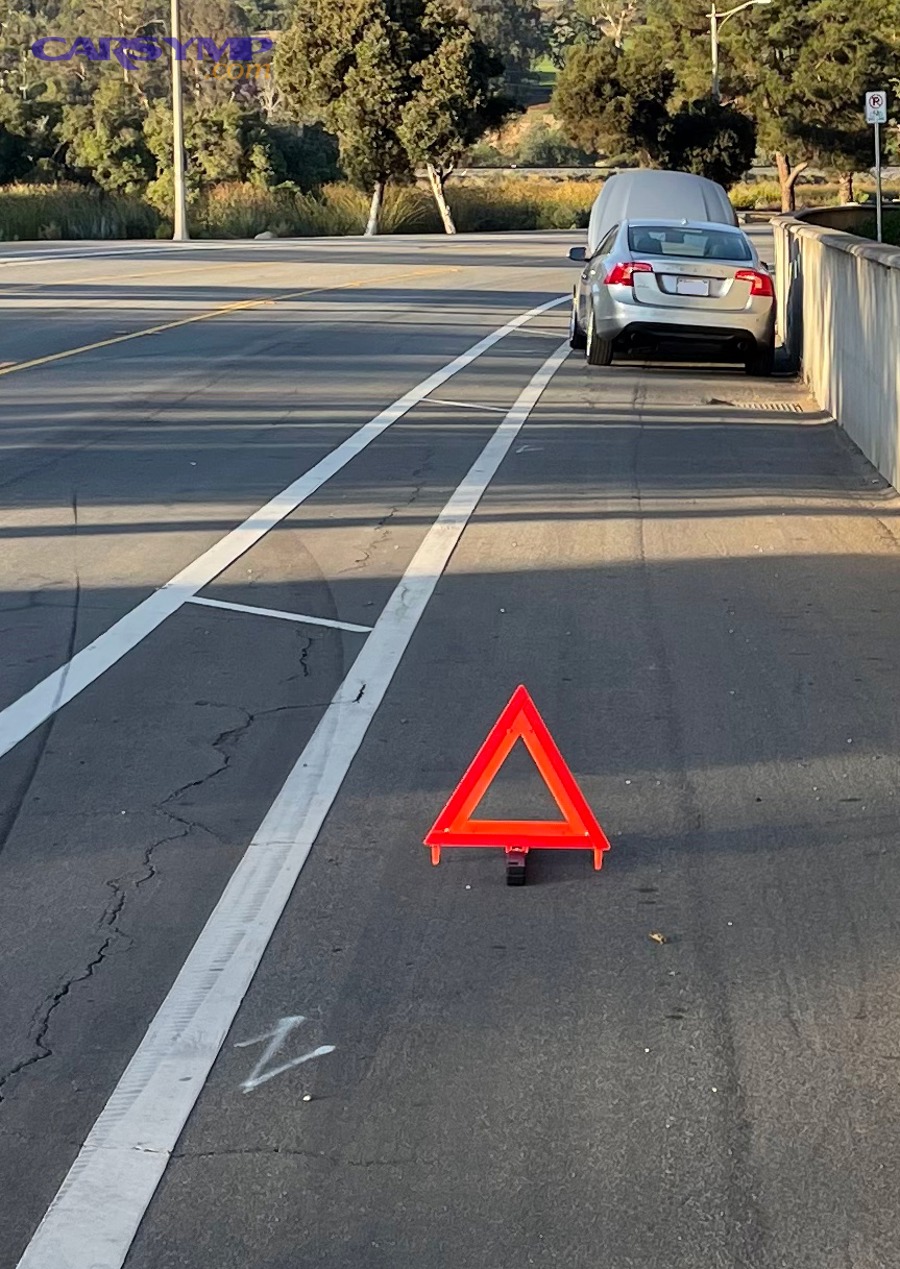
How do you reduce engine load without panicking?
Start with the actions that reduce heat production fast:
- Turn off the air conditioning (A/C adds load and heat).
- Stop accelerating and let the car coast gently if safe.
- Avoid high RPM; high engine speed produces more heat.
- If you’re climbing a hill, try to crest gently and plan a pull-off; don’t “power through” at wide-open throttle.
To illustrate why this matters, a cooling system that’s already struggling can be pushed over the edge by extra load—especially in heat, traffic, or long grades.
How do you get to a safe stop and protect occupants?
Your priority is a controlled, visible stop:
- Signal early, move to the shoulder or an exit.
- Turn on hazard lights when you’re slowing more than surrounding traffic expects.
- Choose a location away from blind curves and narrow shoulders if possible.
- Once stopped: set the parking brake, keep passengers inside with seatbelts fastened if traffic is close (or move them behind a barrier if it’s safer and legal).
More specifically, safety comes from being predictable: a controlled slow-down with hazards gives other drivers time to react.
Should you turn the heater on to dump heat?
Yes—turning the heater to HOT with the fan on high can help pull heat away from the engine through the heater core, especially if you’re trying to reach a safe shoulder or exit.
However, this is a short-term tactic, not a cure. If the gauge keeps climbing, you still need to stop and shut down. Guidance from a major roadside-assistance resource emphasizes shutting off A/C, pulling off safely, and allowing the engine to cool before inspecting.
What should you do after you’ve stopped and the engine is hot?
After stopping, shut the engine off, wait for heat and pressure to drop, and only inspect once it’s safe—this three-part approach prevents burns, avoids worsening a coolant loss, and sets up a correct next decision (restart, top-off, or tow).
Next, once you’re safely off the roadway, the biggest mistakes happen during inspection—especially when people rush a radiator cap or lean into steam.

How long should you wait before opening the hood?
Wait long enough that the system pressure drops and the risk of a steam blast is lower:
- Minimum: 20–30 minutes if you see steam or the gauge was deep in the red.
- Longer if you can still hear boiling, sizzling, or strong ticking/creaking sounds.
Then, open the hood carefully from the side (not directly in front), and only prop it if there’s no active steam venting toward you.
How do you avoid burns from steam and pressurized coolant?
Use a “distance + barrier + sequence” rule:
- Distance: Stand to the side, keep your face away from the hood gap.
- Barrier: Use gloves, long sleeves, or a thick cloth if you touch anything.
- Sequence: Hood first. Visual inspection second. Caps and reservoirs last—and only if cool.
More importantly, never remove a radiator cap while hot. A pressurized cooling system can eject near-boiling fluid instantly, which turns a mechanical problem into an injury emergency.
When is it okay to restart the engine?
Restart only when all these are true:
- Temperature gauge has returned near normal (or at least moved well away from the red).
- No active steam release.
- You don’t see coolant rapidly leaking onto the ground.
- The coolant reservoir level is not empty and you can top up safely (if needed).
- The engine starts and idles smoothly without loud knocking.
If you restart, watch the gauge continuously for 1–2 minutes. If it rises quickly again, shut down and plan for towing/assistance.
What can you check once the engine cools down enough to inspect?
Once it’s cool enough, you can run a practical 3-part inspection—coolant level, leak clues, and basic cooling-system hardware (belts/fans/obstructions)—to determine whether you can cautiously drive a short distance or must stop and call for help.
Then, because overheating can have multiple root causes, your inspection should focus on high-signal checks that don’t require tools or disassembly.
How do you check coolant level safely?
Use the reservoir first; it’s designed for level checks:
- Confirm the engine is cool enough that you can touch nearby metal without pain.
- Locate the coolant reservoir (often translucent plastic with MIN/MAX marks).
- If low, add the correct coolant type if you have it; if not, adding water can be a temporary emergency measure in many cases (follow your owner’s manual if available).
If you must access the radiator cap (some older vehicles), only do so when the system is fully cool and pressure is gone.
Evidence matters here because coolant mixture affects heat transfer. According to a study by the University of Maryland, College Park from the Department of Mechanical Engineering, in 2010, testing of used 50/50 ethylene glycol–water coolant found many samples approached ~60% glycol, and the work noted that higher glycol concentration can reduce the coolant’s specific heat capacity—diminishing cooling performance even if the boiling point changes only slightly.
How do you spot leaks and interpret puddle colors?
Look under the front of the car and trace upward with your eyes:
- Coolant colors can be green, orange, pink, yellow, or blue depending on type; it often smells slightly sweet.
- A steady drip from the front can indicate a hose, radiator, or water pump leak.
- A wet belt area or spray pattern can suggest a burst hose under pressure.
However, don’t crawl under a hot vehicle on a shoulder; do a quick, safe visual check and prioritize traffic awareness.
How do you check belts, fans, and the radiator area?
A no-tools check can still reveal obvious failures:
- Serpentine belt: If it’s shredded, missing, or off-track, the water pump may not be turning (on many engines).
- Cooling fans: When the engine is hot, fans often run. If they never run and you see no movement, there may be a fan, relay, or sensor issue.
- Radiator front: Leaves, plastic bags, or debris can block airflow.
- Radiator cap area / hoses: Look for crusty residue or wetness around clamps and seams.
To better understand why a blocked airflow path matters, the radiator is the system’s external heat exchanger; if air can’t pass through it, the engine can overheat even with enough coolant.
When should you call for roadside help, towing, or a repair shop instead of driving?
Call for help instead of driving when overheating is recurring or severe because towing prevents catastrophic engine damage, reduces roadside danger, and avoids repeated overheating cycles that can ruin gaskets and bearings.
Next, once you’ve done the quick cool-down and inspection, this becomes a decision problem—drive a very short distance with constant monitoring, or stop and escalate to towing/assistance.
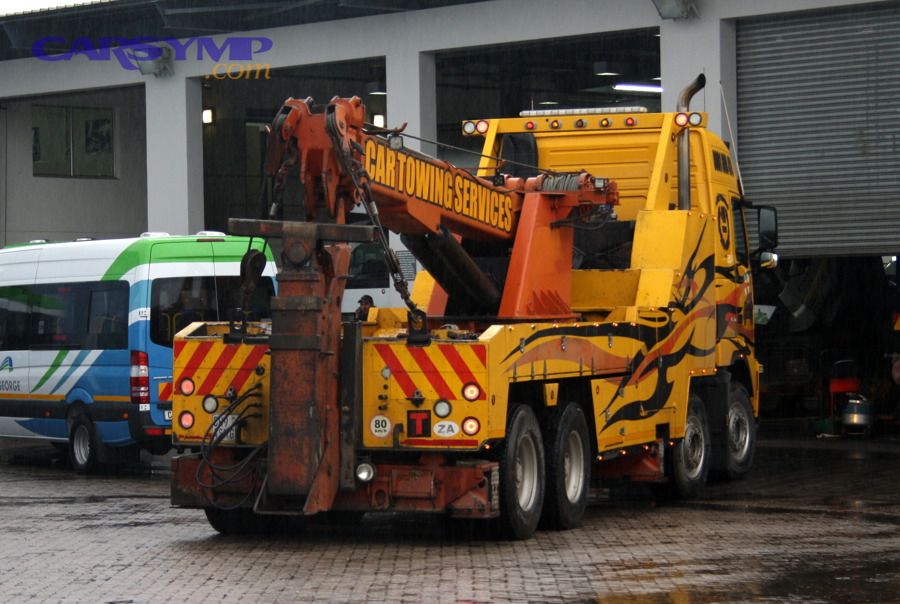
What situations require towing immediately?
Choose towing right away if any of these are true:
- Temperature returns to hot quickly after cooling and restart.
- You see significant coolant loss (reservoir empties, strong dripping, or spray).
- You hear loud knocking or the engine runs rough (possible internal damage).
- The heater won’t blow warm air even after coolant top-up (suggests circulation failure).
- You have a broken belt, inoperative fans, or a visible cracked hose/radiator.
More importantly, repeated “overheat → cool → overheat” loops are how minor leaks turn into major engine repairs.
How do you decide if a short drive to a shop is okay?
Use a Towing vs driving decision checklist and be conservative—your goal is to avoid the second overheating event.
Below is a quick table showing how to decide based on symptoms you can observe without tools:
| What you observe | What it usually means | Best action |
|---|---|---|
| Gauge stabilizes near normal after cool-down and stays steady at idle | Issue might be mild/temporary (airflow, low coolant) | Consider a very short drive to a nearby safe place while monitoring |
| Gauge rises fast within 1–2 minutes of idling | Cooling system can’t control temperature | Tow—do not drive |
| Active coolant dripping or puddle grows rapidly | Leak under pressure | Tow |
| Belt missing/shredded | Water pump/alternator may not function | Tow |
| Steam continues after stopping | Ongoing boiling/pressure | Wait longer; likely tow |
If you decide to drive a short distance, do it only with:
- Hazard awareness (stay right, avoid hills and traffic if possible)
- Heater on high if it helps
- Continuous gauge monitoring
- A plan to stop immediately if temperature rises
What details should you tell roadside assistance or a mobile mechanic?
When you call for help, details speed up the right response:
- What you saw first (warning light vs gauge vs steam)
- Whether coolant is low and whether you topped up
- Whether the heater blows hot or cold
- Any visible leaks, smells, or belt damage
- How quickly temperature rises after restart
If you’re searching “emergency car repair near me,” look for shops that clearly state cooling-system diagnostics and towing coordination, and avoid anyone who won’t give an estimate range or refuses to explain the likely fault path.
How can you prevent the next overheating emergency?
You can prevent many overheating emergencies by keeping the cooling system within spec through scheduled coolant service, hose/belt inspections, airflow maintenance, and a small emergency kit—so the system doesn’t fail under heat, traffic, or load.
Next, prevention works best when you treat overheating as a system problem (coolant + pressure + airflow + circulation), not a single-part problem.
What maintenance items stop overheating before it starts?
Focus on the highest-impact items that fail most often:
- Coolant condition and level: Replace on schedule; use the correct type to avoid corrosion and gel issues.
- Hoses and clamps: Look for swelling, cracking, soft spots, or crusty residue at joints.
- Radiator cap and reservoir cap: Caps maintain pressure; weak caps can reduce boiling margin.
- Thermostat and water pump: These are common failure points; watch for temperature fluctuations and coolant seepage.
- Cooling fans: Confirm they engage when hot; a failing fan can overheat you in traffic even if highway driving seems fine.
More specifically, the goal is to keep heat rejection predictable—so a hot day doesn’t become a breakdown day.
What should be in an emergency kit for cooling-system issues?
A compact kit can turn a stressful stop into a controlled plan:
- Correct premixed coolant (or concentrate plus water)
- Nitrile gloves and a thick shop towel
- Flashlight/headlamp
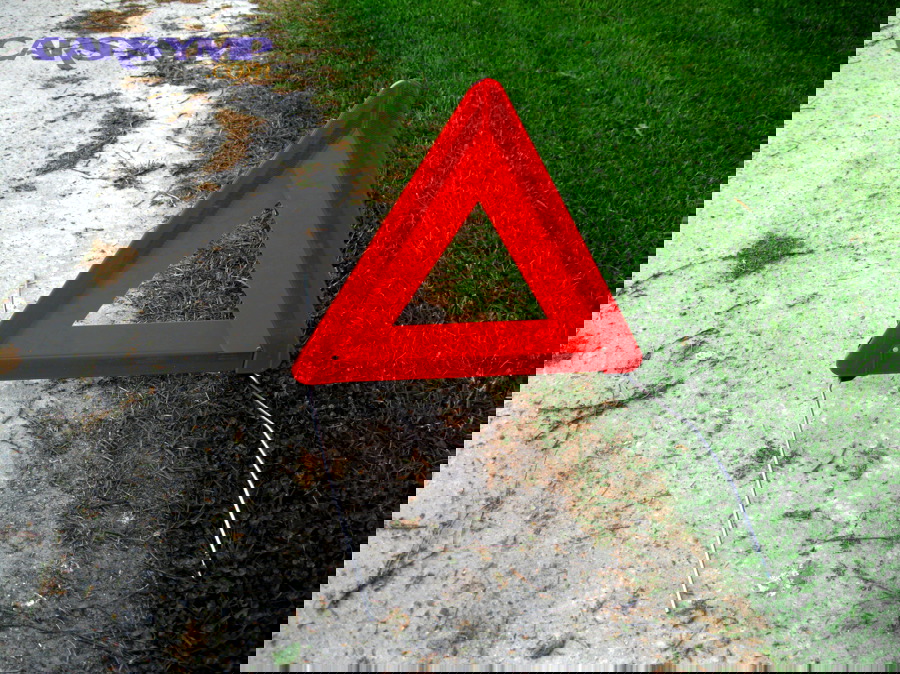
- Reflective triangles or flares (where legal)
- Basic duct tape and hose repair tape (temporary only)
- Drinking water (for people first, then emergency topping off if needed)
If you maintain your kit, you reduce both risk and time spent on the shoulder.
How does overheating relate to other roadside emergencies like a no-start?
Overheating can trigger secondary problems—battery drain from fans running, electrical connector heat-soak, or sensor faults—so a car that overheated and then shuts down may later crank slowly or refuse to start.
In addition, if you’re dealing with a combined scenario (overheat + won’t restart), that’s where Emergency no-start troubleshooting on site and conservative towing decisions overlap: protect the engine, avoid repeated cranking, and get a diagnostic rather than guessing and risking deeper damage.
Evidence (if any): According to a study by the University of Maryland, College Park from the Department of Mechanical Engineering, in 2010, evaluation of used coolant samples found elevated glycol concentration could reduce specific heat capacity—meaning even “full” coolant can cool less effectively if the mixture drifts out of spec.