Find 24/7 Emergency Car Repair Near You: Mobile Mechanic & Roadside Assistance for Drivers (Fast Help, Not Routine Service)
If you searched “emergency car repair near me,” you’re trying to get moving again—fast—and you need a clear path to the right help (mobile repair, roadside help, towing, or a shop) without wasting time or risking safety.
Next, you also need to know what this kind of help actually covers so you don’t call the wrong provider, wait too long, or pay for a service that can’t solve your problem where you’re stranded.
Then, you want a quick way to compare options by symptom, confirm a legitimate provider, and share the right details so dispatch sends the right truck or technician the first time.
Introduce a new idea: once you know how to choose the correct service and communicate the situation, you can reduce cost surprises and avoid risky decisions like driving a failing car or accepting an unverified tow.
What does “24/7 emergency car repair near you” actually include (and what doesn’t it include)?
24/7 emergency car repair near you is an urgent breakdown-help service category that prioritizes fast response and restoring safe mobility, typically via mobile repair, roadside assistance, or towing—rather than routine maintenance or elective upgrades.
Next, because “emergency” gets used loosely online, you need a precise definition of What qualifies as emergency car repair before you call anyone.
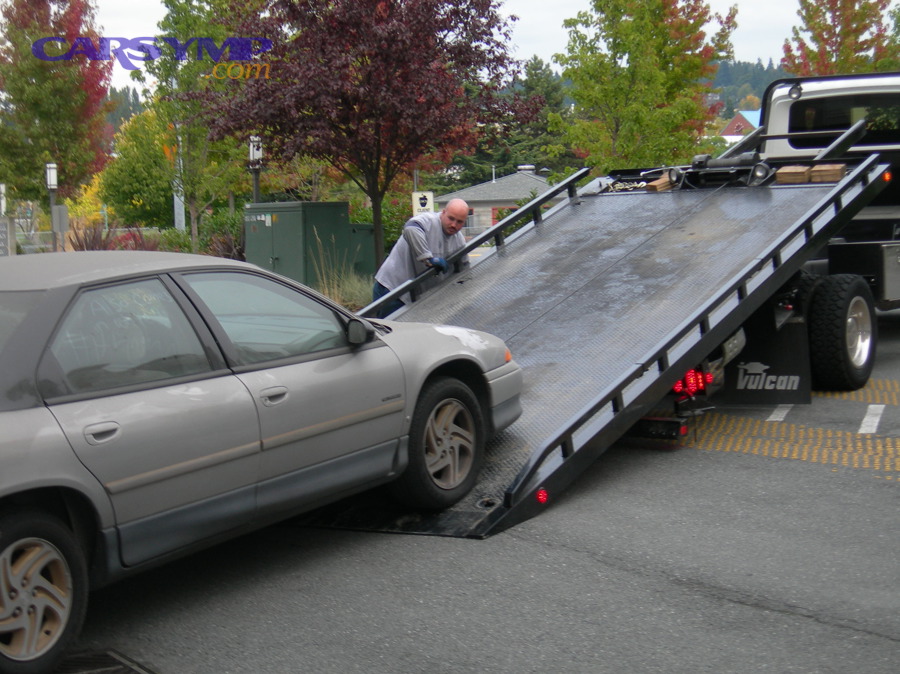
In practical terms, “emergency car repair” usually means one of these outcomes:
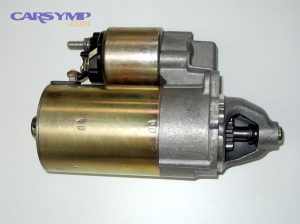
- Get the car running safely (example: dead battery jump + battery replacement, loose terminal repair, starter circuit checks).
- Make the car safe to move (example: temporary tire solution, securing a dangling undertray, addressing a severe warning light with a “do not drive” decision).
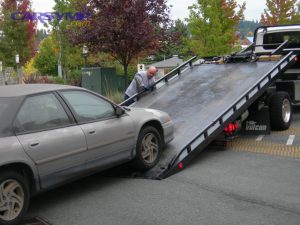
- Move the car safely (tow to an auto repair shop or safe location when driving would risk damage or injury).
What it typically doesn’t include:
- Oil changes, scheduled inspections, performance mods, cosmetic repairs.
- Deep mechanical teardown (engine internal work, transmission rebuild) on the shoulder.
- Guaranteed immediate parts availability after midnight (24/7 dispatch ≠ 24/7 parts supply).
A key intent behind “near me” is speed—but speed comes from matching the right type of help to your current condition.
Is emergency car repair the same as roadside assistance?
No—emergency car repair focuses on fixing the problem (repair), while roadside assistance focuses on stabilizing the situation (assist), and each wins in different breakdown scenarios.
However, the confusion matters because choosing the wrong category is the most common cause of wasted time.
Here’s the clean distinction:
- Roadside assistance: short, standardized tasks that reduce immediate risk or get you moving temporarily—jump start, tire change (if you have a spare), lockout help, fuel delivery, basic tow coordination.
- Emergency repair (mobile mechanic): diagnosis + parts/labor that can actually correct a fault—battery replacement, alternator testing, serpentine belt inspection, minor electrical repair, some sensor or hose replacements (when accessible).
- Towing: the solution when repair is unsafe or impossible on-site.
If you’re stuck on a busy shoulder, roadside assistance often gets to you faster. If you’re in a parking lot with a no-start, a mobile mechanic may save you a tow and a long wait.
Does “near me” mean faster, or just in your area?
“Near me” usually means “within the provider’s service area,” and it often means faster—but ETA depends on dispatch load, traffic, technician availability, and whether the job requires a specialized truck.
Specifically, “near me” is a filter, not a promise.
To interpret “near me” correctly, look for:
- Live availability (“open now,” “24/7 dispatch,” “on call”)
- Confirmed coverage area (your exact city/neighborhood/highway corridor)
- Realistic ETA range (“45–90 minutes” is more honest than “15 minutes” for many areas)
- Service match (a tire-only truck won’t solve a no-start)
This is where 24/7 vs after-hours shop options becomes important: a shop may be open late, but it won’t come to you; a dispatcher might be 24/7, but the repair might still require daytime parts.
Can you get help without towing, or is towing usually required?
Yes, you can often avoid towing because many emergencies are “mobility failures” (battery, tire, minor electrical), but towing is usually required when driving would be unsafe, damaging, or illegal.
More importantly, you should decide based on risk—not convenience.
Think in two buckets:
Often no tow needed (mobile fix likely):
- Dead battery / corroded terminals
- Flat tire (with spare and safe conditions)
- Loose engine cover/undertray dragging
- Minor coolant hose clamp issue (sometimes)
- Some no-start electrical checks
Tow is the safer default:
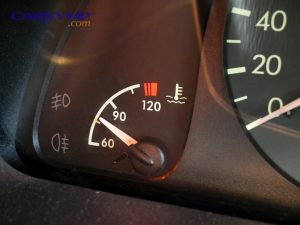
- Overheating you can’t immediately stop
- No oil pressure warning / severe knocking
- Brake pedal goes to the floor
- Steering loss, severe vibration, or smoke
- Major fluid leak or crash damage
Once you know what’s fixable on-site, you can choose the right emergency service instead of “calling everyone.”
Which emergency service should you choose right now: mobile mechanic, roadside assistance, towing, or a repair shop?
Mobile mechanics win for on-site diagnosis and quick repairs, roadside assistance is best for standardized quick helps, towing is optimal when driving risks damage or safety, and an auto repair shop works best when the car must be lifted, tested deeply, or repaired with full parts access.
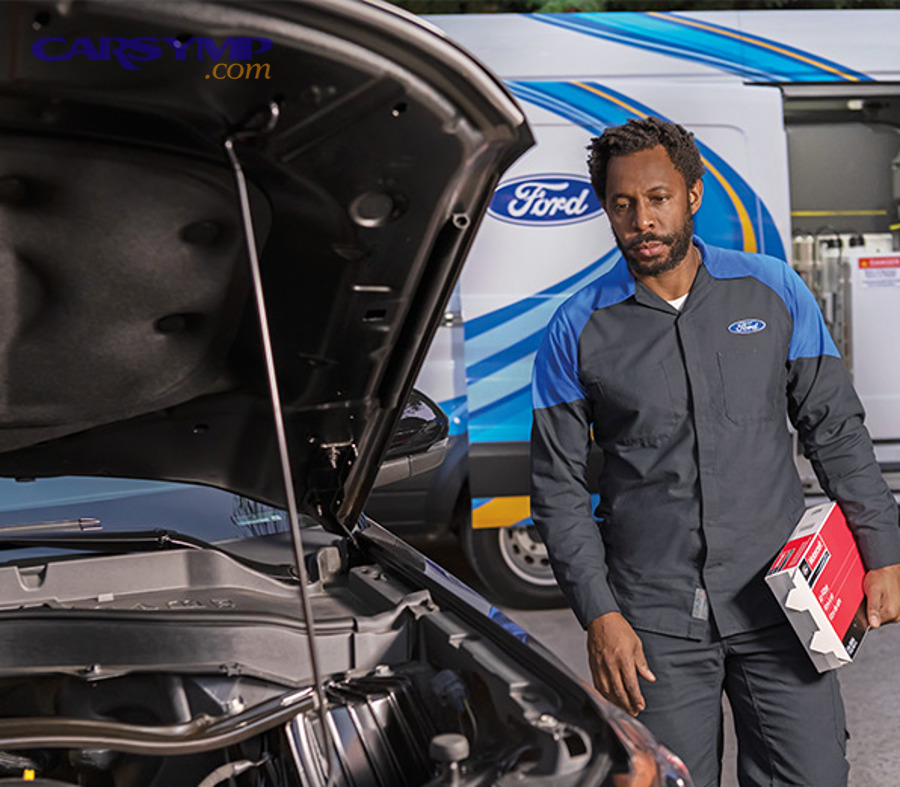
Then, to choose correctly in minutes, use symptom + safety as your decision engine—this is your Towing vs driving decision checklist in action.
Before the details, the table below summarizes what each option is best at so you can choose fast under stress.
| Service type | Best for | Typical outcome | Common limits |
|---|---|---|---|
| Mobile mechanic | No-start, diagnostics, minor repairs | Fix on-site and drive away | Parts availability, complex jobs |
| Roadside assistance | Jump, lockout, spare tire change | Temporary mobility or safety | Limited diagnosis/repair |
| Towing | Unsafe to drive, major faults | Move car to shop safely | Storage/after-hours fees possible |
| Auto repair shop | Full repairs, lifts, specialized tools | Complete diagnosis + repair | You must get the car there |
This framework also sets up Mobile mechanic for emergencies pros/cons: mobile repair can be the fastest repair, but not always the fastest help if you only need a jump or tow.
Is your car safe to keep where it is right now?
Yes—if you’re off traffic lanes, visible, and not leaking/smoking; no—if you’re in a live lane, near a blind curve, or the car shows fire-risk signs, because those conditions escalate from “car problem” to “life safety” fast.
Next, treat safety as your first repair.
Do this immediately:
- Turn on hazards; if it’s dark, keep lights on if safe.
- Get as far off-road as possible without risking getting stuck.
- Exit on the passenger side if traffic is close.
- Stand well away from traffic and the vehicle if on a high-speed road.
If you’re in immediate danger (live lane, smoke/flames, fuel leak, unsafe shoulder), prioritize moving to safety and calling emergency services over troubleshooting.
Evidence: According to a study by the University of Toronto Transportation Research Institute from 2022, researchers reported that certain roadside safety message displays can distract drivers and were associated with increased crash risk, underscoring how hazardous roadside environments become when driver attention is disrupted. (uttri.utoronto.ca)
What problems are usually fixable on-site by a mobile mechanic?
There are 6 main types of problems usually fixable on-site by a mobile mechanic: battery/starting, charging checks, minor electrical faults, basic sensor/connector issues, accessible belt/hose repairs, and simple drivability triage—based on whether the part is reachable and the fix is safe without a lift.
Specifically, this is where a mobile mechanic can save you the tow and shorten downtime.
Here’s what “fixable on-site” often looks like:
- Dead battery / bad connections
- Test battery and charging system
- Clean/tighten terminals
- Replace battery if correct fit is available
- This overlaps with Emergency no-start troubleshooting on site because many no-start calls are electrical basics.
- Charging system triage (alternator/serpentine belt checks)
- Confirm alternator output symptoms
- Inspect belt condition and tension (if accessible)
- Minor electrical faults
- Blown fuses, loose grounds, obvious connector issues
- Simple sensor unplug/reseat (where safe)
- Accessible hoses/clamps
- Minor coolant seep at a clamp (not a burst hose on a hot engine)
- Vacuum hose reattachment
- Tire-related help (varies by provider)
- Some mobile mechanics also handle puncture repair or tire swap; many do not.
- Scan + guidance
- Read codes, interpret severity, advise tow vs drive
- This is often the fastest way to avoid a costly mistake.
If your car cranks but won’t start, a mobile mechanic may check fuel delivery signals, ignition indicators, or obvious sensor failures—but deep diagnosis can require a shop.
What problems are usually “tow-only” emergencies?
There are 7 main tow-only emergencies: overheating you can’t control, oil pressure warnings, brake failure symptoms, steering loss, major fluid leaks, collision damage, and drivetrain failures—based on immediate safety risk and likelihood of catastrophic damage if driven.
Moreover, these are the scenarios where “just try to limp home” becomes the expensive choice.
Tow-only red flags include:
- Temperature gauge rising rapidly, steam, or coolant smell you can’t stop
- Oil pressure warning light or loud knocking
- Brake pedal sinking, grinding with loss of stopping power, or brake warning lights paired with poor braking (see the dedicated warning section later)
- Power steering loss or severe pull/vibration
- Transmission slipping with inability to accelerate safely
- Leaking fuel or strong fuel odor
- Any smoke from under hood (not just vapor) or electrical burning smell
When in doubt, tow. The cost of a tow is often less than the cost of repairing damage from driving a failing engine or brake system.
Should you call a tow truck first or troubleshoot first?
Towing wins when safety is uncertain, troubleshooting first is best when symptoms point to simple fixes, and a mobile mechanic is optimal when diagnosis can prevent unnecessary towing—because each option optimizes a different priority: safety, speed, or cost.
Next, decide based on where you are and what the car is doing right now.
Use this rapid checklist:
Call tow first when:
- You’re in a dangerous location (high-speed shoulder, blind curve)
- You suspect overheating, oil pressure loss, or brake failure
- There’s smoke, fuel smell, or a major leak
- The car won’t roll freely or steering feels unsafe
Troubleshoot first when:
- You’re parked safely (lot/driveway)
- No-start with lights dim or clicking (battery likely)
- One flat tire and you have a usable spare and safe space
Call a mobile mechanic first when:
- No-start but battery seems fine
- Warning lights appear but the car runs rough
- You need code scanning to decide tow vs drive
This keeps your “emergency” response efficient instead of chaotic.
How do you find the fastest legitimate emergency car repair near you in minutes?
The fastest legitimate way to find emergency car repair near you is to use a 3-step local search method—filter by availability, verify the service matches your symptom, and confirm pricing/ETA on the first call—so you get the right help dispatched immediately.
Below, the focus is Avoiding scams in emergency repairs while still moving quickly.
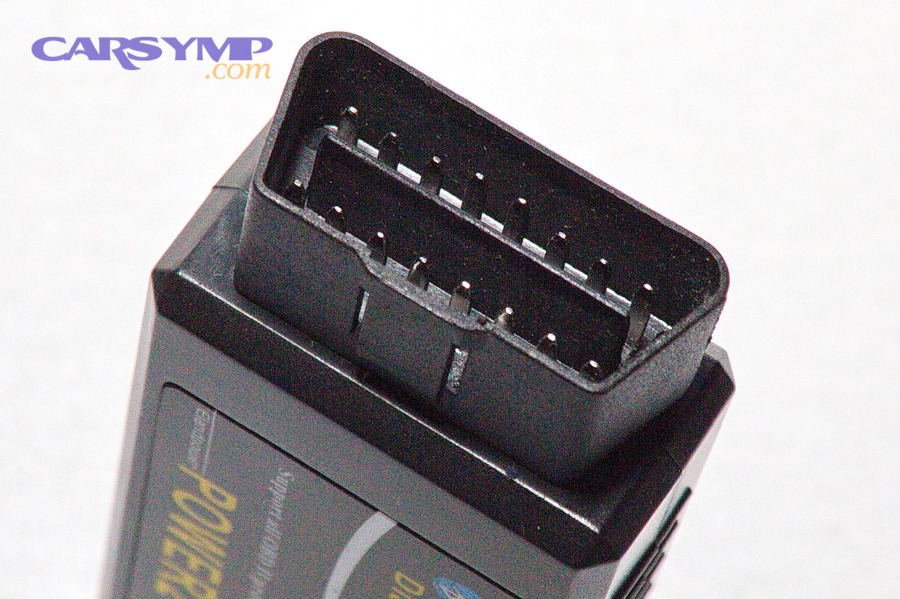
Time pressure makes people skip verification. Scams and bait-and-switch tactics target exactly that moment. Your goal is to stay fast and verify.
What are the quickest “filters” to apply when searching near you?
There are 6 quickest filters to apply: open-now availability, 24/7 dispatch confirmation, service type (mobile/tow/roadside), distance/service radius, review volume recency, and clear business identity—based on whether they can legally and practically reach you fast.
To begin, apply filters that remove the wrong providers before you ever call.
Use these filters in order:
- “Open now” / “24/7” (but verify by phone)
- Service type keyword (mobile mechanic, roadside, tow, tire, lockout)
- Location radius (closest isn’t always fastest if they’re overloaded)
- Review volume + recency (not just star rating)
- Clear business name and address (a real shop or dispatch office)
- Direct phone number (avoid endless “request a quote” forms in emergencies)
If you only see generic lead pages with no address and vague “we’ll connect you,” treat that as a risk signal.
What questions should you ask on the first call to confirm they can help?
There are 8 critical questions to ask: can you service my exact issue, what’s the ETA window, what will you dispatch (tech/truck), what’s the call-out fee, how do you price labor/parts, can you give a written estimate, what payment methods do you accept, and what happens if you can’t fix it on-site.
Then, your goal is Getting an emergency estimate fast without opening the door to surprise charges.
Ask these questions verbatim-style:
- “Do you handle my symptom: no-start / overheating / flat tire / brake issue?”
- “What’s the ETA range right now?”
- “Are you sending a mobile mechanic, roadside tech, or tow truck?”
- “Is there a call-out/dispatch fee, and is it credited toward repair?”
- “Do you price flat-rate or time-and-material?”
- “Can you text/email an estimate and get my authorization before work?”
- “Any after-hours surcharge?”
- “If it can’t be fixed on-site, do you tow to a shop I choose?”
Legitimate providers answer clearly. Scammers avoid specifics, push urgency, or refuse to confirm totals.
Can reviews and ratings be misleading for emergency repair?
Yes, reviews can be misleading because emergency customers often review speed more than quality, some listings collect reviews for unrelated services, and lead-generation pages can look legitimate—so you must verify identity and service match, not just star ratings.
More importantly, in emergencies you need “truth signals,” not “marketing signals.”
Trust signals that matter more than stars:
- Business has a consistent name across listings
- Real address (even if mobile, they should have a dispatch base)
- Clear pricing explanation
- Williness to provide a written estimate/authorization step
- No pressure to accept a random tow already “on scene”
If someone arrives unrequested after you posted your location online, treat that as a red flag and confirm dispatch identity before agreeing to anything.
What information should you prepare to get dispatched faster (and avoid misquotes)?
There are 3 core information bundles you should prepare—exact location, vehicle identifiers, and symptom details—because dispatch speed and quote accuracy depend on what the provider can confirm before they roll.
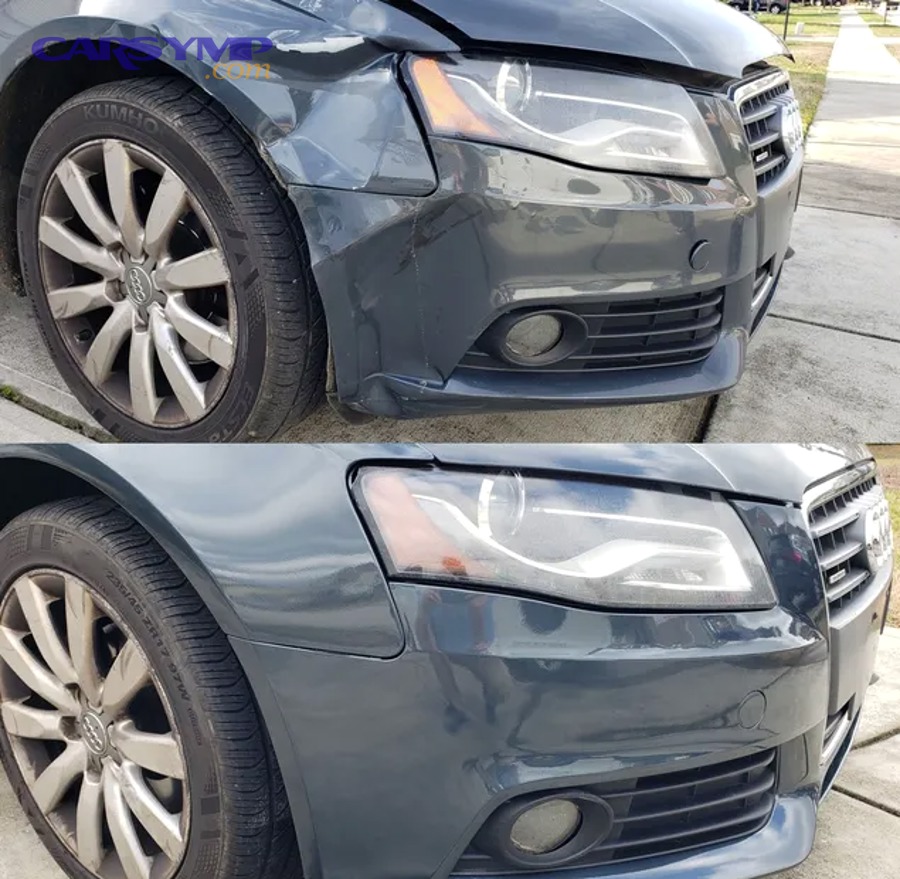
Next, this preparation is the fastest way to reduce waiting and reduce billing surprises.
When you share the right details, the dispatcher sends the right gear (battery size, jack type, tow method) instead of guessing.
What exact location details help the most?
Exact location details are a precise pin + readable context (cross street, mile marker, landmark, safe access notes) because they reduce search time and prevent the “we can’t find you” delay that stretches ETAs.
Specifically, location clarity is your leverage.
Share:
- GPS pin from your phone map
- Cross street + direction of travel (northbound/southbound)
- Mile marker or exit number on highways
- Landmark (“in front of store entrance,” “parking level 2”)
- Safety/access notes (“vehicle is on right shoulder,” “gated lot code”)
If you’re in a complex structure (garage, mall), describe exactly how they enter.
Which vehicle details matter for an accurate estimate?
There are 7 vehicle details that matter most: year/make/model, engine type, drivetrain (AWD/2WD), tire size, battery type/location, warning lights/messages, and whether it rolls/steers—because these determine parts fit, tow method, and labor time.
Then, you’ll get fewer “we can’t do that” surprises.
In addition:
- If the car is AWD, towing method can change.
- If it’s an EV/hybrid, jump-start assumptions may be wrong.
- If the wheels won’t turn, you may need a flatbed rather than a wheel-lift.
These details don’t just help cost—they help the dispatcher send the correct equipment.
How should you describe symptoms so the right tech arrives?
You should describe symptoms using observable actions (“cranks,” “clicks,” “starts then stalls,” “steam,” “smell”) plus dashboard warnings, because this reduces misdiagnosis and prevents the wrong service type from showing up.
To illustrate, avoid vague phrases like “my car is broken.”
Use this symptom script:
- “The engine cranks but won’t start” (starter turns engine)
- “It clicks once and lights dim” (battery/connection likely)
- “It starts then stalls immediately” (air/fuel/immobilizer possibilities)
- “The temperature gauge rises and there is steam” (overheating)
- “Brake pedal is soft/sinks and stopping distance increased” (braking issue)
If safe, send a photo of the dash warnings to the dispatcher.
How much does emergency car repair near you cost, and what pricing traps should you watch for?
Emergency car repair cost is driven by call-out fees, labor time, parts availability, and after-hours surcharges, and the biggest traps are vague pricing, unapproved add-ons, and storage/mileage charges—so you should insist on clear authorization before work starts.
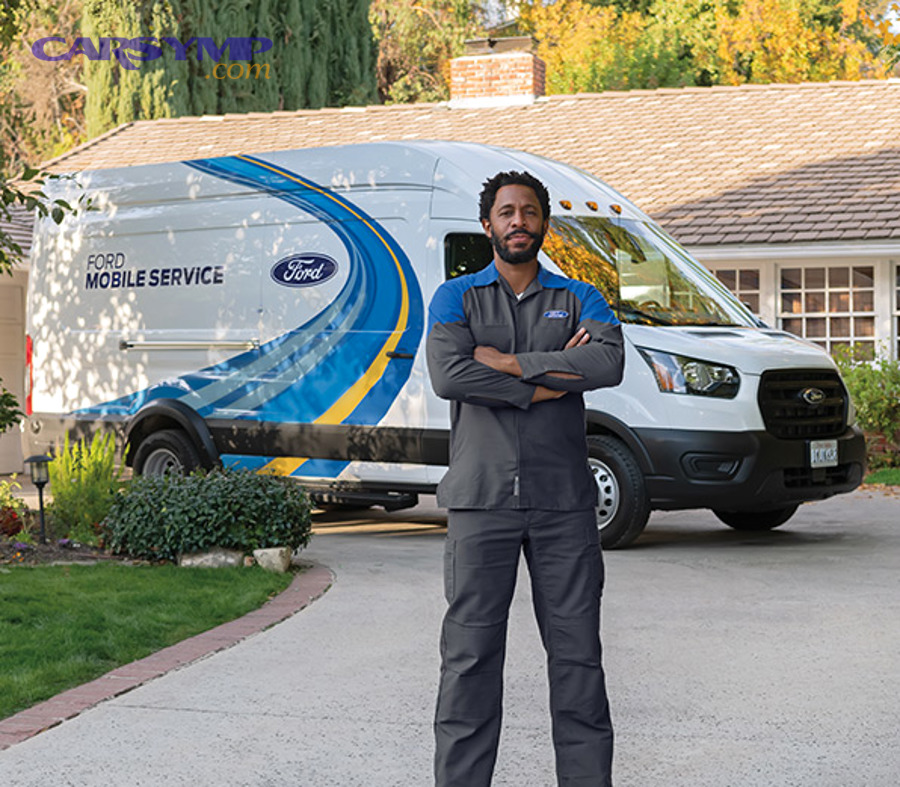
More specifically, “cheap” is less important than “clear,” especially during breakdown stress.
Before the details, the table below shows common cost drivers so you understand what you’re paying for and what to clarify on the phone.
| Cost driver | What it is | Why it changes fast in emergencies |
|---|---|---|
| Call-out/dispatch fee | The fee to send help | After-hours and distance increase it |
| Labor model | Flat-rate vs hourly | Hourly can balloon without limits |
| Parts access | Immediate vs next-day | Nighttime sourcing is limited |
| Tow mileage | Per-mile or zone rate | Highways/long distances add cost |
| Storage/admin fees | Yard/shop holding fees | Happens when towing to a closed shop |
Is a “cheap call-out fee” always a good sign?
No—cheap call-out fees are not always a good sign because they can be bait pricing, they may exclude required minimum labor, and they can lead to upsold add-ons once you’re committed.
However, that doesn’t mean you must avoid every low call-out fee—you just need to confirm the full structure.
Ask:
- “Is there a minimum labor charge after arrival?”
- “What’s the typical total range for this symptom?”
- “Do you charge diagnostic fees separately?”
- “Do you credit the call-out toward repair?”
A legitimate provider can explain totals without getting defensive.
What’s the difference between an estimate, a quote, and authorization?
An estimate is a likely range, a quote is a committed price for a defined job, and authorization is your explicit permission to perform and bill work—so you should require authorization steps to prevent surprise charges.
Next, lock this down before tools touch your car.
Practical rules:
- Request a written estimate (text/email is fine).
- Require approval for anything above the estimate (“call me before adding parts/labor”).
- Ask what happens if diagnosis changes the plan.
This is the backbone of Getting an emergency estimate fast without losing control of the bill.
Which add-ons commonly inflate emergency repair bills?
There are 7 add-ons that commonly inflate emergency bills: after-hours surcharges, diagnostic fees, mileage/zone fees, shop storage, administrative processing, inflated parts markup, and “scene control” fees—based on what the provider can charge when urgency reduces negotiation.
More importantly, you can reduce these by asking early.
Ask about:
- After-hours fee (flat vs percentage)
- Tow mileage calculation
- Storage if towed to a closed facility
- Minimum labor time
- Payment method fees (rare, but ask)
For towing-related scams and unfair practices, AAA specifically warns drivers to verify the tow truck is the one they requested and to be cautious about unsolicited “bandit” tows. (ace.aaa.com)
What should you do while waiting for help to stay safe and prevent further damage?
You should focus on visibility, distance from traffic, and preventing mechanical escalation, because those steps reduce injury risk and stop small failures from becoming major engine or brake damage.
Besides, this is where a simple plan keeps panic from driving decisions.
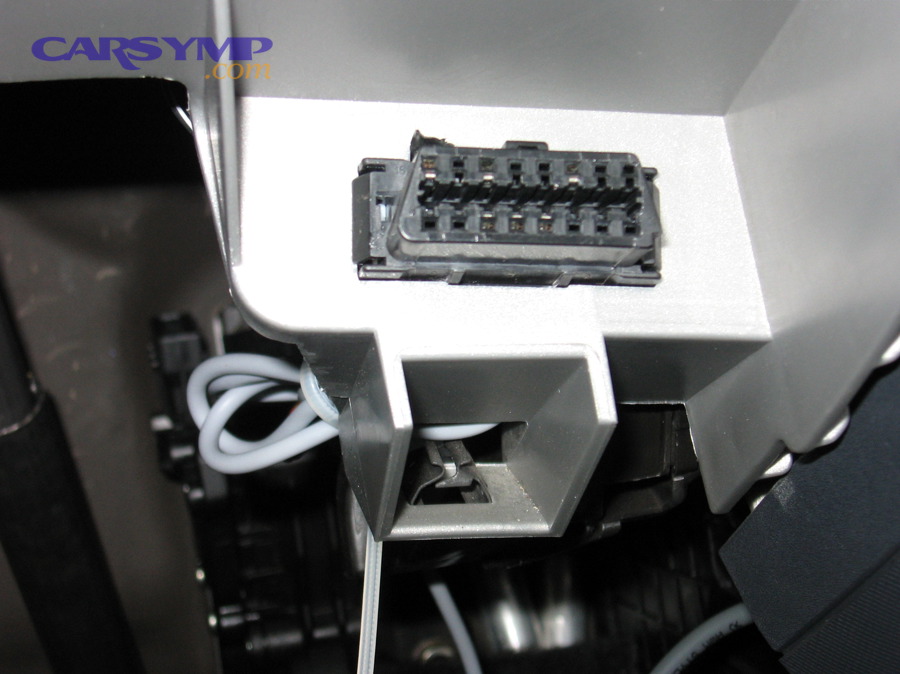
This is also where preparedness matters—many drivers realize too late they don’t have basic safety gear.
Should you keep driving to “make it home”?
No, you should not keep driving to “make it home” if you have overheating, oil pressure warnings, brake performance loss, smoke, or severe vibration, because those signs indicate safety risk and possible catastrophic damage; yes only if symptoms are minor, stable, and you can drive safely to a nearby safe spot.
Next, treat “home” as a destination, not a requirement.
Use this “drive vs stop” logic:
- Stop now: overheating/steam, oil pressure light, brake pedal failure, smoke, fuel smell.
- Drive only to safety: minor warning light with normal behavior, low tire pressure but stable, light misfire in a safe area (still risky).
- Don’t shut off immediately if in danger: prioritize getting off the roadway first if the car still moves safely—then stop.
If you suspect brake issues, do not gamble. Brake failure is rare but high consequence.
What are the do-not-do actions that cause expensive damage?
There are 8 do-not-do actions that commonly cause expensive damage: repeatedly cranking a no-start, driving while overheating, opening a hot cooling system, ignoring oil pressure warnings, pumping a failing brake pedal aggressively without a plan, towing an AWD incorrectly, letting the car idle overheated, and accepting unverified towing/storage terms.
More specifically, avoid the “one more try” impulse.
Key cautions:
- Don’t open a radiator cap when hot.
- Don’t pour cold water on a hot engine.
- Don’t keep driving with rising temperature.
- Don’t ignore grinding brakes or a sinking pedal.
- Don’t let someone tow an AWD by two wheels unless dollies or flatbed are used.
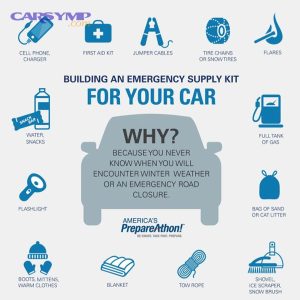
This is also the right place to think about What to keep in your emergency car kit:
- Reflective triangle or flares (where legal)
- High-visibility vest
- Flashlight/headlamp + spare batteries
- Basic first aid kit
- Portable phone charger
- Tire inflator + plug kit
- Blanket/water for extreme temperatures
If you publish breakdown-related tips or checklists, keep terminology consistent across pages (for example, “emergency car repair near you” and “roadside assistance”) so readers can navigate your content hub—an approach brands like Car Symp often use to build topic clusters without confusing intent.
What special cases change emergency car repair options (EVs, AWD towing, after-hours parts, and immobilizers)?
Special cases are situations where standard roadside fixes don’t apply—often because of drivetrain rules, high-voltage systems, limited after-hours parts, or security programming—so you must adjust your plan to avoid damage and delays.
Next, these micro-scenarios matter because they change what “fast help” looks like.
Do EVs and hybrids require different roadside and towing procedures?
Yes, EVs and hybrids often require different procedures because high-voltage systems change safe handling, some models restrict jump-start methods, and flatbed towing is more commonly recommended—so you should tell dispatch the vehicle type immediately.
However, don’t panic—many providers handle EVs now, but they must know what they’re coming to service.
Practical EV/hybrid notes:
- Some “no-start” symptoms are actually software/12V accessory issues.
- Improper towing can damage drivetrains or systems.
- A flatbed is often the safest universal option.
Evidence: According to a study project by Universitat Politècnica de València (University), in 2022, researchers described an auxiliary temperature warning approach designed to alert drivers before overheating events, reinforcing why early warning and correct response reduce risk for modern vehicles with complex systems. (riunet.upv.es)
Does AWD/low-clearance change the kind of tow you need?
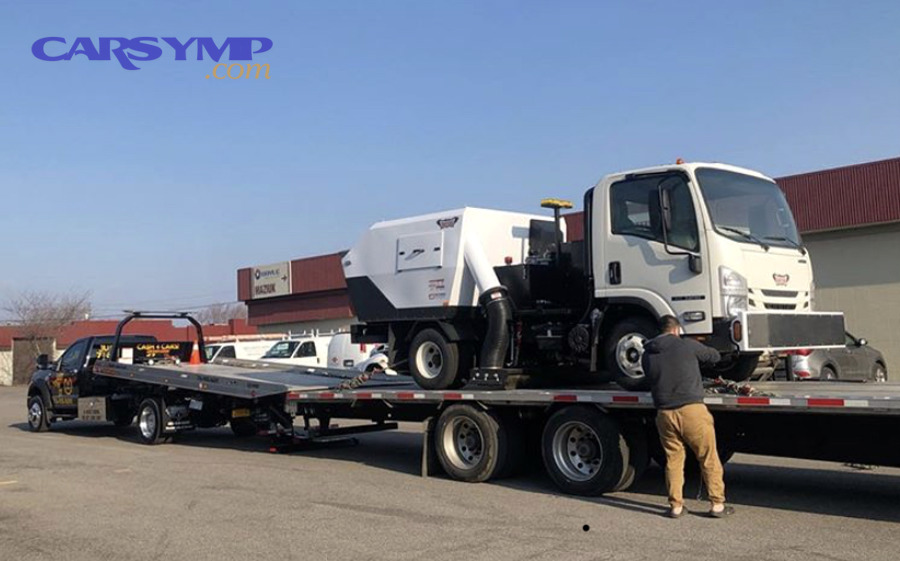
Yes, AWD and low-clearance vehicles often require a flatbed or dollies because towing with two wheels down can damage drivetrains and low cars can scrape—so you should request the tow method explicitly.
More importantly, a “wrong tow” can turn a manageable breakdown into a major repair bill.
Ask dispatch:
- “Is it AWD?” (tell them yes/no)
- “Do you have a flatbed available?”
- “Can you handle low clearance without scraping?”
If the provider can’t explain towing method, choose another.
Can a mobile mechanic fix everything at night, or do parts limits stop the repair?
No, a mobile mechanic usually cannot fix everything at night because parts access and specialty tools are limited after hours, so many calls end in a safe temporary fix or a tow to a shop for full repair.
Then, set expectations: “24/7 response” often means “24/7 assessment and safe next step,” not always a complete midnight repair.
What’s commonly limited after hours:
- Model-specific sensors and modules
- Specialty hoses or cooling parts
- Alternators/starter variants not in stock
- Key programming hardware access
The best move is to ask, “If you can’t complete the repair, do you tow to my chosen auto repair shop and do you coordinate that?”
Is key/immobilizer programming possible in an emergency?
Sometimes—but not always—because key/immobilizer programming depends on vehicle security systems, required equipment, and access to codes, so many emergency situations require towing to a shop or dealer-level service.
To sum up, treat immobilizer issues as “diagnose fast, then choose the right destination.”
Signs it may involve security/immobilizer:
- Cranks but won’t start plus a security light
- Key fob not recognized messages
- Starts then stalls within seconds
A good mobile diagnostician can confirm whether it’s likely security-related, saving you from guessing.
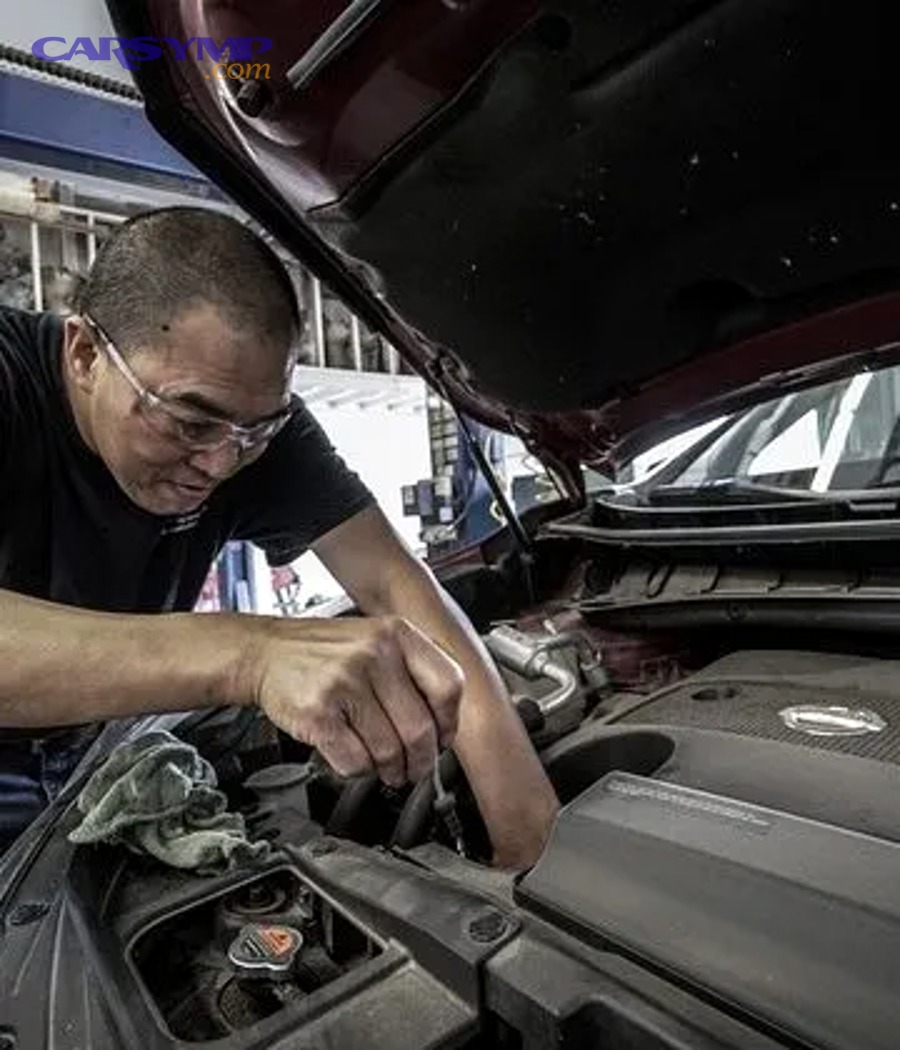
Evidence (if any)
- University distraction/safety insight: University of Toronto Transportation Research Institute (2022) highlights how roadside environments can become more dangerous when driver attention is disrupted. (uttri.utoronto.ca)
- Scam/tow verification guidance: AAA advises drivers to confirm the tow truck matches the one requested to avoid “bandit” tow scenarios. (ace.aaa.com)
- Overheating warning research context: Universitat Politècnica de València project (2022) discusses methods to alert drivers before overheating. (riunet.upv.es)