


Brake failure is an emergency because it reduces—or sometimes eliminates—your ability to slow down on demand, and the safest outcome depends on recognizing the earliest warning signs and choosing the right stopping actions in the next few seconds.
Most drivers don’t experience “instant total brake loss” without any clues; instead, the car usually gives you escalating signals like a soft or sinking pedal, pulling to one side, longer stopping distance, strange smells, or a brake warning light.
When those signals appear, your best chance of staying safe comes from a clear sequence: stay calm, create space, use mechanical braking options (downshifting/engine braking), and apply the parking brake correctly so you slow down without losing control.
Introduce a new idea: after you stop, the decisions you make—whether to drive, tow, or find help—matter just as much as the emergency stop itself, because the wrong “just drive it to a shop” choice can turn a near-miss into a crash.
What is brake failure, and is it always a total loss of braking?
Brake failure is a braking-system malfunction that prevents the vehicle from slowing as expected, usually due to hydraulic pressure loss, overheating (fade), mechanical wear, or electronic faults—so it often starts as “reduced braking” before it becomes “near-total loss.”
To better understand what you’re dealing with, it helps to break brake failure into the ways it happens and what still works when one part fails.
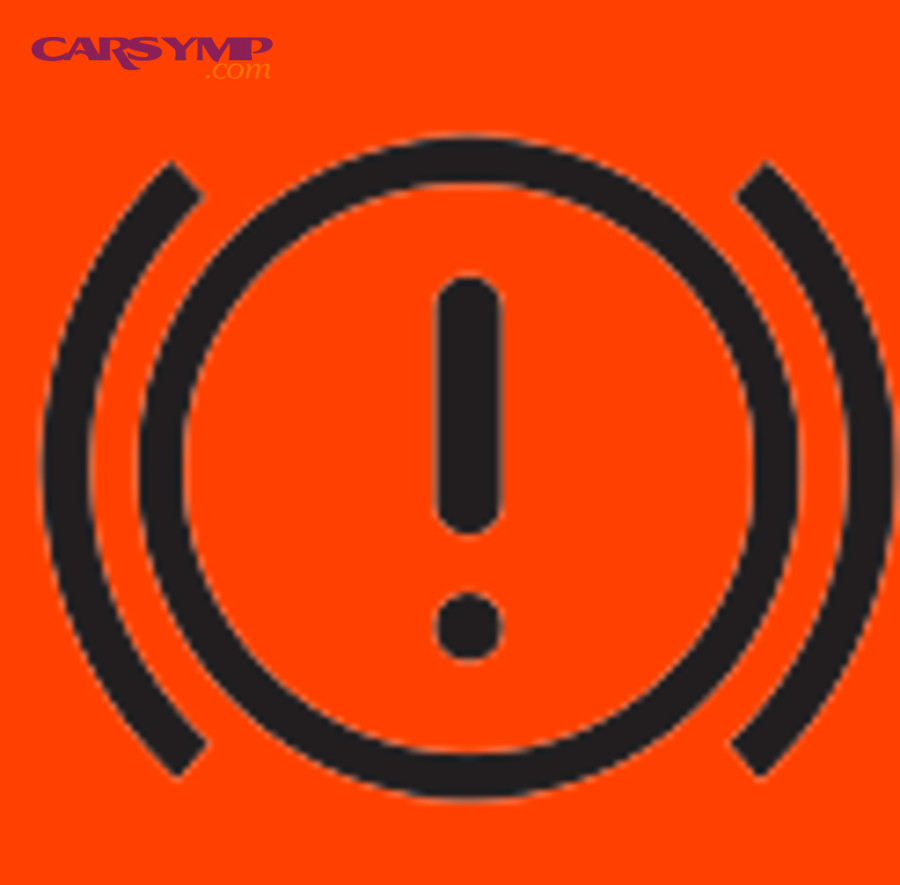
What are the main types of brake failure (hydraulic, mechanical, thermal, electronic)?
Brake problems cluster into four practical categories, and each one “feels” different behind the wheel:
- Hydraulic failure (pressure loss)
This is the classic “pedal goes to the floor” scenario. Common triggers include a leaking brake line, a failed caliper/wheel cylinder seal, or a master cylinder issue. Because hydraulic pressure is what clamps pads to rotors (or shoes to drums), any pressure loss can cause a sudden drop in braking power. - Mechanical failure (friction or hardware)
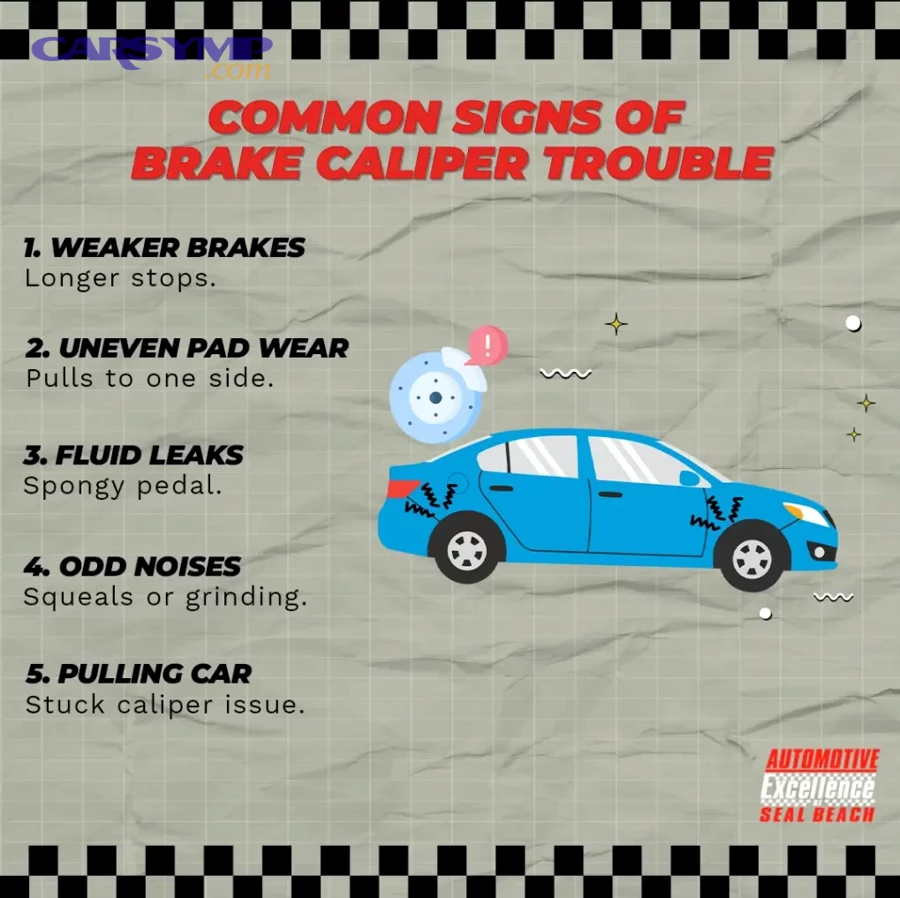
Here, braking still “works,” but not well—think severely worn pads, glazed pads, damaged rotors, loose hardware, or a seized caliper. You may get grinding noises, vibration, pulling, or inconsistent stopping. - Thermal failure (brake fade/overheating)
This happens when brakes get too hot for the friction materials or fluid to perform normally. Long downhill driving, heavy towing, repeated hard stops, or riding the brakes can heat-soak components. Fade can feel like you’re pressing hard but the car won’t slow the way it should. - Electronic/assist failure (ABS/ESC/booster issues)
Modern cars blend mechanical brakes with electronic controls and power assist. A fault can change pedal feel (hard pedal if booster assist is reduced) or trigger warning lights. Even with ABS/ESC issues, you may still have base braking—just without the electronic help.
What systems still work when one part fails (dual-circuit brakes, ABS, engine braking)?
Most passenger vehicles are designed so that one fault doesn’t always equal “no brakes.” Three “backups” can still help:
- Split (dual-circuit) hydraulics often preserve partial braking if one circuit leaks. You may still have braking on two wheels, but stopping distance increases and the car may pull.
- ABS/ESC may disable, but base brakes can still function. The opposite can happen too: base brakes are weak, and ABS can’t create traction out of thin air.
- Engine braking (downshifting) is not a substitute for brakes, but it can reduce speed so you can stop more safely.
What qualifies as brake failure vs “soft brakes” or “brake fade”?
A useful way to classify the danger is by whether braking performance is reliably predictable:
- “Soft brakes”: pedal feels spongy, but stopping still happens. This often indicates air/moisture in fluid, worn pads, or minor leaks—still urgent, because it can worsen quickly.
- “Brake fade”: performance drops after repeated braking or downhill use, often temporarily. Fade can still be life-threatening if you need braking right now.
- Brake failure: braking becomes unreliable (long delay, sudden loss, pedal to floor, severe pulling, or warning lights with poor deceleration). Treat it as an emergency every time.
What are the warning signs of brake failure while driving?
There are 3 main groups of brake failure warning signs: (1) pedal feel changes, (2) dashboard indicators, and (3) sensory/handling clues like noise, smell, vibration, pulling, or rapidly increasing stopping distance.
Next, use these groups like a quick diagnostic checklist so you can act early—before the braking loss becomes severe.
Before the details, the table below summarizes what you might notice, what it often means, and what to do immediately.
| What you notice (fast) | What it often suggests | Immediate action (safety-first) |
|---|---|---|
| Pedal sinks or goes very low | Hydraulic leak / master cylinder problem | Pump pedal briefly, slow down, prepare to stop |
| Pedal feels spongy | Air/moisture in fluid / overheating | Increase following distance, slow down, stop ASAP |
| Pedal is suddenly very hard | Brake booster assist issue | Push harder (both feet if needed), downshift, stop safely |
| Car pulls left/right while braking | Uneven brake force (caliper/seized hardware) | Slow gently, avoid sharp steering, stop when safe |
| Burning smell or smoke near wheels | Overheating/fade or stuck caliper | Stop ASAP; do not continue downhill |
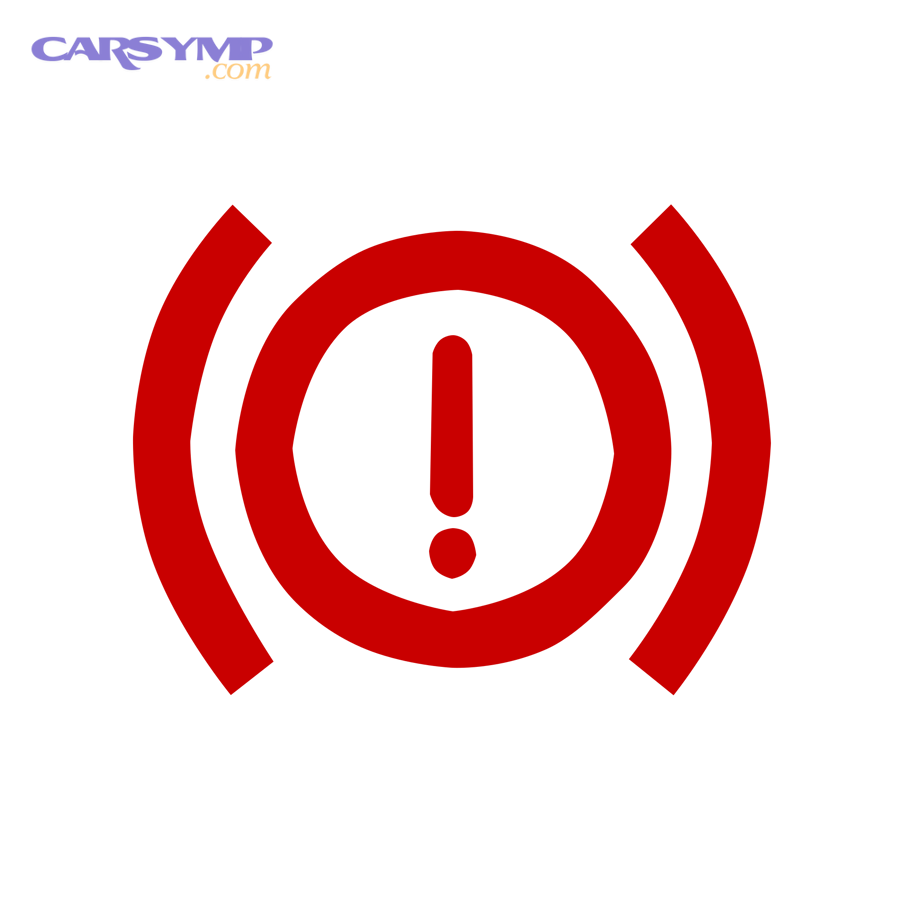
| Brake warning light on + weak braking | Serious system fault | Treat as emergency; stop and call for help |
What does the brake pedal feel like when something is wrong?
Pedal feel is your quickest “sensor,” because it changes before a full failure:
- Sinking/going to the floor: pressure isn’t building normally. This is one of the strongest red flags.
- Spongy pedal: compressible air or vapor in the system can create a mushy feel and delayed braking.
- Hard pedal: power assist may be reduced, so you need much more leg force to achieve the same braking.
- Pulsation: on ABS stops, pulsation can be normal; outside of ABS activation, strong pulsation can indicate rotor issues or traction problems.
Which dashboard lights or messages indicate a brake problem?
Treat these as “stop soon” signals—especially if they pair with poor braking:
- Brake system warning light (often red) can indicate low fluid, a hydraulic problem, or a serious fault.
- ABS light can mean ABS is unavailable; base brakes may still work, but panic stops may be harder to control.
- ESC/traction warnings don’t always mean brake failure, but they can signal traction/braking control problems in slippery conditions.
Which sounds, smells, and vehicle behaviors are red flags?
Your senses often catch failure early:
- Grinding/screeching can indicate pads worn to metal or severe friction problems.
- Burning smell after braking suggests overheating; if it’s strong or persistent, the brakes may fade.
- Vibration/shudder under braking can point to rotor issues or uneven friction.
- Longer stopping distance is the most important behavioral clue. If you need more space than usual, assume the problem is escalating.
According to a study by the Polytechnic University of Bucharest from the Department of Machine Elements and Tribology, in 2023, vehicles in their testing showed longer braking distances when brake pads were worn, reaching 44.49 m vs 42.64 m in one condition.
What should you do immediately if your brakes start failing?
The safest response is a 6-step emergency sequence: (1) stay calm and steer straight, (2) create space and signal, (3) pump the brake pedal briefly, (4) downshift for engine braking, (5) use the parking brake gradually, and (6) aim for a safe runoff area to stop.
Then, the key is doing these steps in the right order so you slow down without losing control.
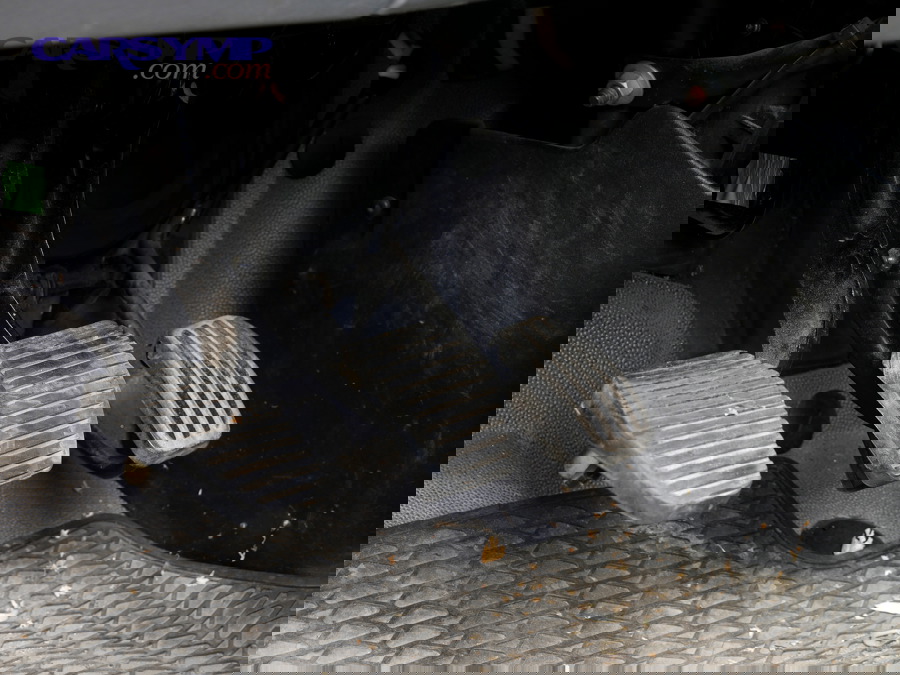
How do you stay calm and create space?
Your first job is to buy time, because time gives you options.
- Grip the wheel, keep the car straight, and look far ahead. Panic steering causes loss of control faster than panic braking.
- Get off the accelerator immediately. This reduces speed and gives engine braking a head start.
- Turn on hazard lights and use the horn if needed. You want other drivers to predict you’ll slow abnormally.
- Move toward the right lane/shoulder early if traffic allows. Early lane changes are smoother and safer than last-second swerves.
How do you downshift and use engine braking safely (automatic vs manual)?
Engine braking works by increasing resistance in the drivetrain, which slows the wheels without relying solely on the hydraulic brakes.
- Automatic transmission
Shift from “D” to a lower range (e.g., “3,” “2,” “L,” or manual mode) one step at a time. Avoid jumping straight to the lowest gear at high speed, which can cause harsh deceleration or wheel slip. - Manual transmission
Downshift gradually while matching engine speed (rev-matching if you can). Don’t dump the clutch—smooth clutch engagement reduces the risk of skidding. - For all vehicles
Don’t turn the engine off to “stop faster.” You can lose power steering assist and potentially complicate control when you need it most.
How do you use the parking brake without spinning?
The parking brake (handbrake or electronic parking brake) can help slow you, but it must be applied progressively.
- Apply slowly and steadily while keeping the steering straight. A sudden yank can lock rear wheels and cause a skid.
- If the rear wheels start to slide, ease off slightly and reapply gently.
- Electronic parking brakes vary by vehicle; many have an emergency “hold” function if you pull and hold the switch, but the behavior is model-specific—use caution.
According to a study by the Virginia Polytechnic Institute and State University from the Department of Industrial and Systems Engineering, in 1999, mean movement times differed by warning condition (0.53 seconds with no warning vs 0.31 seconds with an auditory tire-skid warning in one dataset), showing how quickly a driver can transition from accelerator to brake.
When should you pull over, and what is the safest way to stop?
You should pull over as soon as you can do it without causing a secondary crash, and the safest stop is usually a controlled deceleration into a low-conflict area (right shoulder, exit ramp, or flat runoff) while maximizing visibility to other drivers.
More importantly, “where you stop” matters because a safe shoulder stop is better than a risky full stop in a live lane.
Where should you aim to stop (shoulder, exit ramp, flat area)?
Choose the lowest-risk environment available:
- Right shoulder on a straight section is usually best.
- Exit ramp can be safer than a narrow shoulder if it gives you more space, but avoid ramps that immediately curve downhill.
- Flat, open areas (wide breakdown bays, parking lots) reduce speed demand and let you stop without traffic pressure.
- Avoid stopping on curves, hills, bridges, or narrow shoulders if you can continue slowly to a safer location.
How do you signal and communicate with other drivers?
Communication prevents chain-reaction crashes:
- Keep hazard lights on.
- Use brake lights if you still have some braking function; if braking is weak, tap the pedal to flash brake lights while you decelerate with engine braking.
- Maintain a predictable path—other drivers react better to predictable motion than sudden lateral changes.
What should you do if you’re on a hill or in heavy traffic?
These are the highest-risk scenarios, so you need a stricter plan:
- Downhill: downshift early, don’t ride the brake, and aim for a flatter area. If you smell burning or braking drops fast, treat it as escalating fade and stop ASAP.
- Heavy traffic: take the first safe gap to the right, keep extra distance, and use horn/hazards early. If necessary, use a gentle parking-brake application to control speed without abrupt lane changes.
What should you do after you stop, and can you drive again?
After you stop, follow a 5-part safety-and-decision checklist: (1) secure the vehicle, (2) check obvious fluid/leak clues, (3) decide tow vs drive, (4) document what happened, and (5) choose a repair option you can trust.
Next, treat this stage as risk management—because the “second mistake” is often assuming you can limp the car somewhere safely.
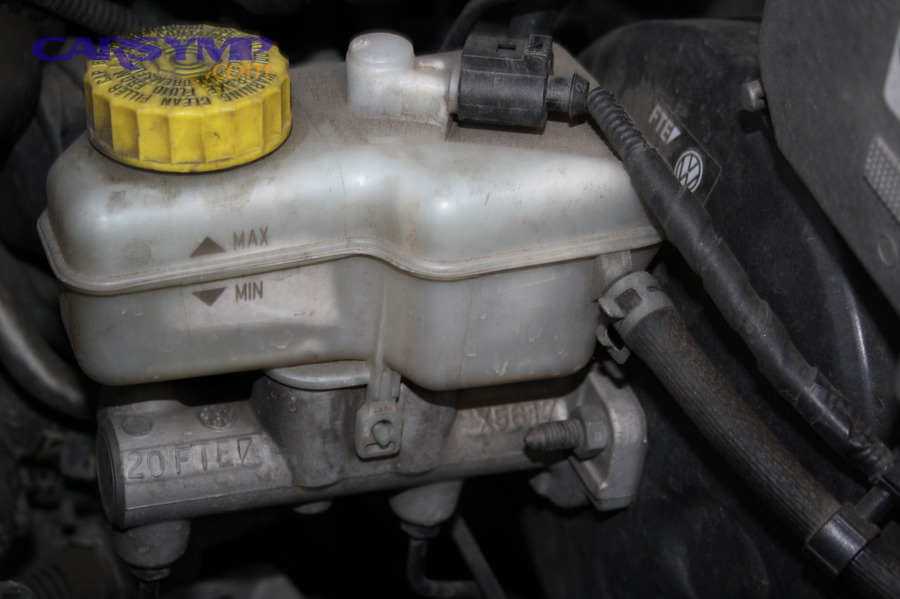
What quick checks can you do without tools (fluid level, leaks)?
Keep it simple and safe:
- Set the parking brake, shift to Park (or neutral with parking brake for manual), and turn on hazard lights.
- If safe to do so, look for fresh fluid leaks near wheels or under the engine bay.
- Check the brake fluid reservoir level (many have MIN/MAX marks). Low fluid can signal a leak or severe pad wear.
- Smell for burnt odor near wheels, which can indicate overheating or a seized caliper.
If you smell smoke or see active fluid leaking, treat the vehicle as not drivable.
When is it unsafe to drive and you need towing?
It’s unsafe to drive if any of these apply:
- The brake pedal goes to the floor or braking is inconsistent.
- You see a clear leak or the reservoir is below MIN.
- The car pulls hard or makes grinding noises with poor stopping.
- A brake warning light is on and braking performance is reduced.
In those cases, your safest move is towing. If you’re searching for “emergency car repair near me”, treat brake failure as a situation where towing is usually the safer default, especially if you must travel through traffic, hills, or intersections.
How do you avoid scams and choose a shop (24/7 vs after-hours)?
This is where Avoiding scams in emergency repairs becomes practical, not theoretical.
- Ask for a clear diagnosis path (what they will inspect first: fluid, lines, calipers, master cylinder, pads/rotors).
- Request itemized pricing (parts, labor hours, shop fees) before approval.
- Beware of pressure tactics like “you must approve right now” without showing you the issue.
For 24/7 vs after-hours shop options, use a simple comparison mindset:
- 24/7 or true emergency shops can reduce downtime and may be right for stranded situations, but sometimes come with higher labor rates.
- After-hours drop-off can be cheaper if the car is already safely parked and you can wait until normal business hours.
Also, if you’re unsure What qualifies as emergency car repair, brake failure qualifies because it directly affects your ability to stop—meaning it’s safety-critical, not convenience-critical.
What causes brake failure, and how can you prevent it?
There are 4 main cause groups of brake failure—hydraulic leaks, friction wear, overheating/fade, and assist/control faults—and prevention comes down to routine inspections, correct fluid service, and driving habits that reduce heat load.
In addition, prevention is the cheapest “fix,” because brake systems usually give you early signals before they become dangerous.
What maintenance prevents brake failure (fluid, pads, hoses)?
A prevention routine that actually reduces risk looks like this:
- Brake fluid checks (level and condition) and service at the interval recommended by your vehicle maker.
- Pad and rotor inspections before they reach metal-on-metal wear.
- Hose/line inspection for cracks, corrosion, or wet spots.
- Caliper function checks to catch sticking or uneven braking early.
Driver-focused maintenance guidance also emphasizes fluid condition and brake feel: American Automobile Association notes that low or dirty brake fluid can contribute to a soft pedal and even brake failure, and recommends following the owner’s manual service interval.
How do driving habits cause brake fade and overheating?
Driving habits create heat, and heat reduces braking reliability:
- Riding the brakes downhill keeps them hot continuously, increasing fade risk.
- Repeated hard stops heat pads and rotors faster than they can cool.
- Towing or heavy loads increase the energy brakes must dissipate.
A simple habit change helps: downshift on descents, brake in short, controlled applications, and leave more space so you don’t have to “panic brake” repeatedly.
What early service signs mean you should get brakes checked?
Treat these as “book service now,” not “wait and see”:
- Soft/spongy pedal or new pedal travel
- Squealing that persists
- Vibration under braking
- Pulling to one side
- Brake warning light or ABS light paired with any change in braking
If these appear, address them before they become the scenario this article is about.
Evidence
- Brake pad wear and measured braking-distance differences: mdpi.com
- Brake response time and movement time under warning conditions (Virginia Tech thesis): vtechworks.lib.vt.edu
- Brake-fluid condition and maintenance guidance: acg.aaa.com