


You can estimate what you’ll pay by matching the problem type (leak, misfire, overheating, timing issue, internal failure) to a realistic parts-and-labor range, then adjusting for your vehicle’s engine layout and local shop rates.
A useful estimate also separates the bill into what you can control (diagnosis steps, parts choices, shop selection) and what you can’t (access difficulty, required teardown, collateral damage from driving too long).
Next, you’ll see the most common engine problems grouped by “minor vs major,” with typical price ranges so you can sanity-check quotes and decide what to fix first.
Introduce a new idea: once you learn how symptoms and codes point to specific problem types, you can predict cost tiers before you authorize teardown—and avoid paying for guesswork.
What does “engine repair cost by problem type” actually include?
“engine repair cost by problem type” is a way of estimating what a repair will cost by grouping failures (like leaks, misfires, overheating, or internal damage) and pricing each group based on typical parts, labor, and diagnostic work required.
To better understand why two “engine repairs” can differ by thousands, start by breaking the cost into predictable components that repeat across almost every job.
What counts as a “problem type” in engine repairs?
A “problem type” isn’t the same as a single part—it’s the failure category that dictates how deep the shop must go. In practice, most engine-related estimates fall into these buckets:
- Sealing leaks (external): valve cover gasket, oil cooler seals, front cover seepage
- Combustion/misfire: spark plugs, coils, injectors, compression issues
- Cooling/overheating: thermostat, water pump, radiator, head gasket risk
- Air/fuel metering & sensors: MAF sensor, oxygen sensors, vacuum leaks
- Timing & internal mechanical: timing chain, tensioners, cylinder head work
- Emissions hardware (engine-adjacent): catalytic converter (often triggered by engine faults)
This “type” matters because it predicts whether the repair is a quick top-side job or a multi-day teardown.
What cost components make up an engine repair bill?
Most estimates combine four line-items, even if the invoice doesn’t explicitly show them:
- Diagnostic time (scan, tests, smoke test, cooling pressure test)
- Labor time (hours multiplied by the shop’s hourly rate)
- Parts & fluids (gaskets, sensors, coolant, oil, sealant)
- Risk buffer / related repairs (broken fasteners, additional seals “while you’re in there”)
This is where the phrase engine repair cost becomes clearer: you’re not buying a part, you’re buying the process needed to confirm the root cause and restore function reliably.
How do symptoms map to problem types?
Symptoms are your early “category label.” Examples:
- Burning oil smell + oil on exhaust → sealing leak type (often valve cover area)
- Rough idle + misfire codes → combustion/misfire type (plugs/coils/injectors)
- Overheating at idle → cooling type (fan/coolant flow/thermostat/water pump)
- Rattle on cold start → timing/internal mechanical type (chain/tensioner)
If you describe your issue using symptom → operating condition → severity, you help the shop skip steps and you reduce the chance of paying for exploratory labor.
Which engine problems are most common, and what do they usually cost?
There are 6 main groups of engine problems that dominate real-world repairs—sealing leaks, misfires, cooling faults, sensor/fueling issues, timing/internal mechanical problems, and emissions-related hardware—each with typical price ranges based on parts cost and labor intensity.
More specifically, “minor vs major” is mostly a proxy for how many labor hours and how much teardown is required, not how “small” the part looks.
Common leak-type repairs (usually minor-to-medium)
Leak fixes can be inexpensive when they’re external and accessible.
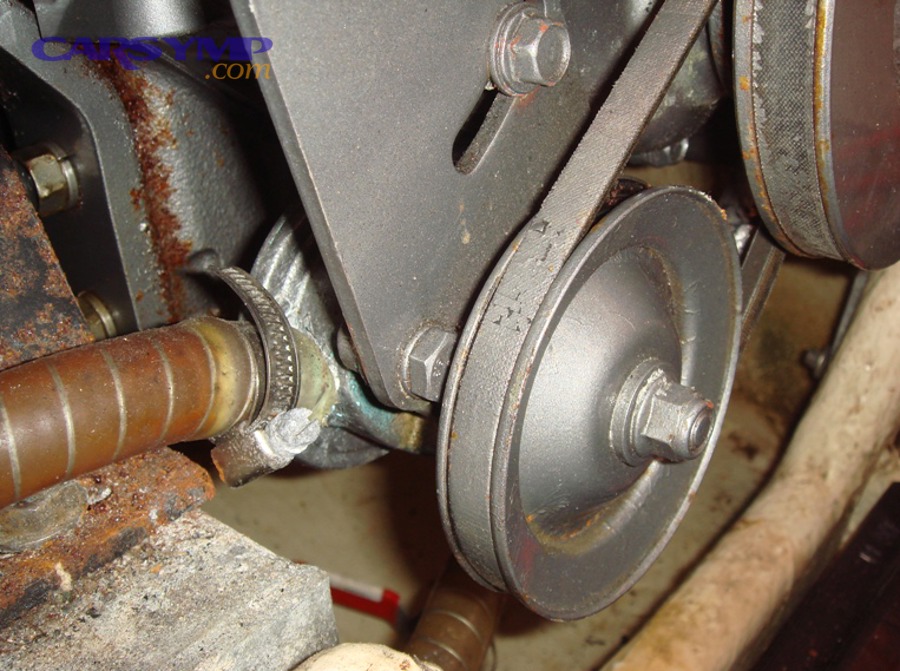
- Valve cover gasket replacement commonly falls in the low-to-mid hundreds because the gasket is cheap and access is often reasonable. (repairpal.com)
- Leaks become pricier when they require removing accessories, brackets, or covers—because labor dominates.
Tip: don’t ignore leaks that drip onto hot components; they can create smoke, odors, and additional failures that push you into a more expensive category.
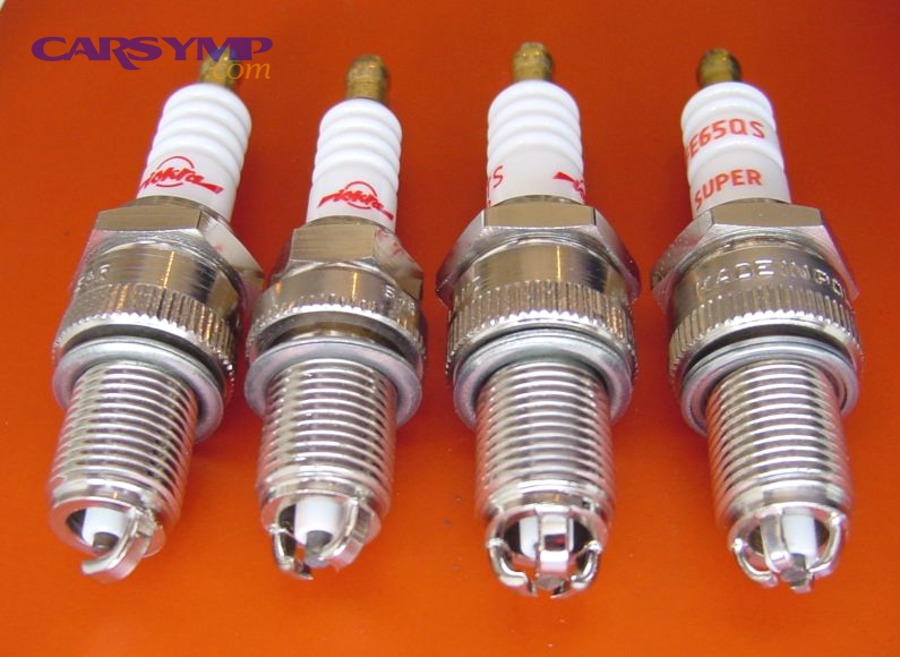
Common misfire-type repairs (usually minor)
Misfires are frequent because ignition parts wear by design.
- Spark plug replacement is often one of the more affordable engine-related services. (repairpal.com)
- Ignition coil replacement is also typically a lower-cost fix when the diagnosis is accurate. (repairpal.com)
Misfire costs jump when:
- The engine is difficult to access (tight V6/V8 bays)
- Multiple coils/plugs are needed
- The root cause is not ignition (compression loss, injector, timing)
Common overheating-type repairs (medium, sometimes major if delayed)
Cooling issues can look small until they aren’t.
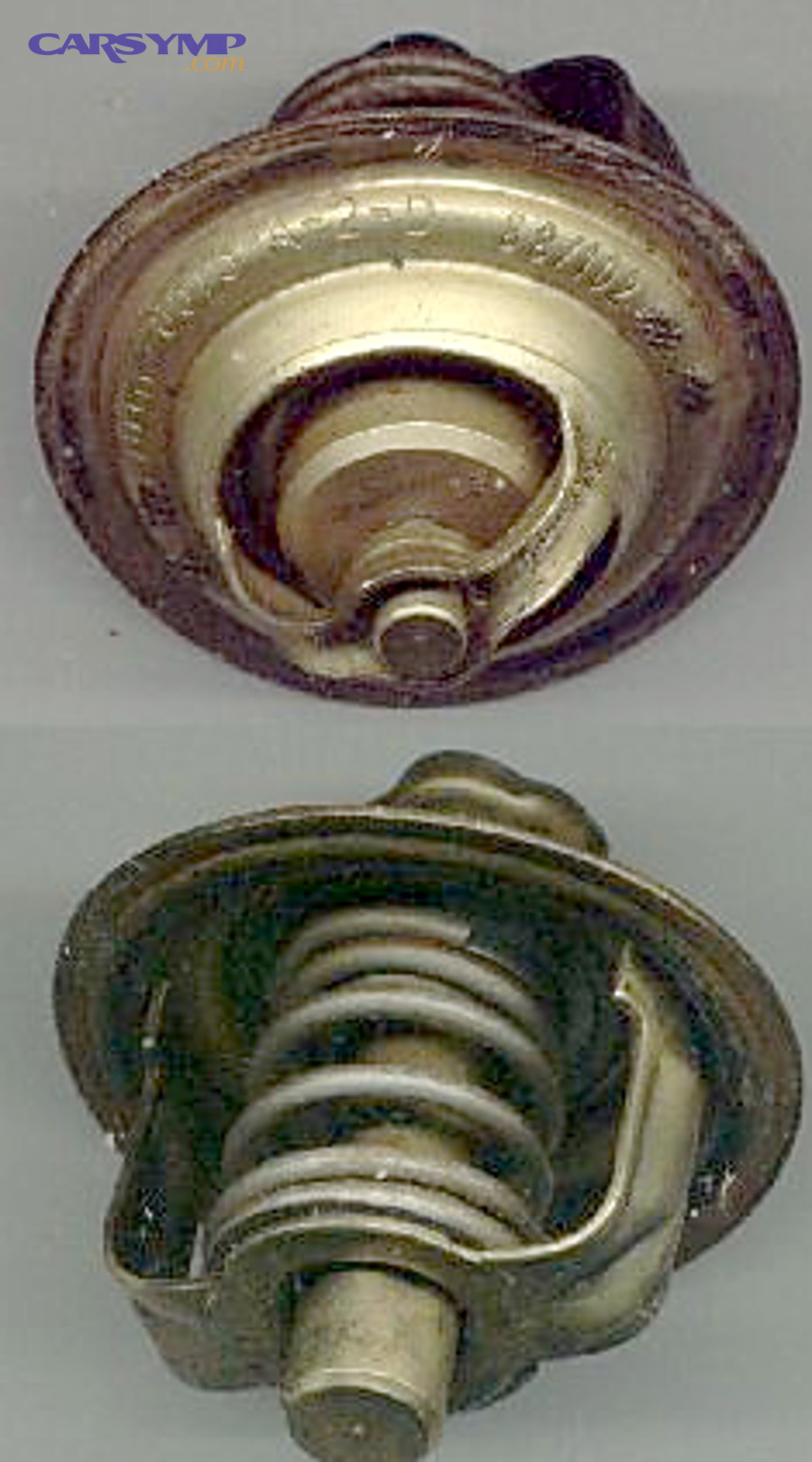
- Thermostat replacement often sits in a mid-range cost tier. (repairpal.com)
- Water pump replacement tends to be more expensive because access and labor vary widely by engine design. (repairpal.com)
If you drive while overheating, you risk pushing the problem into the “major” bucket (warped head, damaged gasket), which is why cooling repairs should be treated as time-sensitive.
Sensor & fueling-type repairs (minor-to-medium)
Modern engines rely on sensor accuracy, and many Car Symptoms (hesitation, stalling, poor MPG) trace back to air/fuel measurement.
- Mass airflow sensor replacement is commonly in a lower-to-mid cost range. (repairpal.com)
- Oxygen sensor replacement is often a mid-range repair because parts can be costly and access varies. (repairpal.com)
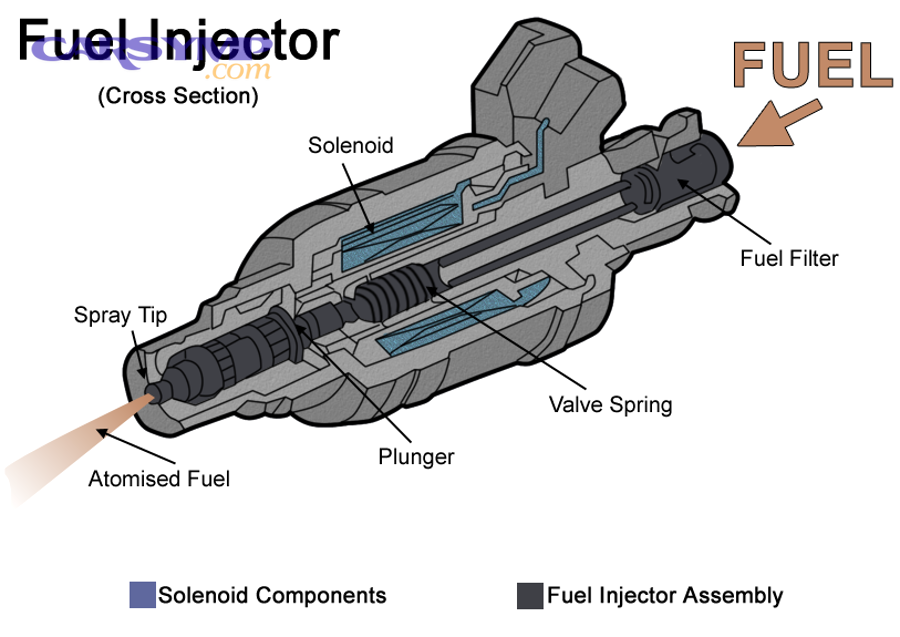
- Fuel injector replacement can be significantly higher, especially on direct-injection setups or when multiple injectors are involved. (repairpal.com)
Timing & internal mechanical repairs (major)
Internal mechanical work is expensive because the “part” is only a fraction of the job.
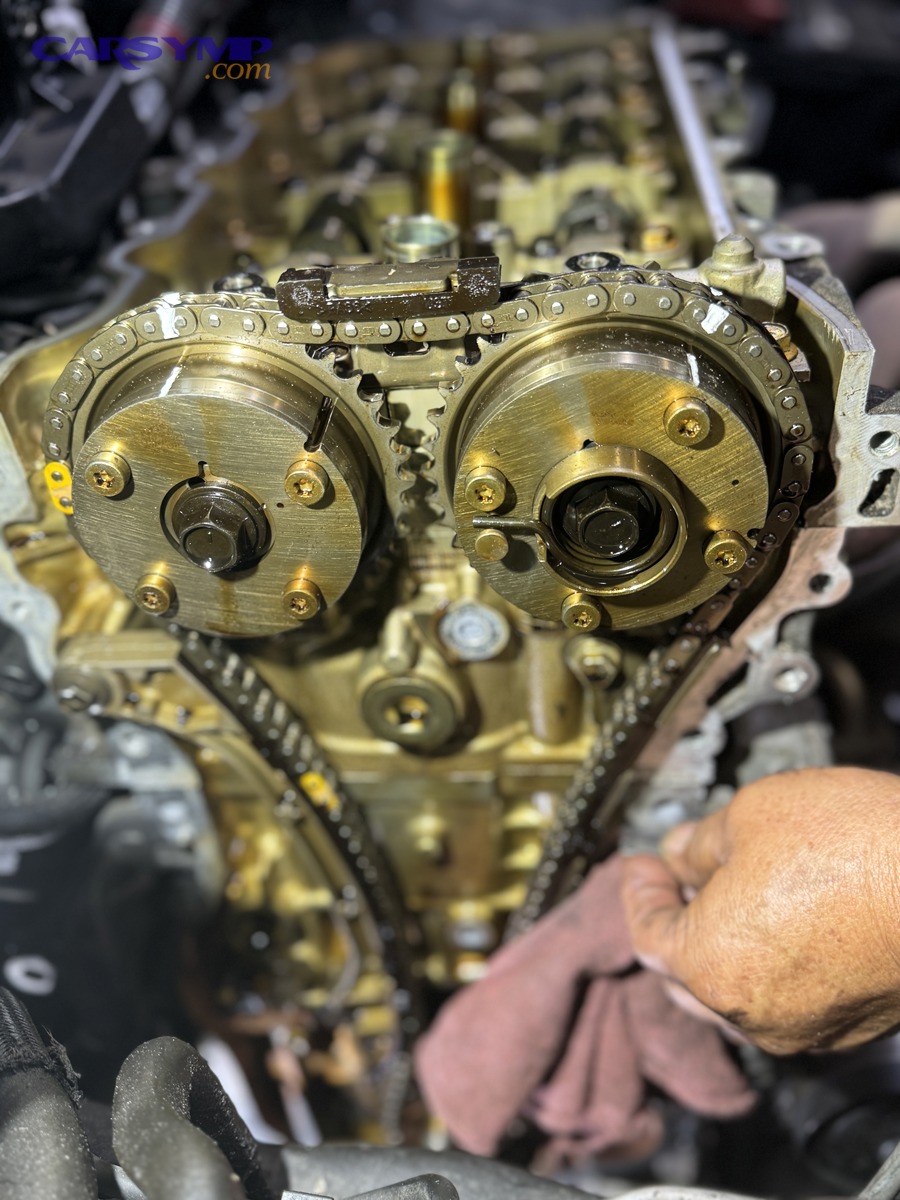
- Timing chain replacement is commonly a major repair because it requires significant disassembly. (repairpal.com)
- Head gasket replacement is also major because it typically involves deep teardown and careful reassembly. (repairpal.com)
Emissions hardware triggered by engine faults (often major)
Sometimes the engine causes an emissions part to fail (or appear to fail).
- Catalytic converter replacement is frequently expensive due to high part cost. (repairpal.com)
Before replacing a converter, confirm the upstream cause (misfire, oil burning, rich/lean running). Otherwise, the new converter may fail again.
A quick reference table of common problems and typical ranges
The table below summarizes frequent engine-related repairs and why their price tier is usually low, medium, or high.
| Problem type (example repair) | Typical cost tier | Why it lands there |
|---|---|---|
| Misfire (spark plugs) | Low | Wear item; straightforward labor (repairpal.com) |
| Misfire (ignition coil) | Low–Medium | Part cost + diagnosis accuracy (repairpal.com) |
| Leak (valve cover gasket) | Low–Medium | Cheap gasket; labor varies (repairpal.com) |
| Cooling (thermostat) | Medium | Coolant service + access (repairpal.com) |
| Cooling (water pump) | Medium–High | Labor-heavy on many engines (repairpal.com) |
| Sensor (MAF) | Low–Medium | Moderate parts; quick labor (repairpal.com) |
| Sensor (O2) | Medium | Parts cost; access can be tight (repairpal.com) |
| Fueling (injector) | Medium–High | Parts + rail access + calibration (repairpal.com) |
| Timing (timing chain) | High | Major disassembly (repairpal.com) |
| Internal sealing (head gasket) | High | Deep teardown + precision (repairpal.com) |
| Emissions (catalytic converter) | High | Expensive part; must fix root cause (repairpal.com) |
According to a study by the University of Michigan Transportation Research Institute from its research group in 2018, the estimated annual fuel cost to drive a typical new gasoline vehicle averaged $1,117 versus $485 for a typical battery-electric vehicle, showing how operating-cost math changes when major engine-related maintenance is reduced. (trid.trb.org)
How can you estimate engine repair cost from your car symptoms and diagnostic codes?
You can estimate engine repair cost by running a basic diagnosis workflow in 4 steps—capture symptoms, scan codes, confirm with one targeted test, then request itemized quotes—so your estimate aligns with the correct problem type instead of guessing.
Next, treat your goal as “confirm the category first,” because the category is what predicts whether you’re in a $300 range or a $3,000 range.
Step 1: Capture symptoms in a way that narrows the problem type
Write down:
- When it happens (cold start, hot idle, highway load)
- What you feel (shake, hesitation, loss of power)
- What you see/smell (smoke color, fuel smell, burning oil smell)
- What changes it (A/C on, uphill, rain, after refuel)
This prevents the “we couldn’t reproduce it” loop that often adds paid diagnostic time.
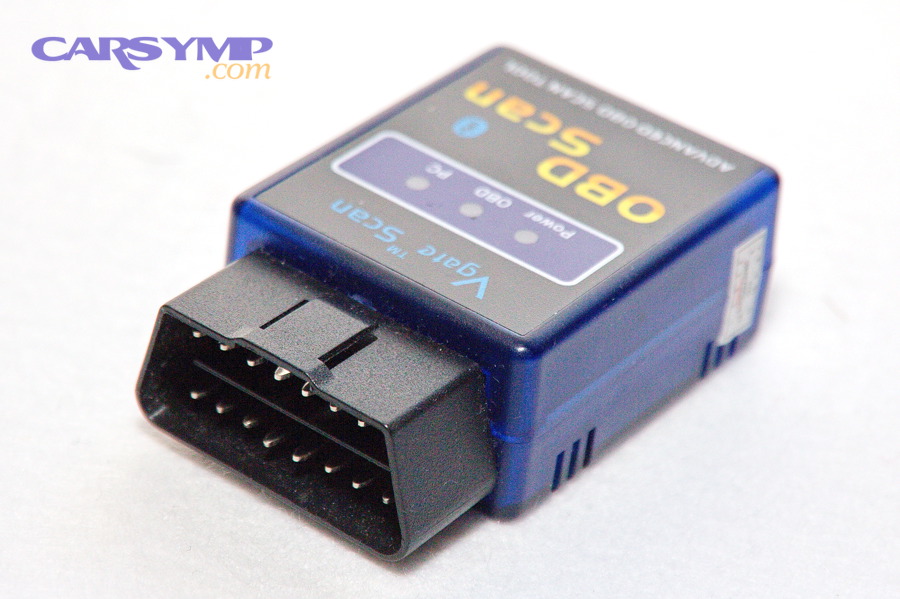
Step 2: Pull OBD-II codes and freeze-frame data
Codes don’t always name the broken part, but they strongly hint at the category:
- P030x → misfire category
- P0171/P0174 → lean condition (air leak, MAF, fueling)
- P0420 → catalyst efficiency (could be converter or upstream engine issue)
Ask for the freeze-frame snapshot (RPM, load, coolant temp). It helps a technician choose the right confirmation test.
Step 3: Confirm with one targeted test before authorizing big labor
A single confirmation test can save you from replacing the wrong component:
- Cooling pressure test for leaks/overheating category
- Smoke test for vacuum leaks (lean category)
- Compression or leak-down test if misfire might be internal
If a shop wants to jump straight to teardown, ask what specific evidence would change the plan. That forces a diagnostic milestone instead of an open-ended labor commitment.
Step 4: Convert the diagnosis into comparable quotes
When you request quotes, ask for:
- Parts list (OEM vs aftermarket)
- Labor hours and hourly rate
- “Related repairs may be needed” items listed separately
- Warranty terms
This turns your estimate into a true apples-to-apples comparison across shops.
According to a study by AAA from its “Your Driving Costs” research group in 2024, maintenance costs vary by vehicle category and are reported in cents-per-mile and annual totals, reinforcing that operating costs aren’t a single number—and that reducing avoidable repair categories matters. (newsroom.aaa.com)
What makes the same engine problem cheap on one car and expensive on another?
The same engine problem can cost wildly different amounts because the total is driven by labor access, teardown depth, parts strategy, and machine work risk, not just the part itself.
More importantly, once you understand the cost drivers, you can spot whether a quote is “fair but labor-heavy” or “inflated without justification.”
Labor access: where the part lives decides your bill
Two water pumps can have completely different labor times:
- One sits front-and-center and takes a straightforward swap
- Another is buried behind covers, mounts, or timing components
This is why labor is often the biggest line item on major repairs (timing work, head gasket work). It’s not the pump—it’s the path to the pump.
Parts strategy: OEM vs aftermarket vs “kits”
Parts decisions change cost and risk:
- OEM: higher price, often best fit and durability
- Aftermarket: can be good, but quality varies
- Kits: timing kits, gasket kits—higher upfront, often lower “repeat labor” risk
A smart estimate weighs “part price today” against “labor you’ll pay again if it fails early.”
Labor hours and machine shop costs explained
Some jobs are expensive because they aren’t just “replace and bolt on”—they require precision work:
- Labor hours = time to disassemble/reassemble + clean surfaces + torque procedures
- Machine shop costs = specialized services (surfacing a head, checking cracks, valve work) when internal sealing or overheating damage is involved
That’s why head-gasket-type repairs often include a risk buffer: if the head is warped or cracked, the job expands.
Location, shop type, and warranty terms affect price—without changing the repair
A dealership, an independent shop, and a mobile mechanic can all quote different totals because:
- Hourly rates differ
- Warranty coverage differs
- Parts sourcing differs
- Diagnostic approach differs (faster or slower)
When comparing, don’t only compare totals—compare what you’re buying: certainty, warranty, and the likelihood you won’t pay twice.
Is it better to repair the engine, replace it, or sell the car?
Repair wins when the failure is contained and the rest of the car is solid, replacement is best when internal damage makes labor unpredictable, and selling is optimal when total cost plus risk exceeds the vehicle’s realistic value and your tolerance for downtime.
However, you can make this decision quickly by forcing the situation into a few measurable questions instead of an emotional guess.
When does repair make the most financial sense?
Repair is usually the right call when:
- The issue is a minor or medium category (plugs, coils, sensors, external seals, thermostat)
- The engine has good compression and no severe overheating history
- The shop can provide a clear root cause and a warranty
Example: a misfire caused by wear items is rarely a reason to walk away from an otherwise healthy car.
When is engine replacement the smarter option?
Replacement becomes attractive when:
- The failure is internal (rod knock, severe overheating damage, repeated low compression)
- Teardown cost is high and outcomes are uncertain
- You need predictable downtime (work vehicle, family vehicle)
This is where the engine repair cost conversation changes: you stop pricing a repair and start pricing a reset.
Used engine vs reman engine pros/cons
Used engine: lower upfront cost, but unknown wear history; best when sourced with mileage documentation and a solid warranty.
Remanufactured (reman) engine: higher upfront, but rebuilt to spec with replaced wear components; often comes with stronger warranty and lower risk.
Your decision hinges on how long you plan to keep the car and how much uncertainty you can tolerate.
A practical decision checklist you can apply in minutes
Ask these five questions:
- What is the confirmed problem type? (minor/medium/major)
- Is there evidence of internal damage? (compression/leak-down results)
- What is the all-in number? (including “while you’re in there”)
- What do you lose if the repair fails? (time, towing, missed work)
- Do you want reliability or lowest short-term spend?
If you can’t get a clear diagnosis, pause before authorizing high-teardown work—uncertainty is where people overspend.
How can you lower engine repair cost without increasing risk?
You can lower engine repair cost without increasing risk by preventing category escalation (like overheating into head-gasket damage), tightening diagnosis before parts swapping, and choosing parts and shops that reduce repeat labor.
In addition, the goal is not “cheapest repair”—it’s “cheapest repair that doesn’t come back.”
Prevent expensive escalation by acting early on high-risk symptoms
If you want the biggest cost reduction, focus on early action when you notice:
- Rising temperature or coolant loss (prevents major overheating outcomes)
- Misfire flashing check engine light (protects catalytic converter)
- Oil leaks onto hot exhaust (prevents secondary damage and hazards)
Get a better estimate by paying for diagnosis once, not parts twice
The fastest path to overspending is “replace the most common part and hope.”
A better approach is:
- One scan + one confirmation test
- Then authorize the repair with evidence
When you do this, you reduce the chance you’ll pay labor twice for two different “guesses.”
Choose repair strategy based on repeat-labor risk
If labor is high, consider “bundle logic”:
- If a water pump requires major disassembly, it may be smart to replace adjacent wear parts during the same labor window
- If labor is low (MAF sensor, coil), bundling is less critical
Reduce surprises with quote hygiene
Before you approve:
- Request “must-do” vs “recommended” separation
- Ask what exactly could change the estimate (broken bolts, additional leaks, warpage)
- Get warranty terms in writing
According to a study by RepairPal from its estimator dataset in 2024, many common engine repairs are dominated by labor and access—not just parts pricing—making early diagnosis and prevention a primary lever for keeping totals down. (repairpal.com)