


Preventing future oil leaks comes down to one principle: you must remove the root cause, not just the drip. When you control crankcase pressure, keep sealing surfaces clean and correctly torqued, and maintain oil quality, most repeat leaks simply don’t return.
Next, you’ll want to know where leaks usually start—because “oil on the driveway” rarely points to the true origin. A leak that appears at the oil pan can begin at the valve cover, oil filter housing, or timing cover and run downward before it drips.
Then, you need a maintenance checklist that fits real life: simple inspections, correct oil practices, and early warning checks that take minutes, not hours.
Introduce a new idea: prevention is also a verification habit—after any repair or oil change, confirm the fix under the same conditions that caused the leak in the first place (heat soak, highway load, cold start), so you don’t “prevent” a leak that’s still quietly forming.
What does it mean to “prevent future engine oil leaks,” and why do leaks come back?
Preventing future engine oil leaks means eliminating the conditions that push oil past seals and gaskets—mainly pressure, heat, vibration, and degraded sealing surfaces—so the engine stays dry over time, not just for a week after cleaning.
Then, it helps to understand why leaks come back even after a repair: the original leak point might have been misdiagnosed, or the engine environment that caused the leak (like crankcase overpressure) never changed.
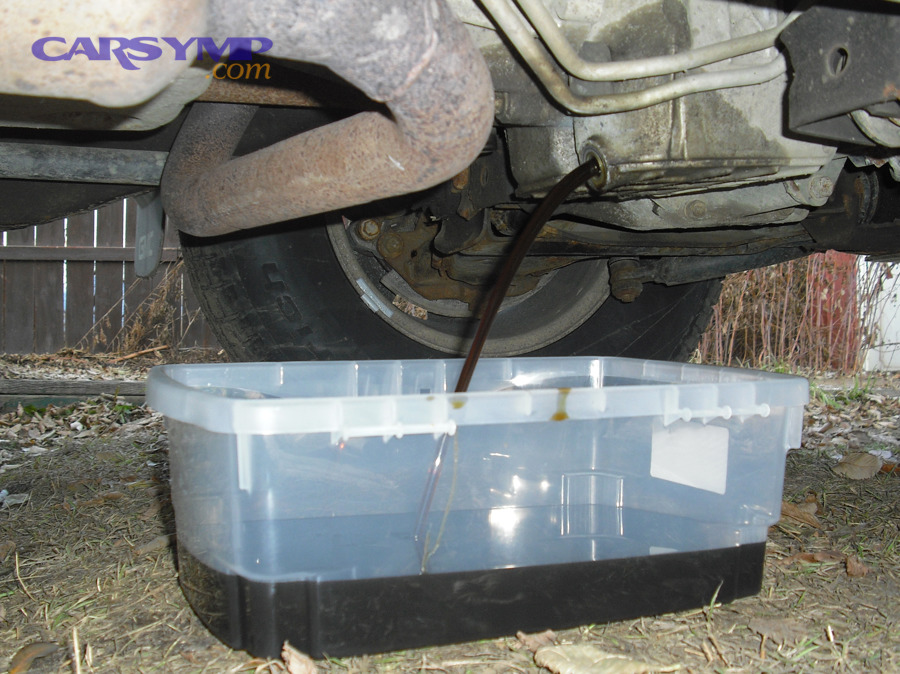
Why do oil leaks return after you “fixed” one spot?
A leak returns when the repair addressed a symptom (the wet area) instead of the system (pressure control, sealing integrity, and oil condition). Common repeat-leak patterns include:
- Oil washed down from above: Valve cover seepage runs to the bellhousing and looks like a rear main seal.
- Crankcase pressure isn’t controlled: A clogged PCV path can push oil past multiple seals.
- Incorrect installation: Over-torqued bolts warp covers; under-torqued bolts allow seepage; dirty surfaces compromise gasket adhesion.
- Wrong sealant strategy: Adding RTV where it shouldn’t go can cause uneven clamping or blocked oil passages.
- Oil chemistry mismatch: Wrong viscosity, neglected change intervals, or contaminated oil accelerates gasket hardening.
What are the real “root causes” you’re preventing?
You’re mainly preventing these root causes:
- Pressure: Excess crankcase pressure forces oil outward through the weakest seal.
- Heat cycling: Repeated hot-cold changes shrink and expand materials until they lose elasticity.
- Mechanical movement: Engine vibration and mount wear add stress to joints and seals.
- Surface damage: Corrosion, nicks, and old sealant residue create microscopic leak paths.
- Oil breakdown: Sludge and acid byproducts attack seals and restrict ventilation.
Transition: With that definition in place, the next step is practical—identify where leaks usually start so your prevention plan focuses on the right components first.
Where do engine oil leaks usually start, and what should you check first?
Engine oil leaks usually start at high-heat, high-pressure, or frequently serviced sealing points—especially valve cover gaskets, oil filter/housing seals, oil pan gaskets, and crank seals—so your first check should always be from top-down.
Next, you’ll get faster answers if you stop guessing and follow a consistent inspection order.
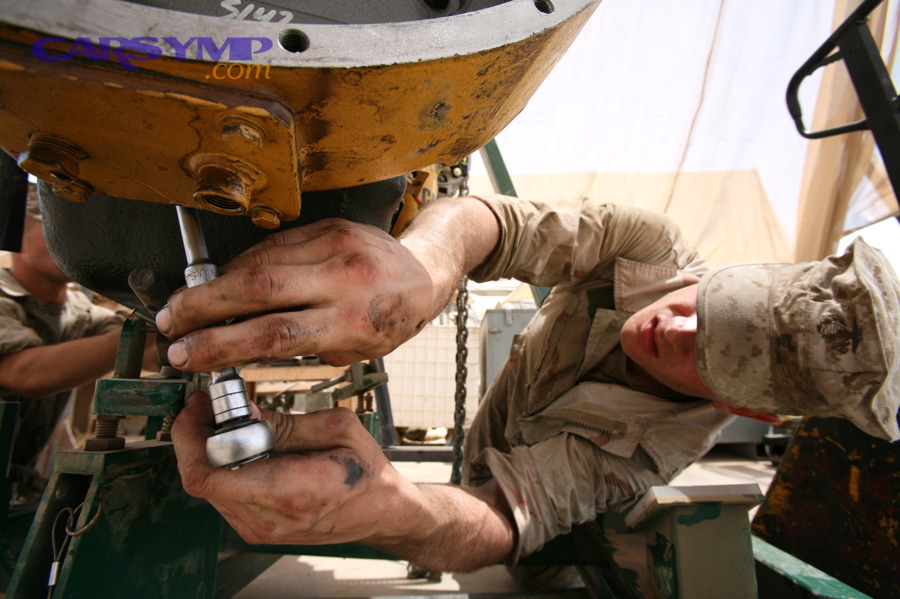
Which leak sources are most common on modern engines?
The most common leak sources tend to be:
- Valve cover gasket / cam cover (heat + vibration)
- Oil filter seal and oil filter housing gasket (service exposure + heat)
- Oil pan gasket or RTV seam (impact risk + age)
- Front crank seal and timing cover area (rotational seal wear)
- Rear main seal area (often misdiagnosed because oil travels)
Also common on some engine designs:
- Turbo oil feed/return lines and banjo washers
- Oil cooler seals (especially where coolant and oil meet)
- Camshaft seals (often behind timing covers)
What’s the fastest way to locate the true origin (top-down method)?
Start at the highest point that could plausibly leak oil, then work down:
- Clean the engine first (even a quick degrease + rinse helps).
- Inspect above the wettest area, not at the drip point.
- Look for fresh wet shine vs old baked-on grime.
- Trace for oil trails—thin lines that show gravity flow.
- Check after a drive (warm oil shows active leaks better).
If you skip cleaning, you often “find” the wrong leak and end up resealing parts that weren’t the source.
What should you check before assuming it’s a gasket?
Before blaming a gasket, check conditions that create leaks:
- Oil level and overfill (too high increases splash and pressure)
- PCV system function (restricted ventilation = pressure)
- Oil cap and dipstick seal (simple but overlooked)
- Loose or cracked hoses around ventilation/oil separator areas
- Recent service errors (double-gasketed oil filter, damaged O-ring, wrong torque)
Transition: Once you know the most likely sources and how to trace oil correctly, you can prevent future leaks with a simple maintenance checklist that targets the causes—not just the mess.
What maintenance checklist best prevents future oil leaks for most drivers?
The best maintenance checklist prevents future oil leaks by combining regular inspection, correct oil practices, and early ventilation checks—done consistently, not perfectly.
Then, if you want this to be easy, you need a checklist you can repeat without special tools.
What should you inspect monthly vs at every oil change?
Here’s a practical schedule that fits most drivers.
This table summarizes a prevention checklist by frequency, so you can build the habit without over-maintaining your car.
| Frequency | What to Do | What You’re Preventing |
|---|---|---|
| Monthly (5 minutes) | Check oil level on level ground; look for new drips; sniff for burning oil | Overfill-related leaks, early seepage, oil-on-exhaust smoke |
| Monthly | Quick top-down visual: valve cover edges, oil filter area, front timing cover edge | Common seep points before they become active drips |
| Every oil change | Verify correct oil viscosity/spec; replace crush washer/O-ring if required | Seal swelling/shrink issues, seepage at drain plug/housing |
| Every oil change | Inspect PCV hoses/air-oil separator connections for cracks or soft spots | Crankcase pressure buildup and oil mist push-out |
| Every 6–12 months | Clean engine lightly and re-check (especially after long trips) | Misdiagnosis from old grime; hidden leaks |
| As needed | Address oil smell or smoke immediately | Oil contacting hot exhaust/components |
How do oil choice and oil change habits affect leak prevention?
Oil doesn’t “cause” leaks by itself, but it changes the environment seals live in:
- Correct viscosity maintains stable pressure and flow at operating temps.
- Correct spec/additive package helps reduce sludge and deposit formation.
- Consistent change intervals reduce acidic byproducts that harden seals.
- Avoid chronic overfilling (even slightly) because extra oil increases aeration and mist.
If you want a simple rule: use the oil grade/spec your engine calls for, and treat oil level as a controlled variable—not a “close enough” guess.
What are the “don’t do this” habits that quietly create leaks?
The most common leak-creating habits are:
- Over-tightening the drain plug (damages threads/sealing surface)
- Reusing a crush washer when the design expects replacement
- Installing an oil filter without oiling the gasket
- Leaving old gasket material on a sealing flange
- Using RTV as a “universal fix” instead of the correct gasket strategy
Transition: A checklist keeps the engine environment stable, but the next layer is understanding why seals fail—because prevention improves dramatically when you know what kills gaskets early.
How do gaskets and seals fail, and what prevents premature failure?
Gaskets and seals fail when heat cycles, pressure, and surface imperfections exceed what the material can tolerate, so preventing premature failure means controlling pressure, keeping surfaces true, and installing seals with the correct torque and cleanliness.
Next, you’ll prevent far more leaks by treating sealing like a system, not a part swap.
What are the most common gasket and seal failure modes?
Most leak failures fall into these categories:
- Compression set: The gasket “flattens” permanently and stops sealing.
- Hardening and shrink: Rubber loses elasticity from heat and oil oxidation.
- Warped mating surface: Thin covers bend from over-torque.
- Surface contamination: Oil residue, old RTV, or grit creates channels.
- Pressure-driven bypass: Even a good gasket leaks if crankcase pressure spikes.
How do torque, surface prep, and sealant choice prevent repeat leaks?
This is where prevention becomes reliable:
- Torque: Use the correct torque pattern and spec. Even clamping matters more than “tight.”
- Surface prep: Remove old gasket material completely; wipe with appropriate solvent; ensure the flange is dry.
- Sealant choice: Use RTV only where the manufacturer calls for it (often corners, half-moons, or timing cover junctions).
- Parts quality: A cheap gasket can work, but inconsistent thickness and weak material raise risk.
If you want a DIY gasket replacement overview, the safest mindset is: clean → inspect flatness → dry-fit → torque in sequence → recheck after heat cycle (if procedure specifies).
Which leak-prone parts benefit from upgrading materials or designs?
Some situations benefit from better materials or improved designs:
- Valve cover gaskets: Higher-quality molded rubber often holds shape better.
- Oil pan sealing: Correct RTV type (if RTV pan) matters; wrong RTV can weep.
- Crank seals: A proper installer prevents lip damage; poor installation creates immediate seep.
Transition: Even with perfect gaskets, leaks can still return if crankcase ventilation is weak—so the next focus is the PCV system, because it controls the pressure that tries to force oil out.
How does the PCV system prevent oil leaks, and what happens when it fails?
The PCV system prevents oil leaks by keeping crankcase pressure slightly below atmospheric and routing blow-by gases back into the intake, so seals aren’t constantly being “pushed outward” by internal pressure.
Next, once you see PCV as pressure management—not just emissions hardware—leak prevention becomes much easier.
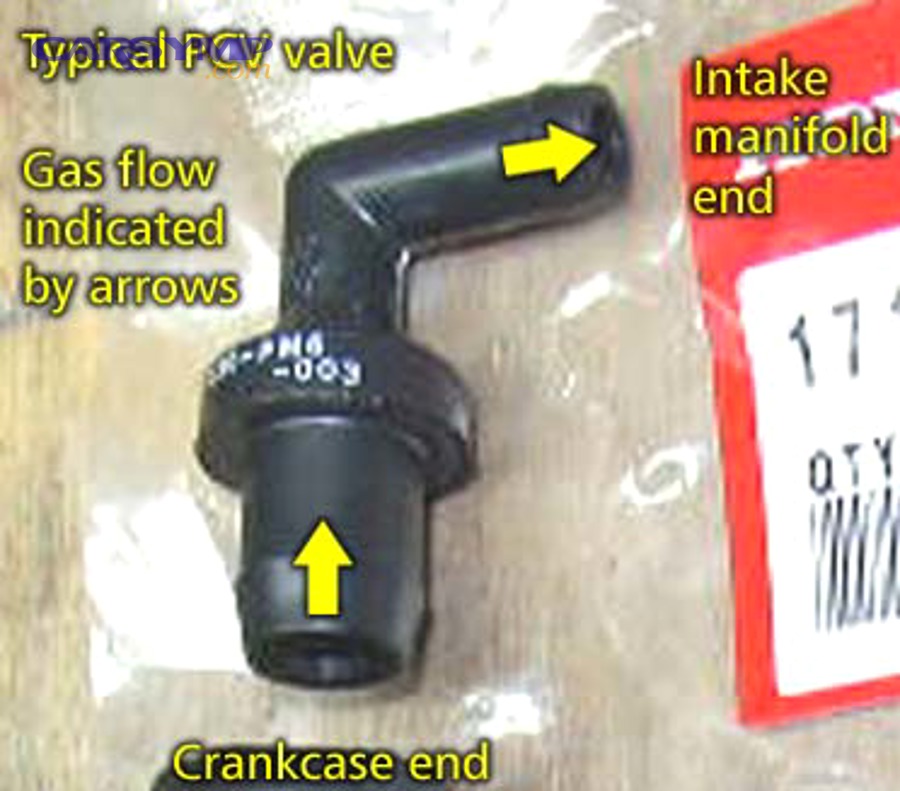
What symptoms suggest crankcase pressure is contributing to leaks?
Look for patterns that point to pressure:
- Multiple new seep points appearing around the same time
- Oil pushed into intake tubing or excessive oil mist near breather lines
- Oil cap behavior: strong pressure puffing or hard-to-remove cap at idle
- Dipstick pushed upward or oil around dipstick tube seal
- Leaks that worsen during high load (when blow-by increases)
These are signals you should diagnose ventilation—not just replace another gasket.
How do you test PCV function without special tools?
Simple checks include:
- Visual inspection: cracked hoses, collapsed elbows, oil-soaked fittings
- Rattle test (for some PCV valves): a stuck valve may not rattle
- Idle behavior changes: a failed PCV can contribute to rough idle (varies by design)
- Vacuum/pressure check at oil cap: slight vacuum is often normal; strong pressure is not
Because designs vary (fixed orifice, integrated separators, diaphragm assemblies), “one test fits all” doesn’t exist—but evidence of pressure plus oily ventilation paths is a strong clue.
What maintenance prevents PCV-related leak recurrence?
Prevention actions that actually work:
- Replace brittle hoses and grommets, not only the valve.
- Keep oil change intervals reasonable (sludge blocks separators and passages).
- Inspect the air-oil separator path if your engine uses one.
- Address excessive blow-by (high mileage/worn rings) early, because ventilation has limits.
According to a study by the University of Windsor from the Department of Mechanical, Automotive & Materials Engineering, in 2014, maintaining crankcase pressure about 20–30 hPa below atmospheric helps impede oil leakage, and the PCV/pressure-control strategy exists specifically to prevent pressure buildup that increases leak risk.
Transition: Once crankcase pressure is under control, the next prevention step is procedural—what you do right after maintenance or repairs often determines whether leaks stay gone.
What should you do right after an oil change or leak repair to prevent repeat leaks?
Right after an oil change or leak repair, you prevent repeat leaks by verifying sealing points under heat and load, correcting oil level precisely, and re-checking the original leak zone after a short drive cycle.
Then, you’ll build confidence in the fix instead of hoping the driveway stays clean.
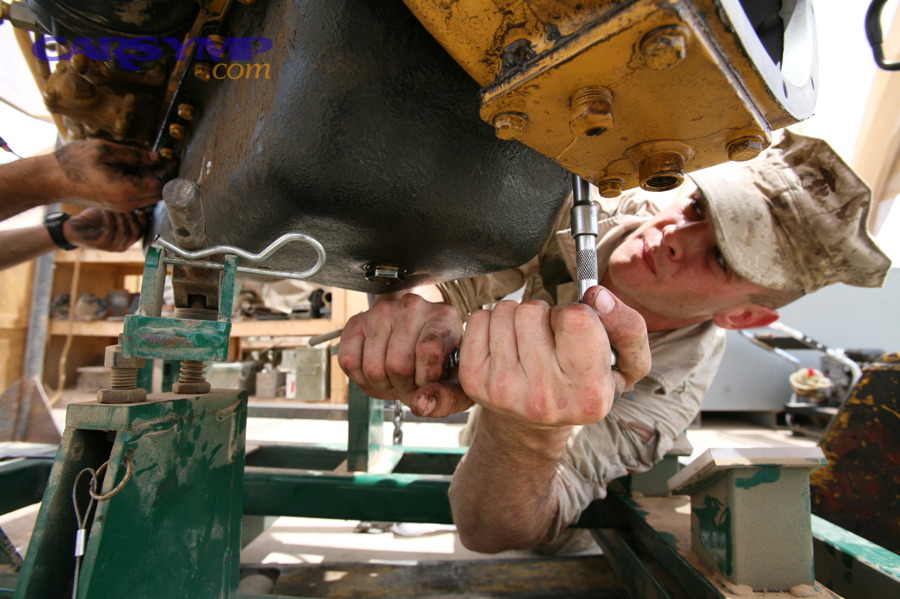
What’s a post-repair verification routine that actually works?
Use a repeatable routine:
- Confirm oil level after the engine has been off long enough to drain back.
- Start and idle: check drain plug, filter/housing, and any disturbed seals.
- Warm to operating temp: heat expands materials and reveals weak seals.
- Short drive (10–15 minutes): include a few accelerations.
- Re-inspect top-down with a bright light.
If the original leak happened only after highway driving or long heat soak, recreate those conditions once it’s safe.
How do you avoid “new leaks” caused by the oil change itself?
The most common oil-change-created leaks happen at:
- Oil filter seal (double gasket, under-tightened, or dry-installed gasket)
- Drain plug sealing surface (worn washer, damaged threads)
- Oil filter housing O-ring (pinched or mis-seated)
A simple prevention habit: wipe the area clean before starting the engine, so any fresh seep is obvious.
What is a realistic “Oil leak repair cost estimate by source” (and why does it matter for prevention)?
Knowing cost by source helps you prioritize: you might prevent a $700+ repair with a $150 ventilation fix or a $10 washer.
This table summarizes typical U.S. cost ranges from estimator sources, so you can prioritize prevention before small leaks become labor-heavy repairs.
| Leak Source (Common) | Typical Repair Complexity | Typical Cost Range (parts + labor) |
|---|---|---|
| Valve cover gasket | Medium (access varies) | ~$336–$461 (average estimate) — repairpal.com |
| Oil pan gasket | Medium–High (often labor heavy) | ~$553–$759 (average estimate) — repairpal.com |
| PCV valve replacement | Low–Medium | ~$112–$155 (average estimate) — repairpal.com |
| Rear main seal | High (often transmission removal) | Commonly ~$600–$1,200+ depending on vehicle — endurancewarranty.com |
Transition: Verification and smart prioritization prevent most repeat leaks—but prevention also has a safety line, and you need to know when a leak becomes too risky to “monitor.”
When is an oil leak “too risky” to ignore, even if you’re focused on prevention?
Yes—an oil leak can be too risky to ignore because it can drop oil level quickly, contaminate critical components, and create a fire hazard, especially when oil reaches the exhaust, belts, or electrical connectors.
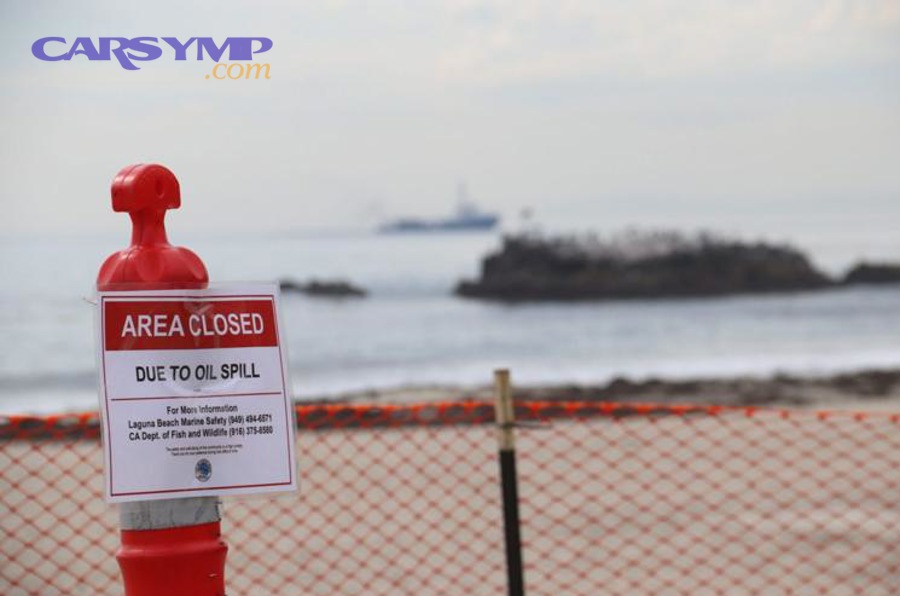
Next, this is where prevention becomes decision-making: you’re not just stopping a leak, you’re protecting the engine and avoiding secondary damage.
Is it safe to drive with an oil leak if you keep topping off?
Sometimes yes, but only if the leak rate is slow, the oil level stays stable, and no oil is hitting hot or moving parts—and even then, it’s a temporary strategy, not a plan.
Here are three reasons it can become unsafe fast:
- Oil level can drop unexpectedly during high-speed driving or long trips.
- Oil on exhaust components can smoke or ignite under certain conditions.
- Oil can damage rubber and electronics, leading to belt slip, sensor failures, or misfires.
This is where the question “Can you drive with an oil leak” should be answered with conditions, not optimism: if you can’t reliably measure and control the risk, you shouldn’t keep driving.
What leak signs suggest immediate repair (fire/engine damage risk)?
Treat these as “stop and fix” signals:
- Oil dripping onto exhaust manifold/downpipe
- Burning oil smell in cabin or visible smoke
- Oil level dropping noticeably between short checks
- Oil pressure warning or flickering light
- Oil soaking serpentine belt or pulleys
- Puddle growth accelerating after each drive
If you’re documenting symptoms, a quick reference like carsymp.com can help you compare patterns—but your inspection and leak-rate reality should drive the decision.
How do you triage: clean it, monitor it, or repair it now?
Use a simple triage:
- Clean and monitor if it’s dry after cleaning + a test drive, and oil level stays stable.
- Schedule repair soon if seepage returns consistently but isn’t contacting hot/moving parts.
- Repair now if there’s smoke, fast loss, oil pressure issues, or belt/exhaust contamination.
Contextual Border (shift from core prevention to deeper diagnostics): Once you’ve handled the “must-fix” risks and built solid prevention habits, the next step is optional-but-powerful: advanced methods that uncover recurring, hard-to-see leak sources.
What advanced methods help find and prevent recurring “mystery” oil leaks?
Advanced methods prevent recurring mystery oil leaks by making invisible leaks visible (dye/UV, smoke, talc tracing) and by isolating the exact operating condition that triggers seepage, so you fix the true origin—not the drip.
Then, these tools help when the engine looks “generally oily” and you can’t confidently identify the first leak point.
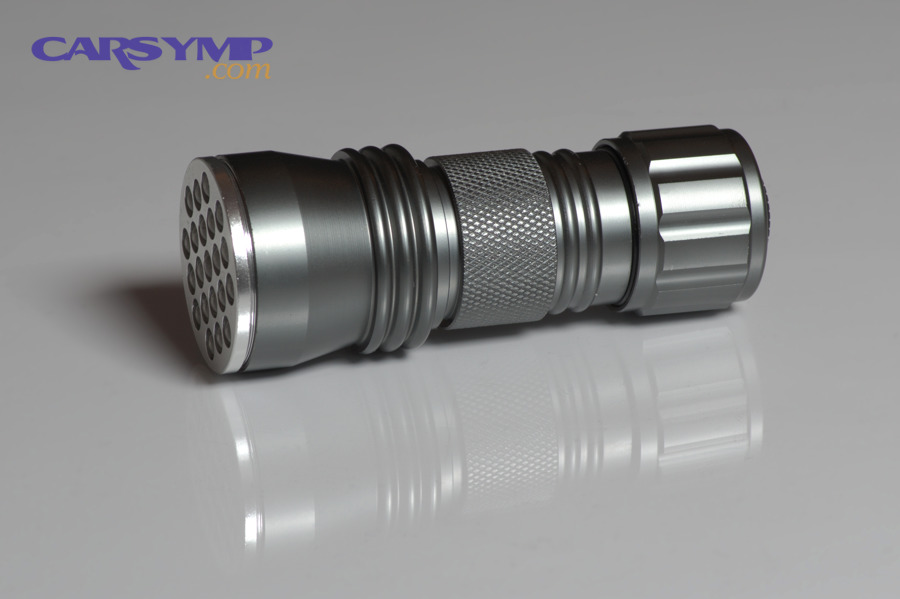
What is the UV dye method, and when should you use it?
A UV dye test for oil leaks works by adding fluorescent dye to the oil, driving normally, then scanning with a UV light. Fresh leaks glow, making the true origin much easier to spot—especially on complex engines.
Use UV dye when:
- The leak is intermittent (only after highway driving, only hot, only cold start)
- Oil spreads across multiple surfaces
- You’ve “fixed” one seal and the leak still appears elsewhere
Here’s a practical video demonstration you can embed into your workflow:
How does a smoke test help when oil seepage is hard to see?
A smoke test is commonly used for intake/vacuum leaks, but it can also help in leak diagnosis workflows because it reveals pathways and pressure behavior.
Use it to:
- Validate PCV/ventilation routing integrity (leaks in hoses, fittings, separators)
- Find air leaks that contribute to pressure imbalance
- Confirm whether seals are being “pushed” by pressure events
It won’t replace dye for oil, but it complements pressure-related diagnosis.
What “process fixes” stop recurrence (cleaning, baselining, and repeatable re-checks)?
Process beats guessing:
- Baseline clean: start from dry surfaces so you can trust what you see.
- Single-variable testing: change one thing at a time (PCV service, then re-check; don’t do five repairs at once).
- Condition matching: reproduce the leak condition (speed, load, heat soak).
- Photograph and mark: take before/after photos and mark suspicious seams with a removable marker.
If you’re doing engine oil leak repair repeatedly, these process habits reduce misdiagnosis more than any single tool.
When should you suspect an internal cause (blow-by) rather than an external seal?
Suspect an internal contributor when:
- You see oil pushed into intake or breather areas repeatedly
- Multiple seals start seeping over a short period
- Pressure symptoms show up (cap pressure, dipstick movement)
- The engine has high mileage and rising oil consumption
At that point, preventing future oil leaks may require addressing ventilation design limits, oil separator function, or wear-related blow-by—not just replacing another gasket.