


Exhaust smoke is one of the fastest “symptom-to-budget” clues you can get from a running engine, because smoke color often points to the system that’s failing—and the parts and labor category that usually follows. When you want a repair cost estimate by smoke type, the most reliable approach is to treat smoke as a starting signal, then confirm the cause with a few quick checks so you don’t overpay for the wrong fix.
To narrow your estimate, you’ll first need to interpret what the smoke color usually indicates, what it can’t confirm on its own, and how driving conditions change the story (cold start, hard acceleration, idle, downhill coasting). Once you can connect those patterns to the likely root causes, your “range” gets much tighter.
Next, you’ll see why blue smoke tends to create the widest price spread—because oil can enter the exhaust from several paths (PCV, turbo, valve seals, rings), and each path has a very different bill. That’s where Oil burning smoke diagnosis matters more than the color itself.
Introduce a new idea: after you understand the three smoke colors, you can build a practical “diagnosis-to-fix” budget using a simple checklist, realistic shop workflow, and DIY checks before major repairs—so your estimate stays grounded in what the car actually needs.
What does exhaust smoke color mean for repair cost estimates?
Exhaust smoke color is a practical grouping tool for repair cost estimates because it usually maps to three buckets—blue (oil), white (water/coolant), and black (excess fuel/soot)—each with its own typical diagnostic path and cost drivers.
Next, the key is to treat smoke color as a direction, then confirm the cause with symptom timing, fluid levels, and scan data.
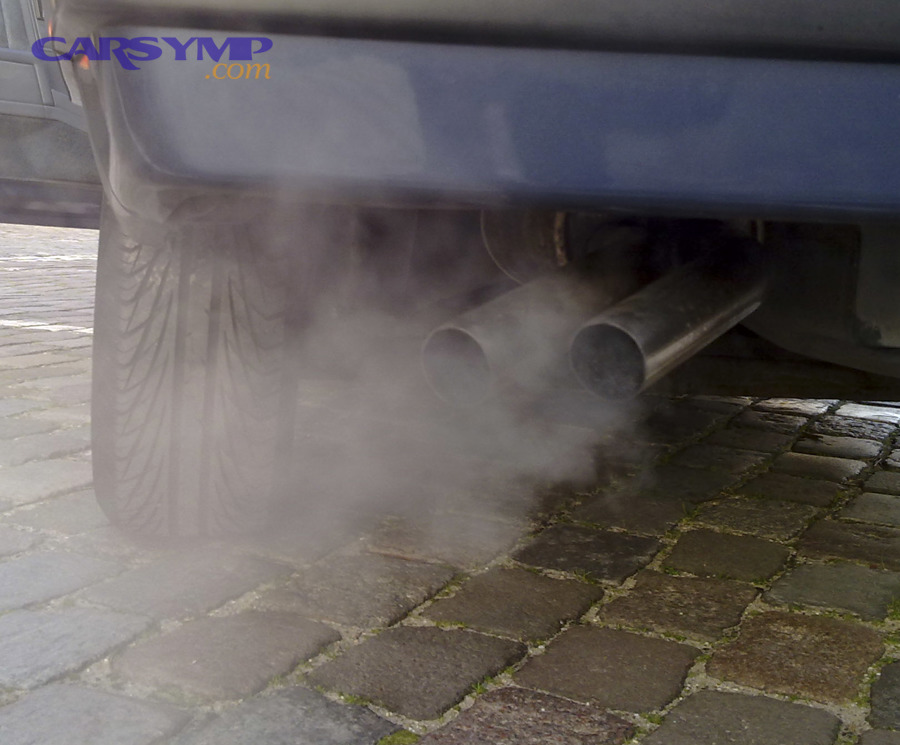
What are the three main smoke types and what system do they usually point to?
Smoke color usually correlates to what’s being burned (or carried) out of the exhaust:
- Blue / blue-gray smoke: most often engine oil entering the combustion process (or turbo/exhaust stream) and burning.
- White smoke: can be normal water vapor on cold start, or coolant/steam when the engine is hot (a red flag).
- Black smoke: typically too much fuel (rich mixture), incomplete combustion, or soot load—common in diesels but possible in gas engines with faults.
That mapping matters because each system has a different “first diagnostic” and different labor intensity. Oil-path diagnostics often branch widely; coolant issues can become urgent quickly; rich-running faults can range from a cheap sensor fix to expensive catalyst damage.
Can you estimate repair cost from smoke color alone?
No—smoke color alone can’t produce a reliable quote because it doesn’t identify where the problem starts, only what is likely being expelled. A safe estimate needs at least three confirmations:
- When the smoke happens (cold start only, after idle, under boost, under acceleration, on decel).
- What the fluids are doing (oil level dropping, coolant level dropping, fuel smell, oil in coolant or coolant in oil).
- What the engine computer reports (misfire codes, fuel trim readings, O2/AFR behavior, coolant temp plausibility).
Once those three checks align with the smoke type, the estimate becomes far more accurate—and you avoid “parts cannon” repairs.
What is the fastest “DIY checks before major repairs” checklist for smoke-type confirmation?
Use this quick sequence before committing to a large estimate:
- Blue smoke check: verify oil level and condition, inspect PCV function, look for oil in intake piping (turbo engines), note if smoke appears after idling then accelerating.
- White smoke check: confirm whether it’s only cold-start condensation; check coolant level over several drives; look for sweet smell; check for persistent white smoke after warm-up.
- Black smoke check: scan for codes, look at fuel trims, inspect air filter and intake restrictions, and check for injector issues (misfire plus rich smell).
These checks don’t replace professional diagnosis, but they often decide whether your estimate belongs in the “tens,” “hundreds,” or “thousands” category.
What is the repair cost range for blue smoke (oil burning) and what fixes are most common?
Blue smoke repair cost ranges from low-cost maintenance fixes to full engine or turbo repairs, because oil can enter the exhaust through multiple paths with very different labor requirements.
Then, you can tighten your estimate by matching the smoke pattern to the most likely oil-entry route.
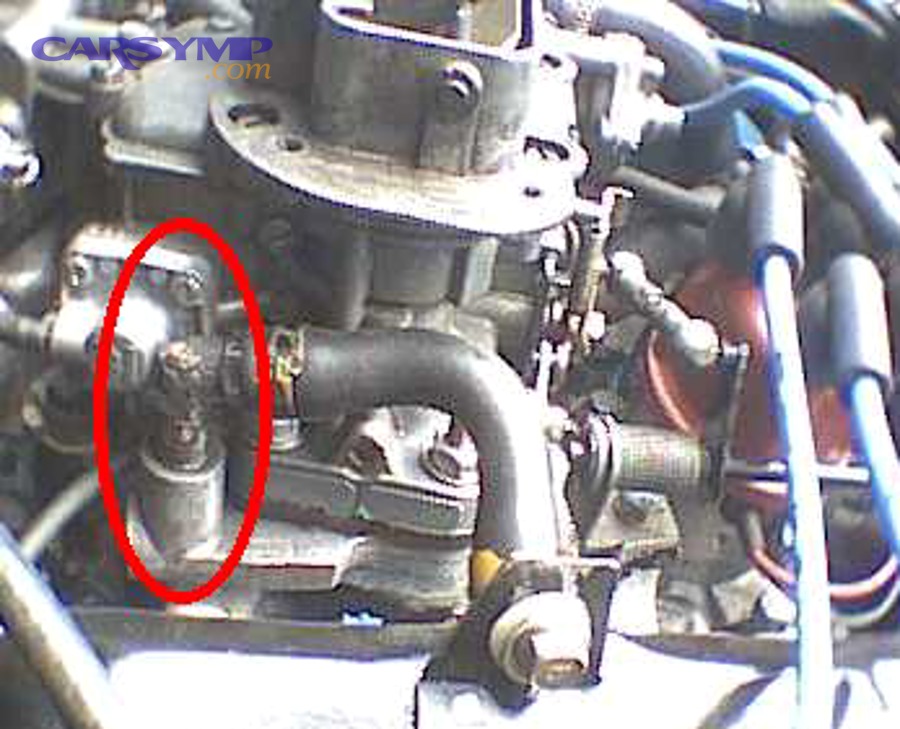
What does blue smoke usually mean and when is it “normal” vs a problem?
Blue smoke typically means oil is being burned, and it’s not considered normal in a healthy, warmed engine. The main exception is a brief puff on a very cold start in older engines, but persistent or repeatable blue smoke indicates a fault.
Patterns that strongly suggest oil-burning:
- Puff after long idle, then clearing: often valve seals or PCV-related oil draw.
- Smoke under acceleration/boost: common in turbo oil seal/drain issues or heavy blow-by.
- Smoke on deceleration/downhill: often vacuum-related oil draw past valve seals or guides.
This is where Oil burning smoke diagnosis matters: the same blue smoke can come from a $50 valve or a $5,000 engine.
How much does it cost to fix blue smoke from PCV issues, valve seals, or turbo seals?
A practical estimate works best when you break blue smoke into “entry paths”:
1) PCV / crankcase ventilation problems (often lowest cost)
Typical fixes: PCV valve replacement, hose replacement, oil separator service, cleaning clogged passages.
Why cost varies: access difficulty, integrated PCV assemblies, and whether oil has contaminated sensors/intake.
2) Valve stem seals / guides (mid to high cost)
Typical fixes: valve seal replacement (sometimes head on, often head off depending on engine design), addressing worn guides if needed.
Why cost varies: labor time and whether timing components must be removed.
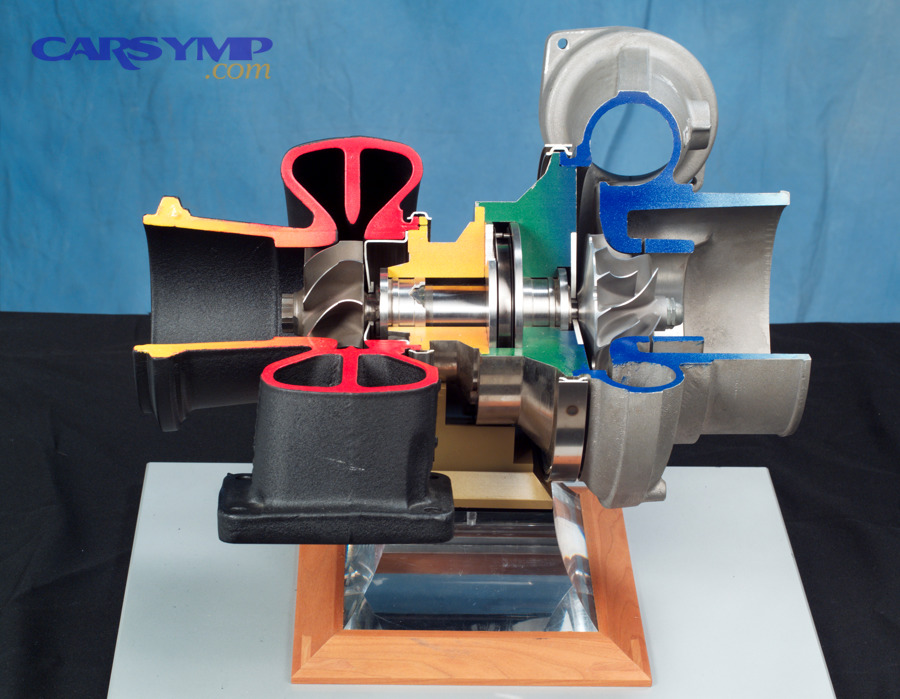
3) Turbocharger oil seal/drain issues (mid to very high cost)
Typical fixes: repairing oil feed/drain restrictions, replacing turbocharger, cleaning intercooler piping, sometimes replacing catalytic converter if oil-fouled.
Why cost varies: turbo location, engine layout, and whether additional components were damaged by oil ingestion.
A common “hidden cost” in blue-smoke repairs is downstream contamination—oil can foul O2 sensors and accelerate catalyst aging. According to a study by University of Tennessee – Knoxville from the Mechanical Engineering program, in 2006, accelerated ZDDP-derived phosphorus exposure (linked to oil consumption) caused measurable catalyst light-off degradation in diesel oxidation catalysts.
Which blue-smoke causes lead to the most expensive repairs?
The cost spikes when blue smoke is driven by engine wear rather than a replaceable external component:
- Worn piston rings / cylinder wear: often the highest-end repair, because fixing the root cause may require engine rebuild or replacement.
- Severe blow-by: can push oil through intake systems, overwhelm PCV, and create secondary failures.
- Turbo failure with collateral damage: turbo oil leak plus intercooler oil pooling, plus catalyst damage, plus intake cleaning—stacking labor and parts.
If your blue smoke appears with power loss, heavy oil consumption, and oily spark plugs, your estimate should assume deeper mechanical wear until proven otherwise.
What is the repair cost range for white smoke (steam/coolant) and when is it an emergency?
White smoke can be either harmless condensation or coolant burning, and the repair cost swings sharply depending on whether the engine is fully warmed and still smoking.
To begin, you must separate normal water vapor from Coolant burning smoke diagnosis, because one is “monitor” and the other can be “stop driving.”
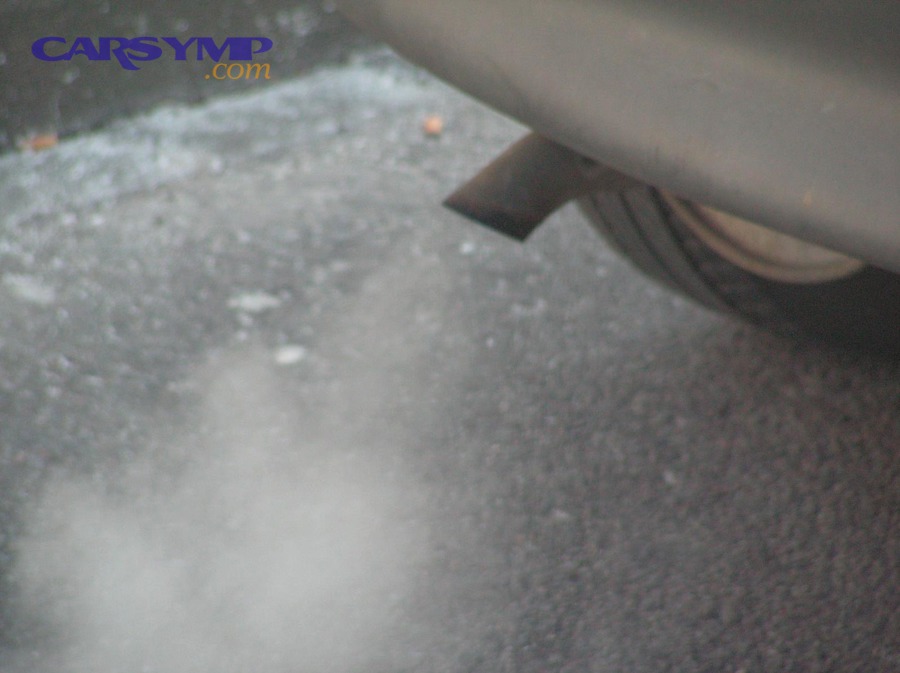
Is white smoke always coolant burning?
No. White exhaust on a cold start can be normal water vapor as the exhaust system heats up, especially in cool or humid weather. White smoke becomes suspicious when it is:
- Thick and persistent after warm-up
- Accompanied by coolant loss
- Sweet-smelling (often described as syrupy)
- Paired with misfires, overheating, or rough running
That’s why “white smoke” should be treated as a two-branch decision: normal condensation vs coolant/steam.
What repairs typically cause white smoke and how do costs vary?
When white smoke is confirmed as coolant/steam, the common causes include:
- Head gasket failure (most common “big-ticket” cause)
- Cracked cylinder head or cracked block (higher cost due to machining or replacement)
- Intake manifold gasket leak on certain engines (can be moderate cost)
- EGR cooler leak (some diesel applications; varies widely)
Costs vary because labor is driven by disassembly depth, and parts cost is driven by whether the engine needs machining, replacement components, or both.
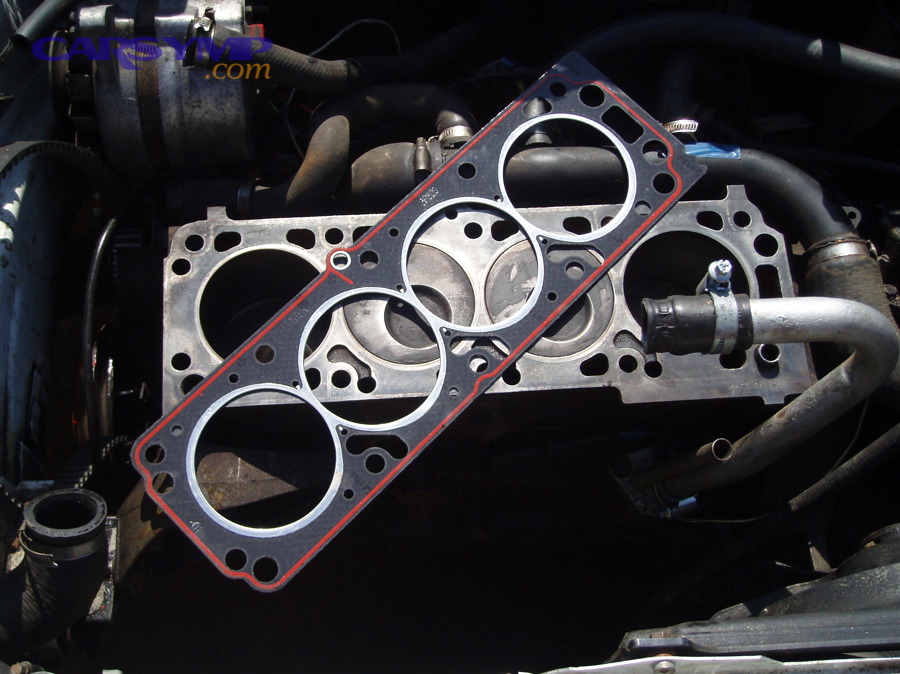
What are the “stop driving now” signs tied to white smoke?
White smoke becomes an emergency when any of these are present:
- Overheating or fluctuating temperature
- Coolant level dropping quickly
- Milky oil (coolant mixing with oil) or oil contamination
- Misfires on startup that improve as coolant clears (possible coolant in cylinder)
- Pressurized cooling system quickly after cold start (combustion gas intrusion)
Driving in these conditions can turn a head gasket job into an engine replacement. Even if you’re chasing a cheaper exhaust smoke fix, a confirmed coolant burn is rarely a “drive it and see” situation.
According to a study by University of Illinois Urbana-Champaign from the International Symposium on Molecular Spectroscopy, in 2018, researchers investigated measuring ethylene glycol contamination levels in engine oil using FT-IR and UV-Vis spectroscopy—supporting the idea that coolant/glycol contamination is detectable and significant enough to warrant early confirmation rather than guesswork.
What is the repair cost range for black smoke (rich fuel/soot) and what diagnostics matter most?
Black smoke usually indicates excess fuel or incomplete combustion, and repair costs range from basic sensor/service work to expensive aftertreatment damage if the condition persists.
Besides smoke color, the most important cost-control lever is the diagnostic quality—because black smoke can be caused by air restriction, injector faults, or control system errors.
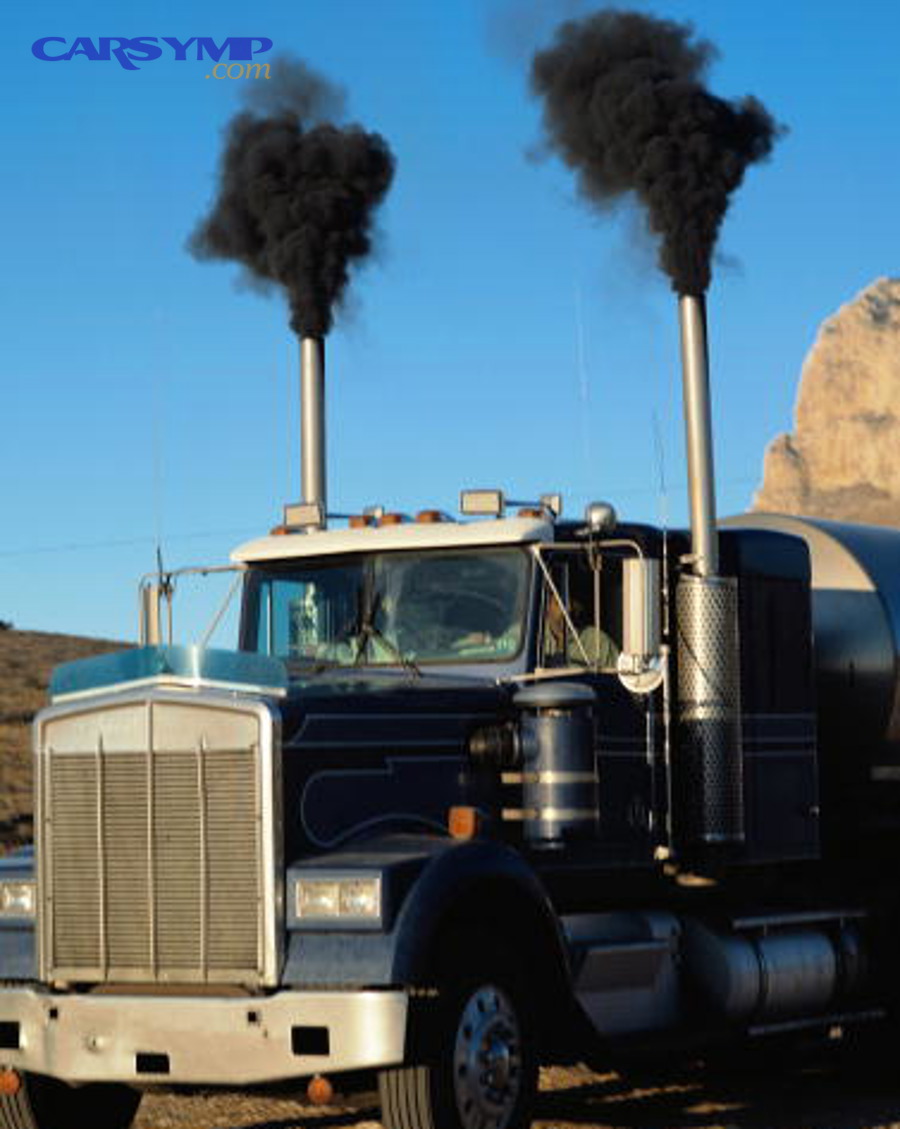
What causes black smoke in gasoline vs diesel engines?
Black smoke is common in diesels under heavy load, but persistent black smoke points to a fault.
Gasoline engines (common causes):
- Faulty oxygen sensor / AFR sensor feedback
- Bad coolant temperature sensor causing “cold enrichment”
- Leaking injector(s) or fuel pressure regulator issues
- Restricted air filter or intake
- Misfires that dump unburned fuel into exhaust
Diesel engines (common causes):
- Injector overfueling, poor spray pattern
- Boost leaks or turbo underperformance (not enough air)
- EGR issues or air management faults
- DPF issues (depending on symptom set), but DPF problems can also reduce smoke in some scenarios while raising other symptoms
The reason costs vary: some causes are quick replacements, while others require deeper fuel system testing or turbo/airflow diagnosis.
What scan data and tests matter most for black smoke estimates?
If you want a cost estimate that matches real-world shop workflow, prioritize these diagnostics:
- Fuel trims (gas engines): large negative trims can indicate rich running; large positive can suggest air leaks—but interpret in context.
- O2/AFR sensor behavior: lazy or stuck sensors can mislead fueling.
- Misfire counters: misfires plus fuel smell can mean fuel is not being burned.
- MAF/MAP readings: airflow measurement errors can cause incorrect fueling.
- Smoke test of intake (boost leaks) on turbo engines: a cheap test that can prevent expensive parts replacement.
You can embed one video to help visualize the decision-making around smoke colors:
How do rich-running problems affect catalytic converters and total cost?
Rich running can quietly increase the bill because it can overheat or degrade the catalyst, especially if misfires are involved. A practical rule for estimating is:
- Short-lived rich condition caught early → usually cheaper (sensor, intake, injector service).
- Long-lived rich condition with misfires and strong fuel smell → higher risk of catalyst replacement and additional repairs.
According to a study by University of Michigan from the Electrical Engineering and Computer Science Department, in 1999, researchers modeling three-way catalysts noted that there is a narrow window around stoichiometric air–fuel ratio where high conversion efficiencies are achieved—supporting why sustained rich operation can degrade emissions performance and raise repair stakes.
How can you estimate your total “diagnosis-to-fix” budget by smoke type?
You can estimate a diagnosis-to-fix budget by combining (1) a diagnostic baseline, (2) the likely repair tier for the smoke type, and (3) the probability of collateral damage if the problem was ignored.
More importantly, using a structured budget prevents underestimating blue-smoke wear scenarios and overestimating simple black-smoke sensor faults.
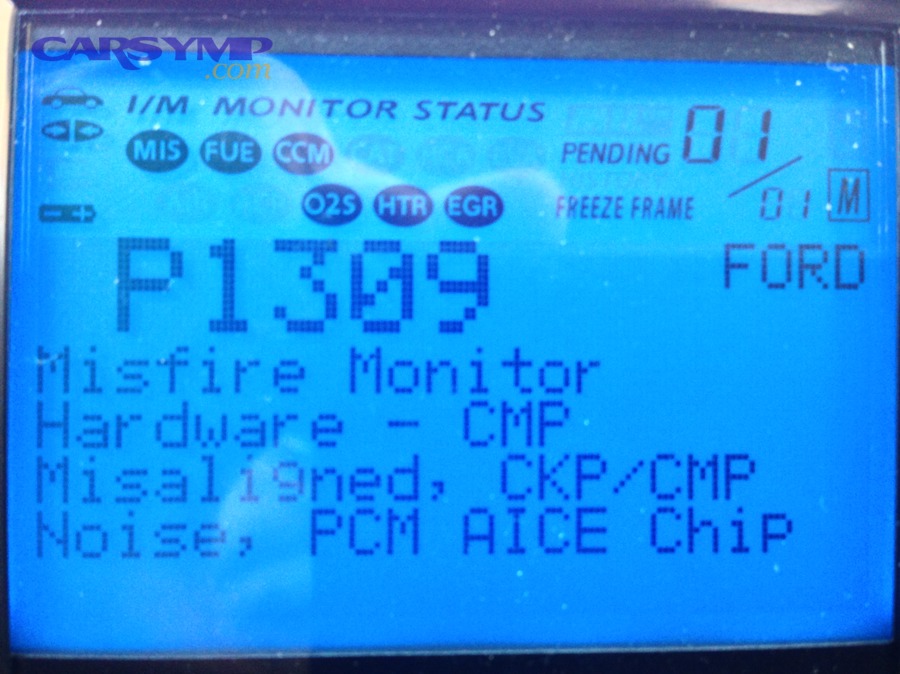
What is a realistic “baseline diagnostic” cost and what should it include?
A realistic budget starts with diagnosis because smoke is a symptom, not a part. A proper baseline typically includes:
- Scan for codes and freeze-frame data
- Live data review (fuel trims, coolant temp, O2/AFR, MAF/MAP)
- Visual inspection (fluids, leaks, intake hoses, PCV routing)
- Targeted tests based on smoke type (compression/leak-down for blue, cooling system pressure test for white, intake smoke test or injector balance for black)
Even if you do some checks yourself, budgeting for a professional confirmation is often cheaper than misdiagnosis.
What is a practical cost-range table by smoke type and repair tier?
The table below organizes smoke type into typical repair tiers so you can build a realistic “low–mid–high” budget without pretending smoke color alone is a quote.
| Smoke type | Most common root causes | Lower-cost tier (often service/small parts) | Mid-cost tier (component replacement) | High-cost tier (major mechanical) |
|---|---|---|---|---|
| Blue (oil) | PCV, valve seals, turbo seals, rings | PCV service, minor leaks | Valve seal job, turbo replacement | Engine rebuild/replacement |
| White (steam/coolant) | Head gasket, cracked head, intake gasket, EGR cooler | Minor gasket or hose leak (if not burning) | Head gasket repair | Cracked head/block, engine replacement |
| Black (rich/soot) | Sensors, injectors, air restriction, boost leaks | Air filter, small sensor fixes | Injector service/replacement, turbo/boost leak repairs | Catalyst/aftertreatment damage plus root-cause repair |
Use this table as a budgeting map, then narrow it using symptom timing (idle, acceleration, warm engine), fluid consumption, and scan data.
How do you add “risk buffers” for collateral damage without panicking?
A smart estimate includes a buffer only when the symptom profile supports it:
- Blue smoke + long oil consumption → budget for possible O2/catalyst impact and intake cleaning.
- White smoke + overheating → budget for machining, warped head checks, and cooling system component replacements.
- Black smoke + misfire + fuel smell → budget for catalyst risk and spark/ignition follow-ons.
This approach keeps your estimate realistic without inflating every scenario into a worst case.
What hidden factors can make exhaust smoke repairs cheaper—or much more expensive—than expected?
Hidden cost factors usually come from access, verification steps, and secondary damage, not from smoke color itself.
To better understand why two “same color smoke” cars can have wildly different bills, focus on engine layout, how long the problem was ignored, and whether the first diagnosis is correct.
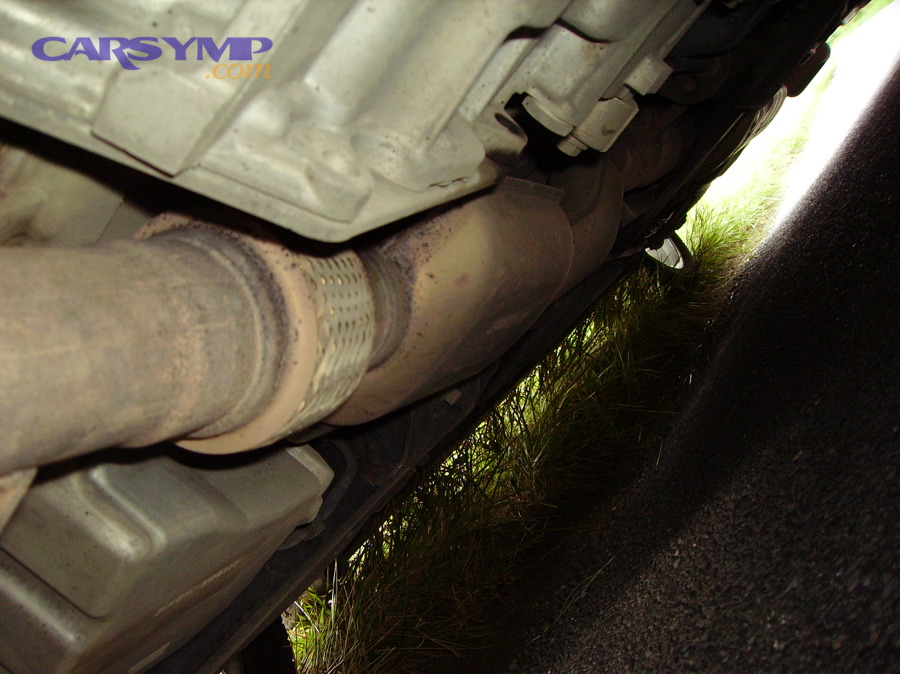
Which vehicle-specific factors change labor hours the most?
Labor can swing dramatically based on:
- Engine layout (V engines vs inline, transverse vs longitudinal)
- Turbo location (top-mount vs buried behind engine)
- Timing system complexity (timing chain access vs timing belt service overlap)
- Emissions packaging (tight catalyst/DPF placement, heat shields, sensors)
Two cars can have the same root cause but completely different labor time because one is accessible and the other requires major disassembly.
How do misdiagnosis and “parts swapping” inflate the final cost?
The fastest way to blow up an estimate is replacing parts before confirming the fault path. Common examples:
- Replacing O2 sensors when the real issue is an injector leak (black smoke continues).
- Replacing a turbo when the oil drain is restricted or PCV is pulling oil (blue smoke returns).
- Assuming head gasket failure from white smoke without confirming coolant loss and combustion gas evidence (unnecessary teardown).
A disciplined diagnostic step—especially DIY checks before major repairs—often pays for itself.
When does it make sense to stop budgeting and start troubleshooting immediately?
Stop “estimating” and start “confirming” when you have:
- Overheating + white smoke
- Rapid oil loss + blue smoke
- Misfires + black smoke + fuel smell
- Check engine light flashing (often indicates severe misfire risk)
At that point, your best cost control is preventing secondary damage, not perfecting the spreadsheet.
How can you turn this into a simple next-step plan?
If you’re using this as a Car Symp-style action plan, follow this order:
- Confirm smoke type (blue/white/black) and when it occurs.
- Run the matching quick checks (fluids + scan + visual).
- Decide the repair tier (service / component / major mechanical).
- Get one professional confirmation before expensive teardown.
- Fix the root cause first, then address contaminated sensors/catalyst only if needed.
This workflow keeps your repair cost estimate by smoke type aligned with real diagnostic evidence, and it makes your next exhaust smoke fix far more likely to solve the problem the first time.