


A mileage-based fluid change schedule is the simplest way to protect your engine, transmission, brakes, and driveline because it tells you what fluid service to do and at what mileage—before wear, overheating, or corrosion turns into a repair bill.
Then, to make the schedule truly usable, you need to understand which fluids your vehicle actually has and what each one protects, so you don’t waste time servicing something your car doesn’t even use.
Next, you’ll want a practical set of typical mileage and time ranges for each fluid—plus a way to tighten those intervals when your driving conditions are harder than “ideal.”
Introduce a new idea: once you have the core intervals and adjustments, you can choose the right service method (flush vs drain-and-fill) and turn everything into a schedule you can follow in minutes.
What are mileage-based fluid service intervals, and why do they matter?
Mileage-based fluid service intervals are planned mile-and-time triggers for replacing automotive fluids, designed to prevent performance loss and component wear by servicing fluids before their additives deplete, contaminants build up, or moisture accumulates.
More importantly, a schedule works because fluids don’t “fail” all at once—they fade in protection, and that fading shows up as heat, friction, corrosion, or inconsistent hydraulic pressure.
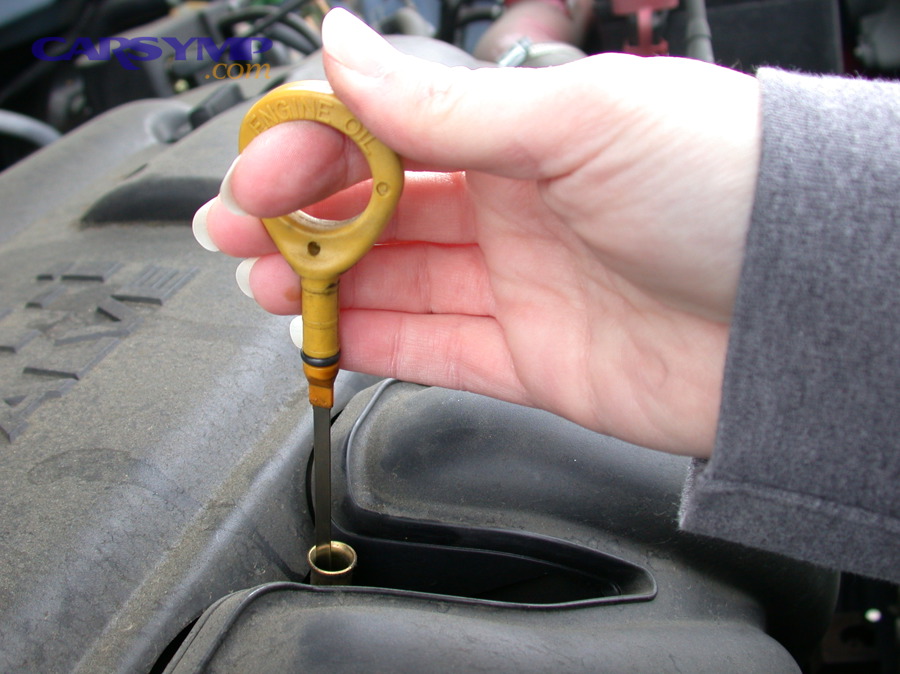
Is mileage alone enough to schedule fluid service?
No—mileage alone is not enough for mileage-based fluid service intervals, because (1) some fluids degrade with time even at low miles, (2) short trips and storage create moisture and acids faster, and (3) temperature swings accelerate additive depletion and corrosion.
Next, this matters most for fluids exposed to air and moisture pathways—especially brake fluid—and for vehicles that do lots of short trips where the engine and drivetrain rarely reach stable operating temperature.
- Time-based degradation: Brake fluid absorbs moisture even if the car barely moves.
- Short-trip contamination: Condensation and fuel dilution can build up faster in “low-mileage” cars.
- Heat-cycle stress: Stop-and-go driving creates more heat cycles per mile than highway driving.
According to a study by the Budapest University of Technology and Economics from the Department of Transport Technology and Economics, in 2021, operational testing showed measurable increases in brake fluid water content and deterioration of boiling performance over time and mileage. (pp.bme.hu)
What’s the difference between “check,” “top-off,” “change,” and “flush”?
A check wins for quick detection, a top-off is best for restoring level, a change is optimal for routine renewal, and a flush is ideal when you must remove old fluid more completely—but each action fits a different risk level and system design.
Then, treat these terms as “service intensity”:
- Check: Inspect level and condition (color/odor/clarity) to catch leaks or early contamination.
- Top-off: Add the correct spec fluid to restore level—useful in washer fluid and sometimes power steering, but risky if you’re masking a leak.
- Change (drain-and-fill / bleed / replace): Remove some or most old fluid and replace with fresh—best for routine maintenance.
- Flush: Push or exchange fluid to remove more old fluid/contaminants—helpful in certain cases, but not always the safest choice for every system.
This distinction becomes crucial later when you do a Fluid flush vs drain-and-fill comparison for transmission and coolant service methods.
Which car fluids should be included in a mileage-based service schedule?
There are 8 main fluid groups you may include in a mileage-based service schedule—engine oil, coolant, transmission fluid, brake fluid, power steering fluid, differential fluid, transfer case fluid, and clutch hydraulic fluid—based on which systems your vehicle uses.
To begin, the right list is the foundation of a reliable fluid service plan: you can’t schedule what you don’t have, and you shouldn’t ignore fluids that quietly protect expensive parts.
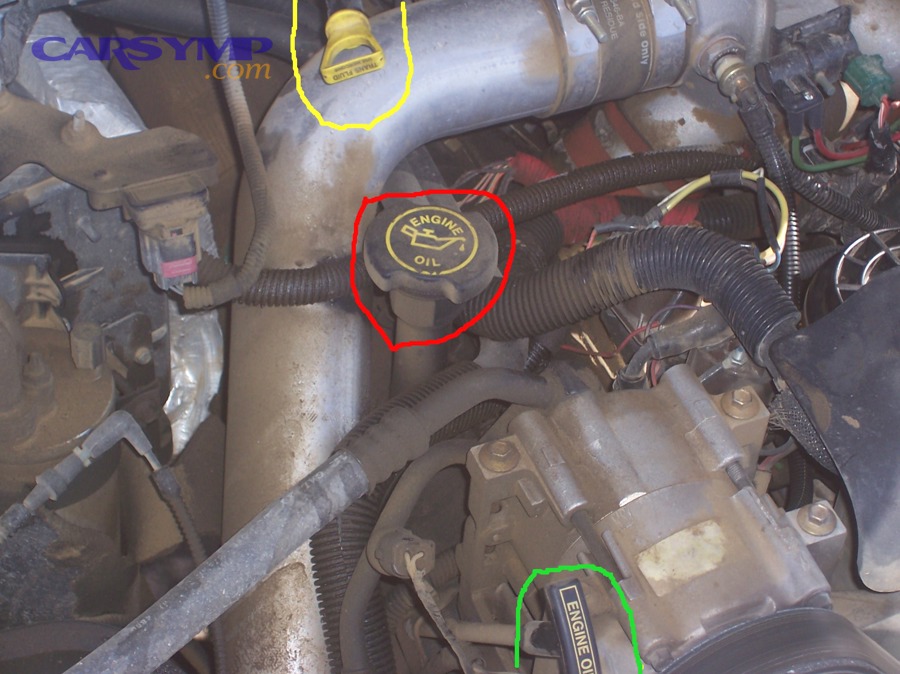
Which fluids are most critical to schedule first for most drivers?
There are 4 priority fluids most drivers should schedule first—engine oil, brake fluid, transmission fluid, and coolant—based on how directly they control heat, friction, and safety.
Next, here’s why these four lead the list:
- Engine oil controls friction, heat removal, and contamination management in the engine.
- Brake fluid controls hydraulic pressure—and moisture lowers boiling point and can degrade braking consistency.
- Transmission fluid lubricates, cools, and controls hydraulic functions in automatics (and protects gears in manuals).
- Coolant manages temperature and corrosion protection throughout the cooling system.
If you only build one “starter” schedule, make it these four—then layer in driveline fluids like differential and transfer case based on your drivetrain.
Do all vehicles have the same fluid list (e.g., power steering, transfer case)?
No—vehicles do not share the same fluid list, because (1) electric power steering often eliminates power steering fluid, (2) AWD/4WD adds driveline fluids (differentials/transfer case), and (3) some transmissions are “sealed” without a dipstick even though fluid still exists.
Besides, your schedule should reflect your configuration:
- FWD (front-wheel drive): usually no transfer case; may have no serviceable rear differential.
- AWD/4WD: often has front differential, rear differential, and transfer case fluids (or combined units).
- EPS (electric power steering): typically no power steering fluid reservoir.
- Manual transmissions: may use gear oil or manual transmission fluid; clutch hydraulics share brake-fluid-type fluid in many cars.
That’s why the best mileage-based schedule starts with identifying what’s on your vehicle, not what’s on a generic checklist.
What mileage should you service each fluid (oil, transmission, coolant, brake fluid, and more)?
There are 7 common fluid interval targets most schedules cover—oil, transmission, coolant, brake, power steering, differential, and transfer case—based on a blend of mileage triggers and time limits that match how each fluid degrades.
Specifically, this is where you turn “maintenance advice” into a plan: you’ll pick interval ranges that match your driving, then set a next-due mileage you can track.
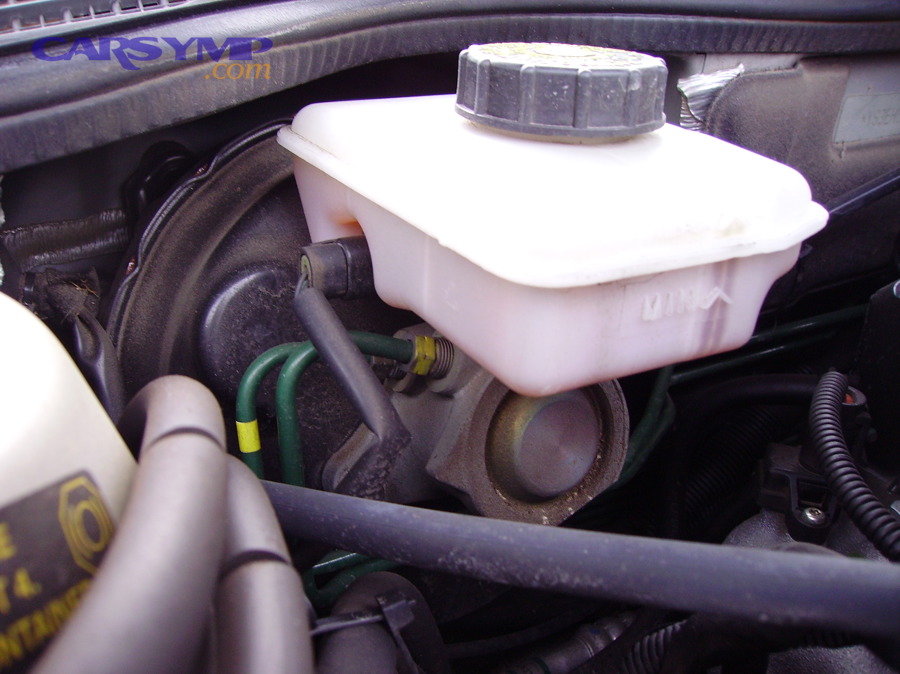
What are typical mileage intervals for each major fluid?
There are 7 typical interval bands for each major fluid based on usage and manufacturer patterns; the table below summarizes practical starting points you can adjust with OEM guidance and severe-service rules.
Before the table, note what it represents: a planning baseline for a mileage-based fluid change schedule—not a substitute for your owner’s manual.
| Fluid / system | Typical interval (mileage) | Typical interval (time) | Notes for planning |
|---|---|---|---|
| Engine oil + filter | 5,000–10,000 miles | 6–12 months | Short trips often benefit from the shorter range |
| Automatic transmission fluid | 30,000–60,000 miles (severe to normal) | — | Many modern units lack a dipstick; follow OEM |
| Manual transmission fluid | 30,000–60,000 miles | — | Higher load/towing can shorten interval |
| Coolant / antifreeze | 30,000–100,000+ miles | 2–5+ years | Depends heavily on coolant chemistry and OEM |
| Brake fluid | — | 2–3 years | Moisture absorption is the driver, not mileage |
| Power steering fluid (if applicable) | 50,000–100,000 miles | — | Often “as needed,” but fluid darkening matters |
| Differential and transfer case fluid | 30,000–60,000 miles | — | Differential and transfer case fluid service is more important for towing/off-road |
According to a study by the Auto Care Association from the Filter Manufacturers Community, in 2013, a technical bulletin noted that most drivers operate under conditions closer to “severe/average” than ideal, which is why shorter intervals are commonly justified for real-world driving. (autocare.org)
Which fluids are mainly time-based rather than mileage-based?
There are 2 main time-driven fluids—brake fluid and coolant—based on how moisture, inhibitor depletion, and chemical aging occur even when the vehicle accumulates low mileage.
Then, here’s the practical takeaway:
- Brake fluid: Hygroscopic behavior means it absorbs moisture over time, lowering boiling point and increasing corrosion risk inside hydraulic components.
- Coolant: Corrosion inhibitors and pH protection degrade with time and heat cycles, even if mileage is low.
According to a study by a research group publishing in 2024 in a peer-reviewed sensors paper indexed in PubMed Central, brake fluid typically absorbs moisture at a rate of about 1% or more per year, and 2% water can reduce the boiling point of DOT 4 brake fluid by about 45°C. (pmc.ncbi.nlm.nih.gov)
How do you adjust fluid intervals for “severe” vs “normal” driving?
Severe service intervals win for protection, normal intervals fit ideal conditions, and OEM severe definitions are optimal for most everyday drivers because real-world driving often includes short trips, traffic, temperature extremes, towing, or dusty conditions.
However, “severe” doesn’t mean you’re abusing your car—it often means you drive like most people actually do.
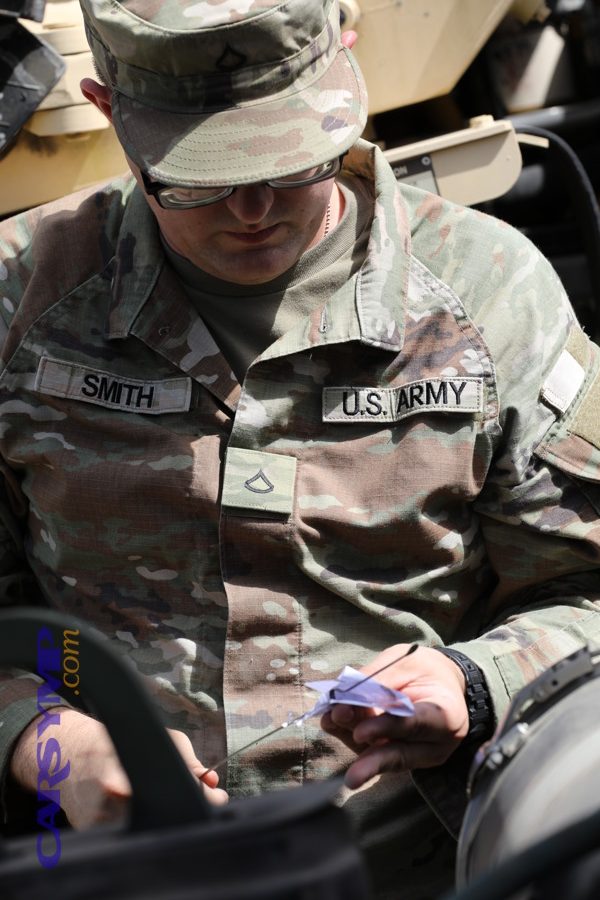
Does stop-and-go city driving count as severe service?
Yes—stop-and-go city driving counts as severe service for many schedules because (1) the engine experiences more heat cycles per mile, (2) idling and short trips increase moisture/contaminant accumulation, and (3) transmissions work harder with frequent shifting and heat buildup.
Next, apply this rule: if your daily driving includes frequent stops, short distances, or long idle time, choose the shorter end of your interval ranges—especially for oil and transmission fluid service.
How should towing, mountains, heat, or cold change your interval plan?
There are 4 common conditions that shorten intervals—towing, mountainous driving, high heat, and extreme cold—based on which systems experience extra heat and load.
More specifically, map condition → stressed fluid:
- Towing / heavy hauling → transmission fluid (heat), differential/transfer case fluids (load), coolant (heat management).
- Mountains / steep grades → transmission and coolant (sustained heat), brake fluid (heat during descents).
- High heat climate → coolant and transmission fluid (thermal stress).
- Extreme cold + short trips → engine oil (moisture and fuel dilution), transmission warm-up stress.
When in doubt, tighten the interval for the fluid that handles heat in that situation: oil, transmission fluid, coolant, or brake fluid.
What’s the simplest rule-of-thumb to choose an interval when you’re unsure?
The simplest rule-of-thumb is choose the shorter interval range for the fluids that manage heat and safety, then re-check after one service cycle to see if the fluid condition supports extending it.
In addition, use a quick decision flow:
- If you do short trips or traffic → shorten oil and transmission intervals.
- If you tow/off-road → shorten driveline fluids (differential and transfer case).
- If climate is extreme → shorten coolant and consider brake fluid timing more strictly.
- If you don’t know the service history → choose conservative intervals for the first year.
This approach keeps your mileage-based fluid change schedule realistic and protective without overcomplicating it.
Should you follow OEM intervals, a general mileage chart, or a maintenance minder system?
OEM intervals win for accuracy, a general mileage chart is best for quick planning, and a maintenance minder is optimal for day-to-day reminders—as long as you still apply time caps for time-degrading fluids.
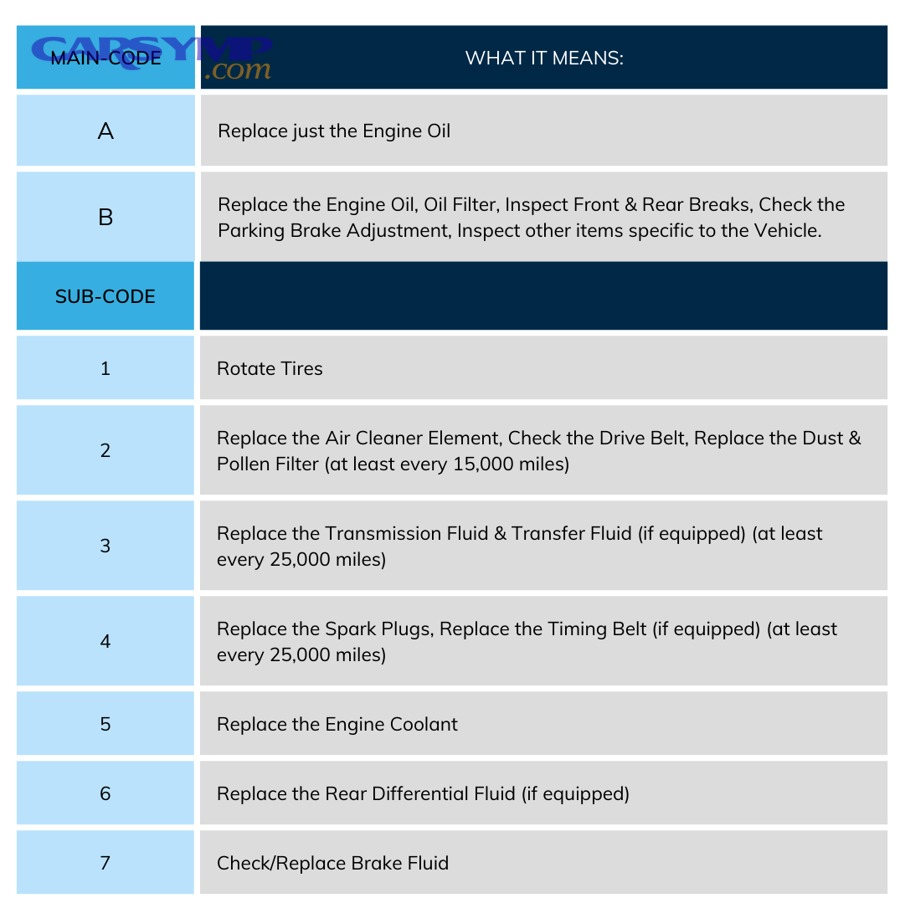
To better understand this, think of it as a hierarchy: OEM specs define the target, generic charts help you build the plan, and monitoring systems help you execute it.
When the owner’s manual and a generic chart disagree, which one wins?
Yes—the owner’s manual wins because (1) it matches your exact engine/transmission design, (2) it specifies the correct fluid standards and capacities, and (3) it often includes a severe-service schedule that generic charts can’t personalize.
Next, use the chart as a planning tool, but confirm your final interval and fluid type against OEM guidance—especially for transmissions and specialty coolants.
A concrete example: one Ford scheduled maintenance table lists coolant replacement at 200,000 miles with a time-based note and an automatic transmission fluid change at 150,000 miles (vehicle and conditions dependent). (fordservicecontent.com)
How do oil-life monitors translate into mileage planning without guessing?
Oil-life monitors translate into mileage planning by turning driving conditions into a depletion estimate, so you can set a “no-later-than” mileage and a time cap even if your monitor varies.
Then, use this simple mapping:
- Track how many miles you drive between 100% → 0% (or the service reminder).
- Take your real average and set a maximum cap (for example, “whichever comes first: monitor reminder or 12 months”).
- If you do more short trips or towing, expect the monitor to call for service sooner—reflecting the severe-service logic.
This keeps your schedule consistent without forcing a one-size mileage number onto every driver.
What service method is best: drain-and-fill or flush, and when?
Drain-and-fill wins for routine maintenance, flushing is best for maximum old-fluid removal, and staged exchanges are optimal for cautious high-mileage servicing—because different systems and histories respond differently to aggressive fluid replacement.
Meanwhile, the safest approach is not “always flush” or “never flush,” but matching the method to the system condition and service history.
Is a transmission flush always a bad idea?
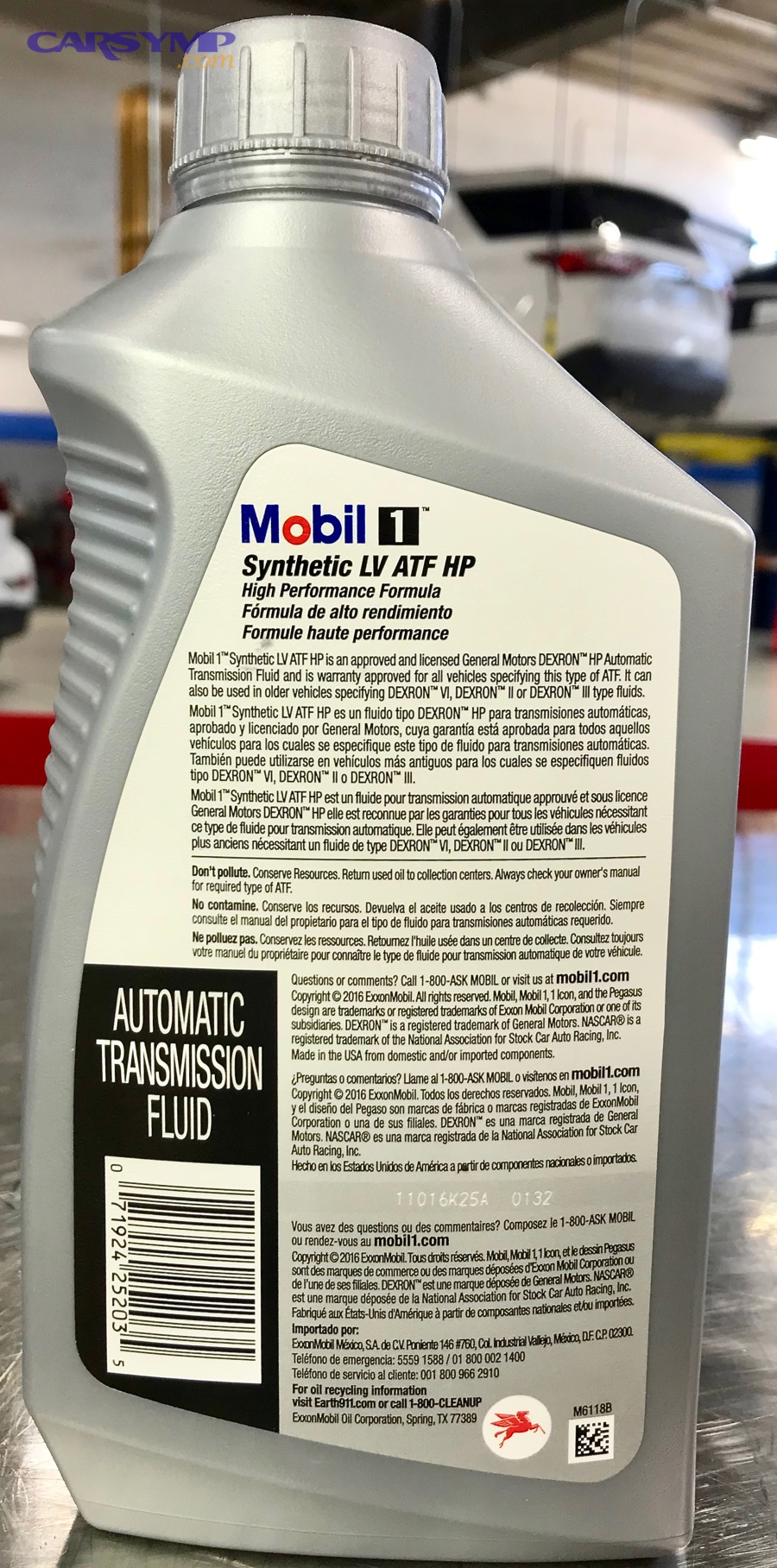
No—a transmission flush is not always a bad idea, because (1) it can remove more degraded fluid when done correctly, (2) it can restore shift quality when fluid is simply old (not burned/contaminated), and (3) it may be recommended by some service procedures—yet it can be risky when debris and wear are already severe.
Next, use a practical decision framework:
- Good candidate for flush/exchange: consistent maintenance history, normal shifting, fluid dark but not burnt, no metal debris signs.
- Caution / prefer drain-and-fill: unknown history, high mileage with neglected service, slipping, harsh engagement, or signs of internal wear.
- Best “middle ground”: staged drain-and-fill over time (multiple services spaced apart) to refresh fluid more gradually.
For a clear Fluid flush vs drain-and-fill comparison, remember the tradeoff: flush replaces more fluid at once; drain-and-fill is gentler and often safer for unknown-history units.
What’s the best method for coolant service: drain/refill, vacuum fill, or flush?
Drain/refill wins for routine coolant renewal, vacuum fill is best for avoiding air pockets, and a flush is optimal when contamination or incorrect coolant mixing is present.
Then, choose based on condition:
- Drain/refill: appropriate if coolant is in good condition and you’re maintaining on schedule.
- Vacuum fill: ideal after major cooling system work to reduce trapped air and improve refill accuracy.
- Flush: appropriate if coolant is rusty/brown, contaminated, or mixed with the wrong coolant chemistry.
If your coolant appears degraded, a flush may be necessary to restore corrosion protection and heat transfer performance.
How can you build a simple mileage-based fluid schedule for your car in 10 minutes?
Build a mileage-based fluid change schedule by following 5 steps—identify your fluids, pull OEM intervals, choose normal vs severe, set mileage/time triggers, and log the “next due” dates—so you get a plan you can follow without guesswork.
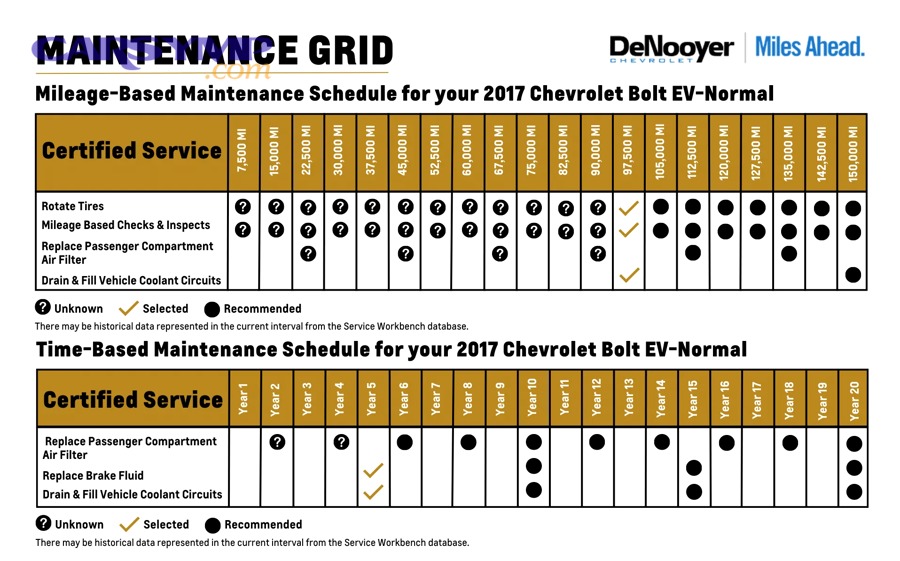
Besides, the goal is consistency: a schedule only works if you can execute it repeatedly.
What information do you need from your car (year/make/model/engine/transmission)?
There are 6 key data points you need—year, make, model, engine, transmission type, and drivetrain—because fluid type and interval planning depend on hardware design and OEM specifications.
Next, collect:
- Year / make / model / trim (intervals can change by model year)
- Engine (turbo vs non-turbo often affects oil stress)
- Transmission type (automatic, CVT, DCT, manual)
- Drivetrain (FWD, RWD, AWD/4WD)
- Capacity and fluid spec (ATF type, coolant type, brake fluid DOT rating)
- Service history (unknown history = conservative first cycle)
This prevents the most common failure of fluid service planning: using the wrong spec.
How do you turn interval ranges into a calendar you’ll actually follow?
Turn interval ranges into a followable calendar by setting a “next due mileage” and a time cap for each fluid, then attaching the plan to existing habits (oil changes, tire rotations, seasonal checks).
More specifically, use a simple template:
- Pick your interval: “Transmission fluid every 40,000 miles (severe)”.
- Add it to your current odometer: “Current 62,000 → next due 102,000”.
- Add a time trigger if needed: “Brake fluid every 3 years”.
- Log it: phone note, glovebox maintenance log, or service app.
- Review at each oil change: confirm what’s next.
Cost estimate for common fluid services
To make the schedule practical, it helps to know the ballpark pricing you’re planning around—especially if you’re stacking multiple services in the same year.
According to Kelley Blue Book’s cost guides, in typical pricing ranges, a coolant flush can average $131–$209, and a transmission fluid change commonly lands around $150–$175 while a transmission fluid flush may be $165–$290, depending on vehicle and location. (kbb.com)
Contextual Border: You now have the complete mileage-based fluid change schedule, the rules to adjust it for severe driving, and the method choices to execute it safely. Next, we’ll expand into special cases that can override or refine standard intervals.
What special cases can change fluid intervals beyond a standard mileage schedule?
There are 4 special-case drivers that can change fluid intervals—transmission design differences, “lifetime fluid” claims, fluid testing, and hybrid/EV architectures—based on how specialized hardware and operating patterns shift fluid stress and degradation.
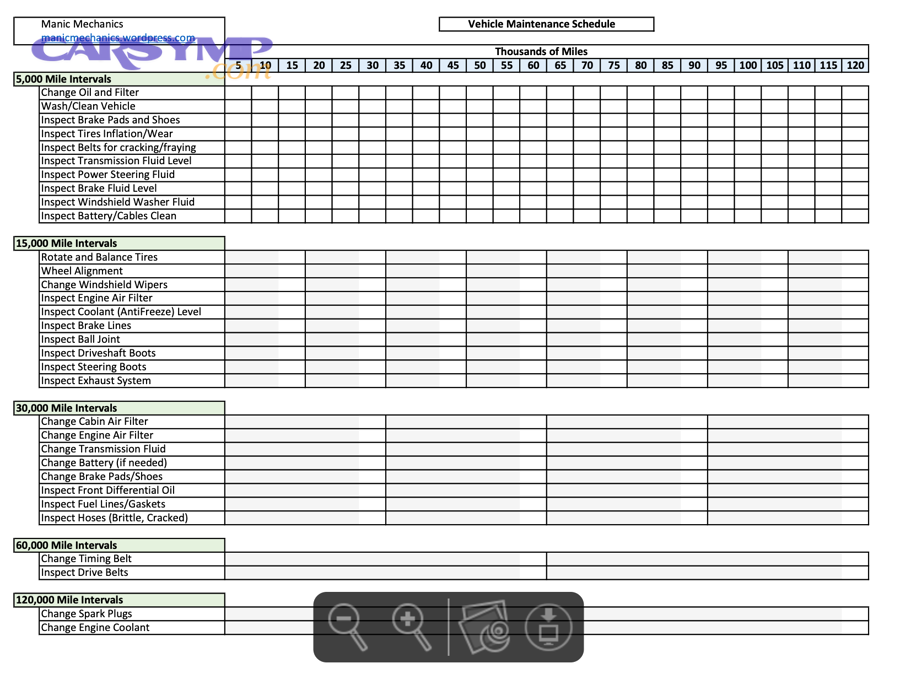
Especially, these cases matter because they’re where generic schedules fail most often: the vehicle is different, the duty cycle is different, or the marketing language hides real maintenance needs.
Do CVTs, dual-clutch transmissions, and “sealed” transmissions need different intervals?
Yes—these transmissions often need different intervals because (1) their fluid specs are more sensitive, (2) heat and shear loads differ from traditional automatics, and (3) “sealed” usually means “no dipstick,” not “no maintenance.”
Next, apply cautious planning:
- CVT: follow OEM severe-service guidance closely; fluid condition matters because belt/pulley behavior is fluid-dependent.
- Dual-clutch (DCT): may use specialized fluids and filters; heat management and contamination control are critical.
- Sealed transmissions: require a fill/check procedure (often temperature-dependent); service may be more complex but still necessary.
If you’re unsure, default to OEM intervals—and avoid one-size-fits-all transmission advice.
What does “lifetime fluid” mean, and is it the antonym of “serviceable fluid”?
“Lifetime fluid” is a manufacturer-marketing term that often means “designed to last through a defined ownership or warranty window,” while “serviceable fluid” is the practical antonym that means “the fluid can and sometimes should be replaced to extend component life.”
Then, treat “lifetime” as a context word:
- If you plan to keep the vehicle long-term, a conservative fluid service plan often makes sense.
- If you tow, drive in heat, or do city driving, the “lifetime” assumption becomes weaker.
- If the OEM provides a severe-service schedule, that schedule effectively admits the fluid is not truly lifetime under common conditions.
Your goal isn’t to argue the term—it’s to decide what reduces risk for your ownership horizon.
Can oil analysis or fluid testing safely extend intervals?
Yes—fluid testing can safely extend intervals when done consistently, because (1) it measures contamination and wear indicators, (2) it helps confirm whether your interval is conservative or aggressive, and (3) it can detect problems early—yet it should not override safety-critical time limits like brake fluid.
Next, use testing where it fits best:
- Engine oil analysis: can validate extended intervals for consistent highway driving.
- Transmission fluid sampling: can be useful, but interpretation varies and access can be harder.
- Coolant testing: can evaluate freeze protection and inhibitor health in some cases.
If you test, keep the method consistent and treat results as an adjustment tool—not a license to ignore OEM guidance.
How do hybrids and EVs change the fluid list and service planning?
Hybrids and EVs change fluid planning because regen braking reduces pad wear but not brake-fluid aging, and some drivetrains use reduction gears or specialized lubrication points even when there’s no traditional transmission.
In addition, hybrids can run the engine intermittently, which changes heat cycling patterns and can make “short-trip” style contamination considerations more relevant for engine oil in some use cases.
The practical takeaway: keep brake fluid time-based, follow OEM guidance for any e-axle or reduction gear fluid, and don’t assume “electrified” automatically means “no fluids.”
Evidence (if any)
According to a study by the Budapest University of Technology and Economics from the Department of Transport Technology and Economics, in 2021, field testing documented increases in brake-fluid water content and a growing share of vehicles with reduced brake-fluid boiling point over a one-year operational period. (pp.bme.hu)