


Most drivers don’t think about brake fluid, coolant, or power steering fluid until something feels wrong—yet these fluids quietly control stopping power, engine temperature, and steering effort. This guide explains what each service is (flush vs exchange), what a proper service includes, and how to decide when you actually need it.
Next, you’ll learn the practical “yes/no” triggers: the symptoms that mean you shouldn’t wait, the risks of delaying, and why brake fluid service deserves top priority when safety is on the line.
Besides symptoms, timing matters. You’ll also get a clear way to judge service intervals using your owner’s manual, driving conditions, and what to do when you don’t know the car’s history.
Introduce a new idea: even if two shops use different words—flush, exchange, change—there are simple proof points you can use to confirm the job was done correctly and the right fluid spec went back into the system.
What is brake, coolant, and power steering fluid service (flush vs exchange)?
Brake, coolant, and power steering fluid service is a preventive maintenance fluid replacement process—originating from hydraulic and thermal system upkeep—that removes degraded fluid and contaminants and restores protective performance (pressure transfer, heat control, lubrication) using a flush or exchange method.
To better understand what you’re paying for, it helps to separate the goal (replace compromised fluid) from the method (flush vs exchange vs partial drain-and-fill).
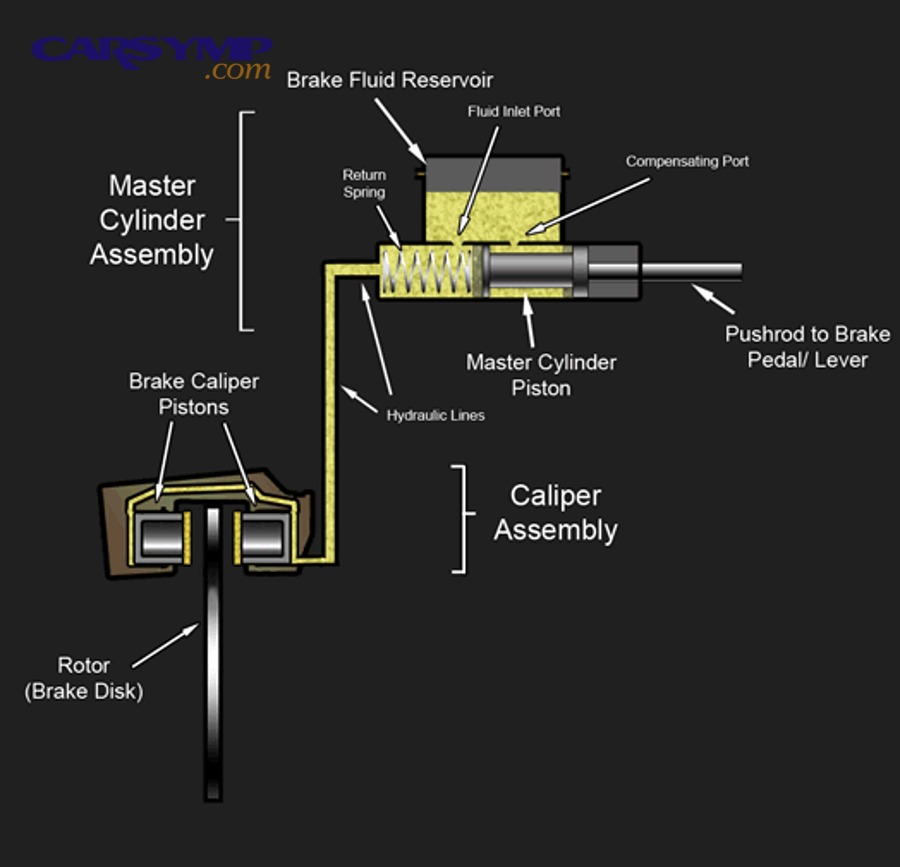
Is a “flush” the same as a “fluid exchange” for these services?
Most of the time, yes—flush and exchange are used as synonyms for “replace the majority of the fluid in the system,” but you should confirm how complete the replacement is before agreeing to the service.
Here’s the practical interpretation you can use at the counter:
- Fluid exchange (common wording): Old fluid is pushed out and replaced with new fluid until the outgoing fluid looks clean and the system is full of fresh fluid. This may be done with a pressure/vacuum tool or a machine, depending on the system.
- Flush (common wording): Often implies the same thing as an exchange—especially for brake fluid and power steering fluid—meaning the shop cycles new fluid through until old fluid is expelled.
- Drain-and-fill / partial change (different service): Only removes what can drain from a reservoir or accessible drain point; some old fluid remains in lines, passages, or components.
Why the wording matters: a partial change can be useful for some maintenance philosophies, but it is not the same “coverage” as a true exchange. That difference becomes important when you’re trying to remove moisture-laden brake fluid, contaminated coolant, or aerated power steering fluid.
A quick way to verify intent is to ask: “Are you replacing most of the fluid throughout the system, or just draining the reservoir and topping off?” If the answer is the latter, you’re not getting a full exchange.
What does a shop usually include in a brake/coolant/power steering service?
A proper fluid service is more than “pour new fluid in.” A credible shop typically includes:
1) Inspection and condition check
- Fluid level and color
- Leaks at hoses, fittings, reservoirs, and seals
- Related component condition (brake hoses, radiator cap, coolant tank, power steering lines)
2) Removal and replacement process
- Brake fluid: exchange/flush through bleeders to replace old fluid in lines/calipers; may include bleeding to remove air if present
- Coolant: drain/refill or flush (depending on condition), then purge air pockets and verify proper level
- Power steering: siphon/drain and cycle fresh fluid through the return line method or with equipment until fluid runs clean
3) Verification
- Brake pedal feel check and safe test drive
- Cooling system temperature stability and heater output check
- Steering feel/noise check
To make the differences clearer, the table below summarizes what each method typically achieves.
| Service method | What it replaces | What it’s best for | Common limitation |
|---|---|---|---|
| Full exchange/flush | Most fluid throughout the system | Removing degraded fluid and contaminants broadly | Requires correct procedure and correct fluid spec |
| Partial drain-and-fill | Some fluid (often what drains from a point) | Gentle maintenance approach, sometimes repeated over time | Leaves older fluid in lines/components |
| Top-off only | Adds fluid | Correcting low level after diagnosing leak | Does not restore fluid condition or remove contaminants |
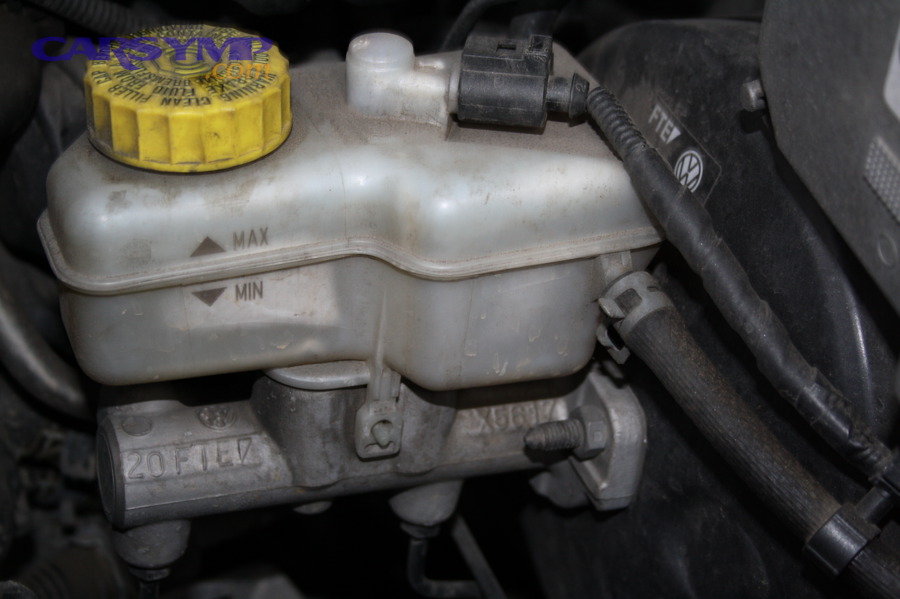
Do you need these fluid services right now?
Yes—many drivers need brake, coolant, or power steering fluid service now if (1) symptoms are present, (2) time/mileage history is unknown or overdue, and (3) driving conditions increase heat and wear, because these fluids protect safety-critical and high-stress systems.
Next, let’s turn that general “yes” into a decision you can make in minutes by system—starting with brakes, because safety is non-negotiable.
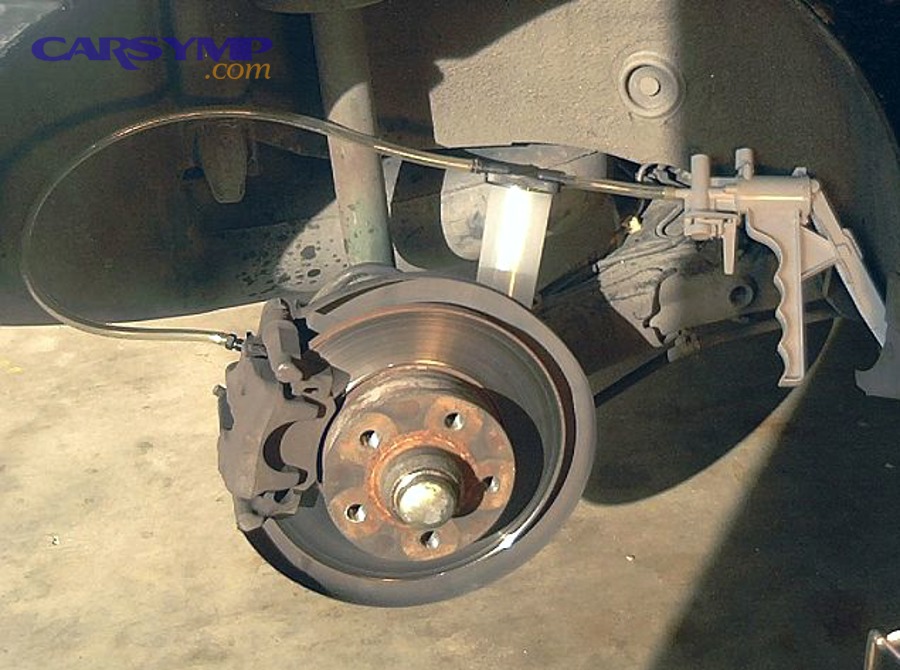
Are there warning signs that brake fluid needs service?
There are 6 common signs brake fluid needs service: soft pedal, longer stopping distance, fade under repeated braking, dark fluid, moisture-related boil risk, and recent brake work that introduced air or contamination.
Specifically, brake fluid problems show up in ways that affect pedal feel and stopping confidence:
- Soft or spongy pedal: The pedal travels farther or feels “springy.” Air in the system is a separate issue from fluid age, but old fluid increases risk of problems under heat.
- Brake fade under repeated braking: After several stops, braking feels weaker—especially downhill or in heavy traffic.
- Longer stopping distance or inconsistent bite: The car doesn’t slow as predictably.
- Very dark fluid in the reservoir: Color alone isn’t a lab test, but it’s a strong practical clue that fluid has been in service a long time.
- Heavy use driving: towing, mountains, or performance driving that generates more heat.
- Brake warning events or component replacement: after replacing calipers, hoses, master cylinder, or ABS components, you may need bleeding and fluid replacement to restore proper hydraulic performance.
Why this is urgent: brake fluid absorbs moisture over time, which reduces boiling resistance and can contribute to vapor lock under heat.
(Source: https://pdfs.semanticscholar.org/fd81/2f048e83a8f26cd50ec99b0f4efff0f121b1.pdf)
Are there warning signs that coolant needs service?
There are 7 common signs coolant needs service: overheating, temperature swings, weak cabin heat, rusty/sludgy coolant, repeated top-offs, sweet smell/leaks, and visible deposits in the tank or radiator neck.
For example, coolant that’s past its useful life can lose protective additives and allow corrosion or scale, which reduces heat transfer:
- Overheating or near-overheating: temperature gauge climbs higher than normal or spikes.
- Temperature instability: fluctuating temperatures can indicate trapped air, thermostat issues, or low/poor coolant.
- Weak heater output: especially at idle—could be low coolant, air pockets, or restricted heater core flow.
- Rusty/brown or cloudy coolant: suggests contamination or corrosion.
- Frequent top-offs: coolant should not “disappear”; a slow leak or head gasket issue must be ruled out.
- Sweet smell or visible leaks: around hoses, radiator, water pump, or coolant tank.
- Residue/sludge: inside reservoir or around cap area (a sign something is off in the cooling system chemistry or condition).
Are there warning signs that power steering fluid needs service?
There are 6 common signs power steering fluid needs service: whining noises, stiff steering at low speed, foamy fluid, dark/burnt-smelling fluid, leaks, and intermittent assist.
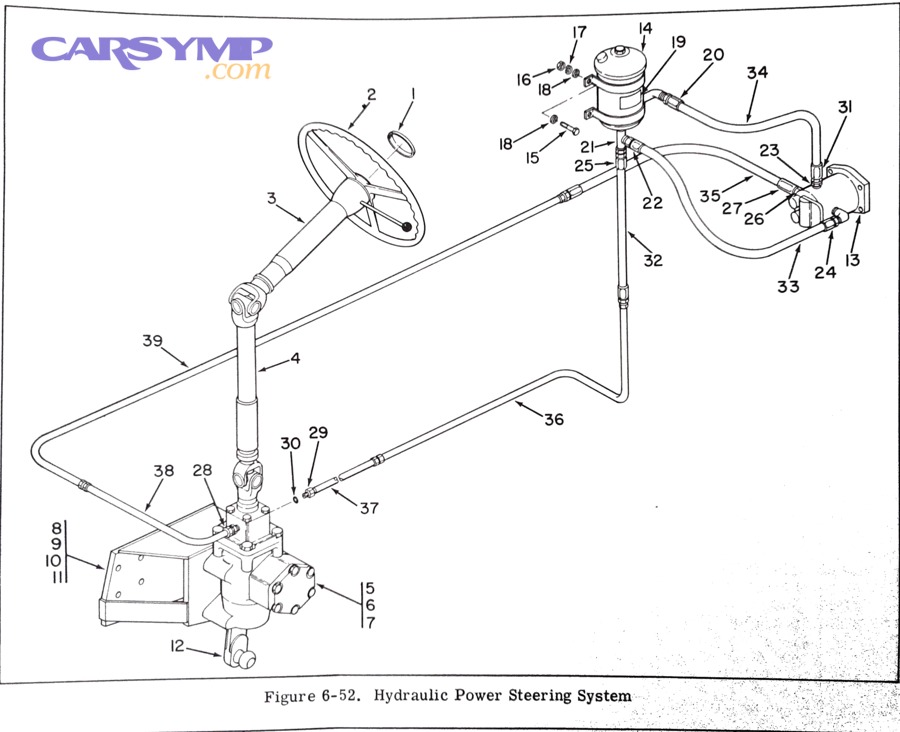
More specifically, hydraulic power steering relies on clean, stable fluid to prevent pump noise and wear:
- Whining or groaning when turning: often louder at low speed or full lock.
- Stiff steering: especially when parking.
- Foamy or bubbly fluid: aeration can reduce assist and accelerate wear.
- Dark, burnt smell: indicates fluid breakdown from heat.
- Leaks: pump, hoses, reservoir, or steering rack seals.
- Intermittent assist: can be low fluid, air in the system, or a failing component.
Important nuance: some vehicles use electric power steering (EPS) and have no power steering fluid at all. We’ll cover how to confirm that later.
When should you service brake, coolant, and power steering fluid?
Service timing for brake, coolant, and power steering fluid is a maintenance interval decision—shaped by the vehicle’s manual, fluid chemistry, and operating stress—whose standout feature is that “time in service” can matter as much as mileage.
Then, instead of relying on one-size-fits-all numbers, use a simple hierarchy: owner’s manual → driving conditions → fluid condition and history.
Should you follow the owner’s manual interval or a “universal” schedule?
The owner’s manual interval wins for accuracy, a universal schedule is a fallback when history is missing, and condition-based checks are best when you drive in extreme heat/load.
Here’s the decision logic that works in real life:
- If you have the manual and records: follow the manufacturer’s service interval and required fluid spec first. Automakers design these intervals around materials, seals, and expected heat cycles.
- If you bought the car used or have no records: assume you’re starting from zero and prioritize:
- Brake fluid earlier (safety-critical and moisture-sensitive)
- Coolant based on condition and type (mixing and contamination risks)
- Power steering when symptoms appear or fluid condition is obviously degraded
- If you have severe driving conditions: shorten intervals or use condition checks because heat and duty cycle accelerate fluid stress.
The key point: a “universal schedule” isn’t evil—it’s just less precise than the manual and less intelligent than condition checks.
Do your driving conditions change the interval (towing, mountains, city traffic)?
Yes—driving conditions change the interval because heat, load, and repeated cycling accelerate fluid breakdown, moisture accumulation, and additive depletion.
Moreover, your “interval” should be shorter when:
- You tow or haul frequently: more heat, more braking load, more thermal stress on coolant.
- You drive mountains or long descents: repeated braking heats the brake system.
- You do heavy stop-and-go: constant brake application and heat cycling.
- You live in extreme climates: very hot regions stress cooling; very cold regions test freeze protection and coolant concentration.
- You track or performance drive: high brake temperatures demand higher boiling resistance and fresher fluid.
A practical guideline: if you routinely do high-load driving, you should treat fluid replacement as preventive protection, not as a reaction to failure symptoms.
Which fluid types/specs matter for each service?
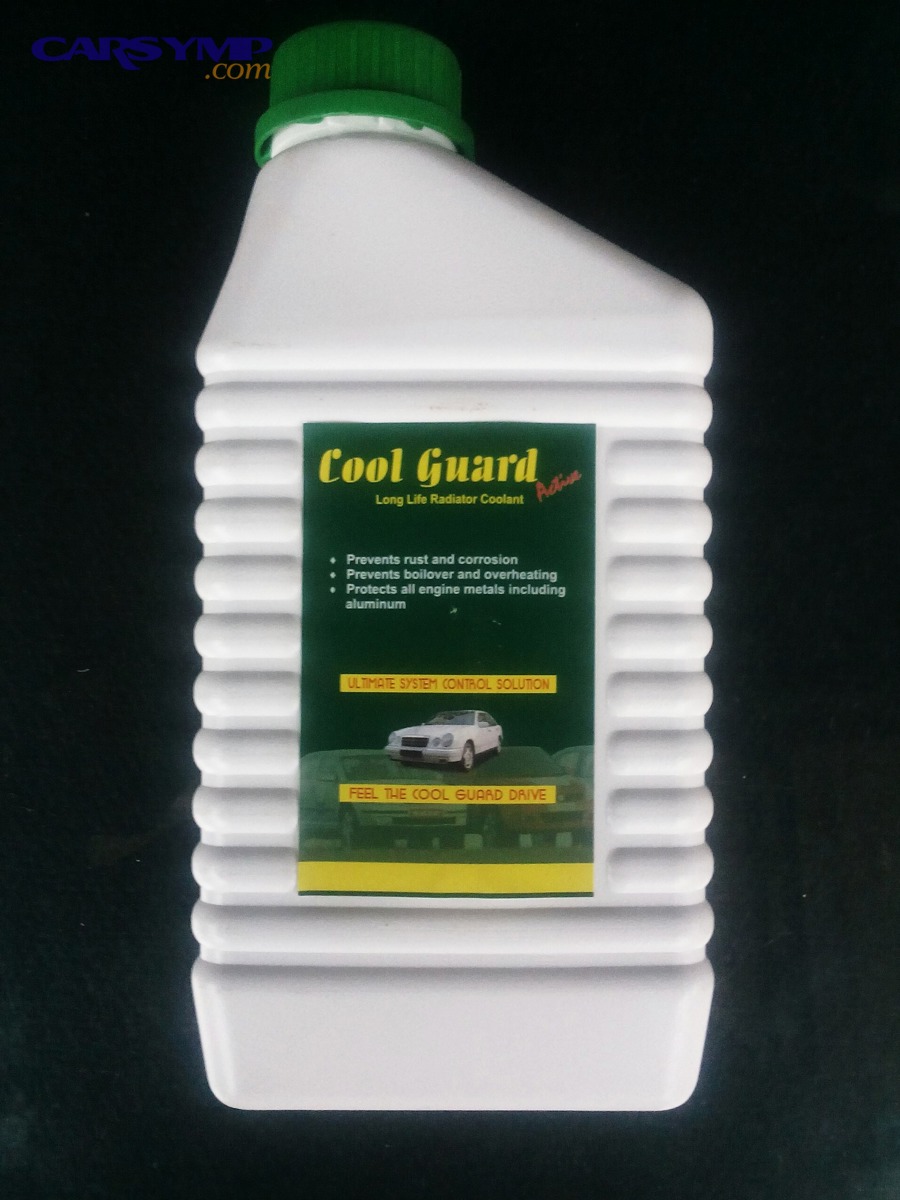
Brake, coolant, and power steering fluid specs are manufacturer-defined compatibility rules—born from chemical and materials engineering—with standout features that wrong fluid choice can cause swelling seals, corrosion, poor boiling resistance, or sludge formation.
Next, we’ll translate “use the right fluid” into clear categories you can recognize on bottles and service invoices—without turning this into a chemistry lecture.
Are DOT 3, DOT 4, and DOT 5.1 interchangeable brake fluids?
DOT 3 wins for everyday compatibility and availability, DOT 4 is best for higher heat resistance, and DOT 5.1 is optimal for high-performance boiling resistance—while DOT 5 (silicone) is a different category and is not interchangeable with the others.
To illustrate what matters, focus on two compatibility realities:
1) Glycol-based family (DOT 3 / DOT 4 / DOT 5.1):
- Generally compatible with typical modern brake systems (check manual).
- Hygroscopic: absorbs moisture over time, which lowers boiling resistance.
(Source: https://pdfs.semanticscholar.org/fd81/2f048e83a8f26cd50ec99b0f4efff0f121b1.pdf)
2) Silicone-based (DOT 5):
- Not the same chemistry; not used in most modern daily drivers.
- Mixing with glycol-based fluids is a recipe for problems.
What to do as a car owner: don’t choose DOT grade based on internet arguments—choose it based on the cap/owner’s manual. If you want a performance upgrade (e.g., DOT 4), confirm compatibility and plan on a full exchange rather than topping off.
Can you mix coolant types (OAT/HOAT/IAT) or “universal” coolant?
No—mixing coolant types is generally a bad idea because different additive packages can react, reduce protection, and create deposits; the safest rule is to match the manufacturer-specified coolant or do a proper system exchange when switching types.
More specifically, coolant isn’t “just antifreeze.” It’s a package of:
- Base fluid (often ethylene glycol or similar)
- Water mixture ratio
- Corrosion inhibitors and additives designed for specific metals and seals
When those inhibitor systems clash—or when inhibitors are depleted—corrosion protection can fall and deposits can form. Cooling system corrosion inhibition is strongly affected by chemistry and pH, which is why the correct inhibitor system matters.
(Source: https://research.manchester.ac.uk/en/studentTheses/inhibition-of-mild-steel-corrosion-in-cooling-systems-by-low-and-/)
Practical takeaway: If you don’t know what’s inside your cooling system, don’t “mix and hope.” Identify coolant type from records/manual, or plan on a drain/flush/exchange to reset to the correct chemistry.
Is power steering fluid the same as ATF?
Power steering fluid wins when the system is designed for it, ATF is best when the manufacturer explicitly specifies it, and “universal” is only optimal when it clearly meets the required spec and compatibility notes.
The confusion happens because some hydraulic steering systems were designed around ATF properties, while others require dedicated power steering fluid. Using the wrong type can contribute to:
- Seal swelling or shrinkage
- Pump noise
- Poor cold-weather steering feel
- Accelerated wear
What to do: don’t guess—check the cap label, owner’s manual, or a credible service spec sheet. If a shop can’t tell you what spec they’re installing, treat that as a red flag.
What happens if you skip or delay these services?
Skipping brake, coolant, and power steering fluid service causes progressive performance loss—originating from moisture absorption, additive depletion, and contamination—with standout risks that braking can fade under heat, engines can overheat, and steering components can wear faster.
In addition, these failures tend to become expensive because the fluid is supposed to prevent damage to parts that cost far more than the service itself.
Can old brake fluid reduce braking performance in emergencies?
Yes—old brake fluid can reduce emergency braking performance because it absorbs moisture, lowers boiling resistance, and increases the chance of vapor formation under high temperatures, which can reduce braking force when you need it most.
(Source: https://pdfs.semanticscholar.org/fd81/2f048e83a8f26cd50ec99b0f4efff0f121b1.pdf)
Here’s the mechanism in plain language:
- Braking generates heat.
- Moisture in brake fluid lowers the temperature at which the fluid can boil.
- If vapor forms, the pedal can feel soft and braking effectiveness can drop.
Evidence (service-relevant, not theoretical): laboratory findings have shown that even small water content can significantly lower vapor lock thresholds, which is why moisture control is central to brake fluid maintenance.
(Source: https://trid.trb.org/View/198970)
According to a study by National Changhua University of Education from the Graduate Institute of Vehicle Engineering, in 2020, higher brake-fluid moisture content lowers boiling point and can generate vapor lock that leads to decreased or even failed brake capacity.
(Source: https://pdfs.semanticscholar.org/fd81/2f048e83a8f26cd50ec99b0f4efff0f121b1.pdf)
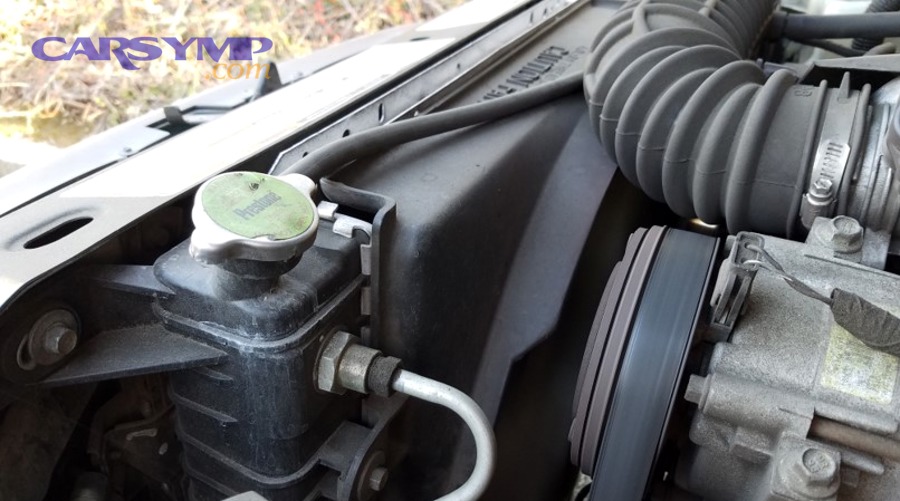
Can old coolant cause overheating and long-term engine damage?
Yes—old coolant can cause overheating and long-term engine damage because depleted inhibitors allow corrosion and deposits, which reduce heat transfer and can create hot spots, leaks, and cooling passage restrictions.
Practically, here’s what “long-term damage” can look like:
- Radiator efficiency drops as deposits accumulate
- Heater core flow becomes restricted (weak cabin heat)
- Water pump seals and bearings wear faster if contamination is present
- Corrosion weakens metal components and can create leaks
Coolant’s protective role depends on chemical conditions (including pH and inhibitor performance), and protection can fall sharply outside ideal ranges.
(Source: https://research.manchester.ac.uk/en/studentTheses/inhibition-of-mild-steel-corrosion-in-cooling-systems-by-low-and-/)
According to a study by The University of Manchester from the Department of Materials, in 2017, corrosion inhibitor performance in cooling systems was strongly dependent on chemistry and pH, with inhibition efficiency reported as high as 97% in certain conditions and dropping substantially when pH decreased.
(Source: https://research.manchester.ac.uk/en/studentTheses/inhibition-of-mild-steel-corrosion-in-cooling-systems-by-low-and-/)
Can dirty power steering fluid damage the pump or rack?
Yes—dirty power steering fluid can damage the pump or rack because contamination and aeration reduce lubrication and pressure stability, which increases noise, heat, and wear at seals and moving surfaces.
In short, degraded steering fluid tends to create a loop:
- Heat breaks down fluid
- Fluid aerates or loses lubricity
- Pump works harder and gets noisier
- Wear increases and leaks become more likely
- Low fluid worsens aeration and noise
If you catch it early with a fluid exchange, you may reduce noise and slow wear—especially when the root cause is old fluid rather than a failing pump.
How can you verify the service was done correctly?
Yes—you can verify brake, coolant, and power steering fluid service was done correctly by (1) checking objective proof points (spec, condition, level), (2) confirming performance changes (pedal/temperature/steering), and (3) watching for post-service red flags (air, leaks, contamination).
More importantly, verification protects you from paying for a “fluid swap” that didn’t actually replace most of the old fluid or used the wrong specification.
Should the fluid look/feel different after service ?
Yes—after a proper service, the fluid condition and system behavior should change quickly: brake pedal feel should be consistent, engine temperature should stabilize normally, and steering noise or stiffness should improve if old fluid was the culprit.
Let’s break this into practical checks you can do without tools.
Brake fluid service verification
- Invoice check: lists a DOT spec (DOT 3/4/5.1) that matches your vehicle requirement.
- Reservoir check: fluid often looks lighter/cleaner (not a lab test, but a clue).
- Pedal feel check: firm and consistent after a short drive.
- Red flags: spongy pedal after service can mean air in the lines or incomplete bleeding—don’t ignore it.
Here’s a helpful visual explainer on brake bleeding order and why modern systems can be more complex than “furthest wheel first”:
Coolant service verification
- Correct level: check when cold, at the reservoir marks.
- Stable operating temperature: no creeping higher than normal, no sudden swings.
- Cabin heat: consistent heat output after warm-up (air pockets can reduce heater performance).
- Red flags: gurgling sounds, overheating after service, or rapidly changing levels can indicate trapped air or an unresolved leak.
Power steering service verification
- Noise check: whining/groaning should reduce if old fluid was a major contributor.
- Fluid appearance: cleaner fluid in the reservoir.
- Red flags: persistent noise may mean air still in the system, fluid type mismatch, or mechanical wear already present.
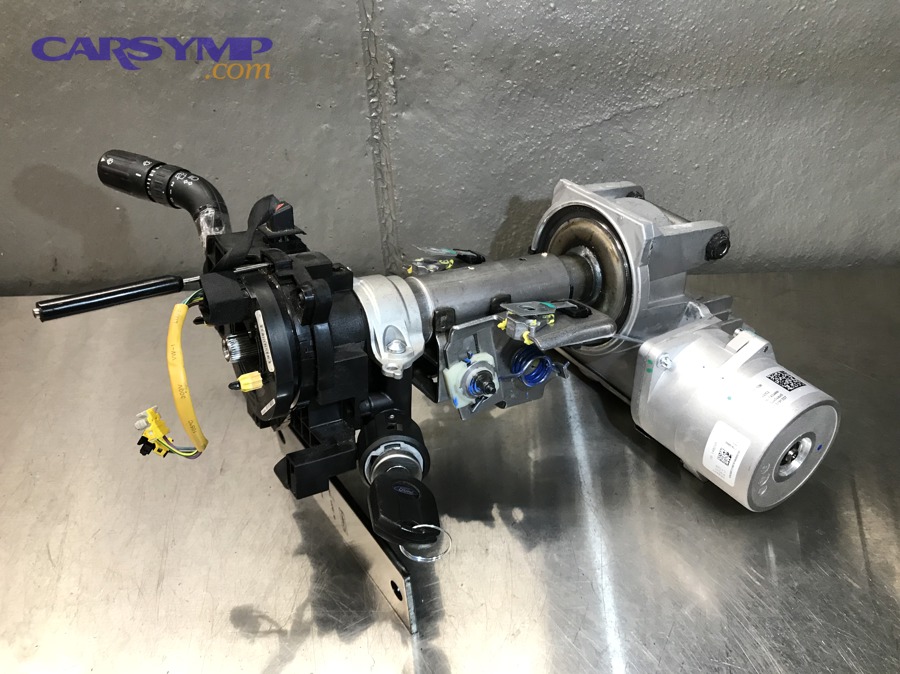
One more “owner-level” check: confirm whether you even have hydraulic steering fluid. If your car uses EPS, there will be no pump reservoir for power steering fluid—this prevents unnecessary service purchases.
(Source: https://www.caranddriver.com/features/a15122019/electric-vs-hydraulic-power-steering/)
Contextual Border: From here, the article shifts from the core service overview and “when you need it” decision-making into micro-level diagnostics and edge cases that help you decide whether to service now or monitor.
How can you test fluid condition to decide between service now vs later?
You can test fluid condition using a simple 4-factor method—visual inspection, basic measurement tools, spec confirmation, and symptom correlation—to decide whether you should schedule fluid service now or safely monitor, reducing unnecessary work while protecting the system.
Below, we’ll focus on the tests that add real decision value (not just “it looks dark”), and we’ll connect each test to a clear action: monitor, exchange, or diagnose a mechanical problem.
Can brake fluid moisture % or copper testing predict when service is needed?
Yes—brake fluid moisture and contamination testing can predict when service is needed because rising moisture reduces boiling resistance and contamination signals aging fluid, which increases risk under heat and heavy braking.
(Source: https://pdfs.semanticscholar.org/fd81/2f048e83a8f26cd50ec99b0f4efff0f121b1.pdf)
Here’s how to use testing without overcomplicating it:
- Moisture testing (common field test): some shops and DIY tools estimate moisture content. The higher the moisture, the more urgent a fluid exchange becomes—especially if you drive mountains or tow.
- Why moisture matters: moisture lowers boiling point and increases vapor lock risk during heavy braking.
- Action rule: if moisture is high or the car is used in high-heat conditions, prefer a full exchange over a partial top-off.
According to a study by National Changhua University of Education from the Graduate Institute of Vehicle Engineering, in 2020, brake fluid with higher moisture content showed reduced boiling point and increased risk of vapor lock, supporting moisture-based warnings for maintenance decisions.
(Source: https://pdfs.semanticscholar.org/fd81/2f048e83a8f26cd50ec99b0f4efff0f121b1.pdf)
Can coolant pH/freeze-point testing reveal hidden cooling system problems?
Yes—coolant pH and freeze-point testing can reveal hidden problems because low protection levels, off-range chemistry, or depleted inhibitors can point to corrosion risk or poor temperature protection even before overheating appears.
Use the tests this way:
- Freeze-point/mixture test: tells you if the coolant mixture ratio is protecting against freezing and boiling as expected.
- pH/chemistry check: helps indicate whether the inhibitor package is still protecting metals and seals; poor chemistry can accelerate corrosion and deposits.
- Action rule: if chemistry is off or contamination is present, a flush/exchange is often smarter than repeated top-offs—while leaks should be diagnosed, not masked.
Why pH and chemistry matter: inhibitor effectiveness in cooling systems can be highly dependent on chemical conditions, with sharp drops in protection outside ideal ranges.
(Source: https://research.manchester.ac.uk/en/studentTheses/inhibition-of-mild-steel-corrosion-in-cooling-systems-by-low-and-/)
Does your car even have power steering fluid (EPS vs hydraulic)?
No—if your car uses electric power steering (EPS), it does not have power steering fluid; hydraulic systems do, and the difference changes what “power steering service” even means.
(Source: https://www.caranddriver.com/features/a15122019/electric-vs-hydraulic-power-steering/)
How to confirm in under a minute:
- Look for a power steering reservoir: a small tank labeled “Power Steering” or a cap specifying fluid type.
- Check the owner’s manual: it will list power steering fluid only if the system uses it.
- Watch for a belt-driven pump: many hydraulic systems have a visible pump with hoses; EPS often does not.
Why this matters: EPS reduces maintenance items and avoids fluid-related steering services, so you should never pay for a power steering fluid exchange on an EPS-only vehicle.
(Source: https://www.caranddriver.com/features/a15122019/electric-vs-hydraulic-power-steering/)
What are the most common “wrong fluid” mistakes—and how do you avoid them?
There are 4 common wrong-fluid mistakes—mixing coolant types, using the wrong DOT brake fluid category, assuming power steering fluid equals ATF, and accepting vague “universal” fluids—based on the criterion of spec mismatch vs system design.
To avoid them, use this checklist:
- Match the spec, not the color
- Coolant colors vary by brand and aren’t a reliable identification system.
- Brake fluid should match DOT family requirements (and avoid DOT 5 silicone unless explicitly specified).
- Never “mix and hope” in cooling systems
- If type is unknown, do a proper exchange/flush to reset to the correct chemistry rather than mixing.
- Treat steering fluid as manufacturer-specific
- Some systems use ATF; some require dedicated fluid; confirm before service.
- Require specificity on invoices
- The invoice should name the fluid type/spec (DOT grade for brakes; coolant type/spec; steering fluid spec).
(Semantic bridge for topical authority)
If you’re building a full maintenance plan, remember that these are only part of Essential car fluids and what they do—engine oil, brake fluid, coolant, transmission fluid, power steering fluid (if hydraulic), and more all serve different failure-prevention roles. And if your next question is about the gearbox, it helps to treat it separately: Transmission fluid service options explained typically involves different methods and risks than brake or coolant service because transmission systems have different friction materials and internal hydraulics.
Evidence (key sources used)
- Brake fluid moisture and vapor lock risk explained in a university engineering study. (Source: https://pdfs.semanticscholar.org/fd81/2f048e83a8f26cd50ec99b0f4efff0f121b1.pdf)
- Vapor lock point reduction with water content reported in transportation research database record. (Source: https://trid.trb.org/View/198970)
- Cooling system corrosion inhibitor performance and pH dependence reported in a University of Manchester Department of Materials PhD thesis. (Source: https://research.manchester.ac.uk/en/studentTheses/inhibition-of-mild-steel-corrosion-in-cooling-systems-by-low-and-/)
- Electric vs hydraulic steering context and EPS maintenance implications discussed in automotive analysis. (Source: https://www.caranddriver.com/features/a15122019/electric-vs-hydraulic-power-steering/)