


The right fuse for a circuit is the smallest fuse that will survive normal operation (including start-up surges) while still opening fast enough to protect the wiring and equipment when a fault happens—so you prevent melted insulation, damaged parts, and repeat failures.
Next, you’ll learn the core principle that separates safe fuse sizing from guesswork: you don’t “match the fuse to the device” by habit—you choose a fuse that protects the most vulnerable part of the circuit, which is often the wire, connector, or PCB trace.
Then, you’ll walk through a practical, repeatable method: what information to collect, how to calculate the current, how to account for continuous loads, temperature, and inrush, and how to confirm you picked the correct voltage rating.
Introduce a new idea: once you understand fuse type, placement, and form factor, you’ll also know what to do when fuses keep blowing—so you can stop wasting time on repeated fuse replacement and fix the real problem.
What does “the right fuse for a circuit” mean in practical terms?
The right fuse for a circuit is an overcurrent protection device sized to carry normal current reliably while opening the circuit during overloads or short circuits before the wiring or components overheat. ([eepower.com](https://eepower.com/technical-articles/utilizing-fuses-for-overcurrent-protection/))
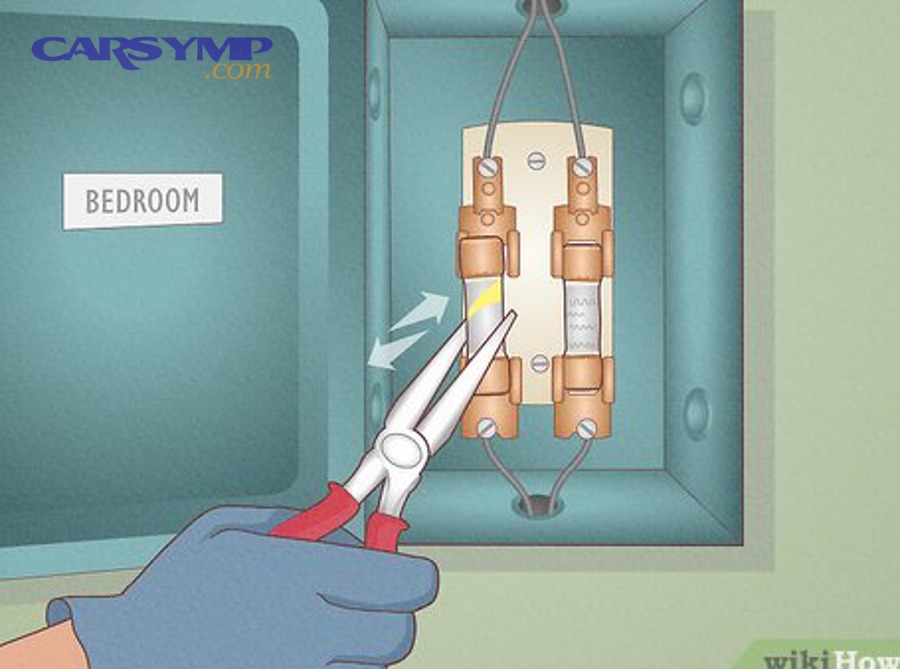
To better understand why that definition matters, it helps to separate what a fuse is designed to do from what people often assume it does.
A fuse is not a “performance part” and it is not a convenient on/off switch. It’s a sacrificial safety device: it melts to stop current when current becomes unsafe. That sounds simple, but “unsafe” depends on what you’re protecting (wire vs. device), how long the overload lasts, and what abnormal currents look like in your circuit (inrush, motor start, capacitor charging, fault current).
In practical terms, “right fuse” means you can answer these four questions with confidence:
- What must be protected first? (wire insulation, connector pins, PCB traces, the load itself)
- What is normal current over time? (steady state, duty cycle, continuous operation)
- What are the abnormal currents? (inrush peaks, stall current, short-circuit current)
- What conditions change fuse behavior? (ambient temperature, enclosure heat, vibration, altitude, airflow)
When you can answer those, “right fuse” stops being a guess and becomes a controlled decision. That decision is what keeps your circuit from running hot during normal use, while still forcing the fuse to open before the wire becomes the heating element.
Do you size a fuse to protect the device or the wire?
Yes—you size a fuse to protect the weakest link in the circuit, and that’s often the wire (or connector/trace), because (1) wires can overheat silently, (2) devices can tolerate brief surges better than insulation can, and (3) wires are the part most likely to turn a fault into smoke or fire. ([littelfuse.com](https://www.littelfuse.com/assetdocs/fuseology-fuse-facts-and-fuse-selection-guide?assetguid=be92b28c-1f63-4f48-a505-55c582b7c1ae&))
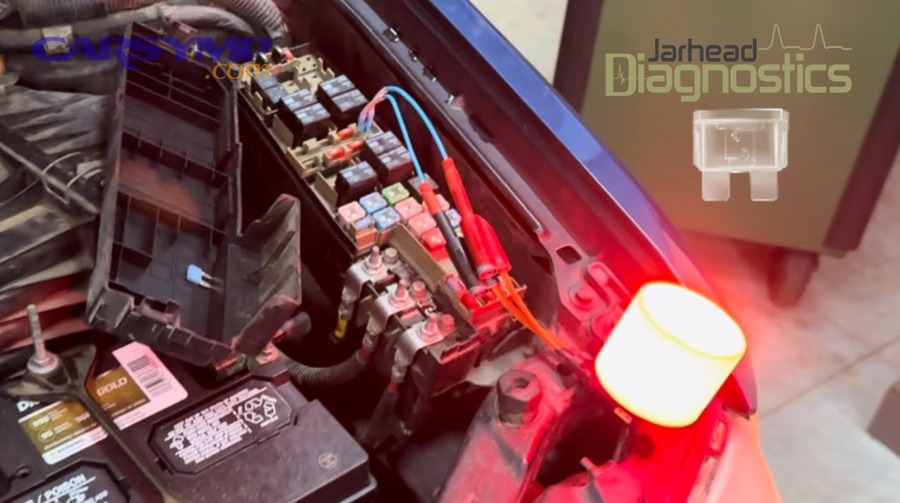
More importantly, once you treat the wire as the default “protected asset,” the rest of fuse selection becomes a series of checks rather than a debate.
Why “protect the wire” is usually the right starting point
- Wire damage is cumulative. Repeated overheating can embrittle insulation, loosen crimps, and increase resistance, which creates even more heat the next time the load runs.
- Wire ampacity depends on installation. A wire in free air behaves differently than the same gauge inside a hot bundle or tight conduit. If you size only to the device label, you can accidentally exceed what the wire can safely carry in your actual build.
- Fault current can be huge. During shorts, current is limited mainly by the source impedance and wiring. The fuse must open safely at the available fault current, not just at “normal load” current.
When “protect the device” becomes the lead rule
Sometimes the most vulnerable element isn’t the wire—it’s a component that fails dangerously if overheated (certain transformers, semiconductors, or specialty loads). In those cases, the manufacturer often specifies a fuse type and rating. If the datasheet says “T2A 250V” (time-delay, 2A, 250V), treat that as a design requirement, then verify the wiring and holder are also appropriate.
Practical takeaway: Start by protecting the wiring and interconnects, then check whether the device requires a specific fuse behavior (fast-acting vs. time-delay) to avoid nuisance blows during normal use.
What information do you need before choosing a fuse?
You need five inputs—normal operating current, circuit voltage (AC/DC), ambient temperature, expected overload/inrush profile, and maximum available fault current—because each one directly changes what “safe” looks like for a fuse in the real circuit. ([littelfuse.com](https://www.littelfuse.com/assetdocs/fuseology-fuse-facts-and-fuse-selection-guide?assetguid=be92b28c-1f63-4f48-a505-55c582b7c1ae&))

Then, once you collect these inputs, you can calculate a fuse rating that survives normal conditions but still opens predictably during faults.
What is the circuit’s normal operating current?
The circuit’s normal operating current is the steady-state current the load draws during typical operation (including duty cycle), and it’s the baseline that prevents you from selecting a fuse that runs hot and ages prematurely.
Specifically, you want the actual current, not a guess. Use one or more of these:
- Nameplate or datasheet current (best for appliances and known loads)
- Measured current using a clamp meter (AC) or in-line meter (DC)
- Calculated current from power: I = P / V (with corrections for efficiency and power factor where applicable)
If the load is intermittent (like a pump that cycles), estimate the worst-case continuous segment. Fuses respond to heat over time—so long runs matter more than brief bursts.
What are the wire gauge, insulation rating, and allowable ampacity?
The wire gauge and its insulation temperature rating determine how much current the wire can carry without exceeding safe temperature rise, which is why “the same fuse” can be safe in one build and unsafe in another.
More specifically, ampacity changes with:
- Conductor size (cross-sectional area)
- Insulation temperature rating
- Bundling and enclosure heat (wires in bundles run hotter)
- Connection quality (loose terminals create localized heating)
As a rule, never “upgrade the fuse” to stop nuisance blowing without verifying the wire and connectors can carry that higher current. That is how minor annoyances become melted harnesses.
What are the inrush, startup, or transient currents?
Inrush current is a short-duration surge above steady-state current during startup, and it matters because it can blow a correctly-sized fast fuse even when nothing is wrong.
For example, many loads can draw very high inrush—one reason inrush testing is commonly used specifically for fuse sizing. A study by Massachusetts Institute of Technology from the Department of Electrical Engineering and Computer Science, in 2022, reported that inrush currents in some cases may exceed ten times the steady-state peak level. ([emsg.mit.edu](https://emsg.mit.edu/wp-content/uploads/2022/05/Inrush_Current_Testing.pdf))
Common inrush sources include:
- Motors (startup and stall current)
- Incandescent lamps (cold filament draws a large surge)
- Capacitor-input power supplies (charging current at turn-on)
- Transformers (magnetizing inrush depending on switch-on angle)
If inrush exists, fuse type selection (fast-acting vs. time-delay) becomes as important as the amp rating.
How do you calculate the correct fuse amp rating?
To calculate the correct fuse amp rating, follow 5 steps—determine steady-state current, apply a continuous-load margin, account for temperature derating, check inrush versus fuse type, and confirm the fuse’s interrupting rating—so the fuse survives normal use but opens on faults. ([littelfuse.com](https://www.littelfuse.com/assetdocs/fuseology-fuse-facts-and-fuse-selection-guide?assetguid=be92b28c-1f63-4f48-a505-55c582b7c1ae&))
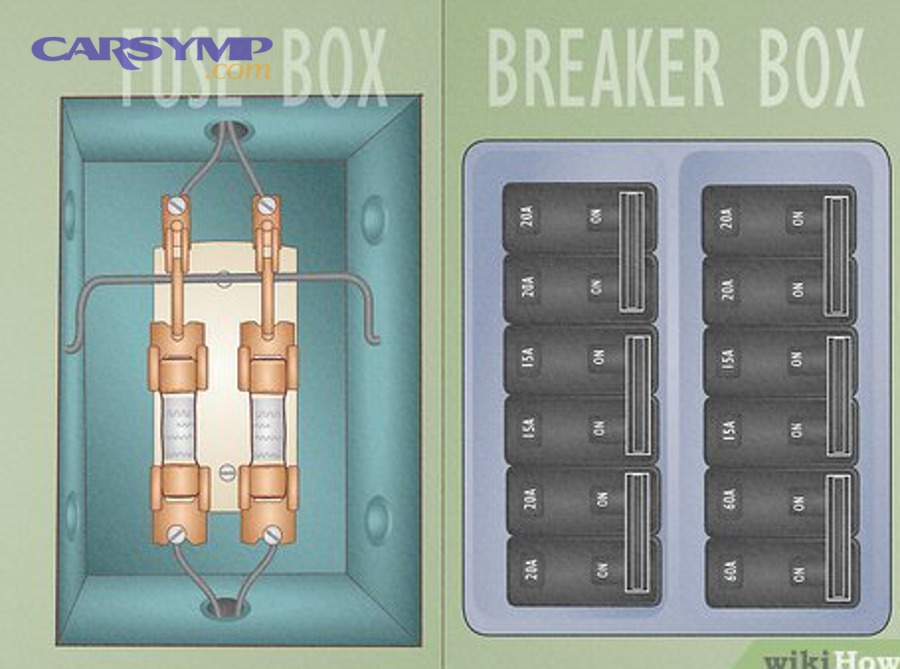
Next, you’ll see exactly how to do the math and the checks without turning fuse sizing into a guessing game.
How do you size a fuse for continuous loads vs. intermittent loads?
You size a fuse for continuous loads by adding headroom above steady-state current (often using a conservative margin) because a fuse is a thermal device and continuous current heats it for long periods.
Practically, do this:
- Continuous load (hours at a time): start with 1.25× the measured steady-state current as a conservative first-pass, then validate against the fuse datasheet’s temperature curves and your enclosure temperature.
- Intermittent load (short duty cycle): you can often select closer to steady-state current, but you must ensure the fuse survives repeated pulses without aging.
This “first-pass margin” is not a universal law—manufacturers provide selection guidance that requires you to verify real conditions (temperature, pulse shape, time-current curves). ([littelfuse.com](https://www.littelfuse.com/assetdocs/fuseology-fuse-facts-and-fuse-selection-guide?assetguid=be92b28c-1f63-4f48-a505-55c582b7c1ae&))
How do temperature and enclosure heat affect fuse derating?
Temperature and enclosure heat reduce how much current a fuse can carry without opening because higher ambient temperature starts the fuse closer to its melting threshold.
Specifically, two circuits with the same measured current can need different fuse ratings if one is inside a sealed box near a hot transformer and the other is in free air. That’s why fuse selection guides list ambient temperature as a core selection factor and recommend checking temperature-derating curves. ([littelfuse.com](https://www.littelfuse.com/assetdocs/fuseology-fuse-facts-and-fuse-selection-guide?assetguid=be92b28c-1f63-4f48-a505-55c582b7c1ae&))
Practical checklist:
- Estimate the real ambient at the fuse location (not just room temperature).
- If the fuse is near heat sources (regulators, resistors, motors), assume higher local temperature.
- Use the fuse datasheet to apply derating; don’t assume the label rating holds at 60–80°C ambient.
How do you validate your choice using time-current curves?
You validate your fuse choice using time-current curves by confirming the fuse will (1) not open during normal inrush/pulses and (2) will open quickly enough during overload or short-circuit currents for your protection goal.
To illustrate how this prevents bad selections, consider what inrush testing research shows: the shape, peak, and time constants of inrush events can differ based on source impedance and switching conditions, meaning “it works on the bench” can differ from “it works in the field.” A study by Massachusetts Institute of Technology from the Department of Electrical Engineering and Computer Science, in 2022, demonstrated that supply dynamics can distort the measured inrush waveform and that realistic testing includes line impedance effects. ([emsg.mit.edu](https://emsg.mit.edu/wp-content/uploads/2022/05/Inrush_Current_Testing.pdf))
Here’s a simple method you can apply without special software:
- Plot your key events: steady-state current, expected inrush peak and duration, expected overload current, and expected short-circuit current (even approximate).
- Compare to the fuse curve: the inrush event should sit in the “survivable” region; overload/short should land where the fuse opens fast enough.
- Decide if you need time-delay: if inrush sits above the fast fuse curve, you may need a time-delay fuse or a different circuit design (soft-start, NTC, inrush limiter).
Before the next section, here’s a quick reference table showing how the same method plays out across common load types. The table summarizes typical current behaviors, what often goes wrong, and the fuse strategy you’d check first.
| Load Type | Normal Current Behavior | Common “Wrong Fuse” Symptom | First Fuse Strategy to Check |
|---|---|---|---|
| Resistive heater | Stable, near-constant | Fuse runs hot or opens over time | Correct amp rating + temperature derating |
| Motor / pump | High startup and possible stall | Nuisance blowing at startup | Time-delay fuse + confirm wire protection |
| Capacitor-input power supply | Short, sharp inrush at turn-on | Blows instantly on power-up | Time-delay fuse or inrush limiting |
| LED driver (some designs) | Inrush depends on topology | Random blowing after many cycles | Pulse endurance + verify curve margin |
What voltage rating should the fuse have (and why can’t it be lower)?
The fuse’s voltage rating must be at least the circuit voltage (and can be higher) because voltage rating is about the fuse’s ability to safely interrupt current and suppress arcing; a lower voltage rating can allow sustained internal arcing instead of a clean open. ([eepower.com](https://eepower.com/technical-articles/what-are-overcurrent-protection-devices/))
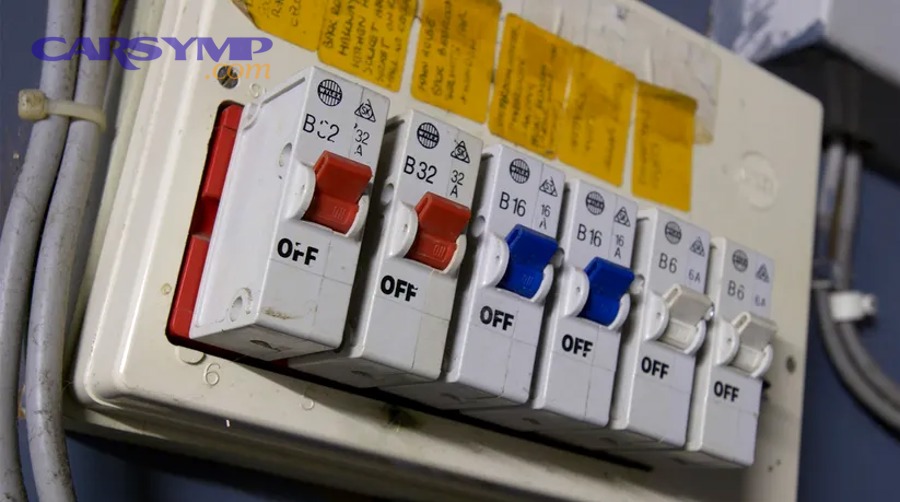
Then, once you pick the correct voltage rating, you avoid one of the most dangerous “looks fine until it fails” mistakes in circuit protection.
What voltage rating actually means
People often assume voltage rating is like “how much voltage the fuse can handle without breaking down.” In reality, the critical moment is when the fuse opens under fault current: the fuse element melts, an arc can form, and the fuse body must safely extinguish that arc. If the fuse is under-rated for voltage, the arc can persist, turning the “open circuit” into a dangerous, sustained fault.
AC vs. DC matters
- AC arcs are easier to extinguish because current crosses zero every cycle.
- DC arcs can be harder to extinguish because there’s no natural current zero, so the fuse must be designed for it.
Practical rule: If you’re on 120VAC, a 250VAC-rated fuse is fine. If you’re on a 48VDC battery system, make sure the fuse is explicitly rated for the DC voltage you have—and confirm its interrupting rating is sufficient for the battery’s fault current.
Should you use a fast-blow fuse or a slow-blow (time-delay) fuse?
A fast-blow fuse wins for sensitive electronics and quick fault clearing, a slow-blow (time-delay) fuse is best for motor or power-supply inrush, and the “right” choice depends on whether normal startup currents would cross the fast-blow opening curve. ([emsg.mit.edu](https://emsg.mit.edu/wp-content/uploads/2022/05/Inrush_Current_Testing.pdf))
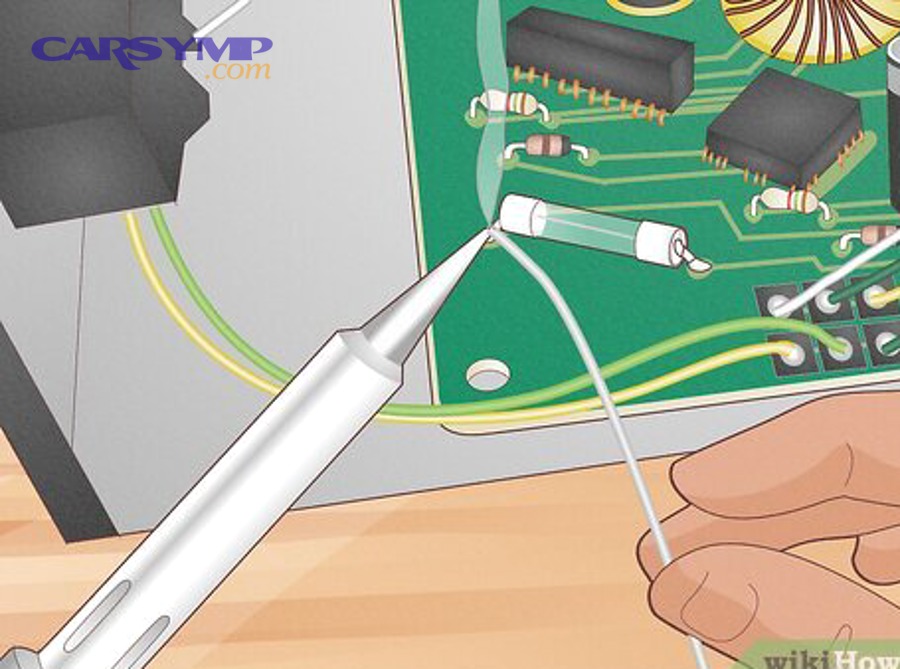
However, the more important point is that “fast vs. slow” is not about preference—it’s about matching fuse behavior to the circuit’s current profile.
What is the real difference between fast-acting and time-delay behavior?
The real difference is how long the fuse tolerates overcurrent before opening: fast-acting fuses open quickly with relatively small overloads, while time-delay fuses intentionally withstand brief surges to avoid nuisance blows.
In practice, time-delay behavior is how you keep a healthy motor circuit from blowing its fuse every time it starts, while still having protection if the motor stalls or a short occurs.
When do inrush currents make a slow-blow fuse necessary?
Inrush currents make a slow-blow fuse necessary when startup surges are normal and can exceed the fast-acting fuse’s curve even though the circuit is functioning correctly.
For example, research on inrush currents notes that some loads can exceed ten times the steady-state peak current, which is exactly the scenario where a fast fuse can open during normal operation. A study by Massachusetts Institute of Technology from the Department of Electrical Engineering and Computer Science, in 2022, reported that inrush currents may exceed 10× the steady-state peak in some cases. ([emsg.mit.edu](https://emsg.mit.edu/wp-content/uploads/2022/05/Inrush_Current_Testing.pdf))
How do you avoid nuisance blowing without oversizing the fuse?
You avoid nuisance blowing by switching fuse type (fast vs. time-delay), improving inrush control, or validating with time-current curves—rather than simply installing a higher-amp fuse that may stop protecting the wire.
Try these options in this order:
- Confirm the circuit is healthy (no partial shorts, no failing motor bearings, no pinched wire).
- Use a time-delay fuse if inrush is expected and documented.
- Add inrush limiting (NTC thermistor, soft-start circuit, pre-charge resistor) if the application is sensitive.
- Re-check wire protection before increasing amp rating.
If you’re repeatedly replacing fuses, treat it as a symptom, not a solution. The next section shows why placement matters just as much as rating.
Where should you place the fuse in the circuit?
You should place the fuse as close as practical to the power source and at the point where the conductor being protected receives power, because this minimizes the length of unprotected wire that could overheat in a short. ([eepower.com](https://eepower.com/technical-articles/what-are-overcurrent-protection-devices/))
Next, a simple placement rule will make your fuse actually protect the circuit you think it’s protecting.
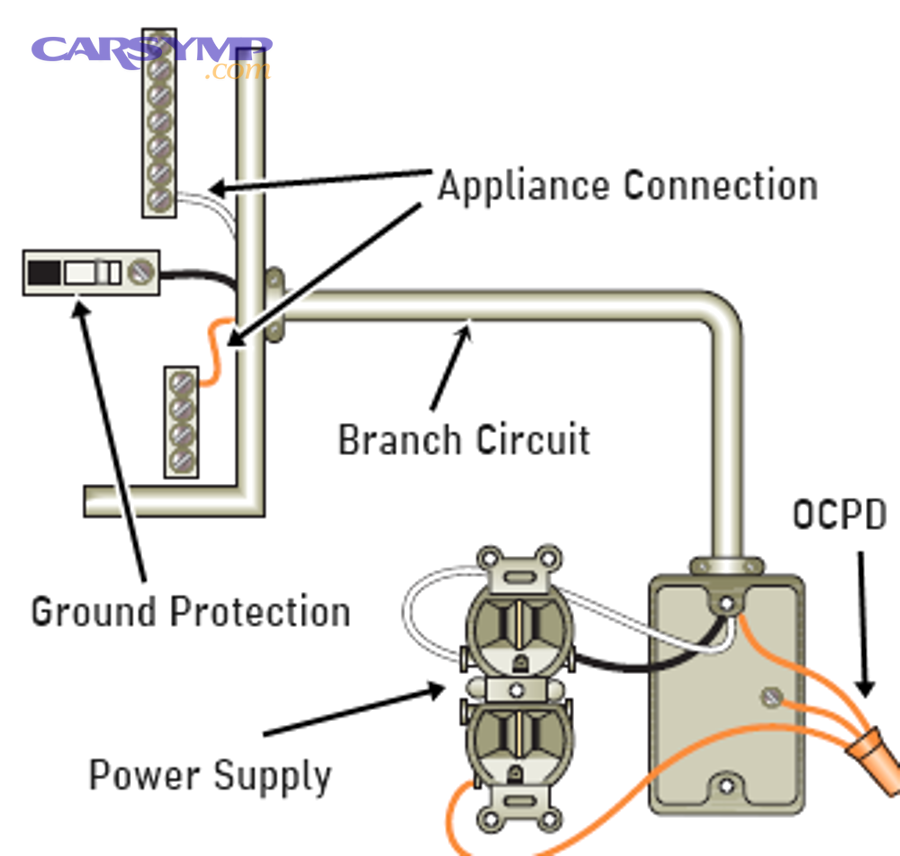
The “unprotected wire” problem
If you place the fuse far downstream, everything between the source and the fuse is effectively unfused. That segment can short to chassis, rub through insulation, or fail at a connector—and it can do so without the fuse opening fast enough to prevent damage, because the fault is upstream of the protection.
Placement patterns that usually work
- Battery-powered DC circuits: fuse within inches of the battery positive terminal (or as close as practical to the source output).
- Power supply feeding a load: fuse on the supply output before long harness runs.
- Branch circuits: fuse at the branch origin so the branch wiring is protected end-to-end.
Serviceability matters too
Put the fuse where you can safely access it. A fuse that requires disassembling a live enclosure invites unsafe behavior. If access is difficult, use a fuse holder designed for your environment and a clear labeling plan.
Finally, if you find yourself unsure whether your layout is safe, that’s often When to see a shop for electrical faults—especially if you’re dealing with repeated blowing, melted insulation, burning smells, or high-current battery systems where fault currents are enormous.
How do you pick the correct fuse form factor and holder (blade, cartridge, glass, etc.)?
Pick the correct fuse form factor and holder by matching (1) electrical ratings, (2) physical fit and mounting, and (3) environment (heat, moisture, vibration), because the best fuse rating is still unsafe if the holder overheats, corrodes, or loosens under load.
Besides rating and placement, the physical implementation decides whether your protection stays reliable over years of real-world use.
Which fuse form factors are common, and what are they best for?
There are 4 common fuse form factors—blade, cartridge, glass tube, and specialty/high-speed fuses—chosen based on current range, replacement convenience, and how much fault energy they can interrupt safely.
Quick guidance:
- Blade fuses (automotive style): common in vehicles and 12/24V systems; easy to replace; good for harness protection.
- Cartridge fuses: common in mains and industrial; often higher interrupting capacity; robust construction.
- Glass tube fuses: common in small electronics and appliances; convenient for lower currents; verify holder quality.
- Specialty fuses (e.g., semiconductor/high-speed): used where very fast clearing or specific I²t performance is required.
How do you choose the right fuse holder for safety and reliability?
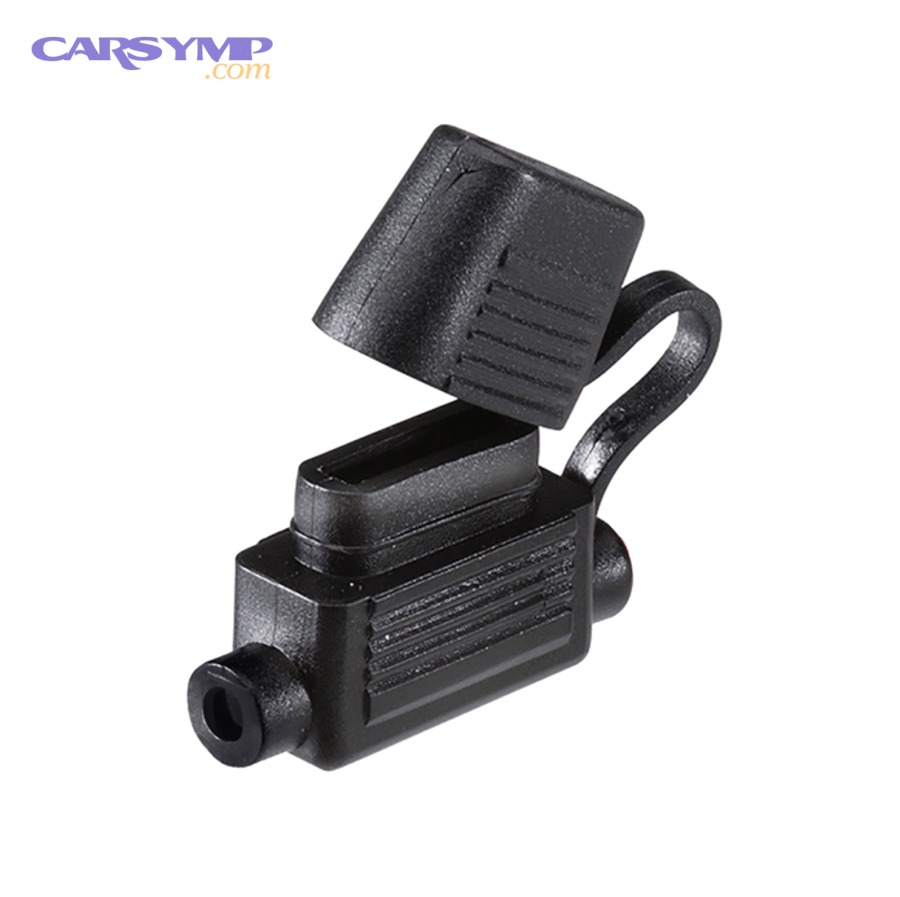
You choose the right fuse holder by ensuring it is rated for the circuit’s current and voltage, has secure contact pressure, matches the wire gauge, and is suitable for the environment (sealed if moisture/dust are present).
Common holder mistakes that cause heat and repeat failures:
- Loose contact tension (creates resistance and localized heating)
- Underrated holder (holder runs hot even if the fuse rating seems correct)
- Poor sealing in wet/dirty environments (corrosion increases resistance)
How do you confirm the fuse is actually the “right one” after installation?
You confirm the fuse is the right one by checking that it stays cool in normal operation, survives repeated startups, and opens predictably when faults occur—without needing repeated fuse replacement to “test” your design.
Practical verification steps:
- Temperature check: after 15–30 minutes at normal load, the holder and fuse should not be abnormally hot.
- Startup repeatability: cycle the load several times; nuisance blowing indicates inrush/curve mismatch or an underlying fault.
- Voltage drop check: excessive drop across the holder suggests contact resistance and future overheating.
If your fuse blows during normal operation, don’t immediately upsize. Use the next diagnostic section, because the fuse may be warning you about a real problem.
What advanced fuse specs matter for tricky circuits and recurring blows?
Advanced fuse specs that matter most are interrupting rating, I²t (let-through energy), coordination/selectivity, and diagnostic strategy for repeated openings—because these determine whether the fuse opens safely under high fault current and whether it protects only the intended branch. ([littelfuse.com](https://www.littelfuse.com/assetdocs/fuseology-fuse-facts-and-fuse-selection-guide?assetguid=be92b28c-1f63-4f48-a505-55c582b7c1ae&))
Especially in higher-power systems, these “micro details” are often what separates a safe protection design from a fuse that fails unpredictably.
What is interrupting rating, and why should you care?
Interrupting rating is the maximum fault current a fuse can safely break without rupturing, and you should care because batteries, transformers, and low-impedance supplies can deliver fault currents far above what small fuses can safely interrupt. ([eepower.com](https://eepower.com/technical-articles/what-are-overcurrent-protection-devices/))
If you ignore interrupting rating, a severe short can turn a fuse into a projectile or an arc source instead of a protective device. This is one reason fuse selection guides list fault current and interrupting capability as core selection factors. ([littelfuse.com](https://www.littelfuse.com/assetdocs/fuseology-fuse-facts-and-fuse-selection-guide?assetguid=be92b28c-1f63-4f48-a505-55c582b7c1ae&))
What is I²t (let-through energy), and how does it protect wiring and components?
I²t is a measure of energy let through during a fault (current squared over time), and it matters because lower let-through energy generally reduces heating stress on wires and sensitive components during short-circuit events.
In selective coordination and protection planning, I²t is used when time-current curves are insufficient—especially below very short clearing times—so upstream protection doesn’t open before downstream protection. A study project by Aalto University, from its electrical engineering academic work (documented in 2019), notes that for operating times lower than about 100 ms, time-current curves alone may not be enough and I²t values must be compared. ([aaltodoc.aalto.fi](https://aaltodoc.aalto.fi/bitstreams/7437e21a-ba87-4fd9-85b1-86f16a80ebbf/download))
How do you coordinate fuses so the downstream fuse blows first?
You coordinate fuses by ensuring the downstream fuse clears faults before the upstream fuse (selectivity), typically by using manufacturer coordination tables or verifying time-current and I²t relationships so only the affected branch is disconnected.
Practically:
- Start with a ratio check when using the same fuse series (many standards/guides use simple starting ratios before deeper study).
- Verify curves do not cross below the maximum fault current expected on that branch.
- Use I²t coordination when clearing times are very short (sub-100 ms situations). ([aaltodoc.aalto.fi](https://aaltodoc.aalto.fi/bitstreams/7437e21a-ba87-4fd9-85b1-86f16a80ebbf/download))
What are “Fuse keeps blowing diagnosis steps” you should follow before upsizing?
Fuse keeps blowing diagnosis steps are: (1) confirm the fuse type matches inrush behavior, (2) inspect for shorts/abrasion and overheated connectors, (3) measure actual operating and startup current, and (4) decide whether the problem is overload, inrush, or a true fault—before you ever install a larger fuse.
Use this structured approach:
- Identify when it blows: instantly at power-up (inrush or dead short) vs. after minutes (overload/heat) vs. randomly (intermittent short or vibration issue).
- Inspect wiring and connections: look for pinched insulation, rubbed-through harness points, discoloration at terminals, loose fuse holder contacts, or corrosion.
- Measure current: capture steady-state and startup current; compare to fuse curve expectations.
- Confirm correct fuse family: fast-acting vs. time-delay, and confirm voltage rating is not under-spec.
- Fix root cause, then replace: only perform fuse replacement after the fault is corrected, not as the diagnostic itself.
If any of the following are true—burning smell, melted plastic, repeated blowing after short operation, or uncertainty about fault current in high-energy systems—this is When to see a shop for electrical faults. A qualified technician can perform insulation tests, load analysis, and fault-current evaluation safely.