


If your car starts normally but stalls within a second or two, an immobilizer (anti-theft) block is one of the most common “it runs, then it dies” patterns—especially when the security light flashes or stays on and the engine never settles into an idle. The fastest way to solve this is to confirm the immobilizer is truly the cause, then fix the most likely trigger (key recognition, fob battery, antenna ring, or a sync issue) in a safe, repeatable order.
Next, you’ll learn quick DIY checks that take minutes—like using a spare key, replacing the key fob battery, watching the immobilizer light behavior, and understanding which “Immobilizer reset procedures by brand” are realistic at home versus those that require dealer-level security access. These steps prevent you from throwing parts at the problem and help you restore a reliable start.
Then, you’ll get a practical way to separate immobilizer problems from look-alikes such as low battery voltage, fuel delivery faults, or air/idle control issues, using an “Immobilizer vs battery/fuel issues checklist” you can apply in your driveway. This matters because the car can start then stall for many reasons, and the fix depends on matching the symptom pattern to the right system.
Introduce a new idea: once you confirm the immobilizer pattern and apply safe fixes, you can also handle stubborn edge cases like aftermarket alarms/remote starters, corrosion at control modules, and post-repair ECU pairing problems—without losing the logical flow that makes diagnosis accurate.
Is your car starting and then stalling because the immobilizer is blocking it?
Yes—your car can start and then stall because the immobilizer is blocking it, and the strongest clues are (1) a security/immobilizer light that flashes or stays on, (2) the engine dying within 1–2 seconds as if “permission to run” was removed, and (3) a spare key behaving differently than your main key.
Next, to avoid misdiagnosis, you should match these clues to the exact immobilizer shutdown pattern before you spend money.
A true immobilizer block usually feels different from a weak battery or fuel issue. The engine often cranks strongly, fires cleanly, and then quits abruptly. The idle never stabilizes, and pressing the accelerator rarely “saves” it. That abrupt stop is important because immobilizers typically deny continued engine operation after they decide the key is not authenticated.
To ground your decision, use these three fast reasons that point to immobilizer involvement:
- The timing is consistent: it fires, then dies quickly (often 1–2 seconds).
- The security indicator reacts: the immobilizer/key light flashes, stays on, or behaves abnormally during the stall event.
- Key-dependent behavior appears: a spare key works, works longer, or changes the symptom.
At the same time, you should be cautious if the car stalls after running normally for 30–60 seconds, or if it runs better when you feather the throttle. Those patterns more often suggest airflow/idle control, vacuum leaks, fuel pressure, or ignition faults rather than immobilizer intervention.
Does the immobilizer/security light flashing or staying on mean the key isn’t recognized?
Yes—an immobilizer/security light flashing or staying on often means the key isn’t being recognized, and the three most common reasons are (1) the key’s transponder is not being read, (2) the immobilizer antenna/receiver isn’t receiving the code reliably, and (3) the immobilizer module and ECU are not agreeing on authentication.
Then, you can use that light behavior as a practical “symptom translator” instead of guessing.
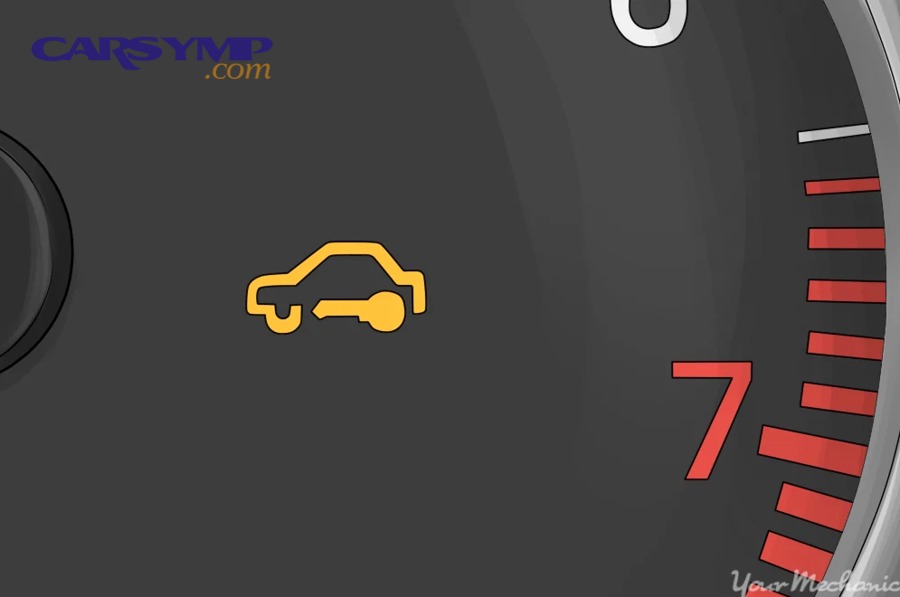
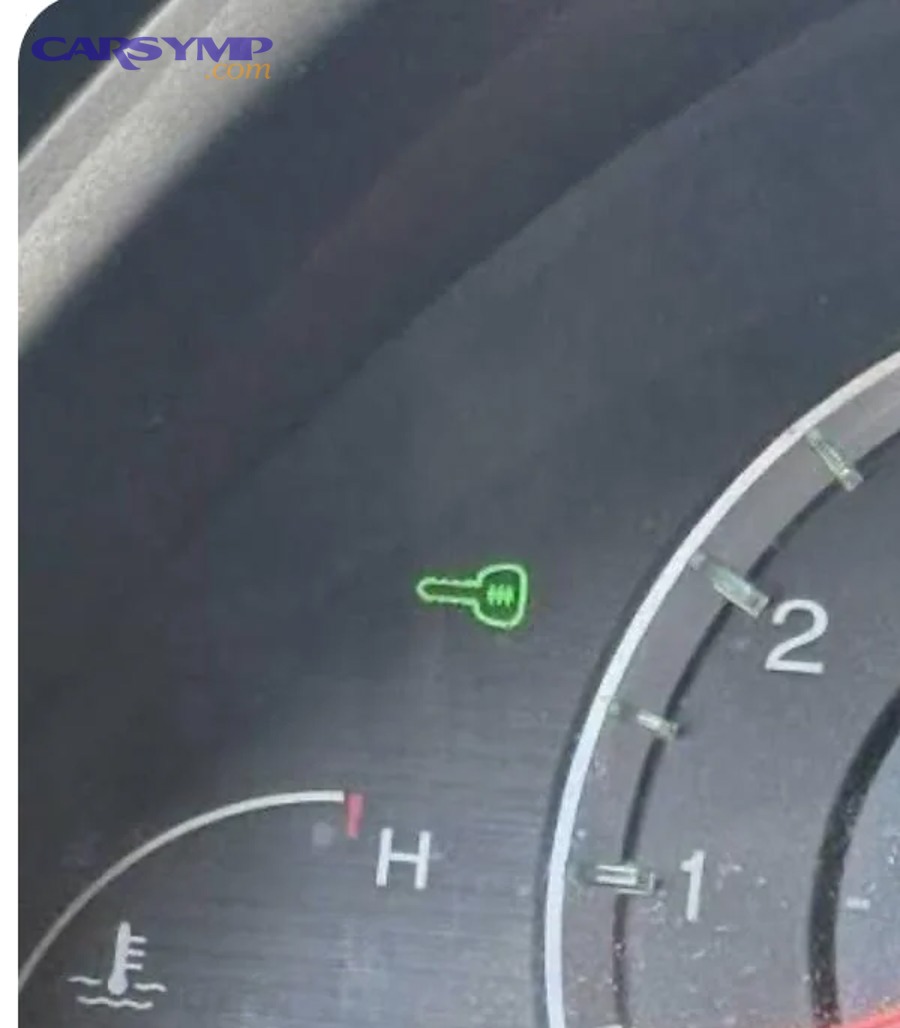
Immobilizer systems differ by brand, but the logic is similar: the car needs a valid key code handshake to keep running. When the handshake fails, many vehicles communicate that failure with an indicator (often a key icon, car-with-key icon, or “security” light). A flashing light can indicate an active block or an authentication failure in progress, while a solid light can indicate a stored fault or a system state that needs attention.
Use the light as a pattern, not as an absolute rule:
- Flashing during or immediately after start often aligns with “key not accepted.”
- Staying on solid while the engine dies often aligns with “authorization denied.”
- No light behavior change doesn’t fully clear immobilizer suspicion, because some cars are subtle, some have separate messages, and some lights are burnt out or not easily visible in bright daylight.
If you have the owner’s manual handy, it often defines normal vs abnormal security light behavior for that vehicle. When you don’t, the safer approach is to compare: “What does it do on a normal start?” versus “What does it do on the start-then-stall event?”
Can a weak car battery or weak key fob battery trigger immobilizer stalling?
Yes—a weak car battery or weak key fob battery can trigger immobilizer stalling, because (1) low voltage can interrupt module communication, (2) the key signal can become too weak to authenticate consistently, and (3) the system can misread a marginal signal as an invalid key.
However, you should test voltage and key signal strength early, because they are quick to fix and they prevent false conclusions.
A weak vehicle battery can cause problems that look like immobilizer faults because modern cars depend on stable voltage for the ECU, body control module (BCM), and immobilizer receiver to communicate. If the voltage dips hard during crank, modules can “brown out,” reboot, or lose the handshake moment. That can create an intermittent starts-then-stalls event that changes from one attempt to the next.
A weak key fob battery matters more for proximity keys and push-button start systems, because the car relies on a radio conversation with the fob. When the fob battery is marginal, the car may start once, then fail, or it may only authenticate when the fob is held in a specific spot (like near the start button or a backup reader location).
Practical checks that don’t waste time:
- If cranking speed is sluggish or lights dim heavily, charge or replace the car battery first.
- If the car has push-button start, replace the key fob battery, then try again.
- If you have a spare key, test it. A different result is valuable data.
What does an immobilizer do when it decides to shut the engine off after startup?
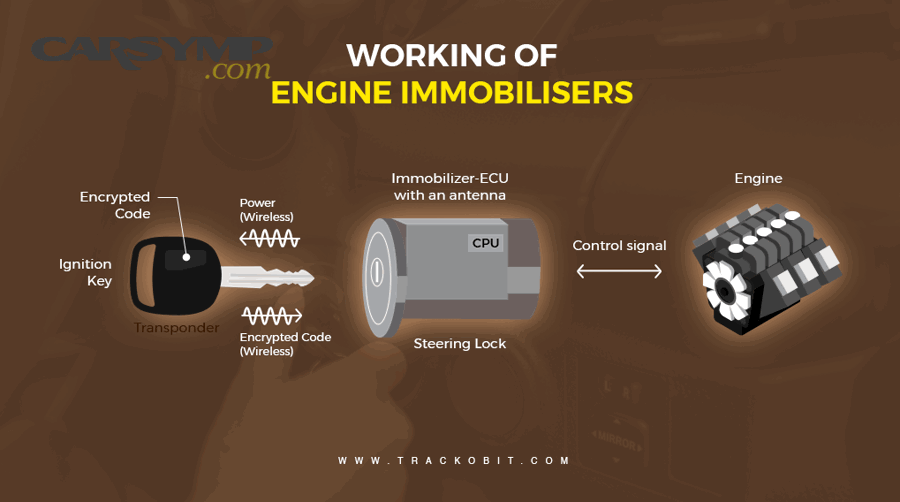
An immobilizer is an electronic anti-theft system that authenticates a coded key, then allows the engine to keep running by granting the ECU permission—if authentication fails, it may let the engine fire briefly and then cut authorization.
To better understand why the stall feels so abrupt, it helps to see the immobilizer as an “access control gate” rather than a simple alarm.
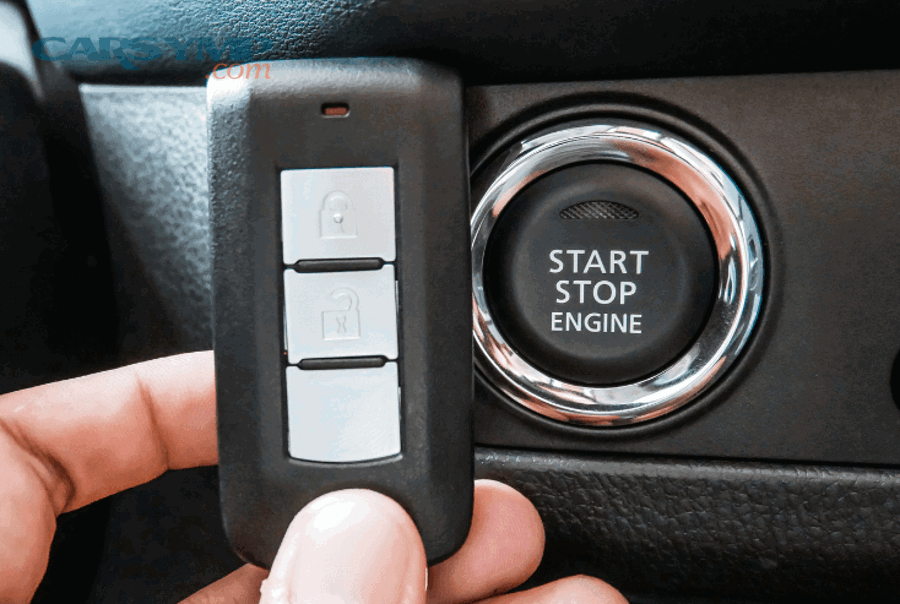
In most modern setups, the immobilizer conversation happens at or immediately after the start request:
- Key identity is read (transponder chip in the key or proximity fob).
- Immobilizer/BCM verifies the code against stored authorized keys.
- ECU is authorized (or not) to keep fueling/igniting the engine.
When authorization is denied, the vehicle may still crank and fire because the “start” event can occur before the system decides it’s safe to continue. That is why the symptom is often: start → immediate stall → repeated stall. The system is doing its job from an anti-theft perspective, but it is confusing from the driver’s perspective.
What are the main immobilizer parts involved: transponder, antenna ring, BCM/immobilizer module, and ECU?
There are 4 main parts involved in most immobilizer systems: the transponder (in the key), the antenna ring/receiver (reads the key), the BCM/immobilizer module (verifies authorization), and the ECU (enforces engine permission), based on where the authentication and enforcement happen.
Specifically, understanding which part does what makes immobilizer problems easier to isolate.

Here’s how each piece contributes:
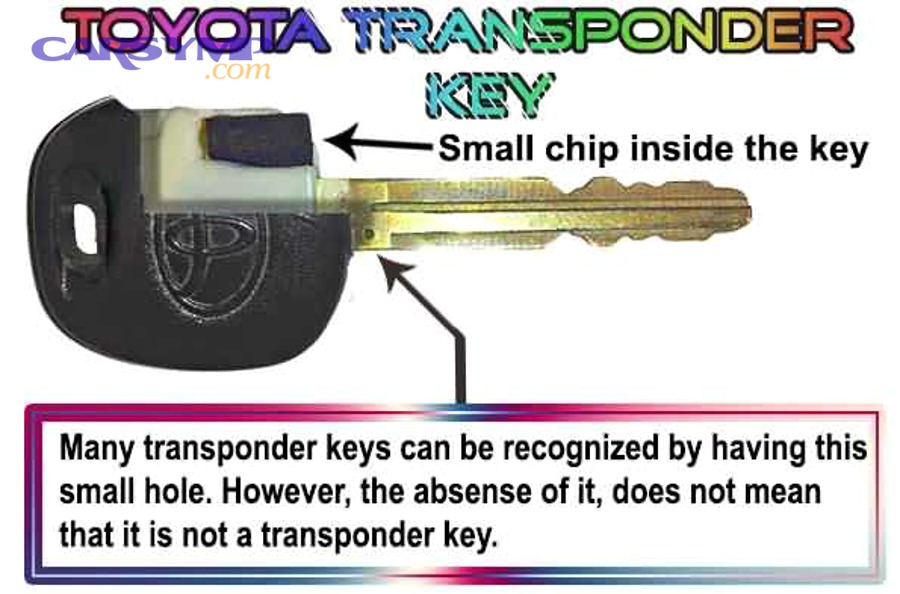
- Transponder chip / smart key identity: The key (or fob) contains a unique identity. A physical metal key without the matching transponder can turn the ignition but still fail to keep the engine running.
- Antenna ring / receiver: Many keyed ignition cars use a coil/antenna near the ignition cylinder to read the transponder. If this reader is weak or intermittently connected, the key may be accepted sometimes and rejected other times.
- BCM / immobilizer module: This is the “bouncer” that checks whether the key is on the authorized list. It often stores key IDs and communicates with the ECU.
- ECU / PCM: This is the “enforcer.” If the ECU does not receive authorization, it can cut fuel injection, ignition, or other run permissions depending on the design.
This “parts map” is also your diagnostic map: if a spare key works, suspect the key/fob. If key position changes the result, suspect the antenna/receiver. If a module was replaced, suspect sync/pairing.
How does push-button start differ from a traditional transponder key system in immobilizer failures?
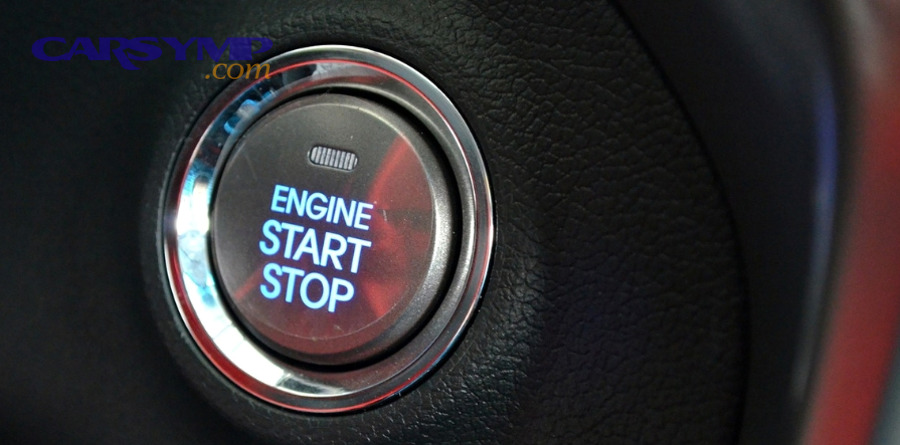
Push-button start wins for convenience, traditional transponder keys are simpler for signal path troubleshooting, and both systems are equally strict about authentication—but push-button failures more often involve fob battery/signal issues while transponder systems more often involve antenna ring reading issues.
However, the stall symptom can look identical, so the practical difference is where you test first.
With push-button start, the car is essentially listening for the fob and negotiating authentication over radio. That means:
- A weak fob battery can produce intermittent authorization.
- The fob may need to be placed in a backup reader location (often described in the manual).
- Interference and distance matter more.
With a traditional transponder key:
- The reader coil/antenna ring has to energize and read the key chip.
- Physical wear, steering column movement, and connector looseness can matter.
- The key’s transponder can fail or be damaged if the key is cracked or water-damaged.
In both cases, the diagnostic principle remains the same: change one variable at a time—key, battery, location, and then modules.
What are the most common immobilizer causes when a car starts then stalls?
There are 4 most common immobilizer causes when a car starts then stalls: key/fob authentication failure, antenna ring/receiver failure, ECU-immobilizer sync mismatch after repairs, and aftermarket alarm/remote start conflicts, based on how often each cause breaks the authentication chain.
More specifically, each cause has a fast “tell” that you can test before you buy parts.
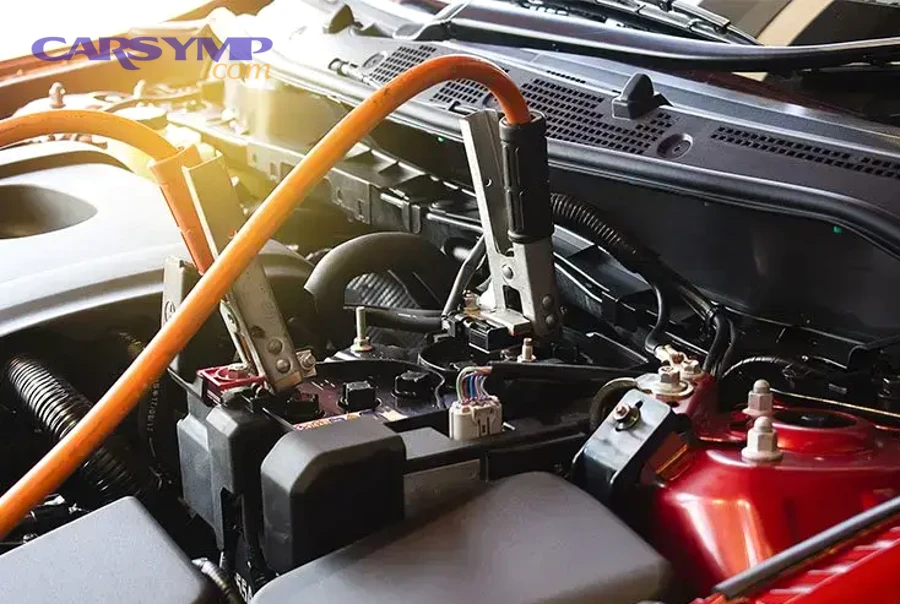
Because immobilizer problems can feel mysterious, it helps to think in “probability order”:
- Key/fob issue (most common)
- Reader/antenna issue
- Sync/pairing issue after repairs
- Aftermarket integration conflict
That order is valuable because it makes diagnosis faster and cheaper.
Is the key fob/transponder the problem (dead fob battery, damaged chip, spare key works)?
Yes—the key fob/transponder is often the problem, and the top three reasons are (1) a dead or weak fob battery, (2) a damaged or unrecognized transponder chip, and (3) an authorization mismatch where your spare key works but your primary key fails.
Then, you can confirm it without tools by testing key-dependent behavior.

Use these quick tests:
- Spare key test (highest value): If a spare key starts and runs normally, your main key is the most likely culprit.
- Fob battery replacement: For proximity keys, replace the fob battery even if the buttons still work; starting authentication can fail before remote lock/unlock fails.
- Physical key condition: A cracked fob, water exposure, or a repaired shell can disturb the transponder placement.
If your car uses a separate remote and a chipped key, make sure you are not confusing “remote works” with “transponder works.” Remote lock/unlock can operate while the immobilizer still rejects the key chip.
Is the antenna ring/receiver failing (intermittent starts, key needs repositioning)?
Yes—the antenna ring/receiver can be failing, and the three strongest reasons are (1) intermittent electrical connection, (2) weakened reading field that only works when the key is positioned just right, and (3) corrosion or damage near the steering column/start button area.
However, you should validate this before replacing parts, because the same symptoms can come from a weak key.
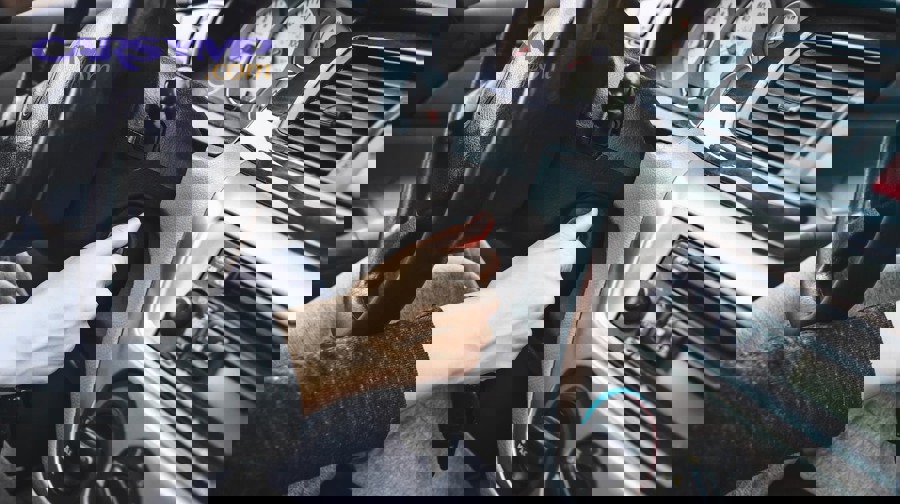
Clues that point toward the reader/antenna path:
- The car starts only when the key is held closer to the ignition cylinder or a specific spot.
- Steering wheel tilt/column movement seems to affect it.
- The issue is intermittent and sensitive to vibration.
Safe checks you can do:
- Inspect for obvious looseness around the ignition cylinder area (without disassembling airbags).
- Check for signs of moisture intrusion or spilled liquids.
- If push-button start, try the fob in the backup start position recommended by the manufacturer.
If moving the key or fob position reliably changes the outcome, the receiver path becomes a stronger suspect than the ECU itself.
Did a recent repair cause an ECU/immobilizer sync issue (module swap, battery disconnect, engine swap)?
Yes—a recent repair can cause an ECU/immobilizer sync issue, and the key reasons are (1) a replaced ECU/BCM/cluster that is not paired, (2) a battery disconnect that exposed an already-marginal pairing or key registration, and (3) engine/ECU swaps where immobilizer data no longer matches.
Next, you should connect the timing of the problem to the last change made to the vehicle.
Immobilizer systems are designed to prevent unauthorized module swaps. That means a replacement ECU or BCM often requires a security procedure to pair it to the vehicle and to the authorized keys. If the vehicle started fine before a repair and immediately developed start-then-stall behavior afterward, that “timeline hook” matters.
Common scenarios:
- ECU replaced for another issue and now the car starts then stalls.
- Instrument cluster replaced (some vehicles store immobilizer data there).
- Engine swap or harness change introduced mismatched modules.
If you suspect a sync issue, your next best step is usually diagnostics rather than more DIY experimentation, because pairing often requires secure access and programming tools.
Can aftermarket alarms/remote starters cause a start-then-stall immobilizer conflict?
Yes—aftermarket alarms/remote starters can cause a start-then-stall immobilizer conflict, because (1) bypass modules may fail or lose programming, (2) wiring taps can introduce voltage drops or signal noise, and (3) the system may authenticate only during remote start but not during normal starts—or vice versa.
Then, you can isolate the aftermarket system to see if it is part of the chain break.
A remote start typically needs to “satisfy” the immobilizer using a bypass module. If the bypass fails, the car can start briefly and then shut off as soon as the factory immobilizer realizes authentication is missing.
Isolation approach (safe and reversible):
- If there is a valet/disable mode, enable it and test normal starting.
- If the aftermarket system was recently installed or adjusted, treat it as a prime suspect.
- If you can’t safely isolate it, document symptoms and have the installer inspect the bypass and wiring.
How can DIY drivers diagnose immobilizer stalling step-by-step without guessing?
A reliable DIY diagnosis method is a 7-step sequence—observe the security light, test a spare key, stabilize vehicle voltage, replace the fob battery, change key/fob position, isolate aftermarket systems, and scan the right modules—so you can confirm the immobilizer cause and choose the correct fix.
Below, this flow reduces guesswork because each step changes one variable and produces a clear next action.
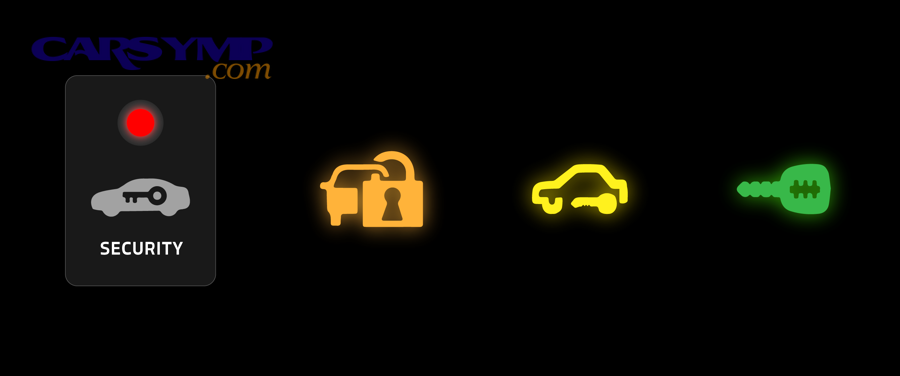
Before you start, write down three details each time the car stalls:
- How long it runs before dying (seconds)
- Security/immobilizer light behavior
- Whether cranking feels strong or weak
That small note-taking habit prevents you from forgetting patterns after multiple attempts.
What quick checks can you do in under 10 minutes (spare key, fob battery, lock/unlock cycle, key position)?
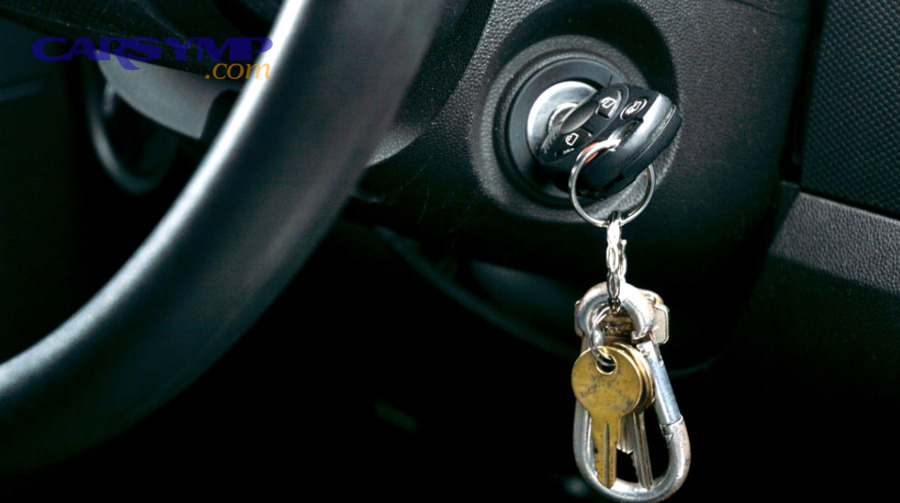
There are 6 quick checks you can do in under 10 minutes: spare key test, replace fob battery, lock/unlock with the fob, try the fob backup read position, stabilize car battery voltage, and remove extra keys/RFID from the keychain, based on speed and diagnostic value.
Specifically, these checks target the most common immobilizer problems first.
Try this order:
- Spare key test
- If the spare key works, stop and focus on the primary key.
- Replace the key fob battery (for proximity keys)
- Even if the remote buttons work, the start authentication can still fail.
- Lock/unlock cycle using the fob
- Some vehicles require a correct disarm state; this can clear a temporary alarm state.
- Try the fob backup position
- Many push-button cars have a backup reader location; holding the fob there can restore recognition.
- Stabilize car battery voltage
- If you suspect low voltage, charge the battery or use a known-good jump source properly.
- Reduce keychain interference
- Separate the car key from other RFID devices or other chipped keys; signal confusion is uncommon but easy to eliminate.
This is also where an “Immobilizer vs battery/fuel issues checklist” begins: if battery voltage is unstable, fix power first so the immobilizer handshake becomes consistent enough to evaluate.
What scan tool results support immobilizer causes (immobilizer/BCM/PCM codes vs generic P-codes)?
Immobilizer causes are supported when body/security modules show authentication-related faults, while generic P-codes are better for fuel/air/ignition issues—immobilizer diagnosis wins with BCM/immobilizer/PCM data, not just engine P-codes.
However, the key detail is that many basic OBD readers only see engine codes and miss immobilizer problems entirely.
What to look for conceptually:
- Immobilizer/BCM faults: key not recognized, communication error between BCM and ECU, immobilizer active, unauthorized key, antenna/receiver circuit faults.
- PCM faults that align with immobilizer: start enable signal missing, communication with immobilizer module lost.
What to avoid:
- Assuming “no codes” means “no immobilizer problem.” If your scanner only reads powertrain codes, it can easily miss the relevant module.
If you don’t have a scanner that reads BCM/immobilizer data, capture what you can: security light behavior, stall timing, and any dashboard messages. That evidence helps a locksmith or technician diagnose faster.
When should you stop DIY and call an automotive locksmith or dealer?
Yes—you should stop DIY and call an automotive locksmith or dealer when immobilizer authorization clearly fails, because (1) key programming often requires secure tools, (2) module pairing is brand-protected, and (3) repeated start attempts can drain the battery and add new low-voltage symptoms.
Then, the professional can complete key registration or pairing without guesswork.
Signs you are at the “call a pro” point:
- No spare key exists and the key might be failing.
- The car recently had ECU/BCM/cluster work and now won’t stay running.
- The security light behavior strongly indicates immobilizer lockout.
- You need “Immobilizer reset procedures by brand” that require security access (common on many late-model vehicles).
A good automotive locksmith can often handle transponder key programming and many immobilizer registrations, while dealers may be required for certain security gateways or brand-specific procedures.
How do you fix immobilizer-related start-then-stall issues safely?
You fix immobilizer-related start-then-stall issues by matching the cause to a safe fix—replace the fob battery or key, repair the antenna/receiver connection, complete proper key programming, or perform ECU/immobilizer pairing—so the car consistently authenticates and the ECU keeps run authorization.
More importantly, safe fixes preserve security while restoring reliability, instead of bypassing anti-theft protections.
Safety rule before any fix: keep voltage stable. Charge the car battery if repeated attempts have drained it, because low voltage can create additional communication faults that look like immobilizer failure.
Should you replace the key fob battery, reprogram a key, or cut a new transponder key?
Replacing the key fob battery wins for fast, low-cost fixes, reprogramming is best when the car forgot or rejected a key, and cutting a new transponder key is optimal when the key’s chip is damaged or you need a reliable spare.
However, the right choice depends on what your tests already proved.
Use this decision logic:
- Replace fob battery when:
- Push-button/proximity system
- Intermittent recognition
- Starts improve when fob is closer to the reader
- You haven’t replaced the battery recently
- Reprogram/register the key when:
- A valid key suddenly stops being accepted
- A module was replaced
- The car indicates key not recognized consistently
- You need to add or remove keys from memory
- Cut a new transponder key when:
- Spare key works but main key never does
- Key shell is cracked/water damaged
- Transponder chip may be compromised
- You want to prevent future lockouts by having a proven spare
In immobilizer problems, the cheapest “repair” is often having a known-good spare key created and registered. That single step can prevent future emergencies.
Can cleaning/checking immobilizer antenna ring wiring and connectors resolve intermittent stalls?
Yes—cleaning/checking immobilizer antenna ring wiring and connectors can resolve intermittent stalls, because (1) loose connectors interrupt key reading, (2) corrosion increases resistance and weakens signal reliability, and (3) vibration-sensitive wiring faults create inconsistent authentication.
Then, once the signal path is stable, key recognition becomes repeatable and diagnosis becomes clearer.
Practical, safe actions:
- Inspect visible connectors related to the immobilizer receiver (without disturbing airbags).
- Look for greenish corrosion, moisture trails, or loose plugs.
- Reseat connectors gently if you can access them safely.
- If a professional is involved, ask them to inspect the antenna ring/receiver circuit integrity.
If moving the steering column or tapping the area changes outcomes, that is an additional hint that wiring/connectors are involved.
What does “ECU/immobilizer relearn” mean, and can you do it without dealer tools?
“ECU/immobilizer relearn” means the vehicle performs a security pairing process so the immobilizer module and ECU agree on authorization, and in some brands you can do limited relearns at home—but many modern systems require secure dealer or locksmith tools.
In addition, “Immobilizer reset procedures by brand” vary widely, so treat generic internet steps as untrusted unless they match your exact model and year.
A relearn can involve:
- Confirming key validity
- Registering keys into the immobilizer/BCM
- Pairing immobilizer data with the ECU
DIY feasibility depends on the vehicle:
- Some older systems allow a timed ignition sequence or limited relearn steps.
- Many newer systems require authenticated access, online security authorization, or a professional programming tool.
If your car started and stalled immediately after module replacement, assume professional pairing is required unless you have confirmed otherwise for your exact vehicle.
Evidence: According to a study by University of Leeds from the School of Law, in 2025, electronic engine immobilizers were associated with a long-term reduction in vehicle theft in the United States of about 80% over a 30-year period, highlighting how strictly these systems enforce authorization.
Now that you can confirm whether the immobilizer is responsible and apply the safest fixes, the next section expands into related edge cases, prevention, and deeper diagnostics that aren’t required to answer the core “starts then stalls” immobilizer question—but can help in stubborn or recurring situations.
What less-common scenarios can mimic or trigger immobilizer stalling, and how can you prevent repeat failures?
Yes—less-common scenarios can mimic or trigger immobilizer stalling, and the top three reasons are (1) non-immobilizer faults that share the same “start then die” symptom, (2) aftermarket electronics that interrupt the authorization chain, and (3) environmental or post-repair conditions that destabilize module communication.
Moreover, prevention is often about keeping authentication stable: stable voltage, healthy keys, and clean connections.
This is also where a structured “Immobilizer vs battery/fuel issues checklist” becomes your safety net, because it helps you avoid chasing immobilizer fixes when the engine is actually starving for air or fuel.
How can you tell immobilizer stalling vs fuel/air/ignition stalling when symptoms overlap?
Immobilizer stalling wins in “instant shutdown + security indicators,” fuel issues are best matched to “stumble/lean behavior,” and ignition/air issues are optimal matches for “rough idle before stall,” so the fastest solution is to compare the stall behavior rather than guessing by feel.
However, overlapping symptoms happen, so use a clean comparison.
Here’s a practical checklist-style comparison :
| Clue | Immobilizer more likely | Battery/voltage more likely | Fuel/air/ignition more likely |
|---|---|---|---|
| Stall timing | 1–2 seconds after firing | variable; may click, reboot, erratic | can run longer, may stumble |
| Security light | flashes/stays on abnormally | may flicker due to voltage | usually normal |
| Throttle effect | rarely helps | inconsistent | sometimes helps (air/idle) |
| Key dependence | spare key changes outcome | key rarely changes outcome | key rarely changes outcome |
| Repeatability | very consistent pattern | inconsistent on low voltage | varies with load/temp |
If the car cranks slowly, clicks, or the dashboard resets, handle battery/voltage first because low voltage can mimic almost everything. If the car runs longer and then dies under load or after warming, immobilizer becomes less likely and fuel/air/ignition becomes more likely.
Can aftermarket remote start/alarm bypass modules cause intermittent start-then-die—and how do you isolate them?
Yes—aftermarket remote start/alarm bypass modules can cause intermittent start-then-die, because (1) the bypass may not present a valid key code every time, (2) wiring taps can degrade voltage or signal quality, and (3) programming can drift after battery events.
Then, isolation is the best proof: remove or disable the aftermarket influence and retest.
Isolation approach (prioritize safety):
- Use the system’s valet/disable mode if available.
- Test starting with the aftermarket system disabled.
- Observe whether the immobilizer/security light behavior changes.
If disabling the aftermarket system improves reliability, the fix is usually in the bypass module, its wiring, or its programming—not in the factory key itself.
Can water intrusion or corrosion in BCM/immobilizer connectors create sporadic key recognition failures?
Yes—water intrusion or corrosion in BCM/immobilizer connectors can create sporadic key recognition failures, because (1) corrosion increases resistance, (2) moisture bridges signals that should be isolated, and (3) vibration shifts marginal connections from “works” to “fails.”
Next, prevention becomes practical: keep the cabin dry, address leaks early, and inspect known moisture zones.
Common moisture sources include leaky windshields, clogged sunroof drains, and water tracked into footwells where body modules may be located. If the symptom appears after heavy rain or interior cleaning, moisture becomes a stronger suspect.
What should you do after engine/ECU/cluster replacement to avoid immobilizer mismatch problems?
After engine/ECU/cluster replacement, you should plan for immobilizer pairing and key registration, because (1) many vehicles lock ECU authorization to the immobilizer/BCM, (2) used modules may carry mismatched security data, and (3) a mismatch can produce a clean start-then-stall that looks like a mysterious engine failure.
In short, prevention is mostly administrative and procedural—not mechanical.
Do this before or immediately after the work:
- Confirm whether the vehicle stores immobilizer data in the ECU, BCM, or cluster.
- Ensure you have all keys present during programming/registration.
- Use a reputable locksmith or dealer process for pairing.
- Ask for documentation of what was programmed and how many keys are registered.
When you treat immobilizer pairing as part of the repair plan—rather than an afterthought—you prevent the most frustrating “it starts then stalls” surprise.