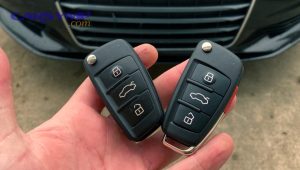
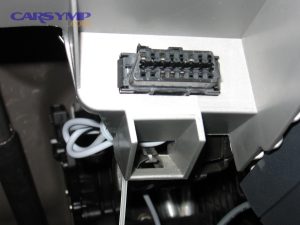
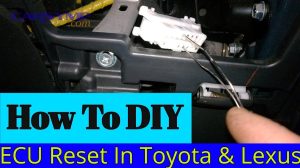
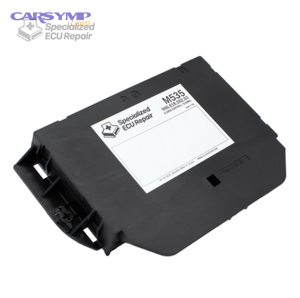
Diagnose & Fix Immobilizer Problems (Immobiliser/Anti-Theft System Issues) for Car Owners
If your car won’t start and the dash is flashing a key/lock symbol, you can usually diagnose an immobilizer problem in minutes by matching three things: the security light behavior, how the engine reacts (no-crank vs crank/no-start), and whether a spare key works. That combination tells you whether you’re dealing with a key recognition lockout or a basic power/starting issue.
The next layer is learning what the immobilizer is actually “seeing.” Many no-start events are caused by simple triggers—weak key fob power, a transponder mismatch, or a communication glitch between the key and the car—so you can rule in/out the system with a few safe checks before replacing parts.
Once you confirm the immobilizer is involved, you’ll want the fastest fix path: try the least invasive steps first (spare key, power stabilization, simple relearn), then move toward scan-tool diagnosis and programming only when the symptoms strongly point there. That keeps troubleshooting cheap and avoids creating new problems.
Introduce a new idea: after the fundamentals, we’ll also cover edge cases like Car starts then stalls immobilizer causes, Aftermarket alarm causing immobilizer faults, and how to decide When to call a locksmith vs a mechanic so you don’t waste time or money.
Is the Immobilizer Actually the Reason Your Car Won’t Start? (Yes/No Diagnosis)
Yes—immobilizer problems can be the reason your car won’t start, and you can confirm it quickly using three clues: a security/immobilizer light that stays on or flashes abnormally, a “crank but won’t start” or “starts then stalls” pattern, and a spare key that changes the outcome. Next, to avoid guessing, use a structured Immobilizer vs battery/fuel issues checklist that separates key recognition from basic power, fuel, and starter faults.

Does the Engine Crank but Not Start—And the Security/Immobilizer Light Stays On? (Yes/No)
If the engine cranks normally but won’t fire—and the security light stays on solid or flashes rapidly—yes, that combination often points to immobilizer lockout rather than a starter failure. The immobilizer’s job is to block starting authorization (often fuel injection, spark, or ECU enable) when it doesn’t recognize the key.
Here’s what “immobilizer-leaning” symptoms tend to look like:
- Crank/no-start + security light abnormal: The starter works, but the car refuses to run.
- Start then stall (1–3 seconds): The engine catches, then shuts down when authorization fails—classic for car starts then stalls immobilizer causes such as key mismatch, antenna ring issues, or an anti-theft module not validating the transponder.
- Key-related triggers: The issue appears after a key swap, battery disconnect, water intrusion, or module replacement.
What this is not: a dead starter (usually no crank), a flat battery (slow crank, clicking), or an empty fuel tank (no start but typically no security light behavior change).
Can a Weak Car Battery Mimic Immobilizer Problems?
A weak car battery can absolutely mimic immobilizer trouble—especially on push-button start cars—because low voltage causes modules to boot incorrectly or drop communication. However, battery/fuel issues usually produce different patterns:
- Battery-leaning: slow crank, dim dash, rapid clicking, multiple warning lights, or a total power drop.
- Immobilizer-leaning: strong crank (or sometimes no crank) with a specific security/immobilizer light cue and a “key not detected/recognized” message.
Use this quick comparison before you chase programming:
Battery first checks (2 minutes):
- Interior lights bright? Headlights strong?
- Jump start changes the behavior?
- Battery terminals clean and tight?
If a jump start instantly restores normal starting, immobilizer faults are less likely. If voltage is stable and the immobilizer light still signals a lockout, move to key/system checks.
What Does the Immobilizer/Lock Symbol Light Mean on the Dash?
The Immobilizer warning light meaning is simple in concept: it’s the car telling you whether it recognizes the key and has granted start authorization. The exact icon varies (car + key, padlock, “security”), but the logic is similar:
- Light turns on briefly, then goes out: normal key recognition on many vehicles.
- Light flashes with key out: often normal “armed” status on some cars.
- Light stays on or flashes rapidly when trying to start: the system isn’t authorizing the start (wrong key, key not detected, transponder mismatch, antenna/receiver issue, module communication fault).
If you want a fast, symptom-based walkthrough, sources like carsymp.com describe how light behavior plus basic power checks can separate immobilizer lockout from other no-start causes. (carsymp.com)
What Are the Most Common Causes of Immobilizer Problems?
There are 6 main types of immobilizer problems—key power issues, key identity issues, antenna/receiver faults, wiring/ground faults, module/software faults, and interference faults—based on where the authorization chain breaks between the key and the engine control system. Then, by grouping causes this way, you can match symptoms to the most likely fix instead of replacing random parts.

Is a Key Fob Battery the #1 Cause of Immobilizer Issues?
Yes—on many modern vehicles, a weak key fob battery is one of the most common triggers, for three reasons: it reduces signal strength for key detection, it causes intermittent recognition that looks like an immobilizer failure, and it often appears suddenly after weather changes or long periods of non-use. However, “#1” depends on your key type: proximity smart keys rely on fob power more than traditional transponder keys that are energized by the ignition antenna ring.
Practical signs the fob battery is the culprit:
- The car unlocks inconsistently or only at close range.
- The start button works only when the fob is held against the start button or placed in the backup pocket.
- The problem disappears immediately after replacing the coin cell.
Tip: Replace the fob battery with a quality cell and verify the contacts aren’t bent. A marginal contact can cause a “new battery, same problem” situation.
How Do Transponder Chips, Antenna Rings, and Receivers Fail?
Key transponder and antenna ring issues happen when the car can’t read the key’s identity reliably, usually because the chip isn’t being detected, the antenna ring/receiver can’t interrogate it properly, or the immobilizer module can’t validate the response. Next, think of it as a three-link chain: transponder → antenna/receiver → immobilizer/ECU authorization.
Common failure groupings:
- Transponder/key identity issues
- Damaged key head or chip (drops, water exposure)
- Wrong key blank/chip type
- Key was cloned poorly or programming failed
- Antenna ring / receiver issues
- Loose ignition cylinder antenna ring
- Broken ring wiring
- Poor alignment after steering column work
- Connector corrosion (common after leaks)
- Validation/module issues
- Immobilizer module not synced to ECU
- BCM/cluster swap without proper matching
- Software glitches after low voltage events
A key clue: if the car behaves differently with a spare key, the issue is often in the key itself rather than the antenna ring or module.

What Wiring or Ground Problems Can Trigger an Immobilizer Lockout?
There are 4 main wiring-related triggers—power feed problems, ground instability, communication bus faults, and connector corrosion—based on which electrical requirement the immobilizer module fails to meet. Besides obvious blown fuses, immobilizer systems are sensitive to “almost good” electricity: enough power to light the dash, not enough stability to authenticate the key.
Look for these wiring/ground patterns:
- Power feed problems
- Weak battery under load
- Voltage drop at ignition or BCM/immobilizer fuse
- Poor alternator output causing repeated low-voltage starts
- Ground instability
- Loose chassis grounds
- Corrosion on battery-to-body ground strap
- Aftermarket wiring splices creating resistance
- Communication bus faults (CAN/LIN)
- Intermittent module comms leading to “key not recognized”
- Multiple modules throwing “U-codes” (communication codes) on a scanner
- Connector corrosion / water intrusion
- Damp footwell BCM area
- Steering column connectors after windshield leaks
If you see multiple unrelated electrical oddities at the same time, fix power/grounds first before attempting Key programming and reprogramming steps.
How Do You Diagnose Immobilizer Problems Step-by-Step at Home?
The safest home diagnosis method is a 7-step process—verify power, observe security light behavior, test with a spare key, confirm key detection range, check fuses/connectors, scan for immobilizer-related codes, and only then consider relearn or programming—so you isolate the failure point without guessing. To better understand the result of each step, keep the focus on what changed and what stayed the same after each test.

Will a Spare Key Confirm an Immobilizer Fault?
Yes—Spare key testing and troubleshooting is one of the fastest confirmations, for three reasons: it instantly separates a key-side problem from a vehicle-side problem, it reduces your diagnostic cost by avoiding premature programming, and it gives you a clear next action (fix key vs diagnose vehicle hardware). Then, interpret results like this:
- Spare key starts the car normally → likely original key/fob issue (battery, transponder damage, lost programming).
- Neither key works, same symptoms → likely vehicle-side issue (antenna ring, receiver, wiring, module sync).
- One key starts but stalls quickly → can indicate partial authorization or intermittent reading; inspect antenna ring and key head.
If you don’t have a spare key, your first “spare key equivalent” is testing the fob in the backup start location (often a slot, pocket, or pressing it to the start button).
What Basic Checks Should You Do Before Using a Scanner?
There are 6 basic checks to do before scanning—battery stability, terminals/grounds, security light behavior, fob detection range, fuse verification, and connector inspection—based on the most common non-code causes of immobilizer lockouts. More specifically, these checks prevent you from chasing codes that were created by low voltage or intermittent power.
Use this mini checklist first:
- Battery voltage and load behavior
- If cranking is slow or lights dim, charge/test the battery.
- Battery terminals and grounds
- Tighten, clean, and verify ground straps.
- Security light pattern
- Note: solid, fast flash, normal brief-on then off.
- Key detection
- Try the backup location; replace fob battery.
- Fuses
- Check immobilizer/ECU/BCM related fuses (owner’s manual helps).
- Quick connector check
- Look for moisture or loose plugs near steering column or BCM area.
To make this easier, here’s a simple table showing what each result suggests.
Table: Immobilizer vs battery/fuel issues checklist (what your first checks mean)
| Observation | More likely cause | Why it points that way | Best next step |
|---|---|---|---|
| Slow crank + dim lights | Battery/connection | Voltage collapses under load | Charge/test battery, clean terminals |
| Strong crank + security light abnormal | Immobilizer | Starter works; authorization fails | Spare key test, key detection check |
| No crank + click + no dash stability | Battery/starter circuit | Not enough current to crank | Jump test, inspect starter circuit |
| Starts then stalls + security light | Immobilizer authorization | ECU cuts run after failed auth | Spare key, antenna ring inspection |
| Strong crank + no security light change | Fuel/ignition | Immobilizer not signaling lockout | Check fuel/spark basics |
Which Diagnostic Trouble Codes Point to Immobilizer/Anti-Theft Issues?
There are 4 main code groupings that point to immobilizer issues—key recognition codes, antenna/receiver codes, module mismatch codes, and communication (U-code) faults—based on where the authorization path breaks. However, codes are only useful if power is stable; fix voltage problems first or you’ll collect misleading errors.
What to look for conceptually (code wording varies by make):
- Key not recognized / transponder error: the vehicle can’t validate the key identity.
- Antenna/receiver circuit faults: the reader can’t interrogate the key.
- Immobilizer/ECU mismatch: modules aren’t paired or have lost sync.
- Communication faults: BCM/immobilizer/ECU can’t talk reliably.
If your scanner can access body modules (BCM/IMMO), that’s more valuable than engine-only readers for immobilizer diagnosis.
How Do You Fix Immobilizer Problems Safely?
There are 5 safe fix paths for immobilizer problems—restore key power, restore key identity, restore reader communication, restore module synchronization, or remove interference—based on which part of the authorization chain failed. Meanwhile, the safest strategy is to move from reversible changes (battery, spare key, reset) to specialized procedures (programming, module replacement) only when symptoms justify it.

How Do You Try a Safe Immobilizer Reset or Relearn?
A safe immobilizer reset is a short set of low-risk steps—stabilize voltage, cycle the system, and attempt a controlled relearn—designed to restore normal authorization without changing security data. Then, because reset behavior varies widely, treat this as a “safe first pass,” not a promise.
Safe general steps (non-destructive):
- Stabilize power
- Fully charge the battery or connect a maintainer. Low voltage can cause repeat failures.
- Power-cycle modules
- Turn ignition off, remove key/fob from vehicle.
- Wait several minutes for modules to sleep.
- Reconnect and retry start.
- Try the spare key / backup start location
- This is part of the relearn logic on some systems.
- Lock/unlock cycles
- Some vehicles re-check key status after a full lock/unlock cycle.
Immobilizer reset procedures by brand: because manufacturers implement different security designs, the correct “key-on timing” or “learn mode” can be brand-specific. When your owner’s manual or service information provides a procedure, follow that exact sequence—especially timing steps—because incorrect attempts can lock out programming temporarily.
When Does the Key Need Reprogramming vs Replacement?
Reprogramming wins when the key is correct but no longer paired, replacement wins when the key hardware is damaged, and reset/relearn is optimal when the system is desynced after low voltage—so the best choice depends on whether the key’s identity is intact and readable. More importantly, you can often decide this without paying for parts first.
Use these cues:
- Likely reprogramming
- Key used to work, then stopped after battery disconnect or module work
- “Key not programmed” or “no key detected” messages with stable power
- Spare key works but the main key doesn’t
- Likely replacement
- Key was damaged, wet, cracked, or repaired poorly
- No response even in backup start location with a fresh fob battery
- The transponder chip is physically compromised
- Likely reset/relearn
- After a dead battery event or jump start, keys intermittently work
- Multiple modules show communication issues that clear after power stabilization
If you’re about to pay for programming, ask whether the shop can verify key readability first—this can reduce the Diagnostic cost for immobilizer issues.
Should You Replace the Antenna Ring/Receiver or the Immobilizer Module?
The antenna ring/receiver wins as the first replacement when symptoms point to poor key reading at the ignition/reader, while the immobilizer module is best reserved for confirmed internal failure or mismatch—because reader faults are more common and cheaper to address than module replacement. However, testing beats guessing: an inexpensive continuity/connector inspection plus scan data often prevents unnecessary module swaps.
Decision framework:
- Replace antenna ring/receiver first when:
- Wiggling the key/column changes the behavior
- One key works inconsistently depending on position
- You have antenna circuit fault codes
- Suspect immobilizer module/BCM/cluster when:
- All keys fail the same way and reader checks out
- You have module mismatch/synchronization codes
- The issue started after ECU/BCM/cluster replacement or water intrusion
According to a study by Tilburg University economists (2013), widespread application of electronic engine immobilizers reduced the probability of car theft by an estimated 50% on average in the Netherlands over 1995–2008. (research.tilburguniversity.edu)
When Should You Call a Locksmith or Dealer—and What Should You Expect?
You should call a locksmith or dealer when immobilizer problems persist after power stabilization and spare-key testing, when all keys fail, or when programming/module pairing is required—because those cases need security tools, ownership verification, and make-specific access. In addition, choosing the right pro (locksmith vs mechanic vs dealer) can be the difference between a same-day fix and a costly parts gamble.

Is It Safe to Keep Driving with Intermittent Immobilizer Problems? (Yes/No)
No—it’s usually not safe to “just keep driving” with intermittent immobilizer problems, for three reasons: you risk getting stranded without warning, repeated lockouts can accelerate battery drain from repeated start attempts, and an intermittent authorization fault can escalate into a full no-start at the worst time. Especially, intermittent issues often signal wiring/ground instability or moisture intrusion, which tends to worsen.
If you must move the vehicle:
- Avoid repeated start attempts (they can trigger lockout timers).
- Stabilize battery voltage first.
- Keep the spare key with you and use the backup start method.
What Will a Locksmith/Dealer Ask For (VIN, Key Count, Proof of Ownership)?
They’ll typically ask for 6 things—VIN, year/make/model, how many working keys you have, whether the car is keyed or push-button, proof of ownership, and your symptoms/security light behavior—because programming and security access depend on verified identity and correct system type. To sum up, preparation reduces repeat visits and lowers diagnostic time.
Bring this checklist:
- VIN (photo is fine)
- Registration/ID (requirements vary)
- Keys you have (all of them)
- Symptom notes: crank/no start vs no-crank; Immobilizer warning light meaning pattern
- Any recent changes: battery died, key replaced, aftermarket alarm installed, water leak
Which Option Is Better: Mobile Auto Locksmith vs Dealer Service?
A mobile locksmith wins for speed and convenience, a dealer is best for brand-locked security systems or module replacement support, and a mechanic is optimal when the “immobilizer symptom” is actually a power/ground or wiring issue—so the best option depends on the suspected root cause. However, your decision should follow your earlier tests.
Quick comparison:
- Mobile locksmith: best for key cutting, transponder programming, many “all keys lost” scenarios.
- Dealer: best when security access is tightly controlled, when factory modules need pairing, or when updates are required.
- Mechanic/electrical specialist: best when you suspect grounds, water intrusion, harness faults, or communication bus issues.
According to a study highlighted by the University of Leeds (2025), electronic engine immobilizers were shown to have reduced vehicle theft in the United States by about 80% over a 30-year period using a large quasi-experimental approach. (essl.leeds.ac.uk)
What Less-Common Immobilizer Scenarios Cause “False” No-Start—and How Do You Handle Them?
There are 4 less-common scenario groups—system-type quirks, aftermarket interference, synchronization edge cases, and rare electrical communication faults—based on why an immobilizer problem can look like “everything is fine” while the car still refuses to start. Next, these micro-cases help when your checks are inconclusive but the security system still seems involved.
Can Push-Button Start Cars Have Different Immobilizer Failure Patterns Than Keyed Ignitions?
Push-button start systems win in convenience, keyed ignitions are often simpler to diagnose, and proximity smart key systems are most sensitive to weak fob power and cabin signal conditions—so failure patterns differ mainly in how the car detects the key. Specifically, push-button systems can fail in ways that mimic module failure when it’s really just detection range.
Common push-button quirks:
- The car recognizes the fob only in the backup pocket or when pressed to the button.
- Metal objects, dead fob battery, or RF interference reduce detection.
- Low vehicle battery can cause “key not detected” even with a good fob.
Common keyed ignition quirks:
- The antenna ring around the ignition cylinder becomes loose or damaged.
- Column work or wear changes alignment and makes reading intermittent.
Can Aftermarket Remote Starters or Alarms Cause Immobilizer Problems?
Yes—aftermarket alarm causing immobilizer faults is common enough to treat as a standard check, for three reasons: some systems interrupt starter/ignition circuits, some emulate key authorization imperfectly, and poor wiring splices introduce voltage drop or intermittent communication. However, this doesn’t mean aftermarket products are “bad”—it means installation quality and compatibility matter.
Signs aftermarket equipment is involved:
- The issue started soon after installation.
- The car behaves differently when using remote start vs the factory start method.
- You find added relays/splices near the ignition harness, BCM, or fuse box.
Safe handling:
- Use the system’s valet/disable mode if available.
- Ask an experienced installer to inspect wiring integrity and bypass logic.
- Restore clean power and grounds before reprogramming keys.
What Causes “All Keys Lost” Situations Even When You Still Have a Key?
An “all keys lost” scenario can happen even with a key present when the car’s modules lose synchronization or the key’s stored identity no longer matches the vehicle—often after low voltage events, module swaps, or corrupted security data. Then the car treats your key as “unknown,” even though it physically fits or the fob still unlocks doors.
Common triggers:
- ECU/BCM/instrument cluster replacement without proper matching
- Dead battery + repeated crank attempts
- Water intrusion affecting the body module
- Failed or interrupted programming session
This is where true key programming and reprogramming steps matter, because the fix is pairing security data—not replacing starter parts.
Which Rare Electrical Issues (Water Intrusion, CAN Errors) Create Intermittent Immobilizer Faults?
There are 4 rare-but-real electrical causes—water intrusion corrosion, CAN communication instability, connector pin fitment issues, and module sleep/wake faults—based on how they break “trust” between security modules. More specifically, these cases explain intermittent failures that come and go with weather, vibration, or battery state.
What to watch for:
- Water intrusion: damp carpets, musty smell, or corrosion near BCM locations.
- CAN errors: multiple modules complaining, intermittent warning clusters, random no-start.
- Connector pin issues: loose pins that lose contact when temperature changes.
- Sleep/wake faults: car starts after sitting, then fails after a short stop.
When these symptoms appear, a specialized automotive electrical technician is often the best first call, because replacing keys won’t fix communication instability.