


STEP 1 — Title & Outline Analysis
1.1 Title analysis
- Main keyword (keyword focus): immobilizer diagnostic cost (anti-theft system testing fees)
- Predicate (main verb/action): estimate
- Relations Lexical used: Synonym (Immobilizer ↔ Anti-Theft System)
1.2 Search intent types detected in the outline
- Definition: “What is…” and “what does it cover?”
- Grouping: “What tests…”, “What factors…”, “Which technologies…”
- Comparison: dealer vs independent shop vs locksmith; reprogramming vs replacing
- Boolean: “Does… include…?”, “Should…?”, “Can…?”
1.3 Outline intents (mapped to headings)
- Primary intent (Title): estimate immobilizer diagnostic cost and what the fee includes.
- Secondary intent 1: typical ranges and how prices compare (dealer vs locksmith vs shop).
- Secondary intent 2: how to choose the right provider (decision framework).
- Secondary intent 3: what raises/lowers cost and how to avoid overpaying.
1.4 Answering formulas (by heading)
- Definition H2s: define + standout features + use.
- Grouping H2s/H3s: number of buckets + criteria + characteristics.
- Comparison H2s/H3s: X wins for criterion 1, Y for criterion 2, Z for criterion 3.
- Boolean H3s: Yes/No + at least 3 reasons, then expand.
If you’re searching “Diagnostic cost for immobilizer issues,” the typical answer is that immobilizer (anti-theft) diagnosis is usually billed as a short diagnostic job—often a scan plus verification tests—rather than a full repair, so you can estimate a likely fee range before you authorize work. (repairpal.com)
Then the real question becomes where that fee is most reasonable for your situation: a dealer may be fastest for OEM security access, while a locksmith may be the most efficient when the problem is key-related and the car won’t start in your driveway. This is where “When to call a locksmith vs a mechanic” stops being a vague debate and becomes a practical decision.
Next, cost changes sharply depending on a few variables you can actually recognize—no-start vs drive-in appointments, smart keys vs basic transponder keys, and whether you still have a working key—so you can predict whether your quote will stay simple or escalate into deeper immobilizer problems.
Introduce a new idea: once you know what a diagnostic fee covers, you can compare providers and ask the right questions so you don’t pay twice for the same immobilizer testing.
What is an immobilizer diagnostic cost (anti-theft testing fee), and what does it cover?
An immobilizer diagnostic cost is the labor fee a shop or locksmith charges to identify why the anti-theft system is preventing starting, typically covering scan-tool checks plus targeted electrical and key-recognition testing rather than parts replacement.
Next, because “diagnosis” can mean anything from a quick scan to a deep electrical trace, it helps to pin down exactly what’s included before you approve work.
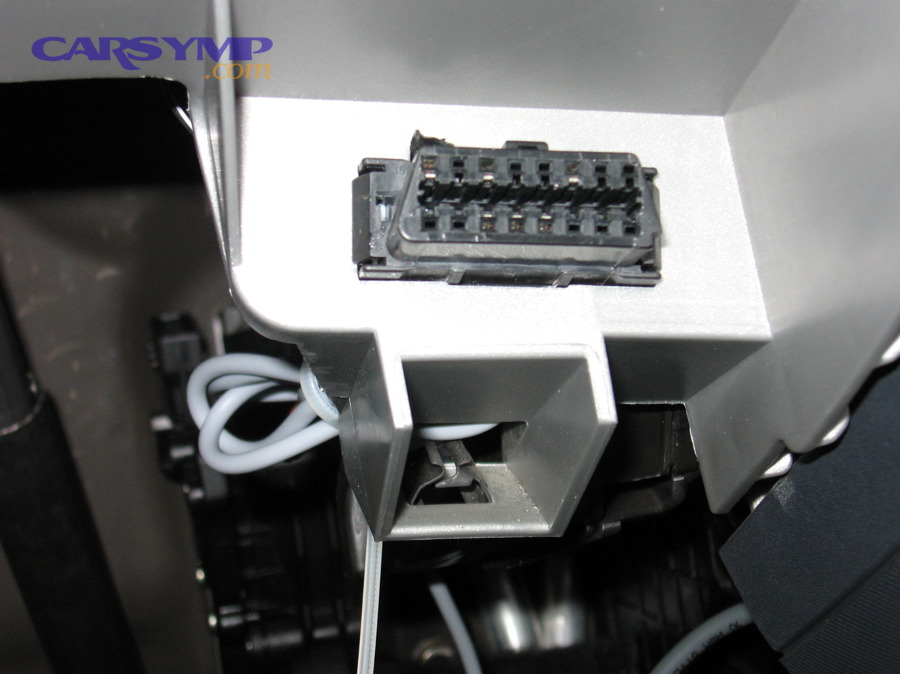
In practical terms, most immobilizer diagnosis starts with confirming the symptom (no crank, crank-no-start, starts-then-stalls, security lamp flashing) and then verifying whether the car is refusing to authorize start. The provider typically:
- Checks battery voltage and cranking voltage stability (because low voltage can confuse modules).
- Reads diagnostic trouble codes (DTCs) in the immobilizer/anti-theft module, ECU, BCM, and sometimes the instrument cluster.
- Confirms whether the key is being recognized (transponder authentication) and whether the modules are communicating on the vehicle network.
- Performs basic power/ground and connector checks if codes suggest a hardware or wiring issue.
From a cost perspective, this fee is usually billed as either:
- A flat diagnostic fee (common at independent shops and dealers), or
- A service-call + diagnostic structure (common with mobile locksmiths).
Repair cost sites frequently publish ballpark estimates for anti-theft diagnosis/testing; for example, RepairPal lists an average range for “Antitheft System Diagnosis & Testing” and frames it primarily as labor. (repairpal.com)
Does an immobilizer diagnostic fee include key programming or only testing?
No—an immobilizer diagnostic fee usually covers testing only, not key programming, for three reasons: programming often requires security authorization steps, it can involve separate tools/licenses, and it may require additional time once the root cause is confirmed.
Then, because many drivers experience immobilizer problems as “my key suddenly stopped working,” providers will often offer programming immediately—but that doesn’t mean it’s included in the diagnostic price.
What’s commonly included in the diagnostic fee:
- Scan for immobilizer/anti-theft codes and related module codes
- Basic verification (security light behavior, key recognition status if available)
- Short electrical checks (fuses, obvious connector issues, module power/ground)
What’s commonly billed separately:
- Key cutting and key blank cost
- Key programming/reprogramming labor
- Dealer security gateway or OEM authorization fees (varies by brand)
- Module pairing or “relearn” procedures after replacement
If your quote bundles programming into “diagnosis,” ask whether that bundle is conditional on a confirmed key fault, or whether it’s a pre-emptive add-on. That single question prevents you from paying for “Key programming and reprogramming steps” you might not need.
What tests are typically performed during immobilizer/anti-theft diagnosis?
There are 6 main test groups in immobilizer/anti-theft diagnosis—codes, key recognition, module communication, power/ground, signal path components, and system reauthorization—based on what must be true for the car to permit starting.
More specifically, these test groups align with the immobilizer’s job: verify the correct key and then broadcast an “OK to start” decision through the vehicle’s computers.
- Code and data scan tests
- Pulls immobilizer/BCM/ECU codes
- Checks status data: key valid/invalid, immobilizer active, start authorization
- Key recognition tests
- Confirms the transponder/smart key is detected
- Tests spare key if available (a fast, high-value check)
- Module communication tests
- Confirms ECU, BCM, immobilizer, and cluster can “see” each other
- Looks for network errors that block authorization
- Power/ground integrity tests
- Verifies fuses, grounds, and ignition feed to relevant modules
- Checks for voltage drop during cranking
- Component path tests (where applicable)
- Antenna ring/receiver (for transponder keys)
- Key fob battery and proximity function (for smart keys)
- Relearn/authorization checks (when relevant)
- Determines whether the vehicle requires a relearn after a battery event or module change
- Confirms whether the provider has the required access/tools
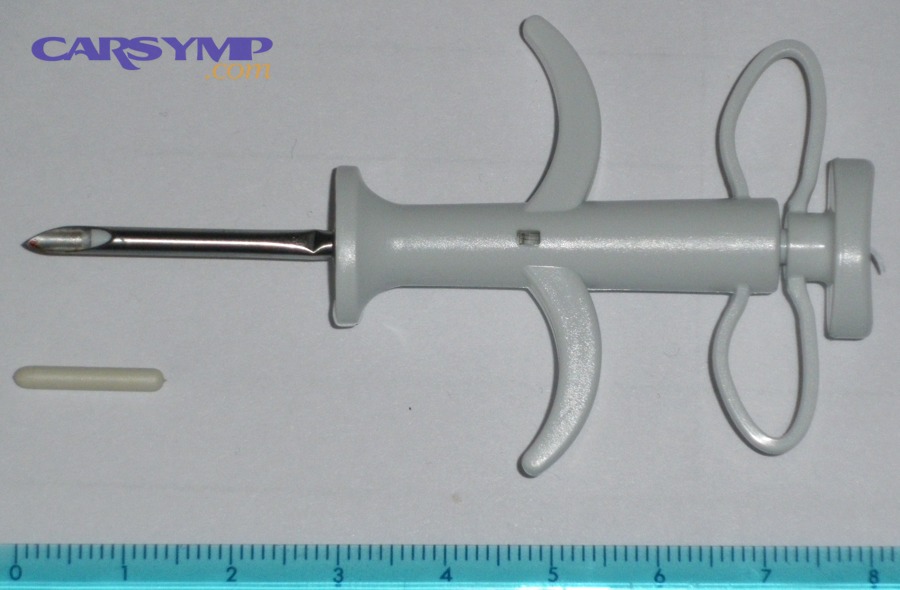
Those steps explain why diagnosis can be quick for a simple “wrong key / dead fob battery” scenario but longer for intermittent network faults or after-market wiring interference.
How much does immobilizer diagnosis usually cost, and what price ranges should car owners expect?
Immobilizer diagnosis usually falls into a low, typical, and high pricing band: low for quick scan-and-verify cases, typical for standard testing, and high when no-start conditions, security access limits, or intermittent faults increase labor time.
Then, once you connect the cost to time and access, the numbers stop feeling random and start feeling predictable.
A practical way to think about ranges:
- Low: quick verification + code scan (often when a spare key immediately changes the outcome)
- Typical: scan + a few targeted checks (common “diagnostic fee” structure)
- High: deeper electrical/network testing, module access constraints, or repeated attempts to reproduce intermittent immobilizer problems
One public benchmark: RepairPal lists an average cost range for “Antitheft System Diagnosis & Testing” as a labor-only estimate, which is useful as a reference point even though local rates and vehicle complexity vary. (repairpal.com)
Is immobilizer diagnosis cheaper at an independent shop than a dealership?
Independent shops are often cheaper than dealerships for immobilizer diagnosis, for three reasons: lower labor rates, more flexible billing for partial diagnostics, and willingness to troubleshoot wiring/network issues without defaulting to OEM-only procedures.
However, the dealer can still be the better value when OEM security access is required, so “cheaper” depends on what the car actually needs.
Independent shop advantages (often lowers cost):
- Lower hourly labor rates than dealer service departments
- Strong electrical diagnostic skill for power/ground/network faults
- Ability to test related no-start causes (starter, fuel, sensors) in the same visit
Dealer advantages (can reduce total cost when needed):
- OEM scan tools and guided test plans for specific immobilizer systems
- Better odds of completing security gateway functions or model-specific relearns
- Direct access to OEM service information and security-related procedures
A simple rule: if the car likely needs OEM-level security authorization (common after module replacement or on certain late-model systems), a dealer diagnostic may be “more expensive per hour” but cheaper overall because it avoids dead ends.
Is a locksmith diagnostic cheaper than a dealer for anti-theft issues?
A locksmith diagnostic is often cheaper than a dealer for key-related anti-theft issues, for three reasons: mobile convenience reduces towing, the workflow is optimized for keys/fobs, and locksmith tools focus on transponder/smart-key authorization steps.
Meanwhile, if the root cause is wiring, module communication, or network faults, a locksmith may confirm the symptom but still refer you to a mechanic—so cost depends on whether the failure is “key-side” or “car-side.”
Where locksmiths tend to deliver better value:
- Lost keys, damaged keys, or suspected transponder failure
- Smart key battery issues and proximity recognition problems
- Driveway no-start situations where towing would add cost
Where dealers/mechanics may be better:
- Persistent module communication codes or CAN network faults
- Power/ground issues to immobilizer/BCM/ECU
- Aftermarket alarm/remote-start wiring conflicts
So if your main symptom is “security light + key won’t start car,” start with a locksmith. If your symptom is “multiple warning lights + intermittent starting + network codes,” start with a repair shop that does electrical diagnostics.
Which provider should you choose for immobilizer diagnosis: dealer, independent shop, or locksmith?
Dealers win for OEM security access, independent shops are best for broad electrical diagnostic value, and locksmiths are optimal for key-and-programming focused immobilizer issues—so the right choice depends on whether the failure is authorization-related or hardware/network-related.
Next, you can choose faster by matching your symptoms to the provider’s strongest capability instead of guessing.
Here’s a quick decision table (and what it means in real life). This table helps you decide who is most likely to solve your immobilizer problems with the fewest paid steps.
| Your situation | Best first call | Why it matches the problem |
|---|---|---|
| Lost keys / suspected bad key | Locksmith | Key-first tools and mobile programming |
| Security gateway / OEM-only relearn | Dealer | OEM authorization and procedures |
| Intermittent no-start + electrical symptoms | Independent shop | Electrical/network troubleshooting |
| Aftermarket remote start/alarm installed | Independent shop (or specialist) | Wiring isolation and verification |
Should you go to a dealer if the car has a security gateway or needs an immobilizer relearn?
Yes—you should go to a dealer in that case, for three reasons: security gateways can block third-party scan functions, relearn procedures may require OEM authorization, and the dealer is most likely to complete module pairing without repeated visits.
Besides, paying once for the correct access is usually cheaper than paying multiple diagnostics that end with “we can’t complete the relearn.”
Dealer-first indicators:
- A shop tells you they can read codes but cannot perform security functions
- A module has been replaced (ECU/BCM/immobilizer) and now the car won’t authorize start
- The car is late-model and known for restricted security access
Even if an independent shop is technically capable, the gateway/authorization barrier can turn a one-visit fix into a multi-visit process.
When is a locksmith the best first stop for immobilizer problems?
There are 4 main situations where a locksmith is the best first stop for immobilizer problems: lost or damaged keys, suspected transponder failure, smart-key recognition issues, and driveway no-start cases where towing would add cost.
More importantly, locksmith workflows are built around the key-authentication part of the immobilizer system.
Start with a locksmith when:
- You have no working key (or only a damaged one)
- A spare key behaves differently than your main key (strong sign of key-side fault)
- Push-button start won’t recognize the fob reliably
- The car is stuck at home and you want to avoid towing before confirming the cause
If you’re unsure, ask one screening question on the phone: “Do you support my year/make/model for transponder or smart-key programming?” That prevents paying a trip fee for a tool mismatch.
When is an independent repair shop the best value for diagnosis?
There are 3 main scenarios where an independent repair shop is the best value: mixed electrical symptoms, intermittent failures, and suspected wiring/network faults, based on whether diagnosis requires tracing power/ground/data lines beyond key programming.
To illustrate, if the immobilizer code is a result of low voltage or communication loss, a key programmer won’t solve it.
Independent shop-first indicators:
- Multiple modules show low-voltage or communication-related codes
- The car sometimes starts, sometimes doesn’t (hard to reproduce)
- Recent battery/alternator issues, corrosion, or water intrusion are suspected
- Aftermarket wiring exists and may be interfering
In those cases, your goal is not just to “clear the security light,” but to identify why the system is losing authorization in the first place.
What factors increase or decrease the diagnostic cost for immobilizer issues?
There are 7 main cost drivers for immobilizer diagnosis—no-start logistics, key technology, vehicle security restrictions, symptom consistency, module access, aftermarket wiring, and ownership verification—based on how much time and specialized access the provider needs.
Then, once you recognize these drivers, you can predict whether your estimate will stay simple or balloon into extended testing.
- No-start vs drive-in
- No-start often requires towing or mobile service and longer setup time.
- Key type
- Basic transponder keys vs smart keys change both tools and process.
- Security gateway/OEM restrictions
- Limits what non-dealer tools can do.
- Intermittent vs constant fault
- Intermittent issues require longer testing and rechecks.
- Module communication complexity
- If ECU/BCM/cluster aren’t talking, diagnosis expands into network diagnostics.
- Aftermarket alarm/remote start
- Adds an extra layer of “is this wiring interfering?”
- Proof-of-ownership requirements
- Adds time and sometimes scheduling constraints, especially for key generation.

Does a no-start condition raise immobilizer diagnostic cost compared to a drive-in appointment?
Yes—a no-start condition usually raises immobilizer diagnostic cost, for three reasons: towing or mobile call-out fees, additional time to stabilize voltage and verify cranking conditions, and reduced ability to reproduce symptoms cleanly in a shop workflow.
Moreover, no-start cases often blur the line between immobilizer and other no-start causes, which expands diagnostic scope.
What changes in a no-start scenario:
- Providers must verify whether the immobilizer is blocking start or whether the engine has a separate issue.
- Battery voltage may sag during cranking, causing false anti-theft symptoms.
- The car can’t be “test-driven” to confirm intermittent behavior, so diagnosis relies on captured data and repeated attempts.
This is why it’s smart to share details up front: security lamp behavior, whether the engine cranks, and whether a spare key changes anything.
Which vehicle and key technologies tend to cost more to diagnose?
There are 4 main technology categories that tend to cost more to diagnose—smart key/push-to-start systems, encrypted transponder systems, gateway-restricted late-model platforms, and multi-module authorization designs—based on tool access and the number of modules involved.
Specifically, the more computers that must agree on “OK to start,” the more places a fault can hide.
Higher-cost categories often include:
- Smart key / proximity systems
- More failure points: fob battery, antennas, interior/exterior receivers, authorization logic.
- Encrypted transponder keys
- Requires compatible tools and sometimes OEM-level credentials.
- Security gateway-restricted platforms
- May block third-party commands or advanced tests.
- Multi-module pairing
- ECU/BCM/cluster/immobilizer may require synchronization after replacement.
This doesn’t mean diagnosis is always expensive—only that the risk of needing specialized access is higher.
Can low battery voltage mimic immobilizer issues and inflate diagnostic time?
Yes—low battery voltage can mimic immobilizer issues, for three reasons: it can reboot modules during crank, corrupt communication between modules, and trigger security warnings when authorization messages aren’t exchanged reliably.
More importantly, this is one of the most common “false immobilizer” scenarios, so checking voltage early can save you diagnostic dollars.
What to watch for:
- Slow cranking, clicking, or dimming interior lights
- Security indicator flashing inconsistently rather than repeating a stable pattern
- A jump-start temporarily “fixes” the problem
Some automotive diagnostic guides explicitly warn that low voltage during cranking can trigger anti-theft warnings without a true theft event. (carsymp.com)
How can you avoid overpaying for immobilizer diagnostics and get a clear estimate upfront?
You can avoid overpaying for immobilizer diagnostics by using a 5-step estimate control method—confirm scope, cap diagnostic time, demand deliverables, separate programming from testing, and plan next steps—so you pay once for a clear answer instead of paying repeatedly for guesses.
Next, the key is to treat diagnosis like a product you’re buying: it should come with a defined output.
Here’s what to do before you authorize work:
- Confirm the diagnostic scope
- Ask which modules will be scanned and what “success” looks like (identify cause, not just “no codes”).
- Request a time cap
- Approve an initial diagnostic block (example: up to one hour) and require a call before exceeding it.
- Ask for deliverables
- Written code list, test results summary, and recommended fixes ranked by likelihood.
- Separate testing from programming
- Don’t authorize “Key programming and reprogramming steps” until a key-related fault is confirmed.
- Plan the next-step decision
- Ask what the next cheapest confirmation test would be if the first round is inconclusive.
What questions should you ask to confirm the diagnostic fee, cap, and deliverables?
There are 7 essential questions to confirm immobilizer diagnostic cost and avoid duplicate charges, based on what controls time and proves value.
To better understand, these questions force the provider to define boundaries and outputs—exactly what protects your wallet.
Ask:
- “What is your diagnostic fee for immobilizer/anti-theft issues?”
- “Is that a flat fee or time-based billing?”
- “What’s the maximum diagnostic time you’ll spend before calling me?”
- “Which modules will you scan (ECU/BCM/immobilizer/cluster)?”
- “Will I get a written report of codes and findings?”
- “If it’s key-related, is programming priced separately?”
- “If the first round is inconclusive, what’s the next confirmation step and its cost?”
If the answers are vague, that’s a signal the process may be vague—so consider another provider.
Should you authorize diagnosis before buying keys/modules online?
Yes—you should authorize diagnosis before buying keys or modules online, for three reasons: immobilizer symptoms can be caused by voltage or network faults, incorrect modules may require complex pairing, and the wrong part can lock you into additional programming costs.
In short, diagnosis-first prevents the most expensive mistake in this category: paying for parts that don’t change the authorization outcome.
Common “wrong purchase” scenarios:
- Buying a new key fob when the issue is an antenna/receiver or power/ground fault
- Buying a used ECU that cannot be paired without OEM-level procedures
- Buying an immobilizer module when the issue is aftermarket wiring interference
If you want to save money, save it by buying the right thing once—after you know what failed.
What happens after diagnosis: common immobilizer findings and how repair costs differ by fix type?
After diagnosis, immobilizer fixes usually fall into reprogram, repair, or replace: reprogramming is often the fastest for key-side faults, repairing targets wiring/voltage/network causes, and replacing modules is the most complex because it can require pairing and security authorization.
Next, understanding these buckets helps you interpret estimates and decide whether to switch providers for the repair phase.
One reason immobilizers exist at all is effectiveness: they meaningfully reduce theft risk, which is why manufacturers and regulators pushed them broadly. According to a study by Tilburg University economists from the Department of Economics, in 2013, uniform application of engine immobilizers reduced the probability of car theft by an estimated 50% on average (Netherlands, 1995–2008). (research.tilburguniversity.edu)
Is reprogramming a key cheaper than replacing an immobilizer module?
Reprogramming wins for lowest cost, replacing a module is best for confirmed hardware failure, and wiring repair is optimal for system integrity—so reprogramming is typically cheaper, but only when the diagnosis proves the key is the problem.
However, programming becomes more expensive when the vehicle requires security credentials or when no working key exists.
What “reprogram” usually means:
- The car learns a key’s transponder ID (or the key learns the car)
- The immobilizer authorizes starting when the learned key is present
What “replace module” usually means:
- Swapping ECU/BCM/immobilizer hardware
- Performing module pairing/synchronization so the network agrees to start
In cost logic (not exact numbers), reprogramming tends to be:
- Cheaper when you still have a working key (faster learning process)
- More expensive when all keys are lost or when OEM security access is required
This is why diagnosis should clearly state: “key not recognized” vs “module not communicating” vs “authorization message missing.”
What does “all keys lost” mean, and why is it more expensive than having one working key?
“All keys lost” means you have no currently recognized key available to authenticate with the immobilizer, and it’s more expensive for three reasons: the provider may need VIN-based key generation, more security verification, and a longer programming sequence to establish the first trusted key.
Besides, some vehicles require a working key to enter certain learning modes, which changes the workflow entirely.
Why it costs more in practice:
- Proof-of-ownership steps can add time and scheduling constraints
- Key cutting is required before programming can even begin
- Programming may require longer “learn” cycles or specialized tooling
Some training and procedure documents show that certain customer-learn modes depend on having two valid keys available, which highlights how “no keys” can block the easy path. (laspositascollege.edu)
Can aftermarket alarms or remote starts cause immobilizer faults, and how is that diagnosed?
Yes—aftermarket alarms or remote starts can cause immobilizer faults, for three reasons: they can interrupt ignition circuits, confuse authorization logic, or introduce wiring resistance/connection faults that disrupt module communication.
More importantly, diagnosing this requires isolating the aftermarket system to see whether the immobilizer returns to normal behavior.
How diagnosis typically works:
- Identify aftermarket equipment and where it ties into ignition/start circuits
- Inspect splices, grounds, and power feeds
- Temporarily bypass or disable the aftermarket device (reversible test)
- Recheck immobilizer authorization and starting behavior
- Confirm with scan data that key recognition and authorization messages normalize
If disabling the aftermarket system changes the outcome, the repair becomes a wiring correction job—often best handled by an electrical-focused mechanic rather than a key programmer.
Which immobilizer components most often fail (antenna ring, key, module, wiring), and how do they relate to diagnosis time?
There are 4 common failure buckets—key/fob, antenna/receiver, module, and wiring/network—and diagnosis time depends on how directly the failure can be confirmed: key issues can be verified quickly, while wiring/network faults often require tracing and repeated testing.
In short, “easy confirms” cost less to diagnose than “intermittent system integrity” problems.
- Key/fob issues
- Quick checks: spare key test, fob battery, recognition status
- Often shorter diagnosis time
- Antenna ring / receiver issues
- Requires component-level verification and sometimes signal-path testing
- Moderate diagnosis time
- Module issues (immobilizer/BCM/ECU)
- Requires communication verification, power/ground checks, and sometimes OEM procedures
- Diagnosis time can vary widely
- Wiring/network issues
- Time-intensive: corrosion, intermittent opens, CAN faults, voltage drop
- Often longest diagnosis time
That structure brings you back to the core strategy: start with the provider whose tools match the most likely failure bucket, and only authorize deeper steps once the easy confirms are exhausted.