


Car-noise diagnosis is possible at home when you follow a repeatable sound-check: listen under controlled conditions, note the triggers, and confirm with simple inspection steps that narrow the problem to one system. You don’t need to guess—you need a method that turns “weird noise” into “noise happens when I brake at low speed and the right-front wheel area is louder,” which is actionable.
Then, you’ll use the same method to map common noises (squeal, grind, clunk, hum, knock) to the most likely system based on location and timing, so you can stop chasing random causes and start checking the right parts first.
Next, you’ll run a short inspection sequence (no-lift and basic-lift options) to confirm what the listening test suggests, using simple observations like tread wear patterns, loose shields, fluid level changes, and brake/rotor condition.
Introduce a new idea: once you’ve narrowed the cause, the final step is deciding whether you should DIY fix it, monitor it safely, or stop driving and book a mechanic, especially for urgent brake, steering, and internal-engine knocks.
What is a DIY “sound-check” (listening test) and why does it work for diagnosing car noises?
A DIY sound-check is a structured listening test that treats a car noise like a symptom you can reproduce, classify, and localize—by controlling variables (speed, RPM, braking, turning) and then confirming the likely source with inspection.
To better understand why this works, start by thinking like a diagnostician: repeatability beats memory, and patterns beat guesses.

A sound-check works because most car noises follow at least one reliable “anchor”:
- Anchor 1: RPM-linked (faster/slower with engine RPM) → often engine, belts, pulleys, accessories, or combustion-related issues.
- Anchor 2: Speed-linked (changes with vehicle speed even if RPM changes) → often tires, wheel bearings, drivetrain rotation.
- Anchor 3: Input-linked (happens when braking, turning, shifting, hitting bumps) → often brakes, suspension, steering, mounts, or driveline play.
When you log these anchors clearly, you reduce the “search area” from the entire vehicle to one or two systems.
A helpful mental model is this: your ears identify the neighborhood; your inspection finds the address. Listening alone can narrow the system, but inspection confirms the specific part.
What is the safest step-by-step DIY listening test you should run first?
The safest DIY listening test is a 6-step sound-check that isolates the noise by changing one variable at a time (RPM, speed, braking, steering, bumps, and load), so you can pinpoint the most likely system without risky driving.
Then, because safety matters more than curiosity, you should run it in low-traffic areas and stop immediately if the car’s braking, steering, or temperature changes.
Step 1: Set up your “quiet test” environment
Start with a clean baseline so your brain doesn’t fill gaps with assumptions:
- Turn off music and unnecessary alerts.
- Close loose items in the cabin (bottles, tools, cargo) to prevent fake rattles.
- Choose a safe route: a flat road, a gentle curve, and a low-speed area.
If you have a passenger, ask them to listen from a different seat position. A noise that seems “front-left” to the driver may sound “center” to a passenger.
Step 2: Idle test (Park/Neutral)
With the hood closed first, listen from the driver seat:
- Does the noise appear at idle?
- Does it change when you lightly tap the throttle?
Then, with caution, listen with the hood open without putting hands near moving parts. Focus on whether the sound feels like it comes from the belt area, top of engine, or lower block region.
Step 3: RPM test (stationary, short)
Briefly raise RPM in small steps (for example, from idle to ~1,500–2,000 RPM). You are not trying to “rev it hard.” You’re checking whether the tempo follows RPM.
This is the earliest point where a basic knocking noise diagnosis becomes possible: if the knock frequency closely tracks RPM and becomes sharper under light load, you may be dealing with combustion knock, valvetrain noise, or deeper mechanical knock—each with different urgency.
Step 4: Low-speed roll test (10–25 mph)
At low speed, listen for:
- Clicking while rolling straight
- Rhythmic thumps or slaps
- Light grinding that appears only when moving
If a sound appears only when moving, that immediately shifts attention to rotating components (tires, bearings, brakes, axles).
Step 5: A/B inputs test (brake, coast, steer)
Now you isolate with clean “A/B” switches:
- Brake on / brake off: does it begin or get louder when braking?
- Accelerate / coast: does it get louder under load or while coasting?
- Left turn / right turn: does it intensify when weight shifts to one side?
These switches are powerful because they narrow the system quickly: brakes respond to braking, wheel bearings often respond to load shift, and drivetrain lash can show up during load changes.
Step 6: Bumps test (gentle, controlled)
Over small bumps at low speed:
- A single clunk can signal play in suspension links or mounts.
- A repeated rattle can signal loose shields, undertrays, or interior components.
If bumps trigger the sound more than speed or RPM, the “suspension/exhaust/loose hardware” bucket becomes your priority.
Which car noises mean which system is likely at fault?
There are 5 main noise families—squeal/chirp, grinding, clunk/knock, humming/whirring, and rattling/ticking—classified by sound character and trigger, and each family points to a short list of likely systems.
Next, use the table below as a “noise-to-system” map, and then confirm it with your listening anchors (RPM, speed, input).
Here’s what the table contains: it links noise type + when it happens to the most likely system, followed by the first DIY checks that confirm or rule it out.
| Noise family | When it happens | Most likely systems | First DIY checks |
|---|---|---|---|
| Squeal / chirp | Startup, braking, turning | Belt/pulleys, brake pads, tires, power steering | Visual belt condition, brake dust/rotor marks, tire rubbing marks |
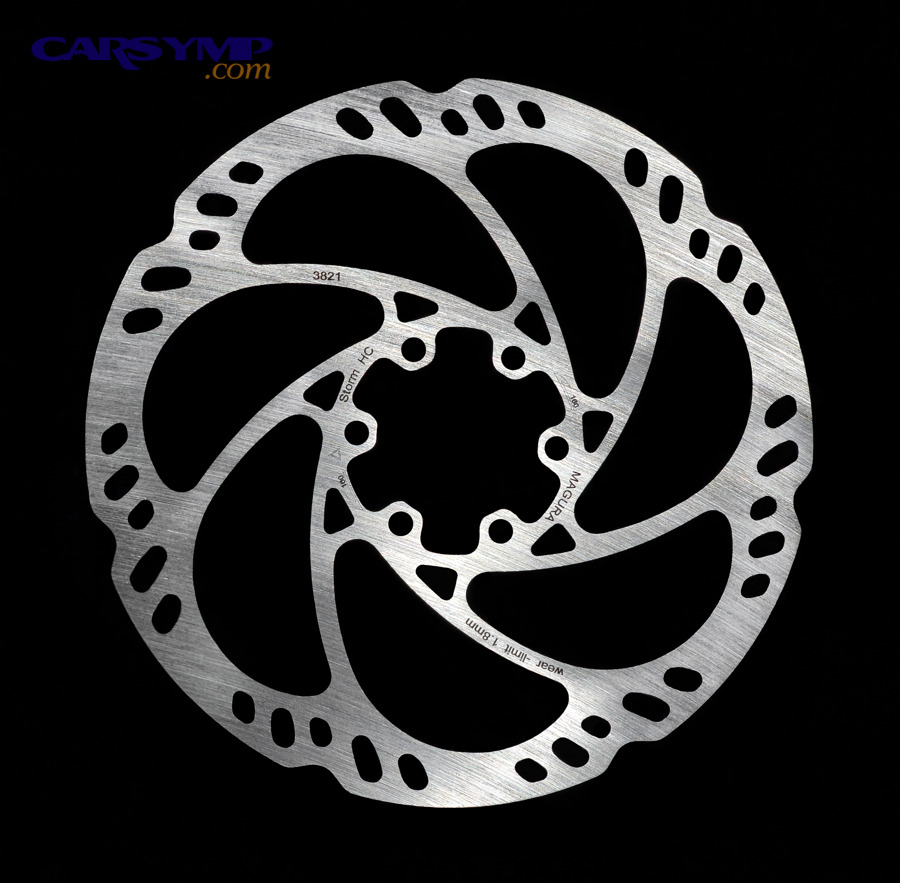
| Grinding | Braking or constant while rolling | Brake hardware, wheel bearing, debris shield contact | Rotor scoring, pad thickness view, check for heat/smell at wheel |
| Clunk / knock | Bumps, shifts, on/off throttle | Suspension links, mounts, CV joints, driveline lash | Look for torn bushings, loose sway links, mount movement |
| Hum / whir | Increases with speed | Tire cupping, wheel bearing, drivetrain | Tread pattern feel, left/right load test, check uneven wear |
| Rattle / tick | Idle, acceleration, bumps | Heat shields, exhaust hangers, interior items, injectors/valvetrain | Tap test (cool exhaust), shield clamps, remove cabin loose items |
Now match the sound family with a trigger:
- If braking changes it, treat brakes and wheel-end components as priority.
- If turning changes it, treat wheel bearings, CV joints, and steering/suspension as priority.
- If RPM changes it, treat engine combustion/accessories/valvetrain as priority.
- If bumps changes it, treat suspension/loose hardware/exhaust as priority.
A focused note on knocks: engine knock vs deeper knocks
Not all “knocks” are equal, and mislabeling them wastes time and money.
- Combustion/engine knock (detonation-like ping) often sounds lighter, may worsen under load, and can be influenced by fuel quality, timing, and engine conditions.
- Deep mechanical knock (rod/main bearing-type) often sounds heavier, more “bottom-end,” and can worsen with RPM and load.
This is where Engine knock vs rod knock identification matters: the correct category changes your “drive or stop” decision.
What inspection steps should you run after the listening test?
After the listening test, you should run a 4-stage inspection—quick external check, under-hood check, wheel/brake check, and optional scan—so your observations confirm the system your ears identified.
In addition, inspection prevents the most common DIY mistake: replacing parts based on a sound label instead of a confirmed cause.
Stage 1: Quick external check (5 minutes, no tools)
Walk around the car and look for “obvious clues” that match the trigger:
- Fresh fluid spots under the engine bay or wheel area
- Loose undertray or hanging splash guard
- Exhaust pipe/hanger visibly low or contacting something
- Foreign debris in wheel wells or trapped between shield and rotor
Then do a gentle “push test” on corners: excessive bounce can hint at suspension damping issues, but don’t overinterpret—this is just a first clue.
Stage 2: Under-hood check (if RPM-linked)
If your sound was RPM-linked, check:
- Belt condition: cracking, glazing, fraying
- Pulleys and tensioner area: visible wobble, misalignment
- Fluids: low oil and low coolant both raise risk for serious damage
- Loose covers or brackets: plastic engine cover rattle can mimic bigger issues
If you’re doing any listening near the engine, keep clothing, hair, and tools away from rotating components.
Stage 3: Wheel/brake check (if speed- or brake-linked)
If speed or braking changes the sound, prioritize wheels and brakes:
- Look through the wheel spokes for rotor scoring or heavy rust ridges
- Check tire tread for feathering or cupping (run your hand lightly over the tread blocks)
- Look for uneven wear patterns that match a humming/whirring complaint
- If one wheel smells hot after a short drive, that can indicate brake drag—do not keep testing
A key principle: a grinding brake sound is not a “monitor it” sound. Grinding typically means metal-to-metal contact or severe interference—treat it as urgent.
Stage 4: Optional OBD2 scan (supporting, not deciding)
An OBD2 scan helps when a noise comes with:
- misfire symptoms
- check-engine light
- performance loss
- abnormal fuel economy changes
But remember: many wheel-end and suspension noises produce no codes. Use the scan to support your diagnosis, not replace your ears and eyes.
How do you decide what to do next—DIY fix, monitor, or mechanic?
Yes—you can decide the next step safely by using the same sound-check data plus three decision filters: safety risk, damage acceleration, and repair complexity.
More importantly, this is how you avoid the two worst outcomes: driving through a brake/steering emergency, or paying for unnecessary parts.
Filter 1: Safety risk (stop-driving list)
Stop driving and get professional help if you have any of these:
- Grinding while braking or braking performance changes
- Steering feels loose, jerky, or inconsistent
- Loud knock that rapidly worsens, especially with oil pressure warning
- Overheating, steam, burning smell, or smoke
- A wheel that becomes unusually hot compared to others after a short drive
These signals mean the cost of “testing more” can be far higher than the cost of towing.
Filter 2: Damage acceleration (does it get worse fast?)
Some noises are “progression noises” and tend to worsen quickly:
- A wheel bearing hum that grows louder week to week
- A brake squeal that turns into grinding
- A deep engine knock that increases under load
If the noise is escalating, treat it as a repair priority even if the car still drives.
Filter 3: Complexity (DIY-friendly vs pro-level)
DIY-friendly fixes often include:
- tightening a loose heat shield clamp
- securing an undertray
- removing trapped debris
- replacing a simple worn belt (if you are experienced and have the correct procedure)
Pro-level cases include:
- wheel bearing replacement (often requires presses/torque procedures)
- brake system repairs beyond pads/rotors
- internal engine noises requiring teardown-level diagnosis
If you’re hearing a persistent knock and you suspect internal damage, don’t rely on hope—document it and escalate.
How to talk to a mechanic so you don’t waste labor
Bring structured data:
- When it happens (idle, accelerate, brake, turn, bumps)
- Where it sounds loudest (front-right, engine bay, rear)
- Whether it’s RPM- or speed-linked
- What you inspected (belt condition, tread pattern, loose shields)
- A short recording captured during a repeatable moment
Good data shortens diagnosis time and reduces “parts roulette.”
What advanced tips and uncommon scenarios can refine your DIY car-noise diagnosis?
Advanced DIY diagnosis becomes far more accurate when you add targeted tools and rare-scenario awareness, because some noises mimic serious failures even when the cause is simple.
Besides, this is where you refine your sound-check into a higher-confidence conclusion.
Use sound frequency logic: RPM vs vehicle-speed “math”
If the noise rises and falls with RPM while stationary, that’s strong evidence for engine-side sources. If it tracks vehicle speed even when you shift gears (RPM changes but speed stays similar), that points to wheels/drivetrain.
This is not just a DIY trick—researchers build automated classifiers around repeatable frequency characteristics in knock and bearing signals. For example, an academic study on knock detection associated performance with measurable signal features and reported high classification accuracy in controlled evaluation. (arxiv.org)
Don’t overlook the “fake serious” noises
Some of the scariest-sounding issues have simple causes:
- Loose heat shield tapping under load
- Undertray flapping at speed
- A small stone trapped near a brake dust shield
- Interior seat-rail rattle that sounds like suspension
The rule is simple: if bumps trigger it more than speed, and you can reproduce it by lightly tapping specific shields (when cool), it’s often hardware-related rather than internal failure.
Knock-focused bonus: keeping knocking from coming back
If your diagnosis suggests combustion knock rather than mechanical bottom-end damage, Preventing knocking with maintenance becomes part of the solution:
- maintain correct oil level and change intervals
- keep the cooling system healthy (overheating increases knock risk)
- use the fuel octane recommended by the manufacturer
- address misfires and carbon buildup early
This prevention angle matters because recurring knock isn’t just an annoyance—it can become a limiter on performance and, in severe cases, contribute to damage if ignored.
One practical video for sound reference (optional)
According to a study by Graz University of Technology (Institute for Internal Combustion Engines and Thermodynamics), in 2022, a theory-guided 1D CNN approach reported above 92% accuracy in distinguishing knocking vs non-knocking combustion cycles in cross-validation, highlighting how repeatable signal patterns can classify knock events. (arxiv.org)
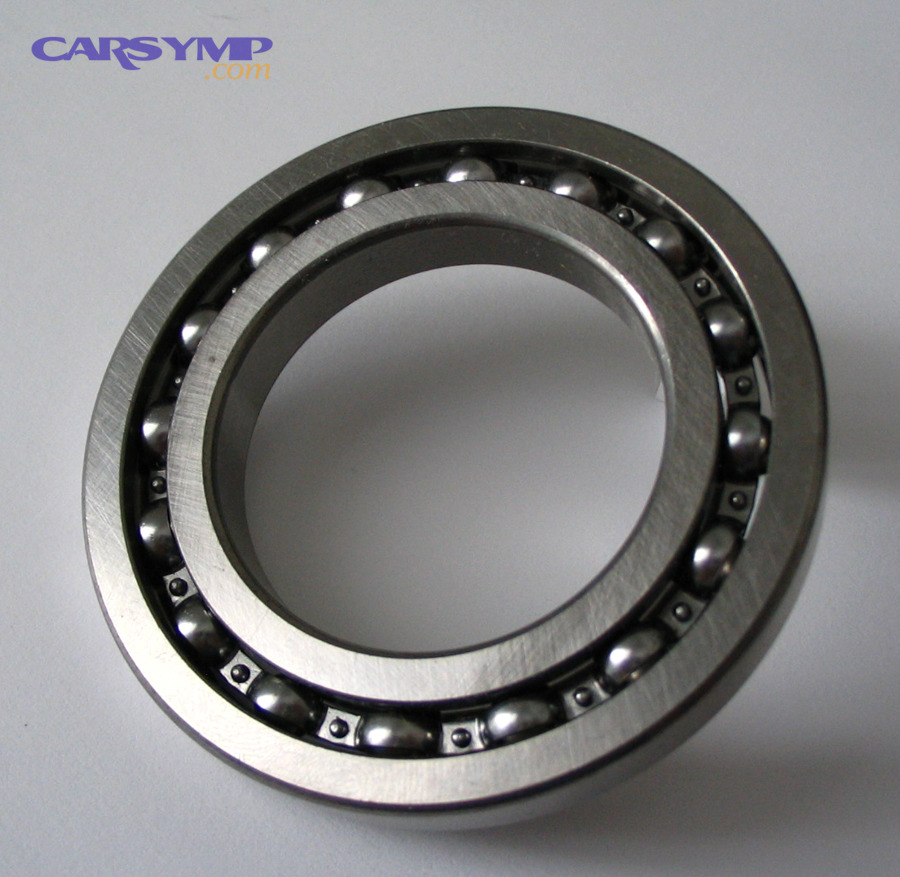
According to a study by the University of Cincinnati from the Department of Mechanical Engineering, in 2019, an acoustic-based wheel bearing diagnosis approach reported 100% accuracy without false positives across the test cases described, showing that bearing-related noise can produce consistent frequency signatures when measured methodically. (papers.phmsociety.org)
According to a study by the University of Liverpool from the Department of Engineering, in 2008, brake squeal was described as a high-frequency noise above 1 kHz, commonly loud and challenging to eliminate—supporting why braking noises deserve early attention in a DIY checklist. (sensorprod.com)