


Yes—most 1-year-old tires are still fresh enough to buy and safe to use, as long as you confirm their real manufacturing date and they show no signs of improper storage or damage. The key is to treat “one year old” as a starting point and verify freshness using the DOT date code and a quick condition check.
Next, the fastest way to verify a tire’s true age is to read the DOT date code on the sidewall, because “new” on an invoice can simply mean “unused,” not “recently manufactured.” Once you know the week and year, you can judge whether the tire is truly just over a year old—or older than the seller claims.
Then, even unused tires can age if they were stored in heat, sun, or ozone-rich environments, so you’ll want to understand what storage conditions keep tires fresh vs what makes them old faster. That single factor often explains why one “1-year-old” tire looks perfect while another looks prematurely weathered.
Introduce a new idea: you’ll also learn the visual “walk away” signs and the questions to ask sellers so you can confidently decide whether a 1-year-old tire is a smart buy—or a hidden risk.
Are 1-year-old tires still fresh and safe to buy/use?
Yes—1-year-old tires are usually still fresh and safe to buy/use because rubber aging is typically modest at one year, most tires spend months in distribution before sale, and safety risks at this age usually come from poor storage or damage—not the calendar alone.
Next, “safe at one year” only stays true if you confirm the DOT date code and check for storage-related deterioration, so you’re judging the tire’s real freshness, not a sales label.
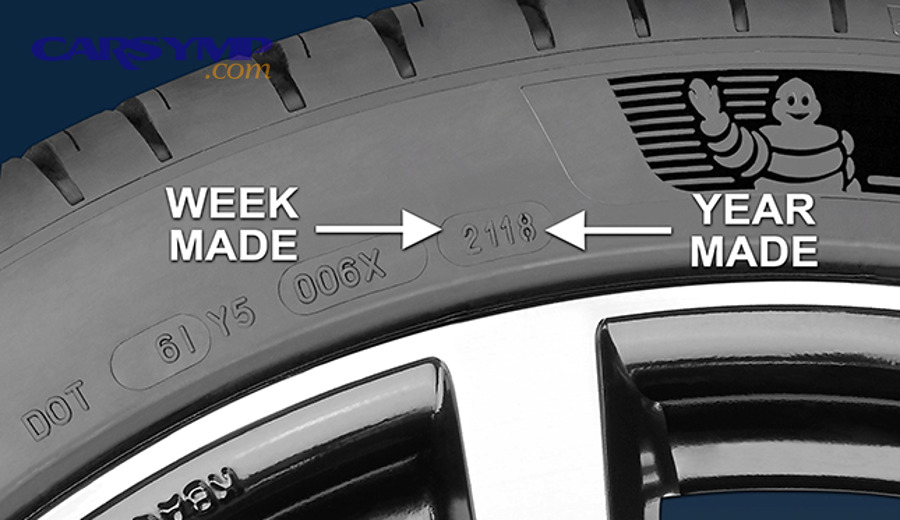
A tire’s freshness isn’t just about time—it’s about time + environment + handling. Tires are chemical products: the rubber compound slowly changes as oxygen, heat, UV, and ozone interact with it. In normal conditions, one year is not “old,” and many reputable retailers consider tires that are a year or two from manufacture still within a normal “new tire” window if they’ve been stored properly. Where people get burned is when the tire was left near a sunny storefront window, stacked outdoors, stored next to a motor (ozone), or scuffed/damaged before purchase.
Here are the three most practical reasons 1-year-old tires are usually okay:
- Supply chains aren’t same-week delivery. Tires may sit in warehouses or distribution networks before reaching a store. “New” usually means “unused,” not “made last month.”
- Most rubber compound aging at one year is minimal in proper storage. When kept cool, dry, and out of sunlight, tires generally maintain normal performance characteristics within this timeframe.
- The bigger risks are condition issues you can detect. Sidewall cracking, flat-spotting, bead damage, or signs of poor storage matter more than “12–18 months since manufacture.”
Is a tire “new” if it was made over a year ago?
A tire is “new” if it is unused, unmounted, and sold as first-service inventory, even if it was manufactured over a year ago; the standout feature is that retail “new” describes service status, not necessarily manufacturing recency.
Specifically, this distinction matters because many drivers assume “new” equals “recently produced,” when in reality “new” often means “has never been installed and has not been in service.”
In practical terms, think of it like packaged goods: a product can be “new” on the shelf even if it was produced months earlier. Tires are similar, except freshness is influenced heavily by storage quality.
To keep the “fresh (not old)” decision simple, use this rule of thumb:
- If the tire is confirmed ~1 year old by DOT code, stored properly, and shows no cracking, bulging, or deformation, it is usually a safe and reasonable purchase.
- If the seller can’t provide clear photos of the DOT date code or the tire shows early weathering, it may be “new” in name only.
Can a 1-year-old tire be unsafe even if it looks unused?
Yes—a 1-year-old tire can be unsafe even if it looks unused because improper storage can accelerate rubber aging, hidden damage can exist in the bead/inner sidewall, and manufacturing or handling defects sometimes aren’t obvious at first glance.
Then, the safest approach is to combine a DOT age check with a short inspection that targets the most failure-relevant areas.
The big “looks unused but isn’t safe” scenarios include:
- UV/sun exposure: UV can trigger surface cracking and compound degradation faster than time alone.
- Heat cycling in storage: Hot warehouses or outdoor storage can accelerate thermo-oxidative changes.
- Ozone exposure: Motors, compressors, welders, and some industrial equipment can increase ozone, which attacks rubber and promotes cracking.
- Bead or inner sidewall damage: A tire can be scuffed or pinched during handling, especially around the bead area, and you may not notice until it’s mounted and inflated.
Even if the tread looks perfect, the sidewall is where many age-related risks appear first because it flexes constantly in service. That’s why “fresh” is really about structural integrity plus age.
What quick checks tell you “buy it” vs “walk away”?
There are 6 quick checks that separate “buy it” from “walk away” for 1-year-old tires: DOT date confirmation, sidewall condition, bead integrity, roundness/deformation, repair history, and matching age across the set.
More importantly, these checks take minutes and prevent expensive mistakes—especially if you’re buying online, from a marketplace, or from a discount outlet.
Use this checklist:
- DOT date code: Verify the last four digits (week/year). If the seller won’t show it, treat that as a red flag.
- Sidewalls: Look for cracking, “alligatoring,” discoloration, or a dry, chalky appearance.
- Bead area: Inspect for cuts, chunks missing, or scuffs that could prevent sealing.
- Bulges or waviness: Any bulge suggests structural damage—walk away.
- Flat-spotting: A slight temporary flat spot can happen, but severe deformation is a no.
- Set consistency: If you’re buying four tires, confirm the DOT dates are reasonably close.
If you do only one thing, do the DOT check first—because it anchors everything else.
How do you check the DOT date code to confirm a tire’s real age?
You check the DOT date code by finding the DOT/TIN sequence on the sidewall and reading the last four digits, where the first two digits are the manufacturing week and the last two digits are the manufacturing year; the standout feature is that this method verifies age even when “new” labeling is vague.
Next, once you confirm the week/year, you can calculate whether the tire is truly “over a year” old or just approaching that mark.
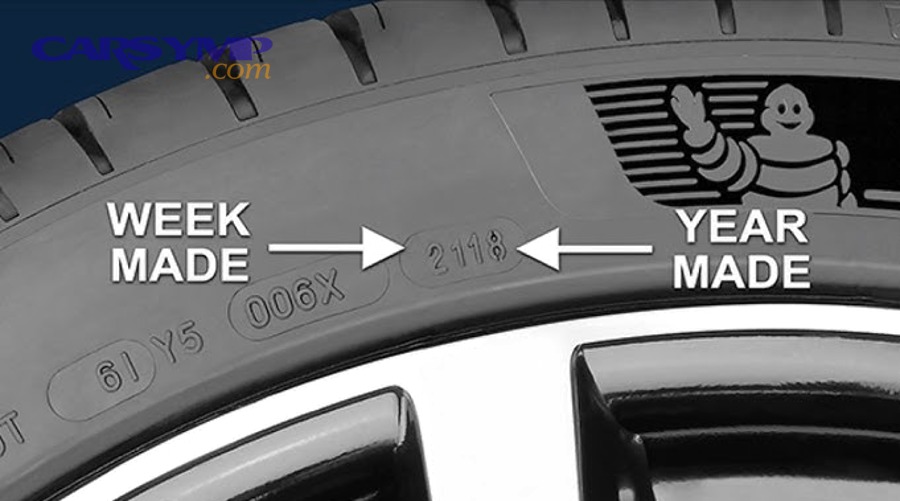
The DOT Tire Identification Number (TIN) may look intimidating, but for freshness, you mainly care about the date code segment. The most common format for modern tires is a four-digit date code such as 4023, meaning the tire was made in the 40th week of 2023.
A reliable industry explanation of this WWYY pattern is commonly published by major tire brands; for example, Goodyear explains that the last four numbers indicate week and year for the manufacture date.
Where is the DOT date code located on the tire?
The DOT date code is located on the tire’s sidewall within the DOT/TIN string, often near the bead area; the standout feature is that some tires display the full code on only one side, so you may need to check the inner sidewall.
Then, if the tire is mounted on the vehicle, you may need to turn the steering wheel or crawl slightly underneath to view the inner sidewall safely (engine off, parking brake on).
What to look for:
- The letters “DOT” followed by a sequence of letters and numbers.
- A final 4-digit code (for tires made after 2000) that indicates the manufacturing week and year.
- If you only see partial information, check the other sidewall; manufacturers sometimes place the full date code on one side only.
Practical tip: If you’re buying a set of four, photograph each tire’s date code before you commit. It’s the easiest way to prevent mismatched ages.
How do you read the last four digits (WWYY) correctly?
You read the last four digits as WWYY, where WW is the week (01–52) and YY is the year; the standout feature is that this gives you a precise manufacturing window without needing any special tools.
Specifically, the format turns “about a year old” into a measurable fact.
Examples:
- 2424 = week 24 of 2024
- 01125 is not valid as a 4-digit date code; you’d look for the last 4 digits like 0125 = week 01 of 2025
- 4023 = week 40 of 2023
To estimate “over a year,” compare the manufacturing week/year to today’s date:
- If today is in week 10 of 2026 and the tire code is 0825, the tire is about one year and a few weeks old.
- If it’s 4023, it’s closer to two+ years, which may still be fine if stored well—but it’s no longer the “just over a year” scenario.
Should you accept mismatched tire ages across a set?
It depends—yes for temporary situations, but no for best handling and safety, because mismatched ages can create different grip levels, different rubber flexibility, and uneven performance under braking and cornering.
However, if you’re buying tires as a full set for daily driving, matching manufacturing windows is a smart standard because it keeps the vehicle’s traction behavior predictable.
When mismatched ages are usually acceptable:
- You’re replacing a single tire temporarily (and the tread depth difference is small).
- It’s a non-performance application where perfect balance isn’t critical.
When mismatched ages are usually a bad idea:
- You’re installing a full set and want consistent handling.
- The vehicle is AWD and sensitive to differences in rolling circumference (you’ll also need to match tread depth closely).
In short, matching ages isn’t perfectionism—it’s a simple way to keep your car’s grip behavior consistent.
What storage conditions keep tires “fresh,” and what conditions make them “old” faster?
Cool, dry, dark indoor storage keeps tires fresh, while heat, sunlight/UV, and ozone-rich environments make tires age “old” faster by accelerating rubber oxidation and surface cracking.
Next, this comparison matters because two tires with the same DOT code can behave very differently depending on where and how they were stored.
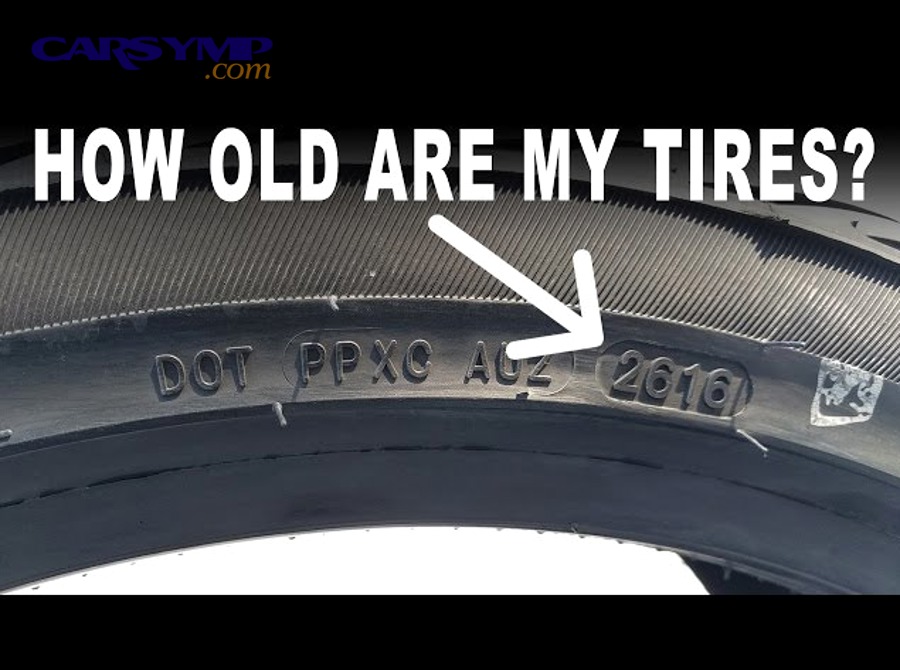
A “1-year-old tire” stored in a climate-controlled warehouse can look and perform like it was made recently. A “1-year-old tire” stored outdoors, baking in the sun, can show early cracking and hardened rubber.
Here’s the most useful comparison table to keep the decision simple. The table below shows how storage conditions affect “fresh vs old” outcomes.
| Storage factor | Fresh-preserving condition | Aging-accelerating condition | Why it matters |
|---|---|---|---|
| Temperature | Cool, stable | Hot garage, attic, outdoor heat | Heat speeds oxidation and compound change |
| Sunlight/UV | Dark or covered | Direct sun, near windows | UV triggers surface degradation and cracking |
| Ozone | Away from motors | Near compressors/electric motors | Ozone attacks rubber and promotes cracks |
| Humidity | Dry, low moisture | Damp storage | Moisture can worsen surface issues and contamination |
| Positioning | Proper racking/bagging | Crushed stacking, uneven load | Deformation and flat-spotting risk |
This isn’t about making storage complicated; it’s about recognizing which environments turn “one-year-old” into “aged early.”
Does indoor storage usually keep a 1-year-old tire in good shape?
Yes—indoor storage usually keeps a 1-year-old tire in good shape because it reduces UV exposure, limits temperature extremes, and lowers contact with ozone-producing equipment compared with outdoor storage.
Moreover, “indoor” only works when it’s actually cool, dry, and away from direct sunlight and chemicals.
Practical “good indoor storage” looks like:
- Basement or climate-controlled space with stable temperature
- Tires kept away from windows and sunlight
- No nearby solvents, fuels, or sharp metal edges
- Clean and dry tires before storage (dirt can hold moisture and contaminants)
Many tire manufacturers publish storage best practices; Michelin’s tire guidance emphasizes cool, dry storage away from sunlight and chemicals, and Continental provides step-by-step suggestions like using airtight bags and reducing air exposure.
What storage red flags speed up aging (sun/heat/ozone)?
There are 7 major storage red flags that speed up tire aging: direct sunlight, high heat, temperature swings, ozone sources, chemical exposure, damp environments, and physical distortion from stacking or pressure.
Especially when you’re buying from a private seller, these red flags tell you whether the tire’s calendar age is misleading.
Watch for:
- Sun-faded sidewalls or uneven discoloration (often a sign of window or outdoor exposure)
- Hot storage locations like attics, sheds, or non-insulated garages in extreme climates
- Ozone proximity (compressors, generators, electric motors, welding equipment)
- Chemical smell or evidence of contact with solvents/fuel/oil
- Chalky rubber texture that looks dried-out prematurely
- Stacking deformation (tires squished out of round)
- Moisture exposure (musty smell, moldy storage bags, damp surfaces)
Evidence matters here because storage conditions directly change rubber chemistry. According to a study by Virginia Tech from the Materials Engineering Science program, in 2001, thermal aging of natural rubber vulcanizates was conducted at 80–120°C for 3–24 days, and the research observed mechanical property changes and increased crack growth behavior with aging—showing how elevated temperatures can accelerate degradation effects.
Unused stored tire vs used tire with low miles: which is “fresher”?
An unused stored tire is fresher when storage was cool/dry/dark, while a lightly used tire can be fresher when the “unused” tire was stored poorly; the winner depends on storage quality vs real-world heat and impacts.
However, most buyers assume “unused” automatically wins, so it’s worth comparing both cases realistically.
Unused stored tire wins when:
- Storage was indoor and climate-stable
- There is no cracking, chalkiness, or deformation
- The DOT code confirms the claimed age
- The tire has never been mounted (bead is clean and intact)
Lightly used tire wins when:
- The unused tire shows sun exposure or early cracking
- The used tire shows even wear, no repairs, and good sidewalls
- The used tire’s storage history was normal (mounted on a vehicle, driven routinely, not left flat for months)
In short, “fresh” is not “never driven.” Fresh is healthy rubber + intact structure.
What visible signs make a 1-year-old tire “not fresh” and worth rejecting?
There are 5 visible signs that make a 1-year-old tire “not fresh” and worth rejecting: sidewall cracking, bulges, bead damage, severe deformation/flat-spotting, and evidence of improper repairs or puncture history.
Next, these signs matter because they correlate with structural weakness—exactly what you don’t want in a tire that must contain high pressure and absorb road impacts.
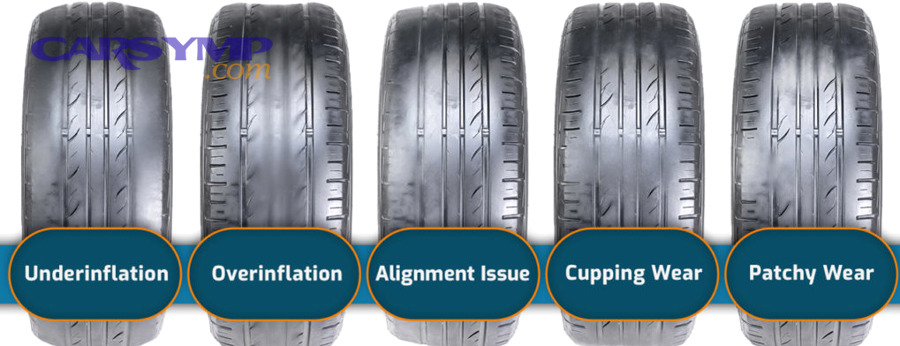
A tire can be “only a year old” yet show damage from storage or handling. Your goal is to reject tires with structural risk markers, not cosmetic dust.
Here’s a simple “inspection flow” before you buy:
- Scan both sidewalls in good light
- Check the bead area (especially if the tire was handled loose)
- Look for bulges and waviness around the circumference
- Inspect tread for unusual cracking or separations
- Ask directly about repairs and verify visually
Is sidewall cracking or “dry rot” an immediate no?
Yes—sidewall cracking is usually an immediate no because the sidewall flexes constantly, cracks can deepen under load, and advanced dry rot increases the risk of sudden failure even if tread looks good.
However, tiny superficial “surface lines” can be confusing, so focus on crack depth and location rather than panic over every cosmetic mark.
What “no” looks like:
- Cracks that open when you flex the rubber slightly
- Cracking near the bead or shoulder where stress concentrates
- A network of cracks (“alligatoring”) across the sidewall
- Any cracking combined with chalky, hardened rubber texture
What “monitor” might look like (still best checked by a tire shop):
- Very faint, shallow surface lines on older tires (less likely at one year, but possible after harsh UV exposure)

Evidence can help explain why this matters. According to a study by Virginia Tech from the Materials Engineering Science program, in 2001, research on thermally aged natural rubber found that aging influenced mechanical behavior and increased crack growth rates—supporting the practical reality that rubber becomes more failure-prone as degradation mechanisms progress.
What does uneven wear or flat-spotting tell you about prior use/storage?
Uneven wear or flat-spotting is a condition indicator that reveals how the tire was used or stored, with standout clues like localized wear (alignment/underinflation) or flattened sections (long-term stationary load).
Specifically, a “fresh” 1-year-old tire should not show abnormal wear patterns unless it was mounted and driven with a mechanical issue.
Common meanings:
- One-sided wear: often indicates alignment or suspension issues
- Center wear: can indicate chronic overinflation
- Shoulder wear: often linked to underinflation or aggressive cornering
- Flat spots: can occur when a vehicle sits for a long time, especially in cold weather; minor flat spotting may smooth out, but severe flat spotting suggests prolonged storage or underinflation
If you see wear patterns, you’re no longer buying a “fresh unused tire.” You’re buying a used tire, and the price and expectations should change.
What damage is easiest to miss during a quick inspection?
The 4 easiest-to-miss damages during a quick inspection are inner sidewall scuffs, bead cuts, subtle bulges, and hidden repairs (plugs/patches).
Moreover, these issues matter because they can turn into leaks, vibration, or failure after installation—when returning the tire becomes difficult.
Look carefully for:
- Inner sidewall abrasions: especially from curb contact or mishandling
- Bead damage: chunks missing, tearing, or heavy scuffing where it seals to the rim
- Small bulges: run your hand along the sidewall to feel irregularities
- Repair evidence: plugs, patches, or unusual marks in the tread area
If you’re buying online, insist on clear photos of the inner sidewall and bead. If a seller refuses, that’s information.
When should you replace tires by age, even if tread looks fine?
You should replace tires by age when the tire is approaching the manufacturer’s age limit or showing age-related deterioration, because rubber degrades over time even with adequate tread; the standout feature is that age-based replacement prevents failure risks that tread depth alone cannot predict.
Next, this is where “fresh (not old)” becomes a long-term ownership strategy, not just a buying decision.
Most safety guidance is consistent on the big idea: age matters, even if tread looks okay. In the U.S., NHTSA notes that as tires age they can become more prone to failure, and that some manufacturers recommend replacement in the 6–10 year range regardless of treadwear.
This does not mean your 1-year-old tires are near the end. It means you should treat age as a real maintenance dimension—like brake fluid or coolant—rather than ignoring it.
Is “tread depth” alone enough to judge tire safety?
No—tread depth alone is not enough to judge tire safety because rubber can harden and crack with age, the tire’s internal structure can degrade, and storage or heat exposure can weaken belts even when the tread still looks deep.
Besides, a tire can have plenty of tread and still be unsafe if the sidewall is compromised or the compound has significantly aged.
What tread depth tells you well:
- Wet traction potential (to a point)
- Approximate remaining wear life
What tread depth does not tell you reliably:
- Sidewall health and crack risk
- Internal belt integrity
- Storage exposure history
- Compound hardening from aging or heat cycling
This is why your buying decision should always include the DOT date code and a sidewall inspection.
How often should you inspect older tires for age-related issues?
You should inspect older tires regularly—at least at every oil change or monthly for older sets—because small cracks, bulges, and pressure changes often appear before major failure; the standout feature is that frequent inspection catches “old” signs early while the tire still looks “fine” at a glance.
To better understand what “regular inspection” means in real life, tie it to routines you already follow.
A practical schedule:
- Monthly quick check: pressure, visible cracking, bulges, tread anomalies
- Before long trips: add a closer sidewall and bead check
- At seasonal changes: inspect if you swap summer/winter sets and verify storage condition
This is also the right moment to budget the true ownership costs. A realistic maintenance cost estimate for tires often includes more than rubber: balancing, alignment checks, TPMS service, and rotations. Those added services can vary with Dealer vs independent maintenance pricing, and while tires aren’t “fluid,” tire-related visits often coincide with other services where the Cost of fluids (oil, coolant, brake fluid) can affect the total invoice. Keeping tire checks synced with routine maintenance reduces surprise costs and helps you catch issues before they become expensive.
What should you ask a seller before buying 1-year-old “new” tires?
You should ask 4 essential questions before buying 1-year-old “new” tires: DOT proof, storage history, return/warranty terms, and handling/repair history, because these questions reveal whether the tire is truly fresh or just “new old stock.”
Next, these questions work as a filter—if the seller can answer clearly, the tires are more likely a safe buy.
Buying tires is often a trust transaction. The more unknowns, the more you should rely on structured questions.
Ask these four questions, in this order:
- “Can you show a clear photo of the DOT date code for each tire?”
- “How were the tires stored—indoors, away from sunlight and heat?”
- “What is the return policy and how does the warranty work?”
- “Have they ever been mounted, repaired, or damaged during handling?”
If you get vague answers, assume the risk is higher and price accordingly—or walk away.
Are “new old stock” tires the same as fresh tires?
New old stock (NOS) tires are not the same as fresh tires: fresh tires win in compound flexibility and predictable performance, while NOS can be acceptable mainly when storage was ideal and the price reflects the older manufacture date.
However, NOS isn’t automatically bad—it’s just not automatically “fresh.”
Fresh tire advantages:
- More predictable compound behavior (especially in wet/cold)
- Lower chance of storage-related cracking
- Higher confidence in remaining service life
NOS tire advantages:
- Potentially significant cost savings
- Can be fine if stored properly and age is still within safe guidance
If you’re buying performance-focused tires (like ultra-high-performance summer tires), freshness matters more because compounds can be more sensitive to storage and heat. For basic commuting all-season tires, properly stored NOS can be a reasonable value play—if you verify the DOT code and condition.
Does the tire warranty start at manufacture date or purchase/installation date?
In most consumer situations, warranty coverage is tied to purchase/installation documentation rather than the manufacture date, but policies vary by brand and retailer—so purchase terms win for paperwork, while the DOT date matters for your safety evaluation.
Meanwhile, this is exactly why you should keep receipts and confirm the policy before buying.
What to do:
- Ask the seller or retailer to confirm how they define warranty start (sale date vs install date).
- Keep a copy of the invoice and installation record.
- Treat warranty as a financial protection, not a substitute for safety checks.
A tire can be “covered” and still not be “fresh.” Your goal is both: safe tire + clear paperwork.
Do some tire types age faster (summer vs all-season vs truck)?
Summer tires are often more sensitive to aging and storage conditions, all-season tires balance durability and flexibility, and truck/LT tires prioritize load capability—so summer tires win for warm grip, all-seasons win for broad conditions, and LT tires win for heavy-duty use.
Besides, the more specialized the compound, the more storage quality can influence how “fresh” the tire feels in real driving.
High-level guidance:
- UHP summer tires: prioritize grip; can feel “older” sooner if compound hardens from poor storage
- All-season tires: designed for broader temperature ranges; often tolerate normal storage better
- LT/truck tires: built for loads and durability; still age, but are often bought for different priorities
No matter the type, the DOT date and sidewall condition remain your primary gatekeepers.
What proof of storage or handling should you request?
You should request 4 proofs of storage/handling: DOT photos, full-tire photos in good light, confirmation of indoor storage conditions, and a return/inspection agreement at pickup, because these reduce uncertainty and expose “old” storage damage early.
More specifically, these proofs help when the seller’s claims are hard to verify.
Request:
- Close-up DOT date code photos for each tire
- Sidewall photos from multiple angles (inner and outer if possible)
- A simple storage description: indoor/outdoor, sunlight exposure, proximity to motors/chemicals
- Terms at pickup: ability to inspect before final payment; return window if the tire fails mounting due to bead damage
If you’re buying locally, inspect in person under bright light. If you’re buying online, insist on photos that are clear enough to read the DOT code without zoom artifacts.
Evidence can also explain why “sunlight proof” matters. According to a study by Northeastern University from the Environmental Science & Technology research community, in 2026, simulated sunlight conditions in rubber-related material research showed that rubber breakdown can produce hundreds of previously untracked chemicals as it decays—reinforcing that UV exposure drives real chemical change rather than superficial cosmetic aging.
Evidence (if any)
- According to a study by Virginia Tech from the Materials Engineering Science program, in 2001, thermal aging experiments on natural rubber compounds were conducted at 80–120°C for 3–24 days, and the research observed aging-linked changes in mechanical behavior and crack growth tendencies.
- According to a study by Northeastern University from the Environmental Science & Technology research community, in 2026, simulated sunlight-driven rubber decay research found rubber materials can generate hundreds of previously untracked chemicals as degradation progresses.