


Replacing a car starter typically costs hundreds of dollars, and the only reliable way to estimate it is to split the quote into parts + labor + “extras” and then compare those line items to common market ranges. For example, AAA notes an average total starter replacement range of about $700–$1,200, depending on vehicle and labor factors.
The next decision is whether the repair is truly a starter motor issue, because many “no-start” complaints are actually caused by a weak battery, corroded cables, a relay problem, or a security system lockout. That’s why you should confirm the failure mode before you compare prices—otherwise you can pay a fair price for the wrong repair.
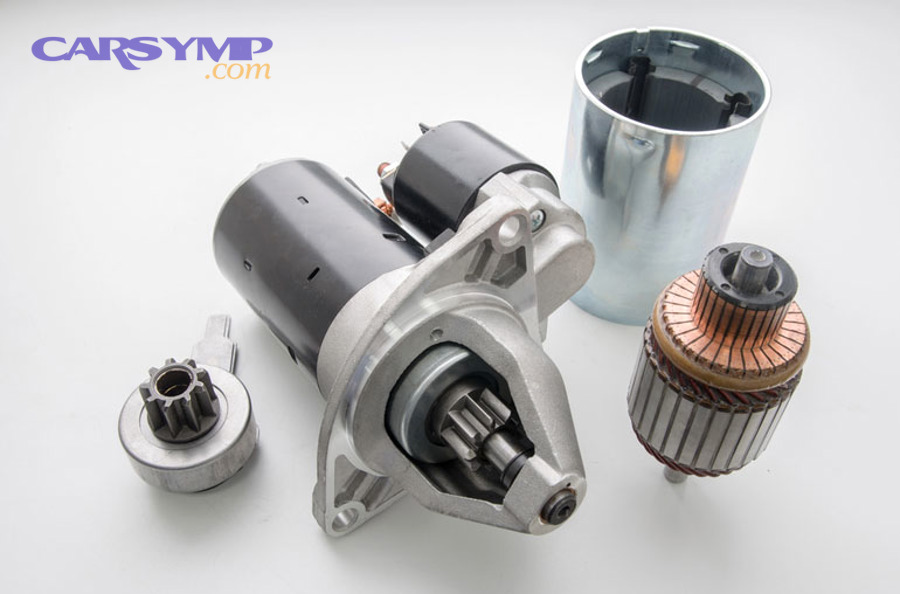
Then there’s the comparison that changes the quote the most: starter motor vs starter solenoid. Some vehicles allow solenoid-only service (or a component-level fix), while others use an integrated solenoid where replacement usually means replacing the whole starter assembly—so the “right” cost depends on how your vehicle is built.
Introduce a new idea: once you understand what a starter quote includes and how to tell motor vs solenoid vs “not the starter,” you can make a confident choice between DIY vs shop, and avoid the expensive trap of misdiagnosis.
What does “starter replacement cost” actually include for car owners?
Starter replacement cost includes the starter part (new/reman/OEM), labor to remove and install it, and often add-on charges like diagnostics, core fees, and shop supplies. Next, that breakdown matters because two quotes with the same “total” can be wildly different in quality, warranty, and what’s actually being replaced.
What is the typical cost range for a starter replacement (parts vs labor)?
There are 3 main cost buckets for starter replacement—budget, typical, and high-end—based on part type and vehicle access. Then, you can use these buckets to sanity-check your estimate before you approve it.
- Typical total range: Many mainstream sources cluster around ~$700–$1,000+ for common vehicles. Carfax, for example, cites $700–$1,000 for starter motor replacement. (carfax.com)
- Data-backed “fair range” style pricing: Kelley Blue Book (KBB) reports an average starter replacement cost range around $728–$820 (their estimator-style range). (kbb.com)
- Parts-only perspective (helpful for DIY math): AutoZone notes a brand-new starter can be ~$80 to $350+ (part-only), while total installed cost can vary much higher depending on vehicle and labor. (autozone.com)
- Upper-end scenarios: Some vehicles (tight packaging, premium brands) push totals above the “typical” band; Car Talk describes ~$600–$900 as common and ~$900–$1,400 for luxury scenarios.
A practical estimate formula you can apply to any quote:
- Total estimate ≈ (starter part price) + (labor hours × shop rate) + taxes/fees + (core charge if applicable)
Why this works: the part price and labor hours are the two levers you can compare across shops without arguing about their internal margins.
Which line items should appear on a written estimate for starter work?
There are 6 main line items that should appear on a starter replacement estimate: diagnosis, part, labor, fees, taxes, and warranty details. Then, when you see them clearly, it becomes easier to compare apples-to-apples and spot inflated “mystery” charges.
Here’s what a clean estimate usually contains (and what it means). The table below lists the most common line items and what you should expect each one to represent:
| Line item on estimate | What it should mean | Why it matters |
|---|---|---|
| Diagnostic fee / testing | Time spent confirming the failure (no-start checks, voltage tests) | Prevents paying for the wrong part |
| Starter assembly (part) | Brand/type (OEM, aftermarket new, reman) + part number | Biggest driver of quality and reliability |
| Labor | Hours billed to access/remove/install + verification | Access difficulty can dominate labor |
| Core charge (sometimes) | Refundable charge if the old starter is returned | Common with reman starters |
| Shop supplies / fees | Small consumables, disposal, admin | Should be modest and consistent |
| Warranty (parts/labor) | Length + what’s covered + exclusions | Tells you who owns risk if it fails |
If the estimate doesn’t specify part type (new vs reman vs OEM), ask for that in writing. A “cheap” quote can become expensive if it uses a low-quality part with weak warranty terms.
Evidence: According to a study by Kelley Blue Book from its service-and-repair data team, in 2025, starter replacement commonly appears with a “fair repair range” around $743.87–$837.19 based on aggregated repair-order style pricing. (kbb.com)
Is the no-start problem caused by the starter motor—yes or no?
No—many no-start complaints are not caused by the starter motor, because a weak battery, high-resistance cables/grounds, or a control-side lockout can create identical symptoms. Then, a fast no-start diagnosis approach keeps your cost estimate grounded in the real failure.
What symptoms point to a failing starter motor vs a weak battery?
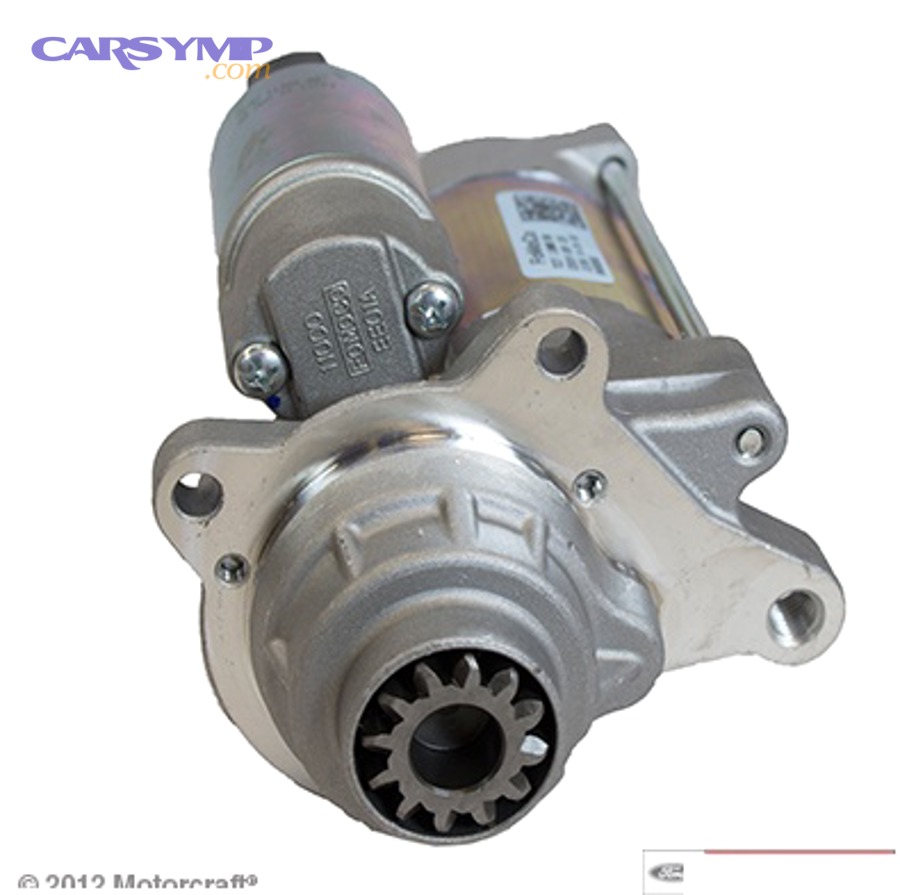
Starter motor failure wins as the likely cause when you have consistent clicking/engagement issues with a proven-good battery, while a weak battery is most likely when cranking is slow and voltage collapses under load. However, you should treat symptoms as clues—not verdicts—because bad cables can mimic both.
- Weak battery likely when:
- Slow crank that gets worse in cold weather
- Interior lights dim drastically during crank
- A jump-start reliably improves cranking speed
- Starter motor/solenoid likely when:
- A single loud click (solenoid) with no crank, especially with strong lights
- Intermittent “nothing happens” that later works, especially when hot (heat soak)
- You can measure good battery voltage but the starter doesn’t turn
A simple rule: battery problems usually change the sound and speed of cranking, while starter control problems often change whether cranking happens at all.
What tests confirm starter motor failure before you pay for replacement?
A confirmed starter diagnosis uses 3 checks—battery health, control signal to the starter/relay, and voltage-drop testing under load—to prove the starter is the bottleneck. Next, these checks help you avoid buying a starter when the real issue is resistance in cables or a missing signal.
Here’s a practical confirmation sequence:
- Confirm battery basics (health + connections)
- Clean/secure terminals
- Verify battery state of charge and capacity if you can (a battery can show “12.6V” and still fail under load).
- Confirm the starter control signal exists
- At crank, the solenoid “S” terminal should receive the start signal .
- If the signal is missing, the problem may be ignition switch, relay, clutch/neutral safety switch, or Security/immobilizer no-start causes rather than the starter itself. (carparts.com)
- Use a voltage-drop test while cranking (high value test)
- A voltage drop test is widely recommended for high-current circuits because it reveals resistance that a simple “static voltage” test can hide. Fluke provides a step-by-step approach for checking starter circuit voltage drop with a multimeter.
- If voltage drop is high on the positive or ground side, fixing cables/grounds can restore starting without replacing the starter.
If you’re comparing shop quotes, ask one specific question: “What test result proves the starter is bad?” A reputable shop can usually explain it clearly (even if they don’t give you every measurement).
Starter motor vs starter solenoid: what’s the difference and which one changes the cost most?
Starter motor wins for “big cost impact,” the starter solenoid is best for “small targeted repair,” and an integrated starter assembly is optimal when the design makes solenoid-only service impractical. Meanwhile, this comparison matters because the solenoid can be a component of the starter system, and your vehicle’s architecture determines what’s serviceable.
What is a starter solenoid and what does it do in the starting circuit?
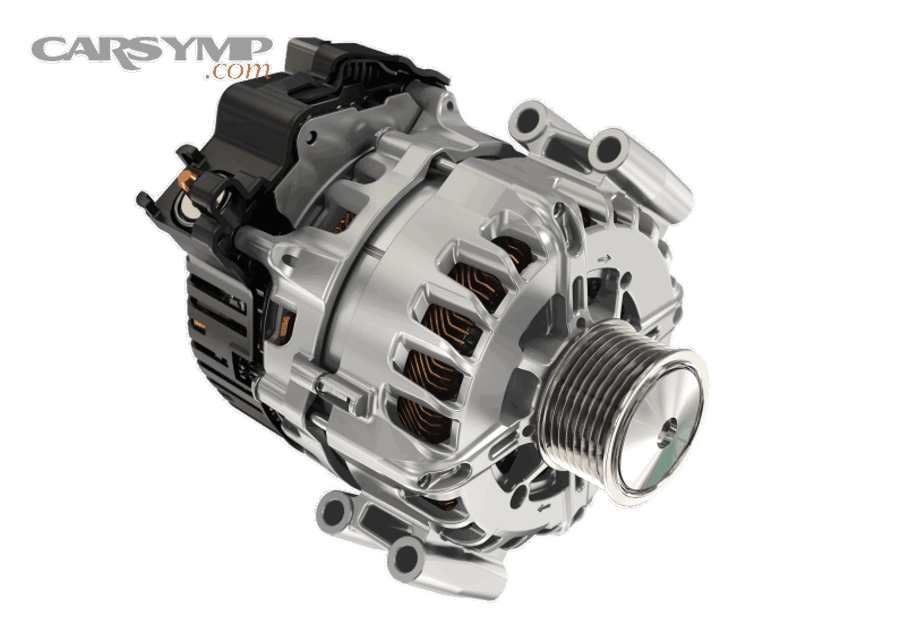
A starter solenoid is an electromagnetic switch that engages the starter gear and routes battery power to the starter motor during cranking, typically triggered by the ignition/start signal. Specifically, it does two jobs at once: mechanical engagement and electrical switching.
- Click with no crank: often solenoid engagement without sufficient motor rotation (could be solenoid contacts, weak power delivery, or a stuck motor).
- Intermittent starting: can be solenoid contact wear, heat-related resistance, or a marginal control signal.
Because solenoids can fail in ways that look “electrical,” this is where a good no-start diagnosis protects your wallet.
When can you replace only the solenoid instead of the full starter assembly?
Yes—you can replace only the solenoid when it is a separately serviced part, the starter motor tests good, and the labor to access the solenoid is meaningfully less than replacing the whole assembly. However, many modern vehicles treat the solenoid as part of a complete starter assembly, making solenoid-only replacement uncommon in retail repair workflows.
Solenoid-only replacement makes sense when:
- The vehicle design allows separate solenoid service
- The motor is in good condition (no burned windings, no seized bearings)
- The cost difference is large enough to justify the risk of future motor failure
- You have strong evidence the solenoid is the culprit (not just a guess)
Solenoid-only replacement becomes a false economy when:
- Access is so tight that labor is nearly the same as full starter replacement
- The starter is old/high-mileage and the motor is likely to fail soon anyway
- Warranty coverage is better on a complete assembly than on a component repair
How do prices compare: solenoid-only repair vs full starter replacement?
Solenoid-only repair wins on parts cost, full starter replacement is best for long-term reliability, and a remanufactured starter assembly is often optimal for balancing cost and warranty. Next, you should compare price in terms of “cost per avoided comeback,” not just the cheapest invoice.
- Solenoid-only: lower parts cost, but variable labor and higher risk of needing a second repair later.
- Full starter assembly: higher parts cost, usually better warranty alignment, and fewer repeat-labor scenarios.
- Reman starter: often mid-priced; can be great when sourced from a reputable supplier with clear warranty terms.
Evidence: According to AAA, average total starter replacement cost can range roughly $700–$1,200, with vehicle and labor factors driving where you land in that band.
What factors make starter replacement cost higher or lower?
There are 5 main factors that change starter replacement cost: vehicle access, part type, shop rate/location, add-on repairs, and corrosion/rust complexity. Moreover, once you identify which factor is driving your quote, you can decide whether to shop around—or whether the price is justified.
How do vehicle layout and access affect labor time and total cost?
Labor cost rises when the starter is buried behind other components, requires underbody removal, or involves rusted fasteners that increase removal time. To better understand this, think of labor as “minutes to reach the starter + minutes to remove it safely + minutes to reinstall and verify.”
- Transverse engine bays (many FWD cars): starters can be tucked behind the engine, near the firewall.
- AWD/4WD packaging: skid plates, driveline components, and tighter space can add time.
- Rust belt reality: corroded bolts and heat shields can turn a straightforward job into a slow job.
If you’re comparing two labor quotes, ask: “What must be removed to access the starter on my vehicle?” The answer often explains the difference.
Which part choices change cost most (OEM vs aftermarket vs reman)?
OEM wins for predictability and fitment, aftermarket wins for lowest up-front price, and reman is optimal when you want a mid-range price with a common “core-return” structure. However, the cheapest part isn’t the cheapest outcome if it increases failure risk or warranty friction.
- OEM: usually highest price; good when the vehicle is sensitive to fitment or you want maximum standardization.
- Aftermarket new: price varies widely; quality depends heavily on brand and supplier.
- Remanufactured: can be excellent or inconsistent depending on reman process; core charges are common.
AutoZone’s cost framing is useful for the “part-only” side: brand-new starters can fall roughly $80–$350+ depending on vehicle and quality tier. (autozone.com)
What “extra repairs” commonly appear with starter jobs and why?
There are 4 common “extras” that appear with starter work: battery/terminals, cable/ground repairs, relay/switch issues, and security system conflicts—because those items can cause the same no-start symptom set. Especially, these extras can be legitimate or opportunistic depending on whether tests back them up.
Common extras that are often legitimate:
- Battery replacement or terminal service (if the battery fails load testing or terminals are damaged)
- Cable/ground strap repair (if voltage drop indicates high resistance)
- Starter relay replacement (if the relay isn’t reliably passing the control signal)
- Wiring repair (if the starter signal is present intermittently)
Potential “quote inflation” red flags:
- Adding multiple electrical parts without test results
- Replacing starter + battery + alternator as a bundle without clear diagnosis
- Skipping load/voltage drop discussion entirely
If the shop mentions “it might be electrical,” ask what they did to rule in/out control-side causes before replacing the starter.
Should you DIY a starter replacement or hire a shop?
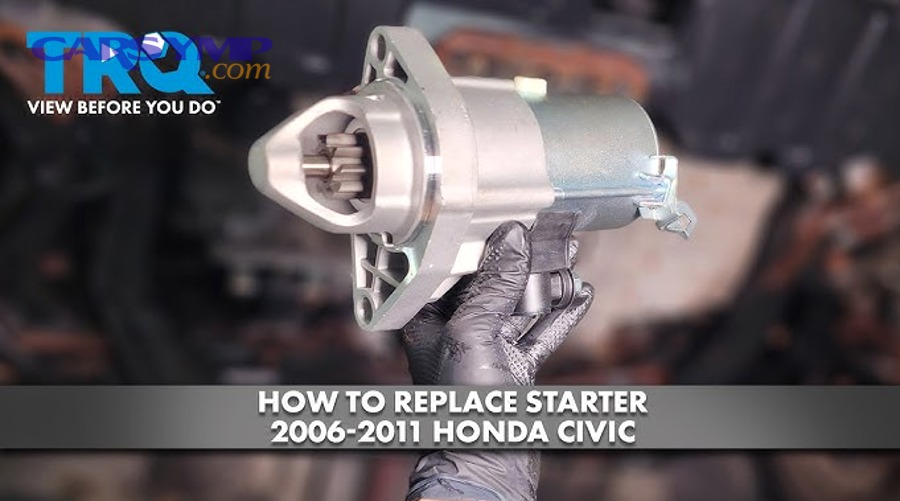
DIY wins for saving labor, hiring a shop is best for safety and warranty simplicity, and a hybrid approach (diagnose first, then decide) is optimal for most car owners. In addition, this choice should be based on access difficulty and your ability to confirm the diagnosis—not just confidence.
Can a beginner replace a starter safely—yes or no?
Yes—a beginner can replace a starter safely if they can secure the vehicle properly, disconnect the battery, access the starter without risky improvisation, and follow torque/connection checks; otherwise, no, because underbody work and electrical mistakes can cause injury or repeat failures. Then, your safety and repeat-labor risk become part of the “real cost.”
- The starter is accessible without removing major components.
- You can work safely with jack stands, wheel chocks, and a stable surface.
- You can verify the fix and avoid loose connections that cause heat and failure.
Three reasons to avoid beginner DIY:
- Access is extreme (starter buried behind intake, tight firewall clearance).
- Corrosion is heavy (fasteners likely to snap).
- Diagnosis is uncertain (you’re guessing instead of testing).
DIY is often a great idea only when the job is mechanically simple and the diagnosis is already solid.
What tools and checks reduce mistakes (and repeat labor costs)?
There are 6 core tools/checks that reduce starter replacement mistakes: multimeter, safe lifting gear, correct sockets/extensions, torque discipline, clean electrical contact work, and post-install verification under load. Next, these are the “cost reducers” because they prevent a second teardown.
- Multimeter + basic voltage tests (before and after)
- Proper lifting gear (jack + stands + chocks)
- Extensions/universal joints (common for starter bolts)
- Battery disconnect habit (always)
- Clean/secure cable connections (no loose high-current connections)
- Verify crank behavior (multiple start cycles hot/cold if possible)
If you are doing broader no-start diagnosis, keep one rule: diagnose “crank vs no crank” first, then branch to fuel/spark if it cranks. That’s where Spark test and ignition checks belong—mainly in crank-no-start conditions, not pure no-crank cases. (alldata.com)
How do warranties compare for DIY parts vs shop-installed parts?
Shop-installed repairs win for combined parts-and-labor coverage, DIY wins for parts-only savings, and a reputable parts warranty is optimal when you can document the install and keep receipts. However, warranty value depends on who pays labor if the part fails.
- DIY: you usually get a parts warranty only; if it fails, you eat labor/time again.
- Shop: you often get parts + labor warranty terms, so the shop owns more of the “comeback” cost.
If you’re cost-sensitive, this is the key trade: DIY reduces up-front cost, shop service reduces downside risk.
What problems look like a bad starter but aren’t—and how do they affect your cost estimate?
Starter-like symptoms are often caused by cable/ground resistance, heat-soak intermittency, aftermarket start-interrupt wiring, or immobilizer authorization problems—and each one changes your cost estimate because the fix may be cheaper than a starter or require specialized diagnostics. Besides, this is where “replace parts until it works” becomes the most expensive strategy.

Can corroded grounds or battery cables mimic starter failure—yes or no?
Yes—corroded grounds or battery cables can mimic starter failure because they add resistance that steals voltage under load, causing clicks, slow cranks, or intermittent no-crank even when the starter itself is functional. Specifically, this is why voltage-drop testing is such a powerful confirmation tool.
Fluke’s guidance on starter-circuit voltage drop testing reflects the core principle: measure during cranking (under load) to identify resistance that simple static voltage checks miss.
Cost impact: cable/ground repair can be far cheaper than a starter replacement—if that’s truly the root cause.
What is “heat-soak” intermittent no-start and why does it confuse starter diagnosis?
Heat-soak intermittent no-start is a condition where heat increases electrical resistance or weakens marginal components, causing the starter system to fail when hot but work again after cooling. More specifically, it confuses diagnosis because the failure disappears by the time the car reaches a shop.
- You may pay for diagnostic time because the shop has to reproduce the condition.
- A shop may recommend replacing borderline components (starter, relay, cables) based on test margins.
The best approach is to document the pattern: temperature, time since last drive, whether it’s click/no click/slow crank, and whether a jump-start changes behavior.
How can aftermarket alarms or remote-start systems cause starter-like no-start issues?
Aftermarket alarms and remote-start systems can cause starter-like no-start issues because many use a starter-interrupt or authorization circuit that can fail, misread inputs, or lose programming, preventing the start signal from reaching the starter relay. Moreover, these issues often masquerade as “bad starter” because the symptom is a clean no-crank event.
- Security indicator behavior changes
- No crank with strong battery and good connections
- Intermittent starts that correlate with lock/unlock or remote-start usage
In these cases, replacing the starter may do nothing, and the “real fix” may be wiring repair or module service.
When do start-stop or mild-hybrid systems change the “starter replacement” conversation?
Start-stop and mild-hybrid systems can change the conversation because starting events are more frequent and the system may use different architectures or control strategies, making generic starter pricing less reliable. Meanwhile, some vehicles rely on integrated control logic that makes authorization and diagnosis more complex than older “key-to-starter” designs.
This is also where Security/immobilizer no-start causes become more relevant: modern vehicles can inhibit fuel, spark, or starter authorization if the system does not recognize the key or sees a security fault. CarParts.com notes that if an anti-theft system sends a “no-go” signal, the engine computer can disable ignition, fuel, or starter operation. (carparts.com)
Evidence: According to a study by the University of Leeds from the School of Law, in 2025 research on electronic engine immobilizers, immobilizers were shown to significantly reduce vehicle theft over time . (essl.leeds.ac.uk)
Evidence (if any)
- Cost benchmarks for starter replacement ranges and pricing context: AAA ($700–$1,200 typical range), KBB (~$728–$820 range), Carfax ($700–$1,000 range), AutoZone (parts-only ranges), and Car Talk’s range framing.
- Diagnostic best practice for starter circuit resistance: Fluke’s starter-circuit voltage-drop testing guidance.
- Security/immobilizer behavior impacting starting: anti-theft “no-go” can disable ignition/fuel/starter pathways (CarParts.com). (carparts.com)
- Immobilizer effectiveness research (supports why immobilizer authorization is a real “start/no-start” gate in modern vehicles): University of Leeds coverage of immobilizer impact research. (essl.leeds.ac.uk)