


Car diagnosis typically costs about one hour of labor, and for many drivers that lands in a predictable range—but the “right” price depends on what you’re actually buying: a quick code read, or true troubleshooting that finds the root cause. (repairpal.com)
A lot of drivers get stuck at the same fork in the road: the check engine light (or a symptom like a stall or rough idle) triggers a scan, but the scan doesn’t automatically tell you what to replace. That’s why understanding what a diagnostic fee includes—and what it does not—is the fastest way to avoid paying for the same problem twice.
The next question is always practical: once the cause is found, what repairs are most common and what do they usually cost compared with the diagnostic fee? Getting that “fees vs fixes” context helps you decide whether to repair now, get a second opinion, or prioritize safety items first.
Introduce a new idea: if your issue is intermittent, electrical, or tied to modern vehicle networks, diagnosis can shift from a simple appointment to a deeper troubleshooting process—and knowing why that happens helps you choose the right shop before the bill surprises you.
What does “car diagnosis” mean—and what are you paying for in a diagnostic fee?
Car diagnosis is a structured troubleshooting process that verifies your symptom, gathers scan data, runs tests, and isolates the root cause—so the repair targets the failure, not just a code. More importantly, that definition explains why a diagnostic fee exists: you’re paying for time + expertise + test capability that turns “maybe” into “confirmed.”
Then, to connect this to your wallet, think of diagnosis as the part of the visit that answers: What’s actually wrong?—not How much is the repair?
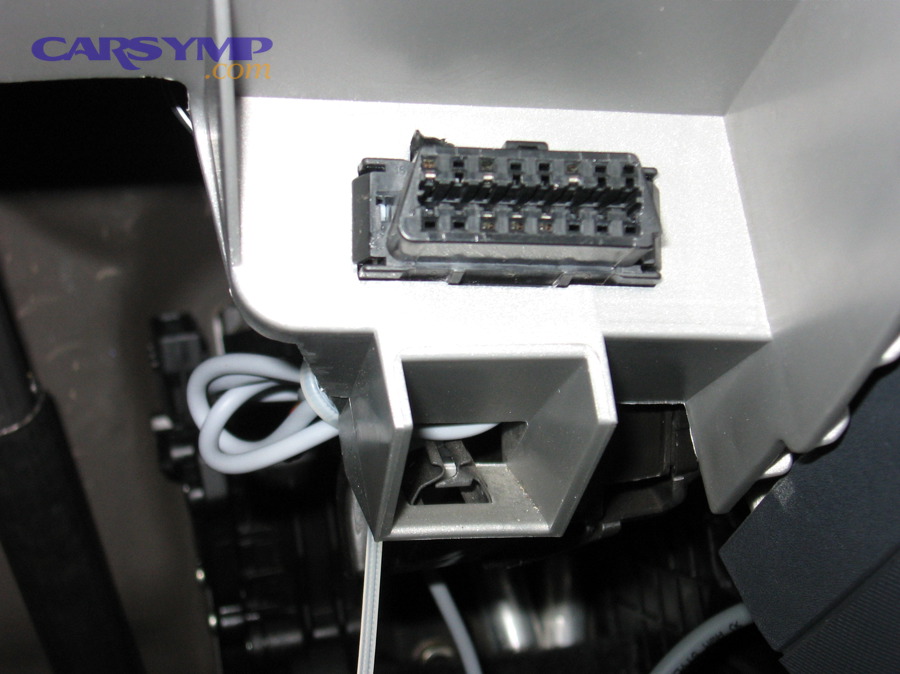
Is a diagnostic fee the same as a repair estimate?
No—diagnostic fee and repair estimate are different, because diagnosis identifies the cause, while an estimate prices the fix, and mixing them leads to 3 common mistakes: guessing from codes, replacing good parts, and skipping confirmation tests. However, the two should connect cleanly: a good shop uses diagnosis to produce an estimate that names the failed component, the evidence behind it, and the repair options.
Here’s what you’re paying for in a real diagnostic session:
- Symptom verification: the technician reproduces the issue (or documents conditions when it happens).
- System scan + freeze frame: reads codes, but also captures operating conditions at the moment the fault set.
- Live data review: compares sensor signals and commanded values to expected behavior.
- Pinpoint tests: smoke test for EVAP leaks, fuel pressure test, charging test, voltage-drop test, scope pattern checks, etc.
- Conclusion with confidence level: “confirmed failed part” vs “likely cause—needs further time.”
Why this matters for cost control: an estimate without diagnosis often becomes “parts roulette.” The first part might reduce symptoms, but not fix the cause—so you pay again.
To make this practical, ask the shop to separate line items like this:
- Diagnostic fee (labor time): what it costs to find the problem.
- Repair estimate (parts + labor): what it costs to correct the confirmed issue.
- Optional add-ons: “while-you’re-there” items that reduce repeat labor.
And if you’re comparing shops, ask a direct question: “Is diagnosis credited toward the repair if I approve it today?” That policy changes the real total.
Does a code scan count as a real diagnosis?
No, a code scan alone is not a full diagnosis, because codes are clues—not proof—and real diagnosis requires at least three layers: verify the symptom, validate with test data, and confirm the root cause with a specific test. Meanwhile, code scans still have value: they’re a fast way to decide whether your next step is simple maintenance, deeper troubleshooting, or immediate safety action.
A scan can answer:
- What system noticed something abnormal (misfire, EVAP, catalyst efficiency, sensor range/performance).
- What conditions existed when the fault occurred (freeze frame).
- Whether the fault is active, pending, or history.
A scan cannot answer—by itself:
- Whether the part named in the code is bad, or just reporting a problem caused elsewhere.
- Whether the issue is wiring, ground, connector corrosion, or intermittent power loss.
- Whether multiple codes are cause-and-effect (one primary fault creating several secondary codes).
This is why Scan tool data helpful for no-starts becomes a big deal in real life: even when the engine won’t fire, scan data can show crank signal present, RPM reading during cranking, immobilizer status, throttle position, and battery voltage as seen by the ECU—information that points the technician toward power, spark, fuel, or security pathways.
One more reason diagnosis matters: research on automotive systems highlights how easy it is to replace expensive electronics without pinpointing the actual cause—creating high “false positive” replacements. (pangea.stanford.edu)
According to a study by The Ohio State University from the Department of Mechanical Engineering and the Center for Automotive Research, in their published work on automotive diagnostics, industry studies cited found false positives in some control-module replacement decisions can be extremely high—up to 80% in the example they discuss. (pangea.stanford.edu)
How much does car diagnosis cost—and what factors raise or lower the price?
Car diagnosis cost is usually priced as a flat diagnostic fee or about one hour of labor, and it rises or falls based on labor rates, complexity, access time, and whether the problem is intermittent or electrical. Specifically, many shops anchor diagnosis to their posted labor rate, because diagnosis is still skilled labor—even when no parts are installed.
To ground the conversation in real numbers, RepairPal’s estimator shows a general diagnosis average cost between $122 and $179 (labor only, before taxes/fees and location adjustments). (repairpal.com) AAA notes that many mechanic labor rates fall in the $120–$159 per hour range, which aligns with why one-hour diagnostics often land where they do. (aaa.com)
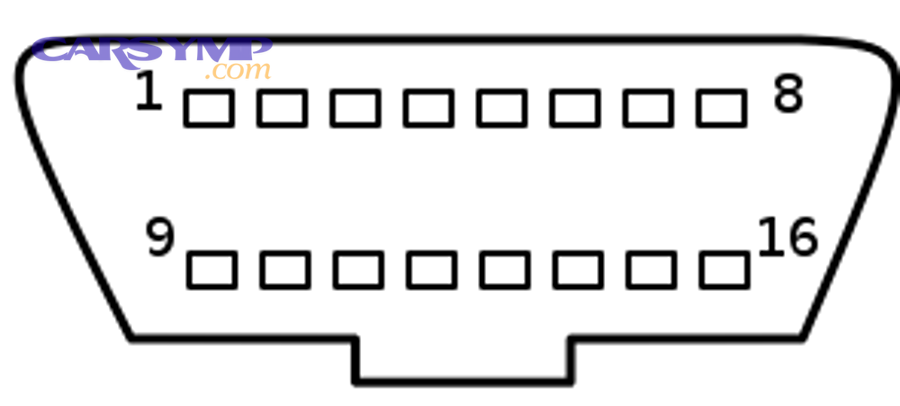
Do dealerships charge more than independent shops for diagnostics?
Yes, dealerships often charge more for diagnostics because they invest in factory scan tools, brand training, and programming capability, while independents can be better for value and speed on common faults—so the best choice depends on what you’re diagnosing. However, paying more is only “worth it” when that extra capability reduces guesswork or prevents repeat visits.
A useful way to compare is to match the problem type to the shop type:
- Best case for an independent shop: routine drivability issues, basic check engine light diagnostics, brakes/suspension noises, A/C performance, maintenance-related faults.
- Best case for a dealership: module programming, immobilizer/security faults, brand-specific network issues, software updates, and advanced calibration workflows.
To keep your decision practical, here’s a quick comparison table.
| Provider type | Typical diagnostic pricing style | Strengths | Watch-outs |
|---|---|---|---|
| Dealership | Higher labor rate; structured diagnostic steps | Factory tools, programming, OEM procedures | Higher cost; may follow strict “replace assemblies” paths |
| Independent specialist | Mid-rate; often more flexible | Strong troubleshooting, good value | Capability varies by shop and equipment |
| Chain shop | Promo scans; variable diagnostic depth | Fast access, common services | “Free scan” may not include real testing |
| Mobile mechanic | Varies; travel fee possible | Convenience at home/office | Limited test equipment for complex issues |
The smart move is to ask one question that forces clarity: “Will you run pinpoint tests, or only read codes?” The answer tells you whether you’re buying diagnosis or just information.
What causes diagnosis costs to increase (electrical, intermittent, multiple symptoms)?
Diagnosis costs increase mainly for three reasons: intermittent faults take more time to reproduce, electrical/network faults take longer to isolate, and multiple symptoms can create overlapping code “noise” that must be sorted into cause-and-effect. More specifically, these scenarios expand the testing path—and testing path is what you pay for.
There are 5 common “cost multipliers” in real-world diagnosis:
- Intermittent problems: the fault isn’t present in the bay, so the tech must recreate conditions (temperature, load, road speed) or use data logging.
- Electrical issues: voltage drop testing, wiggle testing, connector inspection, and circuit isolation are time-heavy but necessary.
- Network problems (CAN/LIN): a single communication issue can trigger a cascade of unrelated-looking codes.
- Access time: diagnosis sometimes requires removing covers, intake ducting, battery trays, or underbody panels just to test properly.
- “Previous work” complications: aftermarket wiring, prior incorrect part replacements, or incomplete repairs change the baseline.
If you want diagnosis cost predictability, use staged authorization:
- Authorize initial diagnostic time (for example, one hour).
- Ask for a call if more time is needed, along with what was discovered and what test is next.
- Approve additional time only if the next step increases certainty.
According to AAA’s discussion of labor rates, the hourly labor range itself is a major driver of why the same diagnostic task costs different amounts by location and shop type. (aaa.com)
Which repairs are most common after diagnosis—and how do you connect symptoms to likely fixes?
There are 4 main “repair clusters” that most often follow diagnosis—engine/emissions, starting/charging, cooling/overheating, and drivability/sensor feedback—and you connect symptoms to fixes by confirming which system failed, not by guessing from one code. In addition, this approach prevents the classic “fees vs fixes” mistake: paying a diagnostic fee, then paying for an unnecessary repair that doesn’t address the root cause.
What are the most common “check engine light” repairs after diagnosis?
There are 6 common check engine light repair types: ignition faults, air/fuel metering issues, EVAP leaks, oxygen sensor feedback problems, catalytic efficiency faults, and sensor circuit/wiring issues—grouped by what system the ECU is monitoring. However, the repair choice depends on what the tests confirm, because the same code family can have different root causes.
Here’s how to connect the symptom to the most likely fix without falling into parts swapping:
- Start with context, not the code name.
- Does it happen at idle, under load, at highway speed, or only cold?
- Is fuel economy worse? Is there a smell? Rough idle? Stalling?
- Use freeze frame and live data.
- Fuel trims: indicate whether the engine is adding/removing fuel to compensate.
- O2/AF sensor switching patterns: indicate whether feedback is plausible.
- Misfire counters: show which cylinder(s) are affected.
- EVAP monitor status: shows whether a leak test failed.
- Confirm with a targeted test.
- Smoke test for EVAP leak codes.
- Spark test, coil swap test, plug inspection, and scope pattern for misfires.
- Exhaust backpressure or temperature delta for catalyst issues (where appropriate).
Common repair examples after proper testing include:
- Ignition-related: spark plugs, ignition coils, sometimes plug wires or coil boots.
- Air measurement: MAF sensor contamination, intake leaks, PCV issues.
- EVAP: loose/bad gas cap (simple), purge valve stuck, vent valve issues, cracked EVAP lines.
- Oxygen sensor circuit: sensor failure, heater circuit faults, wiring damage near hot exhaust.
- Catalyst efficiency: can be catalyst failure—but also downstream effects from misfires or fuel control problems that must be solved first.
And here’s the key rule: if a shop recommends a catalytic converter without proving the engine is running correctly first, ask for the data and tests that justify it. It’s one of the most expensive “guess and hope” failures.
According to a study by The Ohio State University from the Department of Mechanical Engineering and Center for Automotive Research, mis-targeted replacements and false positives are a known cost driver in modern automotive electronics—reinforcing why confirmation testing matters before expensive parts are installed. (pangea.stanford.edu)
What are common no-start and hard-start repairs after troubleshooting?
There are 5 main no-start and hard-start repair groups—battery/connection, starter/control, fuel delivery, ignition/spark, and security/immobilizer—based on whether the engine can crank and whether it can run once cranking. More importantly, a clean no-start diagnosis starts with a simple split: no-crank vs crank-no-start.
Let’s make this immediately usable with a quick process:
1) Start with symptoms you can describe clearly
- No crank: key turned, nothing happens or only a click.
- Cranks but won’t start: engine turns over normally but never fires.
- Starts then dies: runs briefly then stalls.
- Hard start: starts, but only after extended cranking.
2) Run the “No-start checklist: battery” first
This checklist saves time because many “mystery” no-starts are voltage-and-connection problems:
- Check battery age and condition (if known).
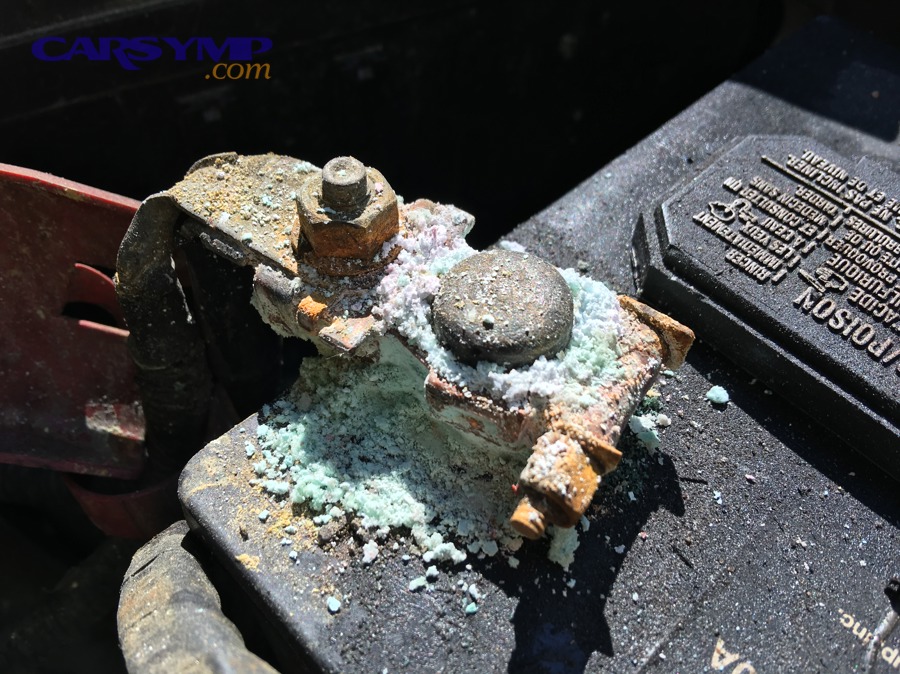
- Inspect terminals for looseness, corrosion, or cracked clamps.
- Measure voltage at rest (a healthy fully charged 12V battery is typically around 12.6V).
- Watch voltage during cranking; a big drop suggests weak battery, high resistance, or starter draw issues.
- Verify engine grounds (loose ground straps can mimic major failures).
This is where that photo above matters: corrosion is not cosmetic—it’s resistance.
3) Use scan data strategically (even when the engine won’t run)
This is where Scan tool data helpful for no-starts pays off. During cranking, scan data can reveal:
- Engine RPM signal present? If RPM stays at 0 while cranking, suspect crank sensor circuit or related wiring.
- Immobilizer status or security light behavior? A security lockout can mimic fuel/spark failure.
- Battery voltage as seen by ECU: shows whether voltage is collapsing under load.
- Throttle position and pedal values: helpful on drive-by-wire faults.
That’s why a professional no-start diagnosis doesn’t start with parts—it starts with signals.
4) Common repairs by failure group
- Battery/connection: battery replacement, terminal cleaning, terminal replacement, ground strap repair.
- Starter/control: starter motor, starter relay, ignition switch issues, neutral safety switch/clutch switch.
- Fuel delivery: fuel pump, fuel pump relay, clogged filter (where serviceable), pressure regulator issues.
- Ignition/spark: crank sensor, cam sensor, ignition module (vehicle-specific), coils/plugs.
- Security: key reprogramming, immobilizer module faults, antenna ring issues.
5) Decide: When to tow vs keep troubleshooting
Use this safety-first rule:
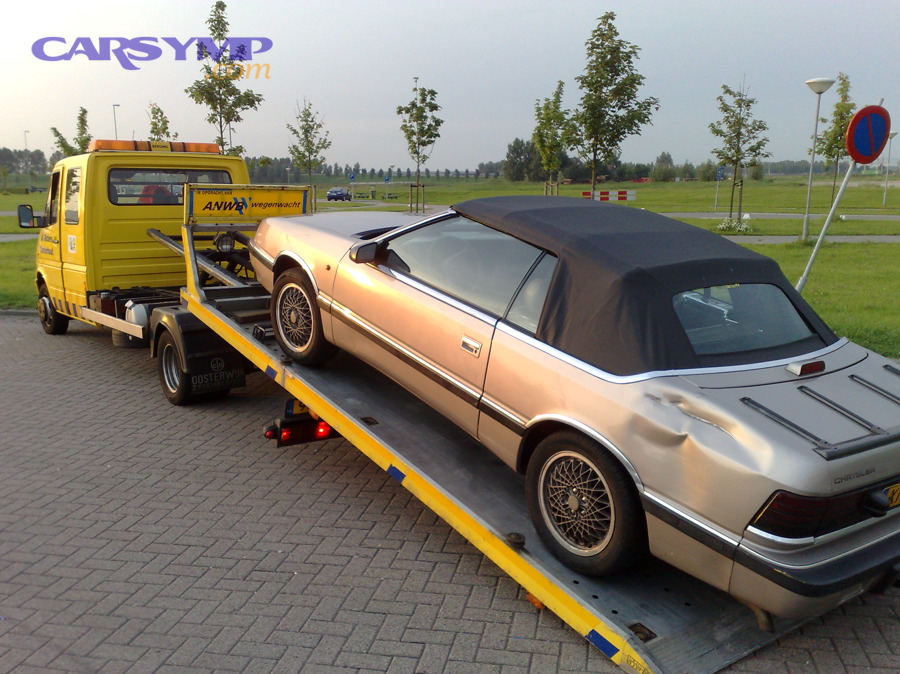
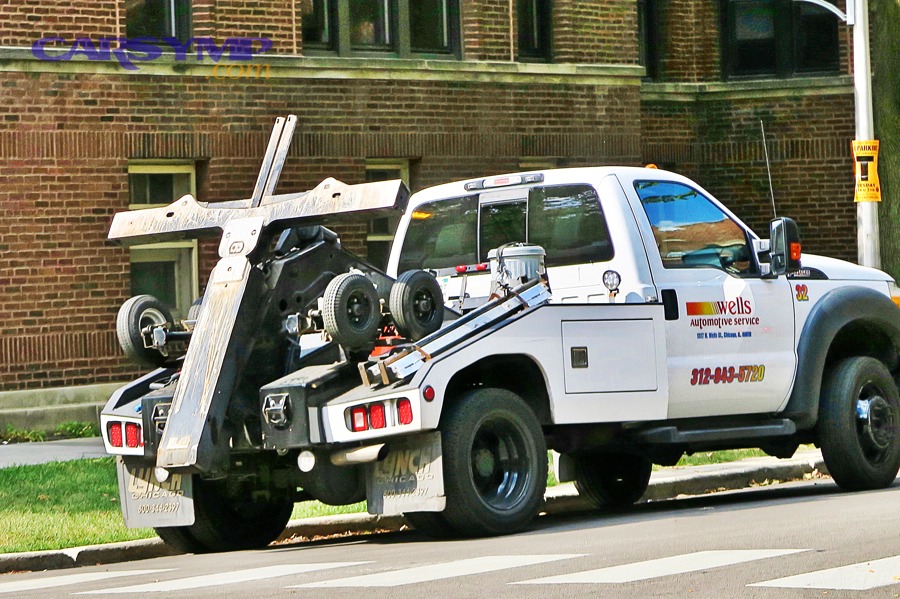
- Tow it if you smell fuel strongly, see leaking fuel, hear abnormal mechanical noises while cranking, have repeated stall in traffic, or the battery cables are overheating.
- Keep troubleshooting if it’s a clear low-voltage scenario (dim lights, slow crank), you can safely access the battery/terminals, and you can stop before causing damage.
The goal is to avoid turning diagnosis into damage.
How can drivers avoid overpaying for diagnosis or paying twice?
Yes—you can avoid overpaying for diagnosis by using three habits: insist on a test-backed conclusion, use staged authorization, and secure a written diagnostic summary before approving expensive repairs. Besides reducing cost, this approach reduces time lost—because repeat visits often come from unclear findings, not from “bad luck.”
Should you approve repairs immediately after the diagnosis?
Yes, you should approve repairs immediately after diagnosis when the root cause is confirmed, the repair is safety-critical, and the cost is reasonable—but no when the conclusion is uncertain, the repair is expensive, or more testing is required to avoid a wrong part. However, you don’t need to treat it as “approve everything or leave.” The best outcome is often staged: fix the confirmed failure first, then reassess.
Approve immediately when:
- The shop shows specific test results (not just codes).
- The failure is safety-related (brakes, steering, fuel leak, severe overheating).
- The repair is a known high-confidence fix and includes warranty.
Wait or get a second opinion when:
- The shop’s language is vague: “might be,” “probably,” “we’ll try.”
- Multiple expensive parts are suggested without explaining cause-and-effect.
- The issue is intermittent and not reproduced, and they can’t show data from when it occurred.
The “pay twice” trap usually looks like this: scan → replace part tied to code → symptom returns → new scan → new part. Your defense is confirmation testing and documentation.
What should a good diagnostic report include before you agree to a fix?
A good diagnostic report should include 6 items: verified symptom, scan results, supporting test data, the confirmed root cause, the recommended repair with options, and the expected outcome—because each item reduces uncertainty and prevents repeat billing. More specifically, this report is what allows you to compare a dealership vs an independent shop fairly.
Ask for these items in writing (even as a short email or invoice note):
- Customer complaint (your words) + verification: what was observed, and under what conditions.
- Codes + freeze frame: include whether codes were active/pending/history.
- Tests performed: smoke test, fuel pressure, voltage drop, charging system test, etc.
- Measured values: “battery voltage dropped to X during crank,” “fuel pressure was X,” etc.
- Root cause statement: one sentence that connects evidence to failure.
- Repair plan + alternatives: minimum fix vs best practice; risks if deferred; warranty terms.
If a shop can’t provide #3–#5, you may be paying for information, not diagnosis.
And to tie this back to real-world cost, keep labor rates in mind: AAA’s discussion of labor rates shows why transparent labor time and test steps matter—because the same hour costs different amounts across locations and providers. (aaa.com)
When is diagnosis unusually expensive—and what specialized troubleshooting scenarios change everything?
Diagnosis becomes unusually expensive when the problem is intermittent, electrical/network-related, EV/hybrid high-voltage, or programming/calibration-dependent—because each scenario requires more testing steps and often more specialized tools. Especially with modern vehicles, a “simple” complaint can involve multiple modules and communication pathways.
Why are intermittent problems (“could not duplicate”) harder and pricier to diagnose?
Intermittent problems cost more because a technician has to catch the failure in the act—and catching it often requires time, data logging, repeated cold starts, heat-soak tests, or road tests under specific conditions.
Here’s what “good intermittent diagnosis” looks like:
- The tech documents trigger conditions: temperature, fuel level, speed, time since start, bumps, rain/humidity.
- The shop uses data logging rather than relying on a single scan snapshot.
- The shop proposes staged time: “We can spend one hour setting up a plan; if it doesn’t occur, we’ll request more time for logging.”
Intermittent problems are also where the “free scan” approach breaks down. Codes might be stored, but without the conditions, it’s hard to prove root cause.
Is electrical and parasitic-draw troubleshooting different from mechanical diagnosis?
Yes—electrical and parasitic-draw troubleshooting is different because it relies on circuit isolation, voltage-drop testing, and time-based module behavior, while mechanical diagnosis often relies on physical inspection and performance tests—so electrical issues typically take longer to isolate confidently. Meanwhile, the symptoms can look deceptively simple: dead battery, random warning lights, or no-start.
Parasitic draw diagnosis often requires:
- Measuring current draw after the vehicle enters sleep mode.
- Pulling fuses one-by-one to isolate the circuit.
- Identifying which module or component on that circuit is staying awake.
- Checking for software updates or known module issues.
This is also where that earlier warning about false positives matters: without isolation testing, it’s easy to blame the battery or alternator repeatedly.
According to a study by The Ohio State University from the Department of Mechanical Engineering and Center for Automotive Research, false positives and replacement of good components is a recognized risk in modern electronics-heavy vehicles, reinforcing why structured diagnostic methods matter for cost control. (pangea.stanford.edu)
Do EVs/hybrids require different diagnostic steps and safety considerations?
Yes—EVs and hybrids require different diagnostic steps because high-voltage systems demand safety protocols, specialized scan data, and isolation testing, and skipping those steps can be dangerous and expensive. In addition, many EV/hybrid issues can involve software, thermal management, and battery state rather than a single failed “part.”
Key differences include:
- High-voltage safety lockout procedures and PPE.
- Battery cooling and thermal control diagnostics.
- Isolation faults and HV interlock checks.
- More reliance on OEM procedures and tool access.
For drivers, the actionable takeaway is simple: choose a shop that explicitly works on EV/hybrids if your vehicle has high-voltage architecture—and ask what equipment and training they use.
When should you choose a dealership for factory-level diagnostics (programming, TSBs, calibrations)?
Yes, you should choose a dealership when diagnosis likely requires factory programming, immobilizer work, brand-specific network testing, or calibration procedures—because these are areas where OEM tools and access can reduce diagnostic time and prevent wrong parts. More importantly, these cases often can’t be completed correctly without OEM-level capability.
Dealer-leaning scenarios include:
- Immobilizer/key programming and security lockouts.
- Module replacement requiring coding/programming.
- ADAS calibration triggers (windshield/camera/radar alignment).
- Repeated network communication codes across multiple modules.
- Known pattern failures covered by technical service guidance.
If you’re unsure, describe the symptom and ask: “Will this repair require programming or calibration?” The answer often reveals whether OEM tooling matters.
Evidence (key sources referenced)
- RepairPal general diagnosis cost estimate range. (repairpal.com)
- AAA mechanic labor rate overview (2026). (aaa.com)
- The Ohio State University automotive diagnostics paper highlighting false-positive replacement risk in electronics-heavy systems. (pangea.stanford.edu)