


If your car won’t start and the security/immobilizer light is on or flashing, you can usually pinpoint the cause by matching the light behavior + the type of no-start (no-crank vs crank-no-start) + key recognition clues. This guide walks you through that diagnosis so you stop guessing and start proving what’s wrong.
Next, you’ll get safe “try-first” fixes—like using a spare key, addressing low battery voltage, and correcting key fob issues—so you can resolve common immobilizer lockouts without replacing parts blindly.
Then, you’ll learn how to confirm an immobilizer problem with scan tool evidence and simple checks, so you don’t confuse a security lockout with battery, starter, fuel, or spark problems during a no-start diagnosis.
Introduce a new idea: once you know it’s immobilizer-related, you can decide whether it’s a DIY-friendly reset/key issue or a programming/module issue that needs a locksmith or dealer—then the troubleshooting becomes much faster.
What is an immobilizer/anti-theft “no-start,” and how does it stop the engine?
An immobilizer/anti-theft no-start is a security lockout where the vehicle’s computer blocks starting because it does not authenticate the key’s ID, typically by disabling the starter circuit, fuel injection, or ignition enable until a valid key is detected.
To better understand why that matters, you need to know what the system is trying to protect and what it can disable when it suspects theft.
Most modern immobilizer systems work like a handshake. The key (or key fob) contains a transponder chip or a smart key credential. When you turn the key or press the start button, an antenna (often around the ignition barrel or inside the cabin) energizes and “reads” the key. Then a control module—commonly the BCM (Body Control Module), immobilizer module, or ECU/PCM—decides whether to allow the start request.
What makes this confusing is that “no-start” can look different across vehicles. Some cars will crank but not start because the immobilizer blocks fuel or spark. Others will not crank at all because the immobilizer blocks the starter relay. The security indicator light becomes your first clue, but you still need to interpret it correctly.
A practical way to think about it is this: the immobilizer’s job is not to “fix” anything—it only decides whether the vehicle should run. So when it blocks starting, your job is to discover why it refused authorization (wrong key, weak signal, low voltage, module fault, wiring, or communications).
Does a flashing security light always mean the immobilizer is blocking the start?
No, a flashing security light does not always mean the immobilizer is blocking the start, because many cars flash the light normally when the system is armed, some flash briefly during a bulb check, and others only indicate a block when flashing happens during a start attempt.
Next, because the light can be “normal behavior,” you should tie it to timing and symptoms rather than treating flashing as automatic proof.
Use a simple interpretation rule:
- Flashing when the car is off/locked: often normal “armed” status on many vehicles.
- Solid ON while driving: often indicates a malfunction or communication issue, not necessarily an active block.
- Flashing rapidly while you crank/attempt to start: commonly indicates “key not recognized” or “start not allowed.”
To prevent misreads, always answer three questions in order:
- Is the light flashing only when the car is parked?
- Does the flashing change when you try to start?
- Does the no-start type match a lockout pattern (no-crank or crank-no-start)?
If the light behavior changes during the start attempt and the car behaves like a lockout, then the immobilizer becomes the main suspect. If the light is just doing its usual parked flash, you may be chasing the wrong system.
Table context: The table below summarizes common patterns that help you separate “normal armed flash” from “start blocked” behavior (always confirm with your owner’s manual for your specific model).
| Security/immobilizer light behavior | When it happens | Most likely meaning | Best next step |
|---|---|---|---|
| Slow flash | Car off/locked | Normal armed status (often) | Focus on battery/starter/fuel if it still won’t start |
| Solid ON | Key ON / engine running | Fault stored / system issue | Scan BCM/immobilizer for codes |
| Rapid flash | During crank/start attempt | Key not recognized / start blocked | Try spare key, check key fob battery, scan for “start not allowed” |
| On for a few seconds then off | Key ON / start | Normal bulb check | Continue diagnosis based on no-start type |
What does “key not recognized” mean in an immobilizer system?
“Key not recognized” means the immobilizer cannot reliably read or validate the key’s credential—usually due to a transponder mismatch, weak key/fob signal, antenna/receiver problems, low system voltage, or lost programming—so it refuses to enable starting.
Then, because “not recognized” can be caused by signal quality (not just programming), you should separate key credential issues from vehicle-side reading issues.
Common “key not recognized” pathways include:
- Wrong key or unprogrammed spare: the credential simply doesn’t match what the car expects.
- Weak key fob battery (smart key): the car may not detect proximity strongly enough to authorize push-button start.
- Transponder read failure: the antenna ring (or receiver) can’t energize/read the chip.
- Voltage drop during crank: modules brown out and the authorization handshake fails mid-process.
- Interference or aftermarket add-ons: remote start or alarm systems can interrupt the expected key signal flow.
If you’ve ever experienced an intermittent “starts sometimes” issue, it’s often because the system is barely meeting the threshold for recognition—until temperature, battery voltage, or proximity pushes it over the edge.
Is your no-start a no-crank or a crank-no-start when the security light is on?
A security/immobilizer no-start usually appears as either no-crank (starter inhibited) or crank-no-start (fuel/spark/injectors inhibited), and the winner depends on how your vehicle’s immobilizer strategy is designed to block the start request.
Next, because these two symptoms point to different blocked “permissions,” you can narrow causes faster by classifying the no-start type first.
Start with a clean definition:
- No-crank: you turn the key or press Start and the engine does not rotate (maybe clicks, maybe silent).
- Crank-no-start: the engine rotates normally but never catches and runs.
Many owners get stuck because they jump straight into parts. Instead, treat no-crank vs crank-no-start as a fork in the road that determines whether you should look at starter authorization or engine run authorization.
If the engine cranks but won’t start, can the immobilizer still be the cause?
Yes, the immobilizer can still cause a crank-no-start because many systems allow cranking but disable injector pulse, fuel pump command, or ignition enable, and the security light often flashes rapidly during the failed start attempt.
However, because crank-no-start can also be fuel or spark related, you must confirm immobilizer involvement before assuming it’s theft-related.
Here’s the practical logic:
- If you have strong cranking speed and no start, the battery and starter circuit are likely functional.
- If the security light behavior becomes abnormal during cranking, immobilizer lockout rises to the top.
- If the security light is normal, you may be dealing with fuel delivery, ignition, compression, or timing.
This is where the phrase no-start diagnosis matters: you’re not “fixing immobilizer” yet—you’re proving which system is preventing the engine from running.
A useful cross-check is to ask: Do I have any signs of combustion?
- If you smell fuel, hear occasional sputter, or see RPM bounce, immobilizer lockout is less likely than ignition/fuel control issues.
- If the engine cranks endlessly with no hint of firing and the security light indicates a block, immobilizer becomes more likely.
If the engine won’t crank, is that more likely immobilizer or battery/starter?
Battery/starter wins more often for no-crank, but the immobilizer can be the cause when it blocks the starter relay or starter request, so the best approach is to check power/voltage basics first and then look for immobilizer-specific clues.
Meanwhile, because both failures can look like “nothing happens,” you need quick discriminators that don’t require parts swapping.
Use this no-crank triage:
- Check cranking behavior
- Rapid clicking: often low battery voltage or poor connections.
- Single click: could be starter solenoid or relay command issue.
- Complete silence: could be a start inhibit (immobilizer), ignition switch, or relay/power feed.
- Look for voltage drop
- Dim lights when you attempt to start suggests battery/connection issues.
- Stable bright lights with no crank suggests a command/authorization problem.
- Observe the security indicator during the attempt
- Rapid flashing or “key” icon often points to immobilizer involvement.
The goal is to avoid blaming the immobilizer for what is actually a weak battery, corroded terminals, or a failing starter—because those are far more common.
What are the most common security/immobilizer no-start causes?
There are 6 main types of security/immobilizer no-start causes—key/fob issues, low vehicle voltage, antenna/receiver faults, module faults, wiring/fuse/relay problems, and communication/interference issues—based on whether the failure happens at key recognition, authorization, or start-enable output.
Specifically, because immobilizer failures cluster around “signal quality and permissions,” you can rank suspects by probability and by the symptoms you see.
Think of the immobilizer as three stages:
- Key recognition (can the car read the key?)
- Authorization decision (does the code match and is the system healthy?)
- Start enable output (does it allow starter/fuel/spark?)
When a no-start happens, one of those stages failed. The most common causes sit at the beginning: key/fob and voltage.
Is a weak key fob battery or transponder issue a top cause of immobilizer lockout?
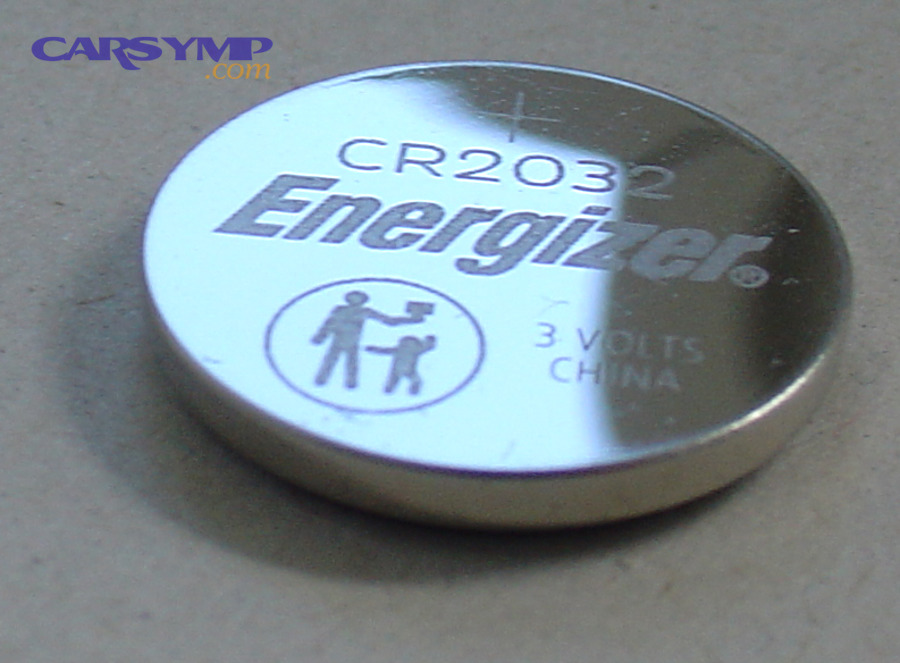
Yes, a weak key fob battery or transponder issue is a top cause of immobilizer lockout because smart-key proximity depends on a strong signal, transponder reading depends on a clean antenna handshake, and a spare key test can quickly prove the issue without tools.
In addition, because this is the fastest “high-probability” fix, it should be your first checkpoint before deeper diagnostics.
What “key-related” causes look like:
- Push-button start says “Key not detected” or similar.
- The car starts only when the fob is held in a specific spot (backup receiver location).
- One key works; the other key fails.
- The problem worsens after dropping the key, water exposure, or battery replacement.
A key fob battery can be weak without being fully dead. That can produce intermittent authorization, especially if the car’s receiver is already borderline due to wiring or module voltage.
Also, don’t forget simple positioning:
- A fob buried in a bag, blocked by metal objects, or near other RF devices can reduce effective signal.
- Some vehicles get confused if two programmed keys are very close together (rare, but real).
Can a low car battery or bad ground trigger the immobilizer and cause a no-start?
Yes, a low car battery or bad ground can trigger immobilizer no-start behavior because the authorization handshake depends on stable module voltage, voltage drop during crank can reset the BCM/ECU, and poor grounds can distort signals between the immobilizer and starter/fuel control.
More importantly, because low voltage can mimic “security failure,” you should stabilize electrical supply before chasing programming.
Low voltage creates two major problems:
- Module reset during start
The car begins authorization, then voltage collapses when the starter loads the system. The module resets, loses the handshake state, and the car refuses start. - Signal quality loss
The antenna and receivers need clean power. A marginal ground can introduce noise and reduce reading reliability.
Practical ways low voltage shows up:
- Slow crank, dim lights, and erratic dashboard behavior.
- Random warning lights alongside security/immobilizer lights.
- Issue happens after sitting overnight or in cold weather.
If you want one “do this” rule: if your battery is questionable, charge it fully and retest before calling the immobilizer guilty.
What component failures can cause immobilizer no-start (antenna ring, BCM/ECU, wiring, fuses)?
Component failures that cause immobilizer no-start include a failed antenna ring/receiver, a malfunctioning BCM/immobilizer module, ECU authorization faults, blown fuses, damaged wiring, corroded connectors, or a relay output issue—grouped by whether they break reading, logic, or power delivery.
Besides, because these failures are less common than key/voltage issues, you should chase them only after the simple tests fail.
Here’s how to group component-level suspects:
A) Reading hardware (input stage)
- Antenna ring around ignition cylinder (transponder systems)
- Smart key receiver / interior antennas (push-button systems)
Signs: intermittent recognition, “key not detected,” starts only when key is moved to a specific spot.
B) Control logic (decision stage)
- Immobilizer module, BCM, ECU/PCM
- Stored faults or corrupted learned keys after module replacement
Signs: consistent “start not allowed,” multiple keys fail, security light stays solid.
C) Power and outputs (enable stage)
- Blown fuse feeding immobilizer/BCM/ECU
- Starter relay command inhibited
- Injector/fuel pump enable inhibited
Signs: no-crank with stable lights, or crank-no-start with no injector pulse.
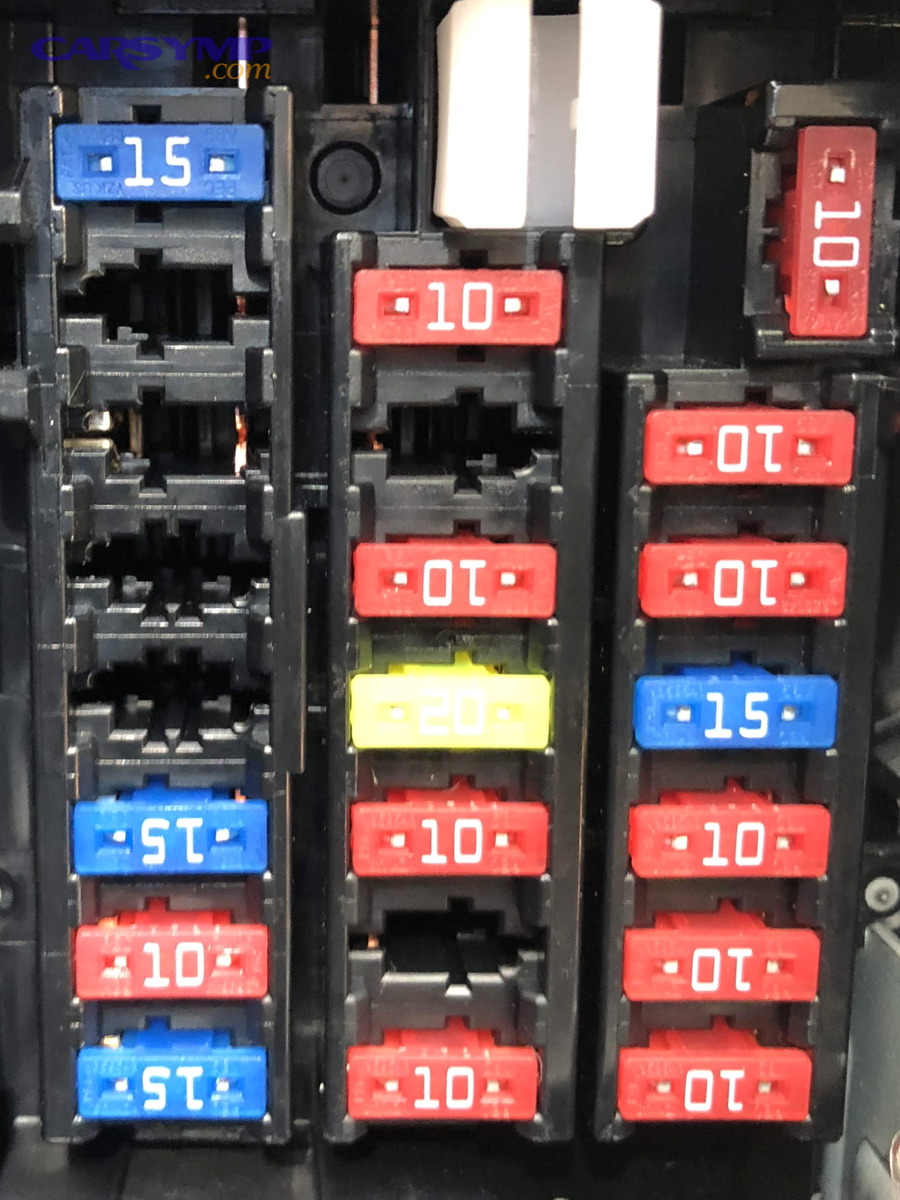
A quick note on “Fuel pump and relay test basics”: if your car cranks but won’t start and the security light is normal, verifying fuel pump operation and relay function can keep you from falsely blaming the immobilizer. But if the security system is actively blocking, you may not get fuel pump command even if the pump and relay are healthy—so always interpret fuel tests in context.
What quick fixes and safe “try-first” steps can you do at home?
There are 5 safe quick-fix steps—use a spare key, restore key/fob power, stabilize vehicle voltage, perform a gentle reset, and verify obvious fuses/connectors—because most immobilizer no-start events come from recognition or voltage problems rather than module replacement.
Next, because these steps are low-risk and high-yield, they should happen before you pay for towing or programming.
This section is about “safe first.” That means you avoid forcing procedures that can worsen lockouts, and you avoid random part swaps. Your target is to restore a clean authorization handshake.
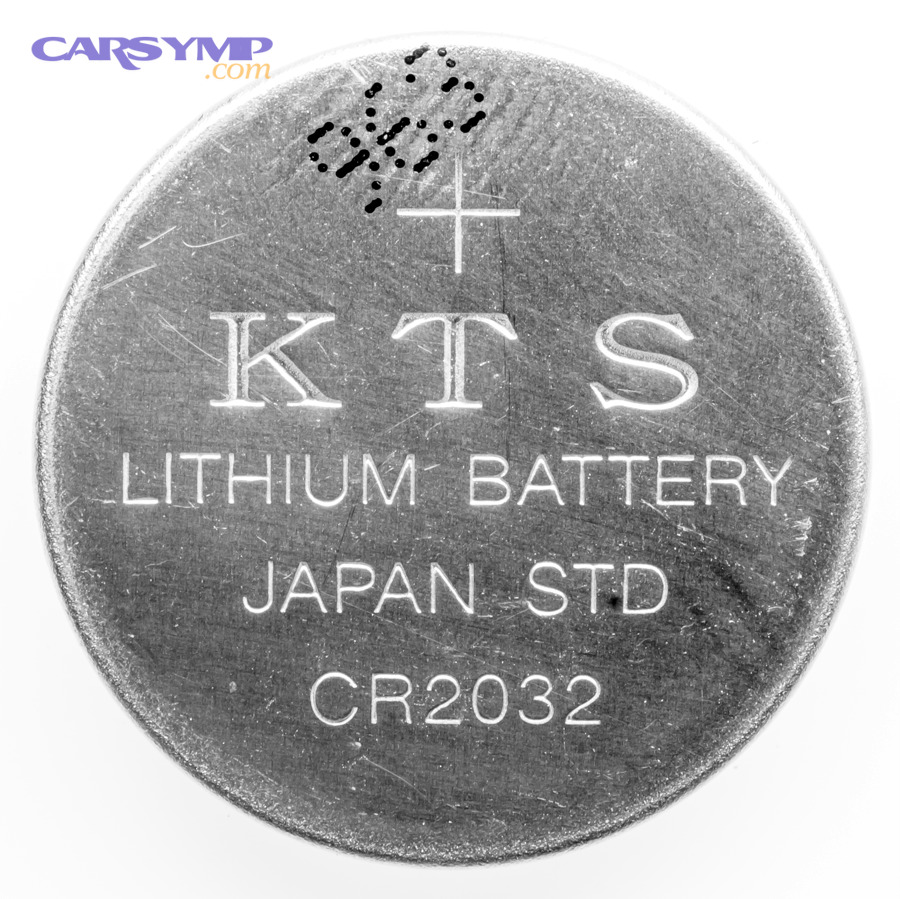
Should you try a spare key before anything else?
Yes, you should try a spare key first because it instantly separates “key-specific failure” from “vehicle-side failure,” it costs nothing, and it often resolves immobilizer lockouts caused by damaged transponders or weak smart-key batteries.
Then, because this single test can save hours, it belongs at the top of your checklist.
Use the spare key test correctly:
- Try the spare key in the same conditions (same location, same temperature, same start method).
- If the spare works consistently, your primary key is the culprit—battery, transponder damage, or lost programming.
- If neither key works, the problem is likely vehicle-side (voltage, antenna, module, wiring).
If you have a push-button start, also try the manufacturer’s backup method (often placing the fob against a marked spot or using a slot) because it bypasses normal proximity detection and uses a different reading pathway.
Does disconnecting the battery reset an immobilizer lockout?
Sometimes, disconnecting the battery can clear a temporary immobilizer glitch, but it is not a reliable fix because many immobilizer lockouts are caused by authentication failures that persist, and battery disconnect can also erase learned settings or trigger new issues if done carelessly.
However, because it can stabilize modules after a brownout, it can be a reasonable step after you address battery health.
If you do a battery reset, do it safely:
- Ensure the battery is healthy or fully charged first (otherwise you reset into the same low-voltage condition).
- Disconnect negative terminal, wait a few minutes, reconnect securely.
- Retest with a known-good key and minimal electrical load.
What this can help:
- Module state confusion after voltage drop.
- Temporary communication hiccups.
What this will not fix:
- Unprogrammed key.
- Failed antenna ring.
- Module faults that require programming.
What key-cycling/relearn steps are commonly used, and when should you avoid them?
Key-cycling/relearn steps are manufacturer-specific procedures that attempt to re-establish key authorization or synchronize modules, but you should avoid random relearn attempts because repeated failed cycles can increase lockout time and some vehicles require precise timing or scan-tool access.
More specifically, because “relearn” is not universal, the safest approach is to use only procedures recommended in your owner’s manual or service information.
In general terms, relearn procedures fall into three categories:
- Immobilizer “wait” reset
Some vehicles reset a theft lockout after a timed key-on period. - Key programming/add key
Requires at least one working key on many vehicles; others require scan-tool authorization. - Module replacement pairing
Usually requires dealer/locksmith tools to match BCM/ECU and keys.
When to avoid DIY relearn attempts:
- You have no working keys (all-keys-lost scenario).
- The vehicle shows communication faults or multiple module warnings.
- The car is in a known theft lock mode and the procedure is uncertain.
If you want a safe path: confirm battery voltage, try spare key, replace key fob battery, then scan for immobilizer/BCM codes before attempting any programming.
How do you confirm it’s immobilizer-related before paying for parts?
You confirm an immobilizer-related no-start by combining 4 proofs—security light behavior during start, spare key outcome, scan tool codes or “start allowed” data, and clear separation from fuel/spark/starter faults—so you avoid replacing good parts and you target the real failure stage.
In addition, because immobilizer symptoms can mimic other no-starts, confirmation is the difference between a quick fix and a costly guessing loop.
This is where a structured approach wins. Many people replace starters, fuel pumps, or sensors because the car “won’t start,” but immobilizer lockout can make those systems appear dead even when they’re fine.
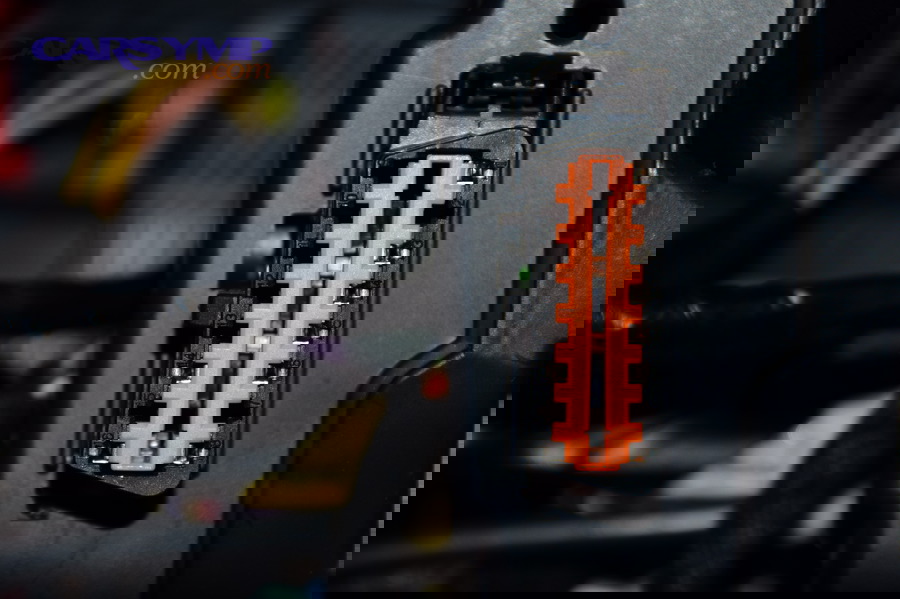
Can an OBD scanner show immobilizer codes and “start allowed” status?
Yes, an OBD scanner can show immobilizer-related information when it can access BCM/immobilizer modules and live data, and higher-level scanners may display “start allowed/denied” or key status PIDs, which directly confirms an authorization block.
However, because many basic code readers only see generic powertrain codes, you may need a scanner that reads body/security modules.
Look for these categories of results:
- Body (B) codes or security-related DTCs indicating key recognition or immobilizer active.
- U-codes indicating module communication problems (CAN/LIN issues).
- Live data items like “Key recognized,” “Immobilizer active,” “Start enabled,” or “Starter request.”
If your scan tool only reads engine codes, you might see nothing—and that absence does not clear the immobilizer. It just means your tool can’t talk to the right module.
Evidence: According to a study by ETH Zurich from the Department of Computer Science, in 2011, researchers demonstrated relay attacks against Passive Keyless Entry and Start (PKES) systems across multiple vehicles, showing that “authorization” can be manipulated and must be verified with proper diagnostics rather than assumptions.
What symptoms suggest it’s NOT the immobilizer (and you should check fuel/spark/starter instead)?
Symptoms that suggest it’s not the immobilizer include slow cranking with dim lights, repeated rapid starter clicks, a security light that behaves normally during start, fuel pressure or injector pulse clearly present, or ignition/spark issues that match classic engine-running failures rather than authorization denial.
On the other hand, because immobilizer lockout can suppress fuel and spark, you must interpret engine tests within the security context.
Use these “not immobilizer” clues:
- Battery/starter path likely: lights dim heavily, cranking is slow, terminals are corroded, jump start changes behavior.
- Fuel path likely: security light normal, engine cranks strongly, you can confirm fuel pressure, and the system behaves like a fuel delivery problem.
- Ignition path likely: security light normal, engine tries to catch, or you have intermittent spark behavior.
This is where you should respect the basics: immobilizer problems can stop the car, but so can fuel and spark. When you test ignition, you’re checking for spark at the plug or coil output (with correct safety procedures). When you test fuel delivery, you’re verifying pressure and command—starting with Fuel pump and relay test basics when appropriate.
If you want a quick “Car Symp” style logic chain: security light abnormal during start + spare key fails + no-start type matches = immobilizer likely. Security light normal + strong crank + confirmed fuel/spark fault = immobilizer unlikely.
When should you call a locksmith or dealer, and what will they likely do?
You should call a locksmith or dealer when you have no working keys, repeated “start not allowed” results, immobilizer/BCM module faults, or evidence of required programming, because professional tools can program keys, synchronize modules, and verify security data that most DIY scanners cannot access.
Next, because programming problems rarely resolve with parts swaps, escalation can be cheaper than repeated guessing.
This section is about choosing the right help at the right time. If the problem is a dead key fob battery, you don’t need a dealer. If the problem is “all keys lost” or a replaced module, you probably do.
If you lost all keys, is dealer/locksmith programming required?
Yes, if you lost all keys, dealer or locksmith programming is usually required because the immobilizer must be taught a new authorized key, the vehicle may require security access or proof of ownership, and many systems will not allow key programming without an already-authorized key.
Then, because “all keys lost” is a security-controlled scenario, DIY options are limited and inconsistent.
What they typically do:
- Cut a mechanical key (if needed).
- Program the transponder/smart key credential.
- Confirm “start allowed” status and clear related codes.
In some cases, they may also diagnose why keys were “lost” by the system (low voltage, module failure) so you don’t repeat the event.
Is replacing immobilizer parts (BCM/ECU) likely to require programming afterward?
Yes, replacing immobilizer-related parts usually requires programming because the BCM/ECU/immobilizer module must be paired to the vehicle and matched to authorized keys, and many vehicles will not start until that pairing and key learning is completed correctly.
Moreover, because module pairing is part of the anti-theft design, a “plug-and-play” swap often creates a new no-start.
Common replacement/programming scenarios:
- BCM replaced → keys must be re-learned.
- ECU replaced → immobilizer synchronization required.
- Used modules installed → may require reflashing, re-pairing, or specialized services.
This is also where professional verification matters: the technician should confirm whether the module is failing electrically or if the failure is upstream (power, grounds, wiring).
Evidence: According to a study by Tilburg University from the Department of Economics, in 2016, researchers reported that engine immobilizers significantly reduced vehicle theft (on the order of tens of percent), which explains why modern cars require programming and pairing steps after key or module changes.
How do immobilizer systems differ by brand, and what rare issues can mimic a security lockout?
Immobilizer systems differ by brand in naming, architecture, and start-inhibit strategy, and rare issues like RF interference, aftermarket remote-start conflicts, antenna ring failures, or CAN/LIN communication faults can mimic a security lockout even when the key is valid.
Next, because these edge cases waste the most time, you should consider them only after you’ve completed the high-probability checks (spare key, fob battery, voltage stability, basic scan).
Modern theft prevention is a patchwork of different designs: some focus on transponder validation, others on smart-key proximity, others on networked module permissions. This is why the same symptom (“security light flashing”) can mean slightly different things across vehicles.
You can keep it simple by asking: Is the system failing because of identity (key), signal (receiver), power (voltage), or permission (module communication)? The sections below expand those micro-issues without pulling you away from the core diagnosis.
What are common immobilizer system names (PATS, Passlock/Passkey, NATS, SKIS) and what do they mean?
These names are brand-specific labels for the same concept—an electronic authorization system that blocks starting without a recognized credential—so the meaning is less about the acronym and more about which modules participate and how the system inhibits the start.
Then, because the label affects what you scan and what you program, identifying the system name helps you choose the right diagnostic path.
Examples of how names map to function:
- Systems tied closely to the BCM: often block starter request or module permission.
- Systems integrated into ECU/PCM: often block injector pulse or ignition enable.
- Smart key systems: often depend on proximity antennas and rolling-code security.
You don’t need to memorize acronyms; you need to know where the “start allowed” decision happens and which module stores the key list.
Can aftermarket alarms, remote starters, or RF interference cause an immobilizer no-start?
Yes, aftermarket alarms, remote starters, or RF interference can cause immobilizer no-start symptoms because they may interrupt the expected key authentication pathway, create conflicting start requests, or reduce smart-key signal integrity—especially on push-button systems.
However, because these problems can be intermittent, you should test by isolating variables rather than replacing parts.
Common patterns:
- No-start began soon after remote start installation.
- No-start happens in specific locations (high RF noise environments).
- Starts normally when aftermarket system is disabled or disconnected (where safe/possible).
A safe troubleshooting move is to reduce complexity:
- Remove extra keys/fobs from the vehicle area.
- Keep the fob close to the start button/backup receiver.
- If an aftermarket system is suspected, consult the installer rather than pulling wiring blindly.
What rare component faults cause intermittent security no-start (antenna ring, CAN/LIN comms, module power)?
Rare faults that cause intermittent security no-start include failing antenna rings (weak coupling), intermittent module power/ground, corroded connectors that disrupt key data, and CAN/LIN communication faults that prevent modules from agreeing on “start allowed.”
More specifically, because these faults are “network and signal” problems, they often show up as intermittent, temperature-sensitive, or vibration-sensitive failures.
What makes rare faults tricky is that they can mimic simple ones. A failing antenna ring can look like a bad key. A weak ground can look like a bad module. A CAN fault can look like an immobilizer lockout.
Clues you’re in rare-fault territory:
- The problem comes and goes without changes to the key.
- Multiple unrelated electrical symptoms accompany the no-start.
- You see communication codes (U-codes) across modules.
- The car behaves differently depending on temperature or after hitting bumps.
In these cases, a professional diagnostic approach—voltage drop tests, network diagnostics, module power integrity checks—often beats replacing parts.
How can you prevent immobilizer-related no-starts (battery health, key care, programming hygiene)?
You can prevent many immobilizer no-starts by maintaining strong battery voltage, keeping clean grounds, replacing key fob batteries proactively, protecting keys from water/impact, and avoiding careless programming or module swaps that disrupt key authorization.
In short, because immobilizers depend on stable power and consistent credentials, prevention is mostly about reducing voltage and signal stress.
A simple prevention checklist:
- Keep the main battery healthy and charge it if the car sits.
- Clean battery terminals and grounds to prevent voltage drop.
- Replace key fob batteries on a schedule (especially if you notice reduced range).
- Keep a tested spare key and confirm it starts the car periodically.
- After any electrical work, verify no-start behavior immediately before trusting the repair.
If you follow these steps, immobilizer issues become less mysterious: you either solve them quickly with key/voltage fixes, or you confirm they need programming and handle them efficiently—without endless guessing.