


A no-start situation becomes a “tow now” decision when safety risk is present, when symptoms point to serious mechanical damage, or when repeated cranking will likely make the problem worse. The fastest way to decide is to run a short danger-first checklist before you touch anything else.
Next, if the situation is safe, you can do a few high-yield checks—battery terminals, jump-start logic, shifter position, and obvious warning lights—that resolve many common no-starts without wasting time or money.
Then, you can classify the no-start type (no crank vs crank-no-start vs starts-then-stalls) so your next step matches the symptom set instead of guessing. That’s the core of a reliable no-start diagnosis.
Introduce a new idea: once you’ve made the tow-or-troubleshoot call, you can also choose the right kind of help (roadside vs tow, flatbed vs wheel-lift) and set yourself up to prevent repeat no-starts later.
Should you tow the car immediately, yes or no?
Yes—you should tow the car immediately when a no-start comes with safety hazards, signs of severe mechanical failure, or a risky roadside location, because continuing to troubleshoot can endanger you, damage the engine, or strand you in a worse spot.
Next, the quickest way to get this right is to treat “tow now” as a gate you must clear before you attempt any fixes.
Is there any “stop-now” danger sign like smoke, steam, overheating, or a strong fuel smell?
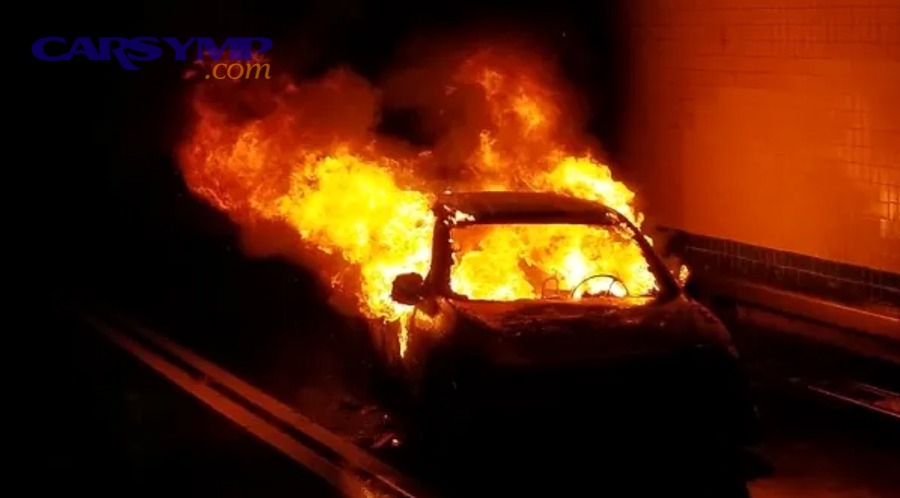
Yes—if you see smoke/steam, smell strong fuel, or see overheating warnings, you should stop troubleshooting and tow, because those signs can signal fire risk or fast engine damage.
Specifically, a no-start is sometimes the “aftershock” of a bigger failure—coolant loss, electrical short, or leaking fuel—so your first job is to remove yourself from risk.
What to do immediately (safe sequence):
- Turn the key off (or press Start/Stop once) and do not keep cranking. Repeated cranking can flood the engine, overheat wiring, or worsen mechanical damage.
- If you’re in a dangerous spot, prioritize moving the vehicle to a safer location only if it will roll safely (neutral + push with help, or very short controlled movement if it still drives). If the car cannot move safely, call for help where it sits.
- If there’s smoke: get everyone out, move away from traffic, and be ready to call emergency services if it escalates.
- If there’s steam/overheating: do not open a hot cooling system cap. Heat + pressure can burn skin quickly.
- If there’s a strong fuel smell: treat it like a leak risk—avoid sparks, avoid smoking, and avoid jump-starting if you suspect fuel vapor near the engine bay.
Why these symptoms change the decision:
Even if the car “might” start with a jump or another attempt, you’re trading a small chance of convenience for a large downside: fire exposure, heat damage, or a catastrophic breakdown a few miles later.
Is the car in an unsafe location where troubleshooting puts you at risk?
Yes—if you’re on a narrow shoulder, blind curve, high-speed road, or in extreme weather/night conditions, you should tow rather than troubleshoot, because roadside exposure is the biggest immediate danger.
More importantly, “quick checks” can become a 20-minute ordeal once you’re stressed, cold, or working with poor visibility.
High-risk locations include:
- Highway shoulder with fast traffic and minimal buffer
- Blind corners, hills, or construction zones
- Tunnels, bridges, and narrow breakdown lanes
- Severe heat/cold where you can’t safely wait
- Poor lighting where drivers may not see you
Safety-first actions:
- Turn on hazards; if available, place reflective triangles far enough back to give drivers reaction time.
- Exit on the passenger side if traffic is close.
- Stand well away from the roadway, ideally behind a barrier.
- Call for help early—this is a tow decision even if the car might be “one simple fix.”
Are warning lights or messages indicating a critical fault that makes driving risky?
Yes—if you have critical warnings (over-temp, oil pressure, brake system warnings) or a flashing check-engine light, towing is the safer choice because driving or repeated starting attempts can multiply repair costs.
Besides, warning states often mean the car’s computers have detected conditions that can’t be “willed away” with more cranking.
How to interpret the risk quickly:
- Over-temp / coolant warnings: Tow if it has overheated recently, especially with steam or coolant smell.
- Oil pressure warning: Do not attempt to run the engine; tow.
- Brake system warnings: If combined with poor pedal feel or leaks, tow.
- Flashing check-engine light: Treat as “stop and diagnose,” not “keep trying,” because it can indicate serious misfire risk.
Did the problem start after a loud bang, grinding noise, or sudden loss of power?
Yes—if the no-start followed a loud mechanical noise, grinding, or sudden power loss, towing is the best choice because those cues often indicate mechanical failure where continued cranking can cause secondary damage.
To illustrate, a starter grind can damage flywheel teeth; a sudden bang can precede belt failure; and a hard stall can signal timing or fuel delivery issues.
A simple rule that saves engines:
If your gut says “that sounded expensive,” stop cranking and tow. You’re not giving up—you’re preventing extra damage that turns a repair into a rebuild.
Evidence (roadside safety context): According to a January 2024 report authored by the AAA Foundation for Traffic Safety with a Georgia Institute of Technology co-author, 60% of incidents in which roadside assistance providers were struck and killed were preceded by the striking vehicle driving off the road onto the shoulder, highlighting why minimizing roadside time matters. (aaafoundation.org)
What does “no-start” mean in practical terms for diagnosis?
A “no-start” is a failure to get the engine running reliably, and it typically falls into no crank, crank-no-start, or starts-then-stalls—each with distinct symptoms that guide the safest next step.
Then, once you classify it, you can stop guessing and choose checks that match the situation.
Is it “no crank,” “cranks but won’t start,” or “starts then dies”?
There are 3 main types of no-start: (1) no crank, (2) cranks-but-won’t-start, and (3) starts-then-stalls, based on whether the starter spins the engine and whether the engine sustains combustion.
Specifically, you’re listening and watching for engine motion and engine run time.
- No crank (starter does not spin the engine)
- You turn the key or press Start and the engine does not rotate.
- You may hear: nothing, one click, or rapid clicking.
- Common root causes: weak battery, bad connections, starter/solenoid issues, neutral safety switch, immobilizer.
- Crank-no-start (engine rotates but never catches)
- You hear the engine “rr-rr-rr” cranking normally, but it won’t fire.
- Root causes cluster around fuel, spark/ignition, air, or sensor inputs.
- Starts then stalls (fires briefly, then dies)
- It catches for 1–3 seconds, then shuts off or dies when you touch the throttle.
- Common root causes: immobilizer/security, fuel delivery, severe vacuum leak, or sensor faults.
Why classification matters:
A jump-start might fix a no-crank. It often won’t fix a crank-no-start. And a starts-then-stalls can be a security lockout where more cranking won’t help at all.
What is the fastest way to tell if the battery is the limiting factor?
The fastest battery check is observing electrical strength and reaction under load—dim lights, rapid clicking, and a dead dash strongly suggest low battery power or poor terminal contact.
However, “battery-related” doesn’t always mean the battery itself is bad; dirty terminals can mimic a dead battery.
Fast battery clues (no tools):
- Headlights very dim or go out when you try to start → battery/connection likely.
- Dash resets, clocks reset, rapid clicking → low voltage under load.
- Interior lights bright but starter does nothing → could be starter circuit, relay, or immobilizer—but still check terminals first.
Fast battery clues (basic tool):
If you have a multimeter, a resting reading around 12.6V suggests a fully charged battery; much lower suggests low charge. (Voltage alone isn’t perfect, but it’s a useful directional clue.)
Terminal reality check (often overlooked):
- A slightly loose negative terminal can power lights but fail under starter load.
- Corrosion adds resistance; resistance turns into voltage drop when you crank.
What does a single click vs rapid clicks vs silence usually indicate?
A single click often points to a starter/solenoid engagement issue, rapid clicks usually indicate low battery voltage, and complete silence can indicate a dead battery, bad connection, relay/switch fault, or security lockout.
Meanwhile, you should treat “starter click vs silent no-start diagnosis” as a symptom map, not a guarantee—context matters.
Single click (one solid thunk):
- Common: solenoid engages but motor doesn’t spin (starter wear, bad ground, weak battery under load).
- Decision: safe to do quick terminal check and one jump attempt; if unchanged, tow or roadside.
Rapid clicking (machine-gun clicks):
- Common: battery voltage collapses during crank attempt.
- Decision: jump-start likely worthwhile if safe; if it starts, suspect charging system or old battery.
Silence (no click):
- Could be: completely dead battery, poor cable connection, starter relay, ignition switch, clutch/brake interlock, or immobilizer.
- Decision: check dash lights + terminals + shifter position + security light before repeated attempts.
Which quick checks should you do before calling for a tow?
There are 6 quick checks you should do before calling for a tow—battery/terminals, jump-start readiness, shifter/interlocks, immobilizer cues, warning light severity, and basic fuel/spark clues—because these checks solve common no-starts without escalating risk.
To better understand the “why,” each check is designed to answer one question: Is this fixable safely on the spot?
Can you safely try a jump start and a terminal check first?
Yes—if there are no danger signs and you’re in a safe location, you can try a terminal check and one jump-start attempt, because battery-related failures are common and often reversible on the spot.
Specifically, you’re looking for a quick win without turning troubleshooting into roadside exposure.
Terminal check (30 seconds):
- Inspect battery posts for heavy white/green crust.
- Wiggle the clamps—if there’s movement, they may be loose.
- If you have a wrench, snug the clamps (do not overtighten).
Jump-start checklist (keep it controlled):
- Connect correctly (positive to positive; negative to a solid ground point).
- Wait 2–5 minutes for some charge transfer.
- Attempt start once. If it cranks strongly but won’t fire, stop—this is no longer a battery problem.
When not to jump:
- Strong fuel smell near the engine bay.
- Smoke, overheating, obvious leaking fluids.
- You’re in a location where you can’t safely stand or connect cables.
Are you in Park/Neutral and is the brake pedal or clutch switch working?
Yes—you should confirm Park/Neutral and pedal interlocks because a misread shifter position or a failed brake/clutch switch can prevent cranking even when the battery is fine.
In addition, push-to-start systems often require brake pedal confirmation before they allow a start request.
Quick tests:
- Move shifter firmly into Park, then try start.
- If no result, move to Neutral and try again.
- For manuals: depress the clutch fully and try start.
- For push-to-start: ensure the brake lights actually illuminate when you press the brake (a helper can confirm).
What the results mean:
- Starts in Neutral but not Park → neutral safety switch/shifter adjustment issue.
- No brake-light response + no start request → brake switch issue may be involved.
Is the security/immobilizer system preventing start?
Yes—if the security light is flashing or the car starts then dies quickly, the immobilizer may be blocking ignition or fuel, and towing (or roadside help) is often smarter than repeated cranking.
More specifically, immobilizers are designed to not respond to “try harder”—they respond to valid keys/fobs and proper system recognition.
Fast immobilizer cues:
- Security indicator flashing rapidly.
- “Key not detected” messages.
- Starts for 1–2 seconds then shuts off consistently.
Safe quick actions:
- Try the spare key/fob if you have it.
- Move the key/fob closer to the start button (some cars have a backup detection location).
- Replace the fob battery if you have a spare (common coin cell).
When to stop and tow:
If the pattern repeats and you’re stranded, towing to a shop (or calling roadside for assistance) prevents you from draining the battery while the immobilizer remains locked.
Do you have any “crank-no-start” clues like no fuel sound or strong gas smell?
There are 3 practical crank-no-start clue groups—fuel delivery cues, flooding cues, and ignition/spark cues—and each one tells you when to stop cranking and shift to diagnosis or towing.
Especially with crank-no-start, repeated attempts can make things worse.
Fuel delivery cues (simple, non-invasive):
- With key on (not cranking), some cars briefly “prime” the fuel pump; silence isn’t definitive, but it can be a clue.
- If you recently ran very low on fuel, consider that the pump may have sucked air or sediment.
Flooding cues (too much fuel):
- Strong raw fuel smell after multiple attempts.
- Engine tries to catch, then bogs.
Ignition/spark cues:
- If you have a scan tool, Scan tool data helpful for no-starts includes engine RPM during crank and any stored trouble codes—RPM showing while cranking suggests the crank sensor is at least being read, which shapes the next diagnostic path.
A quick “stop” rule for crank-no-start:
If the engine cranks strongly and won’t fire after 2–3 attempts, stop cranking. You’re now in true no-start diagnosis territory, not “one more try” territory.
Evidence : According to a preventive maintenance fact sheet published by AAA summarizing 2014 roadside calls, the majority of calls (17 million) were due to battery-related issues (including discharged batteries and corroded terminals) and AAA provided gasoline fuel delivery to more than half a million vehicles—supporting why battery and fuel checks are high-yield first steps. (newsroom.aaa.com)
Tow vs keep troubleshooting: what decision rules match each symptom set?
Towing wins for safety and damage prevention, continued troubleshooting wins when the symptom set strongly points to a simple reversible cause, and roadside assistance is optimal when the fix is likely basic but you need tools or a safer setup.
However, the best decision rules are symptom-based—so below is a simple comparison framework you can apply quickly.
Context for the table: The table below maps common no-start symptoms to the safest next action, so you can decide fast without over-troubleshooting.
| Symptom pattern | Most likely category | Best next move | Why it’s the safest choice |
|---|---|---|---|
| Smoke/steam, overheating warning, strong fuel smell | Hazard condition | Tow immediately | Prevent fire risk and severe engine damage |
| Rapid clicking, dim dash, weak crank | Battery/connection | One jump attempt + terminal check | High success rate, low effort if safe |
| Single click, full lights, no crank | Starter circuit | Roadside or tow (after quick checks) | Often not fixable roadside without tools |
| Strong crank but no start (no catch) | Fuel/ignition/sensor | Stop cranking; tow or roadside + diagnostics | Prevent flooding and battery drain |
| Starts then dies repeatedly | Immobilizer/fuel | Check key/fob basics; tow if repeats | Repeated tries rarely “unlock” it |
| Unsafe shoulder/high-speed traffic | Situation risk | Tow/roadside immediately | Safety outweighs DIY potential |
If it’s likely battery-related, should you keep troubleshooting or tow?
Troubleshooting wins when the signs strongly indicate low battery or bad terminals, towing wins when the battery is repeatedly failing or you’re in a risky location, and roadside assistance is optimal when you can’t safely connect a jump or you lack equipment.
For example, if you get one successful jump and then it dies again shortly after, you may have a charging issue—continuing to run errands is how you get stranded twice.
Decision rules that work:
- Try one jump + terminal snug if it’s safe and symptoms match low voltage.
- Tow if it starts but immediately shows multiple warnings, overheats, or you suspect alternator failure and you can’t safely drive to a shop.
- Roadside if the location is unsafe or you don’t have a reliable jump pack/cables.
What to watch for after it starts:
- Battery light staying on
- Headlights pulsing/dimming
- Electrical glitches
These suggest the “start” was temporary.
If it’s likely starter/solenoid-related, should you keep troubleshooting or tow?
Towing wins for reliability, continued troubleshooting wins only for quick confirmation checks, and roadside assistance is optimal when you want an on-site assessment before paying for a tow.
Meanwhile, a starter that intermittently works can tempt you into “just one more try”—but heat-soak starter failures often get worse as you keep cycling them.
Starter-focused rules:
- Do the quick checks (battery terminals, Neutral test, security light). If unchanged:
- Tow if you’re stranded or in risk.
- Roadside if you want a tech to confirm power/ground and start signal.
- Avoid repeated long cranks; you can drain the battery and add a second problem.
If it’s likely fuel/ignition-related, should you keep troubleshooting or tow?
Towing is safest when crank-no-start persists, limited troubleshooting is best when there’s one obvious reversible cause (like a suspected empty tank), and roadside assistance is optimal when you need basic support but can’t confirm the issue alone.
More importantly, fuel/ignition faults often require tools: fuel pressure testing, spark checks, or scan data.
Practical rules:
- If the car cranks strongly and never catches after 2–3 tries → stop and shift to diagnostics.
- If you suspect a fuel issue (very low fuel, known bad fuel pump history, or misfueling) → tow is often the fastest path to a real fix.
- If you have a scan tool, Scan tool data helpful for no-starts includes:
- Engine RPM while cranking
- Throttle position behavior
- Stored codes (even pending)
- Immobilizer-related messages (some models)
This data doesn’t “solve” the problem by itself, but it prevents random part-swapping.
How long should you keep troubleshooting before you decide to tow?
You should keep troubleshooting for only 10–15 minutes (or 2–3 start attempts) in a safe location, because time-boxing prevents battery drain, reduces roadside exposure, and stops you from escalating damage through repeated cranking.
In short, a strict time limit creates clarity when stress tries to make you gamble.
A simple time-box plan:
- 2 minutes: hazard check + location safety decision
- 3 minutes: terminals + lights + shifter test
- 5 minutes: one controlled jump attempt (if appropriate)
- Remaining: decide roadside vs tow and call
If you’re past this window and still guessing, your best next step is professional diagnosis—often via towing to a shop.
Should you call roadside assistance or a tow truck, and what should you request?
Roadside assistance wins for simple on-site fixes, a tow truck is best when the car is not safely drivable or needs shop-level diagnosis, and a flatbed tow is optimal for AWD/low-clearance or potential drivetrain issues.
Next, the goal is to request the right service the first time so you don’t wait twice.
Is roadside assistance enough, or do you need a tow to a shop?
Roadside assistance is best when a battery jump, minor lockout, or basic support is likely; towing is best when the car won’t crank, crank-no-start persists, or safety/damage risks exist; and a shop visit is optimal when the fix requires parts, testing, or programming.
However, you can decide quickly by asking: “Can this be safely resolved without lifting the car and without specialized tools?”
Roadside assistance usually covers:
- Jump-start or battery service
- Tire change
- Fuel delivery (if you’re out of fuel)
- Minor lockout services
Tow is usually the correct call when:
- No crank persists after a safe jump/terminal attempt
- Crank-no-start persists
- Overheating, smoke, leaks, or severe warnings exist
- You suspect mechanical failure or you’re in a dangerous location
Do you need a flatbed tow for AWD, low cars, or drivetrain issues?
Yes—if the car is AWD/4WD, lowered, or has potential drivetrain damage, a flatbed tow is often the safest request because it avoids wheel rotation that can stress driveline components and prevents bumper/undercarriage scraping.
Besides, a flatbed is also a cleaner solution for unknown no-starts because it reduces the chance of “tow damage” on compromised vehicles.
When flatbed is especially smart:
- AWD/4WD vehicles (when you’re unsure of the manufacturer’s tow procedure)
- Very low clearance cars
- Suspected transmission/drivetrain failure
- Wheels locked or steering issues
What information should you give the dispatcher to get the right help the first time?
There are 7 key pieces of information to give a dispatcher: exact location, vehicle details, symptom classification, danger signs, warning lights, accessibility, and destination preference—because precision prevents wrong equipment and delays.
To begin, treat it like a short “case report,” not a story.
Tell them:
- Exact location (mile marker, cross street, direction of travel)
- Vehicle year/make/model and drivetrain (AWD/4WD/hybrid)
- Symptom type: no crank vs crank-no-start vs starts-then-stalls
- Any hazard: smoke/steam, strong fuel smell, leaking fluids
- Warning lights/messages (battery light, immobilizer message, flashing CEL)
- Access issues: tight parking garage, steep driveway, blocked wheels
- Where you want it to go: home, preferred shop, dealership
If you have scan results, share key points rather than dumping codes. A clear message like “cranks strong, no start, RPM shows while cranking, no fuel smell” helps a shop prepare and can shorten diagnosis time.
How can you prevent repeat no-start situations and reduce towing risk over time?
There are 4 main prevention paths—battery care, electrical load control, fuel/starting system habits, and preparedness gear—because most repeat no-starts come from predictable wear items or avoidable maintenance delays.
Moreover, prevention is not “extra”; it’s the fastest way to reduce future towing decisions.
What maintenance habits most effectively prevent no-start issues with maintenance?
There are 4 maintenance habits that most effectively prevent no-start issues with maintenance: (1) battery testing, (2) terminal cleaning, (3) charging system checks, and (4) addressing warning lights early, based on how often they prevent roadside failures.
Specifically, you want to remove the two biggest repeat offenders: weak batteries and high-resistance connections.
- Battery testing (not just “it starts today”)
- Have the battery load-tested periodically, especially after year 3 in harsh climates.
- Replace proactively if it repeatedly struggles in cold mornings.
- Clean and protect terminals
- Remove corrosion; ensure clamps are tight.
- Corrosion prevention reduces voltage drop under starter load.
- Charging system awareness
- If you notice dimming lights or frequent jump-start needs, test alternator output and belt condition.
- Fixing a marginal alternator prevents “starts now, dead later” failures.
- Act on warning lights promptly
- Don’t ignore intermittent check-engine or battery lights.
- Early diagnosis often prevents a no-start escalation.
What should you keep in your car to avoid a tow for simple no-start causes?
There are 6 practical items that reduce avoidable towing: a jump pack, basic gloves, a small wrench, a flashlight, reflective triangles, and a phone charger—because these tools either restore starting power or keep you safe while you wait.
In addition, these items shorten the time you spend exposed to traffic.
A minimal kit:
- Portable lithium jump starter (kept charged)
- Work gloves
- 10mm wrench (common battery terminal size)
- Flashlight/headlamp
- Reflective triangles or flares (where legal)
- USB power bank and charging cable
The goal is not to become a roadside mechanic—it’s to make the one simple fix possible when it’s safe.
How do hybrids/EVs change the tow decision (no “READY” vs no-start)?
Towing wins for hybrid/EV high-voltage uncertainty, limited troubleshooting is best for basic 12V accessory issues, and roadside assistance is optimal for tire and simple support—because hybrids/EVs can appear “dead” from a small 12V failure while still involving high-voltage safety considerations.
However, you should avoid improvising around high-voltage systems.
Practical differences:
- Some hybrids/EVs don’t “crank” like gas cars; they go to a READY state. If you can’t reach READY, it can be 12V, software, or system lockout.
- A weak 12V battery can prevent computers from booting, making the car look totally dead.
- If warning messages mention high-voltage system faults, request a tow and follow manufacturer guidance.
When does intermittent no-start point to rare causes like heat soak or rodent damage?
Intermittent no-start often points to heat-soak electrical failures, marginal relays/grounds, or wiring damage (including rodent chews) when the issue appears after hot restarts, after rain, or in repeating patterns that vanish before a shop can test it.
Especially for intermittent faults, your best tool is documentation.
Patterns that suggest “rare but real” causes:
- Starts fine cold, fails hot (possible starter heat soak, relay, crank sensor)
- Random no-crank after rain (moisture intrusion, ground issues)
- Multiple unrelated electrical glitches (harness damage, parasitic drain)
- Evidence under hood: chewed insulation, nests, droppings
How to document for faster repair:
- Note temperature and time since last drive
- Record dash warning messages
- Record whether it was no crank vs crank-no-start
- Save scan tool screenshots if you can (again: Scan tool data helpful for no-starts becomes most valuable when the problem is intermittent)
Evidence (if any)
- Roadside safety risk: The AAA Foundation for Traffic Safety report (January 2024) with a Georgia Institute of Technology co-author notes that 60% of fatal incidents where roadside assistance providers were struck and killed involved the striking vehicle leaving the road onto the shoulder beforehand. (aaafoundation.org)
- Why battery and fuel checks are “high-yield”: AAA’s preventive maintenance fact sheet summarizing 2014 roadside calls reports that 17 million calls were due to battery-related issues and that AAA delivered gasoline fuel to more than half a million vehicles—supporting battery/terminal and fuel-first triage. (newsroom.aaa.com)