


Most drivers can calculate the right oil change interval by doing three things: start with the factory baseline, classify their real-world driving as normal or severe, and then follow the shorter limit between miles and months so the engine doesn’t run on oil that has aged out.
Next, the fastest way to avoid guesswork is to learn what “severe service” actually means in practice—because many daily routines (short trips, stop-and-go, long idling, extreme temperatures) quietly push you into shorter intervals even if your mileage looks low.
Then, you can tighten your decision by understanding how oil type and engine design affect interval safety, so you don’t assume full synthetic automatically cancels severe use, or that a modern oil life monitor always matches your reality.
Introduce a new idea: once you can calculate a practical interval, you can also sanity-check it with common driving profiles and a few “do not do this” rules that prevent overdue oil without wasting money on unnecessary service.
What does “oil change interval by driving conditions” mean (and why does it matter)?
Oil change interval by driving conditions means you choose your service timing using miles and time—then adjust that baseline based on whether your day-to-day driving is “normal” or “severe,” because severe conditions degrade oil faster.
To better understand why the interval changes, it helps to separate what oil is supposed to do from what harsh driving forces it to endure.
What actually wears out engine oil: heat, fuel dilution, soot, moisture, and additives?
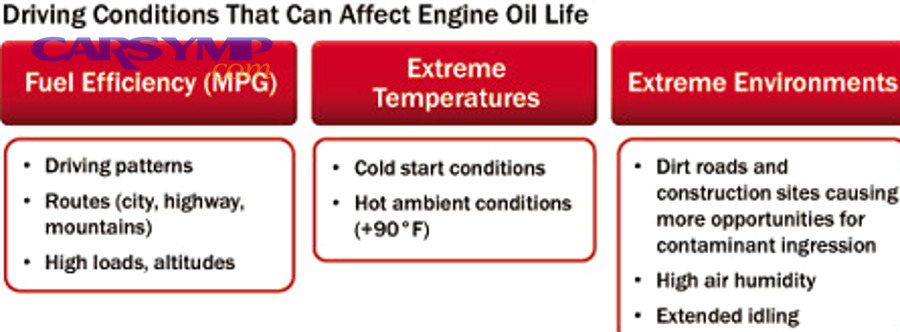
Engine oil wears out because it absorbs heat, collects combustion byproducts, and gradually loses its additive package—the detergents, dispersants, anti-wear compounds, and antioxidants that keep internal parts clean and protected.
Specifically, severe driving accelerates each major wear mechanism:
- Heat and oxidation: High oil temperatures speed oxidation, which thickens oil and forms varnish and deposits. Towing, long mountain climbs, and hot-weather stop-and-go increase this load.
- Fuel dilution: Frequent cold starts and short trips allow unburned fuel to wash past piston rings and mix with oil. Fuel dilution can thin oil, reduce film strength, and affect wear protection.
- Moisture and acids: Short trips often end before oil reaches sustained operating temperature, so moisture does not evaporate fully. Moisture plus combustion byproducts forms acids that consume additives.
- Soot and particulates: Direct injection and certain driving patterns can increase soot and insolubles that the oil must suspend until the next oil filter capture cycle.
- Additive depletion: Additives are “consumed” as they neutralize acids, keep contaminants suspended, and prevent metal-to-metal contact. Severe driving consumes them faster.
More specifically, the “interval” is not a moral rule—it’s a risk-control tool. You are choosing the point at which the oil’s protective margin is likely to be low enough that wear and deposits start to rise.
According to a study by University of Central Lancashire from a repository-hosted lubricants review, in 2021, high levels of fuel dilution have been observed with short-trip, cold-start driving, and fuel–lubricant interactions can meaningfully change lubricant performance.
Is the old “3,000-mile rule” still valid for modern engines and oils?
No—the 3,000-mile rule is not universally valid for modern vehicles because today’s engines, oils, and filtration systems often support longer intervals, and most manufacturers publish mileage/time schedules (or use an oil life monitor) that reflect real testing.
However, the same logic that makes the old rule outdated also explains why some people still benefit from shorter intervals:
- Severe conditions are common: Short trips, stop-and-go, and idling can shorten safe oil life even if mileage is low.
- Modern engines can stress oil in new ways: Turbo heat and direct injection fuel dilution can be harsh, especially under frequent cold starts.
- Time still matters: Even if you barely drive, oil still ages via moisture, acids, and oxidation.
On the other hand, blindly following “3,000 miles” can lead to unnecessary service, while blindly chasing the longest possible interval can create sludge and deposit risk—especially if your driving routine fits severe service criteria.
According to a study by AAA from auto repair guidance, in 2024, many vehicles fall in a 5,000 to 7,500-mile range depending on oil type and driving conditions, and drivers should defer to their owner’s manual maintenance schedule.
Which driving conditions count as “severe service” for oil changes?
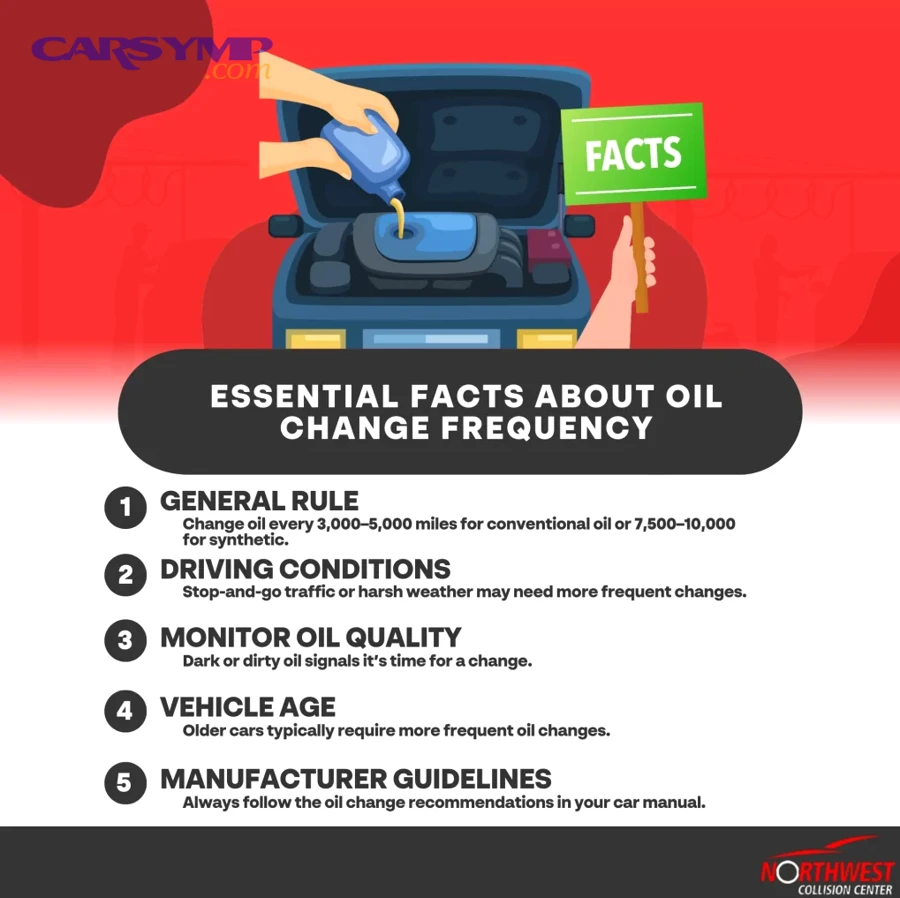
There are 6 main types of severe service driving conditions—short trips, stop-and-go, extensive idling, extreme temperatures, towing/hauling, and dusty/sandy routes—based on the criterion that these conditions increase contamination, heat cycling, and additive depletion.
Let’s explore how to identify severe service without overthinking it: if one or more of these patterns describes your weekly routine, you should assume severe service unless your owner’s manual explicitly says otherwise.
Do frequent short trips (especially under ~10 miles) mean you should use a shorter interval?
Yes—frequent short trips usually mean a shorter oil change interval because they combine repeated cold starts, incomplete warm-up, moisture retention, and higher fuel dilution risk.
Specifically, short trips are harsh because the engine spends a large portion of the drive in the warm-up phase. During warm-up, combustion is less efficient, blow-by is higher, and moisture evaporation is incomplete. Over time, this pattern can:
- Increase fuel dilution (thinning the oil and reducing film strength)
- Increase water contamination (supporting acid formation)
- Encourage sludge formation if the engine rarely reaches stable operating temperature
For example, a driver who does three 7-minute errands per day may rack up only 4,000 miles per year, yet their oil may be older and dirtier than a highway commuter at 12,000 miles per year, because the commuter spends far more time at stable operating temperature.
According to a study by Valvoline from educational guidance, in 2024, repeated short journeys are among the most aggressive driving patterns for engine oil and can dramatically shorten oil life over time.
Does stop-and-go city driving or delivery driving qualify as severe service?
Yes—stop-and-go and delivery-style driving commonly qualifies as severe service because it combines low airflow cooling, frequent acceleration events, high heat cycling, and idle time that reduces effective lubrication efficiency per mile.
However, not all city driving is equal. The most severe patterns typically include:
- Long, slow commutes with frequent stops
- Rideshare or delivery routes with repeated park–start cycles
- Long idle periods (waiting, loading, school pickup lines)
- Hot weather or steep terrain layered on top of stop-and-go
Meanwhile, “light city driving” (moderate traffic, longer steady stretches) can be less severe, but it still tends to be harder on oil than steady highway miles.
A practical test is to ask: “How many times do I cold-start the engine per day, and how often does it reach stable temperature for 20+ minutes?” If the answer is “a lot of starts, not much steady heat,” treat it as severe.
According to a study by Auto Care Association from technical bulletin, in 1994, “normal” conditions are uncommon and many real-world patterns (including stop-and-go and short trips) fit manufacturer-defined severe service categories.
Do towing, hauling, mountains, or extreme heat/cold shift you to severe intervals?
Yes—towing, hauling, mountains, and extreme temperatures typically shift you to severe intervals because they increase oil temperature, mechanical load, and oxidation stress while also increasing the chance of deposit formation.
Especially, towing and mountain driving can raise oil and coolant temperatures for sustained periods, which accelerates oxidation and additive consumption. Cold weather can be just as severe in a different way: it increases cold starts, enriches fuel mixtures during warm-up, and makes moisture evaporation harder.
If you tow even “occasionally,” the safest approach is to shorten the interval for the towing season rather than using one year-round number. You can return to a longer interval during mild weather highway driving if your routine truly changes.
According to a study by AAA from consumer-facing guidance, in 2024, recommended intervals vary with driving conditions and oil type, and severe use can require shorter service timing than a simple mileage number suggests.
How do you calculate the right oil change interval for your exact routine?
A reliable method is to calculate your oil change interval using 4 steps—(1) start with the owner’s manual/OLM baseline, (2) classify driving as normal or severe, (3) choose the shorter of miles or months, and (4) adjust for oil type and engine stressors—so you get a practical interval that matches your real use.
Below is a straightforward way to do it without turning maintenance into a hobby.
What’s a simple rule to choose between mileage and time (which one wins)?
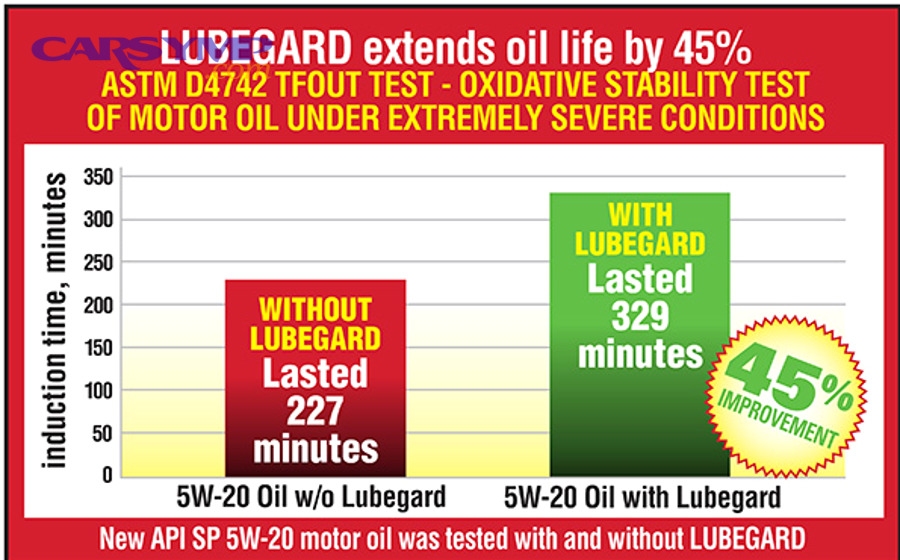
The simple rule is: whichever comes first wins—the mileage limit or the time limit—because oil degrades both from use and from age.
- If your manual says 7,500 miles or 12 months, and you drive 6,000 miles per year, you still change at 12 months, not “whenever I hit 7,500.”
- If you drive 15,000 miles per year in severe use and your severe schedule implies 5,000 miles, you change by miles multiple times per year even if “time” hasn’t elapsed.
More specifically, time matters because moisture and acids can accumulate even in low-mileage driving, and oil can oxidize slowly as it sits through repeated heat cycles and storage periods.
To illustrate how “time vs miles” plays out, use this decision frame:
- Low miles + many cold starts: time becomes critical
- High miles + steady highway: miles becomes critical
- Mixed use: whichever occurs first remains the safest general rule
According to a study by AAA from maintenance guidance, in 2024, intervals vary by driving conditions and oil type and often fall in modern ranges like 5,000–7,500 miles—reinforcing that both the baseline and your usage pattern determine the correct interval.
How should oil type (conventional vs synthetic) change the interval under normal and severe use?
Full synthetic usually wins in oxidation resistance and high-temperature stability, while conventional oil is often best for shorter intervals and lower cost; however, severe driving still shortens intervals for both because contamination and fuel dilution can be the limiting factor, not just oxidation.
However, you should treat “synthetic can go longer” as a conditional advantage rather than a permission slip. The right way to apply oil type is:
- Normal driving + synthetic: you can often follow the longer end of the manufacturer’s schedule (if the vehicle approves that oil spec).
- Severe driving + synthetic: you still shorten the interval, but synthetic may hold up better at the shortened schedule (better margin, better deposit control).
- Severe driving + conventional: shortest schedule is typically safest because conventional oils generally have less high-temp endurance.
This is also where Choosing correct oil viscosity becomes part of interval safety. If you pick the wrong viscosity for your engine and climate, you can change how fast oil shears, how well it flows on cold starts, and how stable pressure remains at high heat—each of which affects wear risk across a given interval. Always anchor viscosity to the owner’s manual and any approved viscosity ranges for your ambient temperatures.
According to a study by AAA from maintenance guidance, in 2024, recommended oil service intervals depend on the type of oil and driving conditions, supporting the idea that oil type modifies—rather than replaces—condition-based interval logic.
Do turbocharged or direct-injection engines need shorter intervals in severe driving?
Yes—turbocharged and direct-injection engines often need shorter intervals in severe driving because turbo heat increases oxidation stress and deposit risk, while direct injection can increase soot and fuel dilution under repeated cold starts and short trips.
More importantly, the “severe” label matters more for these engines because severe driving pushes them into the conditions where their known stressors become more pronounced:
- Turbo engines: higher bearing temperatures and potential oil “coking” risk if oil is over-aged or if the engine frequently heat-soaks after hard driving.
- Direct injection: higher particulate load and a greater tendency toward fuel dilution in certain use patterns, which can thin oil and degrade protective film strength.
On the other hand, a turbo engine that spends most of its time on steady highway trips at mild loads may do very well on the normal schedule—because the oil spends more time in stable conditions. The engine design is a risk factor, but the driving pattern decides whether the risk is activated.
According to a study by University of Central Lancashire from a lubricants review, in 2021, short-trip, cold-start driving has been associated with high fuel dilution levels in gasoline vehicles, and fuel dilution can meaningfully impact lubricant performance.
Should you follow the owner’s manual interval, the oil life monitor, or both?
The best practice is to follow both: use the owner’s manual to classify normal vs severe service and use the oil life monitor (OLM) to track real usage, then choose the earlier service point if the two disagree.
Next, the key is to understand what each tool is good at, and what each tool can miss.
If your car has an Oil Life Monitor, can you trust it for severe driving?
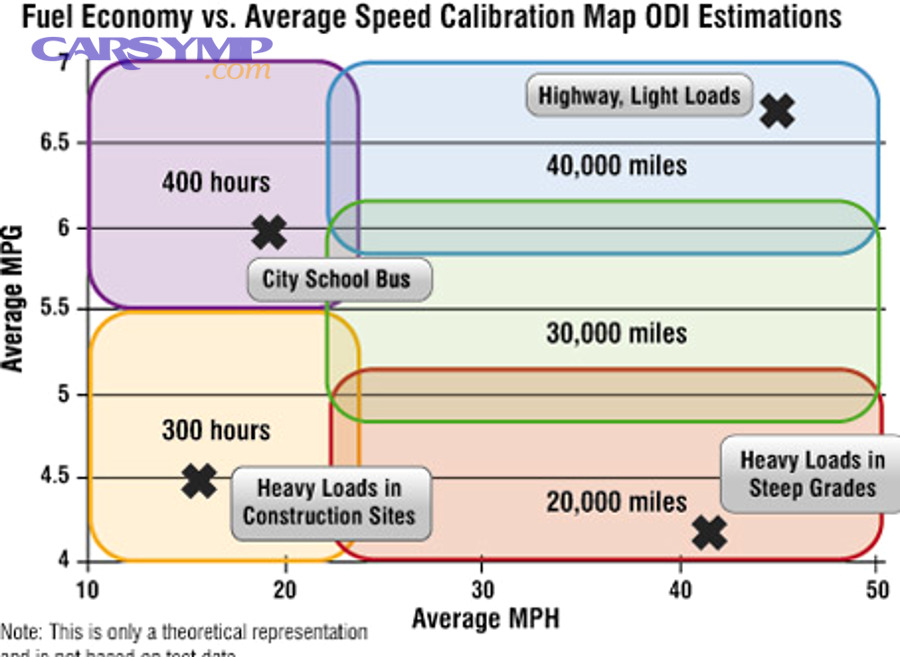
Yes—most drivers can trust an Oil Life Monitor if it is used correctly and if they still apply the owner’s manual severe-service definitions, because the OLM is designed to estimate oil life based on operating conditions rather than only miles.
However, trusting the OLM does not mean ignoring common-sense guardrails:
- If your manual provides a severe schedule, your manual is telling you that certain conditions are known to shorten oil life.
- If your OLM is not reset correctly after service, its estimate becomes meaningless.
- If your usage is extreme (heavy towing, long idling, repeated short trips in winter), you should be conservative even if the OLM seems optimistic.
A good compromise is to treat the OLM as a dynamic indicator and the manual as a classification rulebook. If you match severe conditions, do not stretch intervals just because the OLM hasn’t dropped as fast as you expected.
According to a study by AAA from maintenance guidance, in 2024, drivers should defer to the owner’s manual maintenance schedule and recognize that recommended intervals vary with driving conditions—supporting the practice of pairing manufacturer guidance with monitoring tools.
What common mistakes cause people to overrun intervals (or change oil too early)?
There are 7 common mistakes that distort oil change timing: misclassifying severe driving, ignoring time limits, forgetting the “whichever comes first” rule, failing to reset the OLM, trusting oil color, using a one-size-fits-all mileage number, and assuming the cheapest filter is “all the same.”
Besides, these mistakes often happen because oil maintenance looks simple—until you connect it to driving conditions.
Mistake 1: Thinking “I don’t drive much” automatically means longer intervals.
Low miles can still mean severe use if you do constant short trips and cold starts.
Mistake 2: Ignoring the time limit.
Even with low mileage, oil ages. Moisture and acids can accumulate.
Mistake 3: Not resetting the OLM (or resetting it at the wrong time).
A monitor that isn’t reset cannot estimate accurately.
Mistake 4: Using oil color as the decision tool.
Oil can look dark and still protect well; it can look “okay” and still be depleted or diluted.
Mistake 5: Using the same mileage number for every car.
Engine design, oil spec requirements, and sump size can change the safe interval.
Mistake 6: Assuming “synthetic means I can double the interval.”
Severe conditions can be contamination-limited even with synthetic.
Mistake 7: Ignoring Oil filter quality differences.
A poor filter can load up faster, bypass more often, or flow less effectively—reducing your safety margin across the interval, especially in severe service where contaminants accumulate quickly.
According to a study by Auto Care Association from a service-interval bulletin, in 2004, average severe-service recommendations for oil and oil filter changes are substantially shorter than normal-service recommendations, reinforcing that many drivers must adjust service timing rather than rely on a single universal mileage number.
What interval should you use in common real-world driving profiles?
There are 5 practical driving profiles—mostly-highway commuter, mostly-city commuter, short-trip errand driver, mixed driver with seasonal towing, and low-mileage “sits a lot” vehicle—based on the criterion of how often oil reaches stable operating temperature and how much contamination the engine generates per mile.
Then, you map each profile to a normal or severe schedule and apply the earlier of miles or months.
What oil change interval fits a mostly-highway driver vs mostly-city driver?
Highway driving typically wins in stability, while city driving usually requires shorter intervals because city use creates more cold starts, heat cycling, and contamination per mile.
However, you still begin with your manufacturer baseline. After that, use this practical mapping:
Mostly-highway driver (often normal service):
- Long trips where oil reaches stable temp
- Fewer cold starts per mile
- Less idle time
- Often can follow the longer end of the manual/OLM schedule (if conditions remain mild)
Mostly-city driver (often severe service):
- Many stops, short segments, frequent idle
- More cold starts per mile
- Greater fuel dilution and moisture retention risk
- Often benefits from a shorter severe-service interval
To illustrate, a highway commuter may have oil that stays cleaner longer even at 10,000 miles, while a city commuter might be safer changing earlier—because the city commuter’s oil may face more dilution and acids even at 5,000–7,500 miles.
This is why the best “interval” is not a single number. It is a decision you recalibrate when your routine changes.
According to a study by AAA from consumer guidance, in 2024, recommended oil service intervals depend on driving conditions and oil type, and many modern recommendations fall within ranges like 5,000–10,000 miles depending on vehicle guidance.
What interval fits a low-mileage car that sits (few miles per week)?
A low-mileage car that sits is usually best served by a time-based interval because short runs and long idle periods increase moisture retention and acid formation even when mileage remains low.
Especially, “sits a lot” vehicles often fall into a hidden severe category:
- The engine may start, run briefly, and shut down before moisture fully evaporates.
- The oil experiences many cold-start cycles per mile.
- The car may go long periods without reaching full operating temperature for sustained time.
A practical approach is to follow the manual’s time limit strictly (often 6–12 months depending on manufacturer guidance and severe classification) and to avoid stretching beyond a year unless your manual explicitly supports it for your exact conditions.
If the vehicle is stored seasonally, the interval decision becomes more about when you change (before storage vs after) than about mileage at all.
According to a study by Valvoline from short-trip guidance, in 2024, repeated short journeys can dramatically shorten oil life and increase wear risk over time, which explains why time-based service is often critical for low-mileage, short-trip routines.
How can you tell you’re overdue (and what happens if you stretch the interval too far)?
You can be overdue even if the engine feels “fine,” because oil degradation is gradual; stretching the interval too far raises the risk of sludge, deposits, accelerated wear, and in turbo engines, heat-related deposit problems.
More importantly, the risk is not only catastrophic failure. Overextended oil can quietly increase:
- Timing chain wear (where applicable)
- Deposit buildup around rings and oil control passages
- Oil consumption and blow-by
- Sticking PCV components
- Fuel economy loss in some cases due to increased friction and deposits
A smart overdue check uses simple indicators you can observe without pretending you can diagnose the oil by sight alone:
- Check oil level regularly (low level can be more dangerous than “old oil”)
- Watch for maintenance reminders and track the last service date
- Pay attention to new oil consumption, unusual smells (fuel smell can hint at dilution), or persistent roughness
At this point, it’s also useful to treat an oil change as a system: oil + filter + correct viscosity + correct specification. That’s why “oil change” should be thought of as “restore the lubrication system’s protective margin,” not “swap a fluid because a number is up.”
According to a study by AAA from maintenance guidance, in 2024, oil change timing depends on oil type and driving conditions and should follow manufacturer guidance, reinforcing that stretching intervals beyond recommended limits increases maintenance risk rather than providing a meaningful benefit.
Can topping off oil replace an oil change?
No—topping off oil cannot replace an oil change because it only restores oil level, not the oil’s additive reserve or contaminant load, and it does not remove moisture, acids, soot, or fuel dilution from the sump.
However, topping off is still important because low oil level can rapidly increase wear risk. The correct mindset is:
- Top off to protect the engine today
- Change oil and filter to restore oil quality for the entire interval
In addition, topping off can sometimes mask consumption that should be monitored. If you find yourself adding oil frequently, the correct response is to track how much, how often, and whether the pattern changes—then decide if there’s an underlying issue (leak, consumption, PCV problems).
According to a study by MDPI from a 2023 tribology analysis of in-service engine oil degradation patterns, in 2023, oil condition and degradation products are strongly tied to use profile and additive depletion processes, supporting the idea that “adding fresh oil” does not reset the overall degradation state of the remaining oil.
Is it harmful to change oil too often?
No—changing oil too often is not mechanically harmful in normal circumstances, but it can waste money and resources, and it can create avoidable risk if the service is performed poorly (wrong viscosity, wrong spec, underfilled/overfilled, or a low-quality filter).
On the other hand, if you are truly in severe service—especially short trips, towing, or heavy idling—more frequent changes can be a rational strategy because it restores additive reserve and removes contaminants before they accumulate.
The smarter framing is: do not chase “as often as possible.” Instead, chase “appropriate for my conditions” using three anchors:
- Manufacturer schedule (normal vs severe)
- Time limit (whichever comes first)
- Oil spec + viscosity compliance (Choosing correct oil viscosity and spec approval)
This is also where Oil filter quality differences matter again. A higher-quality filter can hold more debris and maintain consistent flow; a poor filter may bypass earlier or filter less effectively, especially in severe service.
According to a study by Auto Care Association from a service-interval bulletin, in 2004, severe service recommendations are substantially shorter on average than normal service recommendations, implying that “more frequent” can be appropriate when your driving matches severe criteria.
Contextual Border: At this point, you can classify your routine as normal or severe, apply the “whichever comes first” rule for miles vs months, and calculate a practical interval that matches real driving. The section below expands into micro-level factors—specs, analysis tools, and edge cases—so you can fine-tune beyond the basic calculation when needed.
How can you fine-tune oil change intervals with oil specs, used oil analysis, and extreme-duty edge cases?
You can fine-tune your oil change interval by using 3 levers—matching the correct oil specification and viscosity, verifying performance with used oil analysis, and adjusting for extreme-duty edge cases—so your interval is based on measurable protection rather than generic advice.
Next, think of this as “precision after you’ve nailed the basics,” not as a requirement for everyone.

What oil specification (API/ILSAC/ACEA/OEM approvals) should you match—and can the wrong spec shorten your safe interval?
Matching the correct specification wins in protection, while a mismatched spec can reduce deposit control or wear protection for your engine design; therefore, the wrong spec can shorten your safe interval even if the oil is “good” in a general sense.
However, specifications are easy to misunderstand because they are not marketing labels—they are performance requirements tested under defined conditions. A practical way to apply specs is:
- Start with the manual’s required spec and viscosity.
- Confirm the bottle lists the spec (API SP / ILSAC GF-6, or an OEM approval if required).
- Treat “meets” vs “approved” language carefully for OEM approvals that require licensing.
If your engine requires an OEM approval (common in many European makes and some modern engines), using a non-approved oil can increase deposit risk or reduce performance margins. That doesn’t guarantee failure, but it reduces your confidence in long intervals.
This is also directly connected to Oil filter quality differences. A high-quality filter supports longer intervals by capturing more insolubles with less bypass; a low-quality filter can force bypass earlier or reduce capture efficiency, narrowing the margin for longer service timing.
According to a study by AAA from maintenance guidance, in 2024, drivers should follow the owner’s manual schedule and requirements, which includes using the correct oil for the vehicle—supporting the idea that correct specs and viscosity are part of safe interval planning.
When does Used Oil Analysis (UOA) make sense to extend or confirm your interval?
Used Oil Analysis makes sense when you want data-driven confidence—typically for long intervals, severe service fleets, turbo/DI engines, towing-heavy routines, or when you are experimenting with a different oil—because it measures contamination and degradation rather than guessing.
Specifically, UOA can report:
- Viscosity change (shear or thickening)
- Fuel dilution levels
- Insolubles/soot load
- Additive reserve indicators (often via TBN/TAN depending on lab package)
- Wear metals trends (most useful as trends over multiple samples)
To illustrate how to use UOA correctly, follow this process:
- Run your planned interval (not an ultra-short “test” interval).
- Sample warm oil mid-stream during draining.
- Repeat for 2–3 cycles to build a trend.
- Use the trend to decide whether you can safely extend, should stay the same, or should shorten.
UOA is not just about extending. Many drivers use it to confirm that their chosen interval is safe under severe service—or to catch fuel dilution issues that justify shortening even when the manual interval looks long.
According to a study by MDPI from Energies, in 2025, researchers used viscosity and spectroscopy methods to evaluate fuel-induced oil dilution effects, illustrating why measurable dilution data can be critical for validating intervals in certain powertrains.
Do prolonged idling, track days, or heavy towing require an “extreme-duty” interval beyond severe service?
Yes—prolonged idling, track days, and heavy towing can require an extreme-duty interval beyond typical severe service because they push oil into high-heat, high-load, or high-contamination conditions where oxidation and additive depletion accelerate quickly.
However, the correct response is not “panic-change constantly.” The correct response is:
- Shorten the interval during the extreme-duty season or event period
- Use the correct oil spec and consider a higher-margin oil approved for your engine
- Ensure the filter is high quality and appropriate for your interval
- Consider UOA if you routinely operate at the extremes
Track days are unique because they can combine very high oil temperatures with high shear loads. Heavy towing in heat can create a similar thermal burden at sustained duration. Prolonged idling is different: it produces contaminants and heat cycles without “earning” many miles, so a mileage-only interval can mislead.
According to a study by Auto Care Association from a severe vs normal driving bulletin, in 1994, severe service categories include demanding operating conditions and emphasize shorter service intervals to maintain engine protection, which supports taking an even more conservative approach for extreme-duty patterns.
How should seasonal storage or infrequent driving change your oil change strategy?
Seasonal storage changes strategy because time becomes the dominant factor; you either change oil before storage to reduce acids and contaminants sitting in the engine, or change after storage if the oil was fresh going in and you want a “clean start” for the season.
Especially, the right choice depends on what the oil experienced before storage:
- If the vehicle ran many short trips before storage, a pre-storage oil change reduces the time contaminants sit against internal surfaces.
- If the oil was recently changed and the vehicle is stored cleanly, you can often change after storage based on the manual’s time limit and your first-season usage.
This is a micro-semantics scenario where the same mileage can mean different oil conditions. A car that drove 2,000 highway miles before storage is not the same as a car that drove 2,000 short-trip winter miles.
According to a study by Valvoline from short-trip guidance, in 2024, repeated short journeys can shorten oil life through aggressive patterns, which explains why pre-storage timing can matter when a vehicle has seen frequent cold-start short trips.