


If you’re staring at an oil drip and wondering whether to grab a wrench or plan a gasket replacement, the right answer is usually a decision—not a guess: tighten only when the leak is caused by lost clamp load, and replace when the seal has failed or the mating surfaces can’t seal.
Next, you’ll learn exactly how to tighten or retorque correctly—using the right sequence, the right tool, and the right “stop now” signals—so DIY bolt snugging doesn’t warp a cover, crush a gasket, or strip threads.
Then, you’ll get a practical diagnostic workflow to confirm the real source of an oil leak under car, including Identifying oil leak puddle color and smell, and when a UV dye test for oil leak tracing is the fastest way to end the guessing.
Introduce a new idea: even after a “proper gasket fix,” some leaks come back—so we’ll also cover the hidden causes (like crankcase pressure and thread seepage) and the habits that matter most for Preventing future under-car oil leaks.
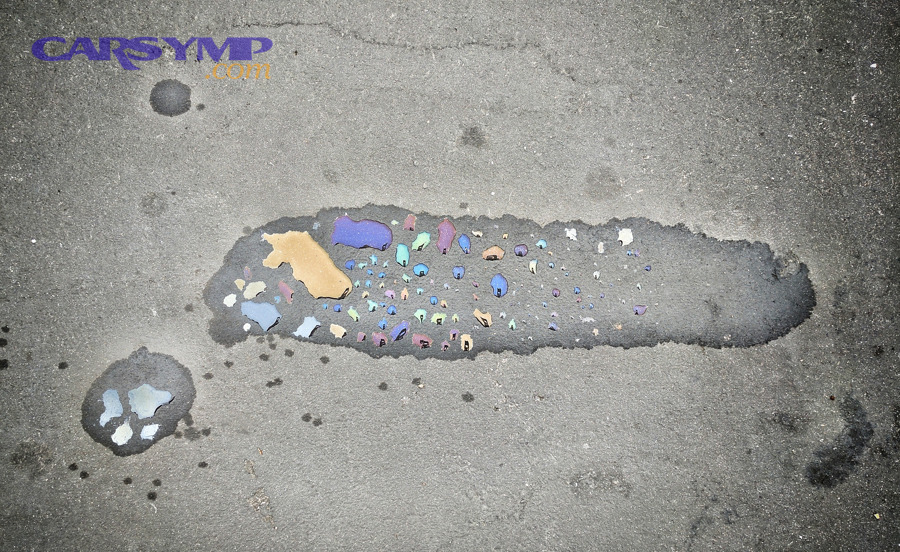
Should you tighten the bolts to stop a gasket leak?
Yes—tightening bolts can stop a gasket leak when the gasket is still healthy and the leak is caused by lost clamp load, because (1) the fasteners may have relaxed after heat cycles, (2) vibration can loosen marginal fasteners, and (3) uneven bolt load can create a single “wet corner” that re-seals when clamped evenly.
Specifically, the key is to decide whether you’re dealing with a clamp-load problem (tighten/retorque) or a seal-surface problem (replace/repair), because only the first one responds predictably to bolt snugging.
Is it safe to “snug” bolts if the leak is minor and recent?
Yes, it’s usually safe to snug bolts for a minor, recent seep if (1) you confirm the leak source first, (2) you follow the correct pattern and small increments, and (3) you stop immediately if the fastener feels like it’s yielding or stripping.
To begin, define “minor” in a way that prevents wishful thinking: a minor seep is a thin wet film or a few drops after a drive, not a steady drip that forms a puddle. If you see an oil leak under car that grows into a spot within minutes of parking, treat it as more than minor—because that leak rate can turn into low oil fast, especially on long highway runs.
- Do this first: wipe and degrease the area, drive 10–15 minutes, then re-check with a bright light. Tightening without confirming the source can mask the real leak (like a filter, drain plug, or cam seal above).
- Snugging is most reasonable when: the gasket was installed recently, bolts were recently disturbed (oil change, valve cover service), and you see localized wetness near one fastener line rather than oil everywhere.
- Snugging is not reasonable when: you see gasket material bulging out, torn rubber, cracked cork, or thick baked-on sludge that suggests a long-term leak path.
Then, if you proceed, think “micro-adjustment,” not “tightening contest”: small, even turns in sequence are how you restore clamp load without deforming the cover or pan rail.
Does overtightening usually make gasket leaks worse?
Yes—overtightening usually makes gasket leaks worse because (1) it crushes soft gaskets and creates channels, (2) it warps thin covers/pans so the sealing surface lifts between bolts, and (3) it damages threads so you can’t maintain stable clamp load.
However, overtightening is sneaky: it can appear to “fix” the leak for a day, then the leak returns worse once the gasket relaxes or the warped rail settles into a new shape. That’s why DIY bolt snugging should always be paired with a clear stop rule and a torque spec whenever possible.
Common overtightening outcomes you can actually see:
- Crushed gasket edge: rubber looks flattened shiny, cork looks torn, RTV squeezes out into beads.
- Warped rail: the sealing surface bows so oil weeps from the middle between bolts, even though the bolts feel tight.
- Stripped threads: the bolt suddenly turns easier, never “comes to torque,” or feels springy—this is a “stop now” moment.
More importantly, once threads are compromised, “tighten more” is no longer an option; you’ve moved from maintenance to repair (thread insert, helicoil, or replacing the part).
Can tightening fix a leak permanently, or only temporarily?
Tightening can be permanent when the gasket and surfaces are still capable of sealing, but it’s temporary when the gasket has compression set, surface distortion, or a true breach that clamp load can’t erase.
Meanwhile, the best way to avoid repeated cycles of “tighten, leak, tighten again” is to treat tightening as a diagnostic action. If careful retorque stops the leak and it stays dry through multiple heat cycles, the leak was likely clamp-load related. If the leak slows but returns, the leak path is still present—meaning replacement or surface correction is next.
A practical decision check:
- Permanent-likely scenario: very light seep, recent service, bolts found slightly loose, leak disappears after correct retorque and stays dry for 1–2 weeks of driving.
- Temporary-likely scenario: gasket is old/hard, oil residue is heavy, seepage appears along a long section, or the leak returns after the first long drive.
What’s the difference between bolt tightening, retorquing, and a proper gasket fix?
Bolt tightening is a small increase in fastener snugness, retorquing is restoring fasteners to the correct specified clamp load, and a proper gasket fix is replacing or resealing the joint so the gasket and mating surfaces can actually seal again—each action targets a different root cause.
In addition, understanding this difference prevents two classic DIY mistakes: using “more torque” to solve a failed seal, and skipping surface preparation during a gasket replacement because the new gasket “should handle it.”
What is “proper gasket repair” in practical DIY terms?
Proper gasket repair is a sealing restoration process that replaces the failed sealing element, resets surface conditions, and applies correct clamp load so the joint can hold oil through heat and vibration.
To better understand what “proper” means, think in three layers—gasket, surfaces, and clamp load:
- Gasket layer: replace with the correct gasket type (rubber, molded silicone, cork/rubber composite, MLS where applicable). Do not assume “universal RTV” is an upgrade.
- Surface layer: remove old gasket and residue, clean oil film, and check for nicks, dents, or bends in the rail. A new gasket cannot compensate for a bent flange for long.
- Clamp-load layer: torque in sequence, in passes, to spec. This is where many “new gasket still leaks” jobs fail.
If you want a mental model: tightening is “adding clamp,” while proper repair is “restoring seal integrity.” They overlap, but they’re not interchangeable.
Evidence: According to a study by the University of Strathclyde in 2016 (Pressure Vessels & Piping research on gasketed bolted joints), achieving a proper bolt preload close to target values is critical for the performance of gasketed joints, which is why correct tightening strategy—not just “tight”—matters.
When does “retorque” apply—and when should you not retorque?
Retorque applies in a limited set of situations where the design expects stable fastener reuse, but you should not retorque when (1) the fasteners are torque-to-yield, (2) the service procedure forbids it, or (3) the joint is already distorted and retorque would worsen warpage.
Next, use this grouping to decide:
Retorque is reasonable when:
- Non-TTY fasteners: typical valve cover bolts, oil pan bolts (many engines), timing cover bolts—especially after a gasket install that calls for a recheck.
- Recent service: you suspect a bolt was missed, unevenly tightened, or seated on debris and settled after heat cycles.
- Known gasket behavior: some cork/rubber blends relax slightly after initial compression and benefit from correct, light recheck if the manufacturer specifies it.
Do not retorque when:
- Torque-to-yield (TTY) or torque-angle critical joints: especially many cylinder head bolts. Retorque can push the bolt beyond its intended stretch range.
- The manual says “replace bolts” or specifies a one-time procedure: this is a big clue you should not treat it like a normal re-torque job.
- You feel thread damage: a fastener that won’t reach torque is not a “tighten harder” situation.
Besides, if you don’t know whether your fasteners are TTY, your safest DIY assumption is: do not improvise on head bolts; follow the exact service procedure for your engine family.
How do you diagnose whether the gasket is failing or the bolts are simply loose?
You diagnose gasket failure vs loose bolts by confirming the leak source, mapping the leak pattern, and inspecting gasket and surface clues—because a clamp-load leak tends to be localized and pattern-based, while a failed gasket leak tends to be persistent, spreading, or recurring after tightening.
Then, once you diagnose correctly, your fix becomes obvious: restore clamp load if the seal is intact, or restore seal integrity if it isn’t.
What quick checks confirm the leak source before touching anything?
There are 5 quick checks that confirm the source before you pick up a wrench: (1) clean and dry the area, (2) run and re-check, (3) trace from highest wet point, (4) verify fluid type, and (5) isolate wind-blown oil paths.
To begin, assume oil travels. A leak near the bottom of the engine is often oil that started higher and ran down—so always hunt the highest wet point first.
- Clean first: degreaser + rag, then dry thoroughly. Oil film hides the true origin.
- Short drive test: 10–15 minutes, then inspect immediately with a light.
- Highest wet point rule: start at the highest fresh wetness and follow it upward.
- Identify the fluid: use Identifying oil leak puddle color and smell—engine oil is typically amber to dark brown/black with a petroleum smell; transmission fluid often appears red/pink when fresh (varies by type) and can smell different; coolant looks watery and often sweet-smelling.
- Check for splash paths: oil can spread along subframes, skid plates, and undertrays, creating “false” leak locations.
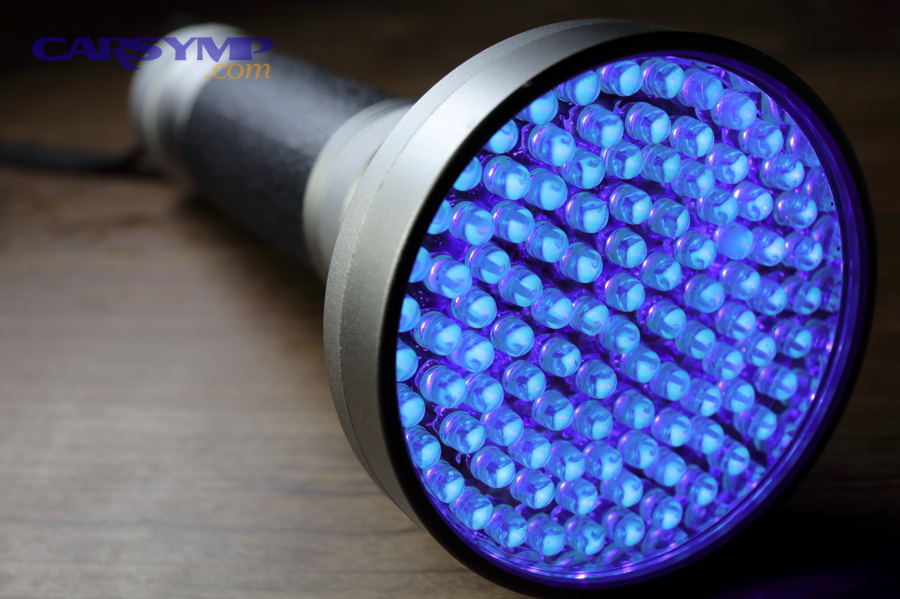
If the leak is extremely slow or you can’t find the origin, a UV dye test for oil leak tracing can end the ambiguity: add dye to the oil, drive, then scan with UV light to see the bright trace at the exact source.
Evidence: According to a study by MIT (mechanical engineering research thesis) in 2003, engine oil was doped with a fluorescent dye to increase its natural fluorescence for optical measurement, supporting the practical idea that fluorescent dye can be used to make oil easier to see under the right light.
What signs point to a failed gasket rather than loose bolts?
There are 6 common signs of a failed gasket: (1) leak returns quickly after correct retorque, (2) wetness spreads along a long section, (3) visible gasket damage, (4) gasket extrusion, (5) warped sealing rail, and (6) oil appearing from seams that clamp load alone can’t correct.
Specifically, look for these patterns:
- Return-after-retorque: if you retorque properly and it leaks again after one heat cycle, the gasket likely has compression set or the surface is distorted.
- Uniform wet perimeter: a whole edge is wet, not just one corner—this often indicates surface/gasket failure.
- Extrusion or squeeze-out: gasket pushed outward, RTV beads squeezed out and split, or rubber “bulges” at bolt points.
- Rail bowing: thin stamped valve covers and some pans warp easily; oil weeps from midpoints between bolts.
- Age-hardening: rubber becomes plastic-like; cork becomes brittle; both stop conforming to micro-surface texture.
More importantly, a true failed gasket creates a leak path that tightening cannot erase—so continuing to tighten only increases the chance of warping or stripping.
How do you tell oil leaks from transmission fluid leaks near the same area?
Engine oil wins on “dark/sooty residue,” transmission fluid is best identified by “red/pink when fresh,” and coolant is optimal for “watery feel and sweet smell”—so your first differentiation should be color, smell, and where the fluid first appears.
However, modern fluids can confuse you: some ATF turns brown with age; some engine oils look amber; some gear oils smell strong and sulfur-like. That’s why location and leak path matter.
Use this comparison table to classify what you’re seeing (it’s a quick field guide, not a lab test):
| Fluid | Typical color | Typical smell | Common drip locations |
|---|---|---|---|
| Engine oil | Amber → dark brown/black | Petroleum; can smell burnt if hitting exhaust | Oil pan seam, valve cover edge, timing cover seam |
| Transmission fluid | Red/pink fresh; brown when aged | Distinct fluid odor; can smell burnt if overheated | Transmission pan, cooler lines, bellhousing area |
| Coolant | Green/orange/pink (varies) | Sweet/chemical | Radiator hoses, water pump, heater lines |
To illustrate, “rear main seal leak vs transmission fluid” confusion often happens because both can drip from the bellhousing area. Your best move is to find the highest wet point and identify whether the wetness starts at the engine rear seal area or at a transmission seam/line above it.
How do you tighten or retorque correctly without damaging the gasket or threads?
You tighten or retorque correctly by using a torque-controlled method with a defined sequence, multiple light passes, and clean thread conditions so clamp load distributes evenly and the sealing surface stays flat—which protects both the gasket and the threads.
Next, treat “correct tightening” as a precision task. The goal is not maximum tightness; the goal is correct, even clamp load.
What torque pattern and multi-pass approach prevents warping?
There are 3 elements to a warp-resistant approach: (1) a center-out or crisscross pattern, (2) two to three tightening passes, and (3) a final verification pass at spec.
Specifically, use this repeatable method for most covers and pans:
- Pass 1: seat all bolts finger-tight, then lightly snug in sequence so the gasket seats evenly.
- Pass 2: torque to ~50–70% of spec in the same sequence.
- Pass 3: torque to 100% of spec in the same sequence, then re-check once more in sequence.
If you don’t have the exact sequence, a safe default is to work from the center outward in a crisscross pattern. The principle is simple: you want the cover to settle evenly rather than “hinging” down at one edge.
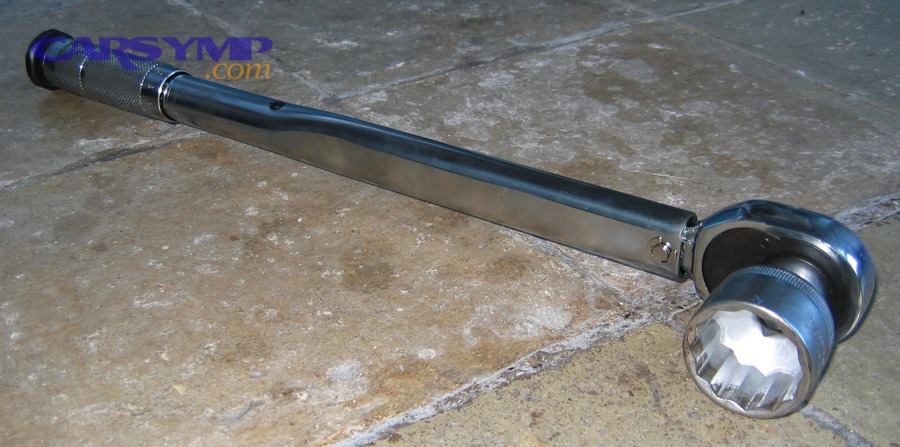
What tools and prep steps matter most for accurate torque?
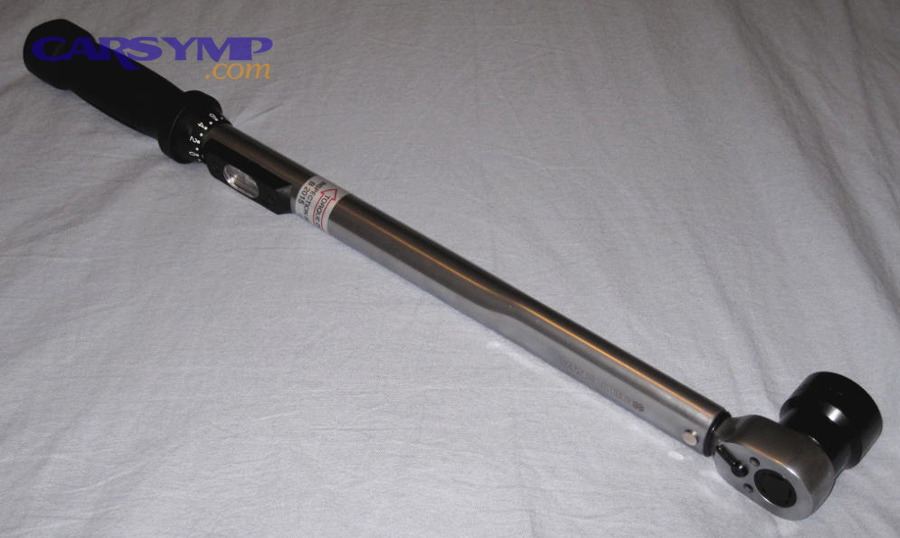
There are 5 essentials for accurate torque: (1) the right torque wrench range, (2) clean threads, (3) correct socket engagement, (4) consistent thread condition (dry vs lubricated), and (5) spec accuracy for your engine.
Moreover, the tool range matters more than people think. If your valve cover bolts spec is very low, a huge torque wrench can be inaccurate at the bottom of its scale. Match the tool to the torque range so you can feel the difference between “approaching spec” and “something is wrong.”
- Clean threads: remove oil and debris from bolt threads and holes. Oil in blind holes can create hydraulic lock and crack or distort parts.
- Thread condition consistency: don’t oil threads unless the service procedure specifies it. Changing friction changes clamp load.
- Use the correct spec source: OEM manual, reputable repair guide, or the gasket manufacturer’s instruction sheet.
Evidence: According to a study by Óbuda University researchers in 2024 on bolt preload variations, approximately 10%–20% of applied tightening torque generates bolt preload while the rest is consumed by friction—showing why consistent thread condition and proper technique are crucial for repeatable clamp load.
What are the “stop now” warning signs during tightening?
Yes—there are clear “stop now” signs that mean you should stop tightening because (1) thread failure may be starting, (2) the gasket or flange may be deforming, and (3) continued tightening can turn a small leak into a major repair.
Then, watch and feel for these warnings:
- Sudden loss of resistance: the bolt gets easier to turn without reaching spec—possible thread stripping.
- Spinning-without-ending: you keep turning and it never “comes to torque.” Stop, remove, inspect threads.
- Cover rail flexing: you see the flange bending down near the bolt—this is how warping begins.
- Gasket extrusion: gasket squeezes outward as you tighten; you’re likely crushing it.
- Cracking sound or gritty feel: possible thread damage or debris binding.
In short, correct torque feels controlled and repeatable. Anything that feels “wrong” is usually wrong.
When should you replace the gasket instead of tightening?
Yes—you should replace the gasket instead of tightening when (1) the leak persists after proper retorque, (2) the gasket or sealing surface shows damage/warpage, and (3) the leak rate or location creates safety risk (oil on exhaust, rapid dripping, or frequent low-oil conditions).
More importantly, gasket replacement is not just about stopping the drip; it’s about preventing the secondary damage that oil leaks cause—smoke, fire risk, ruined mounts, degraded bushings, and chronic mess.
Is gasket replacement required if the leak returns after tightening?
Yes—if the leak returns after correct tightening, gasket replacement is usually required because (1) the gasket has likely taken a compression set and no longer conforms, (2) the sealing rail may be distorted, and (3) the leak path is established and will reopen under heat and oil pressure.
However, “returns” should be defined carefully. If you tightened without cleaning and diagnosing, the “return” might actually be a different leak or oil residue still dripping off subframes. That’s why you should always re-check from the highest wet point after cleaning.
Once you confirm it’s the same seam, treat recurrence as data: it tells you the joint is not sealing, not that you “didn’t tighten enough.”
What leak locations are least forgiving and usually demand proper repair?
There are 5 leak locations that are least forgiving because they combine oil exposure with heat, pressure, or complex seams: (1) valve cover corners/half-moons, (2) timing cover-to-block joints, (3) oil pan corners and curved rails, (4) rear main area/bellhousing-adjacent seams, and (5) turbo oil feed/return sealing points (when equipped).
Especially, valve cover corners and half-moons often leak even when bolts are “tight” because the surface transitions and gasket geometry require correct seating and sometimes specific sealant dabs at designated points.
Meanwhile, timing covers and pan corners punish sloppy prep. A thin smear of oil film, leftover RTV ridge, or a small dent in the rail can become the start of a repeat leak.
Which is cheaper long-term: repeated tightening attempts or a proper gasket fix?
Repeated tightening wins only on immediate convenience, a proper gasket fix is best for long-term cost, and “ignore it” is worst for risk and downstream damage—so the cheapest long-term path is usually a correct repair once, not constant re-tightening.
To illustrate the real cost, consider what repeated tightening often triggers:
- Time cost: repeated inspections, cleanup, and re-tightening sessions.
- Consumable cost: oil top-offs, degreaser, absorbent pads, driveway cleanup.
- Damage risk: stripped threads, warped rails, oil-soaked belts/hoses, and in some cases oil contacting the exhaust.
If you’re deciding purely on DIY budget, the strongest strategy is: do one careful diagnosis, try one correct retorque when appropriate, and if it returns, commit to a proper gasket fix with surface checks. That approach controls both cost and risk.
Why do gasket leaks come back even after a “proper” fix?
Gasket leaks come back after a “proper” fix for 4 main reasons: (1) crankcase pressure pushes oil outward, (2) the mating surface is warped or contaminated, (3) thread seepage or bolt-hole wicking mimics a gasket leak, and (4) heat cycling changes the joint enough to expose weak points—especially if clamp load is uneven.
Next, use these causes as a troubleshooting checklist if you’ve already replaced the gasket and the seam still gets wet.
Can crankcase pressure (PCV problems) cause repeat gasket leaks?
Yes—crankcase pressure can cause repeat gasket leaks because (1) pressure forces oil past seals that would otherwise hold, (2) it increases leakage at weak joints like valve covers and main seals, and (3) it reduces the “inward” vacuum effect that helps keep oil inside.
Specifically, if your PCV system can’t evacuate blow-by gases, pressure rises and the engine begins “pushing” oil out of any available path—often the same gasket you just replaced.
Quick DIY clues of excess crankcase pressure:
- Oil seepage suddenly appears in multiple places after being stable for months.
- New gasket leaks quickly despite correct installation and torque.
- Breather hoses look wet with oil mist, or the intake tract shows excessive oil residue (varies by engine).
Evidence: According to a study by University of Windsor (mechanical and automotive engineering thesis) from 2014, a key target of crankcase ventilation is to prevent crankcase pressure build-up to reduce the risk of oil leakages—supporting the idea that PCV issues can undermine even carefully sealed gaskets.
Do warped mating surfaces or overuse of RTV explain persistent leaks?
Warped surfaces win as the most common repeat-leak cause, overuse of RTV is best known for creating sealing “spacers” and squeeze-out problems, and a correctly used gasket is optimal when surfaces are flat and clean—so the fix depends on what failed: geometry or technique.
However, both problems often occur together. DIY installers sometimes add extra RTV to “help,” but thick RTV can prevent the gasket from compressing evenly, creating micro-gaps that become leak paths after heat cycles.
Practical surface checks that work in a garage:
- Straightedge check: lay a straightedge across the rail and look for gaps at midpoints between bolt holes.
- Bolt-hole “volcano” check: overtightening can dimple the rail around bolt holes; the gasket seals around the dimple but leaks between them.
- RTV placement discipline: use RTV only where the service procedure specifies (corners, half-moons, seam transitions), and apply thin, controlled beads.
If you find warping, the solution is not “tighter bolts.” The solution is to correct the surface (replace the cover/pan, or carefully reform it if appropriate and safe for that part).
Can thread seepage or bolt-hole wicking mimic a gasket leak?
Thread seepage is oil traveling along fastener threads or through bolt holes and emerging at the bolt head or seam, mimicking a gasket leak—it’s common in joints where bolts pass into oil-wet cavities or where sealant was originally used on specific fasteners.
To better understand this, imagine the bolt hole as a tiny tunnel. If oil reaches the threads, it can climb by capillary action and appear at the flange line, making you blame the gasket when the leak path is actually the fastener interface.
DIY ways to confirm thread seepage:
- After cleaning, you see oil forming around a specific bolt head or washer before the seam gets wet.
- Removing a bolt reveals wet threads even when the gasket surface looks mostly dry.
- Oil appears at a bolt hole that is higher than the rest of the wet seam.
If your service procedure specifies thread sealant for certain fasteners, follow it exactly. If it doesn’t, avoid guessing—because the wrong sealant can change torque behavior or contaminate the joint.
Does heat cycling change torque enough to justify a recheck?
Yes—heat cycling can justify a recheck in some non-TTY joints because (1) gasket materials can settle slightly, (2) covers can relax into position after the first thermal expansion, and (3) clamp load distribution can stabilize after initial run-in—but only if the procedure allows it.
Then, use this safe rule: recheck only when (a) the manufacturer or gasket maker recommends it, (b) you’re working on non-TTY fasteners, and (c) you can recheck with a torque wrench at the same spec without “adding extra.”
Finally, the best long-term move is not repeated rechecks—it’s building habits that keep the underside dry: fix small leaks early, keep PCV functioning, torque correctly, and clean/inspect periodically. Those actions are the core of Preventing future under-car oil leaks, and they beat endless bolt snugging every time.