


Most drivers can estimate an oil leak repair bill accurately once they identify the leak source, because labor access—not the price of a gasket—sets the final number. This guide shows practical, leak-source cost ranges and explains why “valve cover vs oil pan vs rear main seal” lands in very different price tiers. (repairpal.com)
Next, you’ll see how to compare leak sources so you can prioritize the repair that’s most urgent or most cost-effective, especially when two leaks look like one. That comparison matters because oil can travel and drip far from its origin, making one leak point “masquerade” as another.
Then, you’ll learn what changes an estimate the most—vehicle layout, labor rate, and how deep the job goes—plus a simple approach to confirm the true source before you authorize repairs.
Introduce a new idea: below is the “cost-by-source” framework you can use at home (and at the shop counter) to translate leak location into a realistic repair range.
What does “repair cost by leak source” mean for car owners?
Repair cost by leak source means you estimate the bill based on the exact part or sealing surface that’s leaking (gasket, seal, O-ring, or line), because each source has a predictable labor difficulty tier and typical parts list.
Specifically, the leak source is the “origin point,” while the drip spot on your driveway is only the “landing point,” and mixing those up is the fastest way to pay for the wrong repair.
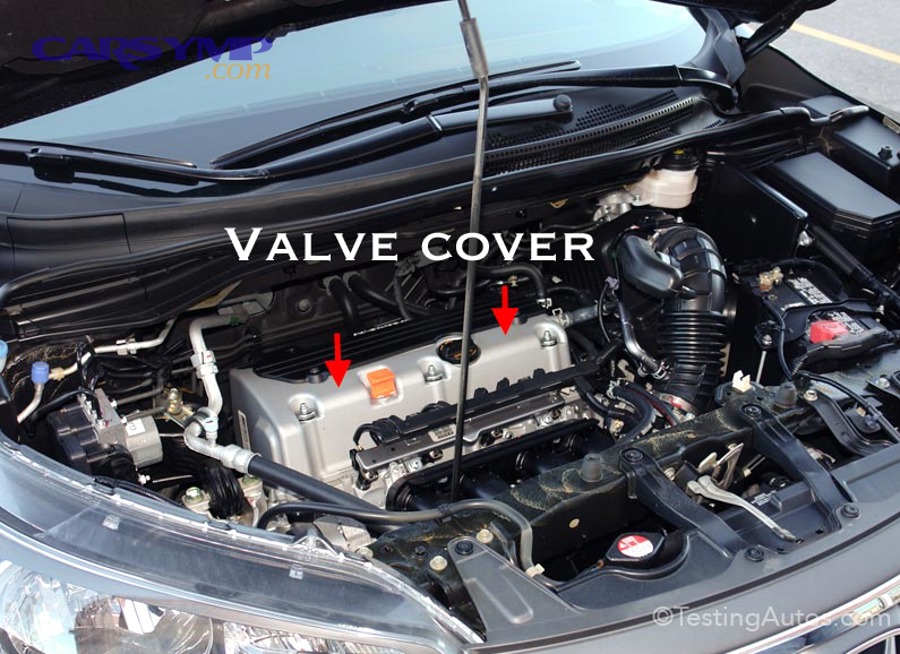
Is the puddle location the same as the leak source?
No—puddle location is not the same as the leak source because (1) oil follows gravity and airflow, (2) it wicks along seams, brackets, and heat shields, and (3) it can spread across undertrays and subframes before dripping.
However, once you accept that “drip ≠ source,” you can diagnose with less guesswork:
- Gravity + tilt: Parked on a slope, oil may run toward the lowest corner of an undertray before it drops.
- Airflow while driving: Wind pushes oil backward, so the leak source can be farther forward than the drip.
- Surface tracking: Oil clings to ribs and edges (oil pans, bell housings) and exits at a seam that’s not the actual leak.
A helpful rule: the highest wet point is usually closer to the source. To better understand, clean the area and re-check after a short drive—fresh oil is easier to trace than old grime.
What are the most common engine oil leak sources?
There are 6 main types of common engine oil leak sources: (1) valve cover gasket, (2) oil pan gasket/RTV, (3) rear main seal, (4) timing cover/front cover reseal, (5) cam/crank seals, and (6) oil filter housing/oil cooler seals (plus turbo feed/return lines on turbo engines).
In addition, these sources map to “where you see oil” patterns:
- Top-of-engine (smell + smoke): Often valve cover seep onto exhaust.
- Bottom drips: Often oil pan sealing surface, drain plug area, or filter housing runoff.
- Between engine and transmission: Often rear main area or oil tracking down the back of the engine.
That mapping sets up the next section: converting source → cost range.
How much does it cost to fix each leak source?
There are 6 main cost tiers by leak source—from easy top-end reseals to high-labor “split the drivetrain” jobs—because labor time scales with how many components must be removed to reach the seal.
More specifically, the most useful way to read pricing is parts vs labor: gaskets are often inexpensive, but access can turn a $30 part into a $1,200 repair.
To make the numbers easy to apply, the table below summarizes typical ranges and what drives each one.
What this table contains: common leak sources, typical total cost range, why the labor is high/low, and what’s often replaced at the same time.
| Leak source (most common) | Typical total cost range | Why the job costs that much | “While you’re in there” add-ons |
|---|---|---|---|
| Valve cover gasket | ~$336–$461 | Moderate access; top-of-engine labor | Spark plug tube seals, grommets (varies by engine) (repairpal.com) |
| Oil pan gasket / RTV reseal | ~$553–$759 | Bottom access; sometimes subframe/crossmember interference | Drain plug gasket, oil change items (repairpal.com) |
| Rear main seal | ~$600–$1,200+ | Transmission/transaxle removal dominates labor | Clutch (manual), converter seal (auto), inspection of bell housing (endurancewarranty.com) |
| Timing cover/front cover reseal | Wide range | Many accessories removed; sometimes engine mount support | Front crank seal, belt, tensioner (vehicle-dependent) |
| Cam/crank seals (other than rear main) | Wide range | Depends on timing system access | Timing components if due (vehicle-dependent) |
| Oil filter housing / oil cooler seals | Wide range | Often tight access; can mimic other leaks | Coolant/oil service items (as required) |
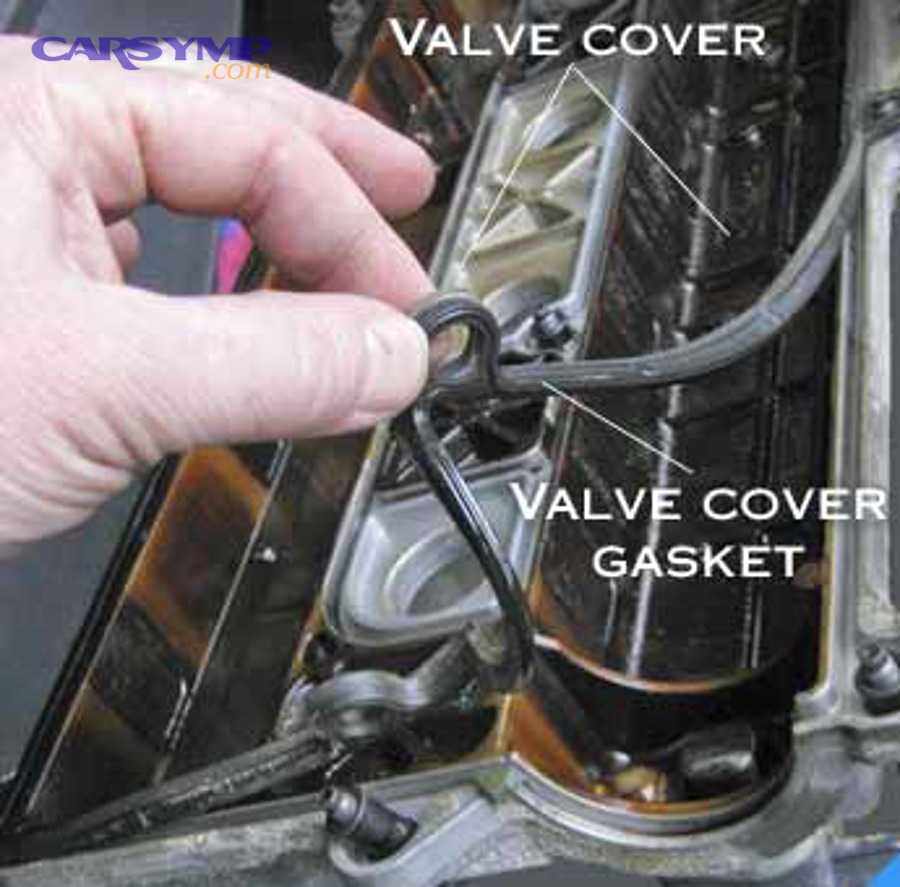
How much does a valve cover gasket leak repair usually cost?
A valve cover gasket leak repair usually costs a few hundred dollars because the gasket itself is inexpensive, but labor includes removing covers, coils, and sometimes intake components to reach the sealing surface. (repairpal.com)
For example, if oil appears on the back of the engine or you smell burning oil, the leak can still be the valve cover—oil drips down and looks like a lower leak. More specifically, this is one reason owners think they have an oil pan leak when they don’t.
What typically drives cost on this job:
- Engine layout: V-engines can have a “hard side” valve cover that requires extra removal.
- Cleaning time: A proper reseal needs clean, oil-free surfaces; techs often spend time degreasing.
- Extra seals: Some engines need spark plug tube seals or grommets to stop oil from pooling.
If you want the estimate to be accurate, ask the shop whether the quote includes “full reseal prep” (cleaning, surface inspection) rather than just swapping rubber.
How much does an oil pan gasket/RTV leak repair usually cost?
An oil pan gasket/RTV leak repair usually costs mid-hundreds because access to the oil pan can require lifting the engine slightly, moving a crossmember, or lowering part of the subframe on some vehicles. (repairpal.com)
Then, the key detail is whether you truly need an oil pan reseal or you have a simpler issue (like a drain plug gasket or filter housing runoff). Oil leaks can “frame drip” and look like a pan gasket failure.
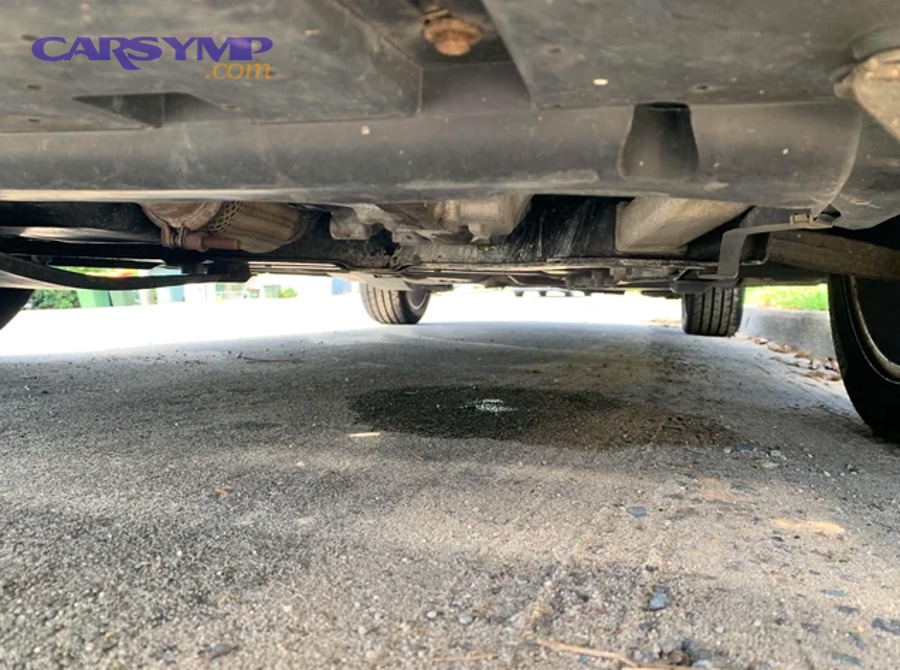
How the job breaks down in real life:
- Simple access vehicles: Remove splash shield, drain oil, unbolt pan, reseal, refill.
- Tight packaging vehicles: Support engine, move steering rack or crossmember, then reseal.
- RTV cure time: Some sealants require cure time before full load/heat cycling—rushing increases comeback risk.
This is also where “oil leak under car” complaints often originate, because the oil pan is the lowest visible surface and the first place owners look.
How much does a rear main seal leak repair usually cost?
A rear main seal leak repair usually costs hundreds to over a thousand dollars because the seal sits between the engine and transmission, so the drivetrain must be separated to access it. (endurancewarranty.com)
Next, understand the core economics: the seal might be cheap, but the labor is not. If the shop must remove a transaxle (many FWD cars) or a transmission (many RWD trucks), labor dominates the invoice.
Why rear main leaks are expensive:
- Major disassembly: Transmission/transaxle removal is the job.
- Opportunity bundling: The shop may recommend related items because access is already “paid for” in labor.
- Verification: The shop must confirm it’s truly the rear main and not oil tracking down from above.
If you’re seeing a steady drip from the bell housing area, don’t assume rear main automatically—confirm the highest wet point first (more on that later).
How much do other common leak sources cost (timing cover, cam/crank seals, oil cooler/filter housing)?
There are 4 common “other” leak sources that swing costs widely—timing cover reseals, cam/crank seals, oil cooler/filter housing seals, and turbo oil line leaks—because each one can range from moderate access to “half the engine front end comes off.”
In addition, these leaks frequently mimic one another:
- Oil cooler/filter housing seals: Oil can spread down the block and drip from the pan edge.
- Front cover/timing area: Oil flings on belts and can coat the underside quickly.
- Turbo feed/return lines: Oil can burn on the hot side and produce smoke before it drips.
The practical takeaway: when the leak source sits behind other systems (cooling, belt drive, intake), labor varies dramatically by model—so use the cost-by-source tiers as a planning range, not a universal fixed price.
Which leak source is cheaper or more expensive—and why?
Valve cover wins in accessibility, oil pan is best for moderate complexity, and rear main is optimal only when you’re already doing a transmission-out job—because each source is defined less by parts cost and more by how many components block the seal.
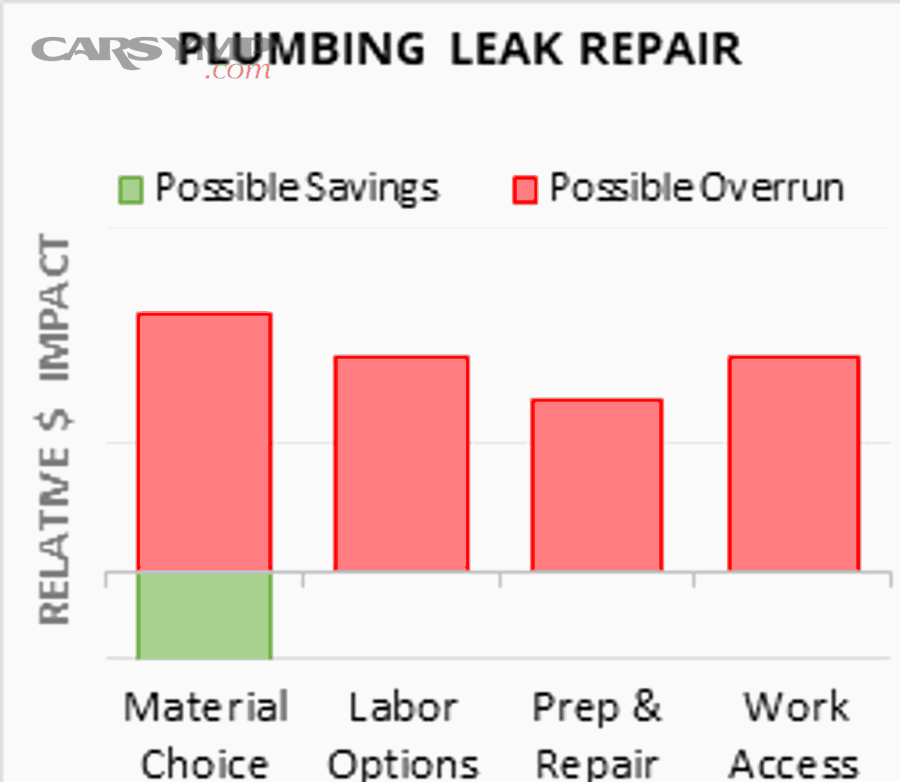
However, “cheaper vs expensive” becomes clearer when you compare by three criteria: (1) access time, (2) disassembly depth, and (3) risk of misdiagnosis.
Valve cover vs oil pan: which is typically cheaper to repair?
Valve cover usually wins on cost because it’s a top-of-engine reseal that often requires fewer heavy components to be moved than an oil pan reseal, which may be blocked by subframes and crossmembers. (repairpal.com)
Then, the nuance is vehicle-specific: some V-engines make one valve cover “hard side,” while some cars make the oil pan surprisingly easy. Still, as a rule:
- If the quote is close: pick the repair that fixes the highest wet point first.
- If the leak is mild: valve cover seep can drip down and impersonate an oil pan leak—verify before resealing the pan.
This comparison is one of the best places to save money, because misdiagnosis can pay for two jobs.
Oil pan vs rear main seal: which repair is usually more expensive?
Rear main seal repair is usually more expensive because it requires transmission/transaxle removal, while many oil pan reseals—although sometimes tricky—don’t require splitting the drivetrain. (repairpal.com)
Moreover, rear main leaks also have a “diagnosis penalty”: shops often spend extra time confirming the source, because the labor is so high that guessing is unacceptable.
A smart decision rule:
- If oil is only wet at the bottom: suspect oil pan sealing or runoff.
- If oil is wet inside/around the bell housing seam: suspect rear main area but confirm the back-of-engine is dry above it.
Rear main seal vs timing cover leak: which one costs more on average?
Rear main seal often costs more on average because the access step (transmission removal) is consistently heavy, while timing cover reseals vary: some are moderate, others are major depending on accessory layout and front-end packaging. (endurancewarranty.com)
Meanwhile, timing cover leaks can spread oil quickly and look dramatic, but “dramatic” doesn’t always mean “expensive”—it means “messy and time-consuming to trace.”
If you’re comparing these two, your best move is to ask the shop one question: “How many labor hours does the book time show for my specific model?” That pushes the conversation from fear to measurable effort.
What factors change your estimate the most?
There are 5 major factors that change a leak repair estimate: (1) drivetrain layout, (2) engine packaging, (3) labor rate, (4) leak severity/contamination, and (5) whether related parts are bundled in the same visit.
Especially, two cars with the “same leak source” can have wildly different invoices because one has clear access and the other requires removing multiple layers to reach the same seal.
Does FWD vs RWD (transverse vs longitudinal) change leak repair cost?
Yes—FWD/transverse vs RWD/longitudinal layout changes leak repair cost because (1) space around the engine differs, (2) subframe and steering components block different areas, and (3) transmission removal paths are different.
Then, apply the layout logic to each leak source:
- Valve cover: transverse engines can crowd the firewall-side cover.
- Oil pan: some FWD cars have subframe interference; some trucks have easy access.
- Rear main: both layouts are labor-heavy, but the steps and time vary with drivetrain and AWD components.
So, when someone quotes you a number from “a similar car,” ask if the layout is truly similar.
How do shop labor rates, region, and parts quality affect the final price?
Shop labor rates, region, and parts quality affect the final price because labor hours multiply the hourly rate, and parts vary in durability and fit—so two quotes can differ even if the leak source is identical.
In addition, quality differences show up in comeback risk:
- Cheapest gasket option: may fit poorly or harden faster.
- OEM-equivalent: often better sealing consistency.
- Sealants and prep: even great parts fail on dirty surfaces.
If your goal is to reduce cost, reduce redo risk first—redoing the same leak is the most expensive outcome.
Can a small seep be cheaper than a real leak—or does it become the same job?
No—a small seep is not always cheaper because (1) the labor to access the seal is often the same, (2) cleaning and prep still matter, and (3) the shop must verify it’s resolved, even if the leak rate is low.
However, a seep can be less urgent, which changes the “when” even if it doesn’t change the “how.” That’s why good estimates separate two decisions:
- Decision 1: Is the leak source confirmed?
- Decision 2: Is the leak rate high enough to justify repair now?
That separation sets up the next section: confirming the leak source before paying.
How can you confirm the leak source before paying for repairs?
Confirming the leak source means you use a simple two-step method—clean to baseline, then trace fresh oil—so you stop guessing and stop replacing the wrong seal.
To better understand, treat diagnosis like a map: you need to see where oil starts, not where it ends.
Should you pay for an inspection/diagnostic first?
Yes—you should pay for an inspection first when (1) multiple areas are oily, (2) the suspected repair is high-labor (rear main/timing cover), and (3) you can’t identify the highest wet point confidently.
Then, the money logic is straightforward: paying for diagnosis can prevent paying for the wrong repair—especially when a “rear main seal” guess can become a four-figure mistake.
A good diagnostic visit typically includes:
- Degreasing or wipe-down at key leak points
- UV dye option or targeted re-check
- A short drive/heat cycle to bring out fresh oil
- Photos and a written source identification
How do UV dye and a clean-and-recheck method identify the true source?
UV dye and clean-and-recheck identify the true source because dye makes fresh oil fluoresce under UV light, while a clean baseline removes old residue that can mislead your eyes.
More specifically, UV dye is most useful when everything is uniformly grimy and oil could be coming from multiple edges.
You can apply the method like this:
- Clean first: Degrease the suspected area (top-down) and let it dry.
- Add dye (if using): Drive a short, normal route.
- Inspect the highest points: Look for the first appearance of fresh oil (or fluorescence).
- Confirm after another cycle: Repeat after one more drive to ensure it wasn’t runoff.
According to a study by Guglielmo Marconi University from the Department of Engineering Sciences, in 2022, researchers enhanced oil-leak visibility by diluting oil with fluorescent dye and illuminating it with UV LEDs to make leaks easier to detect in an on-board diagnostic setup. (pmc.ncbi.nlm.nih.gov)
Can you drive with an oil leak, or should you stop immediately?
Yes, you can sometimes drive with an oil leak, but only if (1) the leak rate is slow, (2) the oil level stays safely in range, and (3) there is no smoke, burning smell, or oil warning light—otherwise you should stop immediately.
More importantly, the question “Can you drive with oil leaking under car” is really two questions: safety (fire/traction risk) and engine survival (oil starvation risk). This is where an “oil leak under car” becomes more than a driveway inconvenience.
What symptoms mean “don’t drive” (tow it) vs “monitor and schedule”?
There are 2 urgency groups—“tow it” and “monitor and schedule”—based on leak rate and risk signals.
Then, use these checklists:
Tow it (don’t drive):
- Oil pressure light flickers or stays on
- Rapid dripping (puddle forms quickly after parking)
- Burning oil smell or visible smoke from engine bay
- Oil spraying onto belts or exhaust components
- You must add oil repeatedly to keep it on the dipstick
Monitor and schedule (drive carefully while checking level):
- Light seep with occasional drops
- No smoke/burning smell
- Oil level remains stable over days
- Leak source is known and not worsening
If you’re unsure, choose the safer path—tow now is cheaper than an engine replacement later.
How fast can an engine be damaged if oil is leaking?
An engine can be damaged quickly if oil loss causes low oil pressure because bearings and cam surfaces rely on a stable oil film; once pressure drops, heat and wear accelerate and failure risk rises.
In addition, the rate is what matters most. A slow seep might take weeks to drop a quart, while a major leak can drop the level in a single drive.
Practical safeguards if you must drive briefly:
- Check oil level before every trip
- Keep oil topped to the safe range
- Avoid high RPM and long highway pulls
- Stop immediately if smoke, smell, or warning lights appear
This urgency logic also helps you prioritize which leak to fix first when budgets are tight.
How can you reduce repair cost without risking a comeback leak?
Reducing repair cost without a comeback leak means you focus on one confirmed leak source, choose quality sealing and prep, and bundle only the add-ons that truly save labor later—because the cheapest repair is the one you don’t repeat.
In short, cost control is about avoiding the “second visit” more than shaving small amounts off parts.
What related parts should be replaced “while you’re in there”?
There are 3 smart bundling categories—seals in the same area, wear items exposed by disassembly, and inspection-only “future risk” parts—because labor overlap is where savings are real.
Then, match the add-ons to the job:
Valve cover job:
- Replace brittle grommets or spark plug tube seals if the design uses them
- Inspect/replace PCV-related components if crankcase pressure is suspected (helps prevent repeat leaks)
Oil pan reseal job:
- Replace drain plug gasket (if applicable)
- Inspect for pan damage or warped flange
- Ensure proper sealant selection and cure procedure
Rear main seal job:
- Manual: inspect clutch components because access is already open
- Automatic: inspect related seals and surfaces in the bell housing area
- Confirm the leak source above is dry to avoid “rear main twice”
If the shop recommends a long add-on list, ask: “Which of these reduces labor later, and which are optional convenience items?” That keeps the scope disciplined.
Are stop-leak additives worth it—or a bad idea?
Stop-leak additives are usually a bad idea as a primary strategy because (1) they can mask the true leak source, (2) they don’t fix cracked gaskets or damaged sealing surfaces, and (3) they can delay a needed repair until it becomes urgent.
However, some drivers use them as a short-term bridge when the leak is mild and the repair is scheduled soon—but that decision should never replace confirming the leak source and monitoring oil level.
If your goal is Preventing future under-car oil leaks, the better long-term play is sealing integrity and crankcase pressure control—not chemical shortcuts.
How do you avoid misdiagnosis and prevent future under-car oil leaks after repair?
Avoiding misdiagnosis and preventing future under-car oil leaks after repair means you (1) distinguish engine oil from other fluids, (2) confirm the highest wet point with a clean baseline or dye, and (3) address the root cause of repeat leaks—often surface prep or crankcase pressure.
Next, this is where owners save the most money, because the cost of one wrong guess can equal the cost of the correct repair.
Rear main seal leak vs transmission fluid: how can you tell the difference?
Rear main seal oil wins in “engine oil indicators,” transmission fluid wins in “trans fluid indicators,” and a third possibility—oil tracking from above—is optimal to rule out first, because fluid type guides the correct system to repair.
However, you can separate them with practical cues:
- Color: Engine oil is typically brown/black; many ATFs are red/pink (though old ATF can darken).
- Smell: ATF often has a sharp, chemical odor; engine oil smells “oily/burnt.”
- Location: Both can drip from the bell housing region—so don’t rely on location alone.
If the fluid type is unclear, the shop can confirm quickly with dye or by checking fluid levels for unexplained drops.
What are the most common “false rear main seal” leaks?
There are 4 common false rear main seal leaks: (1) valve cover seep tracking down the back of the engine, (2) oil cooler/filter housing seals leaking and running down the block, (3) cam plug or rear-of-head sealing leaks, and (4) spills/residue from past service that were never cleaned.
Then, the pattern is consistent: oil appears at the bottom of the bell housing, but the highest wet point is above it.
A quick at-home screen:
- Wipe the back of the engine (as high as you can safely reach)
- Drive 10–20 minutes
- Re-check for fresh oil at the highest point
If the back-of-engine is wet above the bell housing seam, treat “rear main” as unconfirmed until proven.
Can crankcase pressure (PCV issues) cause repeat leaks even after new gaskets?
Yes—crankcase pressure problems can cause repeat leaks even after new gaskets because (1) pressure pushes oil past seals, (2) it increases seep at weak points, and (3) it can turn a minor seep into a visible drip.
Moreover, this is the hidden reason some repairs “fail” even when the gasket is new. If the engine can’t vent properly, it will try to vent through the easiest seal.
Common signals that pressure may be part of the story:
- Multiple new leaks appearing over time
- Whistling or unusual vacuum behavior
- Oil mist around intake plumbing (varies by design)
If you suspect this, ask the shop to evaluate crankcase ventilation as part of the leak plan—especially when your goal is preventing the leak from coming back.
What post-repair verification steps confirm the leak is truly fixed?
There are 4 post-repair verification steps that confirm the leak is fixed: (1) clean to a baseline, (2) heat-cycle and re-check, (3) inspect the original source point (not just the driveway), and (4) monitor oil level for a week.
In addition, this is the professional difference between “we replaced a gasket” and “we solved the leak”:
- Baseline clean: removes old evidence that can create false alarms
- Re-check after driving: shows whether fresh oil returns under real temperature/pressure
- Look at the highest wet point: ensures you’re not only seeing runoff
- Confirm oil level stability: catches small ongoing leaks early
If you follow these steps, you’ll catch the rare “comeback leak” quickly—before it becomes another messy oil leak under car mystery.
Evidence (if any)
According to a study by Guglielmo Marconi University from the Department of Engineering Sciences, in 2022, researchers used fluorescent dye and UV illumination to make oil leaks more evident for automated detection—supporting UV dye as a practical method to improve leak-source identification. (pmc.ncbi.nlm.nih.gov)