


Most recurring under-car oil leaks stop when you treat them like a system problem—not a single drip problem: use the correct oil and fill level, install sealing parts correctly, and run a repeatable inspection routine that catches seepage before it becomes a puddle.
Next, you’ll learn how to tell whether you’re seeing harmless residue or an active leak, because “under the car” can be a false clue when oil travels along covers, braces, and airflow paths.
In addition, you’ll get a leak-point playbook for the most common sources—drain plug, oil filter, oil pan gasket, valve cover gasket—so prevention is specific, not generic.
Introduce a new idea: you’ll also see where DIY ends and a shop should take over, plus an advanced confirmation method for “mystery leaks” that keep returning even after you do everything right.
What does “preventing future under-car oil leaks” actually mean (and what counts as “oil seepage” vs a real leak)?
Preventing future under-car oil leaks means reducing the chance of new oil escaping from engine sealing points by controlling installation quality, crankcase pressure, and maintenance habits—while also catching early “seepage” before it turns into a drip.
More specifically, the first prevention win is knowing what you’re looking at.
Seepage vs leak: the practical definitions that matter
A lot of engines develop a light “weeping” film around gaskets as they age. That is seepage: a thin wet line or damp stain that may not drip to the ground. A leak is when oil forms drops, drips, or puddles.
Use these simple thresholds:
- Seepage (monitor): dampness at a seam, dusty grime stuck to a slightly wet edge, no measurable oil level drop over weeks.
- Active leak (fix soon): fresh wet oil that spreads, drops forming, a new spot on cardboard overnight, or a noticeable level drop on the dipstick.
- Urgent leak (stop-risk): oil dripping onto the exhaust, smoke/burning odor, oil pressure warning, or a puddle that grows quickly.
Why “under-car” is a location—not a source
Oil rarely drops straight down from where it starts. It can travel:
- along the oil pan rail
- down the front cover
- across a belly pan/skid plate
- rearward from airflow while driving
That’s why an oil leak under car can start at the top (valve cover) and still show up at the bottom.
The three signals prevention should track
Prevention becomes much easier when you track three things consistently:
- Freshness: does it look shiny/wet now, or is it old baked-on residue?
- Trend: is the wet area expanding over days?
- Consumption: is your oil level dropping between checks?
If you anchor on freshness + trend + level, you stop guessing—and you stop “fixing” the wrong spot.
Is it possible to stop engine oil leaks permanently, or do you only reduce the risk?
Yes—many engine oil leaks can be stopped long-term when the leak is at a service-access point and you correct the root cause, but you often only reduce the risk when seals are aging or crankcase pressure keeps forcing oil past otherwise-good gaskets.
To better understand why, think in categories.
Three reasons some leaks are “one-and-done” fixes
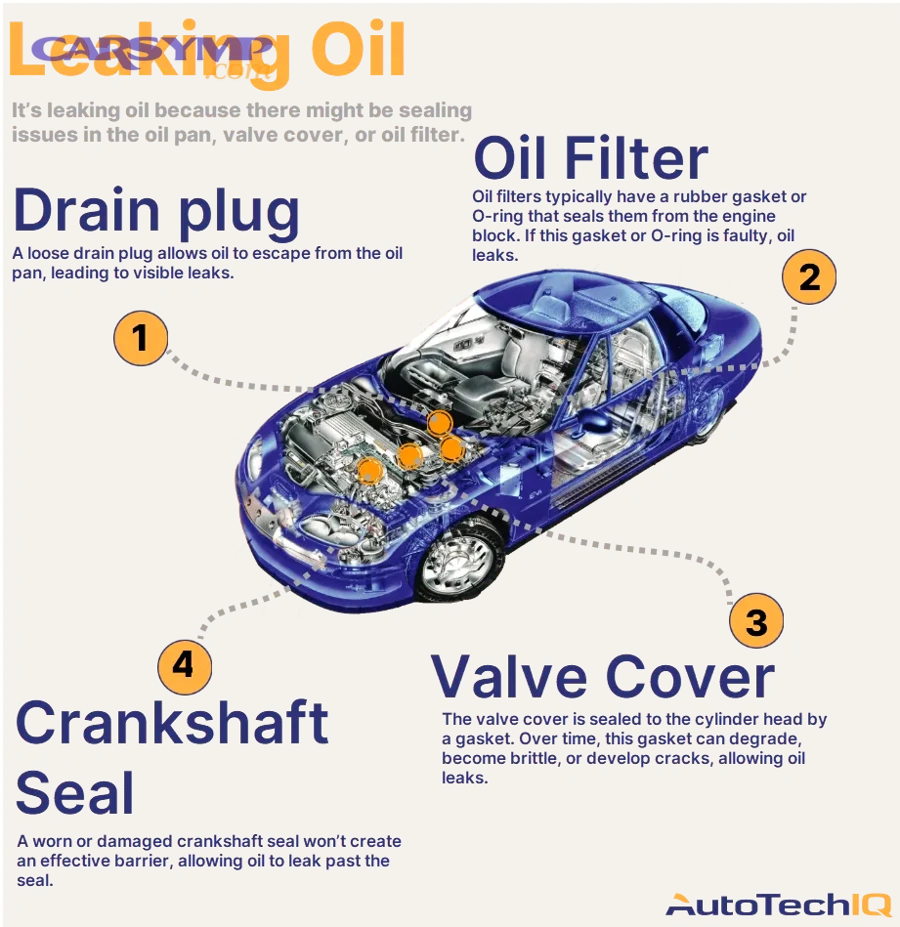
- Installation errors are reversible: a double-gasketed oil filter, reused crush washer, or incorrect torque can be corrected once and stay fixed.
- Service seals are designed to be replaced: drain plug washers, filter gaskets, valve cover gaskets (on many engines) can be renewed to restore sealing.
- Prevention habits eliminate repeat mistakes: when you use the right oil spec, fill level, and recheck routine, you stop recreating the conditions that caused the leak.
Three reasons some leaks “come back” unless you address deeper causes
- Heat-cycle aging: rubber seals harden and shrink over time; resealing may require replacing multiple related gaskets.
- Surface distortion: overtightening can warp thin covers and pans, so a new gasket still won’t seal perfectly.
- Crankcase pressure: if the PCV system can’t maintain stable pressure, oil gets pushed out at the weakest sealing point.
According to a study by the University of Windsor from the Department of Mechanical, Automotive & Materials Engineering, in 2014, common road engines target crankcase pressure about 20–30 hPa below atmospheric pressure to help impede oil leakage—highlighting why pressure control is part of leak prevention, not an afterthought. (collectionscanada.gc.ca)
Which under-car oil leak points are most common, and how do you prevent each one?
There are 6 main under-car engine oil leak points—drain plug/washer, oil filter gasket, oil pan gasket, valve cover gasket (oil travels down), front cover/timing area, and rear main seal—based on whether the leak starts at a service interface or a long-life engine seal.
More importantly, each point has a different prevention “move,” so you don’t treat them all the same.
Is the drain plug or crush washer the simplest leak to prevent?
Yes—drain plug leaks are often the simplest to prevent because the sealing surface is accessible, the parts are cheap, and correct torque plus a fresh washer usually restores the seal.
Specifically, prevention looks like this:
- Replace the washer (crush washer or sealing washer) when required by the design.
- Inspect the pan threads for damage; start threading by hand to avoid cross-threading.
- Use correct torque (and stop chasing “one more click” after it seats).
- Clean and recheck after the first heat cycle (short drive, then look for fresh wetness).
A drain plug that “feels fine” can still seep if the washer is reused, installed backwards (some designs), or if the mating surface is gouged.
Can an oil filter leak be prevented with correct installation habits?
Yes—most oil filter leaks are preventable with correct gasket handling, correct seating, and a post-service recheck, because filter leaks often come from human error rather than a failed engine seal.
Focus on these prevention steps:
- Make sure the old gasket isn’t stuck to the engine (double-gasket failure is common after quick changes).
- Lubricate the gasket with a thin film of clean oil so it seats evenly.
- Tighten correctly: typically hand-tight plus the manufacturer’s specified fraction of a turn after gasket contact.
- Check the filter base for old oil trails that can hide fresh seepage.
- Recheck after a short drive because heat and pressure can reveal a small seating error.
If you see oil “radiating” from the filter rim, treat it as a sealing/interface issue first, not a pan gasket issue.
How do you prevent oil pan gasket leaks specifically?
Preventing oil pan gasket leaks means protecting the pan from impacts, avoiding over-torque distortion, and sealing with the correct gasket or sealant method for your engine—because pan rails are easily warped and pans sit in the splash zone.
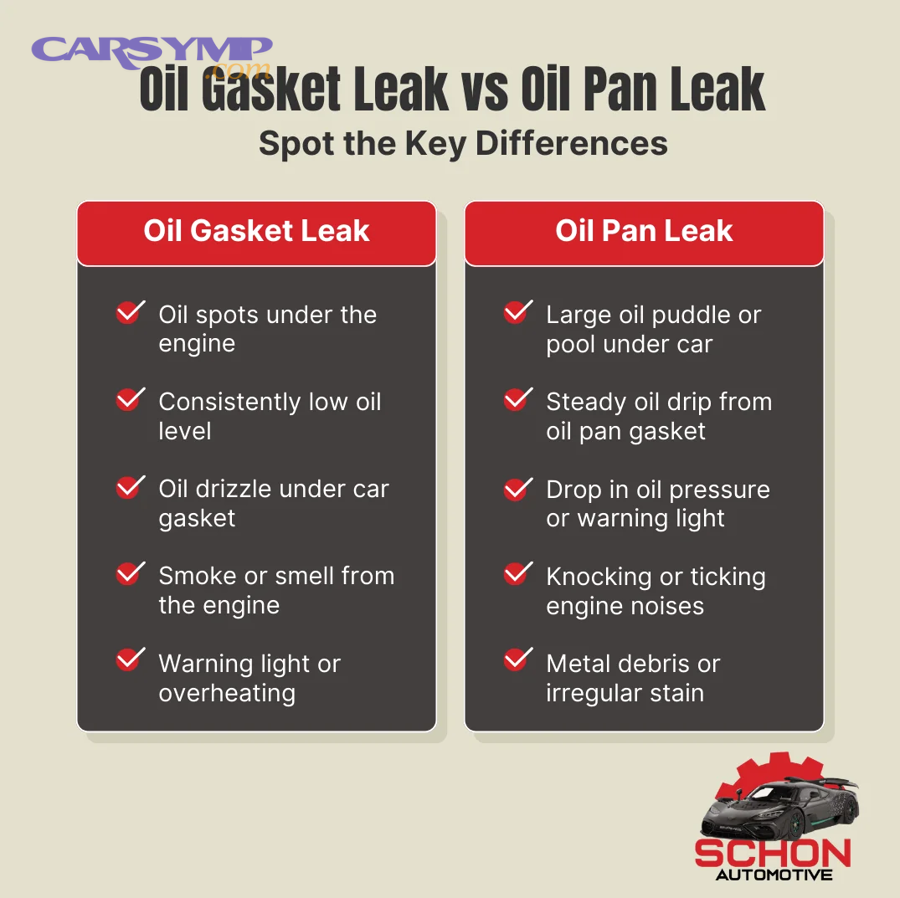
However, you also need to recognize Oil pan gasket leak signs early so you can prevent a small seep from becoming a recurring leak:
- Wet line along the oil pan-to-block seam
- Oil collecting on the lowest edge of the pan (not higher up)
- Drips that appear after long drives (hot oil thins and leaks more)
- A pan that looks “wet all around” after a fresh cleaning
Prevention moves that actually work:
- Use the right gasket type: molded rubber, multi-layer, or RTV-style sealant—don’t mix methods unless specified.
- Torque in sequence: uneven tightening can pinch or extrude the gasket.
- Avoid “cranking down” bolts: more tight is not more sealed when the rail bends.
- Keep underbody protection intact: a missing splash shield can increase debris impacts.
How do you prevent valve cover seepage that drips down and looks “under-car”?
Preventing valve cover seepage means replacing hardened gaskets and grommets, keeping crankcase ventilation functioning, and ensuring the cover seats flat—because oil from the top can travel down and mimic an under-car leak.
Look for prevention clues:
- Oil wetness around the valve cover perimeter
- Oil pooling near spark plug tubes (on many engines)
- Oil streaks down the back or side of the engine
- Burning oil smell when oil hits hot surfaces
Prevention steps:
- Replace the valve cover gasket and related bolt grommets if the design uses them.
- Clean mating surfaces thoroughly and avoid excessive sealant.
- Confirm the PCV system isn’t restricted (pressure pushes oil out at the top seals too).
- Tighten cover fasteners to spec; covers crack or warp when overtightened.
This is why “under-car” prevention must include top-of-engine checks—oil can migrate.
What is the step-by-step maintenance checklist to prevent future under-car oil leaks?
A step-by-step prevention checklist uses 3 time-based routines—weekly quick checks, every-oil-change inspections, and seasonal deeper checks—to stop engine oil seepage by catching it early, correcting installation errors, and preventing pressure- and heat-driven gasket failures.
Below is the system that turns “I hope it doesn’t leak” into “I can prove it’s not leaking.”

What should you check at every fuel fill-up or weekly?
A weekly routine works because it detects trends before they become repairs.
Do these fast checks:
- Dipstick trend: check level on a consistent surface; note any drop.
- Ground spot check: look for new spots where you park; place cardboard if needed.
- Smell check: burning oil smell after a drive can indicate oil hitting hot components.
- Quick underhood glance: look for fresh wetness at valve cover edges.
If the level drops noticeably week-to-week, prevention shifts into diagnosis mode immediately.
What should you check at every oil change?
Oil-change time is where most recurring leaks begin—because this is when the drain plug and filter are touched.
Run this checklist:
- Verify drain plug sealing: correct washer, correct torque, clean mating face.
- Verify filter sealing: old gasket removed, gasket lubricated, proper tightening.
- Inspect the oil pan seam: look for fresh wetness after cleaning.
- Inspect the front cover and lower timing area: oil here can drip to the pan edge.
- Clean any old residue so you can see new seepage quickly.
To make this concrete, the table below shows what to check, what “normal” looks like, and what action prevents a future leak.
| Checkpoint | Normal finding | Early leak finding | Prevention action |
|---|---|---|---|
| Drain plug area | Dry, light dust | Wet ring at plug | Replace washer, correct torque, clean/recheck |
| Oil filter base | Dry, old stain only | Fresh wet rim trail | Reinstall filter correctly, check double gasket |
| Oil pan seam | Dry seam line | Damp seam line | Confirm torque pattern; plan gasket service if worsening |
| Valve cover edge | Dry edge | Wet line, streaks | Replace gasket/grommets; check PCV restriction |
| Undertray/skid plate | Mostly dry | Oil pooling | Clean baseline; trace upward to source |
What should you check every 3–6 months (or seasonally)?
Seasonal checks catch “quiet” causes—especially ventilation and physical damage.
Include:
- PCV hoses/valve function check: restrictions raise crankcase pressure and encourage leaks.
- Underbody inspection: impact dents in the pan; missing splash shields.
- Mount movement cues: excessive engine movement can stress seals and gaskets.
- Baseline cleaning: remove grime so new seepage is visible.
This seasonal layer is what prevents repeat leaks that “mysteriously” return after a gasket job.
What DIY “tightening fixes” prevent leaks—and which ones make leaks worse?
Tightening fixes only prevent leaks when the leak is caused by an under-tightened service interface (like a filter or drain plug), but tightening makes leaks worse when it distorts sealing surfaces, strips threads, or crushes gaskets unevenly on pans and covers.
In other words, “tighten it” is sometimes correct—but often it’s the reason leaks keep coming back.
Is “just tighten the bolts” a valid fix for oil pan/valve cover leaks?
No—“just tighten the bolts” is usually not a valid fix for oil pan or valve cover leaks because overtightening can warp the mating surface, squeeze the gasket out of position, or crack the cover, which increases seepage over time.
Use a safer decision rule:
- If the fastener is visibly loose, tighten to the correct spec (not beyond).
- If the gasket is aged/hardened or the seam is wet all around, replacement is the preventive fix.
- If you see deformed grommets or crushed gasket edges, tightening won’t restore elasticity.
The prevention mindset is “restore the seal,” not “increase the force.”
Which is better for prevention: OEM gaskets or aftermarket gaskets?
OEM gaskets win for prevention when fitment accuracy and material quality are critical, while premium aftermarket gaskets can be excellent when they match OEM materials and design; budget gaskets are the most likely to cause repeat seepage.
Pick based on these criteria:
- Fit accuracy: a gasket that shifts during installation will leak.
- Material match: molded rubber vs cork vs RTV design matters.
- Hardware compatibility: some kits include new grommets or sealing washers that prevent future leaks.
A cheap gasket that hardens quickly doesn’t fail immediately—it fails as a repeat “seep” that slowly becomes your next driveway spot.
Why torque matters more than strength
Torque is a controlled clamp load. When you “tighten until it feels right,” you can:
- strip aluminum pan threads,
- bend thin rails,
- create uneven compression that opens micro-gaps.
If you want prevention, use a torque tool where it matters (especially on aluminum components). For stripped-thread risk guidance and correct tightening emphasis, automotive repair resources consistently warn against over-torque and recommend tightening to manufacturer specs.
How can you tell early that a leak is coming back before it becomes a puddle?
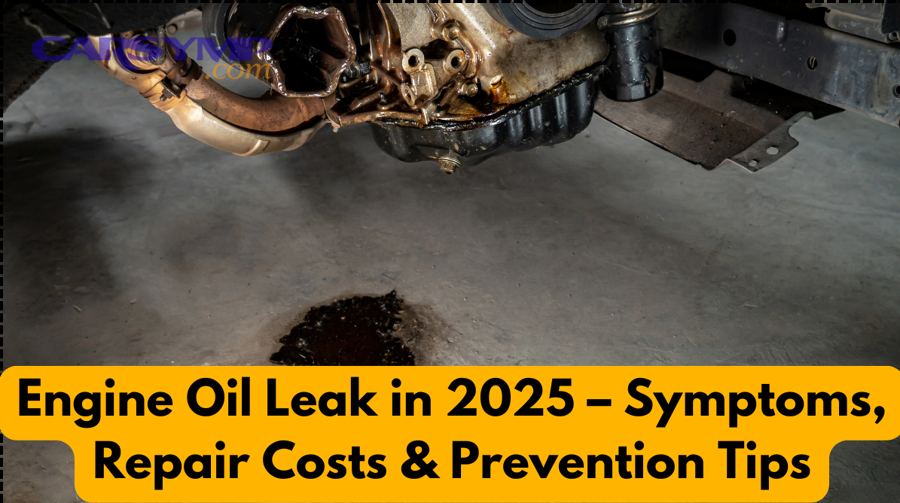
You can tell a leak is returning early by identifying a fresh wet line at a seam after cleaning, tracking whether the wet area grows over days, and watching for a dipstick level trend—because true recurrence shows progression, not just old residue.
Next, you’ll use a simple “clean-then-monitor” workflow to remove uncertainty.
What’s the fastest “clean-then-monitor” method to confirm you actually fixed it?
The fastest clean-then-monitor method uses 5 steps—clean, dry, drive, inspect, and document—to confirm the leak source by making new oil stand out against a clean background.
Follow this process:
- Clean the suspected area (degreaser + gentle rinse; avoid soaking electrical connectors).
- Dry it fully (air dry or short idle with airflow).
- Drive a short loop (10–20 minutes is often enough to re-wet an active leak).
- Inspect with a bright light from top-down and bottom-up.
- Document with photos (same angle each time) and note mileage.
If oil appears first at a higher point and then runs down, you’ve prevented a common mistake: fixing the drip point instead of the source.
A quick “leak pattern” guide that prevents misdiagnosis
Use patterns like these:
- Oil wet above the pan seam: likely valve cover, front cover, or oil cooler/lines (vehicle dependent).
- Wet only at plug: plug/washer or thread issue.
- Wet only around filter rim: filter gasket seating.
- Wet at bellhousing area: could be rear main seal—or could be something else, which leads into the next section’s comparisons.
When should you stop driving and get professional help for an oil leak?
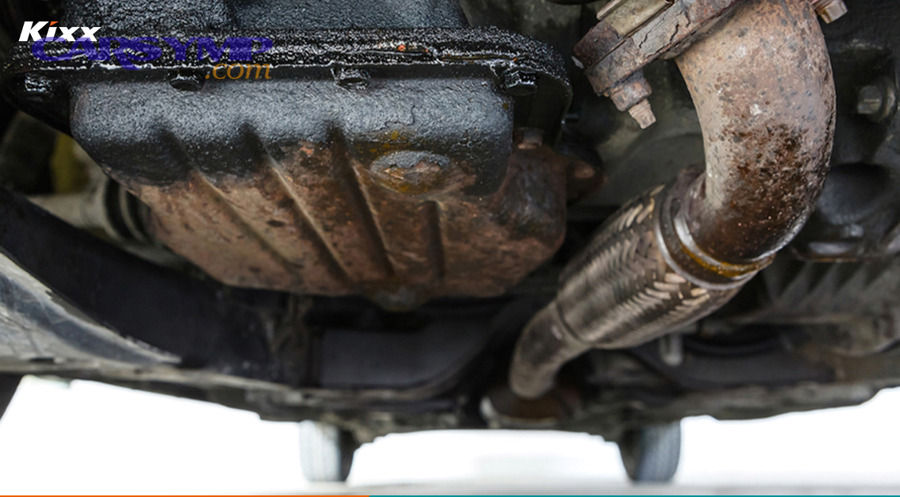
Yes—you should stop driving and seek professional help when an oil leak risks engine damage or fire, especially if oil is dripping onto hot components, the oil level drops quickly, or a warning light appears, because continued driving can turn a small leak into catastrophic failure.
Besides, prevention includes knowing when “monitoring” becomes “risk.”
Three clear stop-driving triggers
- Oil pressure warning light or low-pressure message.
- Active dripping onto the exhaust with smoke or strong burning odor.
- Rapid oil loss (noticeable drop on dipstick over a short distance) or a growing puddle.
When it’s usually safe to drive short-term (with caution)
If you have minor seepage (no drips) and oil level stays stable, you can often drive while you plan the repair—but only if you check the oil level frequently and keep a clean baseline so you can spot changes.
“Rear main seal leak vs transmission fluid”: how to avoid a high-cost wrong assumption
Because the rear main seal sits between engine and transmission, leaks often appear at the bellhousing area. But transmission fluid can also drip there, and the prevention actions are totally different.
Here’s a quick comparison to reduce false alarms:
- Engine oil (rear main seal): typically brown/black, engine-oil smell, level drop on engine dipstick.
- Transmission fluid: often red/pink when fresh (can darken with age), distinct sharp odor, level change on transmission dipstick (if equipped).
If you can’t confidently distinguish Rear main seal leak vs transmission fluid, don’t guess—confirm with cleaning and targeted inspection, because the repair paths are not interchangeable.
How do you confirm a mystery under-car oil leak when prevention steps aren’t enough?
Confirming a mystery under-car oil leak means using a higher-precision tracing method—like fluorescent dye or controlled vapor/pressure testing—after you’ve cleaned the engine and ruled out basic service-interface errors, because intermittent seepage can hide until you force it to reveal the true origin.
To begin, dye tracing is the most accessible for many car owners, while pro tools can accelerate diagnosis.
What is a UV dye test for oil leak tracing, and when is it worth doing?
A UV dye test is a leak-tracing method where you add oil-safe fluorescent dye to the engine oil, run the engine to circulate it, and then scan with a UV light to see a glowing trail that leads back to the leak source—making the origin visible even when oil spreads.
More importantly, it’s worth doing when:
- the leak appears only after highway driving,
- multiple areas are wet and you can’t tell which is first,
- belly pans or airflow move oil away from the source.
Professional diagnostic manuals and automotive training materials note that fluorescent dye is a recognized method for locating oil leaks (even if it can be time-consuming compared with other tools). (snaponequipment.com)
Practical prevention benefit: once you locate the true source, you stop replacing “close enough” gaskets and start fixing the exact seal that failed.
How can crankcase pressure (PCV issues) cause repeat leaks even with new gaskets?
Crankcase pressure problems can cause repeat leaks because trapped blow-by gases raise internal pressure and push oil past the weakest seals, so even a new gasket can weep if the engine can’t “breathe” correctly.
Specifically, a restricted PCV path can lead to:
- oil pushed past front/rear seals
- renewed seepage at valve covers
- fresh wetness after a gasket replacement that “should have worked”
A technical thesis from the University of Windsor explains that maintaining crankcase pressure slightly below atmospheric helps impede oil leakage and that crankcase pressure control is a key goal of the ventilation system. (collectionscanada.gc.ca)
What’s the difference between “leak prevention” and “leak concealment” (stop-leak additives, thicker oil)?
Leak prevention removes the cause (bad seal, warped surface, incorrect installation, pressure imbalance), while leak concealment masks symptoms (swelling agents, viscosity tricks) without restoring correct sealing surfaces.
Use this decision rule:
- If you need reliable long-term prevention, fix the seal/interface and confirm with monitoring.
- If you need short-term mitigation to reach a shop, concealment might reduce drips temporarily—but it doesn’t replace proper repair, and it can complicate diagnosis by changing leak behavior.
Which documentation habits help you catch leaks earlier next time (oil log + photos + mileage)?
Leak documentation prevents future guesswork by making trend changes obvious and giving a mechanic clean, specific evidence.
Use a simple micro-log:
- date + mileage
- dipstick level (photo)
- location of any wetness (photo)
- “after service” notes (washer replaced, filter brand, torque method)
This habit connects prevention to proof: you’ll know whether your system is working—and you’ll spot a recurrence while it’s still a minor seep.
Evidence (if any)
According to a study by the University of Windsor from the Department of Mechanical, Automotive & Materials Engineering, in 2014, common road engines typically target crankcase pressure about 20–30 hPa below atmospheric pressure to help impede oil leakage, reinforcing that PCV function and pressure control are central to preventing repeat under-car oil leaks. (collectionscanada.gc.ca)