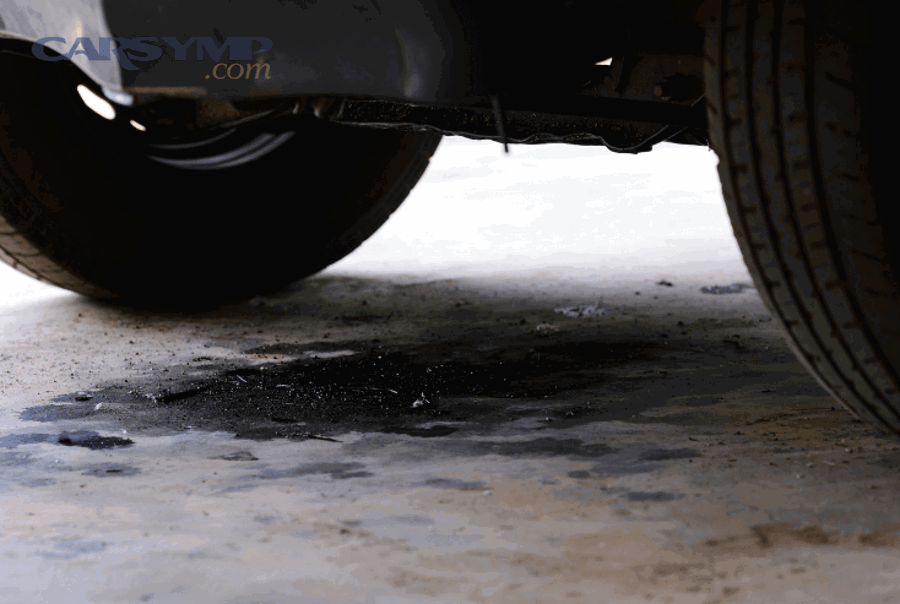
If you notice an oil leak under your car, you can drive only in a narrow set of “green-light” conditions—the leak is slow, the oil level is safely within range, and there are zero red flags like an oil pressure warning, smoke, or a rapidly growing puddle. If any red flag appears, stop driving and tow because the risk shifts from “inconvenient” to “engine-damaging” fast.
Next, the most reliable way to make that decision is a quick severity check: how fast it’s leaking, what your dipstick says, and what the car is telling you (smell, smoke, warning lights, new noises). Those checks take minutes, but they prevent the most expensive mistake—continuing to drive after oil pressure starts dropping.
Then, it helps to understand the “why” behind the warning: engine oil isn’t just a fluid you top up; it’s a moving protective film that prevents metal-to-metal contact. Once oil supply becomes insufficient, wear and heat rise quickly, and the damage can be permanent. (arxiv.org)
Introduce a new idea: once you know whether you should drive or tow, you can reduce risk with a safe “move plan,” and you can narrow down the most common leak sources—especially simple culprits like oil filter and drain plug issues.
Can you drive with oil leaking under your car right now?
Yes, you can drive with oil leaking under your car only if the leak is minor, the oil level is safe, and there are no danger symptoms—because leak rate, oil pressure risk, and fire/smoke risk decide whether driving is acceptable or destructive. More importantly, that “yes” comes with strict boundaries, because what feels like a small leak in a driveway can turn into low lubrication on the road.

A practical way to think about the decision is to separate your situation into green, yellow, and red zones:
- Green zone (drive carefully to a nearby shop): small seep or slow drip, dipstick still in the safe range, no oil pressure warning, no smoke, no burning smell, no new loud ticking/knocking.
- Yellow zone (drive only if unavoidable, and only after topping up + rechecking): drip that leaves a noticeable spot quickly, oil level near the lower mark, uncertain source, you must go a very short distance at low speed.
- Red zone (do not drive; tow): oil pressure warning, puddle forming, oil streaming, smoke/burning smell, loud mechanical noise, or oil level below minimum.
To make this easier to apply, the table below summarizes the “drive vs tow” decision using the exact signals most drivers can check within minutes.
Decision table (what each signal usually means for your next move):
| What you observe | What it usually indicates | Safest move |
|---|---|---|
| Slow seep, no active drip, oil level normal | Low immediate loss rate | Drive cautiously to service soon |
| Slow drip (a few drops/minute), oil level still safe | Manageable short-term if monitored | Short trip only, recheck often |
| Fast drip/stream, spot grows quickly | Rapid oil loss possible | Tow |
| Oil pressure warning light/icon | Oil pressure may be insufficient to protect engine | Stop engine, tow |
| Burning oil smell or visible smoke | Oil contacting hot exhaust components | Stop, tow, avoid restarting |
| New loud tick/knock | Possible lubrication starvation at bearings/valvetrain | Stop, tow |
Is it ever “safe enough” to drive a short distance with a minor seep or slow drip?
Yes—if the oil leak is truly minor, you can usually drive a short distance to a repair shop because the oil level remains protective, the leak rate is stable, and there’s no heat/smoke or oil pressure warning. To begin, your goal is not “keep driving as normal,” but “move the car safely one last time.”
Use these three checks to justify the “short distance” decision:
- Leak rate stays slow and consistent
A seep that makes a light film or a drip that takes a long time to form a small spot is fundamentally different from a leak that makes a puddle quickly. - Oil level is safely between MIN and MAX
Oil level is your fuel gauge for lubrication. If it’s near MIN, you have no safety margin. - No red-flag symptoms appear
No burning smell, no smoke, no warning light, no new mechanical noises.
If you pass all three, you can move the car—but drive like you’re carrying a fragile load: low speed, low RPM, no highway, and stop to recheck.
Do you need to stop immediately if the oil pressure light comes on or the engine runs rough?
Yes—you should stop immediately because an oil pressure warning suggests the engine may not be circulating enough oil to protect critical parts, and rough running/noise can signal damage starting. Besides, oil pressure problems are time-sensitive: once the protective film breaks down, metal contact can accelerate wear rapidly. (arxiv.org)

Here’s the key distinction most drivers miss: an oil leak is about oil level; an oil pressure warning is about oil delivery. You can have oil in the engine and still lose pressure due to pump pickup issues, aeration, or extreme loss. That’s why the safe rule is simple:
- Oil pressure icon/light on: pull over safely, shut off the engine, and arrange a tow.
- New loud ticking/knocking: treat it like the same emergency—stop and tow.
Evidence: According to a study by the University of Campinas from the School of Mechanical Engineering, in 2021, oil starvation in hydrodynamic bearings is described as a critical condition that can deteriorate bearing performance and damage rotating machinery when not detected early. (arxiv.org)
Should you tow if you see a puddle forming under the car?
Yes—if you see a puddle forming, you should tow because a puddle usually means a high leak rate, low remaining oil margin, and an increased chance of sudden oil pressure loss while driving. Specifically, puddles are dangerous because you can’t “average them out” over a trip—oil loss can spike under higher RPM, heat, and airflow.
A useful mindset is: a puddle is evidence of momentum—oil is leaving the engine faster than you can safely ignore. Even if you top up oil, a fast leak can outrun your ability to monitor it on the road.
Can you drive if you smell burning oil or see smoke from the engine bay?
No—you should not drive because a burning smell or smoke suggests oil is reaching hot exhaust components, increasing fire risk and reducing visibility while also signaling the leak may be worsening. Meanwhile, smoke is not a “later” problem—it’s a “right now” signal that oil is vaporizing on heat sources.
If you smell burning oil:
- Pull over safely.
- Shut off the engine.
- Do not open the hood immediately if smoke is heavy (airflow can worsen a flare in rare cases).
- Arrange a tow or professional assistance.
What does “oil leaking under the car” mean, and why is it dangerous?
Oil leaking under the car is an external loss of engine lubricant from seals, gaskets, plugs, filters, or housings, and it’s dangerous because it can reduce lubrication, trigger oil pressure loss, and put oil onto hot parts or belts. However, the real hazard is not the stain—it’s what the leak does to the engine’s protective oil film.
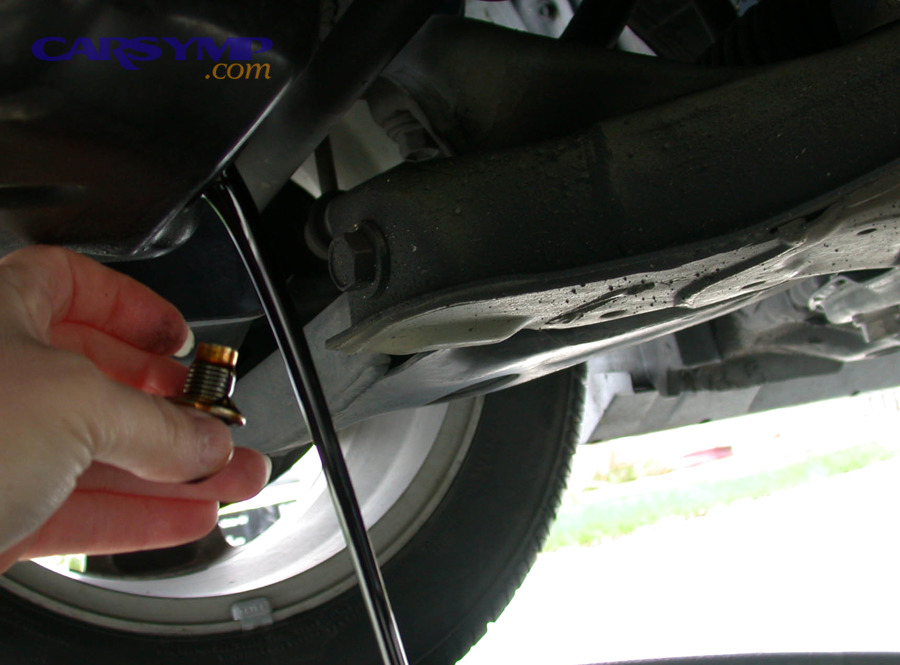
Engine oil has two jobs at once: it reduces friction and it removes heat from contact surfaces. When oil supply becomes insufficient, surfaces that should glide on a film begin to touch, and temperature rises. That is why oil loss becomes a mechanical problem, not just a maintenance annoyance. (arxiv.org)
What is the difference between an oil seep, a drip, and a gusher?
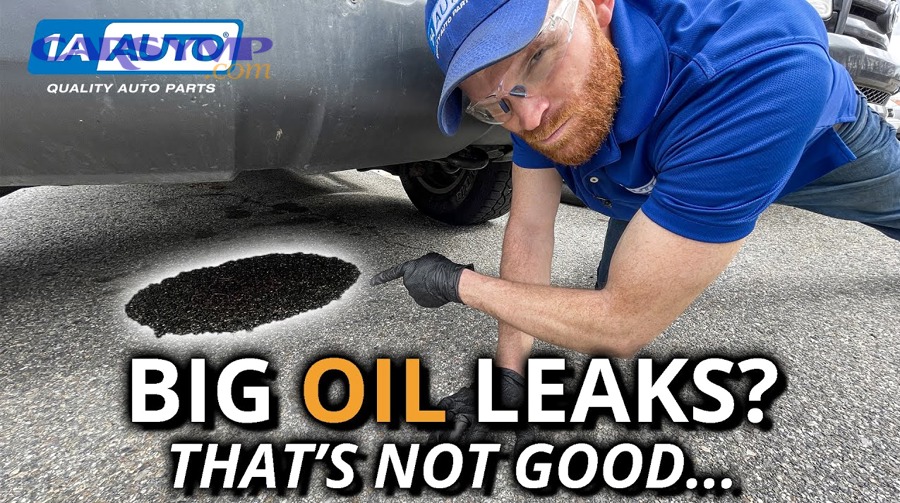
An oil seep is a slow film that lightly wets surfaces, a drip releases drops at intervals, and a gusher is a continuous flow—these three leak levels differ mainly by oil-loss rate and urgency. To illustrate, leak rate is your best proxy for risk when you don’t know the exact source.
- Seep: oily grime buildup, damp surface, may not create a spot quickly.
- Drip: drops collect and fall; you may see fresh drops on cardboard after parking.
- Gusher/stream: visible flow, quickly enlarging puddle, may splatter under the car.
A simple home test is to park on clean cardboard for 10–15 minutes and recheck. The faster the spot grows, the more urgent the situation becomes.
Why can a small leak turn into major engine damage quickly?
A small leak can turn into major engine damage quickly because oil loss reduces the safety margin, and once oil delivery becomes insufficient, friction and wear rise sharply at bearings and moving surfaces. More specifically, the “tipping point” is not always gradual—your dipstick might look “okay” one day and drop below safe range the next if a gasket fails further.
Evidence: According to a study by the University of Campinas from the School of Mechanical Engineering, in 2021, insufficient oil supply (oil starvation) is identified as a critical fault that can damage rotating machinery if detected late. (arxiv.org)
How can an oil leak create smoke or a fire risk under the hood?
An oil leak can create smoke or fire risk when oil lands on hot exhaust parts and burns or vaporizes, especially near manifolds, catalytic converters, or turbo components. In addition, oil can soak rubber hoses and belts, which may slip or degrade and create secondary failures.
If smoke appears, treat it as a red flag even if the engine feels “fine,” because the leak location may be close to heat sources.
How do you quickly assess leak severity before deciding to drive or tow?
There are 4 main severity checks you can do in minutes—oil level, leak rate, warning lights/symptoms, and leak location—because these criteria predict immediate risk better than guessing the exact part. To better understand the situation, do the checks in safety order: stop engine first, then inspect.

What 5-minute checks should you do safely in a parking lot?
You should do 5 quick checks—shut off the engine, check the dipstick, look for active dripping, scan for smoke/smell, and confirm warning lights—because each check maps directly to a drive-or-tow decision. Next, do them like a mini checklist:
- Turn the engine off and wait 2–5 minutes so oil drains back to the pan for a more accurate reading.
- Check the dipstick level (wipe, reinsert fully, pull, read). If it’s below MIN, tow.
- Look underneath for active dripping (not just old residue). If it’s streaming, tow.
- Smell and look for smoke around the engine bay and underbody. Burning smell/smoke = tow.
- Check the dashboard for oil pressure warnings or messages. Oil pressure warning = stop and tow.
What leak patterns (front/middle/rear) suggest higher risk?
Rear, front, and mid leaks can all be serious, but risk rises when the leak is near hot exhaust parts, when oil is sprayed backward by airflow, or when the leak is near components that can fail suddenly. Specifically:
- Front area (often filter/housing region): a loose filter or failed gasket can leak quickly under pressure.
- Middle area (oil pan region): can range from a seep to a cracked pan; impacts and road debris matter.
- Rear area (near transmission bellhousing): can indicate a rear main seal; often messy and persistent.
Airflow can also make oil appear farther back than the true source, so confirm by checking higher surfaces for fresh wetness.
Which symptoms mean “do not start the engine again”?
There are 5 common “do not start” symptoms: oil pressure warning, heavy smoke, rapidly forming puddle, loud ticking/knocking, or oil visibly spraying—because each suggests the engine may be operating without adequate protection. More importantly, starting “just to move it” can be the moment damage begins if pressure is already compromised.
What should you do if you must move the car ?
If you must move the car, the safest method is a 3-step plan—confirm oil level, top up carefully, and drive a short low-load route with frequent rechecks—because controlled movement reduces the chance of sudden oil starvation. Then, treat the trip as a monitored transfer, not a normal drive.
How do you check and top up oil correctly before a short drive?
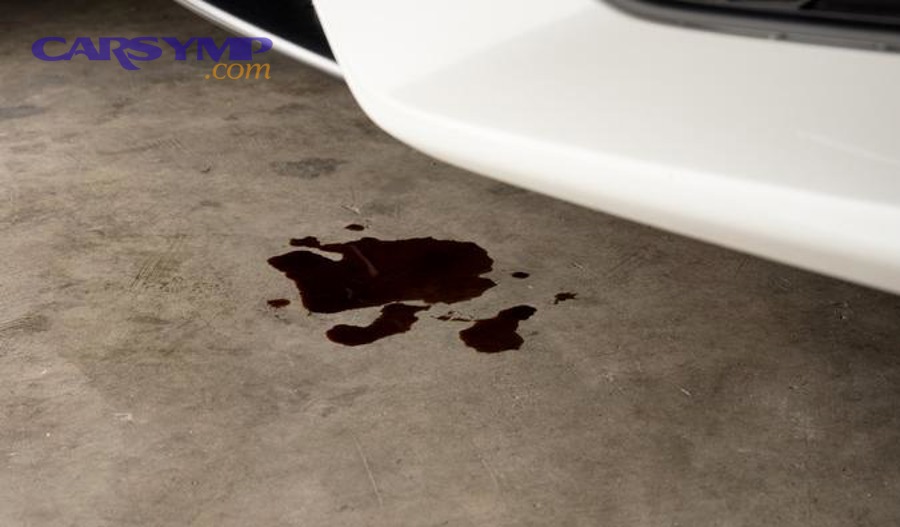
You check and top up oil by reading the dipstick on level ground, adding small amounts, and rechecking until the level is safely between MIN and MAX—because overfilling and underfilling both create problems. To begin, use the same dipstick routine each time for consistent readings.
Practical tips that reduce mistakes:
- Add oil in small increments (for many cars, a small pour can noticeably change the dipstick reading).
- Recheck after each addition.
- Keep the oil level below the MAX mark to avoid aeration and seal stress.
This is also where you avoid the “false confidence” trap: topping up is a temporary safety move, not a repair.
What driving rules minimize damage on the way to a shop?
The best damage-minimizing rules are: keep speed low, avoid high RPM, skip highways, reduce load, and stop to recheck—because heat, pressure, and airflow can accelerate an oil leak under driving conditions. For example:
- Drive the shortest route to a safe destination.
- Avoid hard acceleration and steep hills.
- Pull over if you smell burning oil or see smoke.
- Recheck the dipstick at the first safe stop.
When is towing the cheaper choice than “limping it”?
Towing is usually the cheaper choice when the leak rate is fast, the oil level is near/below MIN, any warning light appears, or the trip is long—because one episode of low lubrication can cost far more than a tow. On the other hand, a short, controlled drive can be reasonable only when all green checks are satisfied.
What are the most common causes of oil leaking under a car?
There are 6 main causes of oil leaking under a car—oil filter/housing issues, drain plug/washer problems, valve cover gasket leaks, oil pan leaks, crankshaft seals, and pressure-related leaks—based on where oil escapes and how it behaves under pressure. Especially, the simplest causes are worth checking first because they can mimic bigger failures.
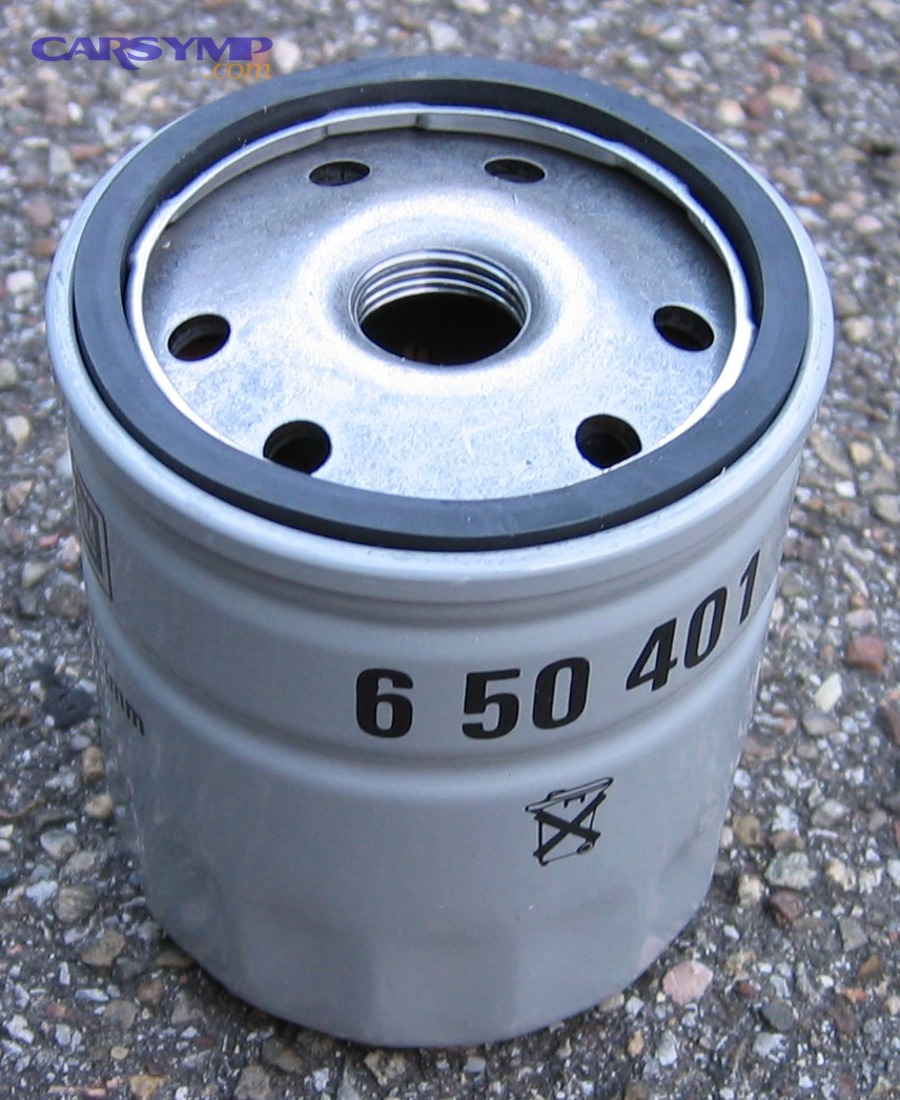
This is where drivers often search for the phrase oil leak under car—but the best troubleshooting approach is systematic rather than guess-based.
Also, when you find a spot under the car, don’t skip Identifying oil leak puddle color and smell as a first filter:
- Fresh engine oil: amber to brown, slick, petroleum smell.
- Old engine oil: darker brown to black, stronger “used oil” odor.
- Transmission fluid (often confused): may be red/pink (varies by type), distinct odor, different slickness.
Which leaks are usually “easy fixes” vs “major repairs”?
Easy fixes often include oil filter, drain plug, or valve cover issues, while major repairs more often involve crankshaft seals or leaks requiring significant disassembly—because labor access, not just the part cost, drives repair difficulty. However, “easy” still requires correct diagnosis; tightening the wrong component can cause additional damage.
Typical “easier” culprits:
- Loose or mis-seated oil filter gasket
- Drain plug washer damage or improper torque
- Valve cover gasket seep (often visible from above)
Typical “more involved” culprits:
- Rear main seal (engine/transmission separation often required)
- Timing cover area leaks on some engines
- Oil cooler or housing failures buried under components
Can an oil change cause a new leak under the car?
Yes, an oil change can cause a new leak because a filter gasket can be mis-seated or double-stacked, the drain plug washer can be reused or damaged, and improper torque can distort sealing surfaces. Next, if the leak started immediately after service, prioritize Oil filter and drain plug leak diagnosis:
- Check for oil around the filter base and running down the engine.
- Confirm the old gasket didn’t stick to the engine (a common “double gasket” cause).
- Inspect the drain plug area for fresh wetness and a slow forming drip.
A good rule is: when a leak appears “suddenly,” first suspect the most recently touched parts.
How urgently should you repair an oil leak—and what does it cost to ignore it?
You should repair an oil leak urgently when it affects oil level, creates smoke/smell, or risks oil pressure loss, because ignoring it increases engine damage risk, worsens leak rate, and can turn a small seal issue into a major failure. Thus, urgency is not about how annoying the stain is—it’s about how close you are to a lubrication failure event.
What happens if you keep driving with an oil leak for days or weeks?
If you keep driving with an oil leak for days or weeks, you risk repeated low-oil episodes, heat-related wear, contamination of belts and mounts, and a sudden oil pressure drop that can cause severe engine damage. More specifically, leaks often worsen because seals harden, gaskets deform further, and oil migrates to new surfaces.
Evidence: According to a study by the University of Campinas from the School of Mechanical Engineering, in 2021, late detection of oil starvation is highlighted as a pathway to deteriorated bearing performance and damage in rotating systems—an effect that explains why “keeping oil supplied” is a core safety priority. (arxiv.org)
Is “just topping up oil” a safe long-term plan?
No, topping up oil is not a safe long-term plan because it doesn’t control leak rate, it can’t prevent oil from reaching hot exhaust parts, and it fails if oil pressure drops suddenly—even when the dipstick looked acceptable earlier. In short, topping up is a temporary bridge to service, not a solution.
How can you confirm the leak source and avoid common misdiagnoses?
You can confirm the leak source by comparing fluid characteristics, tracing the highest wet point, and using simple tests like cardboard placement or UV dye, because the drip point under the car is often not the true leak origin. Below, the goal is semantic clarity: distinguish what looks like oil from what is oil, and avoid the most expensive wrong assumption.
Rear main seal leak vs transmission fluid: how can you tell the difference under the car?
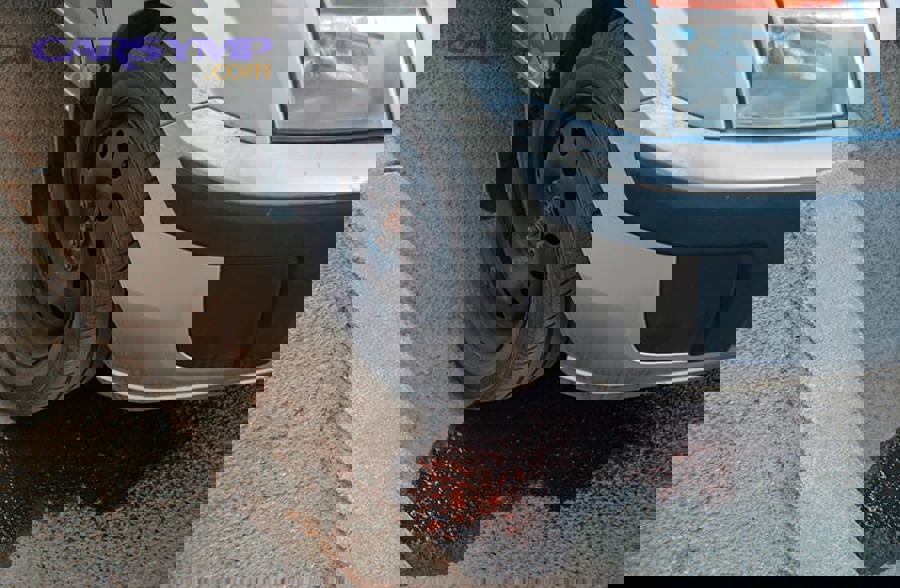
Rear main seal leaks usually present as engine oil near the transmission bellhousing area, while transmission fluid leaks often show different color/odor and may appear from transmission pan lines or seals—so the best separator is location plus fluid ID. To illustrate:
- Location clue: rear main seal oil often appears at the lowest point of the bellhousing area; transmission leaks often wet the pan edges, cooler lines, or axle seal areas (depending on drivetrain).
- Fluid clue: engine oil is typically amber-to-black; transmission fluid may be red/pink or darker depending on age/type.
If you can’t confidently distinguish them, avoid driving until a shop can confirm—because the “wrong fluid” assumption can lead to the wrong top-up and the wrong repair.
Can oil dripping under the car be something else (coolant, power steering, AC water)?
Yes, what looks like oil under the car can be coolant, power steering fluid, transmission fluid, or even normal AC condensation—so you should classify the fluid by color, feel, and smell before concluding it’s engine oil. Use a quick “three-sense” method (safely, without skin contact if you prefer gloves):
- Color: oil tends to amber/brown/black; coolant often green/orange/pink; AC water is clear.
- Feel: oil is slick and persistent; water evaporates; coolant can feel slippery but is watery.
- Smell: oil has a petroleum smell; coolant can smell sweet.
How does UV dye testing work for finding slow oil leaks?
UV dye testing works by adding a fluorescent dye to the oil, running the engine briefly, and using a UV light to reveal the leak path—because the dye marks the exact origin even when oil spreads or airflow moves it. However, dye testing is best for slow leaks (seep/drip) where visual inspection fails, not for obvious gushers where the leak is already clear.
Preventing future under-car oil leaks: what maintenance habits reduce recurrence?
You can reduce future leaks by keeping seals healthy, avoiding overfill/undertightening mistakes, and checking high-risk points after service—because most recurring leaks are either age-related sealing issues or service-related sealing errors. Practical habits that actually work:
- Recheck for fresh oil after any oil change (especially around the filter and drain plug).
- Use the correct oil spec and don’t overfill.
- Keep the PCV system healthy (excess crankcase pressure can push oil past seals on some engines).
- Periodically inspect common leak points during routine maintenance.
Evidence (if any)
According to a study by the University of Campinas from the School of Mechanical Engineering, in 2021, oil starvation in hydrodynamic bearings is described as a critical fault that can deteriorate performance and cause damage when detected late—supporting the safety rule that oil supply/pressure warnings should be treated as stop-and-tow events rather than “drive and see.” (arxiv.org)