


RTV (room-temperature vulcanizing) sealant and pre-cut gaskets both exist to stop fluid leaks—but they seal in fundamentally different ways. RTV forms a custom, formed-in-place gasket after curing, while a pre-cut gasket is a manufactured spacer/seal designed to compress to a specific thickness and shape.
Next, the “right” choice depends less on brand and more on joint design: flange flatness, gap size, bolt pattern, surface finish, vibration, heat, and what fluid you’re sealing. Some joints are engineered for RTV only; others require a fixed-thickness gasket to control clamp load and component alignment.
Then, mixing RTV with a gasket can be helpful in specific corner-gap situations, but it can also cause the gasket to slide, over-compress, or leak if used incorrectly—so you need clear rules for when it’s appropriate and when it’s a mistake.
Introduce a new idea: below is a practical, engine-focused guide that explains the differences, shows how to choose the best seal type for common leak points, and walks through correct application so your next repair doesn’t become a repeat job.
What Is RTV Sealant, and How Is It Different From a Pre-Cut Gasket?
RTV sealant is a curing silicone (or similar polymer) that forms a gasket in place, while a pre-cut gasket is a pre-shaped, pre-thickness sealing material that seals primarily by controlled compression between two mating surfaces.
Next, that single difference—formed-in-place vs manufactured seal—explains nearly every real-world advantage and failure mode.
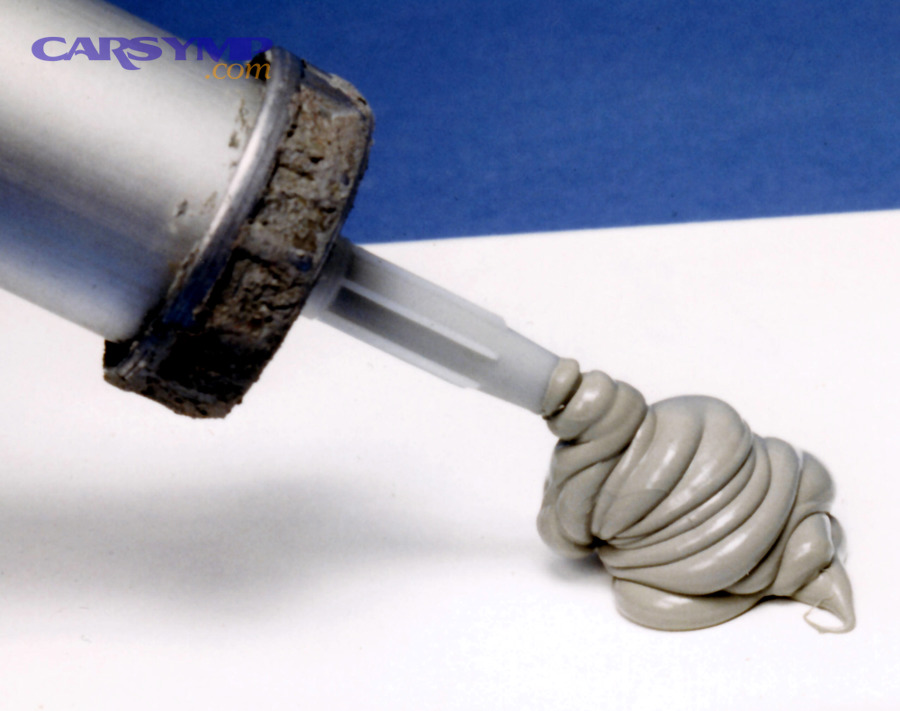
How RTV “becomes” a gasket (and why curing matters)
RTV is applied as a bead, then begins to “skin,” and finally cures through its full thickness. Once cured, it becomes an elastic rubber-like seal that can tolerate vibration and slight flange movement. RTV silicone is widely used as an adhesive/sealant and can be supplied in different hardness levels, which affects how it seals and how it responds to movement. (en.wikipedia.org)
What that means at the joint:
- RTV conforms to imperfections: small scratches, minor pitting, or unevenness can be “filled” if the gap is within the sealant’s working range.
- RTV is bead-dependent: too thin can starve the joint; too thick can squeeze inside and outside.
- RTV is time-dependent: torque timing and cure time matter. Many manufacturers’ guidance emphasizes installing promptly after application and allowing adequate cure time.
How a pre-cut gasket seals (and why thickness is a feature)
A pre-cut gasket is engineered around:
- Thickness control: it acts like a designed spacer so bolt torque creates a predictable clamp load.
- Material choice: rubber, cork/rubber composite, multi-layer steel (MLS), paper/fiber, or coated metal—each chosen for heat, oil exposure, and flange motion.
- Shape fidelity: it seals around ports, bolt holes, and irregular outlines with consistent width.
In practice, a pre-cut gasket is usually more forgiving of installer timing (no curing schedule) but less forgiving of surface distortion (warped flanges, bent covers).
The “real” difference DIYers feel: repeatability vs adaptability
- If you want repeatable, fast installation, a quality pre-cut gasket often wins.
- If the joint has no gasket available (factory FIPG design) or needs gap filling, RTV is often the correct approach.
A formed-in-place approach has been used in automotive sealing for decades, especially where manufacturers want simplified assembly and reliable sealing on complex flange shapes. (sae.org)
Which Is Better for Oil Pans, Valve Covers, and Timing Covers: RTV or a Gasket?
RTV wins in gap-filling and factory FIPG joints, a pre-cut gasket is best for controlled compression and quick serviceability, and anaerobic sealants are optimal for rigid metal flanges with very small gaps.
Next, choosing “better” starts by matching the seal type to the component, flange behavior, and leak risk.
Oil pans: thin flanges, long perimeters, and uneven clamp loads
Oil pans are notorious because:
- The sealing perimeter is long (lots of opportunity for small imperfections).
- Many pans are thin stamped steel (easy to warp at bolt holes).
- Oil exposure is constant, and thermal cycling is frequent.
When a gasket is usually better
- If the vehicle uses a molded rubber pan gasket with compression limiters, that gasket is engineered for service and repeatability.
- If the pan or block uses a specific gasket thickness to maintain pickup clearance or alignment, keep the gasket.
When RTV is usually better
- If the engine is designed as RTV/FIPG from the factory, copying that method is often the best bet (with correct bead size and cure procedure).
- If the flange has minor imperfections and the gap remains within spec, RTV can compensate.
This becomes especially relevant during oil pan gasket replacement when the flange has been overtightened in the past and “dimpled” around bolt holes. In those cases, a gasket can leak if the flange can’t compress evenly.
Valve covers: movement, splash oil, and gasket channel design
Valve covers often use molded rubber gaskets that sit in a groove. These are designed to:
- Stay in place during install
- Seal with light compression
- Tolerate expansion/contraction
RTV is sometimes used only at special points (like half-moon plugs or corner transitions), not across the whole gasket. Guidance from a major gasket manufacturer specifically warns that RTV is not designed to be used as a supplement across an entire gasket and can cause slippage or over-compression if misapplied.
Timing covers: mixed materials and “T-joints”
Timing cover areas commonly include:
- Aluminum cover to iron block interfaces
- Stepped joints and “T-joints” where multiple castings meet
- Coolant and oil passages in close proximity
These joints often benefit from targeted RTV “dabs” at corners/steps and a gasket elsewhere—if the service manual calls for it. The key is: use RTV where the joint geometry creates a gap, not as a blanket coating.
Can You Use RTV With a Gasket, or Should You Avoid Mixing Them?
Yes—you can use RTV with a gasket only in specific, manufacturer-recommended gap areas, because it can fill corner voids, seal stepped castings, and stabilize leak-prone transitions; however, you should avoid mixing them broadly because it can cause gasket slip, uneven compression, and RTV squeeze-out into the engine.
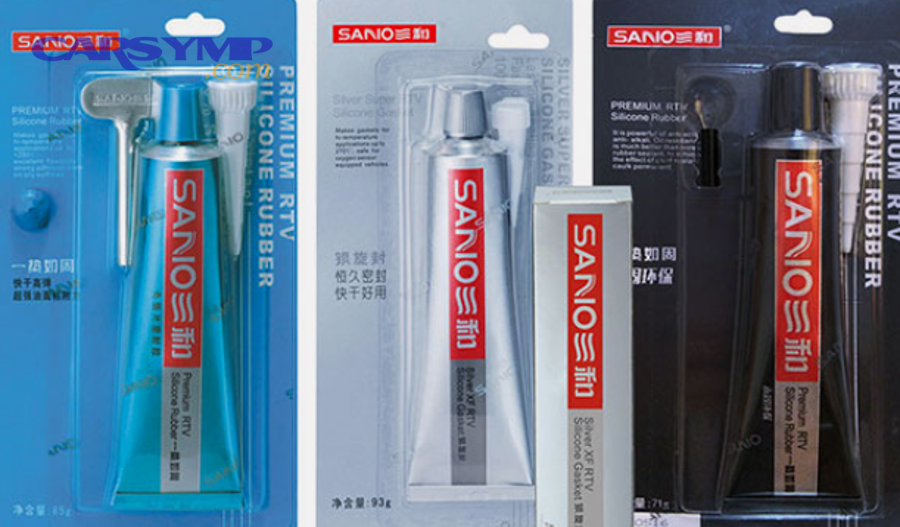
Next, the safest rule is to treat RTV as a precision tool, not a universal coating.
When RTV + gasket is the right move
Use small, controlled RTV in these situations (typical examples):
- Corner joints where two machined surfaces meet at 90° (timing cover/oil pan transitions)
- Stepped castings where the gasket can’t maintain uniform compression
- Half-moon plugs or end caps that naturally create a discontinuity
This aligns with common professional guidance: apply RTV sparingly to corners/stepped areas rather than covering the entire gasket surface.
When RTV + gasket is a mistake
Avoid RTV over the entire gasket when:
- The gasket is molded rubber with a groove (RTV can act like a lubricant before curing)
- The gasket requires a designed compression amount (RTV adds “thickness” unpredictably)
- The flange uses compression limiters or torque-to-yield patterns (RTV disrupts clamp assumptions)
A simple installer mistake is “painting” RTV like glue. Uncured RTV can let a gasket slide during tightening, then you end up with a gasket that’s pinched on one side and loose on the other—classic leak pattern.
The squeeze-out risk: leaks you don’t see until they become expensive
Excess RTV can squeeze inward and form cured “worms” inside the engine. Depending on location, those pieces can:
- Restrict oil pickup screens
- Block small drain-back passages
- Break loose later and circulate
This isn’t about fear—just geometry. If the bead is larger than the joint’s designed gap, the extra material must go somewhere.
How Do You Choose the Right Type: RTV, Pre-Cut Gasket, Anaerobic, or O-Ring?
There are four main sealing choices—RTV silicone, pre-cut gasket, anaerobic flange sealant, and O-ring—based on gap size, flange rigidity, and whether the joint needs a controlled spacer.
Next, you can pick correctly in under a minute by checking the joint design cues below.
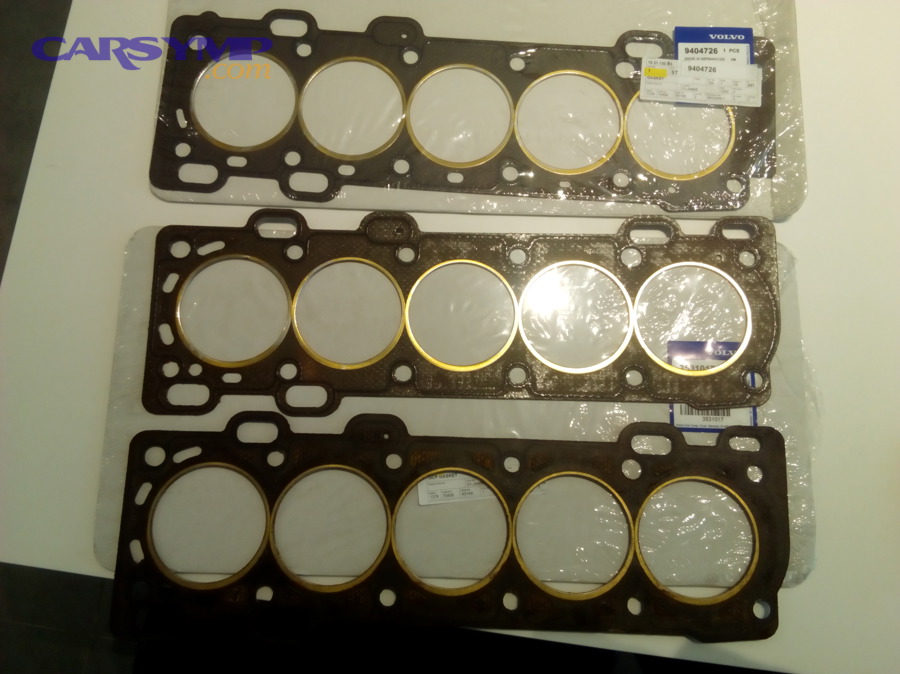
Quick decision cues (the “look at it” method)
Choose a pre-cut gasket when:
- There’s a gasket channel/groove (valve cover rails, some oil pans)
- The gasket has molded beads, compression limiters, locator tabs
- The flange alignment or spacing matters (throttle bodies, some accessory housings)
Choose RTV when:
- The factory joint is FIPG (no gasket listed, service manual specifies sealant)
- The flange has complex shapes or continuous perimeter with minor imperfections
- The joint experiences vibration or differential expansion but still within bead limits
Choose anaerobic flange sealant when:
- Two rigid metal flanges meet with very small gaps
- The joint is designed for close-contact sealing (common in machined housings)
- You need excellent shear resistance in thin films
Anaerobic adhesives/sealants cure in oxygen-deprived spaces between metal surfaces, and curing behavior can depend strongly on the metal ions present. A 2024 study from Universidad Carlos III de Madrid and Universidad Pontificia Comillas found meaningful differences in curing kinetics on copper vs iron substrates (including differences in curing enthalpy and speed), which is exactly why anaerobic products are often recommended for metal-to-metal joints with controlled gaps. (pmc.ncbi.nlm.nih.gov)
Choose an O-ring when:
- The joint has a machined O-ring groove
- The seal must be removable and service-friendly
- The design expects a specific squeeze percentage (too much RTV here can cause extrusion)
A practical comparison table (what each option “likes”)
Below is a quick-reference table showing what each seal type is best at and where it tends to fail.
| Seal Type | Best At | Weak Spots | Typical Engine Use |
|---|---|---|---|
| RTV (silicone) | Filling minor surface defects; flexible joints | Over-application squeeze-out; cure-time errors | Oil pans (FIPG), timing covers, corners/steps |
| Pre-cut gasket | Repeatable compression; fast service | Warped flanges; wrong thickness/material | Valve covers, many oil pans, water outlets |
| Anaerobic flange sealant | Thin-film sealing on rigid metals | Larger gaps; non-metal substrates | Machined housings, rigid flanges |
| O-ring | Serviceable, controlled squeeze | Groove damage; wrong size hardness | Coolant pipes, sensor housings, covers |
Don’t forget chemical compatibility and temperature
While RTV silicone is broadly useful, exposure to specific oils/additives and temperatures can change properties over time. An SAE paper analyzing engine-oil exposure reported measurable changes in elastomer hardness and volume behavior for RTV silicone materials under oil immersion conditions. (sae.org)
That doesn’t mean RTV “fails”—it means selection matters (sensor-safe vs not, oil-resistant formulation, temperature rating).
How Do You Apply RTV Correctly to Prevent Leaks and Over-Squeeze?
Correct RTV application is a 6-step method—prep, dry-fit, bead sizing, timing, torque sequence, and cure—that prevents leaks by controlling bead volume and clamp behavior.
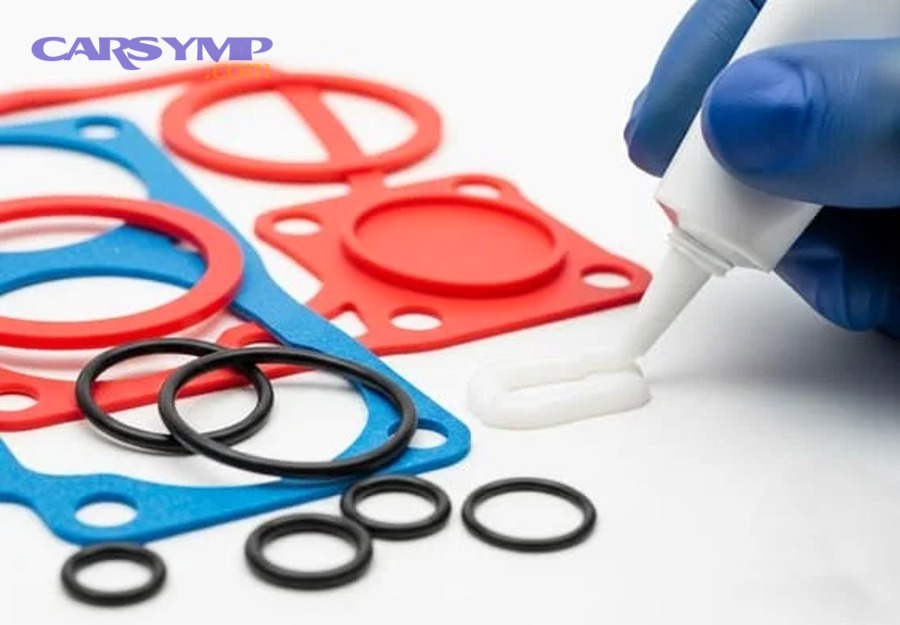
Next, the highest-impact step is surface preparation, because RTV can’t bond to oil film, old sealant, or loose gasket material.
Step 1: Dry-fit and plan your bead route
Before applying anything:
- Confirm bolt holes align
- Confirm no wiring brackets or tabs will smear the bead
- Decide where the bead starts and ends (usually overlap slightly at the end)
This avoids the classic mistake of rushing, smearing, and then “adding more RTV” to compensate.
Step 2: How to clean sealing surfaces properly
To get a seal, you need adhesion to clean substrate. How to clean sealing surfaces properly looks like this:
- Remove old gasket/RTV mechanically (plastic razor/scraper preferred on aluminum)
- Use a residue-safe solvent on a lint-free cloth
- Finish with a dry wipe so no solvent puddles remain
- Ensure bolt holes are clean and dry (oil in bolt holes can crack castings or distort torque readings)
If the old RTV is stubborn, don’t gouge the metal. A shallow scratch can become a leak path if it crosses the sealing line.
Step 3: Bead size and placement (the “controlled squeeze” rule)
A good bead:
- Is consistent in diameter
- Sits on the correct sealing land (not wandering)
- Accounts for bolt spacing and flange stiffness
If you apply too large a bead, you don’t get “extra sealing.” You get:
- Outer squeeze-out mess
- Inner squeeze-out risk
- Uneven clamp because the RTV becomes a squishy spacer
Step 4: Timing—install before skinning
Many professional guidelines emphasize installing within a short window after applying RTV, before it skins, then allowing cure time before full operation.
Practically, that means: apply RTV only when you’re ready to assemble immediately.
Step 5: Torque technique (even clamp beats high clamp)
Use:
- The service manual torque spec
- The correct torque sequence (usually crisscross)
- A staged approach (snug pass → final torque pass)
Overtightening is a major reason oil pans and valve covers leak later; it warps flanges and creates “high spots” around bolt holes.
Step 6: Special case—oil pan removal challenges by vehicle
Oil pan removal challenges by vehicle can dictate your approach:
- Some cars require subframe loosening, engine lifting, or steering rack movement.
- Some pans can’t drop straight down due to crossmembers.
- Some use windage trays or pickup tubes that block removal.
If access is limited, it’s even more important to dry-fit and plan bead placement so you don’t smear RTV while maneuvering the pan into position.
What Are the Most Common RTV and Gasket Failures, and How Do You Troubleshoot Them?
The most common RTV and gasket failures come from surface contamination, incorrect bead/compression, flange distortion, and misdiagnosed leak sources—and you can troubleshoot them by matching leak patterns to those causes.
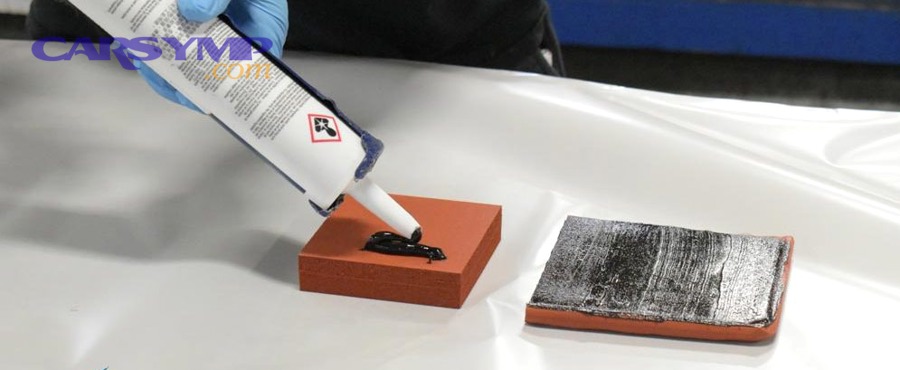
Next, treat leaks like “evidence”: location, timing (cold vs hot), and the direction of airflow and gravity usually point to the real culprit.
Failure mode 1: The “cleaned but still oily” seal (adhesion loss)
Symptoms:
- Seepage along the entire perimeter
- Leak appears soon after repair
- RTV peels cleanly off one surface
Fix:
- Repeat prep and focus on degreasing
- Check if the surface was handled with oily gloves
- Ensure brake cleaner/solvent fully evaporated before application
A separate contamination lesson: silicone oils can interfere with bonding on some substrates, and cleaning may not fully restore baseline bond performance in certain systems. While not an engine-sealing study, NASA’s technical report on silicone contamination describes how silicone residues can inhibit strong adhesion and how some cleaning methods improve but may not fully restore performance. (ntrs.nasa.gov)
Failure mode 2: Over-squeeze and internal squeeze-out
Symptoms:
- Leak slows initially, then returns
- Visible heavy squeeze-out outside
- In severe cases, oil pressure issues if internal blockage occurs (rare but possible)
Fix:
- Use a smaller bead
- Verify flange gap and flatness
- Follow the correct install window (don’t let the bead fully skin)
Failure mode 3: Warped flange or “dimpled” bolt holes
Symptoms:
- Leaks near bolt holes
- Gasket shows uneven compression marks
- Oil pan rails appear wavy
Fix:
- Straighten the flange (gentle hammer/dolly on stamped steel pans)
- Replace distorted components if needed
- Use gaskets with compression limiters where appropriate
Failure mode 4: Wrong seal type for the joint design
Symptoms:
- Repeated leaks even with “perfect” application
- Sealant seems to work briefly but fails after heat cycles
Fix:
- Confirm whether the engine was designed for gasket or FIPG
- Consider anaerobic sealant for rigid metal-to-metal joints with thin gaps
- Use OEM-specified approach when available
Failure mode 5: Related leaks mistaken for oil pan gasket
Symptoms:
- Oil appears at the pan lip, but the pan gasket isn’t the source
- Drips follow airflow and gravity, making the lowest edge look guilty
Common Related leaks mistaken for oil pan gasket:
- Valve cover leak dripping down the engine
- Front crank seal or timing cover seepage tracking to the pan rail
- Oil filter housing gasket leak
- Rear main seal area (oil running along transmission bellhousing)
Troubleshooting method:
- Clean the area thoroughly
- Drive briefly
- Inspect from top down with a light
- Confirm the highest wet point—that’s usually the source
Contextual border: At this point you know how RTV differs from gasket types, how to choose correctly for common engine joints, and how to apply and troubleshoot. Next, we’ll expand beyond the core choice to the broader design philosophy that causes many “RTV vs gasket” questions in the first place.
What Are the Pros and Cons of “No-Gasket” (FIPG) Designs in Modern Engines?
“No-gasket” (FIPG) designs reduce parts count and can seal complex flanges well, but they increase sensitivity to process quality (surface prep, bead size, cure timing) and can raise service complexity if access is tight or surfaces are damaged.
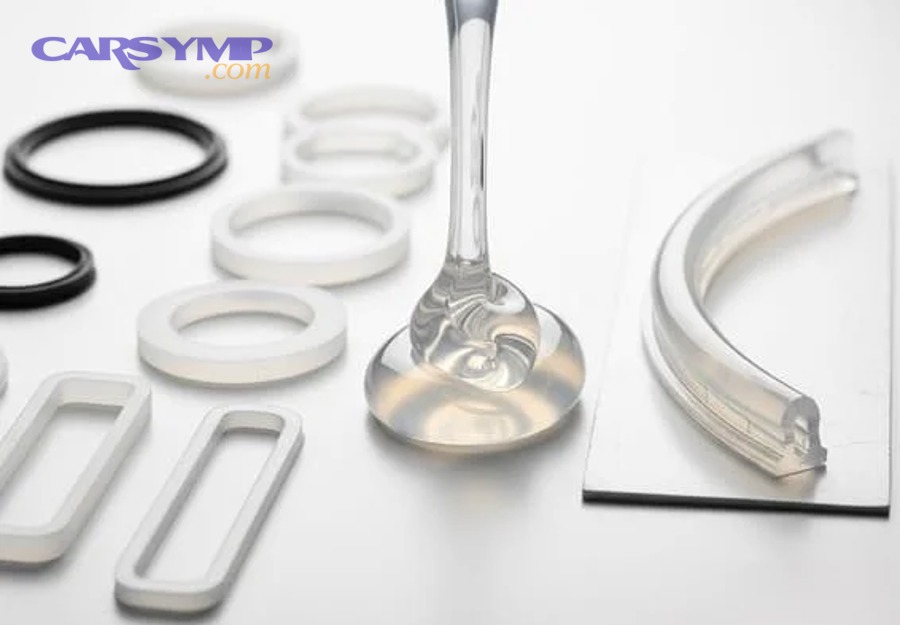
Next, understanding why manufacturers choose FIPG helps you decide when to follow the factory method and when a service-oriented gasket upgrade makes sense.
Pros: why OEMs like FIPG
- Manufacturing efficiency: one sealing material instead of stocking many gasket shapes
- Conformability: can seal cast surfaces and complex perimeters
- Potential leak reduction: when applied by controlled factory processes
FIPG concepts have been documented in automotive engineering literature for decades, reflecting long-term industry use rather than a recent trend. (sae.org)
Cons: why repairs can be less forgiving
- Installer variability: hand-applied bead consistency varies
- Rework difficulty: scraping cured RTV is slower than swapping a gasket
- Access constraints: tight spaces make smear errors more likely
- Cure-time dependency: rushing the cure can cause early leaks
Practical takeaway for DIY and shop work
- If the engine is designed FIPG, follow the sealant spec and procedure.
- If you’re converting to a gasket solution (where an aftermarket kit exists), confirm that the gasket thickness and clamp design won’t create new issues.
And whichever path you choose, the leak-free result almost always comes down to the same fundamentals: clean surfaces, correct seal type for the joint, controlled compression, and patience with cure timing.