


A repair is only “done” when you can verify no leaks after repair under the same heat, pressure, and driving conditions that caused the leak in the first place—meaning the area stays dry, fluid levels stay stable, and no fresh tracks appear after a short road test and recheck.
Next, you’ll get a repeatable leak check checklist you can run every time—before startup, during warm-up, and after a drive—so you don’t miss the common “I thought it was fixed” leak points that show up only after a heat cycle.
Then, if you still see drips, you’ll learn how to confirm the true source (not just the lowest wet spot) by tracing leaks upstream, identifying which fluid it is, and spotting the “related leaks mistaken for the repaired gasket” pattern that causes wasted rework.
Introduce a new idea: once you can confidently pass the basic checklist, you can use advanced confirmation methods (like UV dye) for intermittent leaks—especially after jobs like oil pan gasket replacement where airflow, gravity, and vehicle packaging can make the leak path misleading.
What does “verify no leaks after repair” actually mean (and what counts as “fixed”)
“Verify no leaks after repair” means the repair stays dry through a clean baseline, a warm-up to operating temperature, a short drive, and a post-drive reinspection, with stable fluid levels and no fresh wet tracks forming at or above the repair site.
Next, that definition matters because many “still leaking” complaints are actually residual oil/coolant or a leak from a different point that runs down and looks like the original failure.
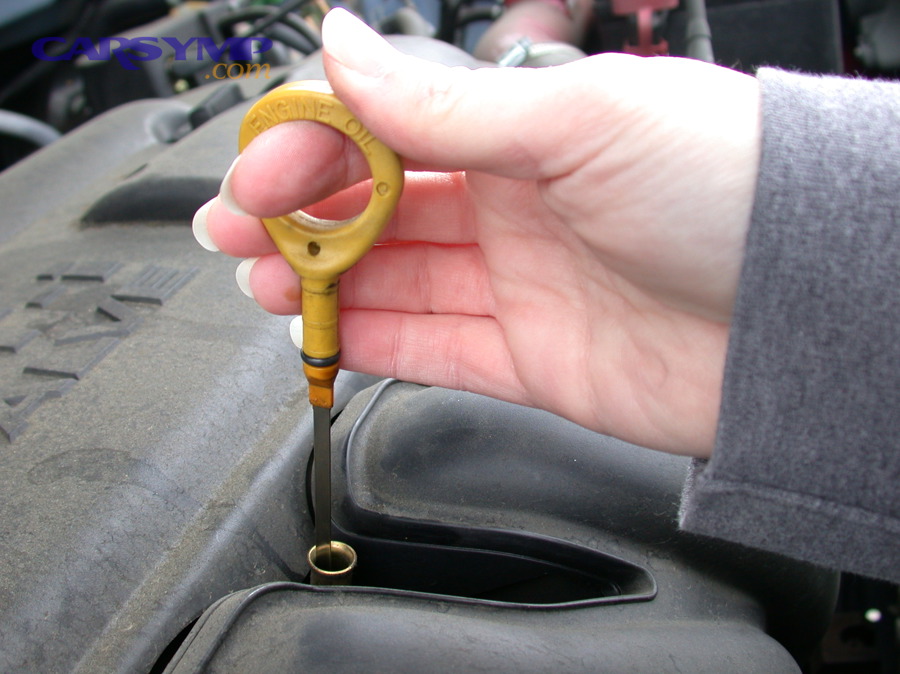
What is the difference between an active leak, seepage, and leftover residue?
An active leak is fresh fluid that appears repeatedly after you wipe it clean, usually forming a wet bead, drip, or track that grows with time, heat, or pressure. Seepage is a slow, often film-like weep that may look damp but doesn’t drip quickly; it can be normal on some older engines but still worth monitoring. Leftover residue is old fluid that was spilled or trapped in crevices during disassembly and now drains out gradually, making you think the repair failed.
To better understand the difference in real life, use a simple rule: “clean, run, recheck”. Clean the area until it’s dry, run the engine, then recheck the same spot. Residue usually appears in odd places below the repair and often slows down; an active leak typically shows at the highest wet point near a gasket seam, fitting, or fastener.
Practical cues that usually point to leftover residue (not a failed seal):
- The first drips appear immediately after the repair, then reduce quickly after one or two heat cycles.
- The wetness is on a lower shield, crossmember, or splash guard, while the repair seam above stays dry.
- The “leak” location moves around as airflow spreads it, but the source never looks freshly wet.
Do you need to run the engine and heat-cycle it to confirm the repair?
Yes—most of the time you must heat-cycle the engine to verify no leaks after repair because heat expands components, raises system pressure, thins fluids, and activates thermostats and valves that can reveal leaks you won’t see cold.
Then, the reason is simple: many seals don’t fail at idle in a cold driveway—they fail when the engine is hot, the oil is thinner, and crankcase pressure rises under light load.
Three reasons heat-cycling matters:
- Thermal expansion changes clamp and gasket load: what looks dry cold can weep hot.
- Pressure increases in operating systems: cooling systems pressurize; oil pressure stabilizes at temperature.
- Airflow and vibration expose weak points: a short drive can show leaks that idle never reveals.
A smart minimum confirmation cycle is: cold check → warm-up check → short drive → cooldown recheck. That loop is the backbone of the checklist you’ll use in the next section.
What are the step-by-step post-repair leak check steps you should follow?
The most reliable method is a six-step post-repair leak check checklist—baseline clean, verify fluid levels, cold-start inspection, warm-up inspection, short road test, and post-drive reinspection—so you can confirm “no leaks” under real conditions instead of guessing.
Then, once you follow the steps in order, you’ll stop chasing random wet spots and start collecting consistent evidence that points to the true source.
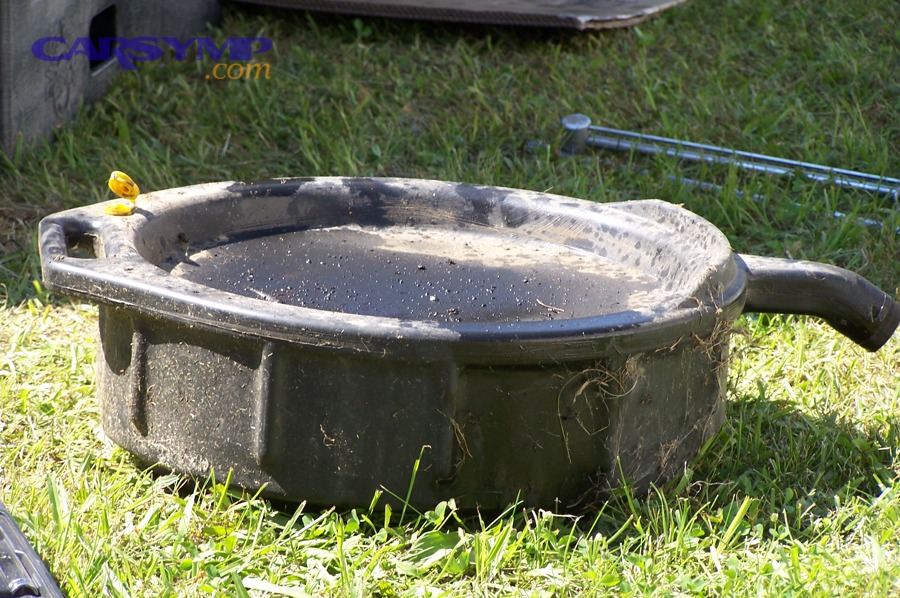
What should you do before starting the engine (baseline setup checklist)?
There are 7 pre-start baseline steps you should do before the engine runs, based on one criterion: create a clean “before” picture so any “after” wetness is meaningful.
- Clean the suspected area (top and bottom)
Use an appropriate degreaser and wipe until dry. If the repair was recent, remove or loosen splash shields if safe to do so to see the seam clearly. - Confirm correct fluid fill and caps
Check oil, coolant reservoir level, and any fluid you worked on. A loose cap can mimic a leak by sloshing or venting. - Mark fluid levels
Note dipstick level or reservoir level. A stable level after a drive supports “no active leak.” - Place a clean drip indicator
Use cardboard or a drip pad under the engine/trans area. It tells you where the first drops land. - Set good lighting and tools
Use a flashlight, inspection mirror, and paper towels. Leak checking is visibility work. - Check obvious fasteners you touched (visually)
Don’t blindly re-torque everything (some fasteners are torque-to-yield), but do verify nothing is obviously loose or cross-threaded. - Plan your observation points
Decide exactly which seams, fittings, and lines you’ll inspect first so you don’t skip steps.
This baseline setup is especially important after oil pan gasket replacement, because oil often sits on the subframe, skid plates, and crossmembers and can drip for days unless cleaned properly.
What should you inspect during idle and warm-up (0–15 minutes)?
There are two phases to inspect during warm-up—cold idle and hot idle—because different leak types show in each phase.
Phase 1: Cold idle (first 2–5 minutes)
Focus on leaks that appear immediately:
- Filter and drain plug area (common after service)
- Fresh wet beads at gasket seams (oil pan rail, timing cover edge, valve cover corners)
- Hose connections you touched (coolant hoses, transmission cooler lines)
- Spray or mist patterns near pressurized fittings
Phase 2: Hot idle (after reaching near operating temp)
Now look for leaks that require heat or pressure:
- Cooling system connections once the system warms and pressurizes
- Oil weep at seams as oil thins and pressure stabilizes
- Burning oil smell or light smoke if oil hits hot components
Safety note: never reach near belts/fans, and avoid touching hot exhaust parts. Instead, use your eyes, mirror, and light.
A credible checklist approach is widely recommended in post-repair inspections: a pre-test check, an engine run test, and a post-test-drive recheck are used to ensure fluid connections and levels are correct. (i-car.co.nz)
What should you inspect after a short road test and cooldown?
There are 5 post-drive recheck items that confirm whether the repair holds under airflow and vibration:
- Reinspect the highest suspected source area first
Start at the highest point that could leak. Fluid runs down and backward—don’t start at the puddle. - Look for fresh tracks (“new wet”)
Fresh tracks look glossy and clean compared to old grime. They often form a path from the source seam. - Check the drip indicator (cardboard/pad)
Note the location and pattern. A drip behind the engine can be airflow smear, not the actual source. - Recheck fluid levels
A stable level supports a pass. A dropping level supports an active leak or trapped air issue (for coolant). - Do a cooldown check
Some coolant leaks show on cooldown as contraction changes clamp pressure.
This sequence is the difference between “I think it’s fine” and “I verified it under real conditions.”
Should you stop driving immediately if you see any fresh fluid?
No, not for every drip—but yes for fresh fluid that suggests an unsafe leak, and you should make that decision based on the fluid type, leak rate, and where it’s landing.
Then, the reason is practical: a tiny oil seep at a gasket seam may allow a careful drive to recheck, but a coolant leak can cause rapid overheating, and brake fluid leaks are not “monitor and see.”
Three safety-based rules:
- Stop immediately if you see coolant spraying/steaming, the temperature rises, or you smell sweet coolant burning.
- Stop immediately if you see brake fluid near wheels or the pedal feel changes.
- Stop and tow if oil is dripping onto the exhaust or you see smoke—oil on hot surfaces can ignite.
Evidence supports why oil-on-hot-surface leaks are treated seriously: a 2025 study from the College of Safety Science and Engineering at Xi’an University of Science and Technology found ignition behavior of lubricating oil droplets on hot surfaces changes strongly with surface temperature and reported ignition delay times dropping as temperatures rise, with 450°C identified as a critical turning point. According to a study by Xi’an University of Science and Technology from the College of Safety Science and Engineering, in 2025, ignition delay time for leaked lubricating oil decreased as hot-surface temperature increased, highlighting why oil leaks contacting hot components can rapidly become hazardous. (pmc.ncbi.nlm.nih.gov)
Where should you look first to catch the most common “still leaking” misses?
You should look first at the highest probability leak points you touched during the repair, plus the adjacent seals and fittings that commonly mimic the same leak, because fluid travels and fools your eyes.
Then, once you use a priority order, you’ll spend minutes—not days—separating a real failed seal from a “related leak mistaken for the repaired gasket.”
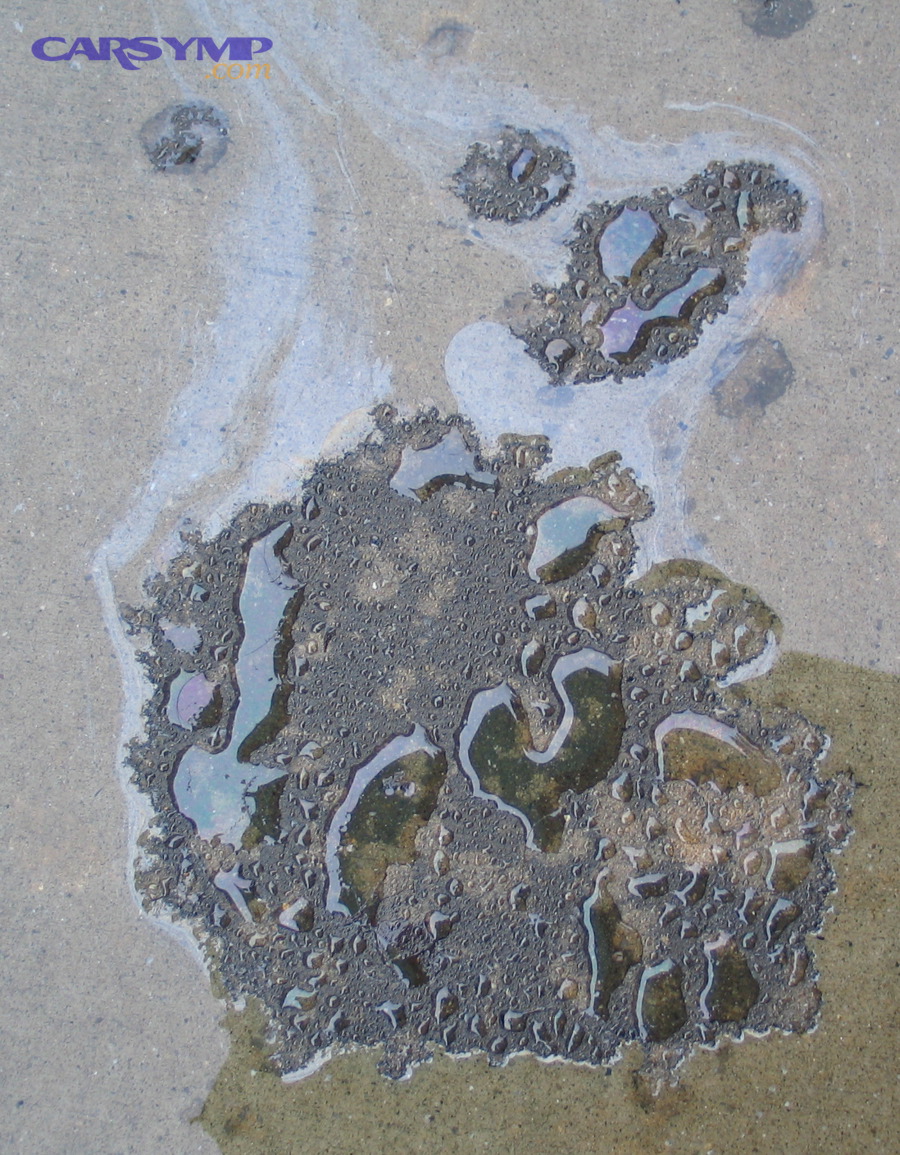
What are the top 10 post-repair leak hotspots to re-check?
There are 10 common post-repair leak hotspots, based on one criterion: parts that are frequently removed, disturbed, or resealed during service.
- Drain plug and sealing washer
A reused crush washer or damaged threads can seep. - Oil filter gasket surface
The classic mistake is an old gasket stuck to the housing (“double gasket”) causing a leak after startup. - Oil filter housing / cooler seals
These can leak and drip down to the oil pan area. - Valve cover corners and half-moons
Oil runs down the engine and collects at the pan rail, masquerading as an oil pan leak. - Oil pan gasket rail and bolt holes
Over-torquing can deform the pan rail; uneven torque can create seep points. - Timing cover seam and front crank seal area
These can sling oil around and create confusing patterns. - PCV system and crankcase pressure sources
Excess crankcase pressure can push oil past seals, creating a “new leak” after gasket work. - Coolant hose ends and clamps
A clamp slightly out of position can seep only when hot. - Transmission cooler lines and fittings
Small leaks can form after lines are moved. - Power steering / hydraulic line fittings
Seepage can look like engine oil if it collects grime.
If your original job was oil pan gasket replacement, give the oil filter area and valve cover edges extra attention. People often blame the pan because it’s the lowest visible point, even when the source is above it.
Also, be realistic about packaging: Oil pan removal challenges by vehicle vary wildly. On some models, the subframe, steering rack, or exhaust must be loosened, which increases the chance that oil spills onto shields and later drips—making a clean baseline even more important.
How do you trace the leak “upstream” when fluid runs downward and backward?
Tracing upstream works best when you use a top-down priority and a “highest wet point” rule.
- Start at the highest suspected seam, not the puddle
The highest wet point is usually the source. - Use “wipe-and-watch”
Wipe the seam dry and watch for a bead forming. A true source reforms quickly. - Look for the “first clean track”
Fresh leaks carve a clean path through dust. Follow the clean line upward. - Account for airflow smear
After driving, airflow pushes fluid backward. If the wetness is far rearward, recheck closer to the front and higher. - Use a powder method if needed
A light dusting of powder on a dry surface can reveal a fresh wet trail as a dark line. (Avoid sensitive sensors and belts.)
This upstream method is how you avoid repeating the same repair twice—especially when multiple seep points exist.
How can you identify which fluid is leaking after repair?
You can identify the leaking fluid by combining location, look/feel/smell cues, and level changes, then confirming with a controlled recheck—because guessing from color alone is unreliable.
Then, once you know the fluid type, you can choose the right next step: monitor, tighten/replace a sealing washer, re-bleed a system, or stop driving immediately.
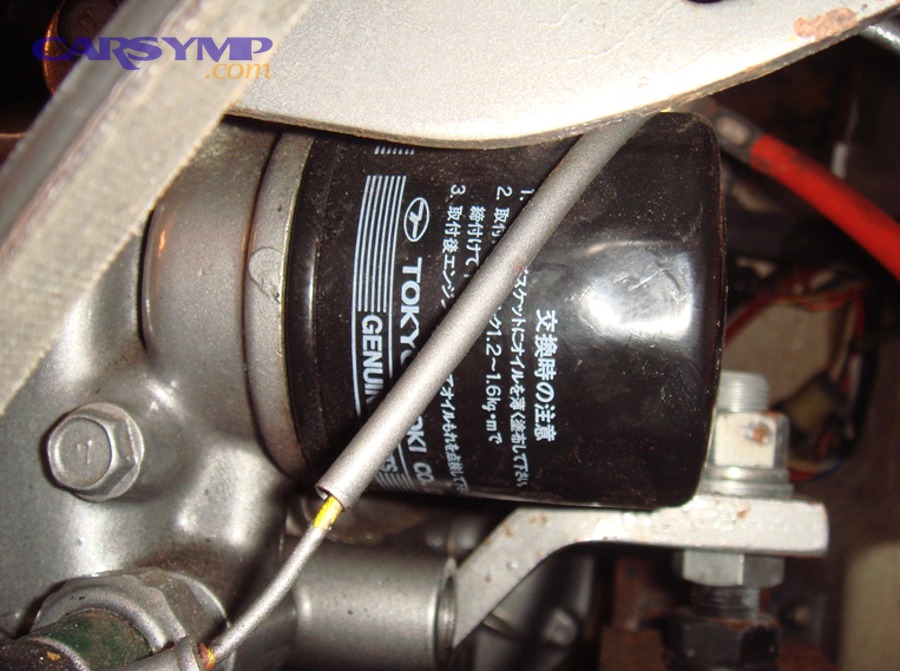
What does each common automotive fluid look and smell like (quick ID guide)?
Below is a quick identification table. It summarizes the most practical cues (not perfect lab tests) that help you narrow down what you’re seeing before you take anything apart.
| Fluid | Typical look | Typical feel/smell | Common drip location clues |
|---|---|---|---|
| Engine oil | Amber to dark brown/black | Oily, may smell burnt if on exhaust | Center front/mid engine, pan rail, filter area |
| Coolant | Green/orange/pink (varies) | Slick but watery; sweet odor; may leave crusty residue | Front of engine, radiator end tanks, hose connections |
| ATF | Red to brown (older) | Oily; sometimes distinct “trans” smell | Under transmission, cooler line area |
| Power steering/hydraulic | Clear to amber | Oily | Near pump, lines, steering rack area |
| Brake fluid | Clear to light amber | Thin; can feel “dry” and aggressive on paint | Near wheels, calipers, master cylinder area |
Use this table as a hypothesis tool, then verify with level checks and upstream tracing.
A gasket-focused inspection checklist (used in the repair environment) also emphasizes that leaks can involve multiple fluids—engine oil, coolant, and transmission fluid—and recommends systematically examining areas like the oil pan gasket among other common leak points. (felpro.com)
How is an oil leak check different from a coolant leak check after repair?
Oil leak checks focus on fresh wet tracks and seam weeping, because oil often forms beads and films and can travel along surfaces. Coolant leak checks focus more on pressure, evaporation, and residue, because coolant may steam off hot parts and leave dried deposits.
Key differences that change your approach:
- Oil often looks worse than it is because it spreads and collects grime; you must clean and recheck to confirm.
- Coolant can disappear when hot (evaporation), so you may see smell/steam or dried crust before you see drips.
- Pressure matters more for coolant; a leak can be invisible cold and show only when the system is hot and pressurized.
If coolant was involved in the repair, make sure you confirm proper bleeding and stable levels after cooldown. If oil was involved, confirm the highest wet point and look for airflow smear after a drive.
What should you do if the repair area is dry but you still see drips?
If the repair area is dry but you still see drips, you should follow a three-part troubleshooting flow: confirm residue vs new leak, check common adjacent sources, and use a confirmation method if the leak is intermittent.
Then, once you treat “drips with no source” as a diagnostic problem (not a guessing game), you’ll avoid unnecessary rework and get to the real leak faster.
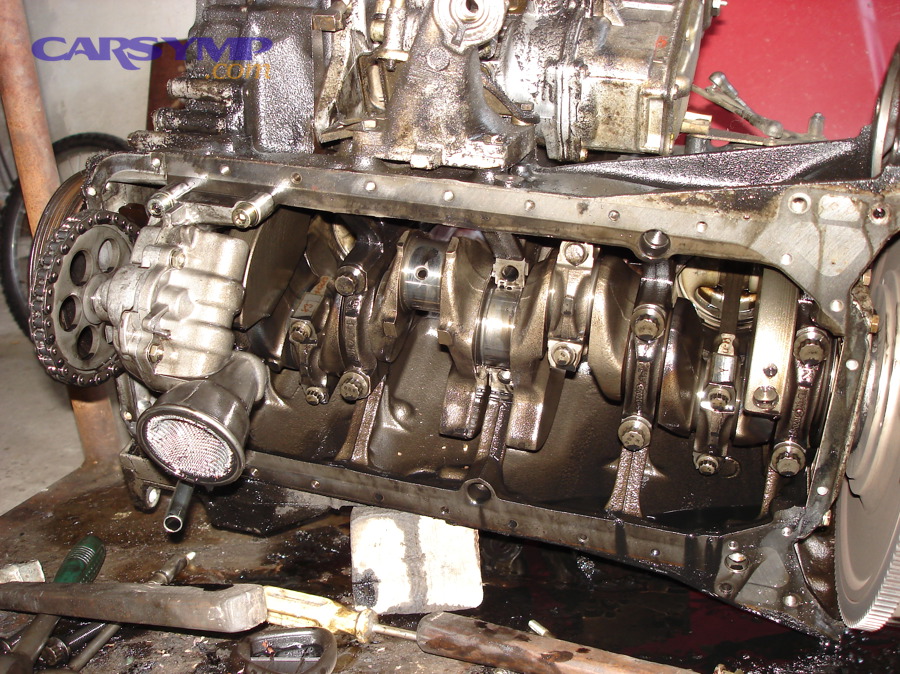
Could it be leftover fluid from the repair rather than a new leak?
Yes—leftover fluid is a common reason people think a repair failed, especially after messy jobs or when splash shields trap oil/coolant and release it slowly.
Then, the fastest way to prove it is to reset the baseline: clean thoroughly, drive a short loop, and recheck the highest potential source.
Three reasons leftover fluid causes false alarms:
- Trapped fluid drains later from subframes, shields, and bolt pockets.
- Heat thins residue and makes it move, even if the new gasket is sealed.
- Airflow spreads it after driving, making the leak path look bigger than it is.
This is why baseline cleaning is not cosmetic—it’s diagnostic.
If you just completed oil pan gasket replacement, this is especially important. Oil commonly pools on the pan lip, bellhousing edge, or skid plate during removal. Those surfaces can drip for multiple heat cycles unless cleaned.
What related leaks are commonly mistaken for the repaired seal/gasket?
There are 6 common “related leaks mistaken for the repaired gasket”, based on one criterion: they sit above the drip location and share the same gravity path.
- Valve cover gasket leak mistaken for an oil pan gasket leak
Oil runs down the block and drips from the pan edge. - Oil filter housing/oil cooler seal leak mistaken for a pan leak
The housing leaks above, but the lowest wet spot is the pan rail. - Front crank seal/timing cover leak mistaken for a pan leak
Airflow can move oil backward, wetting the pan and subframe. - Rear main seal or bellhousing-area leak mistaken for a pan leak
Drips appear at the rear edge, but the source may be inside the bellhousing area. - Coolant hose seep mistaken for “new oil leak”
Coolant can pick up grime and look dark when it drips. - Transmission cooler line seep mistaken for engine oil
ATF can darken with age and appear brown.
When these patterns show up, it’s smart to pause and consider whether you’re diagnosing a new source rather than a failed repair. That decision also affects your budgeting and planning: a pan gasket may be sealed, but a housing seal above it might be the true culprit.
If you’re estimating the job scope, remember that Oil pan gasket replacement labor time depends heavily on access, and that access is exactly what makes leak paths confusing. The same vehicle packaging that increases labor time can also increase false leak trails after the repair.
What advanced methods help confirm stubborn or intermittent leaks after repair?
Advanced confirmation works best when you use one proof method at a time—UV dye, powder tracing, or controlled cleaning—so you can turn an intermittent leak into visible evidence and stop guessing.
Then, once you can prove the source, you can decide whether to reseal, replace a component, or revisit installation steps (instead of repeating the entire repair).
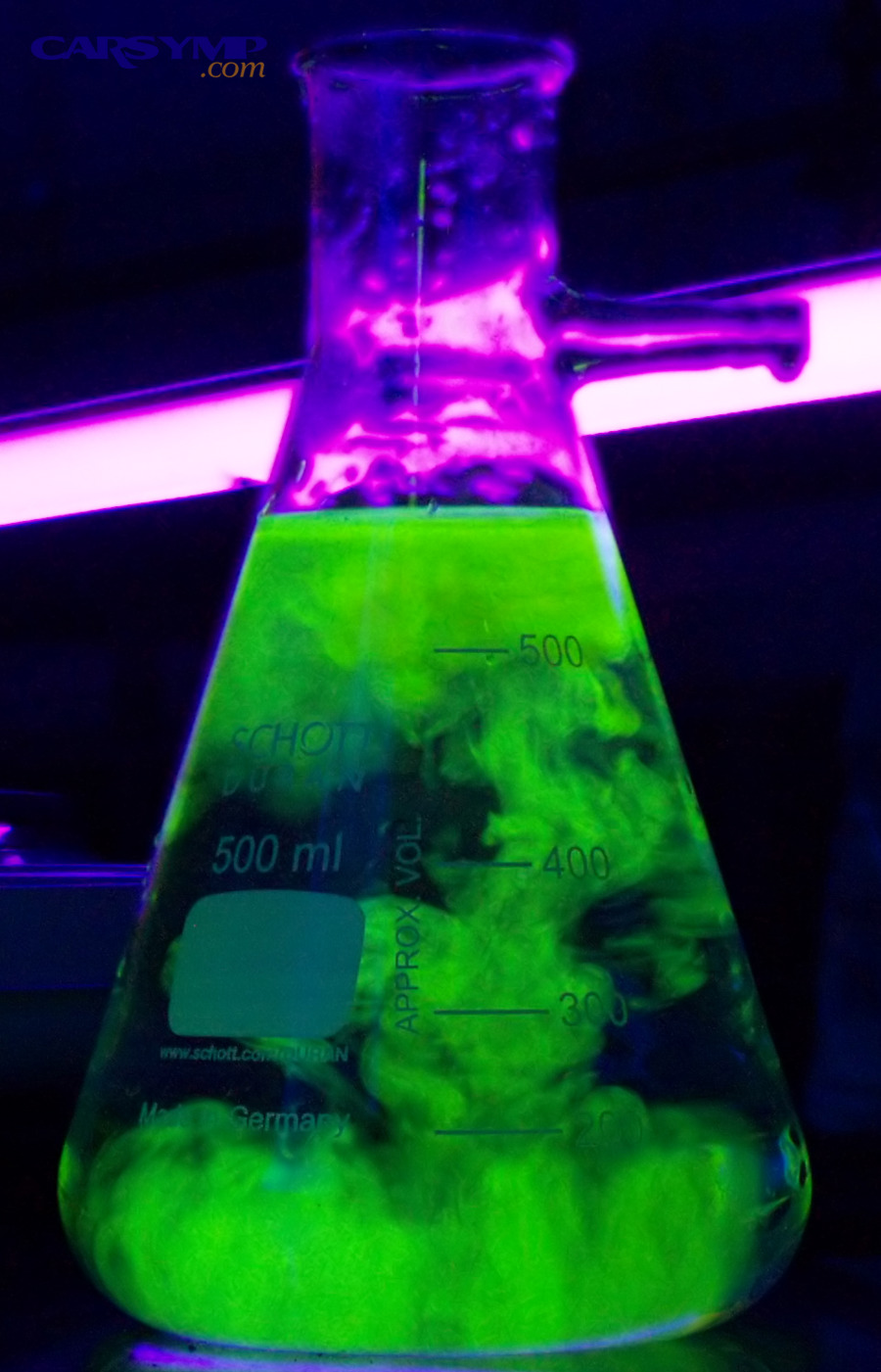
What is a UV dye leak test and when is it worth using post-repair?
A UV dye leak test is a method that adds a fluorescent dye to the target fluid (or system), runs the vehicle to circulate it, then uses a UV light to reveal bright traces at the exact leak point.
Next, it’s worth using when the leak is small, intermittent, or visually confusing—for example, when oil airflow smear makes everything look wet, or when multiple seep points exist.
When UV dye is most useful:
- You cleaned everything and the leak still appears, but the source is unclear.
- The leak appears only after driving, not at idle.
- You suspect multiple leaks and need to separate them.
One caution: dye doesn’t replace cleaning—it works best on a reasonably clean surface so the fluorescent trail is obvious.
Here’s one practical demonstration video (DIY-focused) showing how UV dye can make an oil leak source stand out:
UV dye vs talcum powder/chalk vs brake-clean + recheck—what’s best for which leak?
UV dye wins for intermittent, tiny leaks, powder wins for controlled “fresh trail” visibility on a dry surface, and brake-clean + recheck wins for quick confirmation when you already have a strong suspect.
Then, choose based on the criterion that matters most: clarity, speed, or cleanliness.
- UV dye (best for clarity over time)
Best when leaks are tiny or happen only after driving. Great for complex engine bays. - Powder/chalk (best for immediate trail contrast)
Best when you can keep an area dry and want a simple “fresh wet line” to appear. - Brake-clean + recheck (best for fast confirm/deny)
Best when you have a likely seam or fitting and want to see if it wets again quickly.
If you’re troubleshooting after oil pan gasket replacement, UV dye can be especially helpful because the underside often has multiple wet-looking surfaces, and dye can highlight the true seam that’s actively leaking.
What are the most common “false leak” sources that fool people after repair?
There are 5 common false-leak sources, based on one criterion: they create wetness without a failing seal.
- Old residue draining from shields and subframes
- Wicking along wiring looms or bracket edges
- Airflow smear that moves fluid backward
- Spill during refill that slowly migrates
- Cross-contamination from tools, gloves, or rags
If you see wetness but cannot find a highest wet point, assume “false leak” until proven otherwise—then prove it with a controlled method.
What special cases change the leak-check process (turbo, hybrid/EV coolant loops, rear main area)?
There are three special cases where you should adjust your checklist because leak paths and systems are more complex.
Next, these aren’t meant to overwhelm you—they’re meant to prevent the classic “the leak moved” confusion.
- Turbocharged engines
Oil feed/return lines and heat shields can create smear patterns. Expect leaks to show only after boost/heat. - Hybrid/EV coolant loops
Some vehicles have multiple cooling circuits. A leak can appear in one loop while another stays stable, so level checks must be loop-aware (follow the service manual for your system design). - Rear main seal / bellhousing area
Leaks can exit from inspection covers or drip points far from the actual seal. Always trace to the highest wet point and consider dye if uncertain.
Evidence (if any)
- According to a post-repair inspection article, using a checklist supports documentation of completed tasks and includes fluid-level checks, engine run inspection of disconnected fluid connection points, warming to operating temperature, test drive, and rechecking fluid levels afterward. (i-car.co.nz)
- According to a gasket manufacturer’s leak inspection guidance, systematic inspection is recommended because leaks can involve multiple fluids (engine oil, coolant, transmission fluid) and commonly include areas like the oil pan gasket among other frequent leak points. (felpro.com)
- According to a 2025 study from the College of Safety Science and Engineering at Xi’an University of Science and Technology, ignition delay time for lubricating oil on hot surfaces decreases as surface temperature increases (with 450°C noted as a critical turning point), supporting the safety emphasis on stopping leaks that contact hot components. (pmc.ncbi.nlm.nih.gov)
If you want, I can convert the checklist sections into a printable “one-page” format for shop use and add a decision flowchart for “still leaking after repair.”