


Most DIY home repairs are safe only when the risk stays low—meaning the worst-case outcome is minor, visible, and easy to reverse. You should stop and call a professional when a repair can cause shock, fire, flooding, hidden structural failure, or code/insurance problems that outlast the weekend project.
Next, many homeowners want a clearer “what counts as high-risk?” answer, especially for electrical panels, in-wall plumbing, and anything that might be load-bearing. That’s why this guide groups the pro-first repairs by system and explains what makes each category uniquely dangerous.
Then, people also search for practical “stop signs” while they’re already mid-project—like a breaker that keeps tripping, a leak that returns, or wood that looks sound until it crumbles. Those warning signs matter because they’re often the moment DIY turns from “savings” into “compounding damage.”
Introduce a new idea: once you know when to stop, you can still DIY with confidence by setting boundaries, choosing truly low-risk tasks, and using a simple decision framework that keeps your safety—and your home’s long-term value—intact.
What does “DIY risk” mean in home repairs, and why do some jobs become dangerous fast?
DIY risk is the likelihood of something going wrong multiplied by the severity of the outcome, and it escalates fast when a project involves hidden systems (wiring, pipes, structure) where small mistakes can cause big, delayed damage.
Specifically, DIY repairs become dangerous when you can’t see the full system, can’t test the result objectively, or can’t contain failure if something goes wrong. For homeowners, the most common “severity multipliers” are electrical shock/fire, uncontrolled water release, and structural instability—because these outcomes can injure people and silently damage the home long after you put the tools away.
The core idea: risk stacks when unknowns stack
A DIY project rarely fails because a homeowner “doesn’t care.” It fails because the project quietly accumulates unknowns:
- Hidden conditions: corrosion inside a wall, a damaged wire, rot behind a baseboard, a cracked fitting you can’t see.
- Verification gaps: you reassemble everything but can’t confirm safety (no proper test equipment, no inspection standard, no objective pass/fail criteria).
- Complexity creep: the job expands mid-stream (“I’ll just swap the outlet” becomes “why is this box packed with wires?”).
- Time pressure: you rush to restore power/water before dinner, and rushed decisions are rarely precise decisions.
Why “consequence” matters more than “difficulty”
A job can be easy and still be high-risk. For example, removing a panel cover may feel simple, but the consequence of touching the wrong component can be catastrophic. That’s why the best DIY filter isn’t “Can I do it?”—it’s “If I’m wrong, what happens?”
- Low-risk DIY: errors are obvious, limited in scope, and reversible (paint drips, loose cabinet pull, a miscut trim piece).
- High-risk DIY: errors can be hidden, propagate through systems, and cause delayed harm (slow leaks inside walls, overheating connections, compromised framing).
According to a study by the University of Queensland from the School of Nursing, Midwifery and Social Work, in 2018, ladder-related falls created a substantial burden in emergency departments, and the authors recommended risk-reduction strategies including task avoidance for high-risk scenarios.
Should you DIY this repair or call a professional first?
No—if the repair involves high-risk systems, uncertain conditions, or untestable outcomes, you should call a professional first because (1) the safety consequences can be severe, (2) the work may require code-level verification, and (3) hidden mistakes can multiply cost through water/fire/structural damage.
To better understand the “stop vs proceed” decision, use a simple gate: If you cannot make the outcome safe and prove it’s safe, you don’t have a DIY job—you have a professional job.
Is this a “stop now” situation (shock, gas odor, active leak, structural movement)?
Yes—if you detect immediate danger, you should stop now and call a pro because (1) urgent hazards escalate quickly, (2) quick fixes often miss the root cause, and (3) continuing increases injury risk.
Moreover, “stop now” triggers are not about pride—they’re about preventing the moment where a minor issue becomes a home-wide crisis. Use this homeowner-friendly checklist:
- Electrical stop signs: burning smell, buzzing at outlets/panel, scorch marks, repeated breaker trips, warm switches or outlets.
- Plumbing stop signs: active spray or uncontrolled flow, water near electrical components, ceiling stains spreading quickly, swelling drywall.
- Structural stop signs: sudden sag, cracking that expands, doors/windows suddenly sticking after a change, visible movement in posts/beams.
If any of these appear, the best next action is to isolate the hazard (turn off water/power only if safe) and get qualified help.
According to a study by the University of Queensland from the School of Nursing, Midwifery and Social Work, in 2018, ladder-related falls were common enough that researchers emphasized task avoidance and safety controls for situations with higher fall risk.
Does the job involve permits, code compliance, or inspection requirements?
Yes—if permits or inspections apply, you should call a pro because (1) code compliance is measurable and enforceable, (2) non-compliant work can create safety hazards you won’t notice, and (3) resale and insurance issues can follow you for years.
In addition, code-sensitive work is often code-sensitive for a reason: it’s where mistakes can cause fires, floods, or unsafe living conditions. Homeowners frequently underestimate permit triggers because the job looks small, but the system impact is large (new circuits, moving plumbing lines, altering structure).
A practical homeowner rule:
- If the work changes how a system functions (electrical load, drainage design, water pressure routing, load paths), treat it as pro-first or at least pro-verified.
Do you lack the tools, test equipment, or access needed to verify the work is safe?
Yes—if you can’t verify safety, you should call a pro because (1) guessing is not testing, (2) hidden faults can pass a “looks fine” check, and (3) proper verification often requires specialized meters, experience, and safe access.
More importantly, the ability to verify isn’t optional. In high-risk systems, verification is the difference between “done” and “dangerous.”
- Electrical verification might include confirming correct wiring, secure connections, and safe operation under load.
- Plumbing verification might include pressure checks, leak checks over time, and ensuring correct slope/venting where applicable.
- Structural verification might include confirming load transfer, proper fasteners, and that nothing was compromised upstream or downstream.
Which home repairs are high-risk and typically not DIY-friendly?
There are three main types of high-risk home repairs—electrical, plumbing, and structural—based on the system that can fail catastrophically and the difficulty of verifying safe results without professional tools and expertise.
Especially for homeowners, the point isn’t to fear all DIY—it’s to clearly label pro-first zones so you don’t accidentally DIY the most expensive mistakes.
Which electrical repairs are high-risk (and why are they different from “simple” electrical)?
There are four common high-risk electrical job types—panel/service work, new circuits, fault troubleshooting, and legacy wiring issues—based on shock/fire consequence and code-critical verification.
However, homeowners often assume “it’s just wires,” but electrical risk is not about how tidy the wires look—it’s about how electricity behaves under real load, heat, and time.
High-risk electrical repairs typically include:
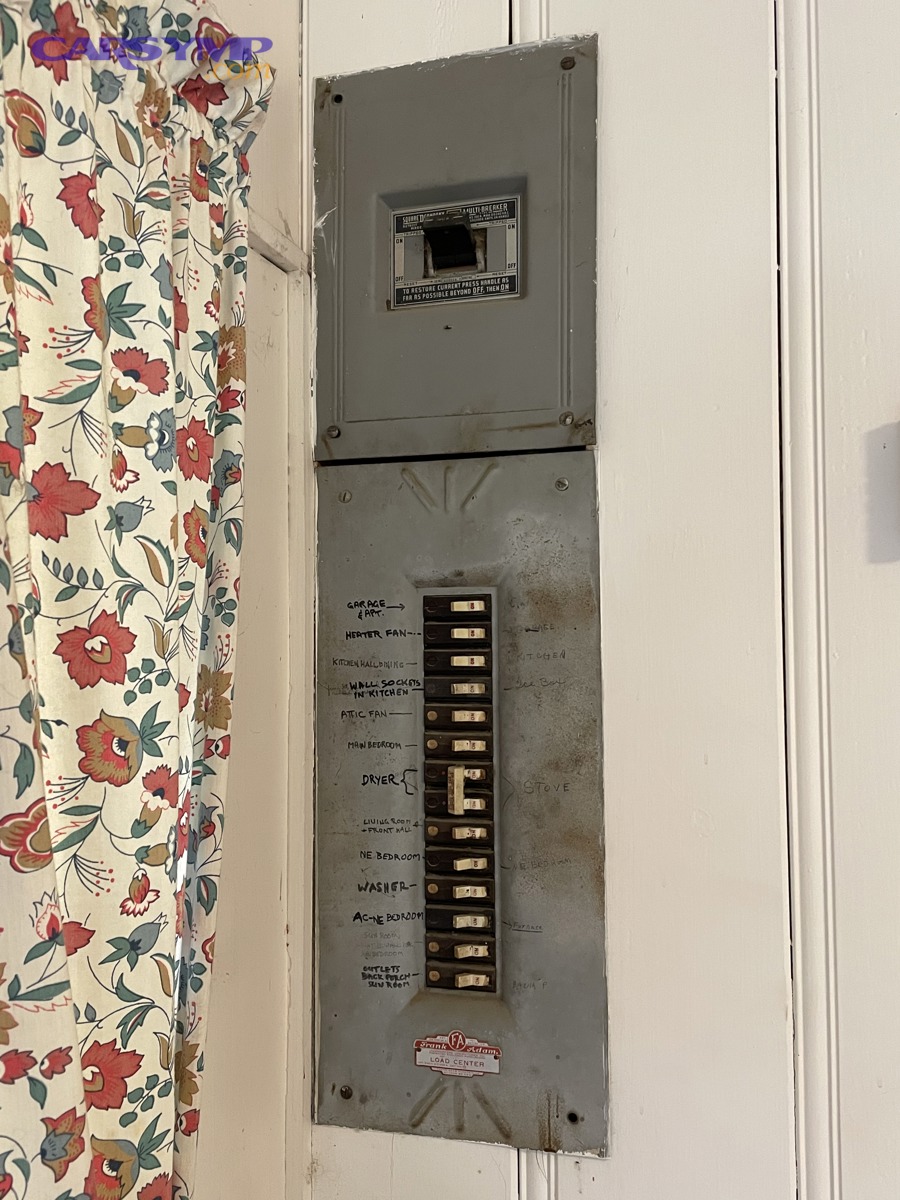
- Service panel work: anything inside the panel beyond clearly identified, safe homeowner tasks (many tasks are not homeowner-safe).
- Adding circuits or modifying circuit capacity: mis-sizing or miswiring can lead to overheating.
- Diagnosing repeated trips or burning smells: symptoms often indicate deeper faults.
- Legacy wiring scenarios: older systems can include unusual risks that require experienced evaluation.
Why this is different from “simple” tasks:
- The consequences can include shock and fire.
- The faults can be hidden (a slightly loose connection can overheat).
- The verification must be objective—not “it turned on.”
According to a report by the National Fire Protection Association (NFPA) Research, in 2022, wiring and related equipment accounted for about 68% of home fires caused by electrical distribution and lighting equipment.
Which plumbing repairs are high-risk ?
There are four main high-risk plumbing job types—main lines/shutoffs, in-wall supply, drainage/vent changes, and waterproofing systems—based on how quickly failures spread and how hidden leaks destroy materials.
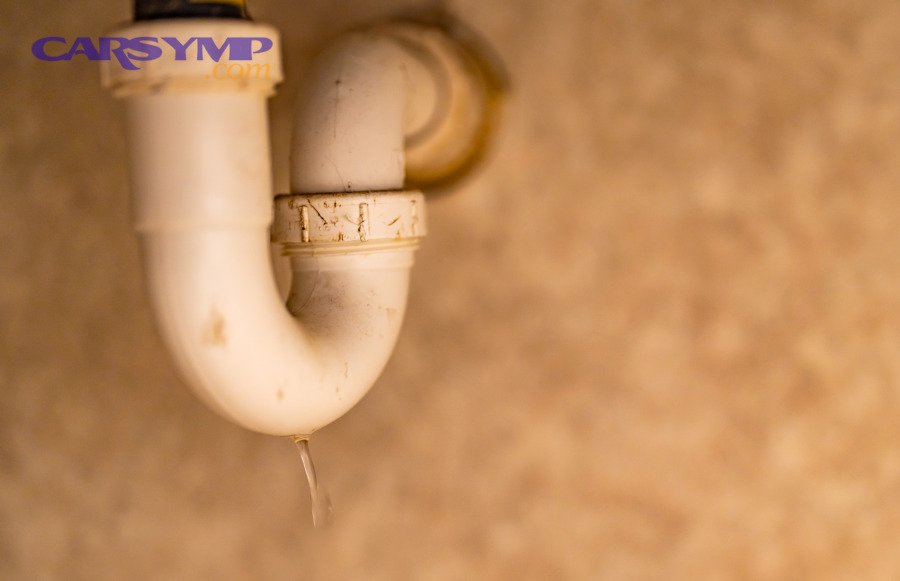
For example, a small “slow leak” behind drywall can quietly saturate insulation and framing long before you see a stain, and by the time you notice, you’re no longer repairing plumbing—you’re repairing a building.
High-risk plumbing repairs often include:
- Main shutoff and main line work: failure can flood the home quickly.
- In-wall supply line changes: hidden joints and pressure make tiny mistakes expensive.
- Drainage/vent alterations: incorrect slope/venting can cause recurring clogs, odors, or backups.
- Shower pans/waterproofing: failures can rot subfloors silently for months.
According to a study by the University of Florida from its news and research communications, in 2017, over 17% of homes already had a physical condition that contributes to leaks, which helps explain why moisture problems can persist and compound after water intrusion.
Which structural repairs are high-risk (what counts as load-bearing or stability-related)?
There are three main types of high-risk structural repairs—load-bearing modifications, connection/fastener failures, and foundation movement—based on whether the home’s load path can be compromised.
Meanwhile, “structural” doesn’t always look dramatic. A home can remain standing while becoming progressively unsafe or expensive to fix because loads shift slowly until something cracks, sags, or separates.
High-risk structural work includes:
- Removing or altering walls without confirmed load path understanding.
- Cutting or notching joists/beams beyond safe limits.
- Deck and porch structural connections where failure can be sudden and severe.
- Foundation cracks with movement or signs of settlement.
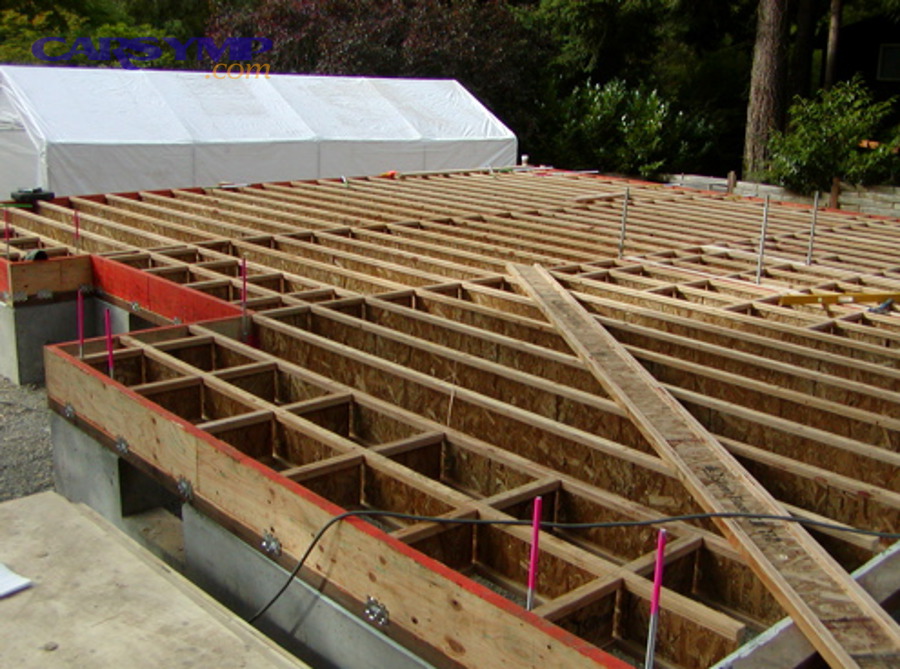
What counts as “load-bearing” in practical terms:
- If it supports floors/roof above, aligns with beams/posts, or sits under concentrated loads, treat it as potentially load-bearing until confirmed otherwise.
What’s the difference between DIY-friendly repairs and pro-only repairs?
DIY-friendly repairs win in reversibility, pro-only repairs are best defined by high consequence, and “gray-zone” repairs are optimal for DIY with professional verification—because the deciding factor is how safely you can test the outcome.
To illustrate, homeowners often compare projects by effort (“this looks hard”), but the more reliable comparison is by system impact (“if I’m wrong, what does my home suffer?”).
Is the repair reversible if you’re wrong, or does failure create hidden damage?
DIY wins when a repair is reversible, pro work is required when failure causes hidden damage, and hybrid approaches work best when reversibility is partial.
More specifically:
- Reversible (DIY-friendly): cosmetic fixes, hardware swaps, caulk replacement in non-critical areas, minor adjustments.
- Hidden-damage risk (pro-first): in-wall plumbing joints, shower waterproofing layers, panel wiring, structural connections.
This is why a “no leak on day one” outcome can be misleading. Hidden damage is a time-delayed cost.
A useful analogy from auto DIY: an oil pan gasket replacement can look like “remove bolts, replace gasket,” but if sealing surfaces aren’t prepared correctly—or if you misjudge RTV vs gasket type differences—you may create a slow leak that only shows up after heat cycles. That same pattern happens in homes: a repair that “seems fine” at first can fail later when pressure, vibration, or temperature changes kick in.
Can you test it safely and objectively, or are you guessing?
DIY is appropriate when you can test safely and objectively, while pro-only work is appropriate when testing requires specialized equipment, risky exposure, or code-level verification.
However, “it turned on” is not a full test. Objective testing means:
- You can confirm correct operation and confirm there are no dangerous side effects (overheating, pressure loss, unintended load paths).
This is where professionals add real value: they don’t just “make it work,” they prove it’s safe under expected conditions.
Does the repair change the home’s systems (load, pressure, drainage, structure) or just replace a part?
Replacing a part is usually DIY-friendly, changing system behavior is usually pro-only, and mixed projects should trigger a boundary plan.
For example:
- Part replacement: swapping a shower head (low system impact).
- System change: moving supply lines in a wall (high system impact).
- Mixed: replacing a fixture that also involves reconfiguring drainage (boundary plan needed).
In car terms, a simple oil change is part replacement, while Stripped drain plug and oil pan thread repairs shift into system integrity: once threads are damaged, the “part swap” becomes a sealing/fitment problem with higher consequence. Homes have the same escalation pattern.
What warning signs tell homeowners to stop mid-project and call a pro?
There are three major stop-now warning sign groups—repeat failures, unexpected conditions, and improvisation—based on how strongly they predict hidden hazards and compounding damage.
Besides being frustrating, mid-project warning signs are useful because they’re the exact moment you still have time to prevent a larger failure.
Are you seeing repeated failures (breaker trips, leaks returning, sagging, new cracks)?
Yes—repeated failure is a strong reason to stop and call a pro because (1) it signals an unresolved root cause, (2) repeated attempts often worsen damage, and (3) persistent symptoms can indicate a safety hazard.
More importantly, repetition is data: it tells you the system is not stable. Examples:
- A breaker that trips again after you “fixed” something suggests overload, fault, or miswiring.
- A leak that returns suggests pressure, bad joint prep, wrong materials, or hidden damage.
- A sag or crack that worsens suggests load transfer or structural compromise.
When repeat failures occur, switch your mindset from “repair” to “diagnosis.” Professionals are often better at diagnosis because they’ve seen similar patterns and can test efficiently.
Did you discover unknown conditions (old wiring, corrosion, rot, mold, pests)?
There are four common “unknown condition” discoveries—legacy wiring, corrosion, moisture/rot, and biological issues—based on how they expand scope and raise safety requirements.
In addition, unknown conditions create a new risk equation. The DIY plan you started with may no longer match the home you’re actually working on.
Examples that should trigger a pause:
- Old or unusual wiring you can’t confidently identify.
- Corrosion on plumbing or electrical connections.
- Soft/crumbly wood indicating rot.
- Mold-like growth or persistent moisture signs.
According to a study by the University of Florida from its news and research communications, in 2017, moisture and leak conditions are common enough that mold can remain a long-term issue after water intrusion, highlighting why hidden moisture discoveries should change a DIY plan immediately.
Are you improvising because the right part, tool, or access isn’t available?
Yes—improvisation is a reason to stop and call a pro because (1) “make it fit” often fails under real conditions, (2) mismatched components create hidden weaknesses, and (3) unsafe access increases injury risk.
Especially, improvisation isn’t always obvious. It can look like:
- Using the “closest” fitting or connector.
- Skipping a step because a tool isn’t available.
- Replacing a structural fastener with something “similar.”
- Re-routing something because access is hard.
Improvisation is often the tipping point where a project becomes less about skill and more about luck—and homes should never rely on luck for safety.
How can you reduce DIY risk when the job is actually DIY-appropriate?
Reducing DIY risk is a boundary-driven method with three steps—choose low-risk tasks, set stop criteria, and verify outcomes—so you finish safer, faster, and with fewer expensive surprises.
Then, once you avoid pro-only zones, you can still get real DIY wins by treating safety and scope as part of the build, not as an afterthought.
What “low-risk” repairs are usually safe for homeowners to DIY?
There are six common low-risk DIY repair groups—cosmetic, hardware, basic maintenance, simple fixture swaps, minor sealing, and non-structural adjustments—based on low consequence and high reversibility.
For example:
- Cosmetic: patching small nail holes, repainting trim, re-caulking non-critical joints.
- Hardware: replacing cabinet pulls, door handles, hinge adjustments.
- Basic maintenance: changing HVAC filters, cleaning dryer vents (with safe access), replacing faucet aerators.
- Simple fixture swaps: replacing a showerhead (without moving plumbing lines).
- Minor sealing: weatherstripping, draft sealing in accessible areas.
- Non-structural adjustments: leveling furniture, tightening loose cabinet doors.
A quick “DIY-safe” test:
- If you can stop midway without leaving the home unsafe (no exposed live wiring, no open water lines, no compromised structure), it’s more likely DIY-appropriate.
What is a practical “DIY boundary plan” before you start?
A DIY boundary plan is a pre-commitment checklist that defines your scope, your stop signs, and your verification steps—so you don’t drift from a safe project into a risky one.
Next, use this boundary plan template:
- Define the goal (one sentence).
Example: “Stop the drip at the faucet handle without changing supply lines.” - Define the scope (what you will NOT do).
Example: “I will not open walls, alter wiring inside the panel, or move drain lines.” - List your stop signs (3–5 triggers).
Example: “If I see corrosion, damaged wiring, or a leak I cannot isolate, I stop.” - Define your verification.
Example: “I will check for leaks after reassembly and recheck later; I will not assume success after a quick glance.” - Set a timebox.
Example: “If it’s not stable in two focused hours, I’ll call a pro.”
This is where “post-work” discipline matters. Auto DIY has a familiar concept: Post-repair leak check steps after a sealing job. The same mindset applies to homes—verification is not one glance, it’s a planned check after the system returns to normal conditions (pressure, heat, usage).
How do you estimate whether DIY actually saves money after tools, mistakes, and downtime?
DIY saves money when the job is low-risk and repeatable, a pro is cheaper when the job is high-risk or uncertain, and a hybrid approach is optimal when you can DIY the safe parts but need a professional for verification.
Moreover, homeowners often underestimate “hidden costs”:
- Tool purchases for one-time use
- Re-do materials after a mistake
- Downtime (living without a kitchen sink, power, or shower)
- Secondary damage (water intrusion, scorched wiring, cracked tiles)
A simple decision math:
- DIY true cost = parts + tools + time value + expected rework risk
- Pro true cost = quote + time saved + risk reduction
Use the same caution you’d use for a vehicle repair: a small mistake in an oil pan gasket replacement can create a persistent leak that costs more than the original job—especially if the fix escalates into Stripped drain plug and oil pan thread repairs. In a home, the equivalent is a small leak that becomes drywall replacement, insulation replacement, and mold mitigation.
According to a study by the University of Queensland from the School of Nursing, Midwifery and Social Work, in 2018, ladder falls were common enough that researchers highlighted avoidance and safety equipment strategies, supporting the idea that “time saved” is not savings if the risk of injury increases.
You now have a clear framework for deciding when to stop and call a pro. Next, we’ll expand into edge cases—insurance, older-home hazards, and choosing the right professional—so your “avoid DIY risks” decision stays strong in real-world situations.
What hidden factors make DIY repairs riskier than they look ?
Hidden risk factors include insurance/resale exposure, older-home hazards, contractor quality variance, and poor documentation, and they matter because they turn a “simple repair” into a long-term liability if anything goes wrong.
Below, think of these as micro-level multipliers: even if a job seems manageable, these factors can shift the correct decision from DIY to pro.
Do insurance, warranties, or resale disclosures change the DIY vs pro decision?
DIY may be fine for low-risk tasks, but yes—insurance, warranties, and resale can change the decision because (1) documentation matters after an incident, (2) unpermitted work can complicate claims and transactions, and (3) buyers and inspectors often scrutinize system modifications.
In addition, the higher the system impact, the higher the documentation value. If you choose DIY, keep it simple and keep records:
- Before/after photos
- Receipts for materials
- A short note on what you did and what you did not change
Which older-home hazards (lead, asbestos, knob-and-tube, aluminum wiring) should make you avoid DIY?
There are four older-home hazard categories—legacy electrical, hazardous materials, hidden moisture damage, and structural aging—based on specialized handling and risk of exposure or failure.
More specifically:
- Legacy electrical: older wiring types can behave differently and may not tolerate modern loads.
- Hazardous materials: disturbing old materials can create exposure risks.
- Hidden moisture damage: older homes often have layers of past leaks.
- Structural aging: previous modifications may have altered load paths.
If you suspect these hazards, the safest move is to pause, verify, and seek qualified evaluation.
How do you quickly vet the right pro so “avoid DIY” doesn’t mean “hire the wrong person”?
You can vet a pro quickly by checking licensing/insurance, matching scope to trade expertise, demanding clarity in the written estimate, and validating past similar work—because the goal isn’t just to avoid DIY, it’s to avoid bad outcomes.
Then, use a fast homeowner checklist:
- Ask what failures they commonly see in this type of repair (their answer reveals pattern recognition).
- Ask how they will verify the fix (testing mindset).
- Ask what they will not do without discovering additional issues (scope control).
What should you document before you call a pro to reduce cost and speed up diagnosis?
You should document symptoms, timeline, photos/video, what changed recently, and what you already tried, because it reduces diagnostic time and prevents repeated trial-and-error.
For example:
- “Breaker trips when microwave and toaster run together.”
- “Leak appears after using dishwasher; stain spreads over 24 hours.”
- “Door started sticking after removing a wall section.”
If you treated your DIY attempt like a controlled test, you make the professional visit faster, safer, and often less expensive.
According to a report by the National Fire Protection Association (NFPA) Research, in 2022, wiring and related equipment accounted for about 68% of home fires caused by electrical distribution and lighting equipment, reinforcing why professional verification and correct system work matter most in high-risk zones.