


STEP 1 — Title & outline analysis (for semantic SEO alignment)
– Main keyword (keyword focus): oil pan gasket replacement labor time
– Predicate (main action): estimate
– Relations lexical used: Synonym (labor hours = flat-rate time = book time)
– Search intent types present in the outline:
– Definition (what labor time/book time means; what “replacement” means)
– Grouping (typical hour ranges; time drivers; quote checklist)
– Boolean (is book time the same as downtime; is DIY realistic; do factors “automatically” add hours)
– Comparison (flat-rate vs clock time; shop time vs DIY time; book time vs quoted hours)
Oil pan gasket replacement labor time is usually predictable within a range once you know your vehicle layout and access, because most of the labor hours come from removal and reinstallation steps rather than the gasket itself.
Next, you’ll see why the same oil pan gasket replacement can be a quick reseal on one car and a multi-hour job on another, especially when clearance, subframes, or driveline parts block the pan.
Then, you’ll learn how to translate labor hours into a real-world estimate—labor cost, shop fees, and total downtime—so you can compare quotes without surprises.
Introduce a new idea: the fastest way to get an accurate quote is to understand what “flat-rate time” includes, what it excludes, and which questions force a shop to price the job correctly for your exact VIN.
What does “oil pan gasket replacement labor time” mean in flat-rate terms?
Oil pan gasket replacement labor time is the flat-rate or “book” number of labor hours a shop uses to price the job based on a standard procedure, not the exact minutes your specific car will be on the lift.
To better understand the quote you’re reading, it helps to separate labor hours from downtime and from scope (what the shop is actually doing).
In practical terms, a flat-rate guide assigns an expected time for a task—like removing the oil pan, cleaning mating surfaces, installing a new gasket or RTV sealant, and torquing bolts to spec. If a shop bills by flat-rate, the technician may complete the job faster or slower, but the billed labor hours stay tied to the guide time unless extra work is approved.
What flat-rate labor time typically includes
– Safely lifting the vehicle and removing lower covers or splash shields (when part of the published operation)
– Draining oil and removing the oil pan bolts
– Lowering the pan, cleaning surfaces, resealing, reinstalling
– Refilling oil (sometimes) and checking for leaks (basic)
What flat-rate labor time often does not include
– Diagnostic time to confirm the leak source
– Heavy degreasing of an oil-soaked undercarriage
– Rusted/broken fasteners, snapped studs, stripped threads
– Extra operations like “remove subframe,” “remove differential,” or “remove exhaust” unless the shop lists them on the estimate
That’s why two quotes can both say “oil pan gasket replacement” but carry very different labor hours: one quote is pricing the core operation only, and the other is pricing the core operation plus known access work.
Is flat-rate (book) time the same as how long your car will be in the shop?
No—flat-rate time is not the same as shop downtime, because downtime includes scheduling, cure time, and the shop’s workflow; it also includes the difference between “wrench time” and “waiting time.”
Specifically, even if the billed labor time is, say, 3.0 hours, your car can still be at the shop longer because:
1. Queue and scheduling: your car may wait for a bay, a lift, or a technician who does leak repairs.
2. Parts logistics: a gasket, oil, filter, or one-time-use bolts may need to be picked up or delivered.
3. Sealant cure windows: if the job is a reseal using RTV/FIPG, some procedures recommend a waiting period before refilling or driving.
More importantly, you should treat labor hours as a pricing unit, while downtime is a planning unit. When a shop says “book time is 2.5 hours,” the better follow-up is: “How long will you need the vehicle, and is any RTV cure time involved?”
Does “oil pan gasket replacement” always mean replacing a gasket, or can it mean resealing with RTV?
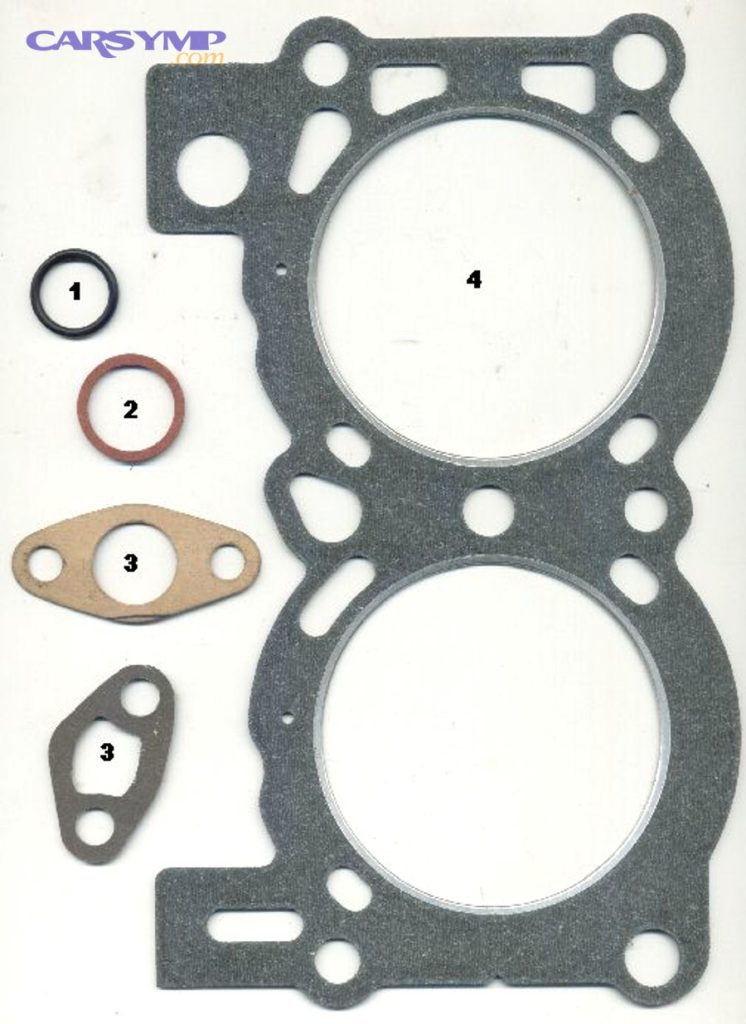
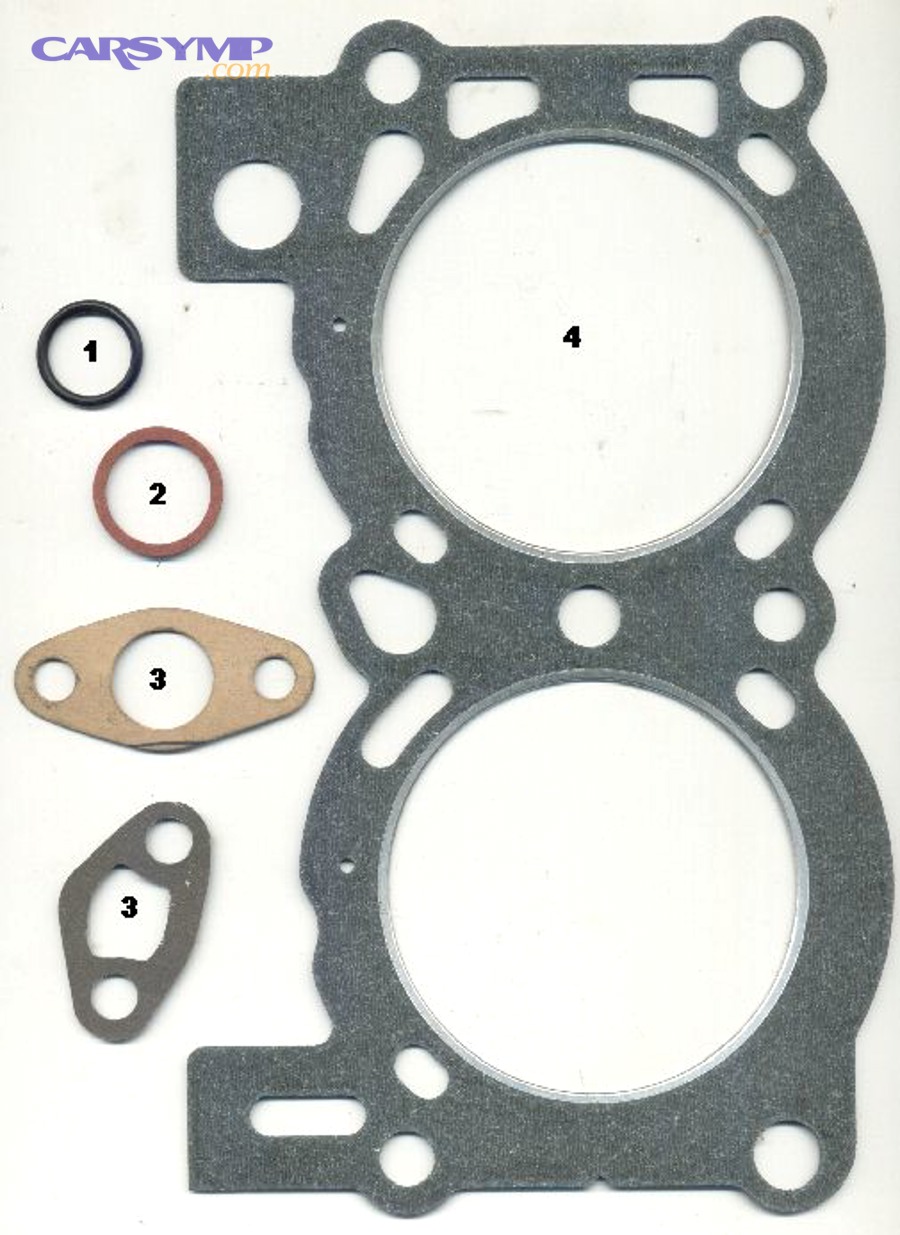
Oil pan gasket replacement can mean installing a preformed gasket or resealing the oil pan with RTV/FIPG, because many engines use sealant as the primary sealing method rather than a traditional cut gasket.
Next, the reason this matters is simple: resealing changes both the process and the planning.
– Preformed gasket (rubber/cork/paper/composite): the job focuses on clean surfaces, correct alignment, and proper bolt torque pattern. Downtime is mostly scheduling.
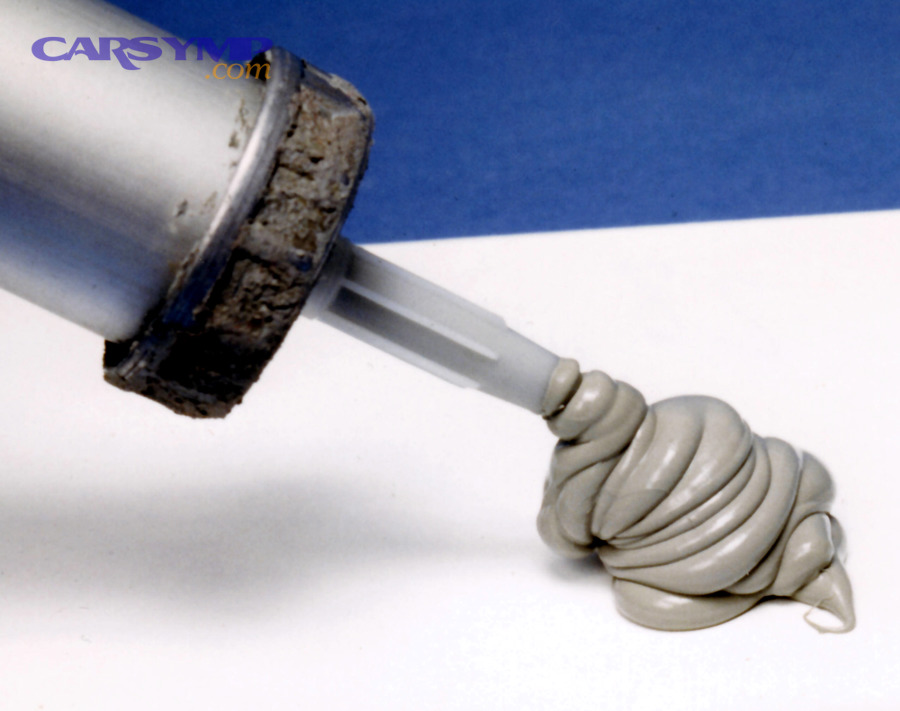
– RTV/FIPG reseal: the job adds sealant prep, bead control, and sometimes a recommended wait before refilling or returning the car to service.
A clean definition keeps your terminology consistent: “labor time” is what gets billed; “reseal vs replace” is what determines the steps. If you want a quote that matches reality, you want the shop to state which method your engine calls for.
How many labor hours does oil pan gasket replacement usually take?
There are three main “bands” of oil pan gasket replacement labor hours—quick-access, moderate-access, and restricted-access—based on how hard it is to remove the oil pan without moving major components.
Then, once you place your vehicle into the right band, the range becomes much easier to interpret, and you can spot suspiciously low (or inflated) quotes.
Typical labor-hour bands (general planning ranges)
– Quick-access (often simpler RWD layouts and some trucks): about 1.5–3.0 hours
– Moderate-access (mixed layouts, some FWD where the pan clears): about 3.0–5.0 hours
– Restricted-access (tight packaging, AWD/4×4, subframe or differential interference): about 5.0–8.0+ hours
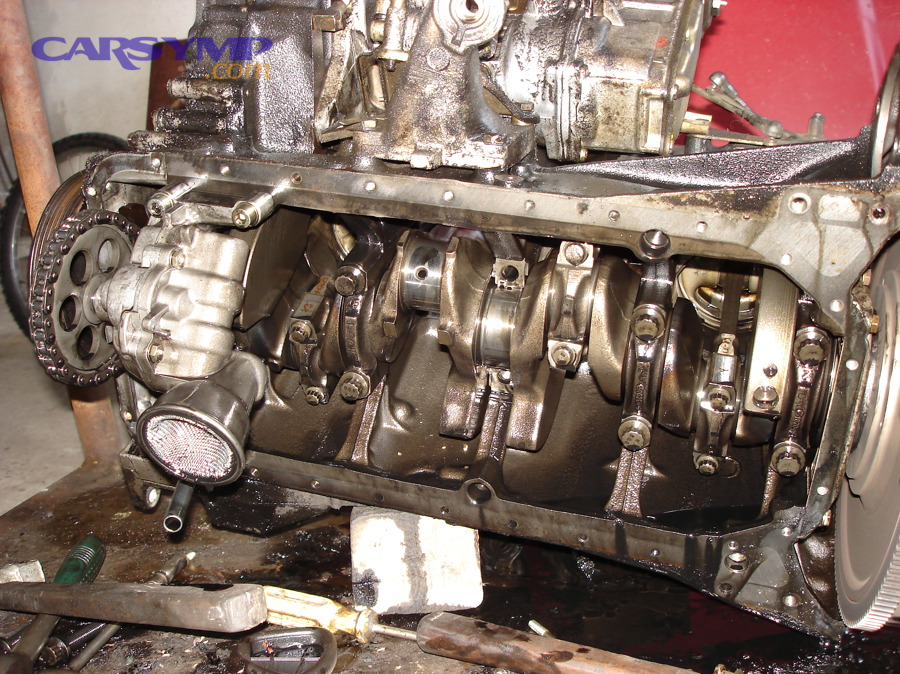
These are broad planning ranges, not a promise for every car, because Oil pan removal challenges by vehicle can be extreme—some pans drop straight down, while others are “trapped” by crossmembers, exhaust routing, or the drivetrain.
What’s the typical labor-time range for common layouts (FWD, RWD, AWD/4×4)?
There are 3 main layout-based labor-time patterns for oil pan gasket replacement: FWD transverse, RWD longitudinal, and AWD/4×4—based on what blocks the oil pan’s path out of the chassis.
Next, use these patterns to predict the quote you’re likely to see:
1) FWD transverse (many sedans, crossovers)
FWD transverse engines often place the oil pan above subframes and steering racks. That doesn’t guarantee a long job, but it increases the chance the pan won’t clear without loosening supports.
– Typical pattern: more time spent on access and clearance steps.
2) RWD longitudinal (many trucks, some sedans/coupes)
RWD layouts often leave more room under the pan, especially on body-on-frame trucks. If the exhaust and crossmember placement is friendly, the pan can drop with fewer removals.
– Typical pattern: more time spent on cleaning and resealing, less on “moving the world.”
3) AWD/4×4 (SUVs, trucks, performance cars)
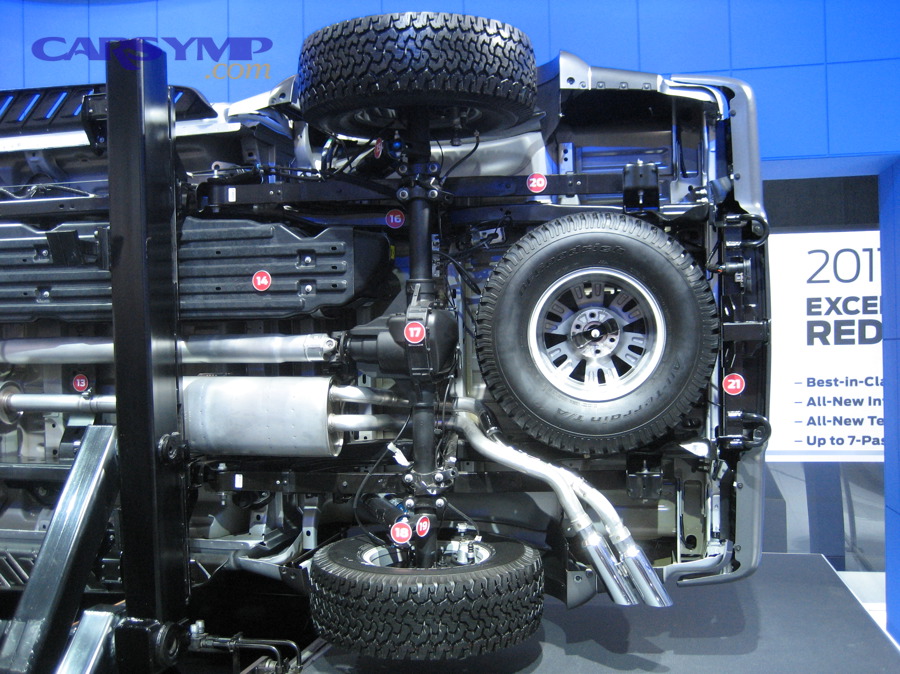
AWD/4×4 can introduce a front differential, CV axles, additional crossmembers, skid plates, and tighter packaging. Even if the gasket itself is simple, access can multiply labor hours.
– Typical pattern: more time spent removing driveline or structural pieces.
The most useful mindset is this: layout doesn’t “decide” the time, but it predicts the probability of extra operations that add hours.
Which job steps most often add hours (subframe drop, engine support, exhaust/crossmember removal)?
Yes—extra clearance steps usually add labor hours, because they introduce additional disassembly, alignment, and torque procedures that must be done correctly to avoid drivability and safety issues.
More specifically, these are the steps that most commonly raise a labor-time quote:
1. Subframe loosen/drop (or partial drop):
– Adds time because the subframe supports critical geometry (steering rack, control arms) and may require precise re-torquing and alignment checks.
2. Engine support or engine mount loosening:
– Adds time because the engine may need to be supported from above (support bar) or below (jack/support), and mounts may have torque-angle specs.
3. Exhaust removal or loosening:
– Adds time because exhaust fasteners can be corroded, and gaskets/hardware may need replacement.
4. Crossmember removal:
– Adds time because crossmembers are structural and may limit pan clearance.
5. Front differential or axle interference (common on 4×4/AWD):
– Adds time because driveline components limit the pan’s path.
The key takeaway is not “this will happen to your car,” but “these are the predictable labor-hour multipliers that should appear on a transparent estimate.”
Why can the labor time vary so much from one car to another?
Oil pan gasket replacement labor time varies because the gasket is rarely the hard part—the hard part is creating enough access to remove the oil pan and then reseal it without contamination or misalignment.
In addition, labor time is sensitive to three realities: packaging, condition, and procedure.
Does subframe or engine-mount removal automatically mean a longer labor time?
Yes—subframe or engine-mount removal usually means longer labor time, because it adds (1) more disassembly steps, (2) more reassembly precision, and (3) more risk-management checks that a shop can’t skip.
However, the important nuance is “usually,” not “always.” Here’s how to interpret it correctly:
1. More disassembly steps: loosening a subframe or mount requires additional bolts, supports, and sequencing.
2. Reassembly precision: structural components must be re-torqued in sequence, sometimes with torque-angle procedures.
3. Risk management: a shop may budget extra time to avoid steering alignment issues, vibrations, or noises after reassembly.
Meanwhile, some vehicles only require loosening a subframe enough to slip the pan out, which can add less time than a full drop. That’s why two shops can quote different hours and both be “reasonable”—they may be choosing different access strategies based on experience and risk tolerance.
Can leaks be misdiagnosed as an oil pan gasket, changing the quoted labor time?
Yes—Related leaks mistaken for oil pan gasket leaks are common, because oil migrates downward and backward, coating the pan and making it look like the pan is the source.
To illustrate, oil doesn’t leak “straight down” in a clean line. It can:
– Run along casting ribs and bolt heads
– Spread across wind and airflow patterns under the car
– Pool on splash shields and then drip from the lowest edge—which is often the oil pan lip
That creates a classic scenario: the oil pan is wet, so it gets blamed, and the quote is built around oil pan gasket replacement even though the true leak is above it.
Common related leaks mistaken for oil pan gasket
– Valve cover gasket seepage that drips down the engine block
– Timing cover seepage that tracks along the front of the engine
– Oil filter housing or cooler seals that leak under pressure
– Rear main seal or upper oil pan/lower crankcase seam leaks that look like a pan leak
– PCV issues that increase crankcase pressure and push oil past multiple seals
The practical impact is huge: misdiagnosis can cause you to pay for labor hours that don’t solve the leak. The better approach is to require confirmation of the leak source before authorizing the full repair—especially if the quote is in the restricted-access band.
How do you estimate labor cost from labor hours without getting surprised?
You estimate oil pan gasket replacement labor cost by multiplying quoted labor hours by the shop’s labor rate, then adding parts, shop supplies, fluid disposal, and taxes—because labor hours are only one line in a complete repair bill.
Next, if you want the estimate to behave like a predictable number, you need to standardize what you compare across shops.
What’s the simple cost formula (labor rate × labor hours) and what fees get added?
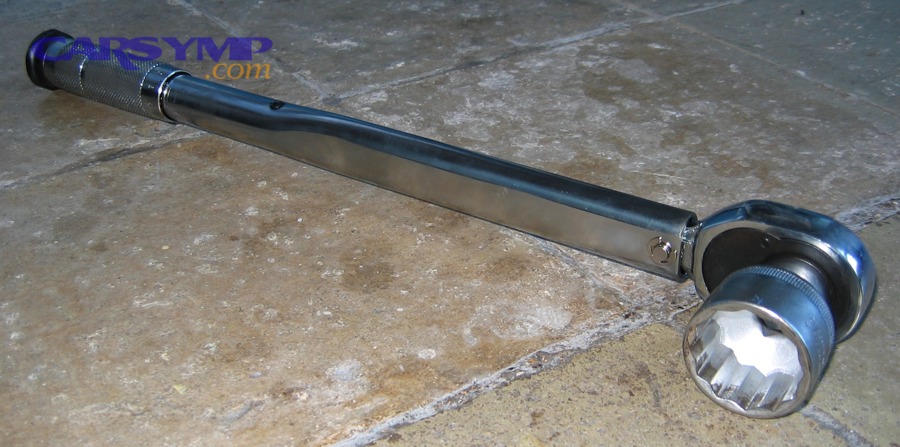
The simple formula is: (labor hours × hourly rate) + parts + fees + tax, and the “fees” are where many surprises hide.
More specifically, look for these common add-ons and treat them as normal—but negotiable when they’re duplicated or vague:
– Shop supplies: rags, brake cleaner, sealant applicators, threadlocker; sometimes a percentage of labor.
– Fluid disposal/environmental: oil disposal fee.
– Oil and filter: sometimes included, sometimes separate, sometimes upgraded.
– Hardware: replacement bolts, exhaust gaskets, or one-time-use fasteners if removed.
– Cleaning/degreasing: may be listed separately if the underside is heavily contaminated.
– Diagnostic fee: if the shop needed time to confirm the leak source (often credited if you approve the repair).
A useful way to compare estimates is to ask each shop to list:
1. Labor hours for the core operation
2. Any “access operations” billed separately
3. Fluids/parts included
4. Warranty terms
When you compare like-for-like, the cheapest estimate is not always the best, but the clearest estimate is usually the safest.
Should you ask the shop for “book time” or the shop’s quoted hours—and why?
Book time wins for comparison, but quoted hours win for planning, because book time tells you the standardized expectation, while quoted hours reflect the shop’s real pricing strategy for your car’s condition and access.
More importantly, you should ask for both—because the difference between them explains the quote.
– Ask for book time when: you want a baseline for fairness and to spot extreme outliers.
– Ask for quoted hours when: you want to know what you will actually pay and what the shop expects to do.
If the shop’s quoted hours are higher than book time, a legitimate reason usually sounds like: “This model requires loosening the subframe,” “The exhaust hardware is corroded,” or “We need extra cleaning to ensure the sealant bonds.”
Evidence: According to a study by Universiti Sains Malaysia from the School of Materials and Mineral Resources Engineering, in 2018, researchers evaluating silicone sealant curing found the cure curve can be used to determine working/handling windows such as softening time and tack-free time, which helps explain why reseal procedures sometimes include waiting periods before the joint resists surface damage.
Shop flat-rate time vs DIY time: which is realistic for most car owners?
Shop flat-rate time usually wins for predictability, while DIY time is realistic only if you have safe access, the right tools, and patience—because DIY adds learning time, cleanup time, and problem-solving time that flat-rate guides don’t price.
Then, once you map your situation to the right “DIY reality,” you can decide whether the savings are worth the risk.
Is DIY oil pan gasket replacement a good idea if you only have jack stands?
Yes, DIY oil pan gasket replacement can be a good idea with jack stands, but only when (1) the pan is truly accessible, (2) you can support the vehicle safely on level ground, and (3) you can control cleanliness and torque—otherwise the risk of leaks and safety issues rises fast.
More specifically, here are three reasons DIY can work—and three reasons it often fails:
Three reasons DIY can work
1. Simple access design: the pan drops without moving crossmembers or subframes.
2. Clear procedure: you can follow bolt sequences, torque specs, and sealant instructions.
3. Controlled workspace: you can keep dust, oil film, and debris off the sealing surfaces.
Three reasons DIY often fails
1. Limited clearance: you can’t maneuver the pan or tools comfortably, leading to rushed steps.
2. Dirty sealing surfaces: contamination causes repeat leaks even when the gasket is “new.”
3. Improper torque or sequence: over-tightening distorts the sealing flange or squeezes sealant unevenly.
This is where many first-time DIYers underestimate the job: the gasket itself is cheap, but the outcome depends on process discipline.
What parts and tasks are “while you’re in there” and can change your time estimate?
There are four common “while you’re in there” tasks that can change both time and cost: oil service, pickup tube sealing, pan inspection/replacement, and crankcase ventilation checks—based on what you can reach while the pan is off.
In addition, these tasks are often recommended because they reduce the chance of doing the job twice:
1. Oil and filter service (almost always):
– You’re draining oil anyway; bundling avoids double labor later.
2. Pickup tube O-ring or seal (when applicable):
– A worn seal can cause pressure or aeration issues on some engines.
3. Inspect pan flange and baffles:
– A bent flange or damaged pan lip can defeat a new gasket.
4. PCV / crankcase pressure check:
– Prevents pressure-driven leaks that defeat new seals.
If a quote includes one of these items, it may look “more expensive,” but it can also be more complete—especially if the vehicle has chronic seepage issues.
What should you confirm to get an accurate labor-time quote for your exact vehicle?
You can get an accurate labor-time quote by confirming the vehicle’s exact configuration, the sealing method, and the access operations the shop expects—because oil pan gasket replacement is a procedure-driven job that changes drastically with VIN-specific packaging.
Next, use a checklist approach so the shop has no reason to guess.
Which vehicle details most affect labor time (VIN, engine, drivetrain, skid plates)?
There are six vehicle details that most affect oil pan gasket replacement labor time: VIN/engine code, drivetrain, oil pan type, underbody protection, exhaust layout, and rust level—based on what must be removed for clearance.
More specifically, share these details up front:
– VIN (best for accurate labor guides)
– Engine size and code (some engines have trapped pans)
– FWD/RWD/AWD/4×4 configuration
– Any skid plates or splash shields
– Aftermarket exhaust or modifications
– Rust/corrosion history (salt-belt cars change labor reality)
This information directly connects to oil pan removal challenges by vehicle, because access is not a “generic” problem—it is a packaging problem.
What questions should you ask to prevent scope creep and extra labor charges?
Ask these questions before approving the job, because scope creep is usually predictable when you force clarity on access steps, sealing method, and verification.
In addition, these questions protect you from paying twice—once for the wrong repair, and again for the right one:
1. “How did you confirm the oil pan gasket is the source, not a leak above it?”
– This directly addresses Related leaks mistaken for oil pan gasket leaks.
2. “Is this a gasket replacement or an RTV/FIPG reseal?”
– This changes prep steps and possible cure time.
3. “Does this vehicle require loosening or dropping the subframe/crossmember?”
– This is the biggest labor-hour multiplier.
4. “What is included in the quoted labor hours, and what is excluded?”
– Forces transparency on diagnostic, cleaning, broken bolts.
5. “If you find stripped threads or broken bolts, how do you handle authorization?”
– Prevents surprise charges.
6. “Do you clean the mating surfaces to bare metal, and what method do you use?”
– This ties directly to long-term sealing success.
A good shop can answer these clearly. A vague answer is a signal that the estimate may be incomplete.
What rare factors can extend downtime or cause repeat leaks after an oil pan reseal?
Rare factors extend downtime or cause repeat leaks when they compromise sealant behavior, bolt clamping force, or surface cleanliness—because the seal is only as good as the joint preparation and the engine’s operating conditions.
To better understand why “it still leaks” happens, you need to separate two kinds of time: wrench time (work) and cure time (chemistry), and you need to treat surface prep as the core quality driver.
How is “wrench time” different from “cure time,” and how should you plan for both?
Wrench time is the hands-on labor hours to remove and reseal the pan, while cure time is the waiting period that allows RTV/FIPG to build strength and resist damage—so you plan wrench time for cost and cure time for downtime.
More specifically, most reseal failures happen when the joint is disturbed too soon:
– Oil is added too early and dilutes uncured sealant
– The engine is started before the sealant skins properly
– The car is driven and heat-cycled before the joint stabilizes
That’s why a reseal job can be “3 hours labor” but “overnight downtime” depending on the sealant system and procedure.
When does the job shift from “oil pan gasket” to “lower crankcase reseal,” and why does that matter?
The job shifts to a lower crankcase reseal when the leak is actually from a structural seam or upper/lower pan interface rather than the removable oil pan lip—because that broader seam can require significantly more disassembly and different sealing procedures.
In addition, this matters because the labor time and risk profile can change dramatically:
– More components may need removal for access
– The sealing surface area is larger and more sensitive to warpage
– The procedure may require stricter cleanliness and torque sequencing
If a shop discovers the leak is not at the oil pan flange, the right move is to pause and re-quote, not to “keep going” under the original estimate.
Do one-time-use bolts, torque-angle specs, or warped pans meaningfully change labor time?
Yes—one-time-use bolts, torque-angle specs, or warped pans can meaningfully change labor time, because they add (1) extra parts sourcing, (2) stricter installation sequencing, and (3) corrective work like flange straightening or pan replacement.
More specifically:
1. One-time-use bolts: replacing them adds parts time and sometimes waiting time.
2. Torque-angle specs: require controlled tightening steps and sometimes additional tooling.
3. Warped pan flanges: may require replacement or careful correction, because overtightening can distort thin stamped pans.
This is a common repeat-leak pathway: the gasket gets blamed, but the real issue is clamping force inconsistency caused by hardware or flange condition.
What verification steps reduce comebacks (UV dye, crankcase pressure/PCV checks)?
There are four verification steps that reduce repeat leaks after oil pan gasket replacement: clean-and-recheck, UV dye tracing, heat-cycle inspection, and crankcase pressure/PCV evaluation—based on whether the leak source and operating conditions are truly resolved.
In short, verification protects your labor investment:
1. Clean-and-recheck:
– A clean surface makes the first sign of fresh oil obvious.
2. UV dye test for oil leak tracing:
– Dye helps confirm the true origin when oil migrates and drips from the lowest point.
3. Heat-cycle inspection:
– Some seepage appears only after a full warm-up and cool-down.
4. Crankcase pressure/PCV check:
– Prevents pressure-driven leaks that defeat new seals.
Finally, if you want the repair to last, the most important micro-skill is preparation discipline—especially How to clean sealing surfaces properly. That means removing old RTV completely, degreasing to a dry, residue-free finish, avoiding gouges in aluminum, and keeping oil off the joint during assembly. When that step is rushed, even a perfect gasket can fail.